




Menopause
Menopause is when your periods stop permanently because the ovaries no longer release eggs regularly. It is confirmed after 12 months without a period, and symptoms such as hot flashes, poor sleep and vaginal dryness can be managed with lifestyle changes or treatment.

Seamless support from diagnosis to post treatment care
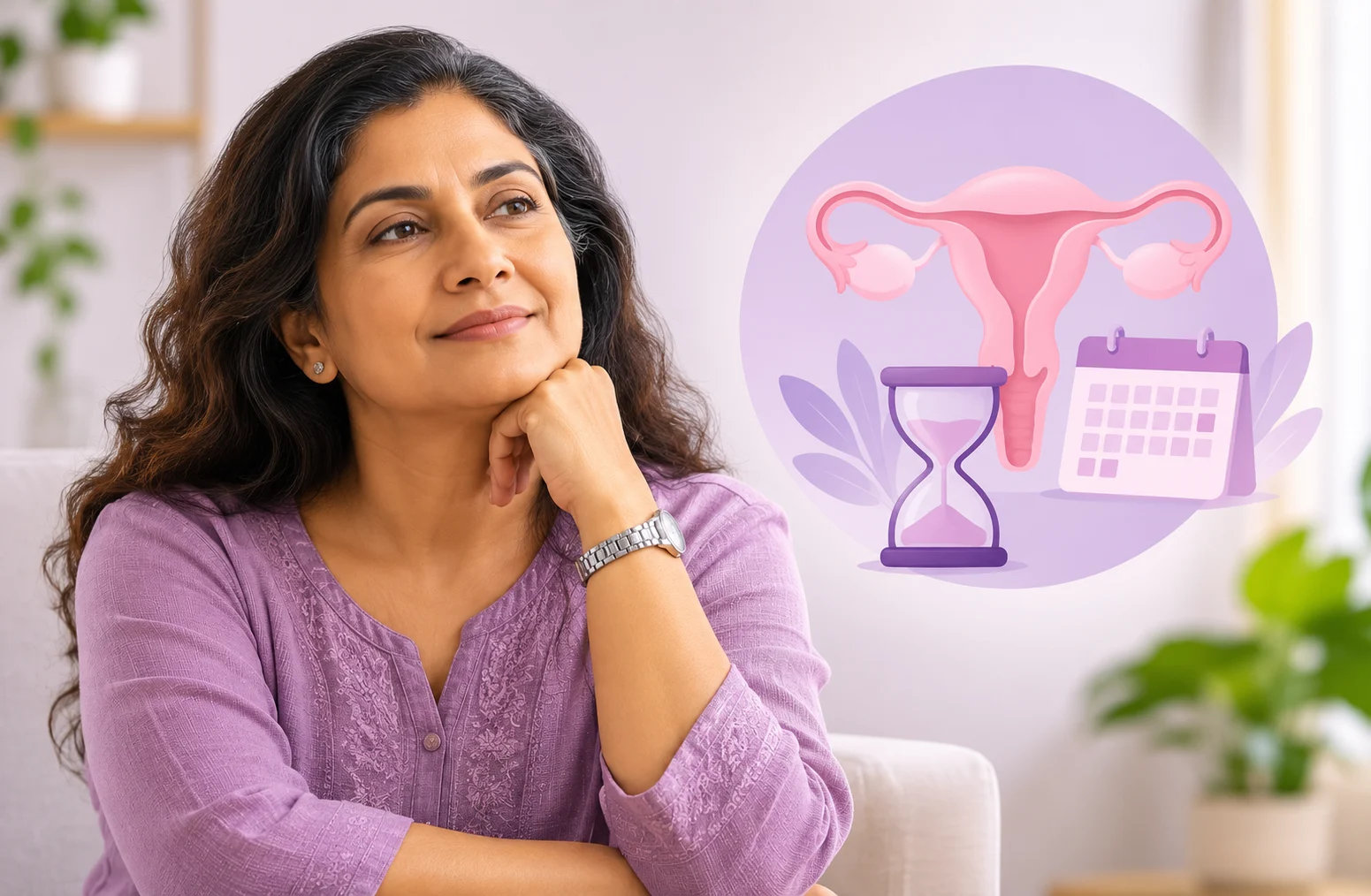
Overview
Changes in your periods, sleep, mood, or energy levels can become more noticeable in your 40s and 50s. These changes may be part of the transition to menopause, but they can affect every woman differently. While some women experience only mild symptoms, others may need support to feel comfortable in their daily lives. Understanding what is happening in your body and knowing which treatments are available can help you make informed decisions about your health.
What Is Menopause?
Menopause is the stage of life when your menstrual periods stop permanently because the ovaries no longer release eggs regularly and produce lower levels of reproductive hormones. Natural menopause is confirmed after you have gone 12 consecutive months without a period, provided there is no other cause for the missed periods.
Worldwide, menopause usually occurs between the ages of 45 and 55. In India, the average age at natural menopause is approximately 46.6 years, according to a systematic review of Indian studies. However, the timing varies from woman to woman.
The transition has three stages:
| Stage | What happens | Typical duration |
|---|---|---|
| Perimenopause | Hormone levels fluctuate, periods become irregular, and symptoms such as hot flushes and sleep disturbances may begin. | Several years vary between women. |
| Menopause | The point at which you have gone 12 consecutive months without a period. | A single point in time. |
| Postmenopause | The stage after menopause, when periods have permanently stopped and oestrogen levels remain low. | Continues for the rest of your life. |
How Do I Know If I Am in Menopause?
You may be approaching menopause if your periods become irregular and you experience symptoms such as hot flushes, night sweats, sleep disturbances, or vaginal dryness.
Natural menopause is confirmed when you have gone 12 consecutive months without a period, provided there is no other explanation. In otherwise healthy women over 45 with typical symptoms, doctors can usually identify perimenopause or menopause based on menstrual changes and symptoms without blood tests.
Menopause before the age of 45 is called early menopause. When it occurs before the age of 40, it is called premature menopause. Both require medical assessment and advice about long-term health.
What Happens to the Body During Menopause?
As you approach menopause, your ovaries produce less oestrogen and progesterone, and ovulation becomes less frequent before eventually stopping. These hormones play important roles beyond regulating your menstrual cycle.
Oestrogen helps regulate body temperature and supports bone strength, vaginal and urinary health, and several other body functions. As its levels change, you may experience hot flashes (hot flushes), night sweats, vaginal dryness or changes in bone density. Hormonal changes can also affect sleep, mood and sexual comfort.
The effects vary from woman to woman. You may experience several symptoms, only a few, or almost none. Understanding these changes can help you recognise when symptoms may be related to menopause and when medical advice may be helpful.
Causes of Menopause
Natural menopause is a normal part of aging. It occurs when the ovaries gradually become less active, produce lower levels of reproductive hormones, and eventually stop releasing eggs.
Menopause can also occur earlier or more suddenly due to certain medical conditions or treatments:
- Removal of both ovaries: Surgery to remove both ovaries causes immediate menopause because the main source of ovarian hormones is removed.
- Cancer treatment: Chemotherapy and radiation therapy involving the pelvic area can damage the ovaries and reduce or stop their function. The effects may be temporary or permanent.
- Primary ovarian insufficiency (POI): This occurs when the ovaries stop functioning normally before the age of 40. It may be associated with genetic conditions, autoimmune disorders, or other causes, although the reason is not always known. It requires medical evaluation and may need long-term hormone replacement to support bone and overall health.
- Hysterectomy: Removal of the uterus without removing the ovaries does not cause immediate menopause. However, it may be associated with menopause occurring somewhat earlier in some women.
Risk Factors for Early Menopause
Certain factors may increase the likelihood of menopause occurring earlier than expected:
- Family history: Women whose mothers or sisters experienced early menopause may have a higher likelihood of experiencing it themselves.
- Smoking: Tobacco use is associated with an earlier age at natural menopause.
- Genetic conditions: Certain inherited conditions can affect ovarian function and lead to premature menopause.
- Autoimmune disorders: Some autoimmune conditions may affect ovarian function and contribute to early menopause.
- Medical history: Previous ovarian surgery, chemotherapy, or pelvic radiation may increase the likelihood of early menopause.
Natural menopause cannot be prevented, and its timing is influenced by several factors. However, avoiding smoking and maintaining healthy habits can support your overall health during and after the transition.
If menopause occurs before the age of 45, consult a gynecologist for an assessment of possible causes and guidance on long-term health.
Symptoms of Menopause
Menopause symptoms vary in type, intensity and duration. They may begin during perimenopause and continue for several years after the final period.
What Are the 7 Early Signs of Menopause?
The seven common early signs include:
- Irregular periods or changes in menstrual flow.
- Hot flashes.
- Night sweats.
- Sleep difficulties.
- Mood changes or anxiety.
- Vaginal dryness.
- Reduced sexual desire.
Period and Cycle Changes
- Periods may become irregular, with longer or shorter gaps.
- Bleeding may become lighter or heavier before periods stop completely.
Hot Flashes and Sleep
- Hot flashes: Sudden waves of heat, often affecting the face, neck and chest.
- Night sweats: Sweating episodes during sleep.
- Sleep difficulties: Trouble falling or staying asleep, sometimes due to night sweats.
Vaginal and Urinary Symptoms
- Vaginal dryness, irritation or discomfort during sex.
- Frequent urge to urinate or urinary discomfort.
- Recurring urinary tract infections.
Mood, Memory and Sexual Health
- Mood changes, irritability, anxiety or low mood.
- Reduced sexual desire.
- Difficulty concentrating or memory changes.
Body Changes (Joints, Hair and Weight)
- Breast tenderness.
- Joint or muscle aches.
- Hair thinning or changes in body weight.
Not every symptom is necessarily caused by menopause. Consult a gynaecologist if symptoms persist or affect your daily life.
When Should You See a Doctor?
Seek medical advice for unusually heavy or prolonged periods, bleeding between periods or after sex, or new or persistent pelvic pain. Symptoms affecting your daily activities also warrant assessment.
Chest pain or breathlessness requires immediate medical attention. Seek immediate help for severe depression or thoughts of self-harm.
Any vaginal bleeding after 12 consecutive months without a period needs prompt medical assessment, even if it occurs once or involves only light spotting. It is important to identify the cause and rule out conditions affecting the uterine lining, including endometrial cancer.
How Is Menopause Diagnosed?
Menopause is usually diagnosed through your age, menstrual history and symptoms rather than a blood test.
For women aged 45 and above, menopause is generally diagnosed when periods have stopped for 12 consecutive months, provided there is no other cause. Tests are usually unnecessary when symptoms and menstrual changes follow a typical pattern.
Are Tests Needed to Confirm Menopause?
Your doctor may recommend tests in certain situations:
- Hormone tests: An FSH blood test may be considered if menopause is suspected between ages 40 and 45 or before age 40. Oestrogen levels may sometimes provide additional information, but hormone levels fluctuate during perimenopause. AMH is not recommended as a routine menopause diagnostic test.
- Thyroid and pregnancy tests: These may help rule out other causes of missed or irregular periods, depending on your symptoms and medical history.
- Bone density scan (DEXA): This may be recommended if you have risk factors for osteoporosis. It assesses bone health but does not diagnose menopause.
Your doctor will decide which tests, if any, are appropriate based on your age, symptoms and medical history.
Complications: Long-Term Health Risks of Menopause
The decline in oestrogen around menopause can affect long-term health. Not every woman develops complications, but awareness, preventive care and healthy habits can help reduce risks.
- Bone loss and osteoporosis: Bone density decreases after menopause, increasing the risk of fragile bones and fractures. Vitamin D deficiency and low calcium intake, which are common concerns in India, can further affect bone health.
- Heart and blood vessel disease: Heart disease risk rises after menopause. Age, blood pressure, cholesterol, diabetes, smoking and lifestyle also influence this risk.
- Urinary problems: Changes in vaginal and urinary tract tissues may cause urinary urgency, discomfort and recurring infections.
- Vaginal dryness and painful sex: Lower oestrogen levels can make vaginal tissues thinner and less lubricated, causing irritation or pain during sex.
- Sleep and mood changes: Persistent sleep difficulties, anxiety and low mood may affect daily functioning and quality of life.
Depending on your age, symptoms and medical history, your doctor may recommend a bone density scan (DEXA), particularly if you have additional osteoporosis risk factors, along with cardiovascular risk checks and treatment for vaginal or urinary symptoms. Discuss any persistent sleep or mood changes with your doctor.
Treatment Options of Menopause
Menopause does not always require medical treatment. Lifestyle changes may be enough for mild symptoms, while persistent symptoms may need medical treatment. Your doctor will recommend options based on your symptoms, medical history and preferences.
Lifestyle and Self-Care
- Exercise regularly, including weight-bearing activities such as walking.
- Maintain a consistent sleep routine and keep your bedroom cool.
- Eat a balanced diet with adequate calcium and vitamin D.
- Identify triggers for hot flashes, such as caffeine, alcohol and spicy foods.
- Avoid smoking and practise relaxation techniques to manage stress.
Hormone Therapy
Menopausal hormone therapy, also called hormone replacement therapy (HRT), is the most effective treatment for hot flashes and night sweats. It can also relieve vaginal symptoms and help prevent bone loss.
HRT contains oestrogen alone or combined with a progestogen. Women who have a uterus generally need both to protect the uterine lining. Oestrogen-only therapy is generally used after the uterus has been removed.
HRT is available as tablets, skin patches, gels and sprays. Low-dose vaginal oestrogen can specifically treat vaginal and urinary symptoms.
Benefits and risks of HRT
| Benefits | Possible risks |
|---|---|
| Relief from hot flashes and night sweats. | Blood clots and stroke. |
| Relief from vaginal dryness. | Increased breast cancer risk with combined therapy, particularly with longer use. |
| Protection against bone loss. | Gallbladder problems. |
HRT generally has a more favourable benefit-risk balance when started before age 60 or within 10 years of menopause. However, it may not suit everyone, particularly women with a history of breast cancer, unexplained vaginal bleeding or blood clots.
Your doctor will assess your suitability and review treatment at least once a year.
Non-Hormonal and Other Treatment Options
- Prescription medicines: Certain antidepressants (SSRIs and SNRIs) and gabapentin can help reduce hot flashes and night sweats. They may cause side effects.
- Vaginal moisturisers and lubricants: Help relieve dryness and discomfort during sex.
- Local vaginal oestrogen: May help persistent vaginal and urinary symptoms in suitable patients.
- Psychological support and cognitive behavioural therapy (CBT): Can help manage sleep difficulties and emotional changes. Severe mood symptoms need assessment by a doctor or psychologist.
Herbal remedies and supplements are not automatically safe. Their benefits vary, and some may interact with medicines. Consult your doctor before using them.
Menopause Treatment Options at a Glance
| Symptoms | Treatment options |
|---|---|
| Hot flashes and night sweats | Lifestyle changes, HRT or prescription medicines. |
| Vaginal dryness | Moisturisers, lubricants or local vaginal oestrogen. |
| Sleep difficulties | Sleep routine changes, CBT and symptom management. |
| Mood changes | Psychological support, CBT or medical treatment. |
| Bone health concerns | Exercise, calcium, vitamin D and DEXA assessment when indicated. |
Discuss persistent or troublesome symptoms with your gynaecologist to identify the most suitable treatment.
What is the Prognosis (Outlook) for Menopause?
Most women continue to enjoy good health and quality of life during and after menopause. However, symptoms and long-term health needs may vary.
- Symptom changes: Hot flashes and night sweats often improve over time, while vaginal dryness and some other symptoms may persist and need treatment.
- Individual experience: Symptoms and their duration vary. Some women need treatment for several years, and you do not need to wait until symptoms become severe to seek help.
- Long-term health: After menopause, maintaining bone strength, heart health and vaginal and urinary comfort becomes important. Regular check-ups, physical activity, a balanced diet and recommended screenings can help.
- Early menopause: If menopause occurs unusually early, your doctor may recommend additional assessments and treatment to protect your long-term health.
Questions to Ask Your Gynaecologist
Preparing a few questions before your appointment can help you understand your symptoms and choose care that suits you.
About confirming menopause and other causes
- Are my symptoms likely to be related to menopause, or could something else be causing them?
- Do I need any tests or an examination?
- Could my medicines or an existing health condition be affecting my periods?
About treatment and symptom relief
- Which treatments are suitable for my symptoms?
- Is hormone therapy appropriate for me, and what are its benefits and risks?
- What non-hormonal options are available?
- What can I do about vaginal dryness, sleep problems, or mood changes?
About long-term health and follow-up
- How can I protect my bones and heart after menopause?
- Do I need any assessments or screening based on my age and health history?
- How often should I have a follow-up appointment?
- If I experience new bleeding or other symptoms, when should I seek medical care?
You can discuss any symptom that affects your comfort or quality of life. Your gynaecologist can help you understand the available options and make decisions based on your individual needs.
Prevention and Lifestyle Tips of Menopause
Natural menopause cannot be prevented. However, healthy habits can support your wellbeing, help manage some symptoms and reduce certain long-term health risks.
- Exercise regularly: Include activities that support bone strength, muscle health and cardiovascular fitness.
- Avoid smoking: Not smoking supports bone and heart health and may reduce the likelihood of earlier menopause associated with smoking.
- Maintain a healthy weight: Regular activity and balanced eating can support metabolic and cardiovascular health.
- Get enough calcium and vitamin D: These nutrients help maintain bone strength. Ask your doctor whether your diet or health history suggests you need supplements.
- Limit alcohol and caffeine if they trigger symptoms: Reducing them may help some women manage hot flashes or sleep disturbances.
- Prioritise sleep and emotional wellbeing: A consistent sleep routine, relaxation and support from family, friends or a healthcare professional can help.
- Attend recommended health checks: Discuss blood pressure, cholesterol, diabetes risk, bone health and age-appropriate screening with your doctor.
These habits cannot prevent menopause, but they can help you maintain your health during the transition and in the years that follow.
Why Choose BirthRight by Rainbow Hospitals for Menopause Care?
Menopause care should take into account how you feel, your medical history, and the changes you are experiencing. At BirthRight by Rainbow Hospitals, our gynaecology teams can help you discuss your symptoms and explore appropriate care.
- Gynaecology consultation: We provide an opportunity to discuss menstrual changes, hot flashes, sleep problems, vaginal symptoms and other concerns with a doctor.
- Individual assessment: We assess your symptoms and medical history to help determine whether they are related to menopause or need further investigation.
- Personalised treatment discussions: We discuss suitable options, including lifestyle measures, hormone therapy and non-hormonal approaches, where available and clinically appropriate.
- Long-term health guidance: We help you understand the importance of bone health, cardiovascular risk assessment and other age-appropriate preventive care.
- Supportive, informed care: We aim to explain your options clearly so that you can make decisions with confidence.
If menopause symptoms are affecting your comfort or daily life, book a consultation with a gynaecologist at a suitable BirthRight by Rainbow Hospitals location to discuss your symptoms and treatment options.

Find a Doctor and Book Appointment Online
Meet our specialist doctors who bring together clinical expertise, compassion, and personalised care to support your health and well-being. Choose from 1,300+ specialists across our network and book an appointment with BirthRight and Rainbow Children Hospitals, offering 24*7 support to you and your family.

Dr. Pranathi Reddy A
Clinical Director – Obstetrics & Gynecology.
English,Hindi,Telugu Banjara Hills

Dr. Gauri Vinayak Dhamangaonkar
Senior Consultant - Fetal Medicine
15 Years English,Hindi,Marathi,Telugu Kondapur OP, Banjara Hills

Dr. Shruthi Reddy Poddutoor
Consultant Obstetrician, Gynecologist & Laparoscopic Surgeon
English,Telugu Banjara Hills

Dr. Himabindu Veerla
Consultant Obstetrician, Gynecologist & Laparoscopic Surgeon
English,Telugu Banjara Hills

Dr. Bhargavi Reddy K
Consultant - Obstetrics and Gynecology
10 Years English,Hindi,Telugu Banjara Hills, Attapur Clinic

Dr. Annie Pranutha P
Consultant Obstetrics and Gynecology
9 Years English,Hindi,Telugu Banjara Hills, Attapur Clinic

Dr. Sasikala Kola
Consultant Obstetrician & Gynecologist
English,Hindi,Telugu Banjara Hills

Dr. Atigadda Vijaya
Consultant - Obstetrics & Gynecology
Hindi,Telugu Banjara Hills, Himayatnagar, Attapur Clinic

Dr. Nishanth Reddy Inavolu
Visiting Consultant Physician and Diabetologist & Internal Medicine
English,Hindi,Telugu Banjara Hills, Himayatnagar

Dr. Tulika Tayal
Consultant - Fetal Medicine
English,Telugu Banjara Hills

Dr. M Prathyusha Reddy
Consultant Obstetrics & Gynecology
English,Telugu Banjara Hills

Dr. Nithya Narasimha Murthy
Consultant -Psychiatrist
English,Hindi,Telugu Kondapur OP, Banjara Hills, Child Development Centre - Banjarahills Rd No 10

Dr. Brundavani
Consultant - Nutritionist
English,Hindi,Telugu Kondapur OP, Hydernagar, Banjara Hills, Child Development Centre - Banjarahills Rd No 10

Dr. Niveditha Chalmeda
Consultant
English,Telugu Banjara Hills

Dr. Kirti Reddy Patlolla
Consultant Obstetrics and Gynaecology
English,Telugu Banjara Hills, Attapur Clinic

Dr. Tuheena Sharma
Consultant - Perinatal Physiotherapy
10 Years English,Telugu Banjara Hills

Dr. Aditi Shah
Consultant - Fetal Medicine
English,Telugu Banjara Hills

Dr. Swathi Naga Tulasi Rayapureddy
Lactation Consultant
8 Years English,Telugu Banjara Hills

Dr. Swetha Reddy. S
CONSULTANT PERINATAL PSYCHIATRIST AND WOMEN MENTAL HEALTH SPECIALIST
13 Years English,Hindi,Telugu Banjara Hills

Dr. Addu Kiranmayi
Chief Clinical Nutritionist and Lifestyle Medicine Consultant
15 Years English,Hindi,Telugu Himayatnagar, Banjara Hills

Dr. Palle Nalini Kumari
Lactation Consultant
17+ Years English,Hindi,Telugu Banjara Hills

Dr. Nazia Tabassum
Consultant - Breast, Plastic & Reconstructive Surgeon
9 Years English,Hindi,Telugu,Urdu Banjara Hills

Dr. Sruthi Cheera
Consultant Breast Surgeon
5 Years English,Hindi,Kannada,Telugu Banjara Hills

Dr. Supriya Reddy
Lactation Consultant
5 Years English,Hindi,Telugu Banjara Hills

Dr. Niraj Krishnamurthy Yanamandra
Senior Consultant Obstetrician & Gynaecologist, Laparoscopy & Hysteroscopy Surgeon
English,Hindi,Marathi,Telugu Hydernagar, Banjara Hills, Financial District

Dr. B. Rao Bahadur
Consultant – Obstetrician & Gynecologist, Laparoscopic ,& Hysteroscopic Surgeon
22 Years English,Hindi,Konkani,Marathi,Telugu Banjara Hills, Kondapur OP

Dr. Sneha Kulkarni
Consultant - Child, Adolescent & Adult Psychiatrist
10 Years English,Hindi,Kannada,Telugu Secunderabad, Banjara Hills, Child Development Centre - Banjarahills Rd No 10

Dr. Lavanya Janagama
Consultant – Obstetrics & Gynecology
10+ Years English Banjara HillsLeading Hospitals for Women Care
Rainbow Children's Hospital stands as a testament to the hospital's continual pursuit of excellence and innovation, providing specialized care for women and children


















chennai
Blogs
Discover our most recent health articles provided by our reliable experts.




What Are People Saying About Us
Embark on a journey of inspiration and hope with our patient success stories, complemented by informative videos from our dedicated doctors.


Media
 Common Gynaecological Surgeries to Fix Female Reproductive Issues
 Healthy Woman - Healthy World
 Healthier Women For a Healthier Future...
 Rainbow Children’s Hospital & BirthRight by Rainbow Launch Video Consultation Facilities
 Dr.Pranthi Reddy
 What is the use of that?
 Can you try this time?
 Pregnant Women are Not Unfit
 Declining Age of Menarche - A Matter of Concern
 Important Facts about Cervical Cancer
 Be careful before preempting
 Flu every month!
 Menstrual cramps
 Premature delivery
 Whether laughing or coughing...why?
 Multi - Tasking may be Cool but it's not Healthy
 Pregnant and Worried about COVID-19? Here's Everything you Need to know
 Video Consultation in Pandamic Situation for Pregnancy Women's
 Women.. Various types of cysts
 Recurrent Pregnancy Loss in Women
 Early Onset of Puberty: Causes, Symptoms and Treatment Options
Common Gynaecological Surgeries to Fix Female Reproductive Issues
Healthy Woman - Healthy World
Healthier Women For a Healthier Future...
FAQs
What are the early signs of menopause?
At what age does menopause start in India?
How long does menopause last?
What is the difference between perimenopause and menopause?
How do I know if I am in menopause? Is there a test?
Can I still get pregnant if my periods have become irregular in my 40s?
If I have had my uterus removed, will I still go through menopause?
Can menopause cause heart palpitations, joint pain or hair thinning?
Why am I gaining weight around my middle when I eat the same as before?
Will menopause reduce my desire for sex, and is that permanent?
Are natural remedies for hot flashes effective?
Can menopause affect memory and concentration?
Is it normal to feel anxious or low for the first time in my late 40s?
Do I need to stop my birth control pill to find out whether I have reached menopause?
Is it normal to bleed after menopause?
Quick Links
Free Calculators to Track and Predict your Pregnancy
Gynecologist in Other Locations
Women's Health Conditions We Treat
- Mastitis (Breast Infection)
- PCOS (Polycystic Ovary Syndrome)
- Uterine Fibroids (Leiomyomas)
- Recurrent Pregnancy Loss
- Blocked Fallopian Tubes (Fallopian Tube Obstruction)
- Gestational Diabetes in Pregnancy
- Incompetent Cervix (Cervical Insufficiency)
- COVID-19 in Pregnancy
- Cytomegalovirus (CMV) in Pregnancy
- HELLP Syndrome
- Luteal Phase Defect
- Vasa Previa
- Listeria in Pregnancy
- Placenta Previa
- Endometrial Polyps (Uterine Polyps)
- Congenital Heart Disease in Pregnancy
- Hyperemesis Gravidarum (Severe Morning Sickness)
- Preeclampsia (toxemia)
- Fetal Distress (Non-Reassuring Fetal Status)
- Postpartum Haemorrhage (PPH)
- Placental Abruption (Abruptio Placentae)
- Placenta Accreta
- Postpartum Depression (PPD)
- Rhesus (Rh) Incompatibility
- Syphilis in Women
- Thalassemia in Pregnancy
- Gestational Thrombocytopenia
- Diabetes in Pregnancy
- Uterine Rupture
- Migraine in Pregnancy
- Eclampsia
- Uterine Inversion (Inverted Uterus)
- Rubella in Pregnancy
- Pulmonary Hypertension in Pregnancy
- Hydrops Fetalis (Fetal Hydrops)
- Iron-Deficiency Anaemia in Pregnancy
- Hypothyroidism in Pregnancy
- Pregnancy Constipation
- Retained Placenta
- Antiphospholipid Syndrome (APS)
- Subchorionic Hemorrhage
- Asthma in Pregnancy
- Amniotic Fluid Embolism (AFE)
- Placenta Increta
- Fetal Macrosomia
- Gestational Trophoblastic Disease (GTD)
- Postpartum Psychosis
- Chronic Hypertension in Pregnancy
- Gestational Hypertension
- Oligohydramnios (Low Amniotic Fluid)
- Miscarriage (Spontaneous Abortion)
- Breast Abscess
- Ovarian Cancer
- Placental Insufficiency
- Diarrhoea in Pregnancy
- Chorioamnionitis (Intra-Amniotic Infection)
- Arrhythmias in Pregnancy
- Amenorrhea