



Listeria in Pregnancy (listeriosis in Pregnancy)
Listeria in pregnancy, also referred to clinically as listeriosis, is a food-borne bacterial infection that pregnancy makes more likely and more serious. It is linked to unpasteurised milk, soft cheeses, cold meats and unwashed produce, and may cause only a mild fever in the mother while putting the baby at risk. Early treatment and safe food habits protect you both.

Seamless support from diagnosis to post treatment care
Overview
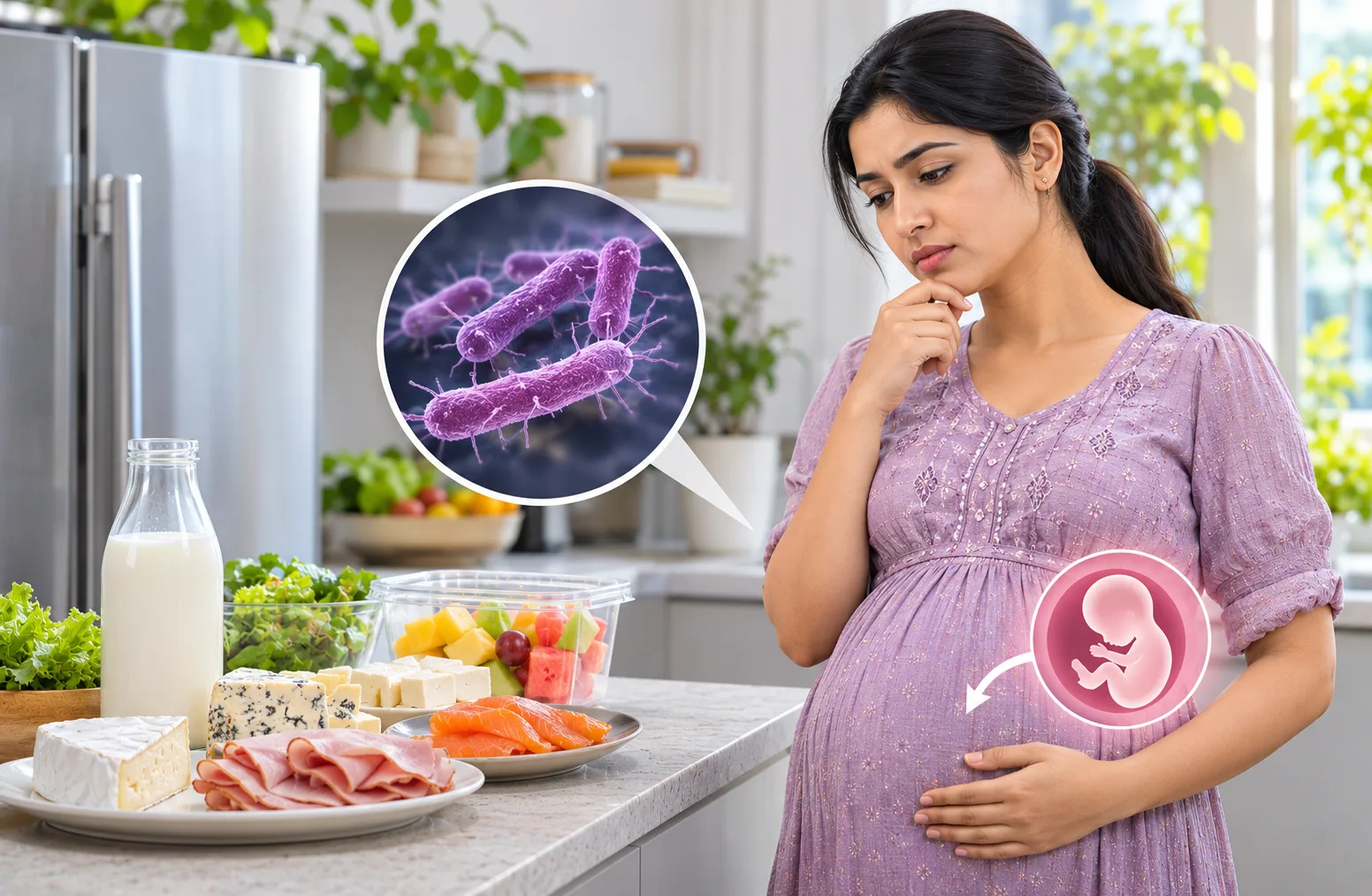
Pregnancy often brings extra attention to what you eat, especially if you later realise that a food may carry an infection risk. Listeria is a type of bacteria that can be found in certain foods, and pregnancy can make women more vulnerable to infection.
Listeriosis may cause only mild symptoms in the mother, but it can have a greater effect on the pregnancy, which is why recognising possible exposure and knowing when to seek medical advice matters. Understanding what listeria is and how the infection can affect pregnancy is a useful place to begin.
What Is Listeria in Pregnancy?
Listeria is a bacterium that can contaminate certain foods and cause an infection called listeriosis. In most healthy adults, it causes little more than a mild upset, but in pregnancy it is taken seriously because it can reach the baby. A listeria infection during pregnancy can cross the placenta even when the mother feels only slightly unwell.
What makes the risk of listeriosis in pregnancy different is how much more likely pregnant women are to be affected. According to the FDA, pregnant women are about 10 times more likely than the general population to get a listeria infection. This is why food safety advice in pregnancy focuses so strongly on the foods that can carry this particular bacterium.
Why Does Pregnancy Increase the Risk of Listeria Infection?
Pregnancy naturally changes how the immune system works. The body slightly lowers some of its defences so that it does not reject the growing baby, which is a normal and healthy adjustment. The trade-off is that pregnant women are a little less able to fight off certain infections, including listeria.
This is why a bacterium that most people shrug off can take hold more easily in pregnancy. It also explains why the same careful food habits are advised for every pregnant woman, not only those who feel unwell. The change in immunity is temporary and returns to normal after the baby is born.
Causes of Listeria in Pregnancy
The main cause of listeria in pregnancy is eating food contaminated with the listeria bacteria. Unlike many germs, listeria can grow even in the fridge, which is why certain chilled and ready-to-eat foods carry more risk. The common sources are below.
- Unpasteurised or raw milk: Milk that has not been pasteurised, and products made from it, can carry listeria, so milk should be boiled or pasteurised.
- Soft cheeses: Soft cheeses made from unpasteurised milk, such as some feta, brie and fresh cheeses, are higher risk. Mould-ripened soft cheeses such as brie, and soft blue cheeses, carry some risk even when pasteurised unless cooked until steaming hot.
- Cut fruit and unwashed produce: Pre-cut fruit, salads and raw vegetables that are not washed well can carry the bacteria.
- Cold cooked and deli meats: Cold or ready-to-eat meats can carry listeria unless reheated until steaming hot.
- Chilled smoked fish: Refrigerated smoked or raw fish such as some packaged seafood.
- Leftovers and ready meals: Food left too long or not reheated thoroughly before eating.
The pregnancy risk from listeria is highest with foods eaten cold and stored for a while. In India, loose milk may not be pasteurised and can be a source of listeria, so boiling milk well is an easy and important step. Cooking and reheating food until steaming hot kills the bacteria.
Risk Factors for Listeria Infection During Pregnancy
Every pregnant woman is more at risk of listeria than she would be otherwise, but some situations raise the chance further. These relate mostly to the foods eaten and how they are stored. The main risk factors are below.
- Eating high-risk foods: Regularly eating unpasteurised dairy, cold meats or unwashed produce raises the chance of exposure.
- Weakened immunity: Conditions or medicines that lower immunity add to the risk already present in pregnancy.
- Poor food storage: Keeping food too long or storing it at the wrong fridge temperature lets bacteria grow.
- Eating out often: Food prepared in unknown conditions can carry a higher risk if not freshly cooked.
Having a risk factor does not mean you will get an infection, as listeriosis remains uncommon overall. The point is simply that a few sensible food habits help reduce the risk. The prevention section sets these out clearly.
Signs & Symptoms of Listeria in Pregnancy
One of the most important things to understand about the symptoms of listeria in pregnancy is that they are often mild, or even absent, in the mother. A woman can feel only slightly unwell while the infection is causing serious harm to her baby. This is why you should never wait to feel very ill before seeking advice. The symptoms fall into two groups, set out below.
Mild symptoms in the mother
- Fever: A raised temperature is the most common sign.
- Muscle aches: General body aches, similar to flu.
- Tiredness and chills: Feeling run down, shivery or generally unwell.
- Upset stomach: Nausea, vomiting or diarrhoea in some cases.
Warning signs that need urgent care
- Fever: A fever during pregnancy, particularly after possible exposure to Listeria, needs prompt medical advice.
- Reduced fetal movements: If your baby is moving less than usual or their movement pattern changes, seek immediate maternity assessment. Do not wait for a fever or other symptoms to develop.
- Severe headache or stiff neck: These can point to a more serious spread of infection.
- Confusion or convulsions: Any confusion or fits need emergency care.
The combination of fever and reduced baby movements is a warning sign to act on straight away, not to watch and wait. Because the mother’s symptoms can be so mild, the baby's condition is often the more important signal. If you eat a high-risk food and then develop a fever, contact your doctor promptly, even if you otherwise feel well.
Complications of Listeria Infection During Pregnancy
Listeria is taken so seriously in pregnancy because it affects the baby more than the mother. When the infection crosses the placenta, it can cause serious problems, especially if it is not treated early. The main complications are below.
- Miscarriage: Infection early in pregnancy can lead to the loss of the pregnancy.
- Stillbirth: Infection, particularly later in pregnancy, can lead to stillbirth.
- Premature birth: Listeria can trigger early labour and the birth of a premature baby.
- Infection in the newborn: The baby can be born with a serious infection affecting the blood, lungs or brain.
- Long-term effects: A newborn who survives a severe infection may have lasting health problems.
These outcomes sound frightening, but they are far less likely when the infection is caught and treated early. This is a strong reason to seek care quickly rather than wait. Starting antibiotics promptly improves the chance of protecting the baby.
How Is Listeria Treated During Pregnancy?
Doctors treat listeria infection in pregnancy with antibiotics that are safe to use and work well when started early. If your doctor suspects listeria, they may start treatment quickly while awaiting test results, because time matters with this infection. The sooner treatment begins, the better the chance of protecting your baby.
If you have eaten a food later found to carry listeria, tell your doctor even if you feel fine, as they can advise whether testing or treatment is needed. Prompt medical evaluation is the key step, rather than trying to judge the risk yourself. Your doctor will also monitor your baby closely if they suspect or confirm an infection.
What Is the Prognosis (Outlook) for Listeria in Pregnancy?
With early treatment, the outlook is much better, and many women who are treated promptly go on to have healthy babies. Antibiotics started quickly can reduce the chance of the infection reaching or harming the baby. This is why acting early makes such a difference.
The outlook is harder to predict when infection is severe or treatment is delayed, which is exactly why prompt care is stressed. Most pregnant women never get listeria, and simple food habits keep the risk low. If you do have a concern, quick action helps protect you and your baby.
What Questions Should I Ask My Gynaecologist?
Knowing what to ask gynaecologists helps you act quickly and calmly if listeria is a worry. The prompts below are grouped around the two situations women most often face. You are not overreacting by asking.
If you have eaten a high-risk food
- I have eaten a food I am worried about; do I need testing or treatment?
- What symptoms should I watch for over the coming weeks?
- How long after eating could symptoms appear?
- Should I avoid this food for the rest of my pregnancy?
If you have symptoms
- Could my symptoms be listeria, and should I be tested?
- Do I need treatment while waiting for results?
- How will my baby be monitored?
- What warning signs mean I should come in straight away?
Asking early means you get advice before a small worry grows. Your doctor would far rather check than have you wait at home unsure. A quick call can put your mind at ease or start treatment in time.
Prevention Tips for Listeria in Pregnancy
Most listeria infections can be prevented with a few simple food habits. These are easy to build into daily life and protect you throughout pregnancy. The main steps are below.
- Boil or use pasteurised milk: Avoid raw or unpasteurised milk and the products made from it.
- Cook and reheat thoroughly: Cook meat well and reheat leftovers and ready meals until steaming hot.
- Avoid high-risk foods: Skip soft unpasteurised cheeses, cold deli meats and chilled smoked fish during pregnancy.
- Wash fruit and vegetables: Rinse raw produce well and avoid pre-cut fruit that has been sitting out.
- Store food safely: Keep your fridge cold, eat leftovers quickly, and don't store food too long.
- Keep things clean: Wash hands, boards and knives after handling raw food.
None of these steps means your diet has to be dull or restrictive. They simply steer you towards freshly cooked, well-washed and properly stored food. Combined with regular antenatal care, they help keep the risk of listeria low.
Why Choose BirthRight by Rainbow Hospitals for Listeria in Pregnancy Care?
- Experienced pregnancy care team: BirthRight by Rainbow Hospitals brings together obstetricians, fetal medicine specialists, and newborn care teams with decades of experience in women’s and children’s health.
- Prompt assessment and treatment: Suspected listeria infection during pregnancy may need quick evaluation. Our teams can assess your symptoms, recommend appropriate tests, and begin treatment when required.
- Close foetal monitoring: We can monitor your baby’s well-being throughout your care, helping doctors identify concerns early and plan next steps accordingly.
- Coordinated care under one roof: Obstetric, foetal medicine, and neonatal teams work together so that investigations, treatment, and monitoring can be coordinated without unnecessary delays.
- Newborn care when needed: If your baby requires assessment after birth, newborn testing and neonatal care are available within the same hospital.
- Clear guidance and support: Our teams explain what is happening at each stage and help you understand the treatment and monitoring recommended for you and your baby.

Find a Doctor and Book Appointment Online
Meet our specialist doctors who bring together clinical expertise, compassion, and personalised care to support your health and well-being. Choose from 1,300+ specialists across our network and book an appointment with BirthRight and Rainbow Children Hospitals, offering 24*7 support to you and your family.

Dr. Pranathi Reddy A
Clinical Director – Obstetrics & Gynecology.
English,Hindi,Telugu Banjara Hills

Dr. Gauri Vinayak Dhamangaonkar
Senior Consultant - Fetal Medicine
15 Years English,Hindi,Marathi,Telugu Kondapur OP, Banjara Hills

Dr. Shruthi Reddy Poddutoor
Consultant Obstetrician, Gynecologist & Laparoscopic Surgeon
English,Telugu Banjara Hills

Dr. Himabindu Veerla
Consultant Obstetrician, Gynecologist & Laparoscopic Surgeon
English,Telugu Banjara Hills

Dr. Bhargavi Reddy K
Consultant - Obstetrics and Gynecology
10 Years English,Hindi,Telugu Banjara Hills, Attapur Clinic

Dr. Annie Pranutha P
Consultant Obstetrics and Gynecology
9 Years English,Hindi,Telugu Banjara Hills, Attapur Clinic

Dr. Sasikala Kola
Consultant Obstetrician & Gynecologist
English,Hindi,Telugu Banjara Hills

Dr. Atigadda Vijaya
Consultant - Obstetrics & Gynecology
Hindi,Telugu Banjara Hills, Himayatnagar, Attapur Clinic

Dr. Nishanth Reddy Inavolu
Visiting Consultant Physician and Diabetologist & Internal Medicine
English,Hindi,Telugu Banjara Hills, Himayatnagar

Dr. Tulika Tayal
Consultant - Fetal Medicine
English,Telugu Banjara Hills

Dr. M Prathyusha Reddy
Consultant Obstetrics & Gynecology
English,Telugu Banjara Hills

Dr. Nithya Narasimha Murthy
Consultant -Psychiatrist
English,Hindi,Telugu Kondapur OP, Banjara Hills, Child Development Centre - Banjarahills Rd No 10

Dr. Brundavani
Consultant - Nutritionist
English,Hindi,Telugu Kondapur OP, Hydernagar, Banjara Hills, Child Development Centre - Banjarahills Rd No 10

Dr. Niveditha Chalmeda
Consultant
English,Telugu Banjara Hills

Dr. Kirti Reddy Patlolla
Consultant Obstetrics and Gynaecology
English,Telugu Banjara Hills, Attapur Clinic

Dr. Tuheena Sharma
Consultant - Perinatal Physiotherapy
10 Years English,Telugu Banjara Hills

Dr. Aditi Shah
Consultant - Fetal Medicine
English,Telugu Banjara Hills

Dr. Swathi Naga Tulasi Rayapureddy
Lactation Consultant
8 Years English,Telugu Banjara Hills

Dr. Swetha Reddy. S
CONSULTANT PERINATAL PSYCHIATRIST AND WOMEN MENTAL HEALTH SPECIALIST
13 Years English,Hindi,Telugu Banjara Hills

Dr. Addu Kiranmayi
Chief Clinical Nutritionist and Lifestyle Medicine Consultant
15 Years English,Hindi,Telugu Himayatnagar, Banjara Hills

Dr. Palle Nalini Kumari
Lactation Consultant
17+ Years English,Hindi,Telugu Banjara Hills
Dr. Nazia Tabassum
Consultant - Breast, Plastic & Reconstructive Surgeon
9 Years English,Hindi,Telugu,Urdu Banjara Hills

Dr. Sruthi Cheera
Consultant Breast Surgeon
5 Years English,Hindi,Kannada,Telugu Banjara Hills

Dr. Supriya Reddy
Lactation Consultant
5 Years English,Hindi,Telugu Banjara Hills

Dr. Niraj Krishnamurthy Yanamandra
Senior Consultant Obstetrician & Gynaecologist, Laparoscopy & Hysteroscopy Surgeon
English,Hindi,Telugu Hydernagar, Banjara Hills

Dr. B. Rao Bahadur
Consultant – Obstetrician & Gynecologist, Laparoscopic ,& Hysteroscopic Surgeon
22 Years English,Hindi,Konkani,Marathi,Telugu Banjara Hills, Kondapur OP

Dr. Sneha Kulkarni
Consultant - Child, Adolescent & Adult Psychiatrist
10 Years English,Hindi,Kannada,Telugu Secunderabad, Banjara Hills, Child Development Centre - Banjarahills Rd No 10

Dr. Lavanya Janagama
Consultant – Obstetrics & Gynecology
10+ Years English Banjara HillsLeading Hospitals for Women Care
Rainbow Children's Hospital stands as a testament to the hospital's continual pursuit of excellence and innovation, providing specialized care for women and children


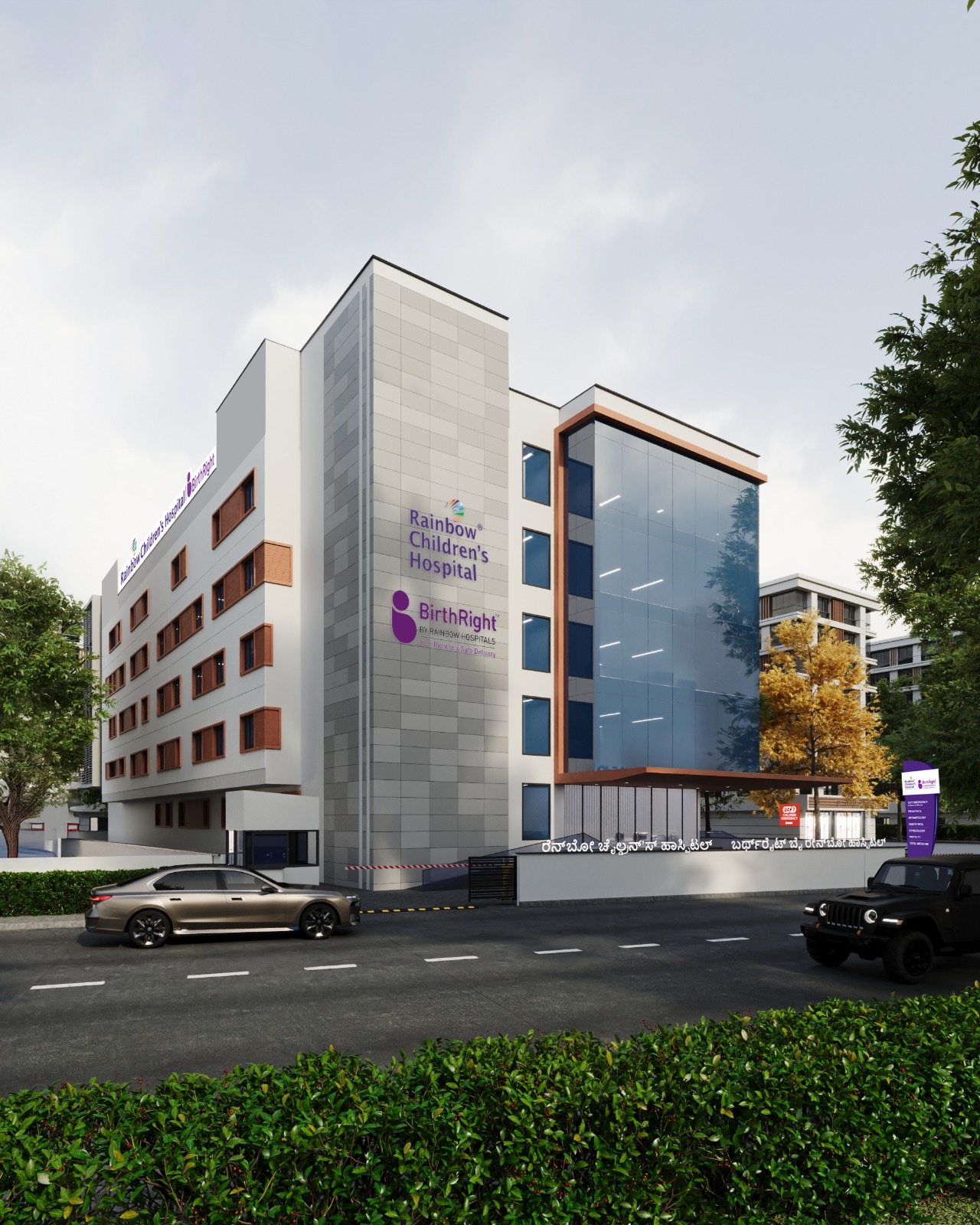
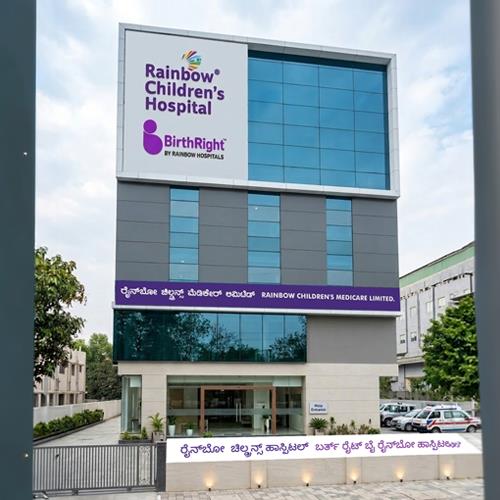
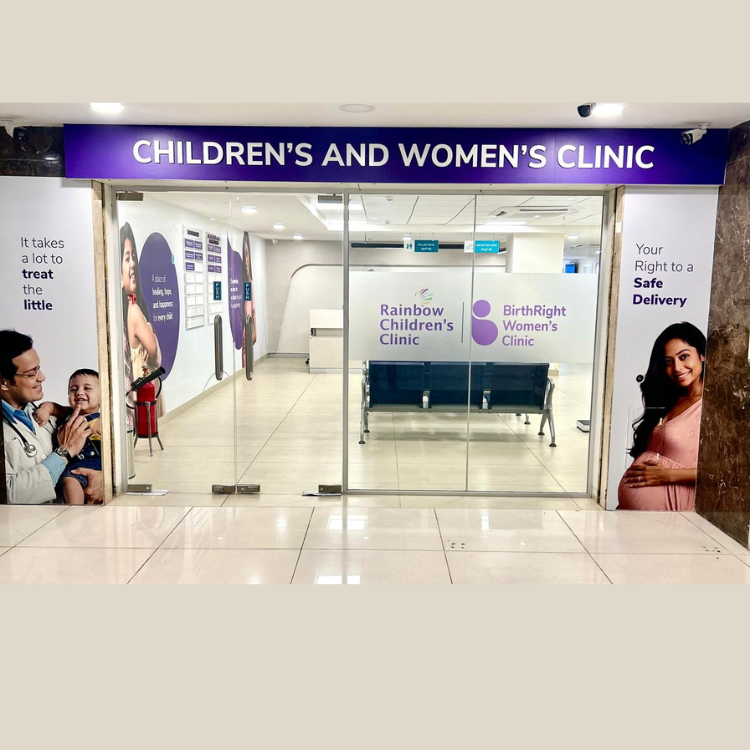
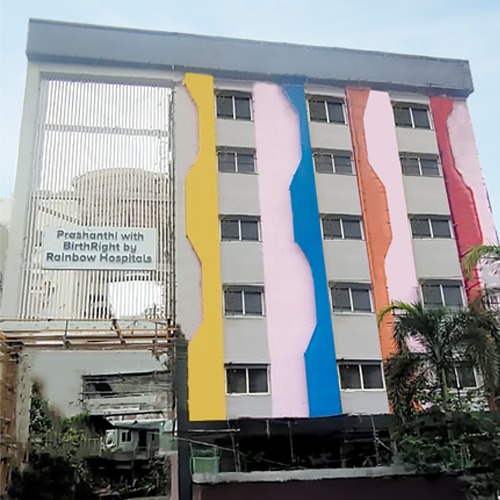




chennai
Blogs
Discover our most recent health articles provided by our reliable experts.




What Are People Saying About Us
Embark on a journey of inspiration and hope with our patient success stories, complemented by informative videos from our dedicated doctors.


Media
 Common Gynaecological Surgeries to Fix Female Reproductive Issues
 Healthy Woman - Healthy World
 Healthier Women For a Healthier Future...
 Rainbow Children’s Hospital & BirthRight by Rainbow Launch Video Consultation Facilities
 Dr.Pranthi Reddy
 What is the use of that?
 Can you try this time?
 Pregnant Women are Not Unfit
 Declining Age of Menarche - A Matter of Concern
 Important Facts about Cervical Cancer
 Be careful before preempting
 Flu every month!
 Menstrual cramps
 Premature delivery
 Whether laughing or coughing...why?
 Multi - Tasking may be Cool but it's not Healthy
 Pregnant and Worried about COVID-19? Here's Everything you Need to know
 Video Consultation in Pandamic Situation for Pregnancy Women's
 Women.. Various types of cysts
 Recurrent Pregnancy Loss in Women
 Early Onset of Puberty: Causes, Symptoms and Treatment Options
Common Gynaecological Surgeries to Fix Female Reproductive Issues
Healthy Woman - Healthy World
Healthier Women For a Healthier Future...
FAQs
What should I do if I have eaten food later recalled for listeria?
Can listeria cause a miscarriage even without noticeable symptoms?
How soon after eating contaminated food do symptoms appear?
Is deli meat always unsafe during pregnancy?
Can listeria infection be treated safely during pregnancy?
Will my baby be tested for listeria after birth?
Can I still eat soft cheeses if the label says made with pasteurised milk?
How is listeria different from regular food poisoning?
Does having listeria once affect future pregnancies?
When should I go to the hospital instead of calling my doctor?
Can listeria infection affect the baby after birth?
Quick Links
Free Calculators to Track and Predict your Pregnancy
Gynecologist in Other Locations
Women's Health Conditions We Treat
- Mastitis (Breast Infection)
- PCOS (Polycystic Ovary Syndrome)
- Uterine Fibroids (Leiomyomas)
- Recurrent Pregnancy Loss
- Blocked Fallopian Tubes (Fallopian Tube Obstruction)
- Gestational Diabetes in Pregnancy
- Incompetent Cervix (Cervical Insufficiency)
- COVID-19 in Pregnancy
- Cytomegalovirus (CMV) in Pregnancy
- HELLP Syndrome