




Gestational Thrombocytopenia (Low Platelet Count in Pregnancy)
Gestational thrombocytopenia is a mild drop in your platelet count during pregnancy, most often in the third trimester. It usually causes no symptoms and is found on a routine blood test. Your doctor will monitor your count and rule out other causes, such as ITP, pre-eclampsia or HELLP syndrome, before planning your delivery.

Seamless support from diagnosis to post treatment care
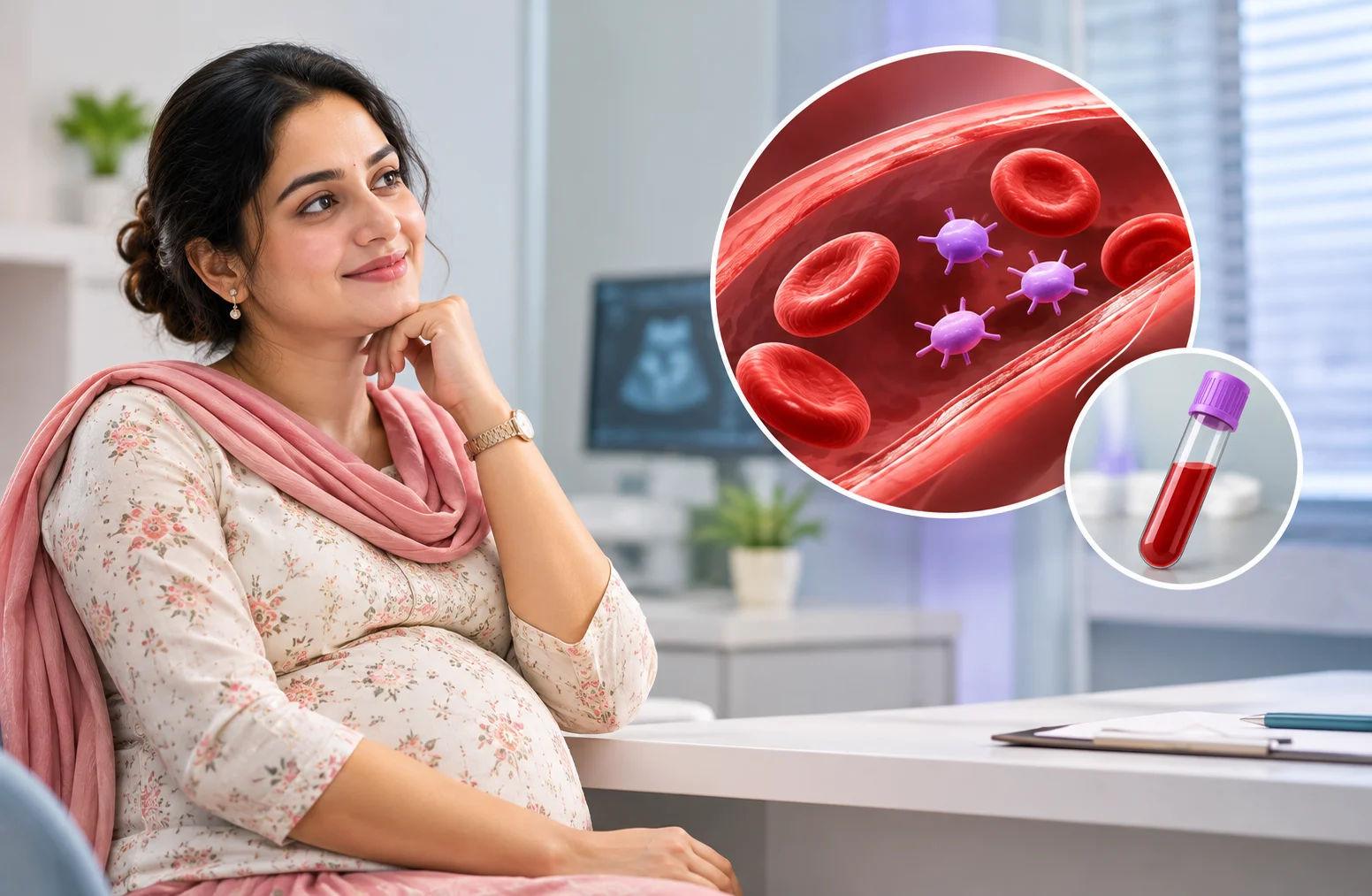
Overview
Routine blood tests during pregnancy help your healthcare team monitor your health and identify changes that may need attention. If your platelet count is lower than expected, it doesn't necessarily mean something is wrong. A mild decrease is common during pregnancy, but it's important to understand why it happened.
In many cases, the cause is gestational thrombocytopenia, a pregnancy-related condition that usually requires monitoring rather than treatment. Your obstetrician will assess your platelet count and overall health to determine whether the decrease is a normal part of pregnancy or needs further investigation.
What is Gestational Thrombocytopenia (Low Platelet Count in Pregnancy)?
Gestational thrombocytopenia is a mild decrease in the number of platelets in the blood during pregnancy. Platelets are blood cells that help form clots and control bleeding. The condition usually develops in the second half of pregnancy, particularly during the third trimester, and generally does not cause problems for the mother or baby.
Thrombocytopenia means having a platelet count below the usual range, generally fewer than 150,000 platelets per microlitre of blood. It affects approximately 7–12% of pregnancies at the time of delivery. Gestational thrombocytopenia is the most common cause of low platelet counts during pregnancy.
However, not every low platelet count is due to gestational thrombocytopenia. Other conditions, including immune thrombocytopenia (ITP), pre-eclampsia and HELLP syndrome, can also lower platelet counts. Your doctor will consider your blood test results, medical history and other symptoms before identifying the cause.
How Does Pregnancy Affect Platelet Counts?
During pregnancy, your body undergoes several changes to support your growing baby. Blood volume increases significantly, and the body also changes how it uses and processes platelets. As a result, the platelet count may decrease slightly.
This mild decrease is often part of normal pregnancy changes. In gestational thrombocytopenia, the platelet count is usually only mildly lower than normal, and platelets still help the blood clot as they should.
Your doctor will interpret your platelet count alongside your previous blood test results and overall health. If the count falls more than expected, decreases rapidly or is accompanied by other symptoms or abnormal test results, your doctor may recommend additional investigations.
Causes of Gestational Thrombocytopenia
The exact cause of gestational thrombocytopenia is not fully understood. It is thought to be associated with normal changes in blood volume and increased platelet use and clearance during pregnancy.
The condition develops during pregnancy and is not usually caused by a specific food, activity or lifestyle habit.
It is also important to distinguish gestational thrombocytopenia from other causes of low platelets. These include immune thrombocytopenia (ITP), in which the immune system mistakenly attacks platelets, and pregnancy-related conditions such as pre-eclampsia and HELLP syndrome, which can require prompt medical assessment.
Your doctor will review the degree of platelet reduction, when it began, whether you have had low platelet counts before and whether other blood test results are abnormal. This helps determine whether routine monitoring is sufficient or whether you need further evaluation.
Risk Factors of Gestational Thrombocytopenia
Gestational thrombocytopenia can occur in any pregnancy, and there are no clearly established lifestyle-related risk factors. A previous episode of GT is associated with a higher likelihood of recurrence in a subsequent pregnancy.
Gestational thrombocytopenia is the most common cause of low platelet counts during pregnancy, accounting for approximately 70–80% of cases. Other important causes include:
- Immune thrombocytopenia (ITP): Accounts for approximately 1–4% of thrombocytopenia cases during pregnancy.
- Hypertensive disorders of pregnancy: Conditions such as pre-eclampsia and HELLP syndrome account for approximately 15–20% of cases.
These proportions are approximate and may vary across populations and studies. Low platelet counts can have different causes, so regular antenatal blood tests and appropriate medical assessment help identify the underlying condition and guide care.
Symptoms of Gestational Thrombocytopenia (Low Platelets in Pregnancy)
Gestational thrombocytopenia usually causes no noticeable symptoms because the decrease in platelet count is generally mild. Most women discover it through routine blood tests during antenatal care.
Unlike other causes of low platelet counts, such as immune thrombocytopenia (ITP), gestational thrombocytopenia rarely causes visible signs of bleeding.
Symptoms such as the following are not typical of gestational thrombocytopenia and may indicate ITP or another underlying condition:
- Easy bruising: Bruises that appear more easily than usual or without a clear cause.
- Frequent nosebleeds: Nosebleeds that occur repeatedly or are difficult to stop.
- Bleeding gums: Bleeding that occurs frequently or without an obvious reason.
- Tiny red or purple spots on the skin: These pinpoint spots, called petechiae, may occur with a more significant decrease in platelet count.
If you notice unusual bleeding, unexplained bruising or petechiae, contact your healthcare professional promptly. Seek urgent medical attention for heavy or persistent bleeding, severe headache, visual changes or severe upper abdominal pain, as these may indicate a condition requiring immediate assessment.
Diagnosis of Gestational Thrombocytopenia
Gestational thrombocytopenia is a diagnosis of exclusion, meaning doctors must rule out other causes of low platelet counts before confirming it.
Doctors may recommend:
- Repeat complete blood count (CBC) and peripheral blood smear: To confirm the platelet count and rule out platelet clumping or other blood abnormalities.
- Blood pressure and urine protein checks: To look for signs of pre-eclampsia.
- Liver function tests (LFTs), LDH and coagulation tests: To investigate HELLP syndrome, blood cell breakdown or clotting abnormalities when indicated.
- Additional tests: HIV, hepatitis C and autoimmune tests for conditions such as APS or SLE may be recommended based on your medical history and findings.
Gestational thrombocytopenia vs ITP: Both conditions cause low platelet counts, but they differ in their presentation:
| Gestational thrombocytopenia | Immune thrombocytopenia (ITP) |
|---|---|
| Usually develops in mid-to-late pregnancy | Can develop in any trimester |
| Platelet count usually remains above 70,000–100,000 | Counts may fall below 70,000 |
| Usually no previous history of low platelets | May have a history of low platelets |
| Usually resolves within 1–2 months after delivery | May persist after delivery |
| Rarely affects the baby | Can cause low platelet counts in the baby |
Complications of Gestational Thrombocytopenia (Low Platelets in Pregnancy)
Gestational thrombocytopenia is usually mild and does not cause complications for the mother or baby. Platelet counts typically range from 100,000 to 150,000 per microlitre and rarely fall below 70,000.
However, your doctor may pay closer attention to the following:
- A lower-than-expected platelet count: A count below 100,000 per microlitre or a rapidly falling count warrants further assessment to rule out conditions such as ITP, pre-eclampsia, HELLP syndrome or other medical causes.
- False low platelet counts: Platelet clumping in blood samples (pseudothrombocytopenia) can cause falsely low results. A repeat blood test and peripheral blood smear can help confirm the count.
- Increased bleeding risk: The risk of spontaneous bleeding increases when platelet counts fall below 20,000–30,000 per microlitre.
- Planning for anaesthesia during delivery: Epidural or spinal anaesthesia is generally considered safe at platelet counts of 70,000 or higher if the count is stable and there are no additional risk factors. Caesarean delivery generally requires a count of at least 50,000 per microlitre, subject to individual assessment.
For most women with confirmed gestational thrombocytopenia, the condition does not affect pregnancy or the baby's health. Regular monitoring helps your healthcare team identify changes and plan appropriate care for delivery.
Treatment Options for Gestational Thrombocytopenia
Gestational thrombocytopenia usually does not require medication. The main approach is regular monitoring and checking that another condition is not causing the low platelet count.
Doctors may recommend:
- Regular blood tests: Doctors at Rainbow Hospitals will monitor your platelet count during pregnancy. Testing is generally done monthly when counts are stable, every 1–2 weeks if levels are falling, and around 36 weeks and on admission for delivery planning. A haematologist may be involved if counts fall below 100,000 per microlitre, particularly below 70,000, or if there is a rapid decline, bleeding or uncertainty about the cause.
- Planning for delivery: Your platelet count will be checked near delivery to guide decisions about epidural or spinal anaesthesia and delivery.
- Treating underlying conditions: If low platelets are caused by ITP rather than gestational thrombocytopenia, treatment may include corticosteroids or intravenous immunoglobulin (IVIG), depending on the platelet count, bleeding symptoms and delivery plans. A haematologist may also be involved in your care.
- Postpartum monitoring: A repeat blood count around six weeks after delivery helps confirm that platelet levels have returned to normal.
For most women with confirmed gestational thrombocytopenia, monitoring and reassurance are sufficient. Do not start supplements, stop prescribed medicines or change your treatment without consulting your healthcare professional.
What Is the Prognosis (Outlook) for Low Platelet Count in Pregnancy?
In most cases, the platelet count drops only slightly, and the condition doesn't cause bleeding complications or affect the baby’s health.
After childbirth, the platelet count usually returns to normal within a few weeks. Your doctor may recommend a follow-up blood test to confirm your platelet levels have recovered, especially if the count was lower than expected.
If your platelet count doesn't return to normal after delivery, your doctor may suggest further tests to see whether another condition is causing the low platelet count.
What Questions Should I Ask My Doctor?
A low platelet count on a pregnancy blood test can raise questions about your health, delivery options and your baby's wellbeing. Talking with your gynecologist about your results can help you understand what they mean and whether you need additional monitoring.
Testing and Monitoring Questions
- What is my current platelet count, and how does it compare with my previous results?
- Is the decrease consistent with gestational thrombocytopenia?
- Do I need any additional blood tests or specialist assessment?
- How often should my platelet count be checked?
- Are there any symptoms that should prompt me to seek medical attention?
Delivery Planning Questions
- Will my platelet count affect my delivery plan?
- Could I have an epidural or spinal anaesthetic during delivery?
- Will my baby need any additional checks after birth?
- When should my platelet count be checked again after delivery?
Writing down your questions before an appointment can help you remember the concerns you want to discuss. Your healthcare team can explain your results and guide you through the next steps based on your individual needs.
Prevention & Monitoring Tips for Gestational Thrombocytopenia
Gestational thrombocytopenia is often a natural part of pregnancy changes. Regular blood tests and check-ups help your doctor monitor your platelet count, identify any other possible causes and ensure you receive the right care throughout pregnancy and delivery.
The following steps can help you stay informed about your health during pregnancy:
- Attend your antenatal blood tests: Routine blood tests can identify a low platelet count, even without symptoms.
- Follow your recommended monitoring schedule: Repeat blood tests help your doctor understand whether the count is stable or changing.
- Report unusual bleeding or bruising: Inform your healthcare professional about unexplained bruising, frequent nosebleeds or other unusual bleeding.
- Share your medical history: Tell the doctor if you have had low platelets in a previous pregnancy or have a history of a blood- or immune-related condition.
- Discuss delivery and anaesthesia early: Your obstetrician can coordinate with the anaesthesia team if your platelet count may affect your delivery options.
- Check before taking medicines or supplements: Some medicines can affect platelet function or bleeding risk. Ask your doctor or pharmacist before starting a new medicine or supplement, and do not stop prescribed treatment without medical advice.
You do not need to make specific dietary or lifestyle changes to prevent gestational thrombocytopenia. The most important steps are to follow your antenatal care plan and attend recommended blood tests.
Why Choose BirthRight by Rainbow Hospitals for Gestational Thrombocytopenia Care?
At BirthRight by Rainbow Hospitals, we understand that an unexpected blood test result during pregnancy can raise questions about your health and your baby's wellbeing. Our approach focuses on helping you understand your results and receive care suited to your individual needs.
Our obstetric and gynaecology teams can assess your platelet count, review your medical history, and determine whether you need further investigations or monitoring. When delivery planning requires additional consideration, the obstetric and anaesthesia teams can work together to assess your options based on your platelet count and overall clinical condition.
If a low platelet count is linked to another medical condition, the care plan can be tailored to address it. The aim is to provide clear information, appropriate monitoring and coordinated care throughout pregnancy and delivery.

Find a Doctor and Book Appointment Online
Meet our specialist doctors who bring together clinical expertise, compassion, and personalised care to support your health and well-being. Choose from 1,300+ specialists across our network and book an appointment with BirthRight and Rainbow Children Hospitals, offering 24*7 support to you and your family.

Dr. Pranathi Reddy A
Clinical Director – Obstetrics & Gynecology.
English,Hindi,Telugu Banjara Hills

Dr. Gauri Vinayak Dhamangaonkar
Senior Consultant - Fetal Medicine
15 Years English,Hindi,Marathi,Telugu Kondapur OP, Banjara Hills

Dr. Shruthi Reddy Poddutoor
Consultant Obstetrician, Gynecologist & Laparoscopic Surgeon
English,Telugu Banjara Hills

Dr. Himabindu Veerla
Consultant Obstetrician, Gynecologist & Laparoscopic Surgeon
English,Telugu Banjara Hills

Dr. Bhargavi Reddy K
Consultant - Obstetrics and Gynecology
10 Years English,Hindi,Telugu Banjara Hills, Attapur Clinic

Dr. Annie Pranutha P
Consultant Obstetrics and Gynecology
9 Years English,Hindi,Telugu Banjara Hills, Attapur Clinic

Dr. Sasikala Kola
Consultant Obstetrician & Gynecologist
English,Hindi,Telugu Banjara Hills

Dr. Atigadda Vijaya
Consultant - Obstetrics & Gynecology
Hindi,Telugu Banjara Hills, Himayatnagar, Attapur Clinic

Dr. Nishanth Reddy Inavolu
Visiting Consultant Physician and Diabetologist & Internal Medicine
English,Hindi,Telugu Banjara Hills, Himayatnagar

Dr. Tulika Tayal
Consultant - Fetal Medicine
English,Telugu Banjara Hills

Dr. M Prathyusha Reddy
Consultant Obstetrics & Gynecology
English,Telugu Banjara Hills

Dr. Nithya Narasimha Murthy
Consultant -Psychiatrist
English,Hindi,Telugu Kondapur OP, Banjara Hills, Child Development Centre - Banjarahills Rd No 10

Dr. Brundavani
Consultant - Nutritionist
English,Hindi,Telugu Kondapur OP, Hydernagar, Banjara Hills, Child Development Centre - Banjarahills Rd No 10

Dr. Niveditha Chalmeda
Consultant
English,Telugu Banjara Hills

Dr. Kirti Reddy Patlolla
Consultant Obstetrics and Gynaecology
English,Telugu Banjara Hills, Attapur Clinic

Dr. Tuheena Sharma
Consultant - Perinatal Physiotherapy
10 Years English,Telugu Banjara Hills

Dr. Aditi Shah
Consultant - Fetal Medicine
English,Telugu Banjara Hills

Dr. Swathi Naga Tulasi Rayapureddy
Lactation Consultant
8 Years English,Telugu Banjara Hills

Dr. Swetha Reddy. S
CONSULTANT PERINATAL PSYCHIATRIST AND WOMEN MENTAL HEALTH SPECIALIST
13 Years English,Hindi,Telugu Banjara Hills

Dr. Addu Kiranmayi
Chief Clinical Nutritionist and Lifestyle Medicine Consultant
15 Years English,Hindi,Telugu Himayatnagar, Banjara Hills

Dr. Palle Nalini Kumari
Lactation Consultant
17+ Years English,Hindi,Telugu Banjara Hills
Dr. Nazia Tabassum
Consultant - Breast, Plastic & Reconstructive Surgeon
9 Years English,Hindi,Telugu,Urdu Banjara Hills

Dr. Sruthi Cheera
Consultant Breast Surgeon
5 Years English,Hindi,Kannada,Telugu Banjara Hills

Dr. Supriya Reddy
Lactation Consultant
5 Years English,Hindi,Telugu Banjara Hills

Dr. Niraj Krishnamurthy Yanamandra
Senior Consultant Obstetrician & Gynaecologist, Laparoscopy & Hysteroscopy Surgeon
English,Hindi,Telugu Hydernagar, Banjara Hills

Dr. B. Rao Bahadur
Consultant – Obstetrician & Gynecologist, Laparoscopic ,& Hysteroscopic Surgeon
22 Years English,Hindi,Konkani,Marathi,Telugu Banjara Hills, Kondapur OP

Dr. Sneha Kulkarni
Consultant - Child, Adolescent & Adult Psychiatrist
10 Years English,Hindi,Kannada,Telugu Secunderabad, Banjara Hills, Child Development Centre - Banjarahills Rd No 10

Dr. Lavanya Janagama
Consultant – Obstetrics & Gynecology
10+ Years English Banjara HillsLeading Hospitals for Women Care
Rainbow Children's Hospital stands as a testament to the hospital's continual pursuit of excellence and innovation, providing specialized care for women and children












chennai
Blogs
Discover our most recent health articles provided by our reliable experts.




What Are People Saying About Us
Embark on a journey of inspiration and hope with our patient success stories, complemented by informative videos from our dedicated doctors.


Media
 Common Gynaecological Surgeries to Fix Female Reproductive Issues
 Healthy Woman - Healthy World
 Healthier Women For a Healthier Future...
 Rainbow Children’s Hospital & BirthRight by Rainbow Launch Video Consultation Facilities
 Dr.Pranthi Reddy
 What is the use of that?
 Can you try this time?
 Pregnant Women are Not Unfit
 Declining Age of Menarche - A Matter of Concern
 Important Facts about Cervical Cancer
 Be careful before preempting
 Flu every month!
 Menstrual cramps
 Premature delivery
 Whether laughing or coughing...why?
 Multi - Tasking may be Cool but it's not Healthy
 Pregnant and Worried about COVID-19? Here's Everything you Need to know
 Video Consultation in Pandamic Situation for Pregnancy Women's
 Women.. Various types of cysts
 Recurrent Pregnancy Loss in Women
 Early Onset of Puberty: Causes, Symptoms and Treatment Options
Common Gynaecological Surgeries to Fix Female Reproductive Issues
Healthy Woman - Healthy World
Healthier Women For a Healthier Future...
FAQs
In which trimester does gestational thrombocytopenia usually occur?
Can low platelets in pregnancy harm my baby?
Is gestational thrombocytopenia a high-risk pregnancy?
Is it safe to exercise or travel with gestational thrombocytopenia in pregnancy?
Does low platelet count in pregnancy mean I have a bleeding disorder?
Can anaemia and low platelets happen together in pregnancy?
Can low platelets in pregnancy happen again in future pregnancies?
What platelet count is considered dangerous in pregnancy?
Is it safe to have a C-section with gestational thrombocytopenia?
Can diet or lifestyle changes raise my platelet count during pregnancy?
Should I avoid any medicines or supplements if I have low platelets during pregnancy?
Quick Links
Free Calculators to Track and Predict your Pregnancy
Gynecologist in Other Locations
Women's Health Conditions We Treat
- Mastitis (Breast Infection)
- PCOS (Polycystic Ovary Syndrome)
- Uterine Fibroids (Leiomyomas)
- Recurrent Pregnancy Loss
- Blocked Fallopian Tubes (Fallopian Tube Obstruction)
- Gestational Diabetes in Pregnancy
- Incompetent Cervix (Cervical Insufficiency)
- COVID-19 in Pregnancy
- Cytomegalovirus (CMV) in Pregnancy
- HELLP Syndrome
- Luteal Phase Defect
- Vasa Previa
- Listeria in Pregnancy
- Placenta Previa
- Endometrial Polyps (Uterine Polyps)
- Congenital Heart Disease in Pregnancy
- Hyperemesis Gravidarum (Severe Morning Sickness)
- Preeclampsia (toxemia)
- Fetal Distress (Non-Reassuring Fetal Status)
- Postpartum Haemorrhage (PPH)
- Placental Abruption (Abruptio Placentae)
- Placenta Accreta
- Postpartum Depression (PPD)
- Rhesus (Rh) Incompatibility
- Syphilis in Women