




Diarrhoea in Pregnancy (Loose Motions in Pregnancy)
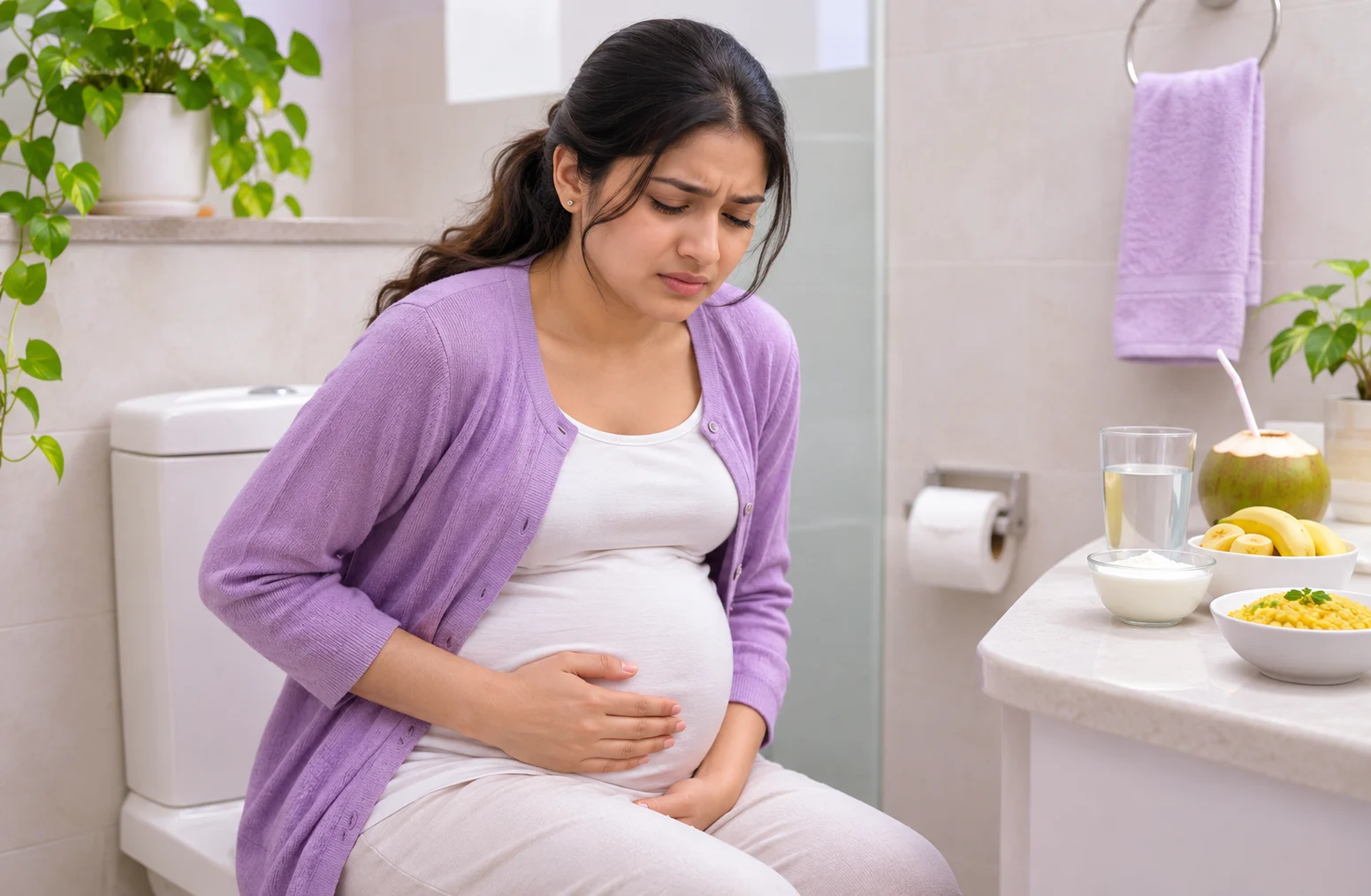
Diarrhoea, or loose motions, in pregnancy is frequent loose or watery stools, often from a stomach bug, a food-borne infection, a dietary change or a medicine. Most cases settle in a day or two with fluids, but dehydration or warning signs need medical care.

Seamless support from diagnosis to post treatment care
Overview
Occasional loose motions during pregnancy may settle on their own, but frequent or persistent episodes can lead to dehydration and discomfort. Diarrhoea in pregnancy can occur at different stages, making it important to recognise changes in bowel habits and other symptoms that may need medical attention.
While mild symptoms may improve with appropriate care, persistent loose stools, abdominal pain or signs of dehydration should not be ignored. Understanding when to seek medical advice can help protect your health during pregnancy.
What is Diarrhoea in Pregnancy?
Diarrhoea in pregnancy is passing loose or watery stools three or more times a day. It is common and usually mild and short-lived. Bowel habits often change in pregnancy, so the odd loose stool is not unusual. It needs more attention when it persists or comes with warning signs.
Most cases of diarrhoea in pregnancy settle on their own with simple home care. The main thing to watch for is dehydration, which matters more in pregnancy. The sections below explain the causes and how to manage it safely.
How Pregnancy Changes Digestion and Causes Loose Motions
Pregnancy changes the way the digestive system works. This is why bowel habits often shift during these months. Here is what happens.
Pregnancy can also affect normal digestion. Increased progesterone levels slow intestinal movement, making pregnancy constipation more common. However, changes in diet, prenatal supplements and food sensitivities may sometimes lead to loose stools. These changes are not necessarily diarrhoea, which involves frequent, loose or watery stools and may require medical attention if symptoms persist.
Causes of Diarrhoea in Pregnancy
Diarrhoea during pregnancy can result from infections, dietary changes, food intolerances, medicines or existing digestive conditions. Identifying the possible cause helps determine whether home care or medical treatment is needed. Common causes include:
- Viral infections: Viruses such as norovirus and rotavirus can cause watery stools, abdominal cramps, nausea and vomiting.
- Bacterial infections and food poisoning: Contaminated food or water may contain bacteria such as Salmonella or E. coli, causing diarrhoea, fever and stomach pain. Typhoid fever can also cause digestive symptoms, including diarrhoea.
- Parasitic infections: Parasites such as Giardia can spread through unsafe drinking water or contaminated food, leading to persistent loose stools, bloating and abdominal discomfort.
- Listeriosis: Infection with Listeria bacteria, sometimes linked to unpasteurised dairy products and contaminated ready-to-eat foods, may cause diarrhoea or flu-like symptoms. It requires particular attention during pregnancy because it can affect the baby.
- Food intolerance: Lactose intolerance or sensitivity to certain foods may cause loose stools, gas and abdominal cramps.
- Medicines and supplements: Antibiotics, magnesium-containing antacids or supplements and metformin may cause diarrhoea as a side effect.
- Existing digestive conditions: Irritable bowel syndrome (IBS) and inflammatory bowel disease (IBD) can affect bowel movements and cause recurring diarrhoea.
- Stress and anxiety: Emotional stress may affect bowel activity and worsen digestive symptoms in some women.
Certain infections, including hepatitis A and E, can also spread through contaminated food or water. Although diarrhoea is not their main symptom, they can cause serious illness. Hepatitis E is particularly concerning during pregnancy and requires prompt medical assessment.
Causes of Diarrhoea at Different Stages of Pregnancy
Loose motions can occur at any stage of pregnancy, although their causes and associated concerns may differ.
- First trimester: Dietary changes, food sensitivities and certain prenatal supplements may contribute to loose stools. However, diarrhoea is not a reliable early sign of pregnancy.
- Second trimester: Foodborne infections, medication side effects and existing digestive conditions remain possible causes.
- Third trimester: Some women experience loose stools shortly before labour, but diarrhoea alone does not mean labour has started. Regular contractions, leaking amniotic fluid or other labour symptoms require obstetric assessment.
Persistent diarrhoea, fever, blood in the stool or signs of dehydration should be assessed by a doctor. Treatment depends on the underlying cause and the mother's condition.
Risk Factors of Loose Motions in Pregnancy
Some situations make loose motions more likely in pregnancy. Knowing them helps you lower your risk. The main risk factors are below.
- Eating unsafe food or water: Eating out or having food or water that may be contaminated.
- Travel: Travelling to places where viral gastroenteritis (stomach bugs) are more common.
- Existing gut conditions: Conditions such as irritable bowel syndrome or inflammatory bowel disease.
- Food intolerances: Foods your body doesn't handle well.
- Recent antibiotics: These can upset the balance of gut bacteria.
- Poor hand hygiene: This increases the risk of catching a stomach issue.
Having a risk factor does not mean you will get diarrhoea. Simple steps, such as good handwashing and safe food, lower the risk. The prevention section has more on this.
Symptoms of Diarrhoea in Pregnancy
The symptoms of diarrhoea in pregnancy are much the same as at any other time. They usually start quickly. The main signs are below.
- Frequent loose or watery stools: Passing stools more often than usual.
- Cramping: Tummy cramps or gripping pain.
- Bloating: A full, gassy feeling.
- Urgency: A sudden need to rush to the toilet.
- Nausea: Feeling sick, sometimes with diarrhoea.
Most episodes ease within a day or two with rest and fluids. Contact your doctor if symptoms last beyond a couple of days, if you cannot keep fluids down, or if you have a fever, severe tummy pain or blood in your stool. These can mean you need treatment.
When Should You See a Doctor for Diarrhoea During Pregnancy?
Mild diarrhoea may settle within 24–48 hours with adequate hydration and rest. However, persistent symptoms can lead to dehydration and may require medical treatment. Contact your gynecologist if diarrhoea lasts longer than 48 hours or if you experience any of the following warning signs:
- Fever: A temperature of 38°C or above, particularly with persistent diarrhoea.
- Signs of dehydration: Very dark urine, little or no urine for eight hours, dizziness, dry mouth or a rapid heartbeat.
- Blood in the stool: Bloody or black, tarry stools, which may indicate bleeding or infection.
- Severe abdominal pain: Persistent or intense stomach pain, especially when accompanied by vomiting or fever.
- Difficulty keeping fluids down: Repeated vomiting or an inability to drink enough fluids to stay hydrated.
- Possible preterm labour: Regular abdominal tightening, contractions or persistent lower back pain before 37 weeks of pregnancy.
- Reduced foetal movements: A noticeable decrease or change in your baby's usual movements.
- Jaundice: Yellowing of the skin or eyes, which may indicate a liver-related condition requiring medical assessment.
Do not wait 48 hours if you develop severe pain, significant dehydration, bloody stools, reduced foetal movements or possible preterm labour symptoms. Seek urgent medical care if these occur.
Complications of Diarrhoea in Pregnancy
Most diarrhoea in pregnancy causes no lasting problems. The main concern is dehydration, which matters more in pregnancy. The possible complications are below.
For the Mother
- Dehydration: Losing too much fluid, the main risk with diarrhoea.
- Electrolyte imbalance: Loss of salts the body needs.
- Weakness and dizziness: From fluid and salt loss.
For the Pregnancy
Most mild episodes of diarrhoea during pregnancy do not harm the baby. However, severe dehydration or certain infections may increase the risk of complications. These include:
- Reduced blood flow to the uterus: Severe dehydration can lower the mother's circulating blood volume, potentially reducing uterine blood flow and affecting the supply of oxygen and nutrients to the baby.
- Uterine contractions and preterm labour: Significant dehydration may contribute to uterine contractions and could increase the risk of preterm labour in some cases.
- Reduced amniotic fluid: Prolonged or severe dehydration may temporarily lower amniotic fluid levels, although several other conditions can also cause this.
- Pregnancy-related infections: Certain infections, particularly listeriosis, can increase the risk of miscarriage, stillbirth or premature birth.
- Maternal kidney complications: Severe dehydration can reduce blood flow to the kidneys and, in serious cases, cause acute kidney injury.
- Electrolyte imbalance: Prolonged diarrhoea can reduce important salts, including sodium and potassium, potentially causing weakness, muscle cramps or an irregular heartbeat.
Early treatment of dehydration and infections can help reduce complications. Seek medical advice promptly if diarrhoea is severe, persistent or accompanied by concerning symptoms.
Treatment and Management of Diarrhoea in Pregnancy
Most diarrhoea in pregnancy is managed at home with simple care. The aim is to replace lost fluids and let your gut settle. The main steps are below.
- Drink plenty of fluids: Water and oral rehydration drinks replace lost fluids.
- Drink fluids and ORS: Take frequent, small sips of water and oral rehydration solution (ORS) to replace lost fluids and salts. Use WHO-recommended low-osmolarity ORS sachets, prepared according to the packet instructions. Drink additional ORS after each loose stool. Coconut water and clear soups can provide extra fluids but should not replace ORS when dehydration is a concern.
- Eat small, regular meals: Continue eating your usual balanced diet in smaller portions if needed. Easily tolerated foods such as khichdi, rice, bananas, curd made from pasteurised milk and buttermilk may help maintain nutrition. Avoid very oily or spicy foods if they worsen symptoms.
- Avoid self-medication: Do not take antibiotics, herbal kadha or anti-diarrhoeal medicines without medical advice. Medicines containing bismuth subsalicylate are generally not recommended during pregnancy. Consult your obstetrician before taking any medication for loose motions.
- Rest: Give your body time to recover.
- Avoid trigger foods: Skip rich, fatty, very sweet or spicy foods for a few days.
- See a doctor when needed: An infection or dehydration may require medical care, including IV fluids.
Do not take any anti-diarrhoeal medicine without your doctor’s advice, as some are not safe in pregnancy. The same goes for over-the-counter and herbal remedies. If you are losing a lot of fluid or cannot keep any down, contact your doctor.
What is the Prognosis (Outlook) for Diarrhoea in Pregnancy?
The outlook for diarrhoea in pregnancy is very good in most cases. Mild episodes usually settle within a few days with rest and fluids. Staying hydrated helps you recover and protects your baby.
The outlook depends on the cause and how early you treat any infection or dehydration. Most women recover fully with simple care. Your doctor will step in if symptoms are severe or don't improve.
What Questions Should I Ask My Doctor?
Having a few questions ready helps you manage loose motions with confidence. The prompts below are grouped to make them easier to use. Your doctor would always rather you asked than worried alone.
Care and Safety Questions
- Which fluids and foods are safe for me right now?
- Are any medicines safe for me to take?
- Which signs mean I should come in?
- How do I know if I am getting dehydrated?
Recovery Questions
- How long should this take to settle?
- What should I do if it comes back?
- Could this affect my baby?
- Do I need any tests?
How to Prevent Diarrhoea in Pregnancy
You can't always prevent diarrhoea during pregnancy, but you can lower your risk of food-borne infections and stomach upsets through careful food choices and good hygiene. The following precautions are particularly important:
- Avoid unpasteurised dairy products: Choose pasteurised milk and dairy products. Avoid unpasteurised milk and soft cheeses made from it.
- Eat thoroughly cooked food: Avoid raw or undercooked meat, eggs and seafood, as they can carry harmful bacteria such as Salmonella.
- Choose freshly prepared food: Avoid pre-cut fruits, uncovered food and street food where hygiene and storage conditions may be uncertain.
- Drink safe water: Choose boiled, filtered or properly treated drinking water, especially when travelling.
- Wash fruits and vegetables: Rinse fresh produce thoroughly under clean running water before eating, cutting or cooking it.
- Store food safely: Refrigerate perishable foods promptly, store leftovers properly and reheat them thoroughly before eating.
- Maintain hand hygiene: Wash your hands with soap and water before preparing or eating food and after using the toilet.
These precautions can reduce your risk of food-borne infections, including listeriosis and salmonellosis, but cannot prevent every cause of diarrhoea.
Why Choose BirthRight by Rainbow Hospitals for Diarrhoea in Pregnancy Care?
BirthRight by Rainbow Hospitals provides coordinated pregnancy care when diarrhoea becomes persistent, causes dehydration or needs medical assessment. Key strengths include:
- Obstetric assessment: Doctors assess symptom severity and determine whether further treatment is needed during pregnancy.
- Rehydration support: Fluids and other supportive care can be provided when dehydration needs medical management.
- Infection-related care: If an infection is suspected, the maternity team can assess the cause and plan appropriate treatment.
- Fetal monitoring when needed: The baby’s wellbeing can be monitored if symptoms are severe or the pregnancy needs closer observation.
- High-risk pregnancy support: Women who need additional monitoring can access specialist pregnancy care.
- Coordinated care under one roof: Assessment, treatment and pregnancy monitoring can be managed within the same care network.
If you experience persistent diarrhoea, dehydration or other concerning symptoms during pregnancy, consult an obstetrician at BirthRight by Rainbow Hospitals for appropriate assessment and care. Book an appointment with a specialist at your nearest centre to discuss your symptoms and treatment options. For urgent concerns, contact your nearest BirthRight hospital directly.

Find a Doctor and Book Appointment Online
Meet our specialist doctors who bring together clinical expertise, compassion, and personalised care to support your health and well-being. Choose from 1,300+ specialists across our network and book an appointment with BirthRight and Rainbow Children Hospitals, offering 24*7 support to you and your family.

Dr. Pranathi Reddy A
Clinical Director – Obstetrics & Gynecology.
English,Hindi,Telugu Banjara Hills

Dr. Gauri Vinayak Dhamangaonkar
Senior Consultant - Fetal Medicine
15 Years English,Hindi,Marathi,Telugu Kondapur OP, Banjara Hills

Dr. Shruthi Reddy Poddutoor
Consultant Obstetrician, Gynecologist & Laparoscopic Surgeon
English,Telugu Banjara Hills

Dr. Himabindu Veerla
Consultant Obstetrician, Gynecologist & Laparoscopic Surgeon
English,Telugu Banjara Hills

Dr. Bhargavi Reddy K
Consultant - Obstetrics and Gynecology
10 Years English,Hindi,Telugu Banjara Hills, Attapur Clinic

Dr. Annie Pranutha P
Consultant Obstetrics and Gynecology
9 Years English,Hindi,Telugu Banjara Hills, Attapur Clinic

Dr. Sasikala Kola
Consultant Obstetrician & Gynecologist
English,Hindi,Telugu Banjara Hills

Dr. Atigadda Vijaya
Consultant - Obstetrics & Gynecology
Hindi,Telugu Banjara Hills, Himayatnagar, Attapur Clinic

Dr. Nishanth Reddy Inavolu
Visiting Consultant Physician and Diabetologist & Internal Medicine
English,Hindi,Telugu Banjara Hills, Himayatnagar

Dr. Tulika Tayal
Consultant - Fetal Medicine
English,Telugu Banjara Hills

Dr. M Prathyusha Reddy
Consultant Obstetrics & Gynecology
English,Telugu Banjara Hills

Dr. Nithya Narasimha Murthy
Consultant -Psychiatrist
English,Hindi,Telugu Kondapur OP, Banjara Hills, Child Development Centre - Banjarahills Rd No 10

Dr. Brundavani
Consultant - Nutritionist
English,Hindi,Telugu Kondapur OP, Hydernagar, Banjara Hills, Child Development Centre - Banjarahills Rd No 10

Dr. Niveditha Chalmeda
Consultant
English,Telugu Banjara Hills

Dr. Kirti Reddy Patlolla
Consultant Obstetrics and Gynaecology
English,Telugu Banjara Hills, Attapur Clinic

Dr. Tuheena Sharma
Consultant - Perinatal Physiotherapy
10 Years English,Telugu Banjara Hills

Dr. Aditi Shah
Consultant - Fetal Medicine
English,Telugu Banjara Hills

Dr. Swathi Naga Tulasi Rayapureddy
Lactation Consultant
8 Years English,Telugu Banjara Hills

Dr. Swetha Reddy. S
CONSULTANT PERINATAL PSYCHIATRIST AND WOMEN MENTAL HEALTH SPECIALIST
13 Years English,Hindi,Telugu Banjara Hills

Dr. Addu Kiranmayi
Chief Clinical Nutritionist and Lifestyle Medicine Consultant
15 Years English,Hindi,Telugu Himayatnagar, Banjara Hills

Dr. Palle Nalini Kumari
Lactation Consultant
17+ Years English,Hindi,Telugu Banjara Hills

Dr. Nazia Tabassum
Consultant - Breast, Plastic & Reconstructive Surgeon
9 Years English,Hindi,Telugu,Urdu Banjara Hills

Dr. Sruthi Cheera
Consultant Breast Surgeon
5 Years English,Hindi,Kannada,Telugu Banjara Hills

Dr. Supriya Reddy
Lactation Consultant
5 Years English,Hindi,Telugu Banjara Hills

Dr. Niraj Krishnamurthy Yanamandra
Senior Consultant Obstetrician & Gynaecologist, Laparoscopy & Hysteroscopy Surgeon
English,Hindi,Marathi,Telugu Hydernagar, Banjara Hills, Financial District

Dr. B. Rao Bahadur
Consultant – Obstetrician & Gynecologist, Laparoscopic ,& Hysteroscopic Surgeon
22 Years English,Hindi,Konkani,Marathi,Telugu Banjara Hills, Kondapur OP

Dr. Sneha Kulkarni
Consultant - Child, Adolescent & Adult Psychiatrist
10 Years English,Hindi,Kannada,Telugu Secunderabad, Banjara Hills, Child Development Centre - Banjarahills Rd No 10

Dr. Lavanya Janagama
Consultant – Obstetrics & Gynecology
10+ Years English Banjara HillsLeading Hospitals for Women Care
Rainbow Children's Hospital stands as a testament to the hospital's continual pursuit of excellence and innovation, providing specialized care for women and children


















chennai
Blogs
Discover our most recent health articles provided by our reliable experts.




What Are People Saying About Us
Embark on a journey of inspiration and hope with our patient success stories, complemented by informative videos from our dedicated doctors.


Media
 Common Gynaecological Surgeries to Fix Female Reproductive Issues
 Healthy Woman - Healthy World
 Healthier Women For a Healthier Future...
 Rainbow Children’s Hospital & BirthRight by Rainbow Launch Video Consultation Facilities
 Dr.Pranthi Reddy
 What is the use of that?
 Can you try this time?
 Pregnant Women are Not Unfit
 Declining Age of Menarche - A Matter of Concern
 Important Facts about Cervical Cancer
 Be careful before preempting
 Flu every month!
 Menstrual cramps
 Premature delivery
 Whether laughing or coughing...why?
 Multi - Tasking may be Cool but it's not Healthy
 Pregnant and Worried about COVID-19? Here's Everything you Need to know
 Video Consultation in Pandamic Situation for Pregnancy Women's
 Women.. Various types of cysts
 Recurrent Pregnancy Loss in Women
 Early Onset of Puberty: Causes, Symptoms and Treatment Options
Common Gynaecological Surgeries to Fix Female Reproductive Issues
Healthy Woman - Healthy World
Healthier Women For a Healthier Future...
FAQs
Is diarrhoea a sign of labour or premature labour?
Can morning sickness cause diarrhoea?
Can diarrhoea cause a miscarriage?
Can diarrhoea be a sign of ectopic pregnancy?
What does yellow watery diarrhoea mean during pregnancy?
Is it normal to have loose motions in the first trimester?
Can diarrhoea in pregnancy harm my baby?
Is it safe to take anti-diarrhoeal medicine while pregnant?
Is curd or buttermilk safe when I have loose motions in pregnancy?
Can stress or anxiety cause loose motions in pregnancy?
Why do I get diarrhoea and constipation alternately in pregnancy?
When should I go to hospital for diarrhoea in pregnancy?
Quick Links
Free Calculators to Track and Predict your Pregnancy
Gynecologist in Other Locations
Women's Health Conditions We Treat
- Mastitis (Breast Infection)
- PCOS (Polycystic Ovary Syndrome)
- Uterine Fibroids (Leiomyomas)
- Recurrent Pregnancy Loss
- Blocked Fallopian Tubes (Fallopian Tube Obstruction)
- Gestational Diabetes in Pregnancy
- Incompetent Cervix (Cervical Insufficiency)
- COVID-19 in Pregnancy
- Cytomegalovirus (CMV) in Pregnancy
- HELLP Syndrome
- Luteal Phase Defect
- Vasa Previa
- Listeria in Pregnancy
- Placenta Previa
- Endometrial Polyps (Uterine Polyps)
- Congenital Heart Disease in Pregnancy
- Hyperemesis Gravidarum (Severe Morning Sickness)
- Preeclampsia (toxemia)
- Fetal Distress (Non-Reassuring Fetal Status)
- Postpartum Haemorrhage (PPH)
- Placental Abruption (Abruptio Placentae)
- Placenta Accreta
- Postpartum Depression (PPD)
- Rhesus (Rh) Incompatibility
- Syphilis in Women
- Thalassemia in Pregnancy
- Gestational Thrombocytopenia
- Diabetes in Pregnancy
- Uterine Rupture
- Migraine in Pregnancy
- Eclampsia
- Uterine Inversion (Inverted Uterus)
- Rubella in Pregnancy
- Pulmonary Hypertension in Pregnancy
- Hydrops Fetalis (Fetal Hydrops)
- Iron-Deficiency Anaemia in Pregnancy
- Hypothyroidism in Pregnancy
- Pregnancy Constipation
- Retained Placenta
- Antiphospholipid Syndrome (APS)
- Subchorionic Hemorrhage
- Asthma in Pregnancy
- Amniotic Fluid Embolism (AFE)
- Placenta Increta
- Fetal Macrosomia
- Gestational Trophoblastic Disease (GTD)
- Postpartum Psychosis
- Chronic Hypertension in Pregnancy
- Gestational Hypertension
- Oligohydramnios (Low Amniotic Fluid)
- Miscarriage (Spontaneous Abortion)
- Breast Abscess
- Ovarian Cancer