




Postpartum Depression (PPD)
Postpartum depression (PPD), also called postnatal depression, is more than the baby blues. Persistent sadness, anxiety, loss of interest or difficulty bonding with your baby can begin in the first weeks or any time in the first year. It is a treatable medical condition, and with the right support most mothers recover well.

Seamless support from diagnosis to post treatment care
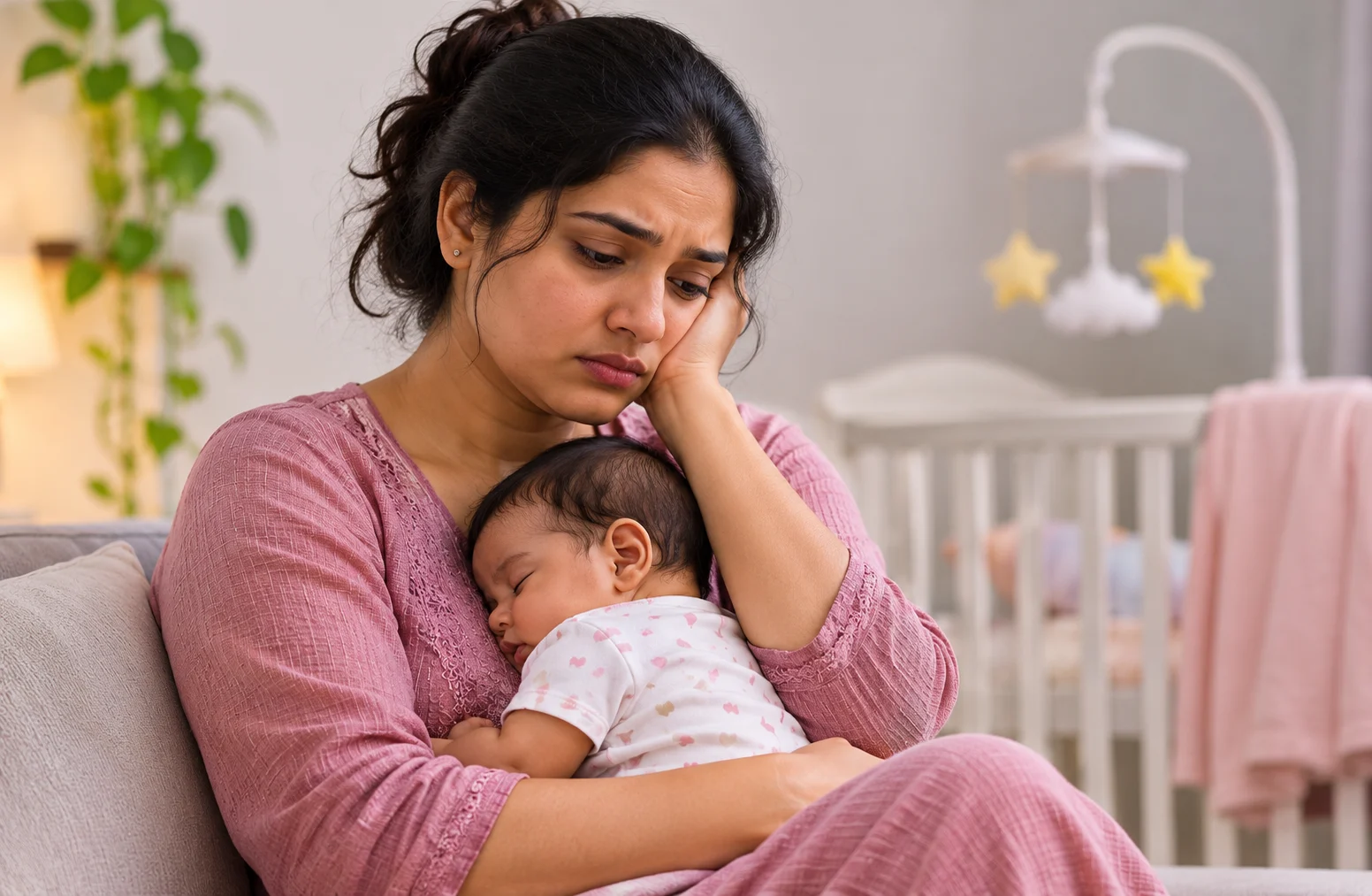
Overview
The birth of a baby can bring many emotions, from joy and excitement to tiredness and uncertainty. While some emotional changes are common after childbirth, persistent emotional instability may need extra care and support. These may be signs of postpartum depression (PPD), a treatable medical condition. Experiencing PPD does not make you any less of a mother, and with the right support, recovery is very much possible.
What is Postpartum Depression (PPD)?
Postpartum depression (PPD) is a form of depression that can develop after giving birth. Unlike the temporary mood changes many women experience in the first few days after birth, PPD lasts longer and can feel more intense. It may begin in the first few weeks after childbirth or develop gradually during the first year.
PPD can result from a combination of hormonal changes, physical recovery, and emotional challenges. It is a medical condition, not a sign of weakness or something a mother has caused. Worldwide, postpartum depression affects around one in seven women after childbirth, while in India some studies suggest that around one in five new mothers may experience it.
How Do Hormonal and Emotional Changes Affect New Mothers After Childbirth?
After childbirth, pregnancy hormone levels drop rapidly, which can affect mood. Along with interrupted sleep, physical recovery, and the demands of caring for a newborn, these changes can leave you feeling tearful or overwhelmed. This early, short-lived low mood is often called the baby blues and affects most new mothers.
The baby blues usually improve on their own within a week or two. Postpartum depression is different, as the sadness or anxiety lasts longer, feels more intense and can make daily activities or caring for your baby difficult. If these feelings last beyond two weeks, worsen or feel difficult to cope with, speak to your doctor.
Causes and Risk Factors of Postpartum Depression
Postpartum depression (PPD) rarely has a single cause. It can develop through a combination of hormonal changes, mental health history, birth-related experiences and social circumstances. Some factors may increase a mother's vulnerability, while others can add emotional strain during the transition to motherhood.
- Depression or anxiety during pregnancy: Experiencing depression or anxiety during pregnancy is one of the strongest predictors of postpartum depression. Women with a previous history of depression or anxiety, including after an earlier pregnancy, may also have a higher risk.
- Hormonal and physical changes: The sharp drop in oestrogen and progesterone levels after childbirth may affect mood. Physical health concerns, including anaemia and thyroid dysfunction, may also affect emotional wellbeing and should be assessed.
- Domestic violence and relationship difficulties: Domestic violence, marital conflict, an unsupportive partner and strained relationships with in-laws or other family members can increase emotional distress.
- Family and social pressures: Pressure to have a male child, disappointment following the birth of a girl, and criticism or excessive expectations from family members can contribute to emotional strain.
- Limited support and financial difficulties: Managing newborn care without adequate practical or emotional support, particularly alongside low income, financial dependence or limited access to resources, can increase vulnerability.
- Pregnancy-related factors: An unplanned or unwanted pregnancy, adolescent pregnancy, pregnancy complications or a difficult pregnancy can add to emotional stress.
- Difficult birth or newborn health concerns: A traumatic birth experience, emergency caesarean section, premature delivery or a baby's admission to the neonatal intensive care unit (NICU) may increase the risk of PPD.
- Feeding difficulties and sleep deprivation: Breastfeeding challenges, persistent feeding difficulties and prolonged sleep disruption can affect a mother's emotional wellbeing and ability to cope with daily demands.
- Family history of mental health conditions: Having close family members with depression or other mental health conditions may increase susceptibility to postpartum depression.
Not having access to antenatal mental health screening can also mean that symptoms of depression or anxiety during pregnancy go unnoticed, delaying opportunities for early support. Screening during pregnancy and after childbirth can help identify mothers who may need additional care.
Having one or more of these risk factors does not mean a mother will develop PPD. Similarly, women without any known risk factors can experience it. Postpartum depression is a medical condition, not a sign of weakness or a mother's failure. Recognising symptoms and seeking support early can help mothers receive appropriate care.
Signs and Symptoms of Postpartum Depression
The signs of postpartum depression go beyond ordinary tiredness and last longer than the baby blues. They can appear gradually, making them easy to dismiss at first. Common postpartum depression symptoms include:
- Persistent low mood: Feeling sad, empty, or tearful for most of the day, on most days.
- Loss of interest: Not enjoying things you used to, including time with your baby.
- Anxiety and worry: Constant worry about the baby or a sense of dread.
- Sleep and appetite changes: Unable to sleep even when the baby sleeps, or major changes in appetite.
- Difficulty bonding: Feeling distant from your baby or struggling to feel connected.
- Guilt or worthlessness: Feeling you are a bad mother or that you are failing.
- Trouble coping: Feeling unable to manage daily tasks or make decisions.
If you have been experiencing several of these symptoms for more than two weeks, speak with your doctor. You deserve support, and these feelings are not a sign of weakness. Seeking help early can help you begin your recovery sooner.
Urgent Warning Signs: When to Get Help Immediately
Some symptoms of postpartum depression or other serious mental health conditions require immediate medical attention. Seek emergency help if a mother experiences any of the following:
- Thoughts of self-harm or suicide: Thinking about hurting herself, ending her life or feeling that she or her family would be better off without her.
- Thoughts of harming the baby: Having thoughts, urges or intentions to hurt the baby.
- Hallucinations: Hearing voices or seeing things that other people cannot hear or see.
- Delusions or false beliefs: Having unusual or strongly held beliefs that are not based in reality, such as believing that the baby is in danger for reasons that cannot be verified.
- Severe confusion or agitation: Becoming extremely restless, behaving unusually, feeling intensely distressed or having difficulty distinguishing what is real.
- Severe sleep disturbance: Being unable to sleep for several nights, particularly alongside unusual energy, racing thoughts, confusion or changes in behaviour.
- Inability to care for herself or the baby: Being unable to manage basic daily needs or provide safe care for the newborn.
These symptoms may indicate severe postpartum depression or postpartum psychosis, a rare but serious mental health emergency that can develop after childbirth.
If you or someone in your family experiences these symptoms, seek emergency medical care immediately. Call 112, India's national emergency number, or go to the nearest hospital emergency department. Do not wait for the symptoms to pass.
If a mother expresses thoughts of self-harm or harming her baby, a partner or family member should stay with her and ensure that she is not left alone. Arrange for another trusted adult to care for the baby until medical help is available. Respond calmly and without judgment.
For mental health support, you can also contact Tele-MANAS at 14416, India's free, 24-hour mental health helpline. Early medical intervention can help protect the mother and baby and ensure that the mother receives appropriate treatment.
How Is Postpartum Depression Screened and Diagnosed?
Doctors assess postpartum depression through a discussion of symptoms, medical history and mental health, supported by screening questionnaires such as:
- Edinburgh Postnatal Depression Scale (EPDS): A 10-question screening tool. Scores of 10–12 may require monitoring and repeat screening, while scores of 13 or above generally warrant further assessment.
- Patient Health Questionnaire (PHQ-9): A nine-question tool that assesses the severity of depressive symptoms.
Screening is recommended during pregnancy and after childbirth, ideally at the 6-week postnatal visit and again later during the first year. A screening score alone does not confirm a diagnosis.
The DSM-5 uses the term 'peripartum onset' for depression beginning during pregnancy or within four weeks after delivery. However, PPD can develop throughout the first year after childbirth and should be assessed even when symptoms appear later.
Doctors may also check for other conditions that can cause or worsen similar symptoms, including postpartum thyroiditis, anaemia, vitamin B12 deficiency anaemia and vitamin D deficiency, when clinically indicated.
How Is Postpartum Depression Different from Anxiety, OCD and Postpartum Psychosis?
Although these conditions can occur together, they have different symptoms:
- Postpartum depression: Persistent sadness, loss of interest, hopelessness, guilt and difficulty bonding with the baby.
- Postpartum anxiety or OCD: Excessive fear, repetitive unwanted thoughts or intrusive images, and compulsive behaviours such as repeatedly checking the baby. These thoughts are usually distressing and unwanted.
- Postpartum psychosis: Hallucinations, delusions, severe confusion or unusual behaviour. This is a psychiatric emergency requiring immediate medical attention. Read more about postpartum psychosis.
Complications of Postpartum Depression
Postpartum depression can affect a mother's well-being, her relationships, and her baby's development if left untreated. With timely support and treatment, these effects can often be managed. Understanding the possible complications can help mothers and their families recognise when to seek help.
- Long-lasting depression: Without treatment, postpartum depression can last for months or longer.
- Difficulty bonding with the baby: PPD may make it harder for a mother to feel emotionally connected to her baby.
- Effects on the child's development: Untreated PPD may affect a child's emotional and social development over time.
- Strain on relationships: PPD can affect relationships with a partner and other family members.
Treatment Options for Postpartum Depression
Postpartum depression (PPD) is treatable, and the approach depends on symptom severity, medical history, and breastfeeding status. Treatment may include:
- Psychotherapy: Cognitive behavioural therapy (CBT) and interpersonal therapy (IPT) are often recommended as first-line treatments for mild to moderate PPD. They help mothers manage negative thoughts, emotions and relationship challenges.
- Antidepressants: Moderate to severe PPD may require medication, often alongside therapy. Selective serotonin reuptake inhibitors (SSRIs), such as sertraline, escitalopram, or paroxetine, may be prescribed. Sertraline and paroxetine are generally preferred during breastfeeding because of their low transfer into breast milk.
- Specialist treatment for severe PPD: Suicidal thoughts, severe symptoms, or postpartum psychosis require urgent psychiatric assessment. Treatment may involve hospital admission, antipsychotic medication and, in certain cases, electroconvulsive therapy (ECT).
- Newer medicines: Brexanolone (intravenous) and zuranolone (oral, 14-day course) are FDA-approved treatments for PPD. However, their availability in India is limited; brexanolone has also been discontinued commercially in the US.
- Family and lifestyle support: Partner or family counselling, practical help with baby care, protected sleep, support groups, balanced meals and gentle physical activity can complement medical treatment. Addressing sleep deprivation is particularly important.
Are Antidepressants Safe While Breastfeeding?
Many antidepressants are compatible with breastfeeding when prescribed after an individual assessment. Sertraline and paroxetine are generally preferred because only small amounts pass into breast milk. Escitalopram may also be considered when clinically appropriate. Doctors may monitor the baby for unusual sleepiness, poor feeding or inadequate weight gain. Untreated PPD also carries risks, so mothers should not avoid necessary treatment or stop medication without medical advice.
Psychotherapy and antidepressants may take several weeks to show their full benefits. Regular follow-up helps doctors monitor recovery and adjust treatment when needed.
What is the Prognosis (Outlook) for Postpartum Depression?
With timely treatment and support, most women with postpartum depression improve and recover over weeks to months. Psychotherapy and antidepressants can begin to show benefits within 4–6 weeks, although full recovery may take longer.
Without treatment, PPD can persist for six months or more, and around 30% of affected women may continue to experience depression beyond the first year. Women who have experienced PPD once also have a higher risk of recurrence in a future pregnancy, with some studies reporting recurrence in approximately 1 in 3 women. Discussing this history with your doctor can help plan early monitoring and preventive care in another pregnancy.
Untreated PPD can also affect breastfeeding, mother-baby bonding, and the child's emotional and developmental wellbeing. However, treating maternal depression and supporting the mother-baby relationship can improve outcomes for both. Recovery takes time, but with appropriate care, most mothers can regain their wellbeing and enjoy a positive relationship with their baby.
What Questions Should I Ask My Doctor?
Talking about your feelings can be difficult, but your gynecologist is there to listen and help without judgement. These questions can help you start the conversation:
- Are my symptoms the baby blues or postpartum depression?
- What treatment would suit me, and how long might recovery take?
- Are antidepressants safe while breastfeeding?
- How can my partner and family support me?
- What signs mean I need urgent medical help?
- Can you recommend a counsellor or support group?
Remember, no concern is too small to discuss. Speaking openly with your doctor can help you understand your symptoms and find the right support.
Prevention and Early Support Tips for Postpartum Depression
Postpartum depression can be managed with the right care and support. Looking after your emotional well-being, staying connected with loved ones, and recognising mood changes can help you feel supported as you transition into motherhood.
- Talk about your mental health during pregnancy: Tell your doctor if you have experienced depression or other mental health concerns before, so you can plan for support early.
- Build a support network: Arrange help with baby care and household tasks from your partner, family or friends.
- Share your feelings: Talk to someone you trust or your doctor if you feel sad, anxious or overwhelmed.
- Make time for rest: Accept help with daily tasks so you can rest and recover after childbirth.
- Attend postnatal check-ups: Use these visits to discuss your emotional well-being as well as your physical recovery.
Remember, you do not have to do everything on your own. Whether you need practical help, someone to talk to or professional care, support is available. With the right help, you can feel better and enjoy your journey into motherhood.
Why Choose BirthRight by Rainbow Hospitals for Postpartum Depression Care?
BirthRight by Rainbow Hospitals recognises maternal mental wellbeing as an important part of postnatal recovery. We tailor support to each mother’s symptoms, concerns, and individual needs. Key strengths include:
- Supportive postnatal care: Mothers can discuss emotional changes, mood concerns, and difficulties adjusting after childbirth with their care team.
- Individual assessment: Doctors assess the nature and severity of symptoms before recommending appropriate next steps.
- Counselling support: Mothers who may benefit from counselling can receive guidance on accessing suitable mental health support.
- Referral for specialist care: When symptoms need further evaluation or treatment, the maternity team can coordinate referral to an appropriate specialist.
- Ongoing follow-up: Postnatal care provides opportunities to review recovery and identify emotional or mental health concerns that may need additional attention.
- Coordinated maternity care: Support for physical recovery and maternal wellbeing continues after childbirth.
- Three decades of expertise: Rainbow Hospitals brings extensive experience in women’s and children’s healthcare to maternity and postnatal care.

Find a Doctor and Book Appointment Online
Meet our specialist doctors who bring together clinical expertise, compassion, and personalised care to support your health and well-being. Choose from 1,300+ specialists across our network and book an appointment with BirthRight and Rainbow Children Hospitals, offering 24*7 support to you and your family.

Dr. Pranathi Reddy A
Clinical Director – Obstetrics & Gynecology.
English,Hindi,Telugu Banjara Hills

Dr. Gauri Vinayak Dhamangaonkar
Senior Consultant - Fetal Medicine
15 Years English,Hindi,Marathi,Telugu Kondapur OP, Banjara Hills

Dr. Shruthi Reddy Poddutoor
Consultant Obstetrician, Gynecologist & Laparoscopic Surgeon
English,Telugu Banjara Hills

Dr. Himabindu Veerla
Consultant Obstetrician, Gynecologist & Laparoscopic Surgeon
English,Telugu Banjara Hills

Dr. Bhargavi Reddy K
Consultant - Obstetrics and Gynecology
10 Years English,Hindi,Telugu Banjara Hills, Attapur Clinic

Dr. Annie Pranutha P
Consultant Obstetrics and Gynecology
9 Years English,Hindi,Telugu Banjara Hills, Attapur Clinic

Dr. Sasikala Kola
Consultant Obstetrician & Gynecologist
English,Hindi,Telugu Banjara Hills

Dr. Atigadda Vijaya
Consultant - Obstetrics & Gynecology
Hindi,Telugu Banjara Hills, Himayatnagar, Attapur Clinic

Dr. Nishanth Reddy Inavolu
Visiting Consultant Physician and Diabetologist & Internal Medicine
English,Hindi,Telugu Banjara Hills, Himayatnagar

Dr. Tulika Tayal
Consultant - Fetal Medicine
English,Telugu Banjara Hills

Dr. M Prathyusha Reddy
Consultant Obstetrics & Gynecology
English,Telugu Banjara Hills

Dr. Nithya Narasimha Murthy
Consultant -Psychiatrist
English,Hindi,Telugu Kondapur OP, Banjara Hills, Child Development Centre - Banjarahills Rd No 10

Dr. Brundavani
Consultant - Nutritionist
English,Hindi,Telugu Kondapur OP, Hydernagar, Banjara Hills, Child Development Centre - Banjarahills Rd No 10

Dr. Niveditha Chalmeda
Consultant
English,Telugu Banjara Hills

Dr. Kirti Reddy Patlolla
Consultant Obstetrics and Gynaecology
English,Telugu Banjara Hills, Attapur Clinic

Dr. Tuheena Sharma
Consultant - Perinatal Physiotherapy
10 Years English,Telugu Banjara Hills

Dr. Aditi Shah
Consultant - Fetal Medicine
English,Telugu Banjara Hills

Dr. Swathi Naga Tulasi Rayapureddy
Lactation Consultant
8 Years English,Telugu Banjara Hills

Dr. Swetha Reddy. S
CONSULTANT PERINATAL PSYCHIATRIST AND WOMEN MENTAL HEALTH SPECIALIST
13 Years English,Hindi,Telugu Banjara Hills

Dr. Addu Kiranmayi
Chief Clinical Nutritionist and Lifestyle Medicine Consultant
15 Years English,Hindi,Telugu Himayatnagar, Banjara Hills

Dr. Palle Nalini Kumari
Lactation Consultant
17+ Years English,Hindi,Telugu Banjara Hills
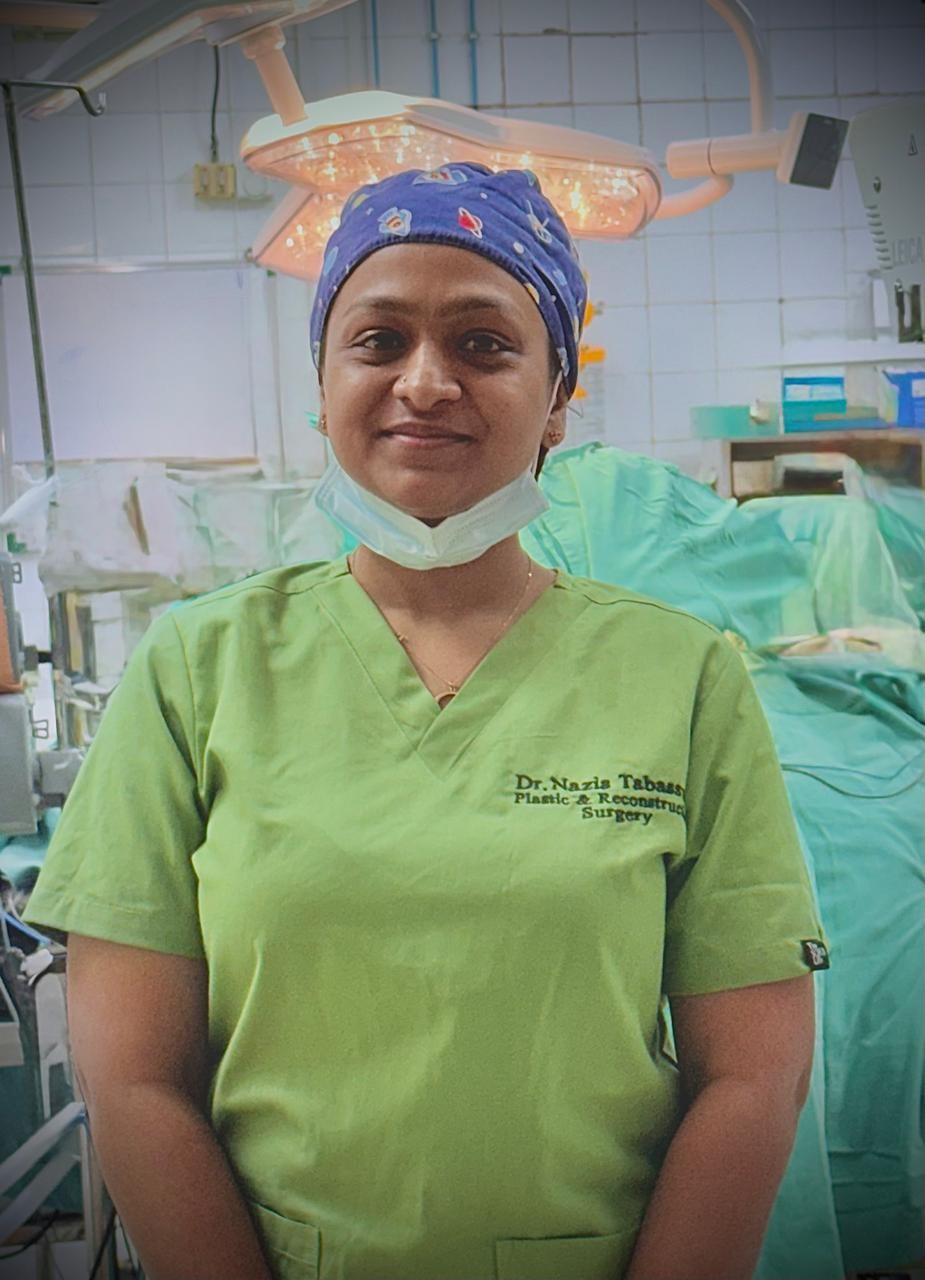
Dr. Nazia Tabassum
Consultant - Breast, Plastic & Reconstructive Surgeon
9 Years English,Hindi,Telugu,Urdu Banjara Hills

Dr. Sruthi Cheera
Consultant Breast Surgeon
5 Years English,Hindi,Kannada,Telugu Banjara Hills

Dr. Supriya Reddy
Lactation Consultant
5 Years English,Hindi,Telugu Banjara Hills

Dr. Niraj Krishnamurthy Yanamandra
Senior Consultant Obstetrician & Gynaecologist, Laparoscopy & Hysteroscopy Surgeon
English,Hindi,Telugu Hydernagar, Banjara Hills

Dr. B. Rao Bahadur
Consultant – Obstetrician & Gynecologist, Laparoscopic ,& Hysteroscopic Surgeon
22 Years English,Hindi,Konkani,Marathi,Telugu Banjara Hills, Kondapur OP

Dr. Sneha Kulkarni
Consultant - Child, Adolescent & Adult Psychiatrist
10 Years English,Hindi,Kannada,Telugu Secunderabad, Banjara Hills, Child Development Centre - Banjarahills Rd No 10

Dr. Lavanya Janagama
Consultant – Obstetrics & Gynecology
10+ Years English Banjara HillsLeading Hospitals for Women Care
Rainbow Children's Hospital stands as a testament to the hospital's continual pursuit of excellence and innovation, providing specialized care for women and children













chennai
Blogs
Discover our most recent health articles provided by our reliable experts.


What Are People Saying About Us
Embark on a journey of inspiration and hope with our patient success stories, complemented by informative videos from our dedicated doctors.


Media
 Common Gynaecological Surgeries to Fix Female Reproductive Issues
 Healthy Woman - Healthy World
 Healthier Women For a Healthier Future...
 Rainbow Children’s Hospital & BirthRight by Rainbow Launch Video Consultation Facilities
 Dr.Pranthi Reddy
 What is the use of that?
 Can you try this time?
 Pregnant Women are Not Unfit
 Declining Age of Menarche - A Matter of Concern
 Important Facts about Cervical Cancer
 Be careful before preempting
 Flu every month!
 Menstrual cramps
 Premature delivery
 Whether laughing or coughing...why?
 Multi - Tasking may be Cool but it's not Healthy
 Pregnant and Worried about COVID-19? Here's Everything you Need to know
 Video Consultation in Pandamic Situation for Pregnancy Women's
 Women.. Various types of cysts
 Recurrent Pregnancy Loss in Women
 Early Onset of Puberty: Causes, Symptoms and Treatment Options
Common Gynaecological Surgeries to Fix Female Reproductive Issues
Healthy Woman - Healthy World
Healthier Women For a Healthier Future...
FAQs
What is the 7-7-7 rule for postpartum?
How is postpartum depression different from normal new-parent exhaustion?
Can postpartum depression start months after delivery?
Can fathers or partners get postpartum depression too?
Will postpartum depression affect my ability to bond with my baby?
How long does postpartum depression last with treatment?
Can postpartum depression happen after a previous pregnancy with no issues?
Is postpartum depression my fault?
When should I seek emergency help instead of waiting for an appointment?
Can postpartum depression return in a future pregnancy?
What is the hardest month postpartum?
Quick Links
Free Calculators to Track and Predict your Pregnancy
Gynecologist in Other Locations
Women's Health Conditions We Treat
- Mastitis (Breast Infection)
- PCOS (Polycystic Ovary Syndrome)
- Uterine Fibroids (Leiomyomas)
- Recurrent Pregnancy Loss
- Blocked Fallopian Tubes (Fallopian Tube Obstruction)
- Gestational Diabetes in Pregnancy
- Incompetent Cervix (Cervical Insufficiency)
- COVID-19 in Pregnancy
- Cytomegalovirus (CMV) in Pregnancy
- HELLP Syndrome
- Luteal Phase Defect
- Vasa Previa
- Listeria in Pregnancy
- Placenta Previa
- Endometrial Polyps (Uterine Polyps)
- Congenital Heart Disease in Pregnancy
- Hyperemesis Gravidarum (Severe Morning Sickness)
- Preeclampsia (toxemia)
- Fetal Distress (Non-Reassuring Fetal Status)
- Postpartum Haemorrhage (PPH)
- Placental Abruption (Abruptio Placentae)
- Placenta Accreta