


Best Hospital for Cryopreservation Treatment in India
Making parenthood possible at every stage of life

Seamless support from diagnosis to post treatment care
Advanced Cryopreservation Services for Fertility Preservation
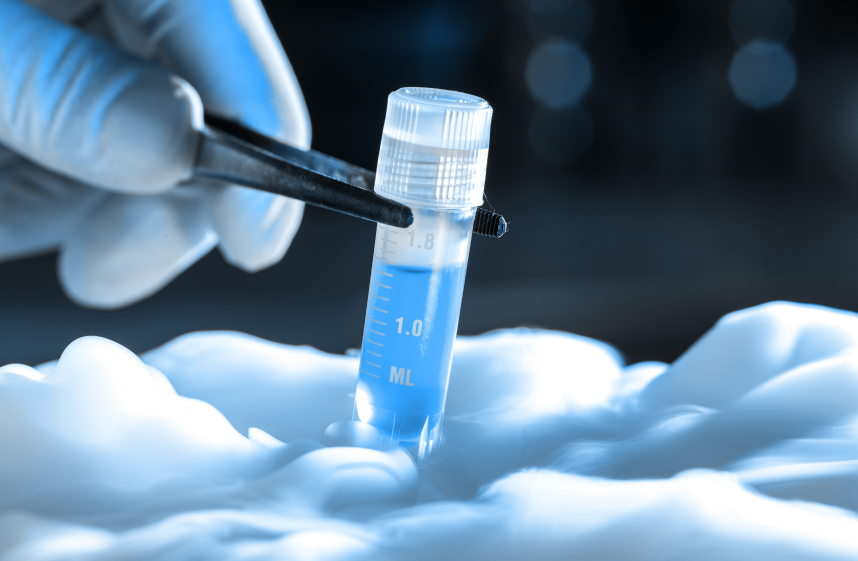
The timing and age at which a couple desires to start a family no longer need to be constrained by the constraints of a biological clock. Cryopreservation offers couples the freedom to postpone parenthood and facilitates the option of conceiving at a later stage in life. This process enables individuals to safeguard their fertility, providing the flexibility to achieve pregnancy whenever they choose. Cryopreservation involves freezing eggs, sperm, or embryos at sub-zero temperatures for future use. When needed, these reproductive elements can be thawed and utilized in fertility treatments or for fertilization.
BirthRight Fertility at Rainbow Hospitals boasts a team of expert fertility specialists and utilizes cutting-edge technology to ensure that the cryopreservation process is seamless and as comfortable as possible. We offer comprehensive care for couples opting for cryopreservation, supported by a highly experienced team of fertility specialists and allied services. Our state-of-the-art facilities, research-based testing methods, and world-class specialists enable us to deliver high-quality care, even in the most complex cases.
Two primary methods are employed for cryopreservation in IVF labs: vitrification and slow freezing. Vitrification has gained significant popularity in recent years due to its numerous benefits, including a low risk of cell damage.
Embryos can be frozen at any stage before reaching the blastocyst stage, which typically occurs 5-7 days after fertilization. Prior to freezing, a cryoprotectant solution is used to lower the freezing point of the embryo, preventing the formation of ice crystals inside the cells, which could cause damage.
Frozen embryos exhibit remarkable resilience, remaining safely frozen for extended durations. Approximately two-thirds of embryos undergo freezing and thawing without harm. There have been instances where frozen embryos from two decades ago were successfully used to assist couples in achieving a successful pregnancy.
Get a Reliable Second Opinion for Cryopreservation and Family Planning?
You can get a reliable second opinion for cryopreservation and family planning at BirthRight Fertility by Rainbow Hospitals, where world-class fertility specialists evaluate complex reproductive timelines. The center provides research-based testing methods and personalized care to guide patients on egg, sperm, or embryo freezing options. Consulting these expert medical teams ensures that individuals receive objective, data-backed guidance regarding the safety, timing, and viability of their fertility preservation choices.

Find a Doctor
Expertise you can trust, Meet our esteemed doctors who bring exceptional knowledge, compassion, and innovation to provide top-notch care for your health and well-being.

Dr. Botta Srujana
Consultant Infertility specialist.
21 Years English,Hindi,Kannada,Tamil,Telugu Health City, Kailash Metta

Dr. Preethi Reddy G
Lead IVF Specialist
15 Years English,Hindi,Telugu Kondapur OP

Dr. Ratna Durvasula
Consultant Fertility Specialist
English,Telugu Kondapur OP, Banjara Hills, Financial District, Kondapur IP

Dr. Dhanyatha G S
Consultant Infertility and Reproductive Medicine
10 Years English,Hindi,Kannada Bannerghatta Fertility (IVF) Centre

Dr. Sushma B. R
Consultant - Infertility Specialist
15 Years English,Hindi,Kannada,Marathi,Tamil,Telugu Bannerghatta Fertility (IVF) Centre

Dr. Akila Preeti Battu
Consultant - Infertility and Reproductive Medicine
12 Years English,Hindi,Kannada,Telugu Himayatnagar

Dr. Aminakshi Dutta
Consultant - Obstetrics and Gynecology
14 Years Assamese,Bengali,English,Hindi Guwahati
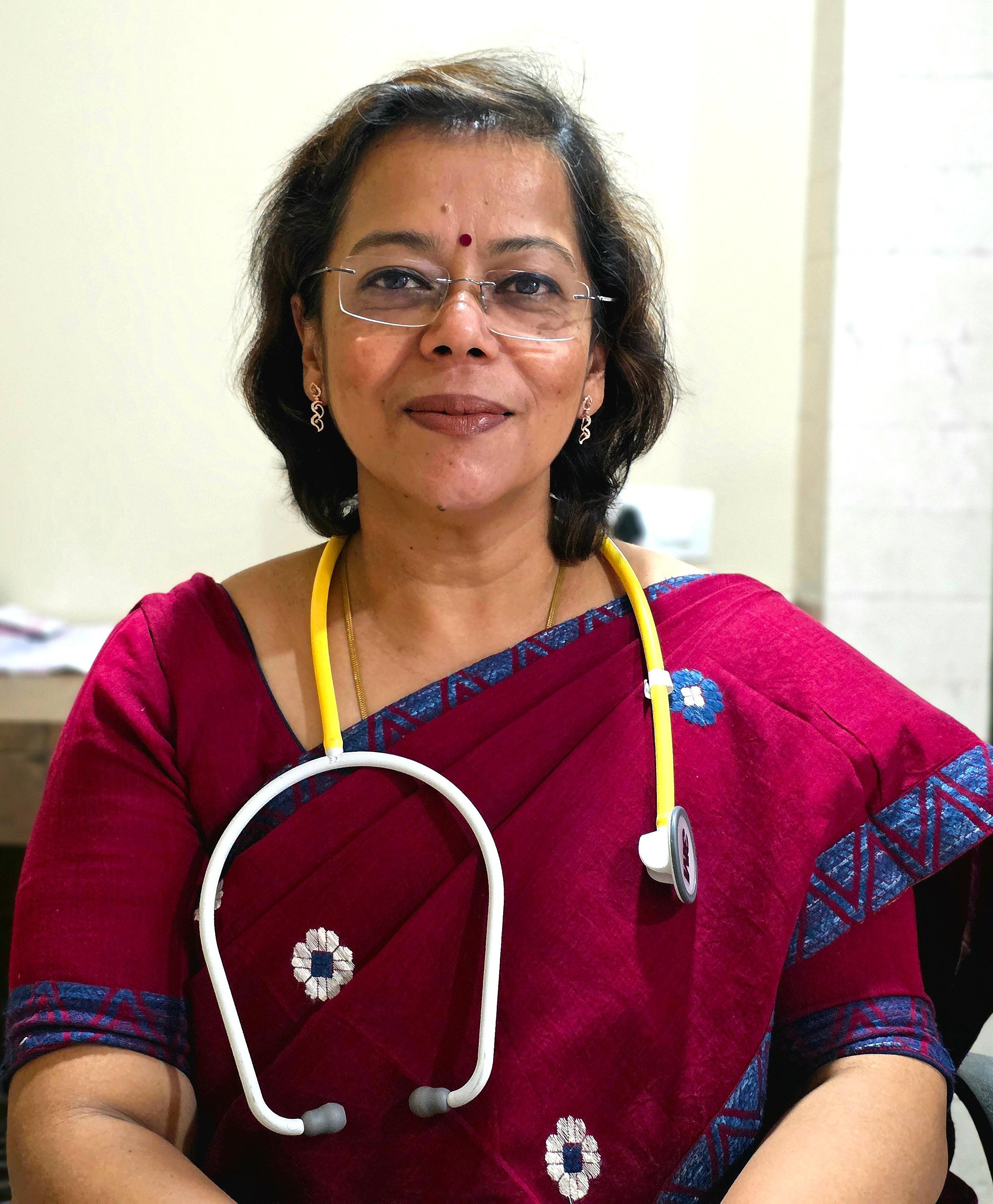
Dr. Anudhriti Dutta
Consultant - Obstetrics, Gynecology & Laparoscopic surgeon
19 Years Assamese,English,Hindi Guwahati

Dr. Divya J G
Fertility Specialist
7 Years English,Hindi,Kannada,Telugu Bannerghatta Fertility (IVF) Centre

Dr. Lakshmi Chirumamilla
Fertility Specialist and Reproductive Endocrinologist
25 Years English,Hindi,Telugu Banjara Hills

Dr. Madhumitha S
Reproductive Medicine and Surgery Consultant
20 Years English Anna Nagar, Guindy, Sholinganallur

Dr. Manju B Nair
Clinical Director - Fertility Services
21 Years English,Hindi,Kannada,Malayalam,Tamil Mahadevpura Fertility (IVF) Centre, HRBR

Dr. Munaganuru Niharika
Consultant – Reproductive Medicine & Fertility
15 Years English,Hindi,Kannada,Telugu Financial District, Himayatnagar

Dr. Mustafiza Yasmin
Consultant - Obstetrics, Gynecology and Laparoscopic surgeon
15 Years Assamese,English Guwahati

Dr. Pallavi Chalasani
Consultant - Fertility Specialist
15 Years English,Hindi,Telugu Hydernagar

Dr. Ragini Naresh
Consultant Infertility & Reproductive Medicine Specialist
10+ Years English,Hindi,Kannada,Telugu Kondapur OP, Attapur Clinic

Dr. Runa Biswas Dutta
Consultant - Obstetrics & Gynecology, Laproscopic Surgeon
18 Years Assamese,Bengali,English,Hindi Guwahati

Dr. Ruprasi Datta
Consultant - Obstetrics & Gynecology, Laproscopic Surgeon
18 Years Assamese,Bengali,English,Hindi Guwahati

Dr. Sudharani Bairraju
Senior Consultant Obstetrician and Gynaecologist, Laparoscopic surgeon and Infertility (IVF) Specialist
English,Telugu Banjara Hills

Dr. Shikha Bathwal
Consultant - Gynecologist, Infertility Specialist and Laparoscopic Surgeon
10 Years Assamese,English Guwahati

Dr. Suman Singh
Consultant – Fertility & IVF Specialist
27 Years English,Hindi,Kannada Bannerghatta Fertility (IVF) Centre

Dr. Suman Singh
Consultant – OBSTETRICS, GYNECOLOGY, INFERTILITY AND IVF ,FELLOWSHIP IN ANESTHETIC MEDICINE ,MASTER IN COSMETIC GYNAECOLOGY
27 Years English,Hindi,Kannada Bannerghatta
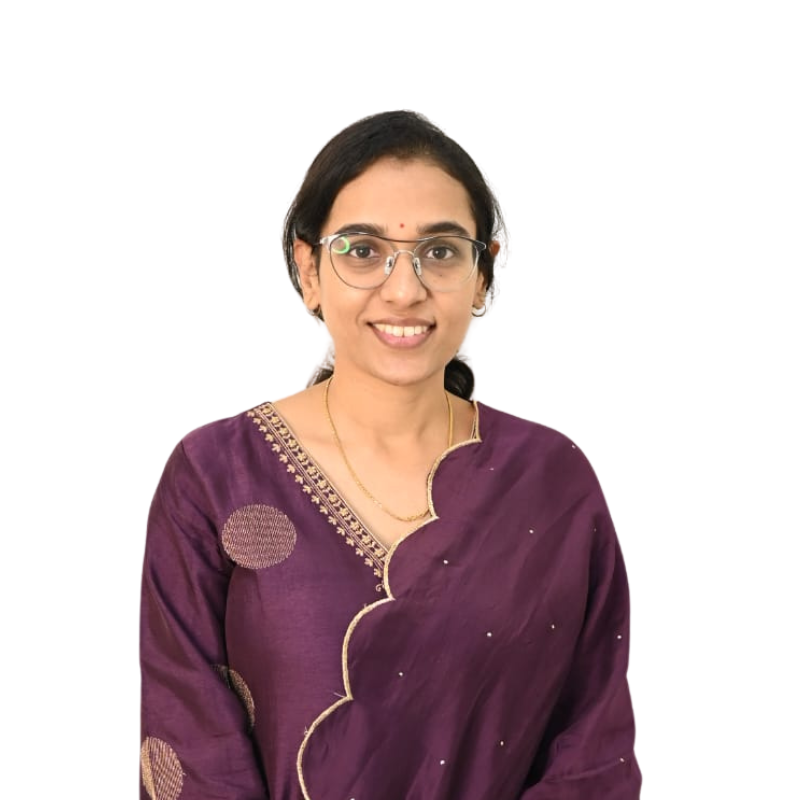
Dr. Swathi Arya
Consultant - Infertility
7+ Years English,Hindi,Telugu Hydernagar, Hydernagar(BirthRight).

Dr. Swathi Peddi
Consultant Infertility
English,Hindi,Telugu LB Nagar

Dr. Tsering Wangdi
Consultant - Obstetrics, Gynecology & Laparoscopic Surgeon
18 Years Assamese,English GuwahatiOur Hospitals and ClinicsOur Hospitals and Clinics
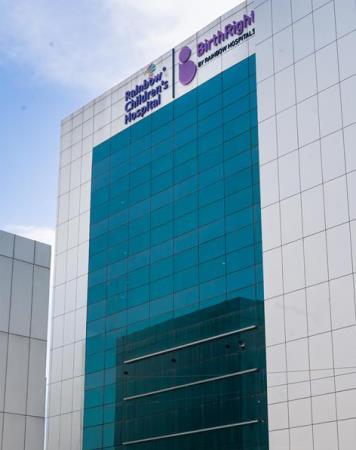
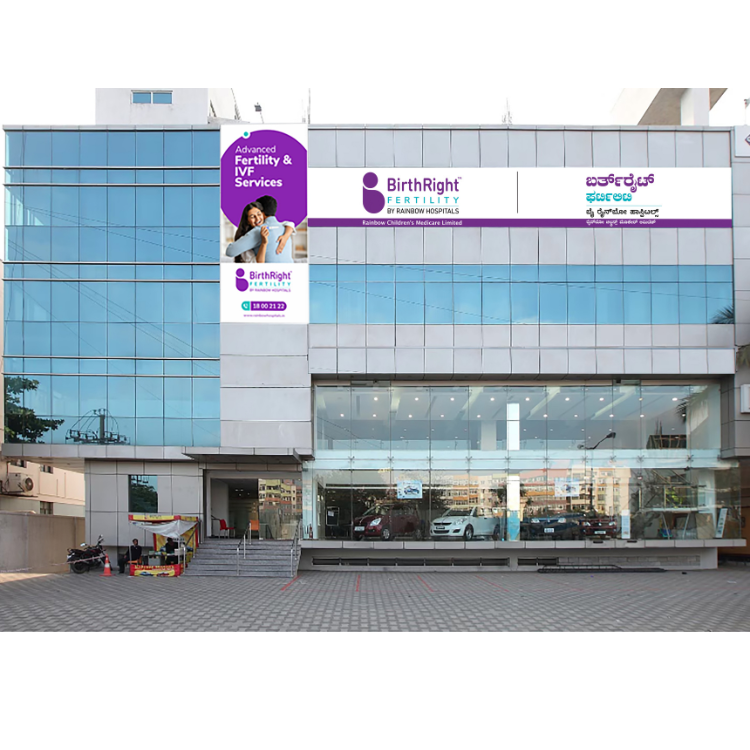
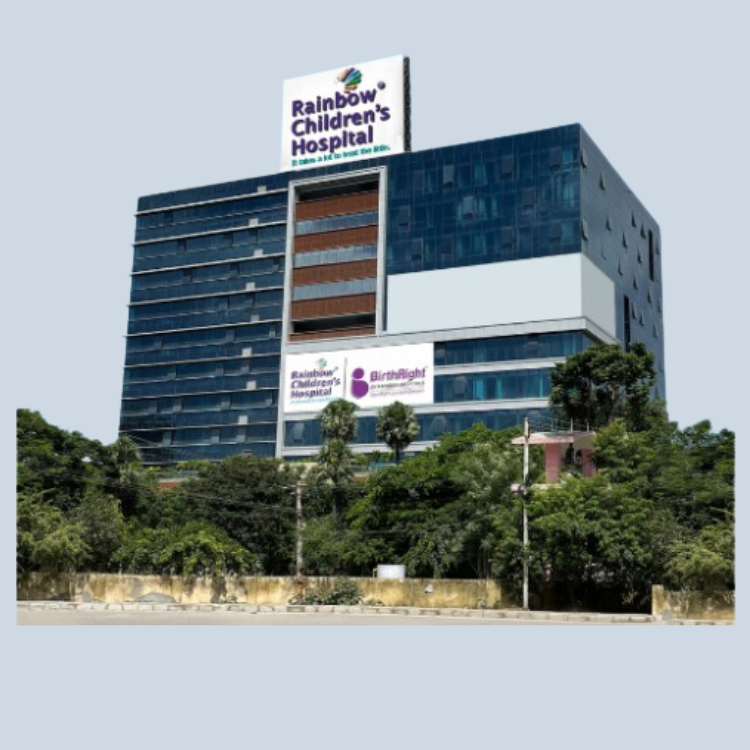
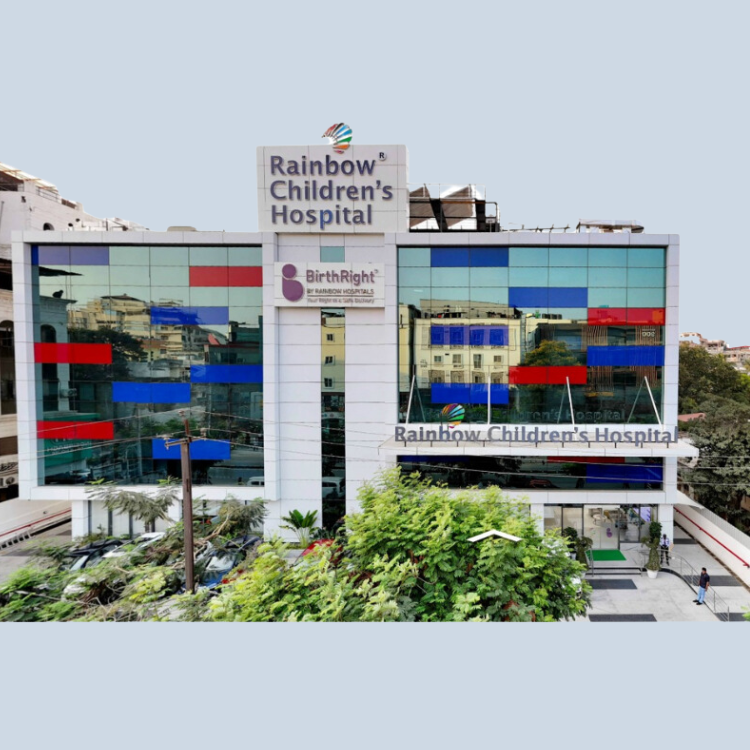
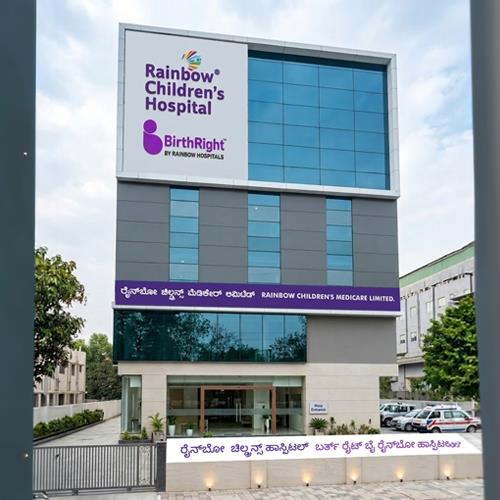
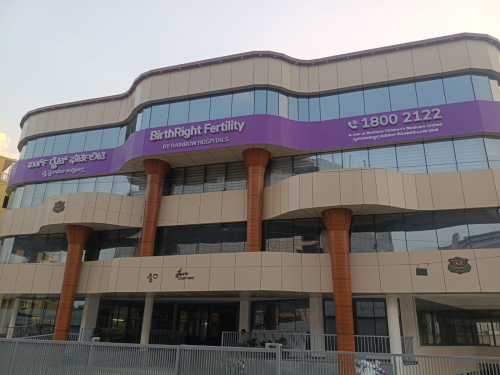
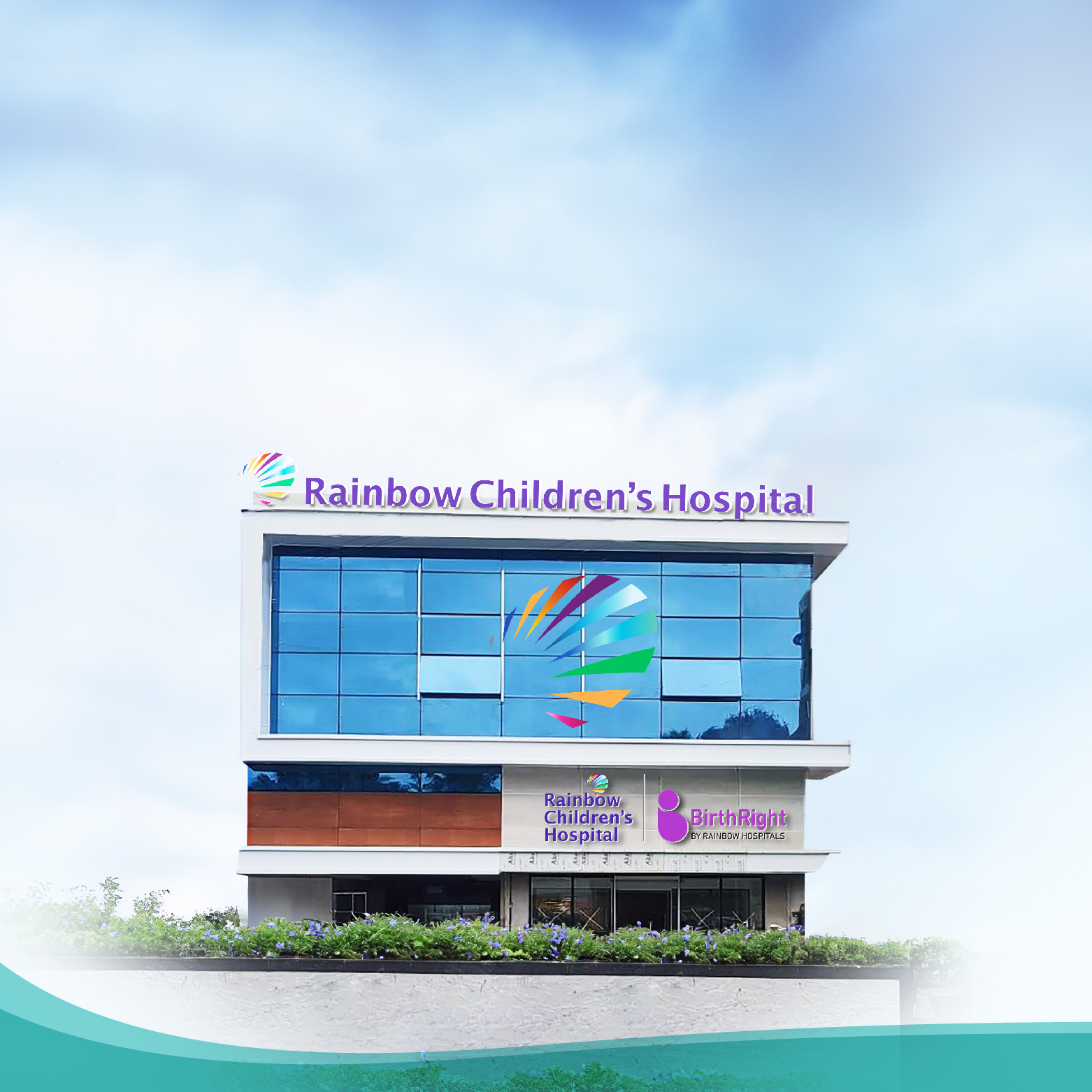
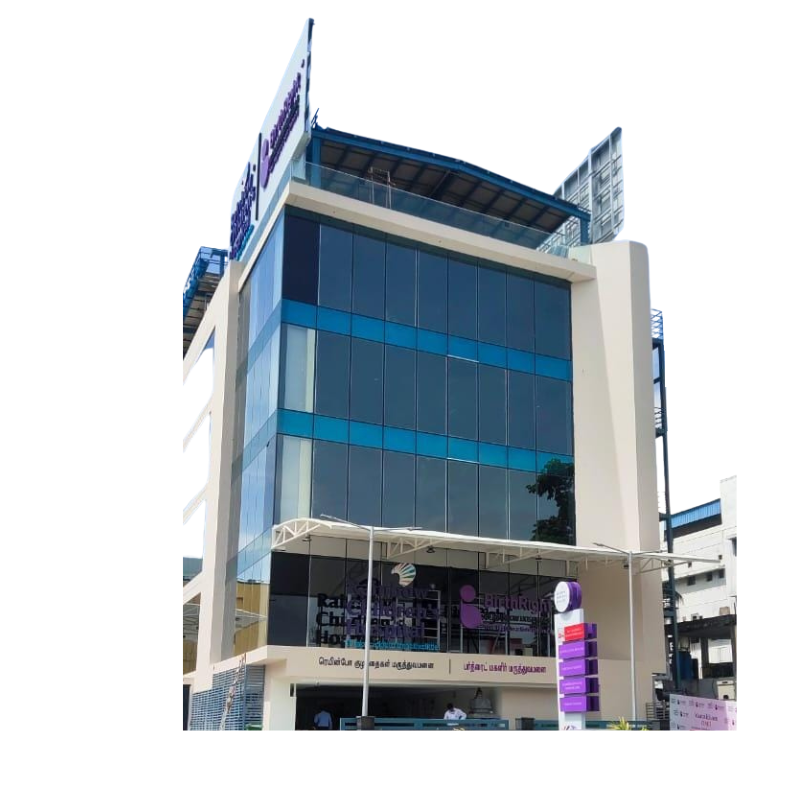
Rainbow Children's Hospital stands as a testament to the hospital's continual pursuit of excellence and innovation, providing specialized care for women and children.











Request a Call back
Tap to Fill FormRequest a Call back
Blogs
Discover our most recent health articles provided by our reliable experts.



What Are People Saying About Us
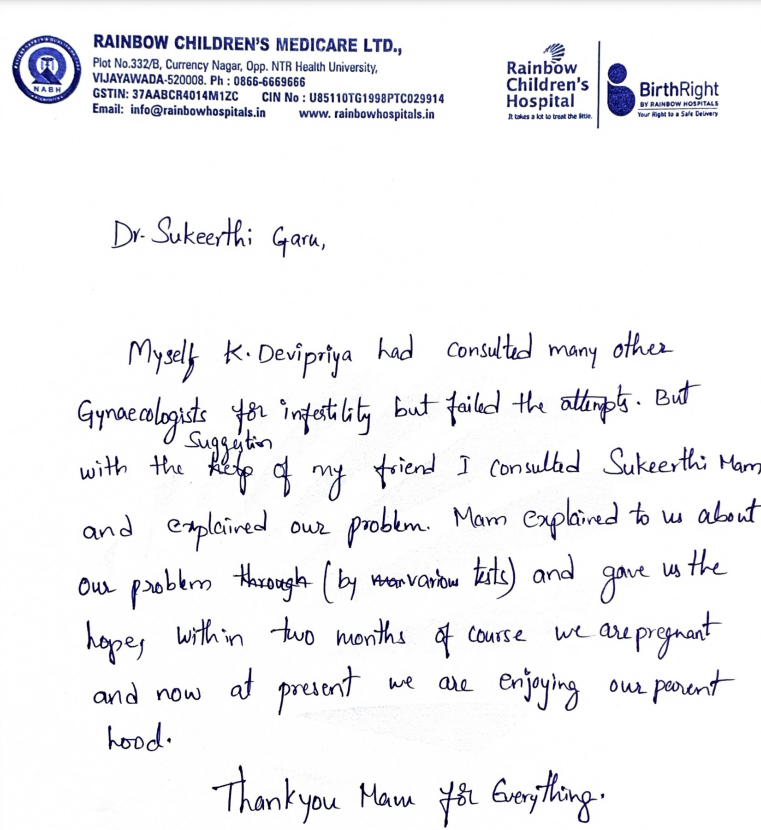
Embark on a journey of inspiration and hope with our patient success stories, complemented by informative videos from our dedicated doctors.


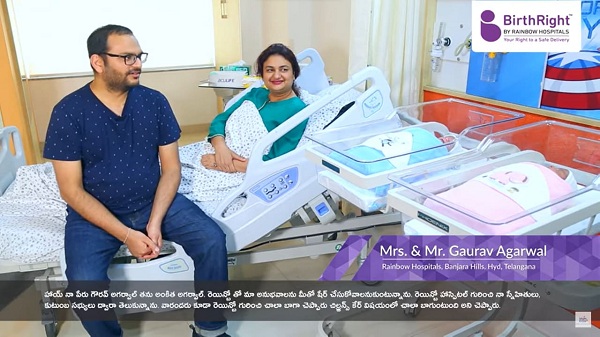
IVF Journey & Twin Babies IVF Journey of Couples & Birth of Premature Twins- Rainbow Hospitals Banjara Hills, Hyderabad
Media
 Rising infertility: Addressing Challenges with Laparoscopy & Hysteroscopy
 25 Years of Compassionate Care
 25 Years of Anniversary - Rainbow Children's Hospital & BirthRight
 Diminished Ovarian Reserve (DOR): Causes, Diagnosis, and Treatment Options by Dr. Shreeja Karan
 Tick-Tock on Biological clock: Fertility concerns multiply in Telugu States
 About In Vitro Fertilization
 What is the IVF cost?
 IVF and Genetic Testion - Essential Insights
 In vitro fertilization (IVF)
 దంపతుల్లో ఈ మూడు లోపాలుంటే పిల్లలు పుట్టరు
 Will Pregnancy Cure Endometriosis?
 Fertility against Odds: IVF hope for women above 40 years of age
 Rising infertility: Addressing Challenges with Laparoscopy & Hysteroscopy
 25 Years of Compassionate Care
 25 Years of Anniversary - Rainbow Children's Hospital & BirthRight
FAQs
Should I consider cryopreservation?
There are a number of reasons why egg freezing can be beneficial, particularly for women who wish to preserve their fertility for the future. These include:
- If you want to delay bearing a child for pursuing goals related to education, career or personal life.
- If you have a cancer diagnosis
- If you wish to keep the option of frozen embryo transfer cycle open for future pregnancy
Why do people opt for cryopreservation?
There are several reasons why couples might opt for freezing and storing their embryos, including:
- Cryopreservation might be deemed as a better option as compared to destroying the extra embryos
- It provides another opportunity for achieving pregnancy if the process of IVF fails initially. The woman won’t have to go through ovarian stimulation and egg retrieval in future IVF cycles.
- Even if the couple has a baby, the frozen embryos can be used for having another baby in the future.
- Cryopreservation provides an option of saving embryos before the woman undergoes treatments, such as that for cancer, which might eliminate or reduce her chances of achieving pregnancy
- The saved embryos can even be donated to other couples
- The saved embryos can even be donated for the purpose of scientific research
What exactly is embryo freezing?
Embryo freezing, also known as embryo cryopreservation, is a clinical laboratory procedure used for freezing and storing fertilized eggs for future use. Unused embryos generated during an In Vitro Fertilization (IVF) cycle are safely frozen using a cryoprotectant solution to protect the cell walls from internal ice crystal damage. These frozen embryos remain viable and resilient for extended durations, allowing patients to complete future IVF cycles without undergoing repeated ovarian stimulation or egg retrieval procedures.
What is vitrification?
Vitrification is a rapid freezing technique used to preserve eggs, embryos, or sperm by preventing ice crystal formation, helping maintain cell quality and improving survival after thawing.
When should I freeze my eggs?
If you are in your prime years, you may be confident about being successfully able to start a family in the future. However, the path to pregnancy isn’t always straightforward for all women. You may not want to wait for too long before you explore the option of fertility preservation. You should consult with your healthcare provider regarding the same.
Are there any risks involved in embryo freezing?
There have been researches that show that freezing the embryo and later thawing them, doesn’t have any harmful effect on the babies made subsequently through IVF. The success rate of IVF isn’t affected by the amount of time the embryo was stored.
Thanks to new and improved technology being used, there is hardly any difference in the rate of pregnancy between fresh and frozen embryos. Additionally, frozen embryo transfer involves a gentler stimulation process with normal hormonal levels, which may improve the rate of pregnancy.
During the slow freeze process, if any ice crystals are formed, they may harm the embryo during the process of thawing. It is because of this risk that vitrification is the preferred technique for cryopreservation. There is no increased risk of birth defects among children born from frozen embryos.
How long can a frozen embryo be stored?
Frozen embryos can be stored for 20 years or longer without affecting their quality or pregnancy potential. With proper cryopreservation, they remain viable and can result in healthy pregnancies after thawing.
What is Oocyte (Egg) Freezing?
Oocyte freezing is a procedure which consists of freezing viable oocytes (eggs) prior to fertilization. These frozen oocytes can be thawed and fertilized with sperm at some date in future for the purpose of treatment.
It is usually considered for:
- Women who are about to undergo treatment for certain cancers, which may affect the ovaries, preventing production of oocytes in the future.
- In cases where insemination of oocytes with sperm after retrieval was cancelled due to inability of husband to produce semen samples. When donor sperm is not an option, oocytes may be frozen until the husband undergoes treatment and is able to provide viable sperm.
Ovarian stimulation and oocyte collection procedures are similar to standard IVF. The oocytes are then frozen within 24 hours of collection. At any later date, they can be thawed and injected with sperm as in ICSI (Intracytoplasmic Sperm Injection) to achieve fertilization. The timing, preparation of uterine cavity and embryo transfer are as for frozen-embryo transfers.
Oocyte freezing is still considered to be in its experimental stage. In comparison with frozen embryo cycles, oocyte freeze/thaw cases are much lower in number due to the poor survival rate of oocytes. However, after the introduction of Vitrification, the technique has significantly improved.
Are the eggs fertilized before freezing?
Yes, freezing of embryos is done only after they are fertilized. There are even options for freezing oocytes of eggs before they fertilize. In such cases, fertilization is performed after thawing the eggs, after which the embryo can be transferred.
How successful is frozen embryo transfer as compared to fresh embryo transfer?
Frozen embryo transfer is considered to be as successful as fresh embryo transfers. In fact, a lot of IVF specialists even recommend the use of frozen eggs over fresh ones for embryo transfer. Both procedures have a similar success rate.
What is Sperm Freezing?
Sperm can be frozen for a number of reasons:
- To store donated sperm (sperm banking) (Not done at our centre)
- Back up sperm samples are frozen for couples undergoing infertility treatment if the husband finds it difficult to ejaculate on demand. Such frozen samples are thawed and used for insemination on the day of oocyte retrieval.
- Surplus surgically extracted sperm (TESA, PESA), can be frozen after they have been used for insemination.
- Prior to cancer treatment that may compromise fertility.
Quick Links
- India
- Hyderabad
- Bengaluru
- Delhi NCR
- Chennai
- Vijayawada
- Visakhapatnam
- Warangal
- Guwahati
- Rajahmundry
- Nellore
- Guntur
- Best Cryopreservation Doctors In Hyderabad
- Best Cryopreservation Doctors In Bangalore
- Best Cryopreservation Doctors In Delhi
- Best Cryopreservation Doctors In Chennai
- Best Cryopreservation Doctors In Vijayawada
- Best Cryopreservation Doctors In Vizag
- Best Cryopreservation Doctors In Kondapur
- Best Cryopreservation Doctors In Governerpet
- Best Cryopreservation Doctors In Banjara Hills
- Top Cryopreservation Doctors in India
- Cryopreservation Doctors near me in Kondapur
- Top Cryopreservation Doctors In Kondapur
- Cryopreservation Doctors near me in Banjarahills
- Best Cryopreservation process at Anna Nagar, Chennai