



Thalassemia in Pregnancy
Thalassemia is an inherited blood disorder that reduces haemoglobin and can cause anaemia in pregnancy. Many women with thalassemia trait have healthy pregnancies, while those with more severe forms need specialist care and regular monitoring. Testing both partners early helps you understand whether your baby could inherit thalassemia.

Seamless support from diagnosis to post treatment care
Overview
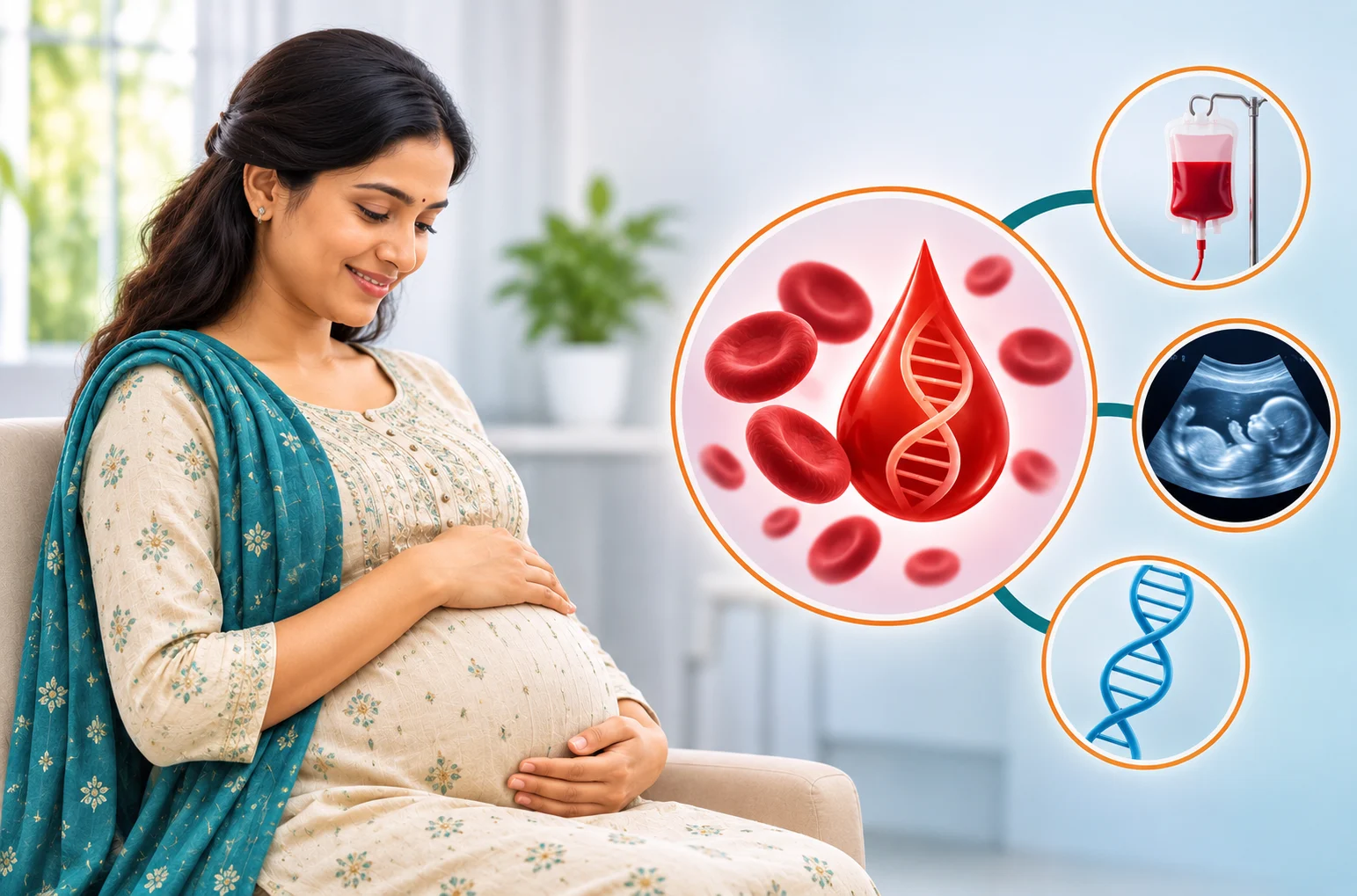
Pregnancy is a time when a woman's health needs careful attention, as her body works to support her baby's growth and development. Certain existing health conditions may need extra care during this time, including inherited blood disorders such as thalassemia. While some women with thalassemia have few or no symptoms, others may need regular blood transfusions and specialist care. Knowing your condition early can help your healthcare team plan the right care for you and your baby.
What Is Thalassemia in Pregnancy?
Thalassemia is an inherited blood disorder that affects the body's ability to make haemoglobin, the protein in red blood cells that carries oxygen. Depending on its type and severity, it can cause mild to severe anaemia (low haemoglobin levels).
Thalassemia trait is different from thalassemia disease. Women with thalassemia trait carry an altered gene and usually have no symptoms or only mild anaemia. They generally do not need treatment for thalassemia itself. Women with more severe forms may need regular blood transfusions and specialist care.
Pregnancy needs closer attention in women with thalassemia because the body must supply enough oxygen to both the mother and the growing baby. The level of monitoring depends on the mother's condition and whether the baby could inherit thalassemia.
Types of Thalassemia
There are two main type of thalassemia: alpha-thalassemia and beta-thalassemia. Both are inherited blood disorders that affect the production of haemoglobin, the protein in red blood cells that carries oxygen. Each type has different forms, ranging from mild carrier conditions to severe disease requiring regular blood transfusions.
1. Alpha-Thalassemia
Alpha-thalassemia occurs when one or more of the four alpha-globin genes are missing or do not function properly. The severity depends on how many genes are affected:
- Silent carrier (one affected gene): Usually causes no symptoms or noticeable changes in blood tests. The person can pass the affected gene to their child.
- Alpha-thalassemia trait or minor (two affected genes): Usually causes no symptoms or mild anaemia. The two affected genes may be inherited from the same parent or one from each parent, which affects the risk to the baby.
- Haemoglobin H (HbH) disease (three affected genes): A more severe form that causes anaemia, which may range from mild to severe. Some people need occasional blood transfusions, particularly during illness or pregnancy.
- Haemoglobin Bart's hydrops fetalis (four affected genes): The most severe form of alpha-thalassemia. It causes severe anaemia and fluid accumulation in the baby's body before birth (hydrops fetalis). Without specialised fetal treatment, it is usually fatal for the baby. It can also cause serious maternal complications, including pre-eclampsia, high blood pressure and obstetric haemorrhage.
2. Beta-Thalassemia
Beta-thalassemia occurs when changes in the HBB gene reduce or stop the production of beta-globin chains. Its main clinical forms include:
- Beta-thalassemia minor or trait (carrier): Usually causes no symptoms or mild anaemia. People with this form generally do not need regular blood transfusions but can pass the affected gene to their children.
- Beta-thalassemia intermedia (non-transfusion-dependent thalassemia): Causes moderate anaemia and may require occasional blood transfusions, particularly during pregnancy, infections or other periods of increased physical stress. Regular transfusions are not always necessary.
- Beta-thalassemia major (transfusion-dependent thalassemia): The most severe form, causing significant anaemia that usually requires regular blood transfusions and ongoing treatment to manage excess iron in the body.
Other Important Haemoglobin Conditions
Some people inherit a combination of beta-thalassemia and another haemoglobin variant. These combinations can affect the severity of the condition and the risk to the baby.
- HbE-beta thalassemia: Occurs when a person inherits one HbE gene variant and one beta-thalassemia gene variant. It is particularly common in eastern and northeastern India and can range from mild to severe, sometimes requiring regular blood transfusions.
- Sickle-beta thalassemia: Occurs when a person inherits one sickle haemoglobin (HbS) variant and one beta-thalassemia variant. It can cause sickle cell disease, with severity depending on the specific gene changes inherited.
Thalassemia in India: How Common Is It?
Thalassemia is an important public health concern in India. National Health Mission estimates indicate that approximately 3–4% of the Indian population carries the beta-thalassemia gene, and around 10,000–15,000 babies with thalassemia major are born each year. Carrier rates and other haemoglobin variants differ across communities and regions.
India's National Health Mission guidelines include antenatal screening to identify women who carry thalassemia or other haemoglobin variants. Screening may involve a complete blood count (CBC), followed by haemoglobin analysis using high-performance liquid chromatography (HPLC) when indicated. If a woman is identified as a carrier, her partner should also be screened to assess the risk to the baby.
How Does Thalassemia Affect Pregnancy?
During pregnancy, the amount of blood circulating in the mother's body increases. This increases the body's demand for oxygen to supply both the mother and the developing baby. If the mother already has anaemia due to thalassemia, she may need closer monitoring to check her haemoglobin levels and overall health.
Women with thalassemia trait often have uncomplicated pregnancies, although their anaemia should still be assessed. Women with more severe thalassemia may need additional checks of the heart, liver, iron levels, and thyroid gland, depending on their health and treatment history.
Risk Factors of Thalassemia in Pregnancy
Thalassemia is inherited, meaning it is passed from parents to children through genes. The main factors that affect the risk of a baby inheriting thalassemia include:
- Family history: A close relative with thalassemia or known carrier status may indicate a higher chance of carrying an altered gene.
- Partner's carrier status: If both parents have certain gene changes linked to thalassemia, their baby may inherit a more severe form of the condition.
- Previous affected pregnancy: Having previously had a baby diagnosed with thalassemia may indicate a risk in a future pregnancy, depending on the parents' genetic results.
One common type is beta-thalassemia, an inherited blood disorder that affects the body's ability to make haemoglobin, which carries oxygen in the blood. If both parents carry the gene for beta-thalassemia, each pregnancy has:
- A 25% chance that the baby will have beta-thalassemia.
- A 50% chance that the baby will carry the gene but usually have no symptoms or only mild anaemia.
- A 25% chance that the baby will neither have the condition nor carry the gene.
These chances apply when both parents have beta-thalassemia trait. The exact risk may differ if genetic testing shows other types of gene changes.
Signs & Symptoms of Thalassemia in Pregnancy
Thalassemia symptoms depend on its type and severity. Women with thalassemia trait may have no noticeable symptoms, while those with anaemia may experience:
- Persistent tiredness or weakness
- Pale skin or a paler-than-usual appearance
- Shortness of breath, particularly during activity
- Dizziness or light-headedness
These symptoms can also occur during pregnancy for other reasons, including iron deficiency. A blood test helps identify the cause rather than relying on symptoms alone. If you experience new or worsening breathlessness, fainting, chest pain, or severe weakness, seek prompt medical assessment.
Complications of Thalassemia in Pregnancy
Many women with thalassemia trait have healthy pregnancies. However, pregnancy can be more complicated for women with thalassemia intermedia or transfusion-dependent thalassemia. Pregnancy was historically considered too risky for some women with severe thalassemia, particularly those with existing heart complications. Advances in treatment and pre-pregnancy planning now allow many of these women to have successful pregnancies, provided they receive specialist care at a tertiary hospital.
Possible complications include:
- Worsening anaemia: The increased blood volume and oxygen demands during pregnancy can worsen anaemia, particularly in women with thalassemia intermedia or major. Some women may need more frequent blood transfusions to maintain adequate haemoglobin levels.
- Gestational diabetes: Iron overload can affect the pancreas and damage the cells that produce insulin, increasing the risk of diabetes during pregnancy. Women with significant iron overload may need earlier and repeated blood sugar screening.
- High blood pressure and pre-eclampsia: Women with thalassemia may have an increased risk of high blood pressure and pre-eclampsia, a pregnancy-related condition involving high blood pressure and possible organ damage. Closer blood pressure monitoring is important.
- Heart complications: Severe anaemia and iron overload from repeated blood transfusions can affect heart function. This may cause abnormal heart rhythms or heart failure, particularly in women with transfusion-dependent thalassemia and existing cardiac iron overload.
- Blood clots (thrombosis): Thalassemia can increase the risk of blood clots during pregnancy. The risk may be higher in women who have undergone splenectomy (surgical removal of the spleen), particularly if their platelet count is elevated.
- Infections: Women who have undergone splenectomy have a higher risk of serious infections because the spleen helps the body fight certain bacteria. Prompt assessment of fever or other signs of infection is important.
- Transfusion-related complications: Women who need blood transfusions during pregnancy may develop antibodies against donor red blood cells, a condition called alloimmunisation. These antibodies can make it harder to find compatible blood for future transfusions and may also affect the baby if they cross the placenta.
- Placental complications: Severe anaemia and underlying maternal health problems can affect placental function. Placental abruption (when the placenta separates from the uterus before birth) is another possible complication.
- Preterm birth and restricted fetal growth: Severe maternal anaemia and placental problems can increase the risk of preterm birth (birth before 37 weeks) and fetal growth restriction (when the baby does not grow as expected during pregnancy). Your doctor may recommend ultrasound scans every four weeks from around 24 weeks to monitor your baby's growth.
- Low amniotic fluid (oligohydramnios): Some pregnancies affected by thalassemia may have reduced amniotic fluid, the fluid surrounding the baby. Ultrasound monitoring helps identify this and assess the baby's well-being.
These complications do not mean that every woman with thalassemia will experience problems during pregnancy. Your individual risk depends on the type and severity of thalassemia, haemoglobin levels, iron overload, heart function and previous treatment. Your obstetrician and haematologist will plan appropriate monitoring and treatment throughout pregnancy.
Treatment & Management Options of Thalassemia in Pregnancy
Managing thalassemia during pregnancy involves regular antenatal visits, monitoring the mother's health and planning for the baby's wellbeing. The care plan depends on whether the mother has thalassemia trait or a more severe form.
A thalassemia test in pregnancy can help identify carrier status and guide decisions about further testing. If you have already been diagnosed with thalassemia, inform your obstetrician early so they can plan your care with the appropriate specialists.
Management may include:
- Regular antenatal visits: Women with more severe thalassemia may need more frequent appointments and additional blood tests. Women with transfusion-dependent or non-transfusion-dependent thalassemia may need monthly reviews until 28 weeks, followed by visits every two weeks until delivery, depending on their condition.
- Blood tests and organ monitoring: Your healthcare team may check haemoglobin, ferritin (a measure of stored iron), liver function, thyroid function and blood sugar levels. Women with transfusion-dependent thalassemia may also need an echocardiogram and cardiac MRI (T2*) to assess heart function and iron overload. These assessments are ideally completed before conception and repeated during pregnancy when needed.
- Folic acid supplementation: Women with thalassemia generally need a higher folic acid dose than the routine pregnancy dose. A dose of 5 mg daily is commonly recommended, ideally starting at least three months before conception and continuing throughout pregnancy, as advised by your doctor.
- Iron supplements when needed: Thalassemia can cause anaemia without iron deficiency. Do not take iron supplements to treat thalassemia-related anaemia unless blood tests confirm that you also have iron deficiency.
- Managing iron overload: Iron chelation medicines help remove excess iron from the body. Deferasirox and deferiprone should ideally be stopped at least three months before conception because of potential risks to the developing baby. Deferoxamine (desferrioxamine) is generally avoided during the first trimester but may be considered during the second or third trimester if iron overload is severe, particularly when there is significant cardiac iron loading. These decisions require specialist supervision.
- Blood transfusions when indicated: Women with transfusion-dependent thalassemia may need their transfusion schedules adjusted during pregnancy. The aim is generally to maintain pre-transfusion haemoglobin above 10 g/dL to support the mother's health and the baby's growth. Women with thalassemia intermedia may also need transfusions if anaemia worsens or fetal growth is affected.
- Preventing blood clots: Thalassemia, particularly after spleen removal (splenectomy), can increase the risk of blood clots during pregnancy. Your doctor will assess your risk and may recommend low-molecular-weight heparin (LMWH), an injectable blood thinner, during pregnancy or after delivery. This is particularly important after a caesarean birth or if you have additional clotting risk factors.
- Preventing pregnancy-related complications: Your doctor may discuss low-dose aspirin to reduce the risk of pre-eclampsia (pregnancy-related high blood pressure). Vitamin D and calcium levels should also be assessed to support bone health, particularly in women with iron overload or endocrine complications.
- Joint specialist care: Depending on the severity of your condition, your obstetrician may coordinate care with a haematologist (a doctor specialising in blood disorders), cardiologist and endocrinologist (a doctor specialising in hormonal conditions).
Genetic Counselling and Prenatal Diagnosis
If you have thalassemia or another haemoglobin variant, your partner should also undergo screening to assess whether your baby could inherit a serious blood disorder. Ideally, this testing should happen before conception or at the first antenatal visit, preferably before 10 weeks of pregnancy. Screening usually includes a complete blood count (CBC) and haemoglobin analysis using high-performance liquid chromatography (HPLC). DNA testing may be needed to identify the exact genetic changes.
If both parents carry relevant gene changes, your doctor may offer prenatal diagnostic testing to determine whether the baby has inherited the condition. The available options include:
- Chorionic villus sampling (CVS): Usually performed between 11 and 13 weeks of pregnancy. A small sample of placental tissue is collected and tested for the specific genetic changes identified in the parents.
- Amniocentesis: Usually performed from 15–16 weeks of pregnancy. A small sample of amniotic fluid surrounding the baby is collected for genetic testing.
DNA analysis of these samples can help establish whether the baby has inherited the condition. Results may be available within days, although the actual reporting time depends on the laboratory and the complexity of testing. Fetal blood sampling (cordocentesis) is rarely required for genetic diagnosis.
If testing confirms that the baby has a serious inherited condition, your doctor and genetic counsellor will explain the findings, available medical options and possible outcomes. In India, the Medical Termination of Pregnancy (MTP) Act permits termination up to 24 weeks in specified circumstances. Beyond 24 weeks, termination may be considered when substantial fetal abnormalities are diagnosed by a Medical Board, subject to the applicable legal requirements. Counselling should be non-directive and respect the parents' informed decisions.
In some pregnancies involving alpha-thalassemia, particularly haemoglobin Bart's hydrops
Treatment for Severe Fetal Anaemia
fetalis, the baby may develop severe anaemia before birth. In selected cases, specialists may consider intrauterine blood transfusions, in which compatible blood is given directly to the baby through the umbilical cord. This is a highly specialised treatment requiring expert fetal medicine care. It is not a routine treatment for a baby who has inherited beta-thalassemia major.
What Is the Prognosis (Outlook) for Thalassemia in Pregnancy?
Many women with thalassemia can have healthy pregnancies and babies. Women with thalassemia trait generally have fewer condition-related complications than women with severe forms of the disorder. Those who need regular blood transfusions may require more intensive monitoring and careful planning before and throughout pregnancy.
Early diagnosis, appropriate treatment, and care from both pregnancy specialists and blood disorder specialists can help manage potential complications. Your outlook will depend on the type and severity of thalassemia, your overall health, and whether your baby is at risk of inheriting the condition.
What Questions Should I Ask My Doctor?
The questions you may want to ask can change as your pregnancy progresses. Grouping them by stage can make discussions with your gynecologist or haematologist easier.
Before or Early in Pregnancy
- Which type of thalassemia do I have, and how might it affect my pregnancy?
- Should my partner undergo thalassemia screening?
- Does my baby have a risk of inheriting thalassemia?
- Should I consider genetic counselling or prenatal diagnostic testing?
During Pregnancy and Monitoring
- Do I need additional blood tests or more frequent antenatal visits?
- Will I need blood transfusions during pregnancy?
- Do I need additional checks for my heart, liver, thyroid, or blood sugar levels?
- How often will I need scans to monitor my baby’s growth?
Medicines and Iron Management
- Do I need to change any medicines or supplements during pregnancy?
- Should I continue or pause iron-chelation treatment?
- Do I need iron supplements, or should my iron levels be checked first?
Delivery and Newborn Care
- How could thalassemia affect my delivery plan?
- Where should I plan to deliver my baby?
- Will my baby need any tests or additional care after birth?
Prevention & Preconception Tips for Thalassemia in Pregnancy
Thalassemia is inherited, so you can't prevent it through diet or lifestyle changes. However, planning ahead can help you understand the risks and make informed decisions before pregnancy.
- Consider carrier screening before pregnancy: A blood test can help identify whether you carry a gene change associated with thalassemia.
- Get your partner tested if you are a carrier: Testing both biological parents helps determine whether a baby could inherit a serious form of the condition.
- Seek genetic counselling when appropriate: A genetic counsellor can explain inheritance patterns, the chance of passing the condition to a child, and available reproductive options.
- Review your health before conceiving: If you have thalassemia disease, discuss your heart and liver health, iron levels, medicines and transfusion needs with our treating team.
- Discuss reproductive options: When both parents carry relevant gene changes, options may include prenatal diagnostic testing or in vitro fertilisation (IVF) with preimplantation genetic testing (PGT), where suitable.
If you are already pregnant, it is still helpful to arrange testing and counselling as early as possible. Early results can help you and the healthcare team understand your options.
Why Choose BirthRight by Rainbow Hospitals for Thalassemia in Pregnancy Care?
BirthRight by Rainbow Hospitals provides coordinated pregnancy care for women with thalassemia or thalassemia trait. Key strengths include:
- Individualised pregnancy care: Doctors plan care based on your type of thalassemia, test results, treatment history, and pregnancy needs.
- Multidisciplinary support: Obstetricians can work with haematologists and other specialists when additional expertise is needed.
- Carrier and partner assessment: If you are a carrier, doctors can guide you on partner screening and the next steps based on the results.
- Clear counselling: Specialists explain test findings, pregnancy-related considerations, and available options in simple terms.
- Ongoing maternal monitoring: Your care can include regular assessment of blood levels and other health factors throughout pregnancy.
- Pregnancy and baby monitoring: The maternity team closely monitors your pregnancy and plans additional monitoring as needed.
- Coordinated care throughout pregnancy: The same care network manages testing, specialist consultations, antenatal care, and delivery planning.
BirthRight Fertility by Rainbow Hospitals has supported more than 1,00,000 parenthood journeys across 15 Level II ART clinics in India. Book a consultation at your nearest BirthRight Fertility centre to discuss Thalassemia in pregnancy privately with our specialists.

Find a Doctor and Book Appointment Online
Meet our specialist doctors who bring together clinical expertise, compassion, and personalised care to support your health and well-being. Choose from 1,300+ specialists across our network and book an appointment with BirthRight and Rainbow Children Hospitals, offering 24*7 support to you and your family.

Dr. Pranathi Reddy A
Clinical Director – Obstetrics & Gynecology.
English,Hindi,Telugu Banjara Hills

Dr. Gauri Vinayak Dhamangaonkar
Senior Consultant - Fetal Medicine
15 Years English,Hindi,Marathi,Telugu Kondapur OP, Banjara Hills

Dr. Shruthi Reddy Poddutoor
Consultant Obstetrician, Gynecologist & Laparoscopic Surgeon
English,Telugu Banjara Hills

Dr. Himabindu Veerla
Consultant Obstetrician, Gynecologist & Laparoscopic Surgeon
English,Telugu Banjara Hills
Dr. Bhargavi Reddy K
Consultant - Obstetrics and Gynecology
10 Years English,Hindi,Telugu Banjara Hills, Attapur Clinic

Dr. Annie Pranutha P
Consultant Obstetrics and Gynecology
9 Years English,Hindi,Telugu Banjara Hills, Attapur Clinic

Dr. Sasikala Kola
Consultant Obstetrician & Gynecologist
English,Hindi,Telugu Banjara Hills

Dr. Atigadda Vijaya
Consultant - Obstetrics & Gynecology
Hindi,Telugu Banjara Hills, Himayatnagar, Attapur Clinic

Dr. Nishanth Reddy Inavolu
Visiting Consultant Physician and Diabetologist & Internal Medicine
English,Hindi,Telugu Banjara Hills, Himayatnagar

Dr. Tulika Tayal
Consultant - Fetal Medicine
English,Telugu Banjara Hills

Dr. M Prathyusha Reddy
Consultant Obstetrics & Gynecology
English,Telugu Banjara Hills

Dr. Nithya Narasimha Murthy
Consultant -Psychiatrist
English,Hindi,Telugu Kondapur OP, Banjara Hills, Child Development Centre - Banjarahills Rd No 10

Dr. Brundavani
Consultant - Nutritionist
English,Hindi,Telugu Kondapur OP, Hydernagar, Banjara Hills, Child Development Centre - Banjarahills Rd No 10
Dr. Niveditha Chalmeda
Consultant
English,Telugu Banjara Hills

Dr. Kirti Reddy Patlolla
Consultant Obstetrics and Gynaecology
English,Telugu Banjara Hills, Attapur Clinic

Dr. Tuheena Sharma
Consultant - Perinatal Physiotherapy
10 Years English,Telugu Banjara Hills

Dr. Aditi Shah
Consultant - Fetal Medicine
English,Telugu Banjara Hills
Dr. Swathi Naga Tulasi Rayapureddy
Lactation Consultant
8 Years English,Telugu Banjara Hills

Dr. Swetha Reddy. S
CONSULTANT PERINATAL PSYCHIATRIST AND WOMEN MENTAL HEALTH SPECIALIST
13 Years English,Hindi,Telugu Banjara Hills

Dr. Addu Kiranmayi
Chief Clinical Nutritionist and Lifestyle Medicine Consultant
15 Years English,Hindi,Telugu Himayatnagar, Banjara Hills

Dr. Palle Nalini Kumari
Lactation Consultant
17+ Years English,Hindi,Telugu Banjara Hills
Dr. Nazia Tabassum
Consultant - Breast, Plastic & Reconstructive Surgeon
9 Years English,Hindi,Telugu,Urdu Banjara Hills

Dr. Sruthi Cheera
Consultant Breast Surgeon
5 Years English,Hindi,Kannada,Telugu Banjara Hills
Dr. Supriya Reddy
Lactation Consultant
5 Years English,Hindi,Telugu Banjara Hills

Dr. Niraj Krishnamurthy Yanamandra
Senior Consultant Obstetrician & Gynaecologist, Laparoscopy & Hysteroscopy Surgeon
English,Hindi,Telugu Hydernagar, Banjara Hills

Dr. B. Rao Bahadur
Consultant – Obstetrician & Gynecologist, Laparoscopic ,& Hysteroscopic Surgeon
22 Years English,Hindi,Konkani,Marathi,Telugu Banjara Hills, Kondapur OP

Dr. Sneha Kulkarni
Consultant - Child, Adolescent & Adult Psychiatrist
10 Years English,Hindi,Kannada,Telugu Secunderabad, Banjara Hills, Child Development Centre - Banjarahills Rd No 10

Dr. Lavanya Janagama
Consultant – Obstetrics & Gynecology
10+ Years English Banjara HillsLeading Hospitals for Women Care
Rainbow Children's Hospital stands as a testament to the hospital's continual pursuit of excellence and innovation, providing specialized care for women and children


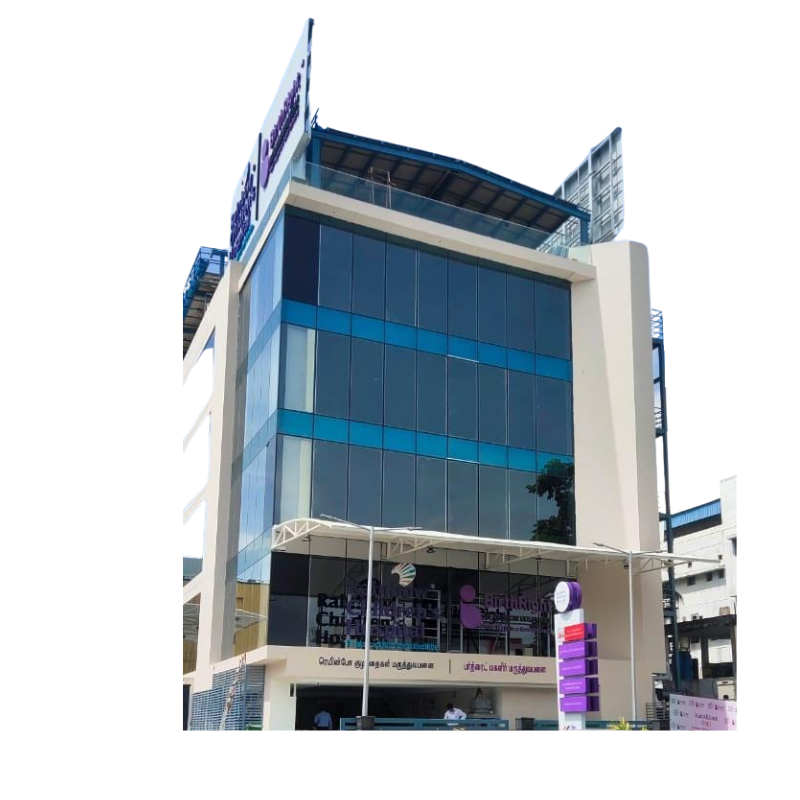




chennai
Blogs
Discover our most recent health articles provided by our reliable experts.




What Are People Saying About Us
Embark on a journey of inspiration and hope with our patient success stories, complemented by informative videos from our dedicated doctors.


Media
 Common Gynaecological Surgeries to Fix Female Reproductive Issues
 Healthy Woman - Healthy World
 Healthier Women For a Healthier Future...
 Rainbow Children’s Hospital & BirthRight by Rainbow Launch Video Consultation Facilities
 Dr.Pranthi Reddy
 What is the use of that?
 Can you try this time?
 Pregnant Women are Not Unfit
 Declining Age of Menarche - A Matter of Concern
 Important Facts about Cervical Cancer
 Be careful before preempting
 Flu every month!
 Menstrual cramps
 Premature delivery
 Whether laughing or coughing...why?
 Multi - Tasking may be Cool but it's not Healthy
 Pregnant and Worried about COVID-19? Here's Everything you Need to know
 Video Consultation in Pandamic Situation for Pregnancy Women's
 Women.. Various types of cysts
 Recurrent Pregnancy Loss in Women
 Early Onset of Puberty: Causes, Symptoms and Treatment Options
Common Gynaecological Surgeries to Fix Female Reproductive Issues
Healthy Woman - Healthy World
Healthier Women For a Healthier Future...
FAQs
Will my baby inherit thalassemia if I only carry the trait?
Which blood tests are done if I have thalassemia trait in pregnancy?
Can I have a normal delivery if I have thalassemia?
Will my baby need to be tested for thalassemia after birth?
Is it safe to take iron supplements if I have thalassemia trait?
What does a high HbA2 level mean in pregnancy?
Can IVF with PGT prevent thalassemia in my baby?
Can thalassemia cause miscarriage?
Do I need folic acid if I have thalassemia?
Will I need blood transfusions during pregnancy if I have transfusion-dependent thalassemia?
Quick Links
Free Calculators to Track and Predict your Pregnancy
Gynecologist in Other Locations
Women's Health Conditions We Treat
- Mastitis (Breast Infection)
- PCOS (Polycystic Ovary Syndrome)
- Uterine Fibroids (Leiomyomas)
- Recurrent Pregnancy Loss
- Blocked Fallopian Tubes (Fallopian Tube Obstruction)
- Gestational Diabetes in Pregnancy
- Incompetent Cervix (Cervical Insufficiency)
- COVID-19 in Pregnancy
- Cytomegalovirus (CMV) in Pregnancy
- HELLP Syndrome
- Luteal Phase Defect
- Vasa Previa
- Listeria in Pregnancy
- Placenta Previa
- Endometrial Polyps (Uterine Polyps)
- Congenital Heart Disease in Pregnancy
- Hyperemesis Gravidarum (Severe Morning Sickness)
- Preeclampsia (toxemia)
- Fetal Distress (Non-Reassuring Fetal Status)
- Postpartum Haemorrhage (PPH)
- Placental Abruption (Abruptio Placentae)
- Placenta Accreta