



Iron-Deficiency Anaemia in Pregnancy
Iron-deficiency anaemia in pregnancy happens when iron stores run out and the body cannot make enough haemoglobin to carry oxygen to the mother and baby. CBC and ferritin tests confirm it, and iron supplements restore levels

Seamless support from diagnosis to post treatment care
Overview
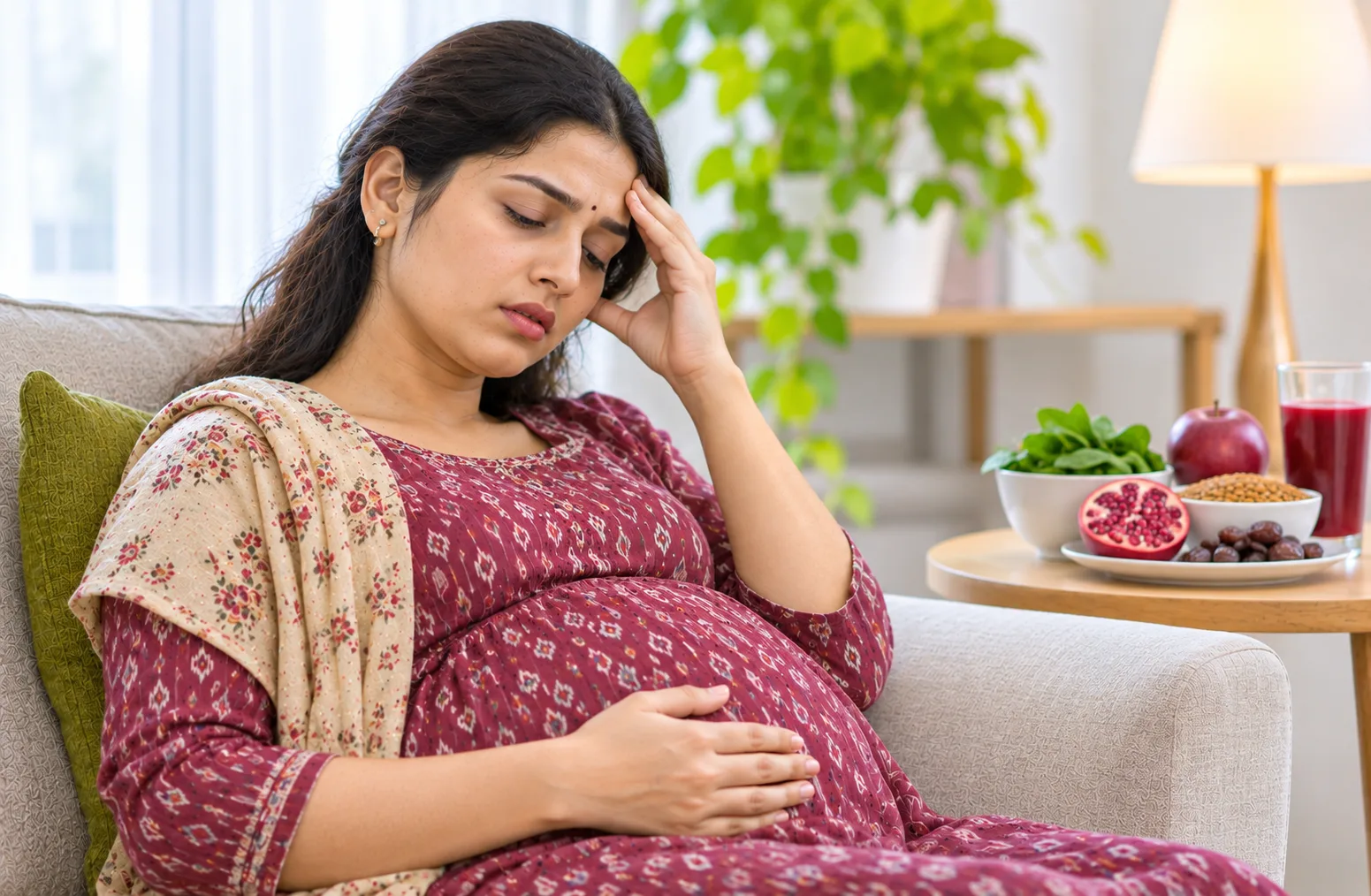
Iron-deficiency anaemia develops when the body lacks enough iron to produce healthy red blood cells and carry oxygen efficiently. It can affect people of different ages and may develop for several reasons, from dietary gaps to blood loss or increased iron needs.
Recognising the signs early can make a meaningful difference. Understanding what causes iron-deficiency anaemia, how it is diagnosed and the treatment options available can help you know when to seek medical advice and take the right steps towards restoring healthy iron levels.
What is Iron-Deficiency Anaemia?
Iron-deficiency anaemia means the blood does not have enough healthy red blood cells to carry oxygen around the body. It is caused by a lack of iron, and it is by far the most common type. Iron is the raw material your body needs to make haemoglobin, the part of red blood cells that carries oxygen.
When iron runs low, the body cannot make enough haemoglobin, and cells across the body get less oxygen. This is what causes tiredness, breathlessness and other symptoms. A haemoglobin deficiency of this kind develops slowly, which is why many people do not notice it at first.
How Do Iron and Red Blood Cells Work?
Your body gets iron from the food you eat and absorbs it through the gut. That iron is used in the bone marrow to build haemoglobin inside new red blood cells. Those cells then carry oxygen from your lungs to every part of your body.
The body keeps a store of iron to draw on when intake drops. Iron-deficiency anaemia develops in stages: first the stored iron is used up, then the body struggles to make normal red blood cells, and finally the haemoglobin level falls and symptoms appear. This is why early iron deficiency can exist before full anaemia shows on a test.
Causes of Iron-Deficiency Anaemia
Iron deficiency comes down to three things: not taking in enough iron, not absorbing it well, or losing blood. Understanding what causes iron deficiency helps target the right treatment. The common causes are below.
1. Blood loss
Losing blood means losing iron, and this is the leading cause in adults. In women, heavy or long periods are a common reason. Slow bleeding inside the body, from a stomach ulcer, piles, or, less often, a growth in the bowel, can also drain iron over time without being obvious.
2. Not enough iron in the diet
A diet low in iron-rich foods can lead to deficiency, especially where meat, fish and pulses are limited. This is common in India, where many vegetarian diets are low in the form of iron the body absorbs most easily.
3. Poor iron absorption
Some conditions prevent the gut from absorbing iron properly, even when the diet contains enough. Coeliac disease, long-term gut inflammation and previous stomach surgery are examples. Intestinal worm infections, such as hookworm, can also contribute to iron deficiency by causing chronic blood loss.
4. Pregnancy and growth
Pregnancy raises iron needs sharply, to support the growing baby and extra blood volume. Rapid growth in infants, young children and teenagers also increases demand, which is why these groups are so often affected in India.
Replacing iron fixes the anaemia, but the deficiency itself usually has a cause worth finding. Treating the cause matters as much as replacing the iron.
Who Is at Risk of Iron-Deficiency Anaemia?
Some groups are far more likely to develop iron deficiency than others. You are at higher risk if you fall into one of these groups:
- Women with heavy or long menstrual periods
- Pregnant and breastfeeding women
- Infants, young children and teenagers in a growth spurt
- People on vegetarian or restricted diets low in iron
- People with gut conditions that affect absorption
- Frequent blood donors
If you are in one of these groups and feel persistently tired, it is worth a simple blood test to check your iron and haemoglobin.
Symptoms of Iron-Deficiency Anaemia: Early Signs and Severity
Iron deficiency symptoms usually start mild and build slowly, which is why people often miss them. The signs of iron deficiency tend to worsen as the deficiency deepens.
Early or mild signs:
- Tiredness and low energy that does not improve with rest
- Looking paler than usual, especially the inner eyelids and nails
- Feeling short of breath during everyday activity
As it becomes moderate to severe:
- A fast or pounding heartbeat
- Dizziness, headaches or cold hands and feet
- Brittle or spoon-shaped nails, and a sore or smooth tongue
- Unusual cravings for ice or non-food items such as clay, called pica
- In children, poor appetite, irritability and slower development
These symptoms overlap with many other conditions, so a blood test is needed to confirm the cause. If several of these appear together, see a doctor.
Complications of Untreated Iron-Deficiency Anaemia
Iron-deficiency anaemia is easy to treat, but leaving it untreated can affect health beyond simple tiredness. Untreated anaemia can lead to:
- Heart problems: The heart works harder to move oxygen, which over time can cause a rapid heartbeat or an enlarged heart.
- Problems in pregnancy: Anaemia raises the risk of premature birth, low birth weight and complications for mother and baby.
- Delayed development in children: Long-term iron deficiency can affect growth, learning and behaviour in young children.
- Weakened immunity: Low iron can make infections more frequent and recovery slower.
Most of these are avoidable with timely diagnosis and treatment, which is why an early blood test matters.
How is Iron-Deficiency Anaemia Diagnosed?
Diagnosis is straightforward and starts with a simple blood test. Your doctor may order one or more of the following:
- Complete blood count (CBC): Measures haemoglobin and shows whether red blood cells are smaller and paler than normal, a typical sign of iron deficiency.
- Ferritin test: Measures your stored iron. A low ferritin level is the clearest early sign of iron deficiency.
- Iron studies: Serum iron and transferrin (TIBC) tests give a fuller picture of blood iron levels.
- Tests to find the cause: Where blood loss is suspected, further tests may check the gut or, in women, the cause of heavy periods.
Finding the cause is part of the diagnosis, not a separate step. Iron levels can be restored quickly, but the deficiency will return if you don't address the underlying cause.
Treatment Options for Iron-Deficiency Anaemia
Iron-deficiency anaemia treatment works on two fronts: restoring iron levels and treating the cause. Your gynecologist decides the approach based on how low your iron is and why. The main options are below.
- Iron supplements: Iron tablets are the usual first step and are taken for several months to rebuild stores, not just to correct the blood count. Taking them with vitamin C helps absorption.
- Dietary changes: Eating more iron-rich foods supports recovery and helps prevent the deficiency returning. This works alongside supplements rather than replacing them in most cases.
- Intravenous iron: An iron infusion is used when tablets aren't tolerated or absorbed well, or when iron needs to be replaced quickly.
- Treating the underlying cause: Managing heavy periods, treating a gut condition or stopping a source of bleeding is essential to a lasting fix.
Iron tablets can cause constipation or dark stools, which is harmless. Do not start high-dose iron without a diagnosis, as too much iron can be harmful.
Foods for Anaemia: What to Eat for Iron Deficiency
Diet plays a big part in recovery and prevention. Knowing what to eat for iron deficiency helps, and there are two types of dietary iron to include.
- Iron from animal sources (absorbed easily): Red meat, chicken, fish, liver and eggs.
- Iron from plant sources: Spinach and green leafy vegetables, lentils, chickpeas, beans, jaggery, dates and fortified cereals.
- Foods that boost absorption: Pair iron-rich foods with vitamin C, such as lemon, amla, orange, or tomato, to help the body absorb iron.
Tea and coffee reduce iron absorption, so it helps to avoid them with meals. These foods for anaemia support treatment but usually work best alongside prescribed iron, not instead of it.
What is the Prognosis for Iron-Deficiency Anaemia?
The outlook is very good. With treatment, most people feel noticeably better within two to four weeks, though iron stores take longer to fully rebuild, often three to six months. That is why treatment continues even after you feel well.
The key to staying well is treating the cause, not just the symptoms. Where the cause is managed, iron-deficiency anaemia rarely returns.
When Should You See a Doctor?
Everyday tiredness is common, but some signs are worth checking without delay. See a doctor if any of the following apply to you.
- Tiredness, breathlessness or a fast heartbeat that is not improving
- You are pregnant, or planning a pregnancy, and feel run down
- Your child is pale, off their food, or not growing as expected
- You have heavy periods along with fatigue
- You notice unusual cravings for ice or non-food items
A simple blood test can confirm iron-deficiency anaemia quickly, so there is no need to wait for symptoms to worsen.
What Questions Should You Ask Your Doctor?
The right questions depend on where you are in the process. It helps to prepare them before your visit. The prompts below are grouped by stage.
If you have just been diagnosed:
- How low is my iron, and what is likely causing it?
- Do I need tests to find the source of any blood loss?
If you are starting treatment:
- Should I take iron tablets or would an infusion suit me better?
- How long should I take iron, and how will we know it is working?
If you are managing it long term:
- What dietary changes will help me stay well?
- How can I stop the anaemia coming back?
Ask your doctor to explain any term you do not understand. Clear answers help you manage the condition with confidence.
Prevention and Lifestyle Tips
Not every case can be prevented, but a few habits lower the risk and help keep iron levels healthy.
- Eat a balanced diet with iron-rich foods and vitamin C to aid absorption
- Avoid tea or coffee with meals, since they reduce iron absorption
- Take iron and folic acid supplements in pregnancy as advised
- Get heavy periods reviewed rather than living with them
- Have regular check-ups if you are in a higher-risk group
These steps support healthy iron levels but cannot replace treatment if anaemia is already present. If symptoms persist, a blood test matters more than diet alone.
Why Choose Birthright by Rainbow Hospitals for Iron-Deficiency Anaemia in Pregnancy Care?
Iron-deficiency anaemia in pregnancy is common, but its cause deserves proper attention. Birthright by Rainbow Hospitals brings diagnostic, paediatric, and women's health expertise together, so we address both the anaemia and its cause. Our care includes:
- Accurate diagnosis: In-house laboratories for CBC, ferritin and iron studies, with quick, reliable results.
- Care for every age: Experienced paediatric and adult teams, important where children and pregnant women are most affected.
- Finding the cause: Evaluation of blood loss, absorption problems and dietary factors, not just iron replacement.
- Treatment under one roof: Oral iron, iron infusions and management of the underlying cause, all coordinated.
- Dietary guidance: Practical, India-appropriate advice on iron-rich foods to support recovery and prevent recurrence.
You can consult the specialists at Rainbow Hospitals for a simple evaluation and a clear treatment plan.

Find a Doctor and Book Appointment Online
Meet our specialist doctors who bring together clinical expertise, compassion, and personalised care to support your health and well-being. Choose from 1,300+ specialists across our network and book an appointment with BirthRight and Rainbow Children Hospitals, offering 24*7 support to you and your family.

Dr. Pranathi Reddy A
Clinical Director – Obstetrics & Gynecology.
English,Hindi,Telugu Banjara Hills

Dr. Gauri Vinayak Dhamangaonkar
Senior Consultant - Fetal Medicine
15 Years English,Hindi,Marathi,Telugu Kondapur OP, Banjara Hills

Dr. Shruthi Reddy Poddutoor
Consultant Obstetrician, Gynecologist & Laparoscopic Surgeon
English,Telugu Banjara Hills

Dr. Himabindu Veerla
Consultant Obstetrician, Gynecologist & Laparoscopic Surgeon
English,Telugu Banjara Hills
Dr. Bhargavi Reddy K
Consultant - Obstetrics and Gynecology
10 Years English,Hindi,Telugu Banjara Hills, Attapur Clinic

Dr. Annie Pranutha P
Consultant Obstetrics and Gynecology
9 Years English,Hindi,Telugu Banjara Hills, Attapur Clinic

Dr. Sasikala Kola
Consultant Obstetrician & Gynecologist
English,Hindi,Telugu Banjara Hills

Dr. Atigadda Vijaya
Consultant - Obstetrics & Gynecology
Hindi,Telugu Banjara Hills, Himayatnagar, Attapur Clinic

Dr. Nishanth Reddy Inavolu
Visiting Consultant Physician and Diabetologist & Internal Medicine
English,Hindi,Telugu Banjara Hills, Himayatnagar

Dr. Tulika Tayal
Consultant - Fetal Medicine
English,Telugu Banjara Hills

Dr. M Prathyusha Reddy
Consultant Obstetrics & Gynecology
English,Telugu Banjara Hills

Dr. Nithya Narasimha Murthy
Consultant -Psychiatrist
English,Hindi,Telugu Kondapur OP, Banjara Hills, Child Development Centre - Banjarahills Rd No 10

Dr. Brundavani
Consultant - Nutritionist
English,Hindi,Telugu Kondapur OP, Hydernagar, Banjara Hills, Child Development Centre - Banjarahills Rd No 10
Dr. Niveditha Chalmeda
Consultant
English,Telugu Banjara Hills

Dr. Kirti Reddy Patlolla
Consultant Obstetrics and Gynaecology
English,Telugu Banjara Hills, Attapur Clinic

Dr. Tuheena Sharma
Consultant - Perinatal Physiotherapy
10 Years English,Telugu Banjara Hills

Dr. Aditi Shah
Consultant - Fetal Medicine
English,Telugu Banjara Hills
Dr. Swathi Naga Tulasi Rayapureddy
Lactation Consultant
8 Years English,Telugu Banjara Hills

Dr. Swetha Reddy. S
CONSULTANT PERINATAL PSYCHIATRIST AND WOMEN MENTAL HEALTH SPECIALIST
13 Years English,Hindi,Telugu Banjara Hills

Dr. Addu Kiranmayi
Chief Clinical Nutritionist and Lifestyle Medicine Consultant
15 Years English,Hindi,Telugu Himayatnagar, Banjara Hills

Dr. Palle Nalini Kumari
Lactation Consultant
17+ Years English,Hindi,Telugu Banjara Hills
Dr. Nazia Tabassum
Consultant - Breast, Plastic & Reconstructive Surgeon
9 Years English,Hindi,Telugu,Urdu Banjara Hills

Dr. Sruthi Cheera
Consultant Breast Surgeon
5 Years English,Hindi,Kannada,Telugu Banjara Hills
Dr. Supriya Reddy
Lactation Consultant
5 Years English,Hindi,Telugu Banjara Hills

Dr. Niraj Krishnamurthy Yanamandra
Senior Consultant Obstetrician & Gynaecologist, Laparoscopy & Hysteroscopy Surgeon
English,Hindi,Telugu Hydernagar, Banjara Hills

Dr. B. Rao Bahadur
Consultant – Obstetrician & Gynecologist, Laparoscopic ,& Hysteroscopic Surgeon
22 Years English,Hindi,Konkani,Marathi,Telugu Banjara Hills, Kondapur OP
Dr. Sneha Kulkarni
Consultant - Child, Adolescent & Adult Psychiatrist
10 Years English,Hindi,Kannada,Telugu Secunderabad, Banjara Hills, Child Development Centre - Banjarahills Rd No 10
Dr. Lavanya Janagama
Consultant – Obstetrics & Gynecology
10+ Years English Banjara HillsLeading Hospitals for Women Care
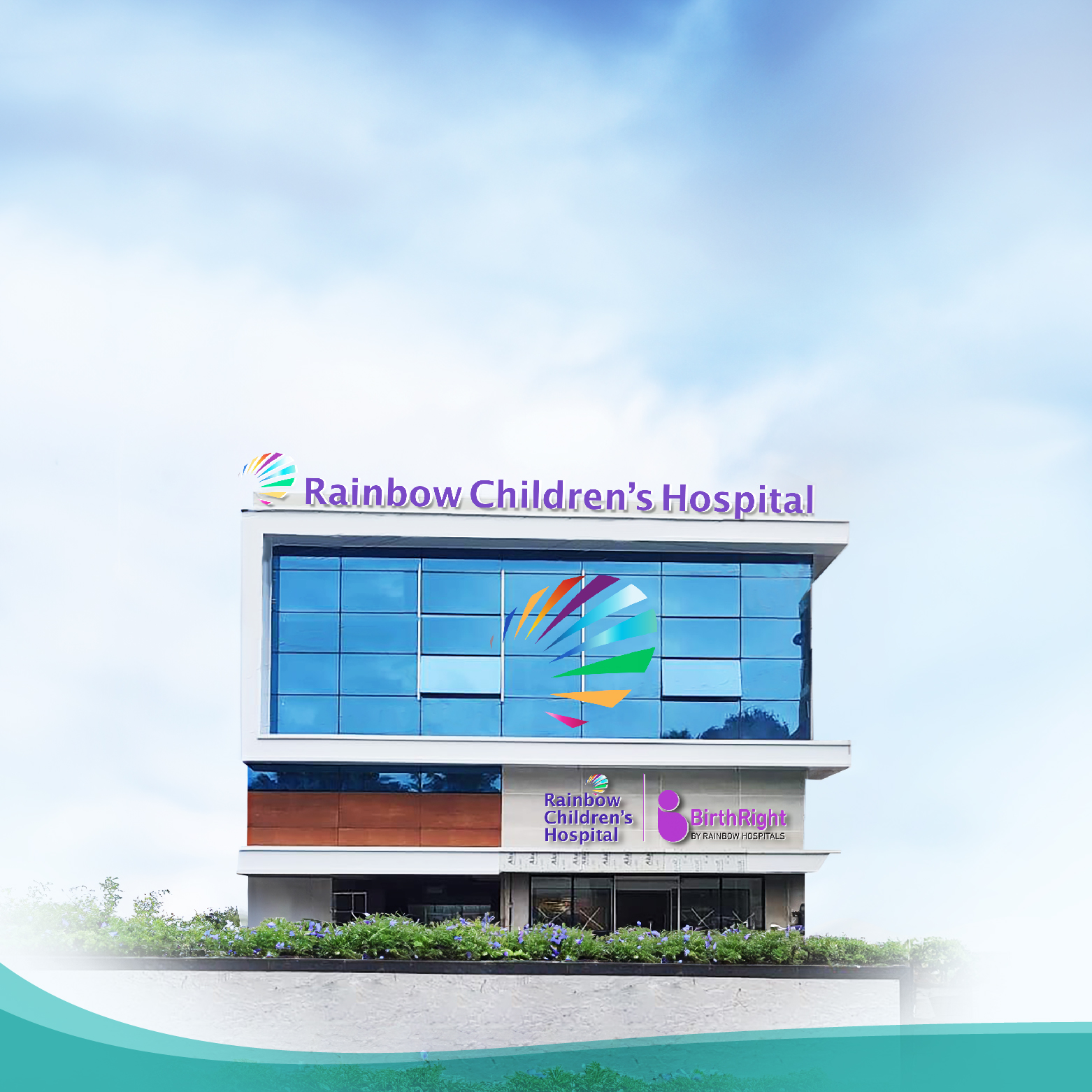
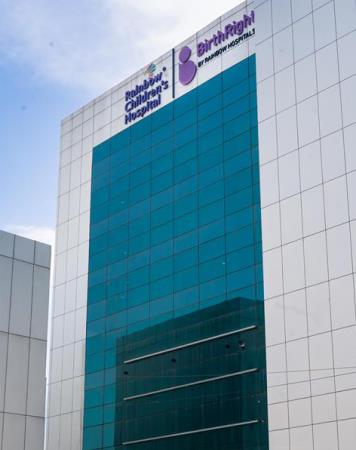
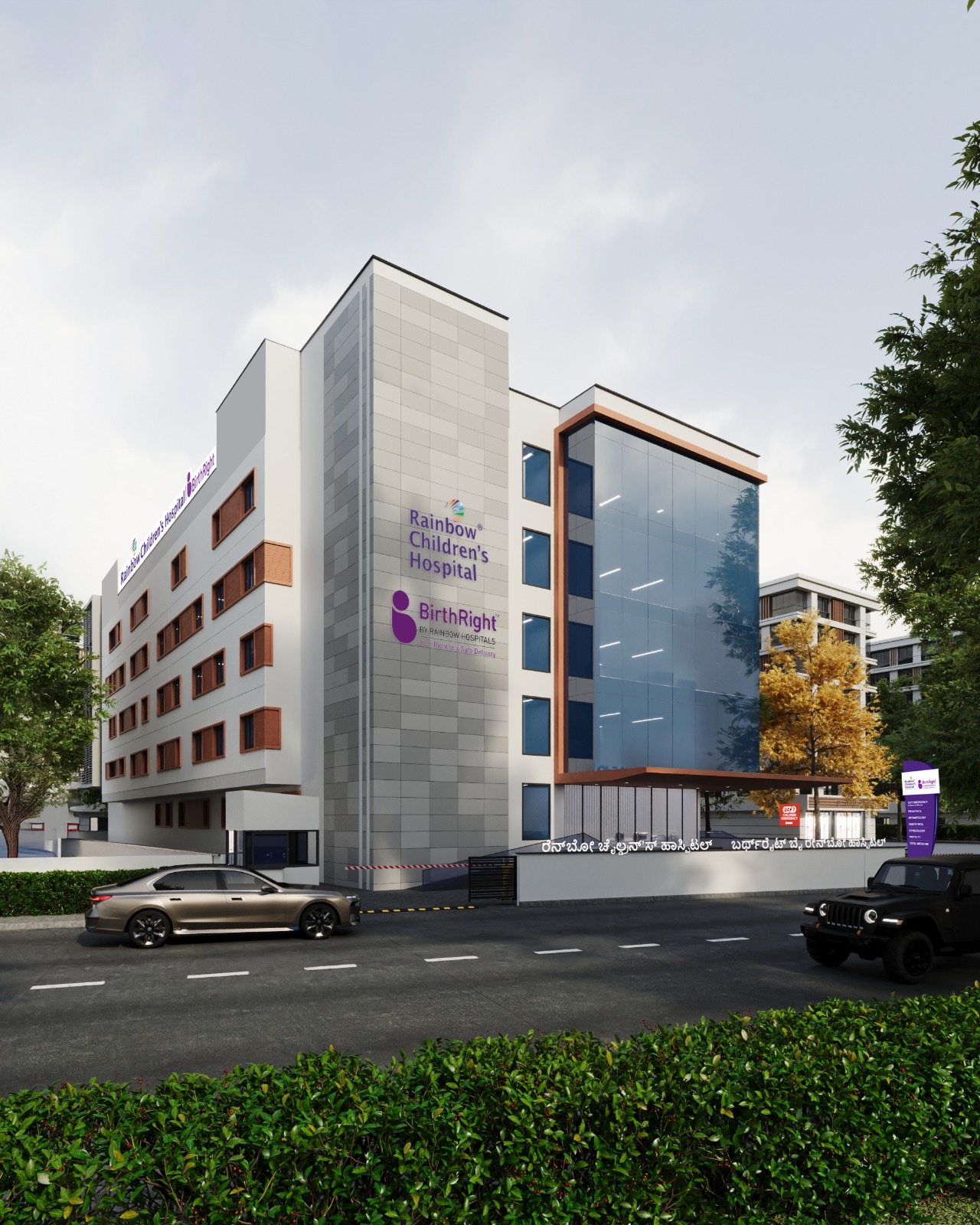
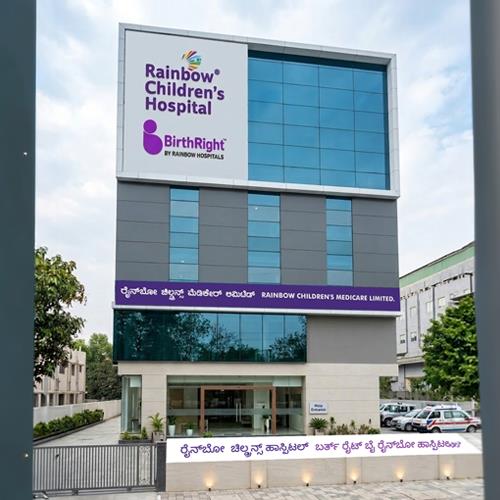
Rainbow Children's Hospital stands as a testament to the hospital's continual pursuit of excellence and innovation, providing specialized care for women and children







chennai
Blogs
Discover our most recent health articles provided by our reliable experts.


What Are People Saying About Us
Embark on a journey of inspiration and hope with our patient success stories, complemented by informative videos from our dedicated doctors.


Media
 Common Gynaecological Surgeries to Fix Female Reproductive Issues
 Healthy Woman - Healthy World
 Healthier Women For a Healthier Future...
 Rainbow Children’s Hospital & BirthRight by Rainbow Launch Video Consultation Facilities
 Dr.Pranthi Reddy
 What is the use of that?
 Can you try this time?
 Pregnant Women are Not Unfit
 Declining Age of Menarche - A Matter of Concern
 Important Facts about Cervical Cancer
 Be careful before preempting
 Flu every month!
 Menstrual cramps
 Premature delivery
 Whether laughing or coughing...why?
 Multi - Tasking may be Cool but it's not Healthy
 Pregnant and Worried about COVID-19? Here's Everything you Need to know
 Video Consultation in Pandamic Situation for Pregnancy Women's
 Women.. Various types of cysts
 Recurrent Pregnancy Loss in Women
 Early Onset of Puberty: Causes, Symptoms and Treatment Options
Common Gynaecological Surgeries to Fix Female Reproductive Issues
Healthy Woman - Healthy World
Healthier Women For a Healthier Future...
FAQs
What are the first signs of iron deficiency?
How is iron-deficiency anaemia diagnosed?
How long does it take to recover from iron-deficiency anaemia?
Can I treat iron deficiency with diet alone?
What are the best foods for iron deficiency?
What are the side effects of iron supplements?
Is iron-deficiency anaemia dangerous during pregnancy?
Can iron-deficiency anaemia come back after treatment?
What is the normal haemoglobin level?
Quick Links
Free Calculators to Track and Predict your Pregnancy
Gynecologist in Other Locations
Women's Health Conditions We Treat
- Mastitis (Breast Infection)
- PCOS (Polycystic Ovary Syndrome)
- Uterine Fibroids (Leiomyomas)
- Recurrent Pregnancy Loss
- Blocked Fallopian Tubes (Fallopian Tube Obstruction)
- Gestational Diabetes in Pregnancy
- Incompetent Cervix (Cervical Insufficiency)
- COVID-19 in Pregnancy
- Cytomegalovirus (CMV) in Pregnancy
- HELLP Syndrome
- Luteal Phase Defect
- Vasa Previa
- Listeria in Pregnancy
- Placenta Previa
- Endometrial Polyps (Uterine Polyps)
- Congenital Heart Disease in Pregnancy
- Hyperemesis Gravidarum (Severe Morning Sickness)
- Preeclampsia (toxemia)
- Fetal Distress (Non-Reassuring Fetal Status)
- Postpartum Haemorrhage (PPH)
- Placental Abruption (Abruptio Placentae)
- Placenta Accreta
- Postpartum Depression (PPD)
- Rhesus (Rh) Incompatibility
- Syphilis in Women
- Thalassemia in Pregnancy
- Gestational Thrombocytopenia
- Diabetes in Pregnancy
- Uterine Rupture
- Migraine in Pregnancy