


C-Section (Cesarean Delivery)
A C-section, also known as a caesarean section or cesarean delivery, is a surgical procedure to deliver a baby through incisions in the mother's abdomen and uterus. It may be planned or performed in an emergency when vaginal birth is unsafe.

Seamless support from diagnosis to post treatment care
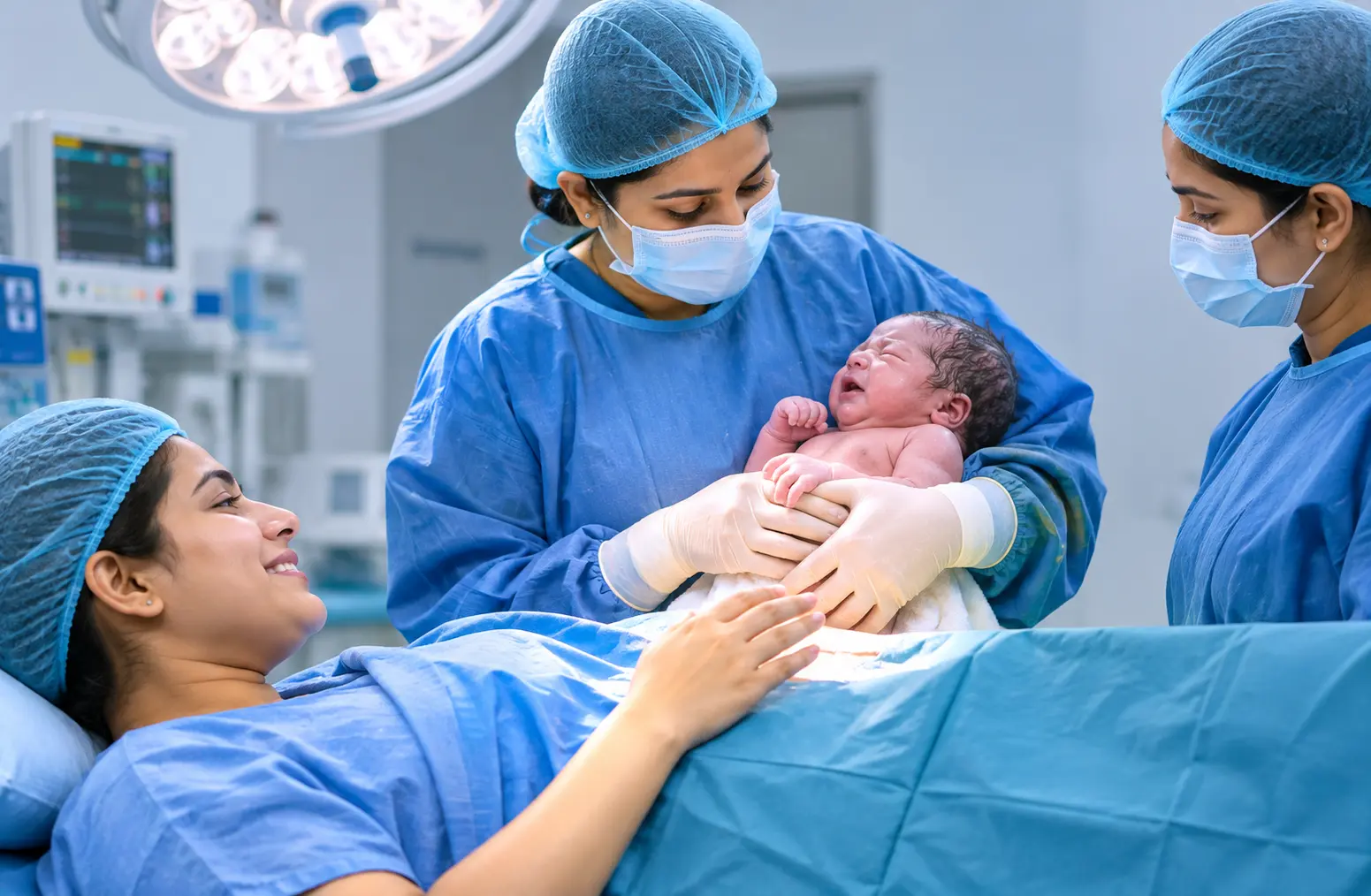
Overview
If a C-section has been planned or recommended during your pregnancy, knowing what happens before, during and after the delivery can make the process easier to understand. A caesarean section, or C-section, is a surgical procedure in which the baby is delivered through an incision in the abdomen and uterus.
You may have questions about why a C-section is needed, how long the procedure takes and what recovery will be like afterwards. This page explains the procedure, recovery timeline, possible side effects and costs, along with what to expect after delivery and in future pregnancies.
What Is a C-Section (Cesarean Delivery)?
A C-section, also called a cesarean delivery or cesarean section, is a surgical procedure to deliver a baby through a cut in the mother’s abdomen and uterus, rather than through a vaginal birth. If you are wondering what a C-section delivery is in simple terms, it is the surgical birth of a baby, usually through a low horizontal cut along the bikini line. It is done when a vaginal birth would be unsafe or is not possible.
A C-section can be planned in advance, known as an elective or planned caesarean, or carried out quickly when a problem arises in labour, known as an emergency caesarean. Both are commonly performed and generally safe, although, like any major surgery, they carry some risks. In India, C-sections are common, accounting for around 21.5 percent of all births, well above the level of about 10 percent beyond which, according to the World Health Organization, higher rates across a population are not linked to fewer maternal and newborn deaths. This is why an informed, individual decision with your obstetrician matters.
Who Needs a C-Section and When Is It Recommended?
A C-section may be recommended when vaginal birth could pose a risk to the mother or baby. Sometimes this is known during pregnancy, and you can plan the delivery. In other cases, the need for a C-section becomes clear during labour, and the procedure may need to be performed more urgently.
Reasons a C-Section May Be Planned
Your doctor may recommend a planned C-section when a condition during pregnancy could make vaginal birth difficult or unsafe. Reasons may include:
- Placenta praevia: The placenta covers the opening of the cervix and may cause serious bleeding during vaginal birth.
- Baby's position: A C-section may be considered if the baby remains breech or lies sideways near the time of birth.
- Multiple pregnancy: Twins, triplets or more may sometimes need to be delivered by C-section depending on their position and other pregnancy factors.
- Previous C-section or uterine surgery: A repeat C-section may be advised in some cases, although vaginal birth after caesarean (VBAC) may be possible for some women.
- Certain health conditions: Some infections, such as active genital herpes or HIV that is not well controlled, or conditions that block the birth canal, such as a large fibroid, may make a C-section safer. High blood pressure or diabetes does not usually mean a C-section is needed on its own, but it may be part of the decision.
- Certain conditions affecting the baby: Some birth conditions may make vaginal delivery more difficult or risky.
Reasons a C-Section May Be Needed During Labour
Sometimes labour begins with a plan for vaginal birth, but circumstances change. A C-section may then be recommended if:
- Labour is not progressing: The cervix may stop opening, or the baby may not move down through the birth canal.
- The baby shows signs of distress: Changes in the baby's heart rate or oxygen supply may mean delivery needs to happen quickly.
- There is an umbilical cord problem: The cord may become compressed or slip into the birth canal before the baby.
- The baby is very large or cannot move safely through the birth canal: This may make vaginal delivery difficult in some situations.
The reason for recommending a C-section differs from one pregnancy to another. Your obstetrician will consider your health, your baby's condition and how labour is progressing before deciding on the safest way to deliver.
Preparing for a C-Section: Pre-Surgery Tests and Requirements
If your caesarean is planned, a little preparation beforehand helps everything go smoothly on the day. Your team will guide you through each step, and the usual cesarean operation preparations are below.
- Blood tests and a health check: To confirm you are ready for surgery and to plan your anaesthesia.
- A discussion about anaesthesia: Usually a spinal or epidural, so you are awake but numb from the waist down and can meet your baby straight away.
- Fasting before surgery: You will be asked not to eat or drink for a set time before the operation.
- Preparation on the day: A drip, a catheter, and skin cleaning are arranged before you go to the theatre.
None of this is difficult, and your team will explain everything as they go. If you have questions about the anaesthesia or the plan, ask them beforehand. Feeling informed makes the day itself far less daunting.
C-Section Procedure: Step by Step
Knowing what happens during the operation can make it feel much less frightening. The whole cesarean operation procedure is usually quick, and your baby is often born within the first several minutes. As surgeries go, C-section surgery is common and well-practised, and the steps below walk through it.
- Anaesthesia: You are given a spinal or epidural so you stay awake and should feel no pain, though you may feel some pressure or tugging, and a screen is placed so you do not see the surgery itself.
- The incision: The surgeon makes a cut, usually horizontal and low on the abdomen, then gently opens the layers down to the uterus.
- Delivery of the baby: The baby is lifted out through the opening, often within the first several minutes, and you may hear the first cry straight away.
- The cord and placenta: The cord is clamped and cut, and the placenta is removed.
- Closing up: The uterus and the layers of the abdomen are stitched closed, which takes the largest part of the operation time.
From start to finish, a cesarean delivery usually takes about 45 minutes to an hour, though the baby often arrives earlier. In many hospitals, you can have skin-to-skin contact soon after birth. Your team will keep you informed at each stage.
C-Section Side Effects, Risks and Complications
A C-section is a common operation that is generally safe, but like any surgery, it carries some risks, and it is fair to know them. Most women recover well with no serious problems. The expected side effects of a cesarean and less common complications are listed below.
Common Side Effects
- Pain and soreness at the wound: Discomfort around the cut for the first days to weeks, managed with pain relief.
- Tiredness and reduced mobility: It takes time to move comfortably, and you will need help at first.
- Some vaginal bleeding: Bleeding after birth is normal and settles over the following weeks.
Less Common Complications
- Infection: This can affect the wound or uterus and is treated with antibiotics.
- Blood clots: A small risk that early movement and, when needed, medication reduce.
- Heavier bleeding or injury to nearby organs: Uncommon, and your surgical team manages it promptly.
These cesarean section complications are less common, and your team takes careful steps to prevent them. Any operation carries some risk, and your obstetrician will weigh these against the reasons a caesarean is recommended for you. This information is general and not a substitute for your doctor’s advice.
Risks of Repeat C-Sections in Future Pregnancies
If you are thinking about future pregnancies, it is worth understanding how repeat caesareans add up, because this is a common and sensible concern. Each caesarean is generally safe, but the risks rise gradually with each additional one. The main points are below.
- More scar tissue with each surgery: Repeated operations build up scar tissue (adhesions), which can make later surgery more complex.
- Placenta problems in later pregnancies: The chance of the placenta lying low or growing into the scar rises with each caesarean, which can cause bleeding.
- A longer recovery over time: Later caesareans can bring a slower recovery for some women.
There is no need for alarm, but this is a good reason to plan your family and deliveries with your obstetrician. If you hope to have several children, discuss the safest approach early. Your doctor can advise on the right spacing and number for your situation.
C-Section Recovery Time, Hospital Stay and Cost of Treatment
Recovery from a caesarean takes a little longer than from a vaginal birth, because it is major surgery, so it helps to know the timeline. Most women feel much better within a few weeks, though full healing takes longer. What to expect is below.
Your hospital stay is usually about three to four days. C-section recovery to feel largely back to normal takes about six weeks, during which you avoid heavy lifting and strenuous activity. You will be encouraged to move gently early on, which aids healing and lowers the risk of clots. Everyone heals at their own pace, so be patient with yourself.
What Affects the Cost
The cost of a caesarean varies widely, and several factors influence it. Rather than a single price, it helps to know what drives it, as listed below.
- Planned or emergency: An emergency caesarean can cost more than a planned one.
- The type of room and length of stay: Room category and any extra days affect the total.
- Anaesthesia and medication: These are usually itemised separately.
- Any complications or special care: If you or your baby need extra care, this adds to the cost.
For a clear picture, ask the hospital for an itemised estimate before a planned caesarean. This lets you plan and avoids surprises. A transparent breakdown is a fair thing to expect.
After a C-Section: Healing and Warning Signs
Knowing what is normal after a caesarean, and what is not, helps you recover with confidence and seek help at the right time. Most healing is straightforward, but a few signs need prompt attention. Both are set out below.
Normal Healing
- Gradually easing wound pain: Soreness that slowly improves over the first weeks.
- Vaginal bleeding that lessens: Bleeding that tapers off over several weeks.
- Steadily returning mobility: Moving more easily each week as you heal.
Warning Signs to Report
- Fever, or a red, swollen or leaking wound: Possible signs of infection needing prompt care.
- Heavy or increasing vaginal bleeding: Soaking pads quickly should be assessed urgently.
- Severe pain, or a swollen, painful leg: Severe tummy pain or a hot, swollen calf needs urgent attention. Sudden chest pain, breathlessness or a severe headache with vision changes needs emergency care.
If you notice any warning sign, contact your doctor without delay rather than waiting. Catching a problem early makes it far easier to treat. When in doubt, it is always safer to ask.
Postpartum Emotional Wellbeing After a C-Section
Recovery is not only physical, and how you feel emotionally after a caesarean matters just as much. Many mothers feel a mix of emotions, and it is important to know this is normal and support is available. A few points are worth holding onto.
Some women feel disappointed or low if the birth did not go as they had hoped, particularly after an emergency caesarean, and that feeling is valid. The baby blues, with tearfulness and mood swings in the first days, are common and usually pass. If low mood, anxiety or a sense of not coping lasts beyond two weeks, or feels overwhelming, this may be postnatal depression, which is common and very treatable. Please reach out to your doctor, who can help you find support. Asking for help is a sign of strength, and how your baby arrived doesn't take anything away from you as a mother.
Why Choose BirthRight by Rainbow Hospitals for Your C-Section Delivery?
A caesarean is a significant moment, so the team and the setting around you matter. BirthRight by Rainbow Hospitals brings experienced gynecologists and strong newborn support together in one place. The points below show what that means for you.
- Experienced obstetric and anaesthesia teams: Skilled care for planned and emergency caesareans alike.
- Neonatal intensive care on hand: Newborn support available, backed by Rainbow’s paediatric strength, if your baby needs it.
- A focus on gentle, family-centred birth: Skin-to-skin contact and support for early bonding and feeding where possible.
- Support for your whole recovery: Care for your physical healing and your emotional wellbeing after birth.
BirthRight by Rainbow Hospitals brings three decades of expertise in women’s and newborn health, with high-risk obstetric and neonatal care under one roof. Whether your caesarean is planned or unexpected, our team is there to keep you and your baby safe and supported. You are welcome to consult us to plan your delivery.

Find a Doctor and Book Appointment Online
Meet our specialist doctors who bring together clinical expertise, compassion, and personalised care to support your health and well-being. Choose from 1,300+ specialists across our network and book an appointment with BirthRight and Rainbow Children Hospitals, offering 24*7 support to you and your family.

Dr. Pranathi Reddy A
Clinical Director – Obstetrics & Gynecology.
English,Hindi,Telugu Banjara Hills

Dr. Gauri Vinayak Dhamangaonkar
Senior Consultant - Fetal Medicine
15 Years English,Hindi,Marathi,Telugu Kondapur OP, Banjara Hills

Dr. Shruthi Reddy Poddutoor
Consultant Obstetrician, Gynecologist & Laparoscopic Surgeon
English,Telugu Banjara Hills

Dr. Himabindu Veerla
Consultant Obstetrician, Gynecologist & Laparoscopic Surgeon
English,Telugu Banjara Hills
Dr. Bhargavi Reddy K
Consultant - Obstetrics and Gynecology
10 Years English,Hindi,Telugu Banjara Hills, Attapur Clinic
Dr. Annie Pranutha P
Consultant Obstetrics and Gynecology
9 Years English,Hindi,Telugu Banjara Hills, Attapur Clinic

Dr. Sasikala Kola
Consultant Obstetrician & Gynecologist
English,Hindi,Telugu Banjara Hills

Dr. Atigadda Vijaya
Consultant - Obstetrics & Gynecology
Hindi,Telugu Banjara Hills, Himayatnagar, Attapur Clinic

Dr. Nishanth Reddy Inavolu
Visiting Consultant Physician and Diabetologist & Internal Medicine
English,Hindi,Telugu Banjara Hills, Himayatnagar

Dr. Tulika Tayal
Consultant - Fetal Medicine
English,Telugu Banjara Hills

Dr. M Prathyusha Reddy
Consultant Obstetrics & Gynecology
English,Telugu Banjara Hills

Dr. Nithya Narasimha Murthy
Consultant -Psychiatrist
English,Hindi,Telugu Kondapur OP, Banjara Hills, Child Development Centre - Banjarahills Rd No 10

Dr. Brundavani
Consultant - Nutritionist
English,Hindi,Telugu Kondapur OP, Hydernagar, Banjara Hills, Child Development Centre - Banjarahills Rd No 10
Dr. Niveditha Chalmeda
Consultant
English,Telugu Banjara Hills

Dr. Kirti Reddy Patlolla
Consultant Obstetrics and Gynaecology
English,Telugu Banjara Hills, Attapur Clinic

Dr. Tuheena Sharma
Consultant - Perinatal Physiotherapy
10 Years English,Telugu Banjara Hills

Dr. Aditi Shah
Consultant - Fetal Medicine
English,Telugu Banjara Hills
Dr. Swathi Naga Tulasi Rayapureddy
Lactation Consultant
8 Years English,Telugu Banjara Hills

Dr. Swetha Reddy. S
CONSULTANT PERINATAL PSYCHIATRIST AND WOMEN MENTAL HEALTH SPECIALIST
13 Years English,Hindi,Telugu Banjara Hills

Dr. Addu Kiranmayi
Chief Clinical Nutritionist and Lifestyle Medicine Consultant
15 Years English,Hindi,Telugu Himayatnagar, Banjara Hills

Dr. Palle Nalini Kumari
Lactation Consultant
17+ Years English,Hindi,Telugu Banjara Hills
Dr. Nazia Tabassum
Consultant - Breast, Plastic & Reconstructive Surgeon
9 Years English,Hindi,Telugu,Urdu Banjara Hills

Dr. Sruthi Cheera
Consultant Breast Surgeon
5 Years English,Hindi,Kannada,Telugu Banjara Hills
Dr. Supriya Reddy
Lactation Consultant
5 Years English,Hindi,Telugu Banjara Hills

Dr. Niraj Krishnamurthy Yanamandra
Senior Consultant Obstetrician & Gynaecologist, Laparoscopy & Hysteroscopy Surgeon
English,Hindi,Telugu Hydernagar, Banjara Hills

Dr. B. Rao Bahadur
Consultant – Obstetrician & Gynecologist, Laparoscopic ,& Hysteroscopic Surgeon
22 Years English,Hindi,Konkani,Marathi,Telugu Banjara Hills, Kondapur OP

Dr. Sneha Kulkarni
Consultant - Child, Adolescent & Adult Psychiatrist
10 Years English,Hindi,Kannada,Telugu Secunderabad, Banjara Hills, Child Development Centre - Banjarahills Rd No 10
Dr. Lavanya Janagama
Consultant – Obstetrics & Gynecology
10+ Years English Banjara HillsLeading Hospitals for Women Care
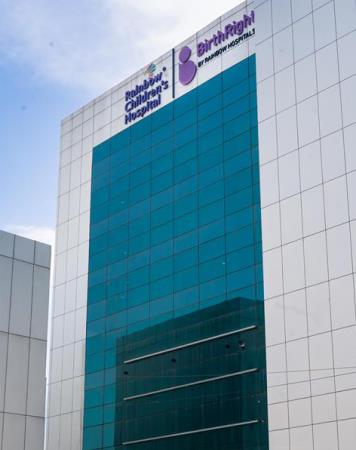
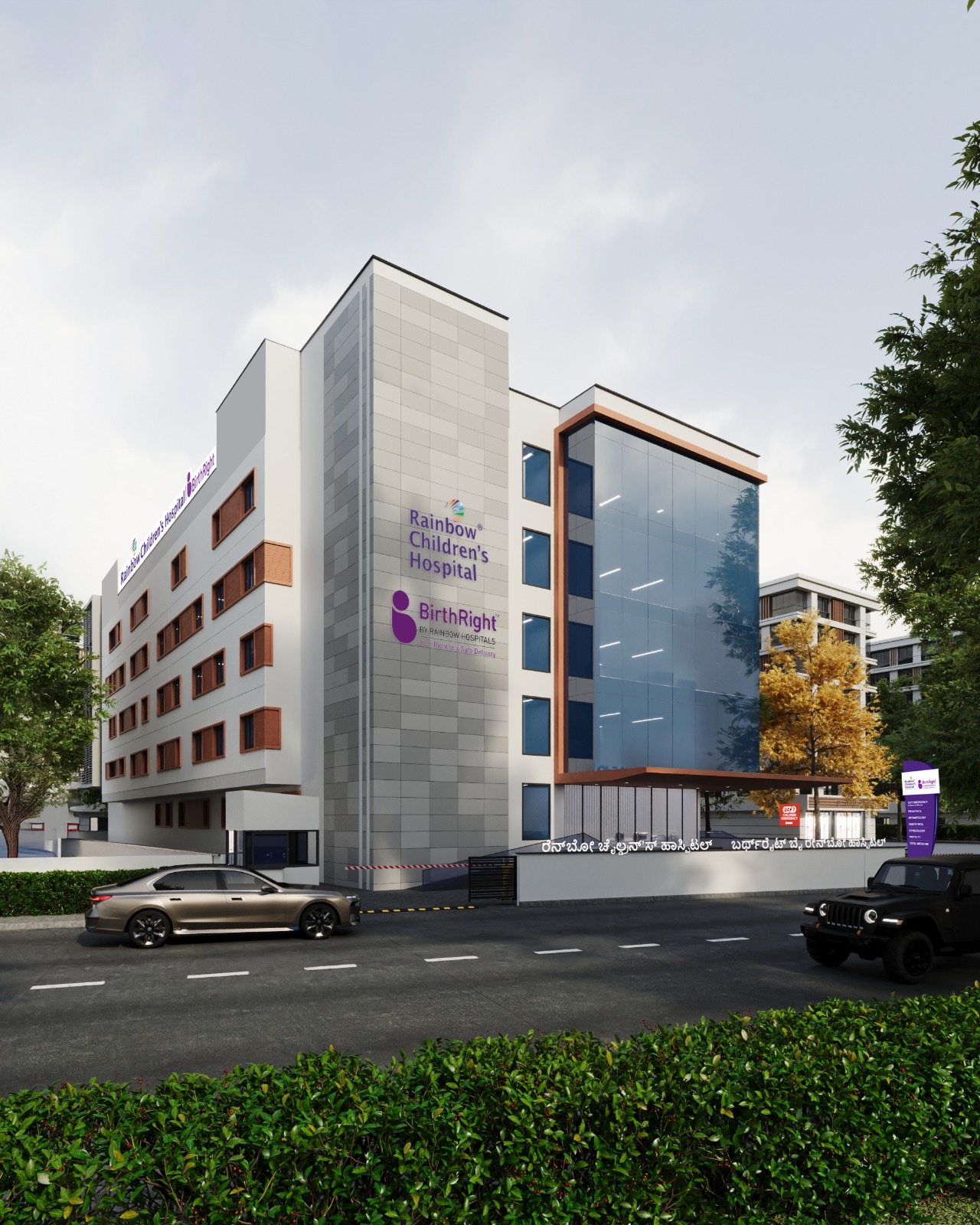
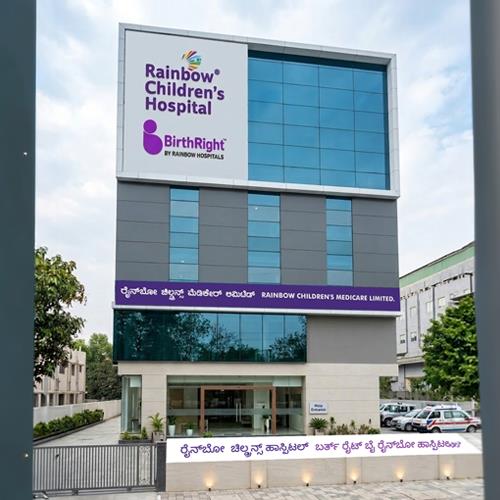
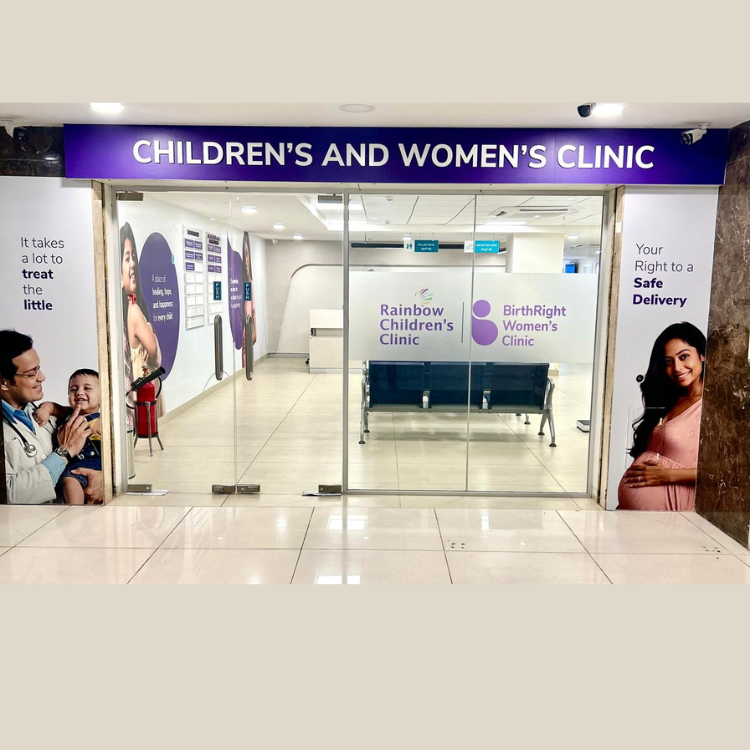
Rainbow Children's Hospital stands as a testament to the hospital's continual pursuit of excellence and innovation, providing specialized care for women and children






chennai
Blogs
Discover our most recent health articles provided by our reliable experts.




What Are People Saying About Us
Embark on a journey of inspiration and hope with our patient success stories, complemented by informative videos from our dedicated doctors.


Media
 Common Gynaecological Surgeries to Fix Female Reproductive Issues
 Healthy Woman - Healthy World
 Healthier Women For a Healthier Future...
 Rainbow Children’s Hospital & BirthRight by Rainbow Launch Video Consultation Facilities
 Dr.Pranthi Reddy
 What is the use of that?
 Can you try this time?
 Pregnant Women are Not Unfit
 Declining Age of Menarche - A Matter of Concern
 Important Facts about Cervical Cancer
 Be careful before preempting
 Flu every month!
 Menstrual cramps
 Premature delivery
 Whether laughing or coughing...why?
 Multi - Tasking may be Cool but it's not Healthy
 Pregnant and Worried about COVID-19? Here's Everything you Need to know
 Video Consultation in Pandamic Situation for Pregnancy Women's
 Women.. Various types of cysts
 Recurrent Pregnancy Loss in Women
 Early Onset of Puberty: Causes, Symptoms and Treatment Options
Common Gynaecological Surgeries to Fix Female Reproductive Issues
Healthy Woman - Healthy World
Healthier Women For a Healthier Future...