

Pediatric Endocrinology Hospital in India

Seamless support from diagnosis to post treatment care
Pediatric Endocrinology
Rainbow Children's Hospital is one of India's leading hospitals for Pediatric Endocrinology, offering specialized diagnosis and treatment of hormonal disorders in children, including growth disorders, diabetes, thyroid conditions, pubertal disorders, and rare endocrine diseases. The hospital operates dedicated Pediatric Endocrinology departments across Hyderabad, Bengaluru, Chennai, Delhi, Vijayawada, and Visakhapatnam.
Rainbow Children's Hospital provides comprehensive Pediatric Endocrinology care through a multidisciplinary team of pediatric endocrinologists, nurses, psychologists, and dietitians. The department focuses on early detection, precise diagnosis, and treatment of hormonal disorders in children, with the goal of preventing long-term complications across all age groups.
Within this department, we provide two specialized branches of service, overseen by our child endocrinologists, ensuring top-tier care for your child:
Diabetes Services:
-
Education and support for children with Type 1 diabetes
-
Management of hyperglycemia (elevated blood sugar) and hypoglycemia (low blood sugar)
-
Guidance on maintaining a balanced diet devoid of excessive sugar
Endocrine Services:
-
Conducting complex stimulation tests essential for accurate diagnoses
-
Offering full-time Pediatric Intensive Care Unit (PICU) services
-
Providing full-time Neonatal Intensive Care Unit (NICU) services
-
Performing Genitoplasty Surgery
-
Staffing a Senior Geneticist
-
Employing full-time and experienced dietitians
Rainbow Children’s Hospital's team of endocrinologists are equipped to diagnose and treat a broad spectrum of hormonal disturbances in children, including:
-
Pediatric diabetes
-
Pubertal disorders (e.g., polycystic ovarian syndrome, menstrual irregularities, early or delayed sexual development)
-
Growth disorders (short or tall stature)
-
Adrenal gland disorders
-
Obesity and other metabolic complications
-
Thyroid disorders
-
Bone disorders (such as rickets and osteoporosis)
-
Disorders of sexual development (e.g., micropenis, ambiguous genitalia)
-
Neuroendocrine disorders
-
Neonatal disorders (diabetes, hypoglycemia, congenital adrenal hyperplasia)
-
Endocrine complications of systemic illnesses (e.g., children with cancer, cystic fibrosis, chronic renal disease, thalassemia, etc.)
-
Rare endocrine disorders like McCune Albright and Prader Willi syndrome, Turner's syndrome
Our comprehensive care programs encompass a multidisciplinary approach, where our team of pediatric endocrinologists collaborates with nurses, psychologists, and other specialists to address various conditions, including pediatric diabetes, childhood obesity, growth hormone deficiency, and disorders of sexual development.


Find a Doctor
Expertise you can trust, Meet our esteemed doctors who bring exceptional knowledge, compassion, and innovation to provide top-notch care for your health and well-being.
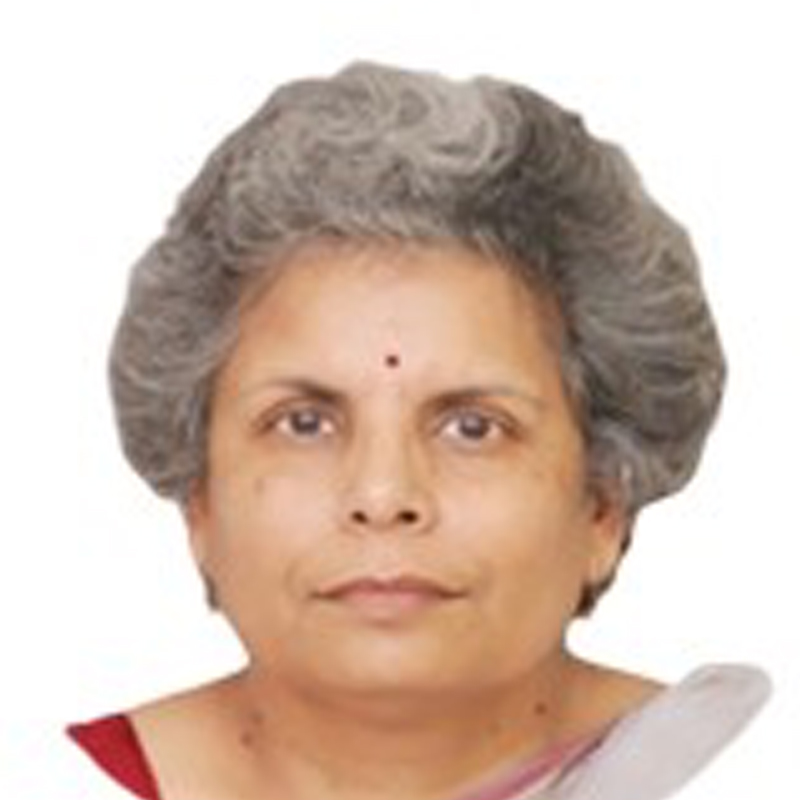
Dr. Anju Virmani
Senior Consultant - Pediatric Endocrinology
40 Years English,Hindi Malviya Nagar
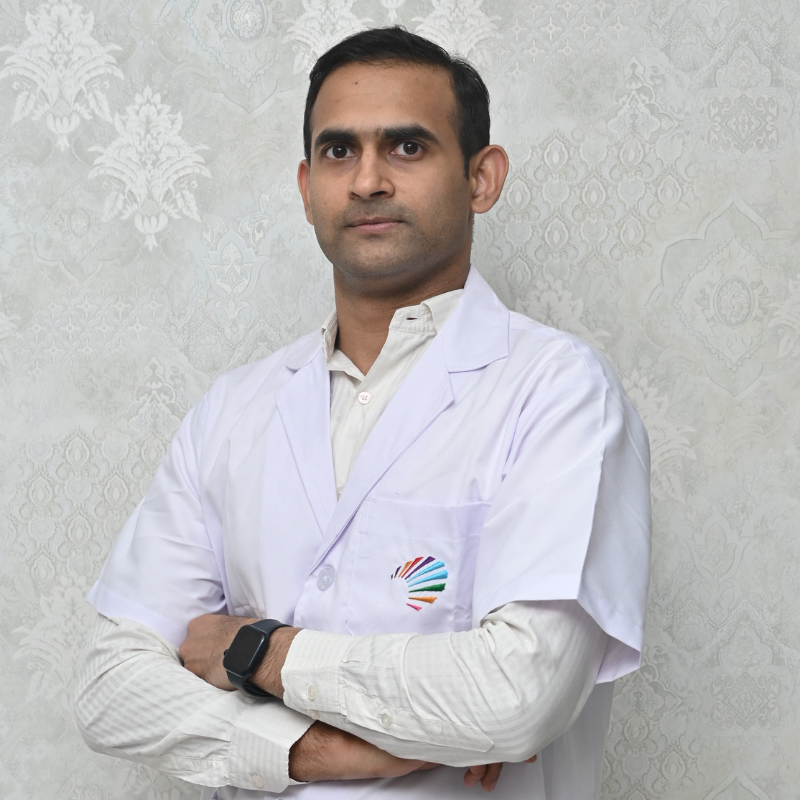
Dr. Varun Suryadevara
Consultant Endocrinologist
10 Years English,Hindi,Kannada,Tamil,Telugu Sarjapur Road, Bannerghatta
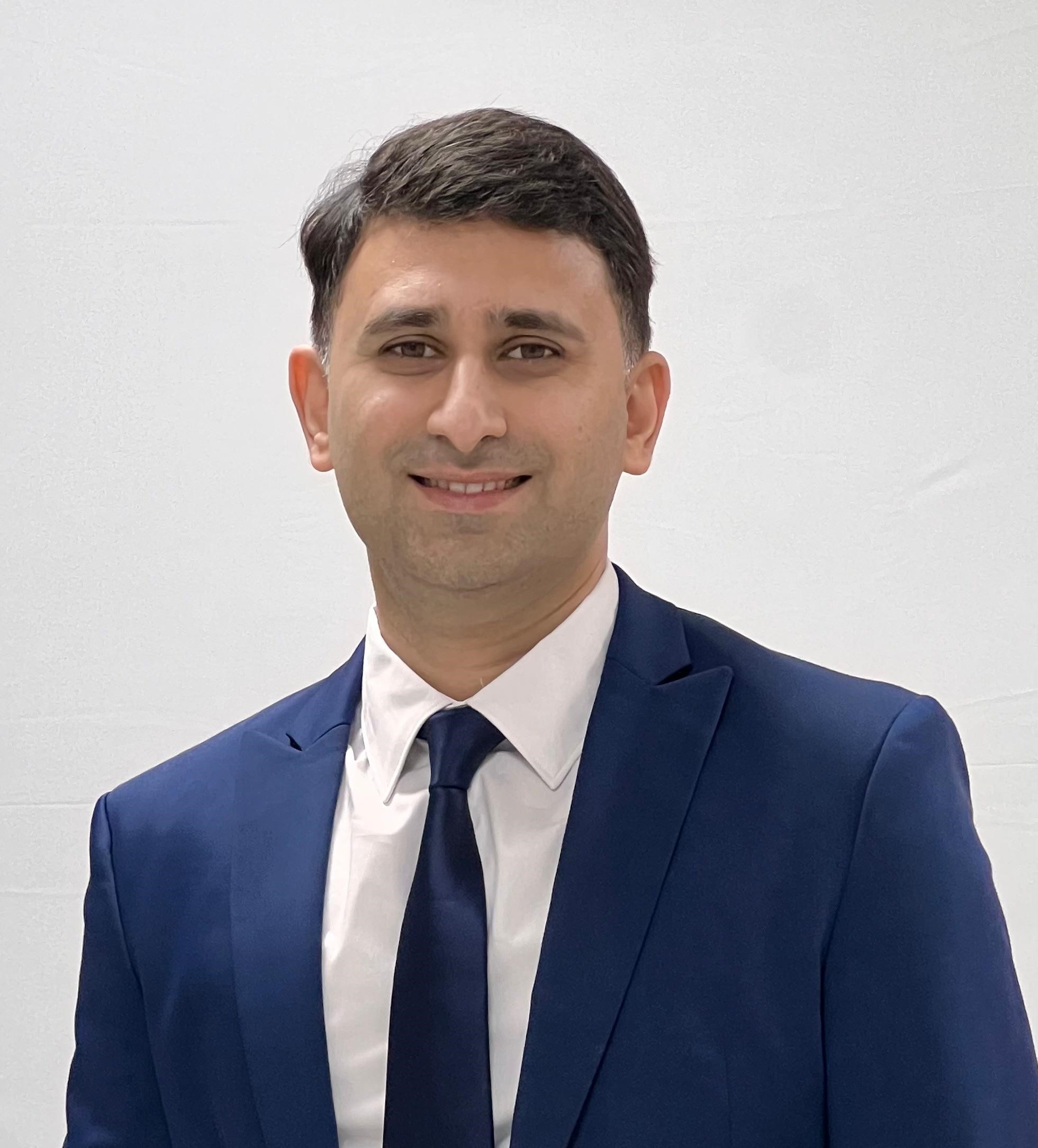
Dr Rakesh Boppana
Consultant Endocrinologist (Adult & pediatric)
15 Years English,Hindi,Telugu Financial District

Dr. Leenatha Jakkidi
Consultant - Pediatrician &Pediatric Endocrinologist
22 Years English,Hindi,Telugu Kondapur OP, Secunderabad, Banjara Hills, Financial District
Dr. Leena Priyambada
Senior Consultant – Pediatric Endocrinology
20 Years English,Hindi,Telugu Banjara Hills, Secunderabad, Health City, Himayatnagar
Dr. Mani Deepthi Dasari
Consultant – Endocrinology
10+ Years English,Hindi,Kannada,Telugu Hebbal
Dr. Poornima R N
Consultant- Pediatric and Adolescent Endocrinology
9+ Years English,Hindi,Kannada,Tamil,Telugu Bannerghatta, Sarjapur Road, Electronic City
Dr. Sirisha Kusuma B
Consultant
20 Years English,Hindi,Telugu Currency Nagar, Kondapur OP, Hydernagar, Financial District, LB Nagar

Dr. Sharwari Sudhir Dabhade
Consultant - Internal Medicine, Diabetology & Endocrinology
14 Years English,Hindi Malviya Nagar, Panchsheel Park - Rosewalk
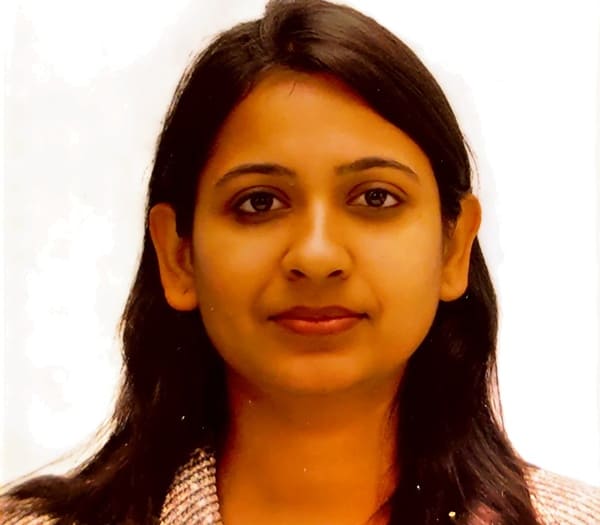
Dr. Swashti Agarwal
Consultant - Pediatric Endocrinology
6 Years Bengali,English,Hindi Malviya Nagar, Super Speciality Clinic - Gurugram
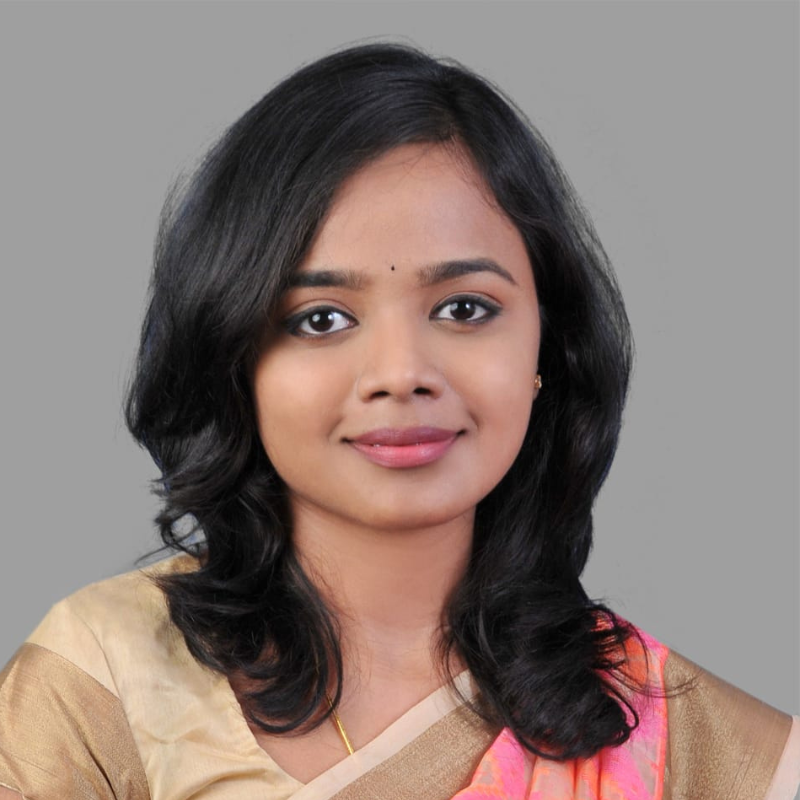
Dr. Swathi Padmanaban
Consultant - Pediatric & Adolescent Endocrinologist and Diabetologist
7 Years English,Kannada,Tamil,Telugu Anna Nagar, Sholinganallur, Guindy

Dr. Swati Kanodia
Consultant - Pediatric Endocrinologist
17 Years English,Hindi Malviya Nagar
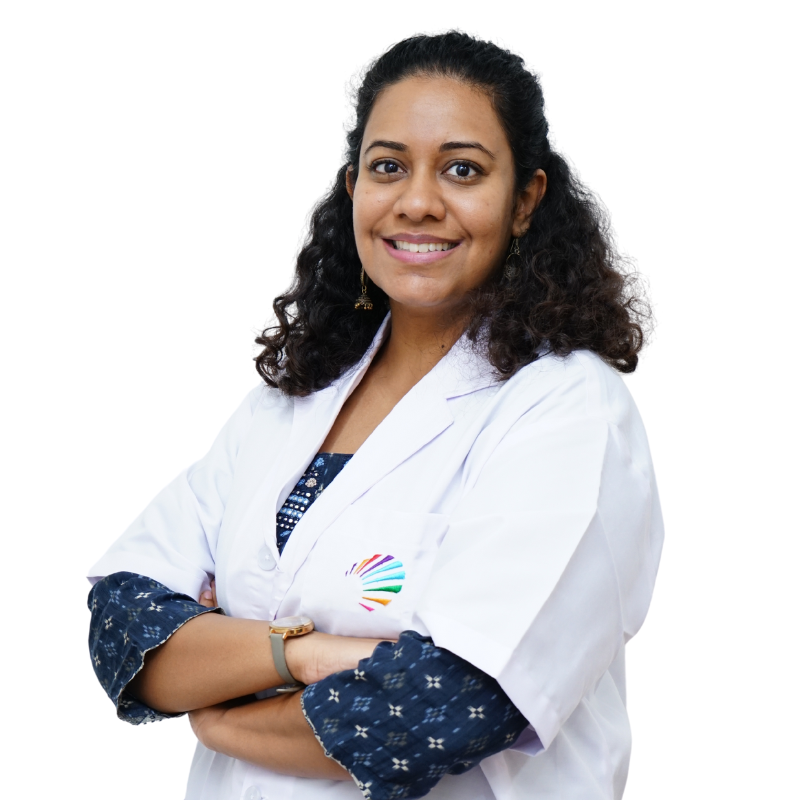
Dr. Tejasvi Sheshadri
Consultant Pediatric Endocrinologist Lead, Pediatric Diabetes Program & DSD Services
9 Years English,Hindi,Kannada,Tamil Marathahalli, Hebbal, HRBROur Hospitals and ClinicsOur Hospitals and Clinics
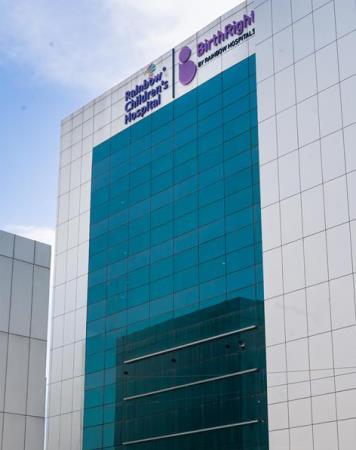
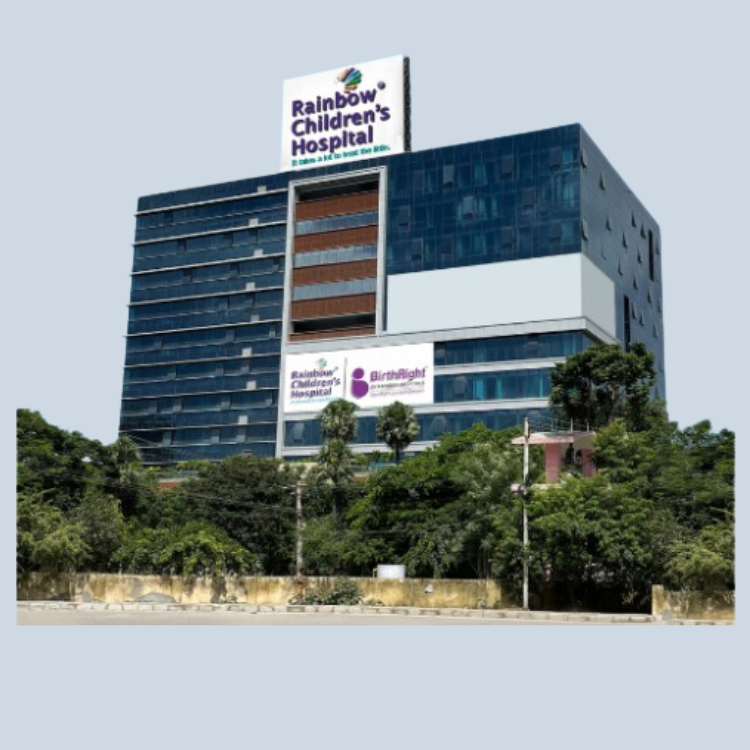
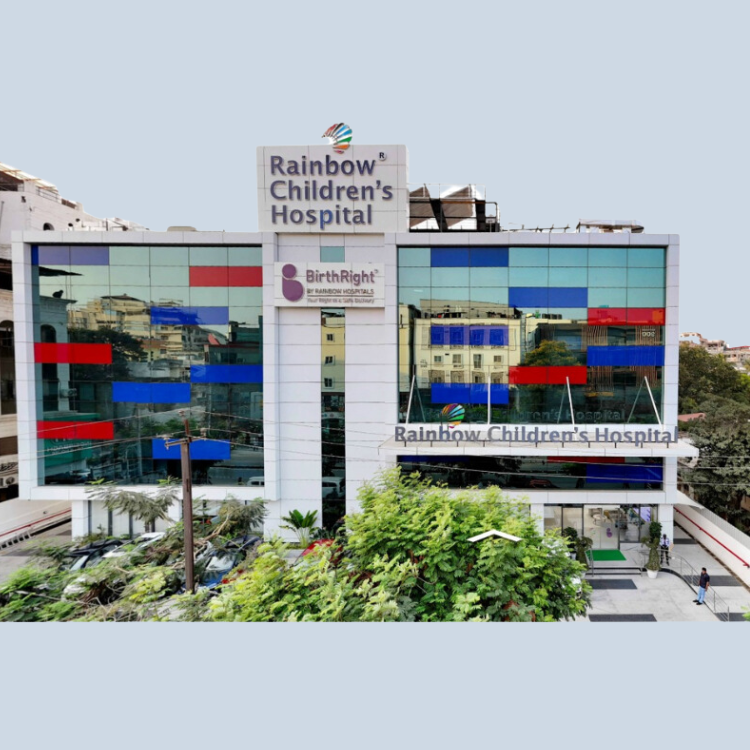
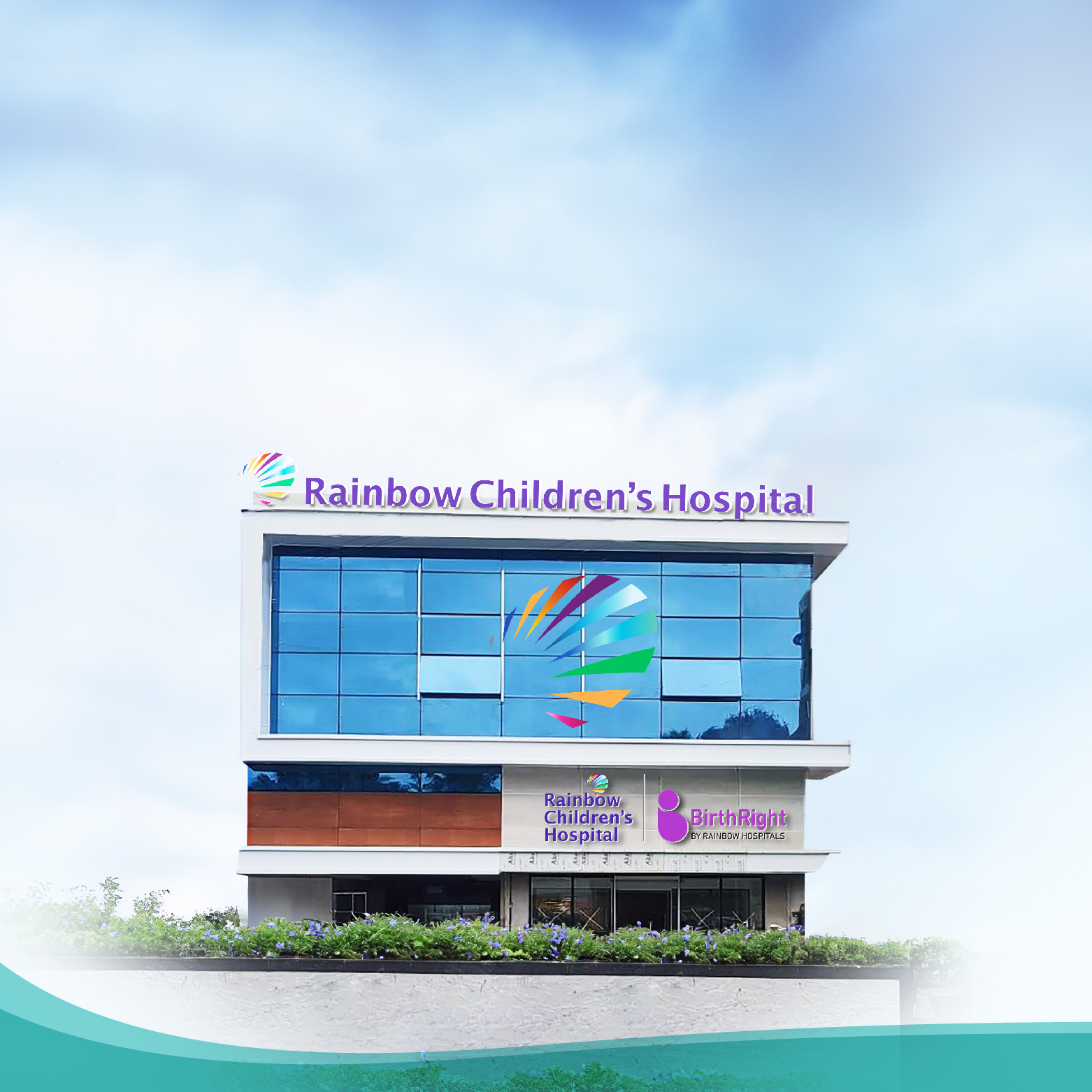
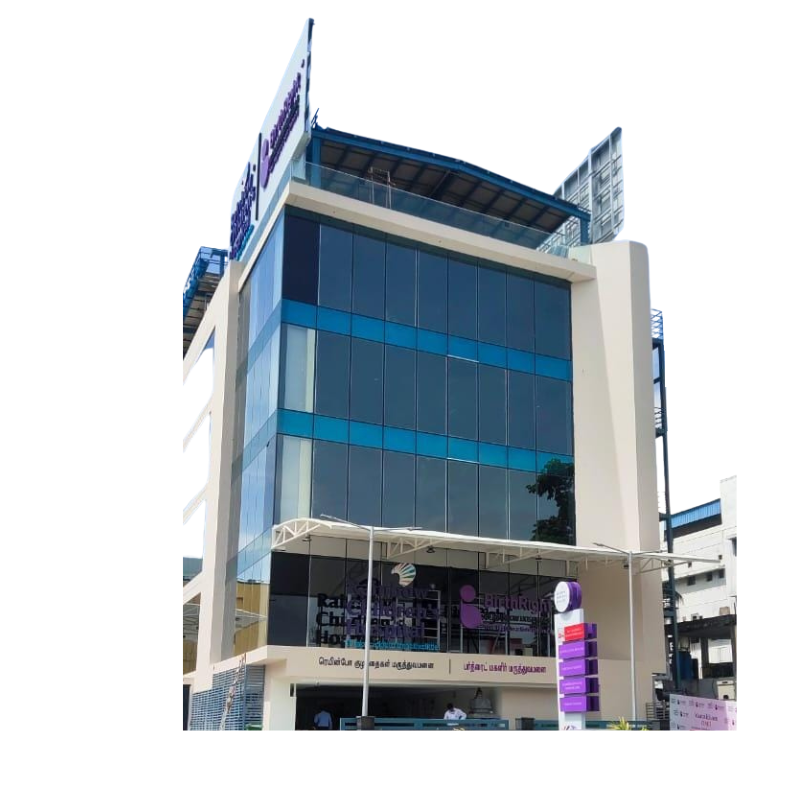
Rainbow Children's Hospital stands as a testament to the hospital's continual pursuit of excellence and innovation, providing specialized care for women and children.









Request a Call back
Tap to Fill FormRequest a Call back
Blogs
Discover our most recent health articles provided by our reliable experts.



What Are People Saying About Us
Embark on a journey of inspiration and hope with our patient success stories, complemented by informative videos from our dedicated doctors.

Media
 Autism is harmful for Childhood
 Mycoplasma pneumoniae sees rise, triggers severe illness among kids
 Rainbow Children's Hospital Heart Institute suvvessfully performs fetal ballon aortic valvuloplasty
 25 Years of Compassionate Care
 25 Years of Anniversary - Rainbow Children's Hospital & BirthRight
 Hi9 | Warning Signs of heart diseases in kids | Dr. Sri Phani Bhargavi
 Understanding Hereditary Heart Issues in children | Dr. Sri Phani Bhargavi Dhulipudi
 Increase in Cases of rare dengue complication
 Childcare during the rainy season discussed by Dr. Dinesh Kumar - Rainbow Children's Hospital
 Covid-hit children prone to faster onset of type 1 diabetes
 How ultra-processed foods have increased risk of cardiovascular diseases
 Autism is harmful for Childhood
 Mycoplasma pneumoniae sees rise, triggers severe illness among kids
 Rainbow Children's Hospital Heart Institute suvvessfully performs fetal ballon aortic valvuloplasty
FAQs
Why Choose Rainbow Children’s Hospital for pediatric endocrinology?
Rainbow Children’s Hospital is one of the leading pediatric endocrinology treatment facilities for hormonal problems in children and disorders of the endocrine system. The state-of-the-art facility is supported by full-time PICU and NICU services in case the need arises. The hospital offers specialized care for pediatric endocrinology with multi-specialty support from other critical specialties round the clock availability of nurses, staff, and psychologists to oversee any complications. Rainbow Children’s Hospital offers some of the best pediatric endocrinology treatments in India with an expert team of doctors and 24/7 availability of specialists to handle any problem related to the endocrine system.
In Which centers Rainbow has a pediatric endocrinology?
Rainbow Children’s Hospital has one of the best pediatric endocrinology treatment facilities which are led by an expert team of doctors, 24/7 support from other pediatric specialists and staff. It is one of the best pediatric hospital chains in India with its healthcare facilities in the cities of Hyderabad, Bangalore, Chennai, Delhi, Vizag, Vijayawada and many more units upcoming in other cities across India.
How did my child get Type 1 diabetes if no one in our family has it?
The exact cause of Type 1 diabetes is still unknown. Some researchers believe that it is the result of a complicated interaction between the genes, the immune system, and the environment. And yes, the risk of getting type 1 diabetes increases if there is a family history of the disease. But in most cases of type 1 diabetes, no one in the patient’s family had diabetes. Also, the rate of type 1 diabetes in youth is increasing with 3 percent annually. It is also important to remember that type 1 diabetes is not caused by anything your other family member might have done or by eating foods with high sugar content.
How often should I keep an eye on my child’s blood sugar levels?
Blood-sugar levels fluctuate throughout the day. It can be affected by several factors like:
What the child ate
Stress
Exercise or any physical activity
Pain
Insulin dose
Other illness that can lead to blood-sugar fluctuations
If your child has type 1 diabetes, you should check their blood sugar level before meals and before bed. If you are considering making a change in the diabetes management routine, you might have to check it more frequently."
Are there any signs of high and low blood sugar levels?
In children, the sign of high and low blood sugar levels can vary. For low blood sugar level, a child might show the following symptoms:
Headache
Tiredness
Feeling shaky
Hunger
Dizziness
Sweating
Blurred speech
Changes in behavior
Seizures
Loss of consciousness
The symptoms of high blood sugar are the following:
Increased thirst
Increased urine
Increased appetite
Blurred vision
Tiredness
Nausea
Vomiting
Abdominal pain
Rapid shallow breathing"
My child has type 1 diabetes. Can they eat any food they want?
Technically, no one- regardless of whether they have diabetes- should eat "whatever they want." Everyone benefits from sticking to healthy foods and avoiding overeating. However, for children with Type 1 diabetes, parents must establish certain dietary boundaries.
It is important to ensure these boundaries aren't overly restrictive, as an extreme environment can be counterproductive. Instead of strict bans, focus on providing complex carbohydrates, such as:
Whole wheat and quinoa
Brown rice and oatmeal
Lentils and beans
Fresh fruits and vegetables
Foods to limit or avoid include:
- Sugary Drinks: Regular sodas and sweetened beverages.
- High-Fat and Trans Fats: Specifically animal products or processed items with "hydrogenated" oils on the label.
- Simple Carbohydrates: Refined sugars found in white bread, pasta, pastries, cookies, and chips.
Quick Links
- India
- Hyderabad
- Bengaluru
- Delhi NCR
- Chennai
- Vijayawada
- Visakhapatnam
- Warangal
- Guwahati
- Rajahmundry
- Nellore
- Guntur
- Pediatric Endocrinologist in Hyderabad
- Pediatric Endocrinologist Bangalore
- Pediatric Endocrinologist in Delhi
- Pediatric Endocrinologist Chennai
- Pediatric Endocrinologist in Vijayawada
- Pediatric Endocrinologist in Vizag
- Pediatric Endocrinologist Kondapur
- Pediatric Endocrinologist Hyder Nagar
- Pediatric Endocrinologist Secunderabad
- Pediatric Endocrinologist Lb Nagar
- Pediatric Endocrinologist Marathahalli
- Pediatric Endocrinologist Bannerghatta
- Pediatric Endocrinologist Hebbal
- Pediatric Endocrinologist Malviya Nagar
- Pediatric Endocrinologist Currency Nagar
- Pediatric Endocrinologist Banjarahills
- Best Pediatric Endocrinologists in Sholinganallur
- Top Pediatric Endocrinologists in India
- Pediatric Endocrinologist In India
- Best Pediatric Endocrinologist In India
- Paediatric Endocrinologist In India
- Famous Pediatric Endocrinologist In India
- Top Pediatric Endocrinologist In India
- Famous Pediatric Endocrinologist In India
- Best Pediatric Endocrinologist In India
- Pediatric Endocrinologist In India
- Top Endocrinologist Kondapur
- Endocrinologist Lb Nagar
- Endocrinologist near me Kondapur
- Endocrinologist near me in Hyder Nagar
- Endocrinologist Secunderabad
- Top Endocrinologist Kondapur
- Endocrinologist Banjarahills
- Best Treatment for Hypothyroidism in Children, Hyderabad
- Best Treatment for Hyperthyroidism in Children, Hyderabad
- Turner Syndrome in Children, Hyderabad
- Best Treatment for Addison's Disease in Children, Hyderabad
- Best Treatment for Glycogen Storage Disease in Children, Hyderabad
- Best Treatment for Hypocalcemia in Children, Hyderabad
- Best Treatment for Growth Hormone Deficiency in Children, Hyderabad
- Best Treatment for Hypopituitarism in Children, Hyderabad
- Best Treatment for Morquio Syndrome in Children, Hyderabad
- Best Treatment for Delayed Puberty in Children, Hyderabad
- Best Treatment for Multiple Endocrine Neoplasia in Children, Hyderabad
- Best Treatment for Adrenocortical Carcinoma in Children, Hyderabad
- Best Treatment for Cushings Syndrome in Children, Hyderabad
- Best Treatment for Excessive Hair Growth in Children, Hyderabad
- Best Treatment for Primary ovarian insufficiency in Children, Hyderabad
- Best Treatment for Premature Adrenarche in Children, Hyderabad
- Best Treatment for Ovary transplant in Children, Hyderabad
- Best Treatment for Syndrome of Inappropriate Antidiuretic Hormone Secretion in Children, Hyderabad
- Best Treatment for Androgen Insensitivity in Children, Hyderabad
- Best Treatment for Feminizing hormone therapy in Children, Hyderabad
- Best Treatment for Paraganglioma/Pheochromocytoma in Children, Hyderabad
- Best Treatment for Thyroid Cancer in Children, Hyderabad
- Best Treatment for Preimplantation genetic screening in Children, Hyderabad
- Best Treatment for Growth Problems in Children, Hyderabad
- Best Treatment for Peroral Endoscopic Myotomy (POEM) in Children, Hyderabad
- Best Treatment for Female hormone replacement therapy in Children, Hyderabad
- Best Treatment for Masculinizing hormone therapy in Children, Hyderabad
- Third-party reproduction in women, Hyderabad
- Best Treatment for Hypothyroidism in Children, Bengaluru
- Best Treatment for Hyperthyroidism in Children, Bengaluru
- Best Treatment for Turner Syndrome in Children, Bengaluru
- Best Treatment for Addison's Disease in Children, Bengaluru
- Best Treatment for Glycogen Storage Disease in Children, Bengaluru
- Best Treatment for Hypocalcemia in Children, Bengaluru
- Best Treatment for Growth Hormone Deficiency in Children, Bengaluru
- Best Treatment for Hypopituitarism in Children, Bengaluru
- Best Treatment for Morquio Syndrome in Children, Bengaluru
- Best Treatment for Delayed Puberty in Children, Bengaluru
- Best Treatment for Multiple Endocrine Neoplasia in Children, Bengaluru
- Best Treatment for Adrenocortical Carcinoma in Children, Bengaluru
- Best Treatment for Cushings Syndrome in Children, Bengaluru
- Best Treatment for Excessive Hair Growth in Children, Bengaluru
- Best Treatment for Primary ovarian insufficiency in Children, Bengaluru
- Best Treatment for Premature Adrenarche in Children, Bengaluru
- Best Treatment for Ovary transplant in Children, Bengaluru
- Best Treatment for Syndrome of Inappropriate Antidiuretic Hormone Secretion in Children, Bengaluru
- Best Treatment for Androgen Insensitivity in Children, Bengaluru
- Best Treatment for Feminizing hormone therapy in Children, Bengaluru
- Best Treatment for Paraganglioma/Pheochromocytoma in Children, Bengaluru
- Best Treatment for Thyroid Cancer in Children, Bengaluru
- Best Treatment for Preimplantation genetic screening in Children, Bengaluru
- Best Treatment for Growth Problems in Children, Bengaluru
- Best Treatment for Peroral Endoscopic Myotomy (POEM) in Children, Bengaluru
- Best Treatment for Female hormone replacement therapy in Children, Bengaluru
- Best Treatment for Masculinizing hormone therapy in Children, Bengaluru
- Third-party reproduction in women, Bengaluru
- Hypothyroidism in Children, Delhi
- Best Treatment for Hyperthyroidism in Children, Delhi
- Best Treatment for Turner Syndrome in Children, Delhi
- Best Treatment for Addison's Disease in Children, Delhi
- Best Treatment for Glycogen Storage Disease in Children, Delhi
- Best Treatment for Hypocalcemia in Children, Delhi
- Best Treatment for Growth Hormone Deficiency in Children, Delhi
- Best Treatment for Hypopituitarism in Children, Delhi
- Best Treatment for Morquio Syndrome in Children, Delhi
- Best Treatment for Delayed Puberty in Children, Delhi
- Best Treatment for Multiple Endocrine Neoplasia in Children, Delhi
- Best Treatment for Adrenocortical Carcinoma in Children, Delhi
- Best Treatment for Cushings Syndrome in Children, Delhi
- Best Treatment for Excessive Hair Growth in Children, Delhi
- Best Treatment for Primary ovarian insufficiency in Children, Delhi
- Premature Adrenarche in Children, Delhi
- Ovary transplant in Children, Delhi
- Syndrome of Inappropriate Antidiuretic Hormone Secretion in Children, Delhi
- Androgen Insensitivity in Children, Delhi
- Feminizing hormone therapy in Children, Delhi
- Paraganglioma/Pheochromocytoma in Children, Delhi
- Thyroid Cancer in Children, Delhi in Children, Delhi
- Preimplantation genetic screening in Children, Delhi
- Growth Problems in Children, Delhi
- Peroral Endoscopic Myotomy (POEM) in Children, Delhi
- Female hormone replacement therapy in Children, Delhi
- Masculinizing hormone therapy in Children, Delhi
- Third-party reproduction in women, Delhi
- Hypothyroidism in Children, Chennai
- Hyperthyroidism in Children, Chennai
- Turner Syndrome in Children, Chennai
- Addison's Disease in Children, Chennai
- Glycogen Storage Disease in Children, Chennai
- Hypocalcemia in Children, Chennai
- Growth Hormone Deficiency in Children, Chennai
- Hypopituitarism in Children, Chennai
- Morquio Syndrome in Children, Chennai
- Delayed Puberty in Children, Chennai
- Multiple Endocrine Neoplasia in Children, Chennai
- Adrenocortical Carcinoma in Children, Chennai
- Cushings Syndrome in Children, Chennai
- Excessive Hair Growth in Children, Chennai
- Primary ovarian insufficiency in Children, Chennai
- Premature Adrenarche in Children, Chennai
- Ovary transplant in Children, Chennai
- Syndrome of Inappropriate Antidiuretic Hormone Secretion in Children, Chennai
- Androgen Insensitivity in Children, Chennai
- Best Treatment for Feminizing hormone therapy in Children, Chennai
- Best Treatment for Paraganglioma/Pheochromocytoma in Children, Chennai
- Best Treatment for Thyroid Cancer in Children, Chennai
- Best Treatment for Preimplantation genetic screening in Children, Chennai
- Best Treatment for Growth Problems in Children, Chennai
- Best Treatment for Peroral Endoscopic Myotomy (POEM) in Children, Chennai
- Best Treatment for Female hormone replacement therapy in Children, Chennai
- Best Treatment for Masculinizing hormone therapy in Children, Chennai
- Third-party reproduction in women, Chennai
- Best Treatment for Hypothyroidism in Children, Vijayawada
- Best Treatment for Hyperthyroidism in Children, Vijayawada
- Best Treatment for Turner Syndrome in Children, Vijayawada
- Addison's Disease in Children, Vijayawada
- Best Treatment for Glycogen Storage Disease in Children, Vijayawada
- Best Treatment for Hypocalcemia in Children, Vijayawada
- Best Treatment for Growth Hormone Deficiency in Children, Vijayawada
- Best Treatment for Hypopituitarism in Children, Vijayawada
- Best Treatment for Morquio Syndrome in Children, Vijayawada
- Best Treatment for Delayed Puberty in Children, Vijayawada
- Best Treatment for Multiple Endocrine Neoplasia in Children, Vijayawada
- Best Treatment for Adrenocortical Carcinoma in Children, Vijayawada
- Best Treatment for Cushings Syndrome in Children, Vijayawada
- Best Treatment for Excessive Hair Growth in Children, Vijayawada
- Best Treatment for Primary ovarian insufficiency in Children, Vijayawada
- Best Treatment for Premature Adrenarche in Children, Vijayawada
- Best Treatment for Ovary transplant in Children, Vijayawada
- Best Treatment for Syndrome of Inappropriate Antidiuretic Hormone Secretion in Children, Vijayawada
- Best Treatment for Androgen Insensitivity in Children, Vijayawada
- Best Treatment for Feminizing hormone therapy in Children, Vijayawada
- Best Treatment for Paraganglioma/Pheochromocytoma in Children, Vijayawada
- Best Treatment for Thyroid Cancer in Children, Vijayawada
- Best Treatment for Preimplantation genetic screening in Children, Vijayawada
- Best Treatment for Growth Problems in Children, Vijayawada
- Best Treatment for Peroral Endoscopic Myotomy (POEM) in Children, Vijayawada
- Best Treatment for Female hormone replacement therapy in Children, Vijayawada
- Best Treatment for Masculinizing hormone therapy in Children, Vijayawada
- Third-party reproduction in women, Vijayawada
- Best Treatment For Hypothyroidism in Children, Vizag
- Best Treatment For Hyperthyroidism in Children, Vizag
- Best Treatment For Turner Syndrome in Children, Vizag
- Best Treatment For Addison's Disease in Children, Vizag
- Best Treatment For Glycogen Storage Disease in Children, Vizag
- Best Treatment For Hypocalcemia in Children, Vizag
- Best Treatment For Growth Hormone Deficiency in Children, Vizag
- Best Treatment For Hypopituitarism in Children, Vizag
- Best Treatment For Morquio Syndrome in Children, Vizag
- Best Treatment For Delayed Puberty in Children, Vizag
- Best Treatment For Multiple Endocrine Neoplasia in Children, Vizag
- Best Endocrinologist in Sarjapur Road, Bengaluru
- Best Endocrinologist in Himayatnagar, Hyderabad
- Best Endocrinologist in Anna Nagar, Chennai
- Best Endocrinologist in Anna Nagar
- Best Endocrinologist near me, Anna Nagar
- Best Hospital For Thyroid Specialist in women in Anna Nagar, Chennai - Rainbow Children's Hospital
- Best Thyroid doctor in Anna Nagar, Chennai - Rainbow Children's Hospital