




Postpartum Haemorrhage (PPH)
Postpartum haemorrhage (PPH) means heavier bleeding after childbirth than expected, often from a uterus that does not contract firmly. It usually happens in the first 24 hours but can occur up to 12 weeks later. Warning signs include dizziness, a racing heartbeat and large clots, and quick treatment helps most women recover well.

Seamless support from diagnosis to post treatment care
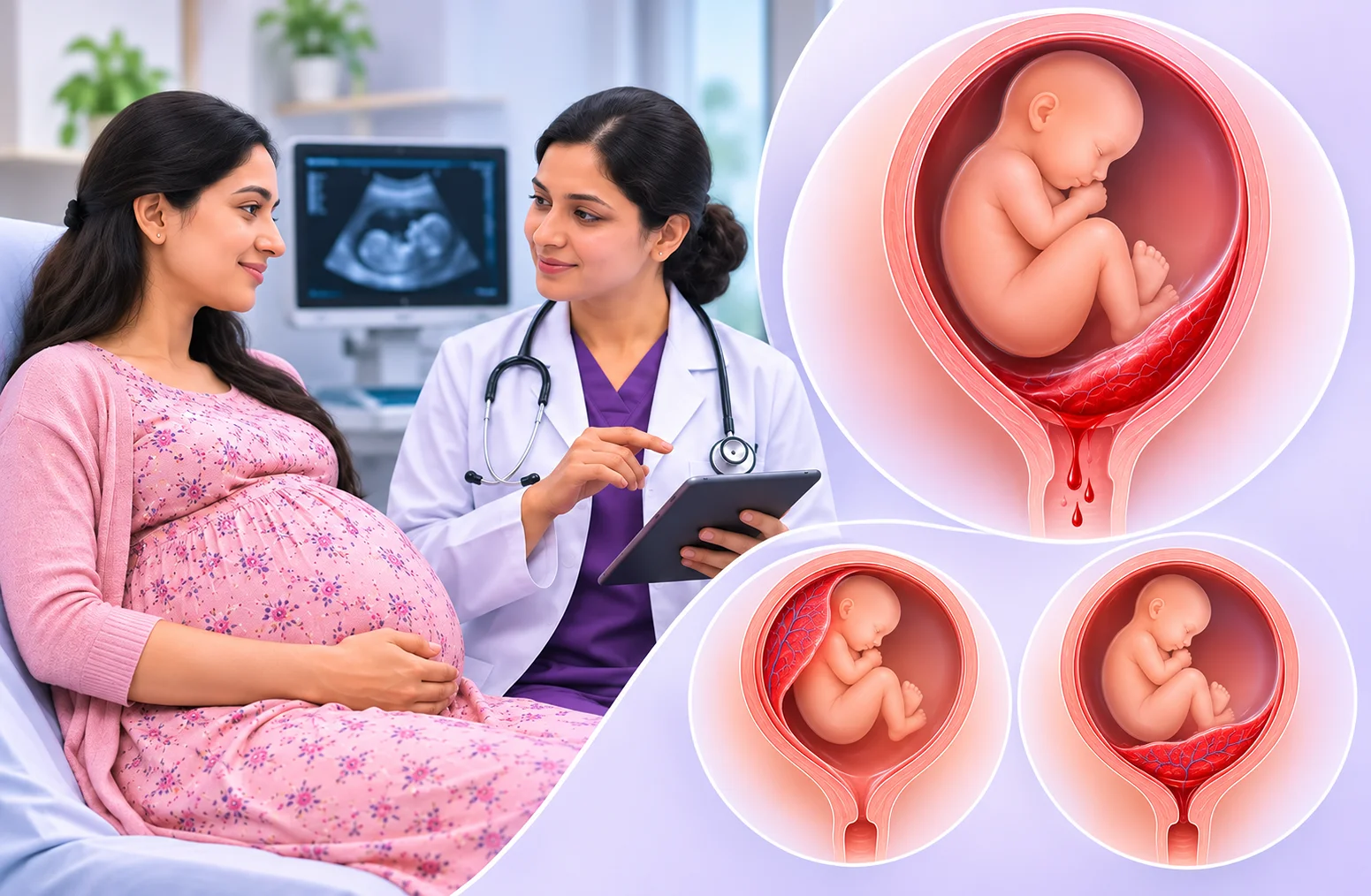
Overview
Some bleeding is a normal part of recovery after childbirth, and it usually becomes lighter over time. However, when bleeding is heavier than expected, doctors need to evaluate it to understand the cause and decide whether treatment is needed. Knowing what is normal and what can be a medical condition such as postpartum haemorrhage can help doctors assess it promptly and provide the right treatment.
What is Postpartum Haemorrhage (PPH)?
Postpartum haemorrhage (PPH) means excessive bleeding after childbirth that requires medical attention. It most commonly occurs within the first 24 hours after delivery, known as primary PPH. Bleeding that develops after 24 hours and up to 12 weeks after birth is called secondary or delayed PPH.
PPH is generally defined as blood loss of 500 mL or more after vaginal delivery and 1,000 mL or more after caesarean delivery. Blood loss exceeding 1,000 mL is considered severe PPH, while blood loss of 2,000 mL or more is often classified as massive PPH.
Doctors assess blood loss using calibrated collection drapes or other quantitative measurement methods, as visual estimation can underestimate the actual amount by 30–50%. They also monitor vital signs and the shock index (heart rate divided by systolic blood pressure). A value above 0.9 may indicate circulatory compromise and needs prompt assessment.
PPH affects approximately 6% of births worldwide and remains a major cause of maternal deaths globally and in India. Early recognition and prompt treatment are essential to prevent serious complications..
How Does Normal Postpartum Bleeding Differ from Haemorrhage?
Bleeding after childbirth is normal and is called lochia. It happens as the uterus sheds blood, mucus, and tissue left after pregnancy. It is usually heavier and darker red during the first few days, then gradually becomes lighter in colour and flow. Light bleeding or discharge can continue for several weeks.
PPH is different because the bleeding is heavier than expected, continues rather than gradually settling, or is accompanied by symptoms such as dizziness, weakness, faintness, a rapid heartbeat or difficulty breathing.
If the bleeding becomes much heavier after it has started to reduce, contact your doctor promptly. You should also seek advice if you keep passing large blood clots. Persistent bleeding with clots larger than a golf ball is a particularly useful warning sign to recognise.
When to seek urgent help: Heavy bleeding after childbirth, especially when accompanied by dizziness, faintness, shortness of breath or a rapid heartbeat, needs immediate medical assessment.
Causes of Postpartum Haemorrhage
There is no single cause of PPH. Healthcare professionals often use the “4 Ts” to remember the main causes: Tone, Trauma, Tissue and Thrombin.
- Tone: The uterus does not contract firmly enough after delivery. This is called uterine atony and is the most common cause of PPH. A recent systematic review found uterine atony accounted for about 70% of commonly reported PPH causes.
- Trauma: Tears in the cervix, vagina, or perineum, or other birth-related injuries, can cause bleeding.
- Tissue: Placental tissue may remain inside the uterus after delivery instead of being completely expelled.
- Thrombin: Problems with blood clotting can make it difficult for bleeding to stop normally.
Sometimes more than one factor contributes to PPH.
Causes of Secondary PPH
Secondary PPH occurs after the first 24 hours of childbirth and can develop up to 12 weeks after delivery. Common causes include:
- Endometritis: Infection of the uterine lining that causes inflammation and bleeding.
- Retained placental tissue: Placental fragments left inside the uterus can cause persistent or delayed bleeding.
- Subinvolution of the uterus: When the uterus does not return to its normal size as expected, the blood vessels at the placental attachment site may continue to bleed.
The cause of PPH is not always predictable, so careful monitoring during and after childbirth is important.
Risk Factors of Postpartum Haemorrhage (PPH)
Certain pregnancy-related conditions and events during labour can increase the risk of postpartum haemorrhage (PPH). However, having a risk factor does not mean you will develop PPH. It can also occur without any known risk factors.
1. Antenatal risk factors (during pregnancy)
- Previous PPH: Having experienced PPH in an earlier pregnancy increases the risk of recurrence.
- Grand multiparity: Having five or more previous births may affect the uterus's ability to contract effectively.
- Placental problems: Placenta previa, placental abruption and placenta accreta can increase the risk of bleeding.
- Multiple pregnancy: Twins or more babies can overstretch the uterus.
- Polyhydramnios: Excess amniotic fluid can overstretch the uterus.
- Large baby: A larger-than-average baby can affect uterine contractions after delivery.
- Uterine fibroids: These growths may interfere with normal uterine contractions.
- Anaemia: Low haemoglobin can make it harder for the body to cope with blood loss.
- Obesity (high BMI): A higher BMI is associated with an increased risk of PPH.
- Hypertensive disorders: Pre-eclampsia and HELLP syndrome can increase bleeding and clotting complications.
- Blood-clotting disorders: These can make bleeding harder to control.
- Advanced maternal age: Pregnancy at an older age, particularly 35 years or above.
- Asian ethnicity: Some studies have found a population-level association with increased PPH risk.
2. Intrapartum risk factors (during labour and delivery)
- Prolonged labour: Extended labour may affect the uterus's ability to contract after birth.
- Induced or augmented labour: Medical induction or prolonged oxytocin use may increase PPH risk.
- Caesarean delivery: Surgical delivery carries a higher risk of blood loss.
- Assisted vaginal delivery: Forceps or vacuum delivery may cause injuries that lead to bleeding.
- Chorioamnionitis: Infection of the membranes surrounding the baby may affect uterine contractions.
- General anaesthesia: Some anaesthetic medicines can reduce uterine contractions.
3. Postpartum risk factors (after delivery)
- Retained placenta: When the placenta does not come out completely, it can prevent the uterus from contracting properly.
- Retained placental tissue: Remaining placental fragments can cause continued bleeding.
Can the risk of PPH be reduced?
Not all risk factors are preventable, but some steps can improve preparedness and reduce complications:
- Treat anaemia: Antenatal check-ups and appropriate iron supplementation can improve haemoglobin levels.
- Plan the place of delivery: Women with known risk factors may benefit from delivering at a hospital with blood transfusion and emergency obstetric facilities.
- Discuss delivery planning: Share your medical history and previous PPH with your obstetrician to plan appropriate care.
- Monitor labour: Appropriate monitoring and timely management of complications can help reduce risks.
PPH cannot always be prevented, even with careful planning. Monitoring during and after childbirth helps ensure that bleeding is recognised and treated promptly.
Signs & Symptoms of Postpartum Haemorrhage
Recognising the signs of PPH early allows treatment to begin quickly.
Early signs
- Vaginal bleeding that is heavier than expected or does not settle
- Repeatedly passing large blood clots
- Soaking through a pad rapidly
- Bleeding that becomes heavier after it had started to decrease
- A fast or pounding heartbeat
- Increasing weakness or unusual tiredness
- Feeling light-headed or dizzy
Emergency signs
- Fainting or loss of consciousness
- Shortness of breath or difficulty breathing
- Pale, cold or clammy skin
- Confusion or difficulty staying alert
- Very rapid heartbeat
- Heavy bleeding that is continuing or increasing
A simple warning sign to remember: Repeatedly passing clots larger than a golf ball, particularly along with persistent heavy bleeding, should be reported promptly.
If these symptoms occur after you have returned home, do not wait for your next scheduled appointment. Contact your healthcare provider or seek emergency medical care immediately.
Complications of Postpartum Haemorrhage
Most women with PPH receive treatment promptly and recover well. However, severe blood loss can cause blood pressure to fall and reduce the amount of oxygen reaching important organs. In some cases, it can lead to serious short-term or long-term complications.
Possible complications include:
- Anaemia: Significant blood loss can cause anaemia, leading to persistent tiredness, weakness and breathlessness.
- Hypovolaemic shock: Severe blood loss can cause a dangerous fall in blood pressure, reducing blood flow and oxygen supply to vital organs.
- Disseminated intravascular coagulation (DIC): A serious blood-clotting disorder in which abnormal clot formation uses up clotting factors, making it difficult to control bleeding.
- Acute kidney injury: Reduced blood supply to the kidneys can affect their ability to filter waste from the blood.
- Acute respiratory distress syndrome (ARDS): Severe inflammation and fluid build-up in the lungs can make breathing difficult and reduce oxygen levels.
- Sheehan syndrome: Severe blood loss can damage the pituitary gland (a hormone-producing gland in the brain), affecting hormone production. This may cause difficulty producing breast milk, absent menstrual periods and other hormonal problems.
- Transfusion reactions: Women who need blood transfusions may rarely experience reactions, ranging from fever and allergic symptoms to more serious complications.
- Loss of fertility: In rare, life-threatening cases, a hysterectomy (surgical removal of the uterus) may be necessary to control bleeding. This permanently ends the ability to carry a pregnancy.
- Maternal death: Although uncommon with timely and appropriate treatment, severe PPH can be life-threatening and remains an important cause of maternal death.
The emotional impact of PPH can also be significant. A difficult or unexpected birth experience may leave some women feeling anxious, low or distressed afterwards. Research has found an association between PPH and an increased risk of postpartum depression, although this does not mean that every woman who experiences PPH will develop depression.
If you continue to feel distressed about what happened during childbirth, speaking with your obstetrician or a mental health professional can help.
How Is Postpartum Haemorrhage Treated and Managed?
Treatment depends on the cause of bleeding, the amount of blood lost and the mother's condition. The medical team acts quickly to control bleeding, restore blood circulation and prevent complications. Several treatments may be started together rather than one after another.
1. Immediate treatment
Doctors follow a coordinated first-response approach, such as the WHO MOTIVE bundle, which includes:
- Uterine massage: Helps the uterus contract and reduce bleeding.
- Uterotonic medicines: Oxytocin (10 IU given into a muscle or vein) is the first-line medicine. If unavailable or ineffective, doctors may use misoprostol (600–800 mcg), ergometrine or carboprost. Ergometrine is avoided in women with hypertension, while carboprost is avoided in women with asthma.
- Tranexamic acid (TXA): WHO recommends 1 g intravenously over 10 minutes for all women diagnosed with PPH, within three hours of birth. A second 1 g dose may be given if bleeding continues after 30 minutes or restarts within 24 hours. The WOMAN trial found that early TXA reduced deaths due to bleeding by approximately 31%.
- Intravenous fluids: Help maintain blood circulation and blood pressure.
- Examination and escalation: Doctors check for retained placental tissue, birth-related injuries and other causes of bleeding while arranging further treatment.
2. Additional procedures to control bleeding
If bleeding continues, doctors may use:
- Removal of retained placental tissue: Remaining placental fragments may be removed manually or through a suitable procedure.
- Repair of birth-related tears: Tears in the cervix, vagina or perineum are repaired with stitches.
- Uterine balloon tamponade: A Bakri balloon is placed inside the uterus and inflated to apply pressure and control bleeding.
- Compression sutures: B-Lynch stitches compress the uterus to reduce blood loss.
- Uterine artery embolisation: Selected blood vessels supplying the uterus are blocked to reduce bleeding.
- Blood vessel ligation: The uterine or internal iliac arteries may be tied off to reduce blood flow to the bleeding area.
- Hysterectomy: In rare, life-threatening cases where other treatments fail, surgical removal of the uterus may be necessary to save the mother's life.
3. Supportive and emergency care
Severe PPH may require additional measures, including:
- Blood transfusion: Red blood cells, plasma and platelets may be given through a massive transfusion protocol to replace blood loss and support clotting.
- Warming measures: Keeping the mother, intravenous fluids and blood products warm helps prevent low body temperature and related clotting problems.
- Non-pneumatic anti-shock garment: This special garment may temporarily support blood circulation while definitive treatment is arranged.
Hospitals may also use structured emergency response protocols, including WHO's MOTIVE bundle and HEMOSTASIS drills, to coordinate rapid treatment.
What Is the Prognosis (Outlook) for Postpartum Haemorrhage?
PPH can be distressing when it happens, but prompt treatment makes a major difference. Most women recover fully after postpartum haemorrhage, although recovery can take longer when there has been substantial blood loss or anaemia.
Your recovery may include follow-up blood tests, iron treatment, rest and monitoring for symptoms such as weakness, dizziness or continued bleeding. Emotional recovery is also important, particularly if the birth experience was unexpected or distressing.
If you have experienced PPH, your obstetrician can also discuss what happened, explain the likely cause, and help you understand how it may affect care in a future pregnancy.
What Questions Should I Ask My Doctor?
The questions you may want to ask can differ depending on whether postpartum haemorrhage occurs soon after delivery or later during recovery.
Primary (Immediate) PPH
If heavy bleeding occurs within the first 24 hours after childbirth, you may want to ask:
- What was the likely cause of my bleeding?
- How much blood did I lose?
- What treatment did I need to control the bleeding?
- Do I need a blood test to check for anaemia?
- Will I need iron treatment or any other treatment during recovery?
- Do I need any additional monitoring before I leave the hospital?
Secondary (Late) PPH
If heavy or unusual bleeding develops after the first 24 hours following childbirth, you may want to ask:
- What could be causing the bleeding at this stage?
- Do I need any tests or scans to find the cause?
- Will I need treatment for anaemia or low iron levels?
- What follow-up will I need after treatment?
- When can I return to my usual physical activities?
- When is it safe to resume sexual activity?
- Could the cause of PPH affect a future pregnancy?
- Does having PPH increase my risk in another pregnancy?
- What can be done to reduce the risk of PPH in a future pregnancy?
- Should I seek support if I feel anxious or distressed after the birth?
A previous PPH does increase the likelihood of PPH in a subsequent pregnancy. One large study found a roughly 3.5-fold higher risk in women with previous PPH, although the individual risk varies according to the cause and circumstances.
Prevention of Postpartum Haemorrhage
PPH can occur even without known risk factors. However, skilled maternity care, preventive measures after childbirth and early monitoring can reduce the risk of severe blood loss and help ensure prompt treatment.
- Identifying risk factors during pregnancy: Conditions such as anaemia, placental abnormalities, multiple pregnancy and a history of PPH can be identified during antenatal visits. This helps the obstetric team plan the appropriate care.
- Treating anaemia during pregnancy: Iron and folic acid (IFA) supplementation, as recommended under India's Anaemia Mukt Bharat programme, and treatment of diagnosed anaemia help improve the mother's ability to cope with blood loss.
- Preventive medicine after birth: WHO recommends giving oxytocin 10 IU by injection into a muscle or vein to prevent PPH. It is generally administered soon after the baby is born, as part of active management of the third stage of labour.
- Safe delivery of the placenta: For vaginal births, controlled cord traction may be performed by a trained birth attendant to help deliver the placenta safely. Delayed cord clamping for 1–3 minutes is also recommended when the baby does not need immediate resuscitation.
- Monitoring after delivery: Healthcare teams assess blood loss, check whether the uterus is firm and monitor vital signs closely during the first 1–2 hours after birth. Accurate measurement of blood loss can help identify PPH early.
- Planning care for women at higher risk: Women with known risk factors may need an intravenous line, arrangements for cross-matched blood and delivery at a facility with access to a blood bank, an operating theatre and emergency obstetric care.
- Skilled birth attendance: Giving birth in a healthcare facility with trained staff and the resources to manage complications helps ensure that PPH can be recognised and treated promptly.
These measures form part of evidence-based maternity care. They help reduce the risk of serious complications, although PPH cannot always be prevented.
Why Choose BirthRight by Rainbow Hospitals for Postpartum Haemorrhage Care?
BirthRight by Rainbow Hospitals provides coordinated maternity and emergency support for women who develop postpartum haemorrhage during or after childbirth. Key strengths include:
- Multidisciplinary maternity care: Obstetricians, gynaecologists, neonatologists, obstetric anaesthesiologists, and critical care specialists work together when urgent treatment is needed.
- 24/7 emergency support: Maternity teams remain available around the clock to respond to heavy bleeding and other childbirth-related emergencies.
- Care from delivery through recovery: Support continues through labour, childbirth, and the postpartum period, with monitoring based on the mother’s condition.
- Access to blood transfusion support: Blood transfusions can be arranged when significant blood loss requires replacement.
- Treatment based on individual needs: Care may include medicines, close monitoring, transfusion support, and other interventions depending on the severity of bleeding.
- High-risk pregnancy expertise: Women with known risk factors can receive closer observation and delivery planning before labour begins.
- Coordinated care under one roof: Maternity, anaesthesia, critical care, and newborn services are available within the same care network.
Disclaimer: The information provided in this article is for general educational purposes only and should not be considered a substitute for medical advice, diagnosis, or treatment. Every pregnancy, delivery, and postpartum recovery is different. If you experience heavy bleeding or any other concerning symptoms after childbirth, seek immediate medical attention. For personalised advice about your pregnancy or postpartum care, please consult your obstetrician or healthcare provider.

Find a Doctor and Book Appointment Online
Meet our specialist doctors who bring together clinical expertise, compassion, and personalised care to support your health and well-being. Choose from 1,300+ specialists across our network and book an appointment with BirthRight and Rainbow Children Hospitals, offering 24*7 support to you and your family.

Dr. Pranathi Reddy A
Clinical Director – Obstetrics & Gynecology.
English,Hindi,Telugu Banjara Hills

Dr. Gauri Vinayak Dhamangaonkar
Senior Consultant - Fetal Medicine
15 Years English,Hindi,Marathi,Telugu Kondapur OP, Banjara Hills

Dr. Shruthi Reddy Poddutoor
Consultant Obstetrician, Gynecologist & Laparoscopic Surgeon
English,Telugu Banjara Hills

Dr. Himabindu Veerla
Consultant Obstetrician, Gynecologist & Laparoscopic Surgeon
English,Telugu Banjara Hills

Dr. Bhargavi Reddy K
Consultant - Obstetrics and Gynecology
10 Years English,Hindi,Telugu Banjara Hills, Attapur Clinic

Dr. Annie Pranutha P
Consultant Obstetrics and Gynecology
9 Years English,Hindi,Telugu Banjara Hills, Attapur Clinic

Dr. Sasikala Kola
Consultant Obstetrician & Gynecologist
English,Hindi,Telugu Banjara Hills

Dr. Atigadda Vijaya
Consultant - Obstetrics & Gynecology
Hindi,Telugu Banjara Hills, Himayatnagar, Attapur Clinic

Dr. Nishanth Reddy Inavolu
Visiting Consultant Physician and Diabetologist & Internal Medicine
English,Hindi,Telugu Banjara Hills, Himayatnagar

Dr. Tulika Tayal
Consultant - Fetal Medicine
English,Telugu Banjara Hills

Dr. M Prathyusha Reddy
Consultant Obstetrics & Gynecology
English,Telugu Banjara Hills

Dr. Nithya Narasimha Murthy
Consultant -Psychiatrist
English,Hindi,Telugu Kondapur OP, Banjara Hills, Child Development Centre - Banjarahills Rd No 10

Dr. Brundavani
Consultant - Nutritionist
English,Hindi,Telugu Kondapur OP, Hydernagar, Banjara Hills, Child Development Centre - Banjarahills Rd No 10

Dr. Niveditha Chalmeda
Consultant
English,Telugu Banjara Hills

Dr. Kirti Reddy Patlolla
Consultant Obstetrics and Gynaecology
English,Telugu Banjara Hills, Attapur Clinic

Dr. Tuheena Sharma
Consultant - Perinatal Physiotherapy
10 Years English,Telugu Banjara Hills

Dr. Aditi Shah
Consultant - Fetal Medicine
English,Telugu Banjara Hills

Dr. Swathi Naga Tulasi Rayapureddy
Lactation Consultant
8 Years English,Telugu Banjara Hills

Dr. Swetha Reddy. S
CONSULTANT PERINATAL PSYCHIATRIST AND WOMEN MENTAL HEALTH SPECIALIST
13 Years English,Hindi,Telugu Banjara Hills

Dr. Addu Kiranmayi
Chief Clinical Nutritionist and Lifestyle Medicine Consultant
15 Years English,Hindi,Telugu Himayatnagar, Banjara Hills

Dr. Palle Nalini Kumari
Lactation Consultant
17+ Years English,Hindi,Telugu Banjara Hills
Dr. Nazia Tabassum
Consultant - Breast, Plastic & Reconstructive Surgeon
9 Years English,Hindi,Telugu,Urdu Banjara Hills

Dr. Sruthi Cheera
Consultant Breast Surgeon
5 Years English,Hindi,Kannada,Telugu Banjara Hills

Dr. Supriya Reddy
Lactation Consultant
5 Years English,Hindi,Telugu Banjara Hills

Dr. Niraj Krishnamurthy Yanamandra
Senior Consultant Obstetrician & Gynaecologist, Laparoscopy & Hysteroscopy Surgeon
English,Hindi,Telugu Hydernagar, Banjara Hills

Dr. B. Rao Bahadur
Consultant – Obstetrician & Gynecologist, Laparoscopic ,& Hysteroscopic Surgeon
22 Years English,Hindi,Konkani,Marathi,Telugu Banjara Hills, Kondapur OP

Dr. Sneha Kulkarni
Consultant - Child, Adolescent & Adult Psychiatrist
10 Years English,Hindi,Kannada,Telugu Secunderabad, Banjara Hills, Child Development Centre - Banjarahills Rd No 10

Dr. Lavanya Janagama
Consultant – Obstetrics & Gynecology
10+ Years English Banjara HillsLeading Hospitals for Women Care
Rainbow Children's Hospital stands as a testament to the hospital's continual pursuit of excellence and innovation, providing specialized care for women and children













chennai
Blogs
Discover our most recent health articles provided by our reliable experts.




What Are People Saying About Us
Embark on a journey of inspiration and hope with our patient success stories, complemented by informative videos from our dedicated doctors.


Media
 Common Gynaecological Surgeries to Fix Female Reproductive Issues
 Healthy Woman - Healthy World
 Healthier Women For a Healthier Future...
 Rainbow Children’s Hospital & BirthRight by Rainbow Launch Video Consultation Facilities
 Dr.Pranthi Reddy
 What is the use of that?
 Can you try this time?
 Pregnant Women are Not Unfit
 Declining Age of Menarche - A Matter of Concern
 Important Facts about Cervical Cancer
 Be careful before preempting
 Flu every month!
 Menstrual cramps
 Premature delivery
 Whether laughing or coughing...why?
 Multi - Tasking may be Cool but it's not Healthy
 Pregnant and Worried about COVID-19? Here's Everything you Need to know
 Video Consultation in Pandamic Situation for Pregnancy Women's
 Women.. Various types of cysts
 Recurrent Pregnancy Loss in Women
 Early Onset of Puberty: Causes, Symptoms and Treatment Options
Common Gynaecological Surgeries to Fix Female Reproductive Issues
Healthy Woman - Healthy World
Healthier Women For a Healthier Future...
FAQs
Can postpartum haemorrhage cause postpartum depression or anxiety?
Can postpartum haemorrhage happen after I've already gone home from the hospital?
Will I need a blood transfusion if I have PPH?
What is the rule of 30 in PPH?
Can postpartum haemorrhage be predicted before delivery?
What medicines are given to stop bleeding after delivery, and is oxytocin safe?
How much bleeding is normal after delivery, and how long does lochia last?
How long does recovery from postpartum haemorrhage take?
Can postpartum haemorrhage cause infertility?
Is postpartum haemorrhage more common after a C-section?
PPH can occur after both vaginal and caesarean deliveries. The risk may be higher with caesarean births because surgery can involve additional blood loss. Other factors, such as prolonged labour and placental complications, can also increase the risk.
Can PPH happen again in a future pregnancy?
Can breastfeeding help prevent postpartum haemorrhage?
When can I have sex or exercise after PPH?
What is the cost of PPH treatment, and will I need an ICU stay?
Quick Links
Free Calculators to Track and Predict your Pregnancy
Understand your cycle and plan ahead with these quick, free fertility tools.
Gynecologist in Other Locations
Women's Health Conditions We Treat
- Mastitis (Breast Infection)
- PCOS (Polycystic Ovary Syndrome)
- Uterine Fibroids (Leiomyomas)
- Recurrent Pregnancy Loss
- Blocked Fallopian Tubes (Fallopian Tube Obstruction)
- Gestational Diabetes in Pregnancy
- Incompetent Cervix (Cervical Insufficiency)
- COVID-19 in Pregnancy
- Cytomegalovirus (CMV) in Pregnancy
- HELLP Syndrome
- Luteal Phase Defect
- Vasa Previa
- Listeria in Pregnancy
- Placenta Previa
- Endometrial Polyps (Uterine Polyps)
- Congenital Heart Disease in Pregnancy
- Hyperemesis Gravidarum (Severe Morning Sickness)
- Preeclampsia (toxemia)