


COVID-19 in Pregnancy
COVID-19 in pregnancy, also referred to as coronavirus infection during pregnancy, is a respiratory illness caused by the SARS-CoV-2 virus. It is usually mild, but later pregnancy, other health conditions and being unvaccinated raise the chance of severe illness, which can affect both mother and baby. Early advice, monitoring and vaccination guidance help keep you safe.

Seamless support from diagnosis to post treatment care
Overview
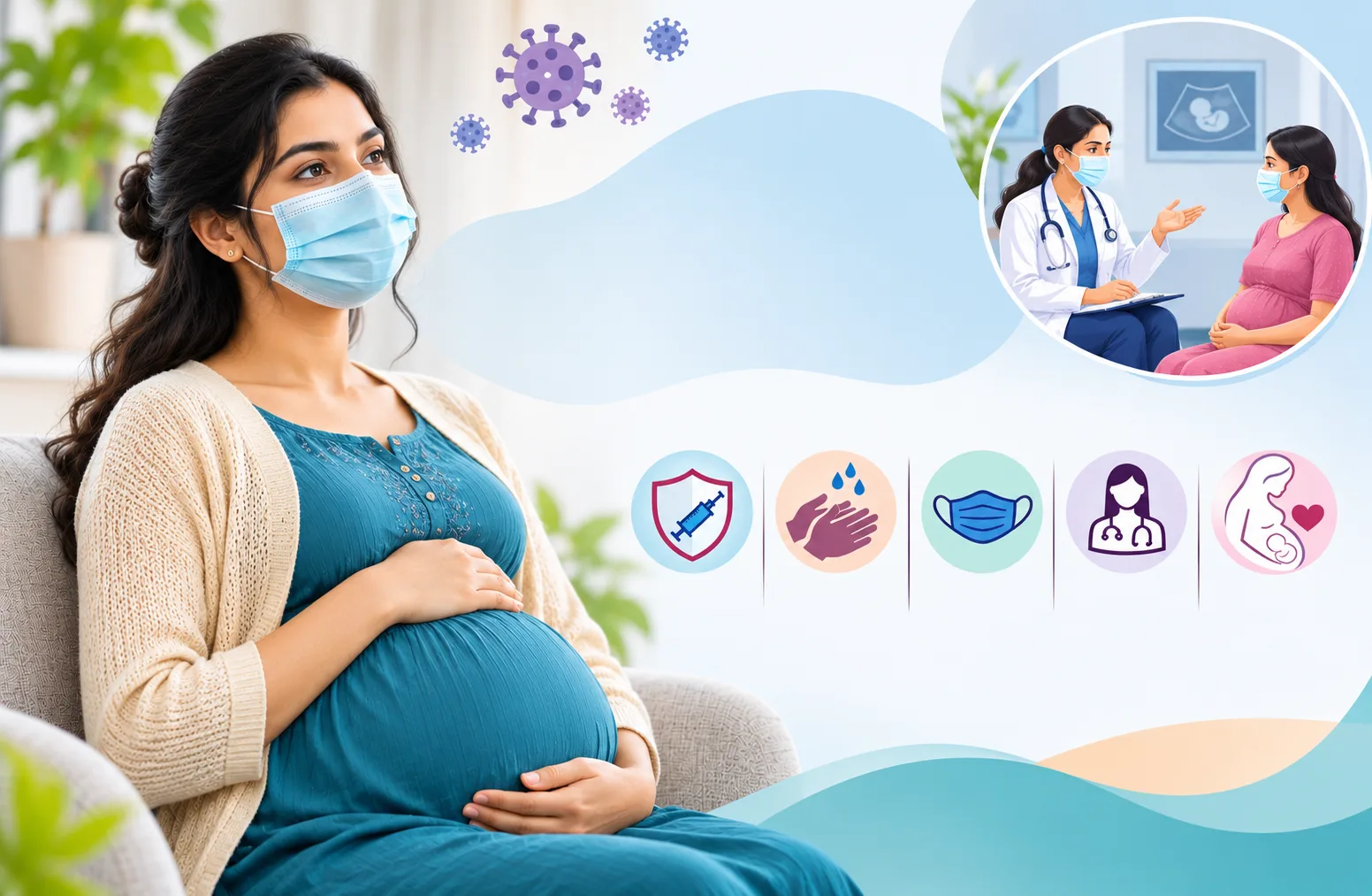
Pregnancy can make any infection feel more concerning, and COVID-19 is no exception. Most infections are mild, but pregnancy can influence how the body responds to illness, which is why symptoms and overall health may need closer attention.
Questions about risks to the mother and baby, vaccination and when medical care is needed are common. Understanding how COVID-19 may affect pregnancy and whether its symptoms are any different during this time is a useful place to begin.
What is COVID-19 in Pregnancy?
COVID-19 in pregnancy simply means catching the illness caused by the coronavirus SARS-CoV-2 while you are expecting. It is the same infection that affects everyone else, and many people simply search for it as COVID in pregnancy or corona in pregnancy, though pregnancy changes how your body responds to it. For most women, COVID-19 in pregnancy causes the same cold- or flu-like illness it does at any other time.
Being pregnant does place you at a somewhat higher risk of becoming more unwell with COVID-19 than women who are not pregnant, particularly later in pregnancy. This is why doctors take it seriously and monitor pregnant women a little more closely. The reassuring balance is that severe illness is uncommon, and you and your care team can do a lot to stay safe.
How Does COVID-19 Affect the Body During Pregnancy?
Many mothers ask, “Does COVID affect pregnancy?” and the honest answer is that for most it does not cause serious problems. Pregnancy naturally changes the immune system, lungs and heart, so the body has less spare capacity to cope with a chest infection. This is why a minority of pregnant women become more unwell.
COVID-19 mainly affects the lungs and airways, and in more severe cases it can reduce the oxygen the body, and therefore the baby, receives. It can also make the blood more prone to clotting, a tendency pregnancy already increases. For most women, though, the illness stays mild and passes without affecting the baby. Understanding these effects explains why rest, monitoring and early medical advice matter.
Causes of COVID-19 in Pregnancy
COVID-19 is caused by a virus that spreads from person to person, mainly through droplets and smaller airborne particles (aerosols) when an infected person breathes, coughs or talks. Pregnancy does not cause COVID-19, and it does not make you more likely to catch it. It can, however, affect how your body copes once you have it.
You catch the virus the same way anyone does, by breathing it in or, less often, by touching a contaminated surface and then your face. This is why the prevention steps later on, such as vaccination and good hygiene, are the same sensible measures that protect everyone, with extra reason to follow them in pregnancy.
Risk Factors of COVID-19 in Pregnancy
Most pregnant women who get COVID-19 stay mildly unwell, but some factors raise the chance of a more serious illness. Knowing them helps you and your doctor take extra care where needed. The main risk factors are below.
- Later pregnancy: The risk of more severe illness is higher in the second and third trimesters, especially the third, than in early pregnancy.
- Other health conditions: Such as gestational diabetes, high blood pressure, obesity, asthma or heart disease.
- Being unvaccinated: Those without COVID-19 vaccination are at higher risk of severe illness.
- Older maternal age: The risk is higher in women aged 35 or over.
COVID and Pregnancy in the Second Trimester and Beyond
Many women specifically ask about COVID and pregnancy in the second trimester, because risk changes as pregnancy progresses. In the first trimester, illness is usually mild, and the main concern is a high fever, which should be treated promptly. From the second trimester onward, and especially in the third, the added strain on the lungs and heart means more women become seriously unwell. This is why closer monitoring and prompt medical advice matter more as pregnancy advances.
Signs & Symptoms of COVID-19 in Pregnancy
The COVID symptoms in pregnancy are the same as in anyone else, and most are mild. It helps to know the usual signs and the emergency signs that mean you must get help straight away. Both are set out below.
Common symptoms
- Fever, cough and sore throat are the usual signs, often like a cold or flu.
- Loss of taste or smell: A well-known sign of COVID-19.
- Tiredness, body aches and headache: These can be easy to mistake for normal pregnancy tiredness.
- A runny or blocked nose, and sometimes mild breathlessness.
Emergency signs: seek help immediately
- Difficulty breathing or breathlessness at rest: Any real struggle to breathe needs urgent care.
- Chest pain or pressure: Never ignore it.
- Confusion, or bluish lips or face: Signs of low oxygen that are a medical emergency.
- Reduced or absent baby movements later in pregnancy: Always get this checked promptly.
If you have any emergency signs, particularly breathing difficulty, chest pain or reduced baby movements, go to hospital without delay. For ordinary mild symptoms, contact your doctor early for advice rather than waiting. Seeking early guidance is the safest approach in pregnancy.
Complications of Severe COVID-19 in Pregnancy
Severe COVID-19 is uncommon in pregnancy, but because it can affect both mother and baby, it is worth understanding the possible complications. Knowing them is a reason to take prevention and early care seriously, not a cause for alarm. The main complications are below.
- More severe illness needing hospital care: A small number of women need oxygen or intensive care.
- Premature birth: Severe COVID-19 raises the chance of the baby being born early.
- Blood clots: Severe COVID-19 in pregnancy can increase the risk of blood clots. Healthcare providers may recommend preventive measures, such as blood-thinning medication, depending on your condition. These measures reduce the risk but cannot eliminate it completely.
- Stillbirth: COVID-19 during pregnancy has been associated with an increased risk of stillbirth, particularly with severe illness. The overall risk remains low, and timely medical care and appropriate monitoring are important.
- High blood pressure conditions: Such as pre-eclampsia, which may be more likely with severe illness.
These complications are linked mainly to severe illness, which prevention and prompt treatment are designed to avoid. Most women never experience them. This is exactly why vaccination, monitoring and early medical advice are so valuable.
Treatment and Safe Care Options for COVID-19 in Pregnancy
For most pregnant women, COVID-19 is managed at home with simple, safe supportive care while the illness passes. The key is to use measures known to be safe and to avoid anything unproven. Safe supportive care includes the steps below.
- Rest and plenty of fluids: The foundation of recovery from any viral illness.
- Paracetamol for fever or aches: Considered safe in pregnancy and useful for bringing down a fever, at the lowest effective dose your doctor advises.
- Isolating and monitoring: Following local advice on isolating to protect others, and monitoring your symptoms and your baby’s movements.
- Staying in touch with your doctor: So any change is caught early, and any prescribed treatment is safe for pregnancy.
A clear word on home remedies for COVID during pregnancy is important here. Simple comfort measures such as warm fluids, steam for a blocked nose (taking care to avoid scalds) and rest are fine, but unproven remedies, high-dose supplements and medicines not prescribed for you should be avoided, as some are unsafe in pregnancy. Do not self-medicate. Contact your doctor early; they can advise on safe treatments and monitor you if needed.
COVID-19 Vaccine for Pregnant Women
COVID-19 vaccination during pregnancy is an important topic to discuss with your doctor, particularly because infection can increase the risk of complications. International guidance supports considering vaccination during pregnancy, but recommendations and vaccine availability can differ between countries.
- International guidance: WHO recommends that countries consider COVID-19 vaccination during pregnancy based on local needs, vaccine access and public health priorities.
- Safety: Evidence from extensive vaccine use supports a favourable safety profile. Your doctor can discuss the benefits and any considerations relevant to your pregnancy.
- Protection for your baby: Antibodies produced after vaccination can pass to your baby during pregnancy, potentially offering some protection in early life.
- Breastfeeding: Ask your healthcare provider about vaccination while breastfeeding and the options currently available.
Indian recommendations and vaccine availability may change. Speak to your obstetrician about the current guidance in India and whether vaccination is appropriate and available for you.
What is the Prognosis (Outlook) for COVID-19 in Pregnancy?
The outlook for COVID-19 in pregnancy is reassuring for most women. Most have a mild illness, recover fully within one to two weeks, and go on to have healthy pregnancies and babies. Serious illness is uncommon, particularly in vaccinated women who are otherwise well.
Where illness is more severe, prompt hospital care leads to good outcomes for most mothers and babies. Recovery is usually complete, though some women experience lingering tiredness or other symptoms afterwards. With sensible precautions and early medical advice, most pregnant women get through COVID-19 well.
What Questions Should You Ask Your Gynecologist?
A few questions ready for your appointment or call help you get clear, current advice. The prompts below are a useful starting point. Add any of your own.
- Is the COVID-19 vaccine recommended for me now, and when should I have it?
- Which symptoms should make me call you or go to hospital?
- Which medicines are safe for me to take if I feel unwell?
- How should I monitor my baby’s movements while I am ill?
- Do my other health conditions put me at higher risk?
Don't hesitate to ask your doctor to explain anything you don't understand. Clear, current answers matter more than anything you read online. When in doubt, your maternity team is the right place to ask.
Prevention Tips for COVID-19 in Pregnancy
Preventing COVID-19 is far better than treating it, and the steps that protect everyone work just as well in pregnancy. A few sensible habits lower your risk considerably. The tips below help.
- Stay up to date with COVID-19 vaccination as advised by your doctor.
- Wash your hands well and often.
- Avoid crowded, poorly ventilated indoor spaces where you can.
- Keep away from people who are unwell.
- Wear a mask in higher-risk settings if advised locally.
These steps also protect against other infections that matter in pregnancy, so they are worth the effort. Vaccination gives the most protection, and good ventilation and hand hygiene also help. If you do become unwell, contact your gynecologist early.
Why Choose BirthRight by Rainbow Hospitals for COVID-19 Care During Pregnancy?
If you are pregnant and unwell with COVID-19, you want care that keeps both you and your baby safe. BirthRight by Rainbow Hospitals is set up to provide exactly that. The points below show what that means for you.
- High-risk pregnancy monitoring: Close observation of mother and baby when needed.
- Safe infection care protocols: Assessment and treatment that protect you, your baby and others.
- Neonatal care on hand: Newborn intensive care available if a baby arrives early, backed by Rainbow’s paediatric strength.
- Clear, current guidance: Advice based on up-to-date recommendations, explained plainly.
BirthRight by Rainbow Hospitals brings three decades of expertise in women’s and newborn health, with high-risk obstetric and neonatal care under one roof. If you are pregnant and concerned about COVID-19, our team can guide and care for you safely. If you have emergency symptoms now, please seek urgent medical help straight away.

Find a Doctor and Book Appointment Online
Meet our specialist doctors who bring together clinical expertise, compassion, and personalised care to support your health and well-being. Choose from 1,300+ specialists across our network and book an appointment with BirthRight and Rainbow Children Hospitals, offering 24*7 support to you and your family.

Dr. Pranathi Reddy A
Clinical Director – Obstetrics & Gynecology.
English,Hindi,Telugu Banjara Hills

Dr. Gauri Vinayak Dhamangaonkar
Senior Consultant - Fetal Medicine
15 Years English,Hindi,Marathi,Telugu Kondapur OP, Banjara Hills

Dr. Shruthi Reddy Poddutoor
Consultant Obstetrician, Gynecologist & Laparoscopic Surgeon
English,Telugu Banjara Hills

Dr. Himabindu Veerla
Consultant Obstetrician, Gynecologist & Laparoscopic Surgeon
English,Telugu Banjara Hills

Dr. Bhargavi Reddy K
Consultant - Obstetrics and Gynecology
10 Years English,Hindi,Telugu Banjara Hills, Attapur Clinic
Dr. Annie Pranutha P
Consultant Obstetrics and Gynecology
9 Years English,Hindi,Telugu Banjara Hills, Attapur Clinic

Dr. Sasikala Kola
Consultant Obstetrician & Gynecologist
English,Hindi,Telugu Banjara Hills

Dr. Atigadda Vijaya
Consultant - Obstetrics & Gynecology
Hindi,Telugu Banjara Hills, Himayatnagar, Attapur Clinic

Dr. Nishanth Reddy Inavolu
Visiting Consultant Physician and Diabetologist & Internal Medicine
English,Hindi,Telugu Banjara Hills, Himayatnagar

Dr. Tulika Tayal
Consultant - Fetal Medicine
English,Telugu Banjara Hills

Dr. M Prathyusha Reddy
Consultant Obstetrics & Gynecology
English,Telugu Banjara Hills

Dr. Nithya Narasimha Murthy
Consultant -Psychiatrist
English,Hindi,Telugu Kondapur OP, Banjara Hills, Child Development Centre - Banjarahills Rd No 10

Dr. Brundavani
Consultant - Nutritionist
English,Hindi,Telugu Kondapur OP, Hydernagar, Banjara Hills, Child Development Centre - Banjarahills Rd No 10

Dr. Niveditha Chalmeda
Consultant
English,Telugu Banjara Hills

Dr. Kirti Reddy Patlolla
Consultant Obstetrics and Gynaecology
English,Telugu Banjara Hills, Attapur Clinic

Dr. Tuheena Sharma
Consultant - Perinatal Physiotherapy
10 Years English,Telugu Banjara Hills

Dr. Aditi Shah
Consultant - Fetal Medicine
English,Telugu Banjara Hills
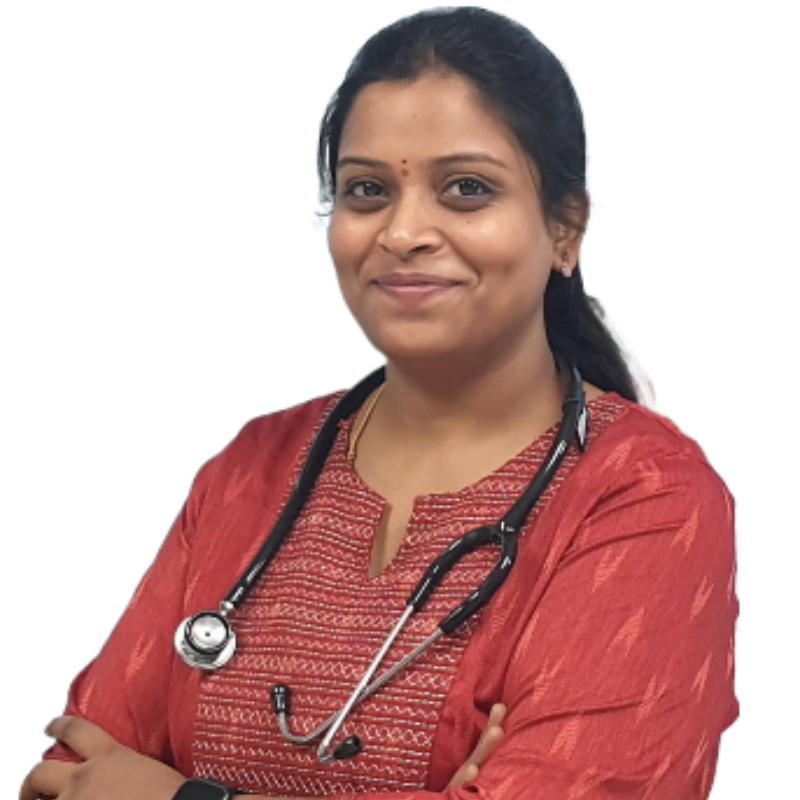
Dr. Swathi Naga Tulasi Rayapureddy
Lactation Consultant
8 Years English,Telugu Banjara Hills

Dr. Swetha Reddy. S
CONSULTANT PERINATAL PSYCHIATRIST AND WOMEN MENTAL HEALTH SPECIALIST
13 Years English,Hindi,Telugu Banjara Hills

Dr. Addu Kiranmayi
Chief Clinical Nutritionist and Lifestyle Medicine Consultant
15 Years English,Hindi,Telugu Himayatnagar, Banjara Hills

Dr. Palle Nalini Kumari
Lactation Consultant
17+ Years English,Hindi,Telugu Banjara Hills
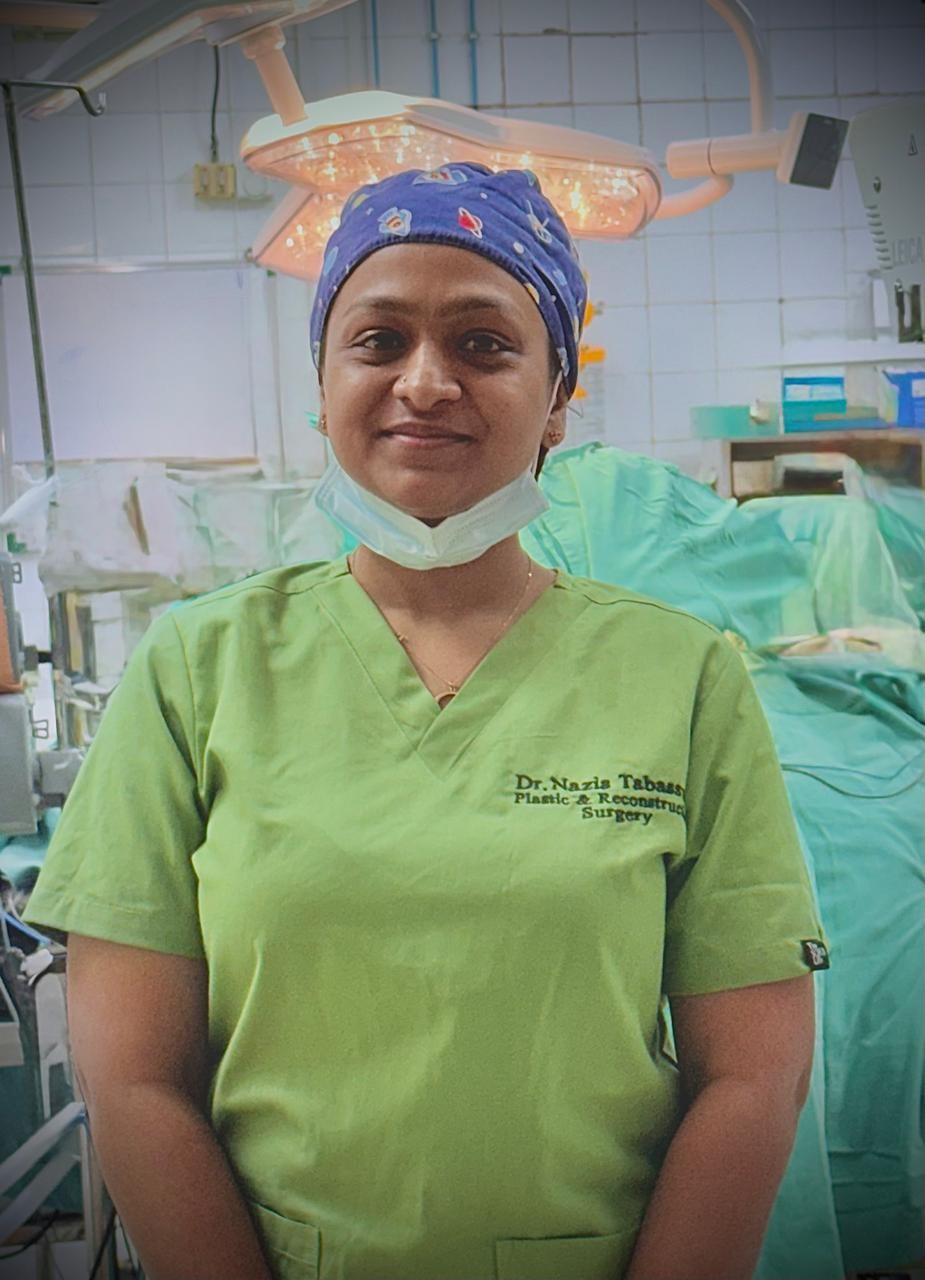
Dr. Nazia Tabassum
Consultant - Breast, Plastic & Reconstructive Surgeon
9 Years English,Hindi,Telugu,Urdu Banjara Hills

Dr. Sruthi Cheera
Consultant Breast Surgeon
5 Years English,Hindi,Kannada,Telugu Banjara Hills
Dr. Supriya Reddy
Lactation Consultant
5 Years English,Hindi,Telugu Banjara Hills

Dr. Niraj Krishnamurthy Yanamandra
Senior Consultant Obstetrician & Gynaecologist, Laparoscopy & Hysteroscopy Surgeon
English,Hindi,Telugu Hydernagar, Banjara Hills

Dr. B. Rao Bahadur
Consultant – Obstetrician & Gynecologist, Laparoscopic ,& Hysteroscopic Surgeon
22 Years English,Hindi,Konkani,Marathi,Telugu Banjara Hills, Kondapur OP

Dr. Sneha Kulkarni
Consultant - Child, Adolescent & Adult Psychiatrist
10 Years English,Hindi,Kannada,Telugu Secunderabad, Banjara Hills, Child Development Centre - Banjarahills Rd No 10

Dr. Lavanya Janagama
Consultant – Obstetrics & Gynecology
10+ Years English Banjara HillsLeading Hospitals for Women Care
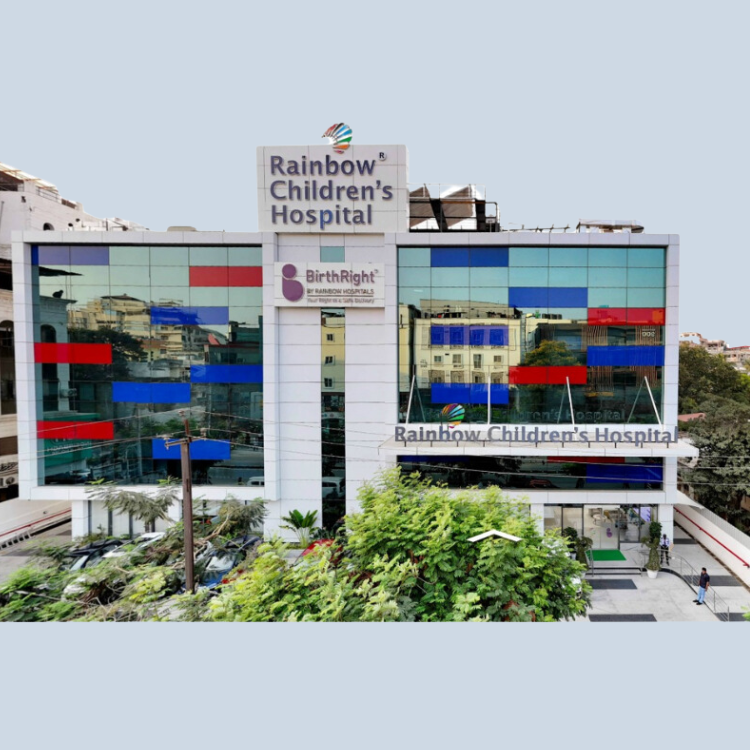
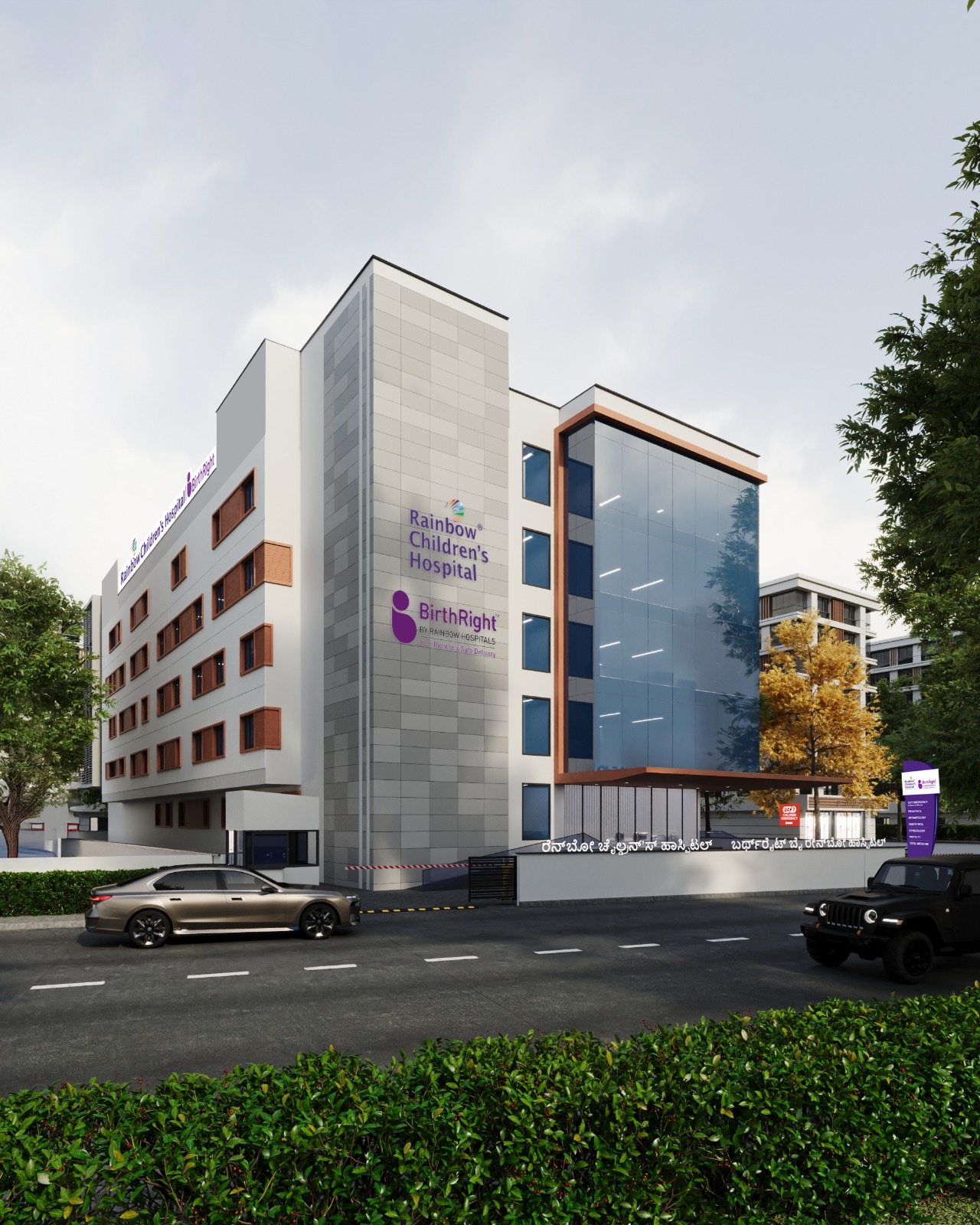
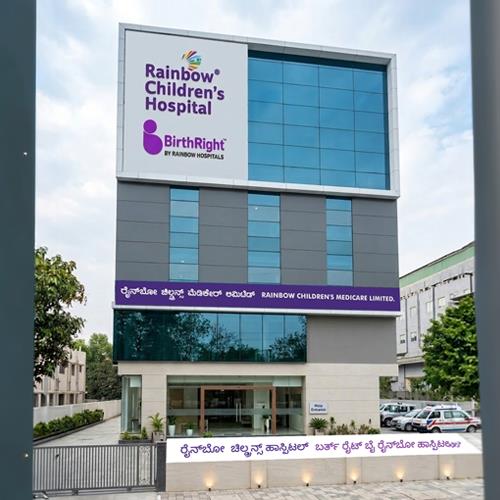
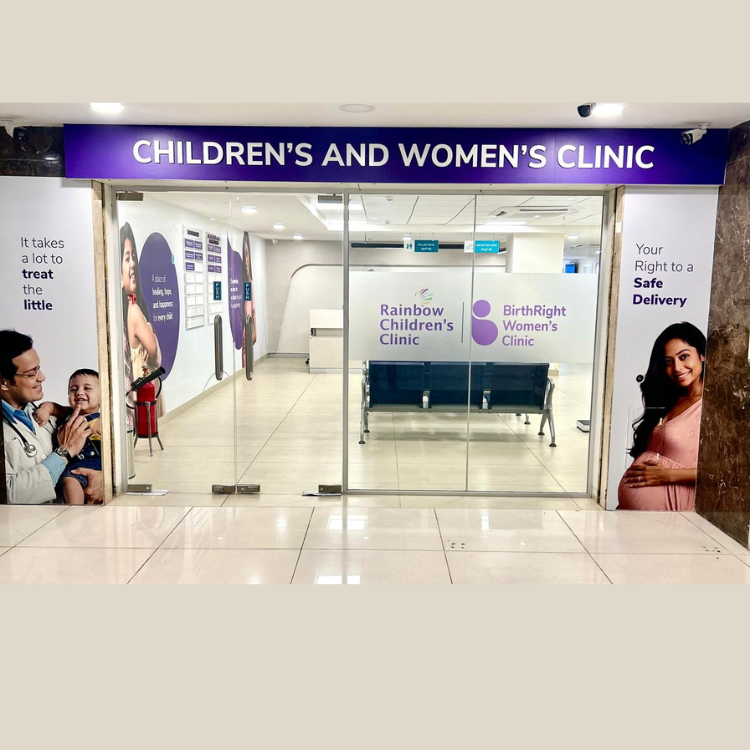
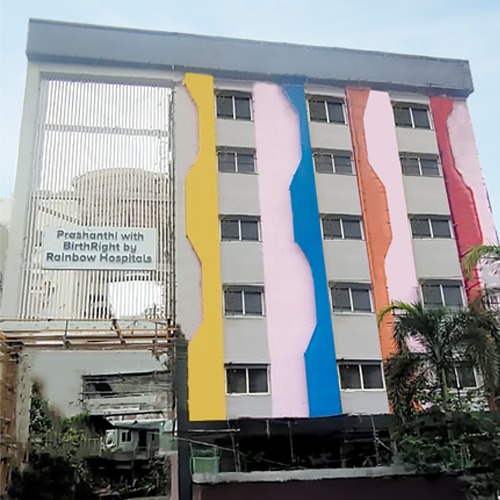
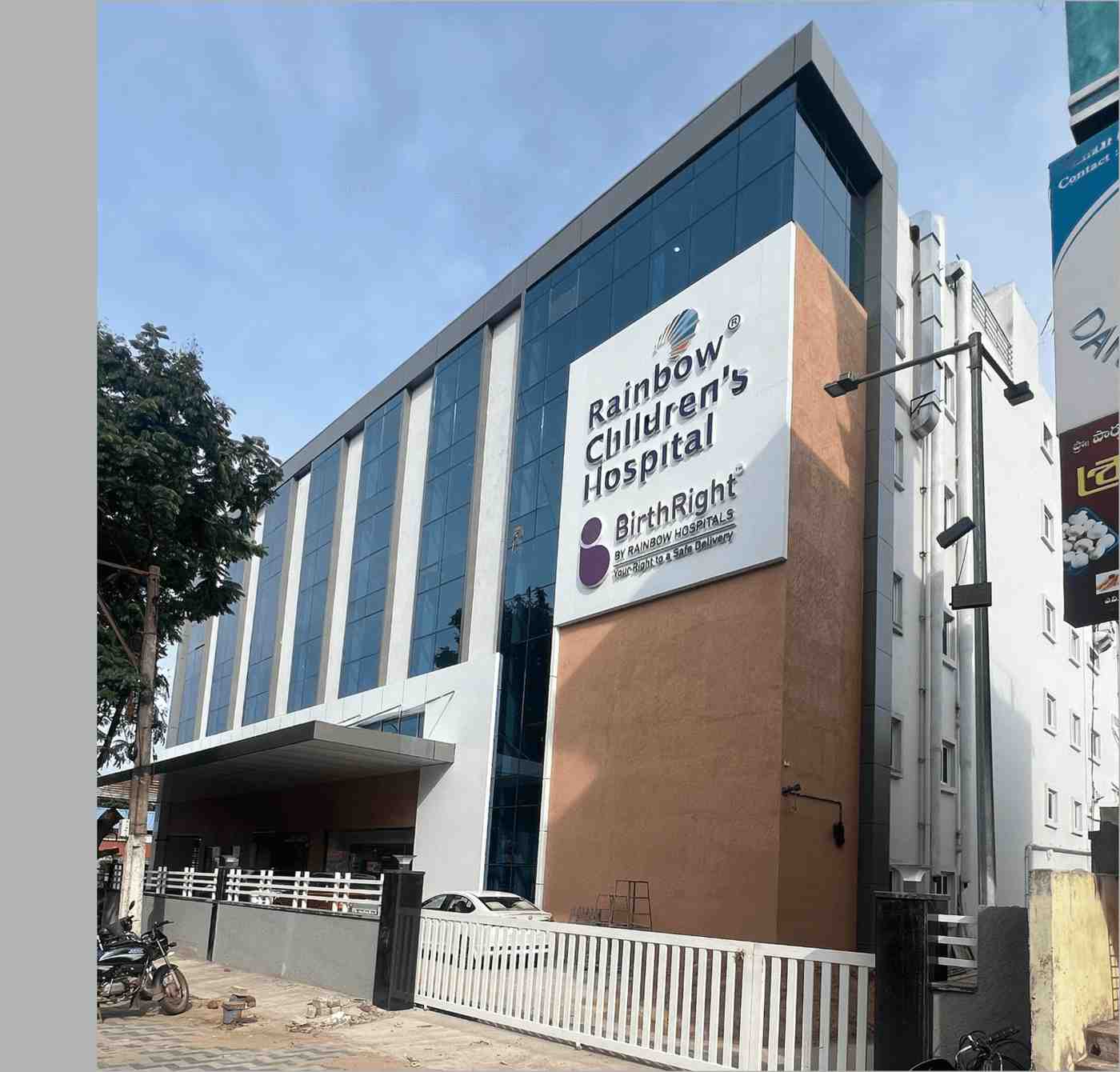
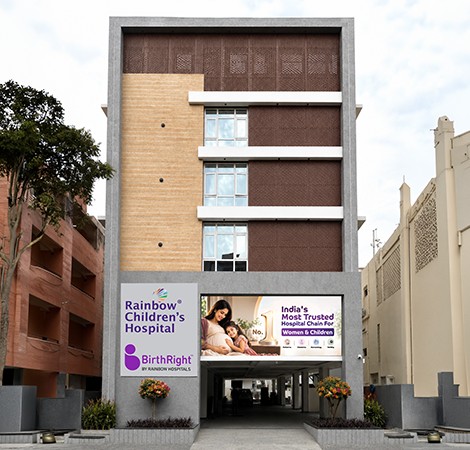
Rainbow Children's Hospital stands as a testament to the hospital's continual pursuit of excellence and innovation, providing specialized care for women and children



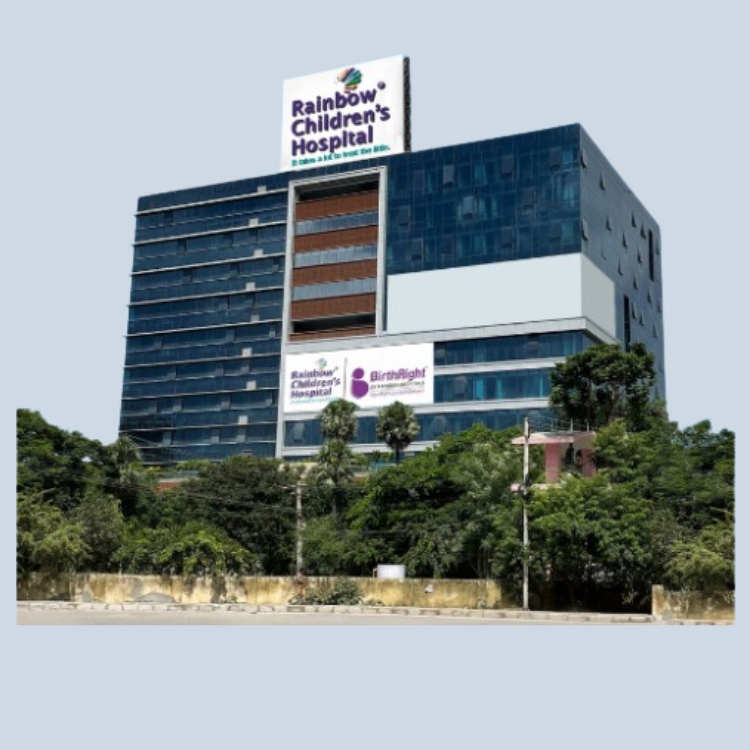






chennai
Blogs
Discover our most recent health articles provided by our reliable experts.



What Are People Saying About Us
Embark on a journey of inspiration and hope with our patient success stories, complemented by informative videos from our dedicated doctors.


Media
 Common Gynaecological Surgeries to Fix Female Reproductive Issues
 Healthy Woman - Healthy World
 Healthier Women For a Healthier Future...
 Rainbow Children’s Hospital & BirthRight by Rainbow Launch Video Consultation Facilities
 Dr.Pranthi Reddy
 What is the use of that?
 Can you try this time?
 Pregnant Women are Not Unfit
 Declining Age of Menarche - A Matter of Concern
 Important Facts about Cervical Cancer
 Be careful before preempting
 Flu every month!
 Menstrual cramps
 Premature delivery
 Whether laughing or coughing...why?
 Multi - Tasking may be Cool but it's not Healthy
 Pregnant and Worried about COVID-19? Here's Everything you Need to know
 Video Consultation in Pandamic Situation for Pregnancy Women's
 Women.. Various types of cysts
 Recurrent Pregnancy Loss in Women
 Early Onset of Puberty: Causes, Symptoms and Treatment Options
Common Gynaecological Surgeries to Fix Female Reproductive Issues
Healthy Woman - Healthy World
Healthier Women For a Healthier Future...
FAQs
What should I do if I test positive for COVID-19 in pregnancy?
How can I support my immunity during pregnancy to prevent COVID-19?
Will having COVID-19 while pregnant mean I need a C-section?
Can I pass COVID-19 to my baby before birth?
Is it safe to breastfeed if I have COVID-19?
Can COVID-19 cause a miscarriage?
Can I take normal cold and flu medicines for COVID-19 while pregnant?
What should I eat during pregnancy if I have COVID-19?
There is no special diet, but staying well hydrated and eating light, nourishing food helps your body recover. Warm fluids can soothe a sore throat or cough. Focus on fluids and rest rather than any particular remedy, and keep up your usual pregnancy nutrition as far as you can.
Does the COVID-19 vaccine affect fertility or future pregnancies?
Can long COVID affect pregnancy or postpartum recovery?
Some people have lingering symptoms such as tiredness, breathlessness or brain fog for weeks or months, known as long COVID, and this can overlap with the demands of pregnancy and the postpartum period. If symptoms persist, tell your doctor, who can help you manage them.
Quick Links
Free Calculators to Track and Predict your Pregnancy
Gynecologist in Other Locations
Women's Health Conditions We Treat
- Mastitis (Breast Infection)
- PCOS (Polycystic Ovary Syndrome)
- Uterine Fibroids (Leiomyomas)
- Recurrent Pregnancy Loss
- Blocked Fallopian Tubes (Fallopian Tube Obstruction)
- Gestational Diabetes in Pregnancy
- Incompetent Cervix (Cervical Insufficiency)
- Bacterial Vaginosis (BV)
- Ectopic Pregnancy (Extrauterine Pregnancy)
- Vitamin B12 Deficiency Anaemia