


Diabetes in Pregnancy (Pregnancy Diabetes)
Diabetes in pregnancy means your blood sugar is higher than it should be, either because you already had diabetes or because pregnancy hormones made insulin work less well. Pregnancy Diabetes often causes no symptoms and is found through routine tests. With regular monitoring, the right diet and medicines when needed, most women go on to have a healthy baby.

Seamless support from diagnosis to post treatment care

Overview
Finding out that your blood sugar is high during pregnancy can raise questions about your health, your baby's development and the kind of care you may need. If you already have diabetes, pregnancy may also mean adjusting your usual treatment and monitoring routine.
With timely diagnosis, regular monitoring and an individualised care plan, many women with diabetes have healthy pregnancies and babies. Understanding the condition and knowing what to expect at each stage can help you feel more confident about your care.
What is Diabetes in Pregnancy?
Diabetes in pregnancy refers to high blood sugar levels detected during pregnancy. It includes two main situations:
- Pre-existing diabetes: Diabetes diagnosed before pregnancy. This may be type 1 diabetes, in which the body produces little or no insulin, or type 2 diabetes, in which the body does not use insulin effectively.
- Gestational diabetes (GDM): Diabetes first diagnosed during pregnancy, when the body cannot produce enough insulin to meet the increased demands of pregnancy. It often improves after childbirth, although follow-up testing is important.
The WHO, International Association of Diabetes and Pregnancy Study Groups (IADPSG) and Diabetes in Pregnancy Study Group India (DIPSI) provide recognised approaches to diagnosing diabetes in pregnancy. Indian studies estimate GDM prevalence at approximately 10–14%, although estimates vary with diagnostic criteria. South Asian women may also develop GDM at lower BMI levels than some other ethnic groups.
Both types require appropriate monitoring and treatment, with care plans based on blood sugar levels, the stage of pregnancy and the mother's overall health.
How Pregnancy Changes Blood Sugar Control
During pregnancy, the body undergoes hormonal changes to support the baby's growth. Some hormones produced by the placenta make the body's cells less responsive to insulin. This is called insulin resistance.
Insulin is a hormone that helps move sugar from the blood into the body's cells, where it is used for energy. As pregnancy progresses, the body needs to produce more insulin to keep blood sugar within a healthy range.
If the body cannot meet this increased demand, blood sugar levels rise. This can lead to gestational diabetes or make existing diabetes more difficult to manage.
These changes are normal during pregnancy. Developing diabetes is not a sign that you have done anything wrong.
Causes of Diabetes in Pregnancy
The causes of diabetes in pregnancy vary depending on the type:
| Type | Cause | Onset and treatment |
|---|---|---|
| Pre-existing type 1 diabetes | The immune system damages insulin-producing cells in the pancreas, resulting in little or no insulin production. | Develops before pregnancy and requires insulin treatment. |
| Pre-existing type 2 diabetes | The body does not use insulin effectively and may not produce enough to maintain normal blood sugar levels. | Develops before pregnancy and requires an individualised diabetes management plan, which may include insulin. |
| Gestational diabetes (GDM) | Placental hormones increase insulin resistance, and the body cannot produce enough additional insulin to maintain normal blood sugar levels. | Usually develops during the second or third trimester and may require dietary changes, physical activity and medication. |
Pregnancy-related hormonal changes can trigger gestational diabetes even in women without obvious risk factors. Women with pre-existing diabetes may also need adjustments to their treatment during pregnancy.
Who Is at Risk of Diabetes in Pregnancy?
Certain factors can increase the likelihood of developing gestational diabetes, including:
- South Asian ethnicity: Indian and other South Asian women may develop diabetes at lower BMI levels. For Asian Indians, a BMI of 23–24.9 kg/m² indicates overweight, while 25 kg/m² or above indicates obesity.
- Family history: Having a parent or sibling with diabetes increases the risk.
- Increasing maternal age: The likelihood of gestational diabetes generally rises with age.
- Previous gestational diabetes: Having the condition in an earlier pregnancy increases the likelihood of recurrence.
- Polycystic ovary syndrome (PCOS): Insulin resistance associated with PCOS can increase the risk.
- Previous pregnancy complications: A history of stillbirth, unexplained pregnancy loss or delivering a baby weighing more than 4 kg may increase the risk.
- High blood pressure: Pre-existing hypertension is associated with a higher risk of gestational diabetes.
- Current pregnancy findings: Glycosuria (glucose in urine), polyhydramnios (excess amniotic fluid) or a baby measuring larger than expected may warrant further testing.
- Certain medications: Long-term corticosteroid or antipsychotic use may affect blood sugar levels and increase the risk.
Having these risk factors does not necessarily mean you will develop diabetes. Women without known risk factors can also develop gestational diabetes, making routine pregnancy screening important
Signs and Symptoms of Diabetes in Pregnancy
Diabetes in pregnancy often causes no noticeable symptoms. Many women discover high blood sugar only after a routine blood test.
When symptoms occur, they may include:
- Increased thirst: Feeling thirstier than usual.
- Frequent urination: Passing urine more often than expected.
- Unusual tiredness: Feeling more tired than your usual pregnancy-related fatigue.
- Blurred vision: Experiencing changes in how clearly you see.
- Repeated infections: Developing infections, such as vaginal thrush, more often.
Some of these symptoms can also occur during an otherwise normal pregnancy. They do not confirm that you have diabetes, and their absence does not rule it out.
Diagnosis and Screening of Diabetes in Pregnancy
Diabetes in pregnancy is diagnosed through blood tests. Screening depends on whether diabetes existed before pregnancy or develops during pregnancy.
1. Screening for Pre-existing Diabetes
Women with known diabetes should have their blood sugar control assessed at the first antenatal visit through:
- HbA1c: Measures average blood sugar levels over the previous 2–3 months.
- Fasting blood glucose: Measures blood sugar after fasting.
Baseline eye and kidney assessments are also recommended. Women with type 1 diabetes may need ketone testing, particularly when unwell or when blood sugar levels are high.
2. Screening for Gestational Diabetes
Universal screening is recommended during pregnancy. High-risk women may be screened in the first trimester and retested at 24–28 weeks if the initial results are normal.
Common diagnostic approaches in India include:
- DIPSI criteria: A non-fasting 75 g glucose test, with a 2-hour blood glucose level of 140 mg/dL or above indicating gestational diabetes.
- WHO/IADPSG criteria: A fasting 75 g oral glucose tolerance test (OGTT). Gestational diabetes is diagnosed if any one value reaches or exceeds the following:
| Test | Blood glucose level |
|---|---|
| Fasting | 92 mg/dL |
| 1 hour | 180 mg/dL |
| 2 hours | 153 mg/dL |
Your doctor will recommend the appropriate screening approach based on your pregnancy and clinical risk factors.
Warning Signs of Very High or Very Low Blood Sugar
If you have diabetes and monitor your blood sugar at home, it is important to recognise signs that your levels may be outside your recommended range.
- Possible high blood sugar: Increased thirst, frequent urination, blurred vision or unusual tiredness. Severe high blood sugar may cause vomiting, abdominal pain, deep or rapid breathing, or confusion.
- Possible low blood sugar: Shaking, sweating, dizziness, sudden hunger, a racing heartbeat or confusion. Severe low blood sugar can cause seizures or loss of consciousness.
What should you do?
Follow the treatment plan your doctor has given you for high or low blood sugar. If you have severe symptoms, persistent vomiting, difficulty breathing, confusion, a seizure or loss of consciousness, seek emergency medical care immediately. Do not wait for your next routine appointment.
Complications of Diabetes in Pregnancy
Many women with diabetes have healthy pregnancies, particularly when blood sugar is well controlled. However, persistently high blood sugar can increase maternal and newborn health risks. These risks depend on the type of diabetes, blood sugar control, and the mother's overall health.
For the Mother
- High blood pressure and pre-eclampsia: Diabetes increases the risk of high blood pressure and pre-eclampsia during pregnancy.
- Hypoglycaemia: Insulin treatment can cause blood sugar to drop too low, particularly when meals are delayed or missed.
- Diabetic ketoacidosis (DKA): Poorly controlled diabetes can lead to DKA, a serious complication involving a dangerous build-up of ketones.
- Infections and polyhydramnios: High blood sugar can increase infection risk and contribute to excess amniotic fluid.
- Worsening of existing complications: Pregnancy may worsen diabetic eye and kidney disease. Women with vascular or kidney complications may also have an increased risk of restricted fetal growth.
- Delivery complications: Excessive fetal growth can make vaginal delivery more difficult and increase the likelihood of caesarean birth.
For the Baby
- Macrosomia and shoulder dystocia: High maternal blood sugar can cause excessive fetal growth, increasing the risk of difficult delivery and shoulder dystocia (when the baby's shoulder gets stuck during birth).
- Congenital abnormalities: Poorly controlled pre-existing diabetes, particularly during early pregnancy, increases the risk of birth defects.
- Stillbirth and preterm birth: Poor blood sugar control and diabetes-related complications can increase the risk of stillbirth and premature delivery.
- Low blood sugar after birth: Babies may develop hypoglycaemia in the first hours after delivery and need feeding support or treatment.
- Breathing difficulties and jaundice: Some newborns may develop respiratory distress or jaundice and require additional medical care or NICU admission.
Fasting during pregnancy: Fasting during Ramadan or Navratri can increase the risk of hypoglycaemia, dehydration and blood sugar fluctuations. Women with diabetes should discuss fasting with their healthcare team before attempting it.
With early diagnosis, appropriate treatment and consistent blood sugar control, many pregnancy-related risks can be substantially reduced, bringing outcomes closer to those of pregnancies without diabetes.
Treatment Options and Care for Diabetes in Pregnancy
Treatment aims to maintain blood sugar within the recommended range while supporting the mother's health and the baby's development. The care plan depends on the type of diabetes and blood sugar control.
1. Healthy Eating and Physical Activity
A balanced meal plan with three meals and 2–3 snacks daily can help maintain stable blood sugar levels. Include Indian food options such as whole-wheat roti, oats, jowar, bajra, dal, paneer, vegetables and whole fruits. Choose high-fibre, low-glycaemic-index carbohydrates and avoid sugary drinks and refined foods. Aim for at least 175 g of carbohydrates daily unless advised otherwise. Pregnancy-appropriate physical activity can also improve blood sugar control.
2. Blood Sugar Monitoring
Regular monitoring helps assess treatment effectiveness. Typical pregnancy targets are:
| Measurement | Target |
|---|---|
| Fasting | Below 95 mg/dL |
| 1 hour after meals | Below 140 mg/dL |
| 2 hours after meals | Below 120 mg/dL |
For pre-existing diabetes, an HbA1c below 6.5% before conception is generally preferred, provided it can be achieved safely.
3. Medicines and Insulin
If lifestyle changes are insufficient, medication may be needed.
- Insulin Preferred during pregnancy. Options include rapid-acting insulin (lispro, aspart), regular insulin and intermediate-acting insulin (NPH).
- Metformin: May be considered in selected cases under medical supervision, although it crosses the placenta.
- Glibenclamide: Generally not preferred because of potential neonatal complications.
Women with type 1 diabetes require insulin throughout pregnancy.
4. Additional Care for Pre-existing Diabetes
Care before and during pregnancy may include:
- Taking 5 mg folic acid daily before conception and until 12 weeks.
- Reviewing eye and kidney health.
- Stopping ACE inhibitors and statins under medical supervision before or during early pregnancy.
- Having a plan to manage low blood sugar, including glucagon when prescribed.
- Following sick-day and ketone-monitoring rules, particularly with type 1 diabetes.
5. Baby's Monitoring and Delivery Planning
Ultrasound scans help assess the baby's growth and amniotic fluid levels. Delivery timing depends on blood sugar control and maternal and fetal health.
- Diet-controlled GDM: Often managed until around 39–40 weeks if there are no complications.
- Medication- or insulin-treated GDM: Delivery may be considered around 38–39 weeks, depending on glucose control.
- Pre-existing diabetes: Delivery is often planned around 37–39 weeks, depending on maternal and fetal health.
Antenatal corticosteroids may be needed if early delivery is anticipated, but they can increase blood sugar and require closer monitoring and possible insulin adjustments.
Your obstetrician and diabetologist will individualise treatment and delivery planning. Do not stop or change prescribed medication without medical advice.
Home Blood Sugar Monitoring
Home blood sugar monitoring helps you and your healthcare team understand how well your diabetes is controlled throughout pregnancy.
Your doctor will explain when to check your blood sugar, how often to test, and which readings you should aim for. Depending on your treatment plan, you may need to check before meals, after meals, or at other specified times.
Keep a record of your readings and take it to your appointments. This helps your doctor identify patterns and decide whether your meal plan, activity level, or medication needs adjustment.
If your readings repeatedly fall outside your recommended range, contact your healthcare team for advice rather than waiting until your next appointment. If you use insulin, make sure you understand how to recognise and manage low blood sugar.
What is the Prognosis (Outlook) for Diabetes in Pregnancy?
The outlook is generally good when diabetes is diagnosed promptly and managed throughout pregnancy. Many women with well-controlled blood sugar have healthy babies, although follow-up care remains important after delivery.
The outlook after childbirth depends on the type of diabetes:
- Gestational diabetes: Blood sugar levels often return to normal after delivery. However, the risk of developing type 2 diabetes later in life is around 10 times higher than in women without GDM. The lifetime risk is estimated at 50–60%. GDM may also recur in subsequent pregnancies; a 2025 meta-analysis reported a pooled recurrence rate of approximately 51%, although estimates vary between populations.
- Postpartum blood sugar testing: Women with GDM should undergo a 75 g oral glucose tolerance test (OGTT) 4–12 weeks after delivery. If results are normal, continue diabetes screening every 1–3 years; annual testing is recommended in Indian national follow-up guidance.
- Pre-existing diabetes: Type 1 and type 2 diabetes generally continue after childbirth. Insulin requirements can drop sharply after delivery, so doses need prompt reassessment to prevent hypoglycaemia.
- Breastfeeding and contraception: Breastfeeding is encouraged because it may reduce the mother's future risk of type 2 diabetes after GDM. Discuss suitable contraception and plans for future pregnancies with your doctor.
- The baby's health: Babies born to mothers with diabetes need early feeding and blood glucose monitoring, usually within the first few hours after birth. Additional feeding support or treatment may be needed if blood sugar is low.
Regular postpartum check-ups, healthy eating, physical activity and recommended blood sugar testing can help protect long-term health for both mother and baby.
What Questions Should I Ask My Doctor?
Discussing your concerns with your healthcare team can help you understand your treatment and prepare for delivery. Consider taking the following questions to your appointments.
Monitoring and Treatment Questions
- How often should I check my blood sugar, and what should my target range be?
- Will I need medication or insulin during pregnancy?
- What should I do if my blood sugar is too high or too low?
- Should I meet a dietitian to plan my meals?
- Do I need additional tests to monitor my health or my baby's growth?
Delivery and After Questions
- How might diabetes affect my delivery plan?
- Will my baby need blood sugar checks after birth?
- Will my diabetes improve after delivery, or will I still need treatment?
- When should I have my blood sugar tested after childbirth?
- What can I do to reduce my risk of diabetes in the future?
Write down your questions and bring your blood sugar records to your appointments. Your care team can help you understand your options and make decisions suited to your pregnancy.
Can Diabetes in Pregnancy Be Prevented?
Not every case of diabetes in pregnancy can be prevented. Gestational diabetes can develop because of hormonal and other factors even when a woman follows a healthy lifestyle. However, some steps can improve overall health and may lower the risk of type 2 diabetes and gestational diabetes.
- Work towards a healthy weight before pregnancy: Maintaining a healthy weight before pregnancy may help lower the risk of diabetes. Avoid trying to lose weight during pregnancy unless your doctor advises it.
- Stay physically active: Regular activity suited to your health and pregnancy can support blood sugar control.
- Choose balanced meals: Eat a varied diet with appropriate portions, and limit sugary drinks and foods.
- Plan ahead if you already have diabetes: Speak with your doctor before trying to conceive so that your blood sugar, medication and existing health conditions can be reviewed.
- Attend recommended screening appointments: Screening can identify high blood sugar even when you feel well, allowing treatment to begin when needed.
These steps cannot guarantee that diabetes will not develop. They can, however, support your health and help ensure that any blood sugar concerns are identified and managed appropriately.
Why Choose BirthRight by Rainbow Hospitals to Control Diabetes in Pregnancy?
BirthRight by Rainbow Hospitals brings together obstetricians, endocrine specialists, dietitians and newborn care in one place, backed by three decades of expertise in women’s and children’s health. Diabetes in pregnancy needs steady monitoring of both mother and baby, and our teams coordinate this closely. From blood sugar and growth monitoring to delivery planning, we manage your care through one connected service.
If your pregnancy needs extra attention, you have access to high-risk pregnancy care and a well-equipped neonatal unit under the same roof. This means any care your baby needs is available in one place. The aim throughout is steady blood sugar control and a healthy birth.

Find a Doctor and Book Appointment Online
Meet our specialist doctors who bring together clinical expertise, compassion, and personalised care to support your health and well-being. Choose from 1,300+ specialists across our network and book an appointment with BirthRight and Rainbow Children Hospitals, offering 24*7 support to you and your family.

Dr. Pranathi Reddy A
Clinical Director – Obstetrics & Gynecology.
English,Hindi,Telugu Banjara Hills

Dr. Gauri Vinayak Dhamangaonkar
Senior Consultant - Fetal Medicine
15 Years English,Hindi,Marathi,Telugu Kondapur OP, Banjara Hills

Dr. Shruthi Reddy Poddutoor
Consultant Obstetrician, Gynecologist & Laparoscopic Surgeon
English,Telugu Banjara Hills

Dr. Himabindu Veerla
Consultant Obstetrician, Gynecologist & Laparoscopic Surgeon
English,Telugu Banjara Hills
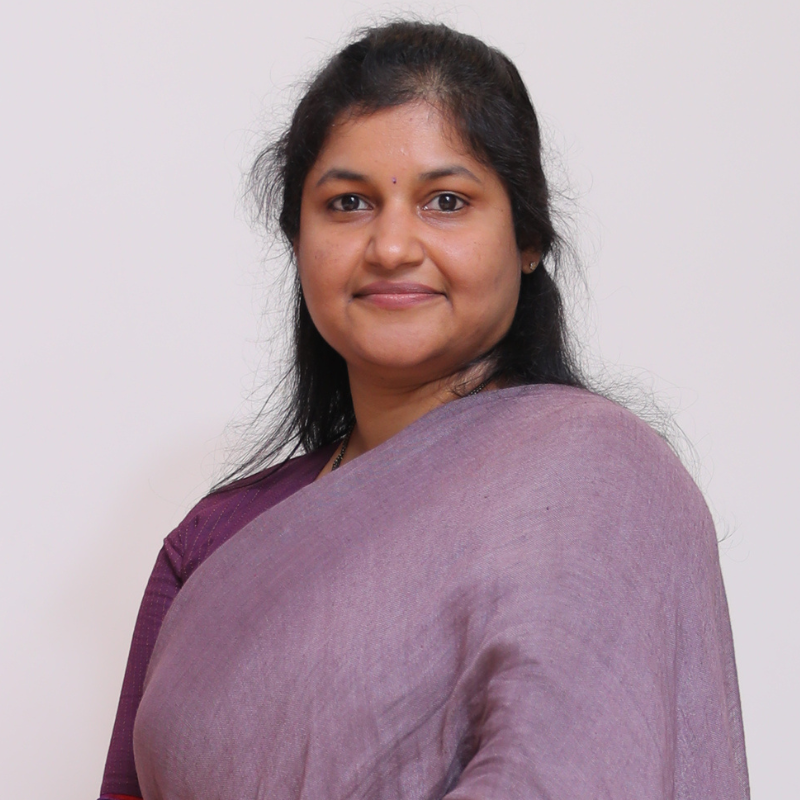
Dr. Bhargavi Reddy K
Consultant - Obstetrics and Gynecology
10 Years English,Hindi,Telugu Banjara Hills, Attapur Clinic

Dr. Annie Pranutha P
Consultant Obstetrics and Gynecology
9 Years English,Hindi,Telugu Banjara Hills, Attapur Clinic

Dr. Sasikala Kola
Consultant Obstetrician & Gynecologist
English,Hindi,Telugu Banjara Hills

Dr. Atigadda Vijaya
Consultant - Obstetrics & Gynecology
Hindi,Telugu Banjara Hills, Himayatnagar, Attapur Clinic

Dr. Nishanth Reddy Inavolu
Visiting Consultant Physician and Diabetologist & Internal Medicine
English,Hindi,Telugu Banjara Hills, Himayatnagar

Dr. Tulika Tayal
Consultant - Fetal Medicine
English,Telugu Banjara Hills

Dr. M Prathyusha Reddy
Consultant Obstetrics & Gynecology
English,Telugu Banjara Hills

Dr. Nithya Narasimha Murthy
Consultant -Psychiatrist
English,Hindi,Telugu Kondapur OP, Banjara Hills, Child Development Centre - Banjarahills Rd No 10

Dr. Brundavani
Consultant - Nutritionist
English,Hindi,Telugu Kondapur OP, Hydernagar, Banjara Hills, Child Development Centre - Banjarahills Rd No 10
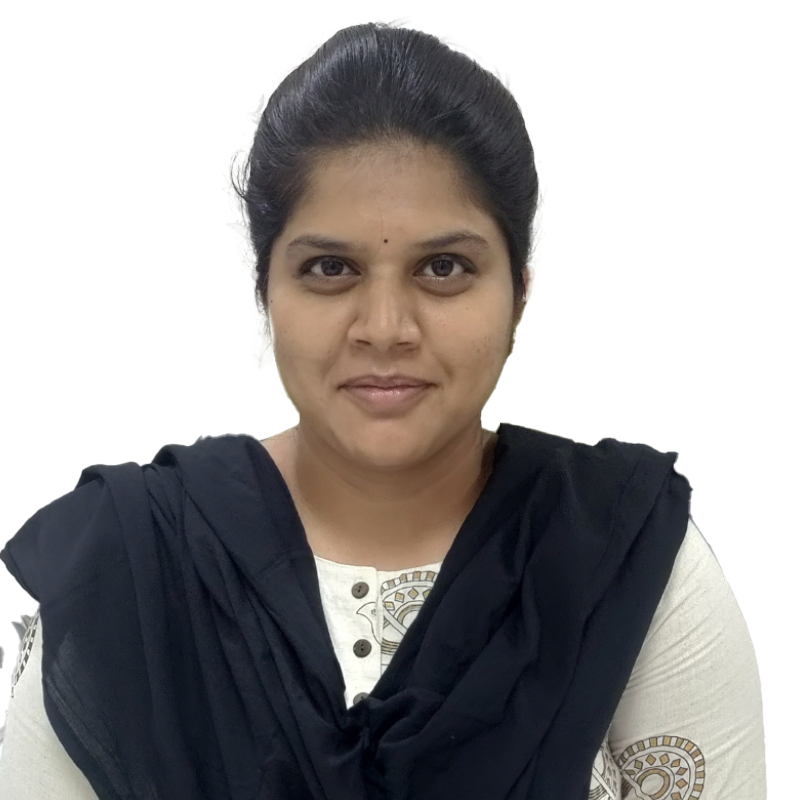
Dr. Niveditha Chalmeda
Consultant
English,Telugu Banjara Hills

Dr. Kirti Reddy Patlolla
Consultant Obstetrics and Gynaecology
English,Telugu Banjara Hills, Attapur Clinic

Dr. Tuheena Sharma
Consultant - Perinatal Physiotherapy
10 Years English,Telugu Banjara Hills

Dr. Aditi Shah
Consultant - Fetal Medicine
English,Telugu Banjara Hills

Dr. Swathi Naga Tulasi Rayapureddy
Lactation Consultant
8 Years English,Telugu Banjara Hills

Dr. Swetha Reddy. S
CONSULTANT PERINATAL PSYCHIATRIST AND WOMEN MENTAL HEALTH SPECIALIST
13 Years English,Hindi,Telugu Banjara Hills

Dr. Addu Kiranmayi
Chief Clinical Nutritionist and Lifestyle Medicine Consultant
15 Years English,Hindi,Telugu Himayatnagar, Banjara Hills

Dr. Palle Nalini Kumari
Lactation Consultant
17+ Years English,Hindi,Telugu Banjara Hills
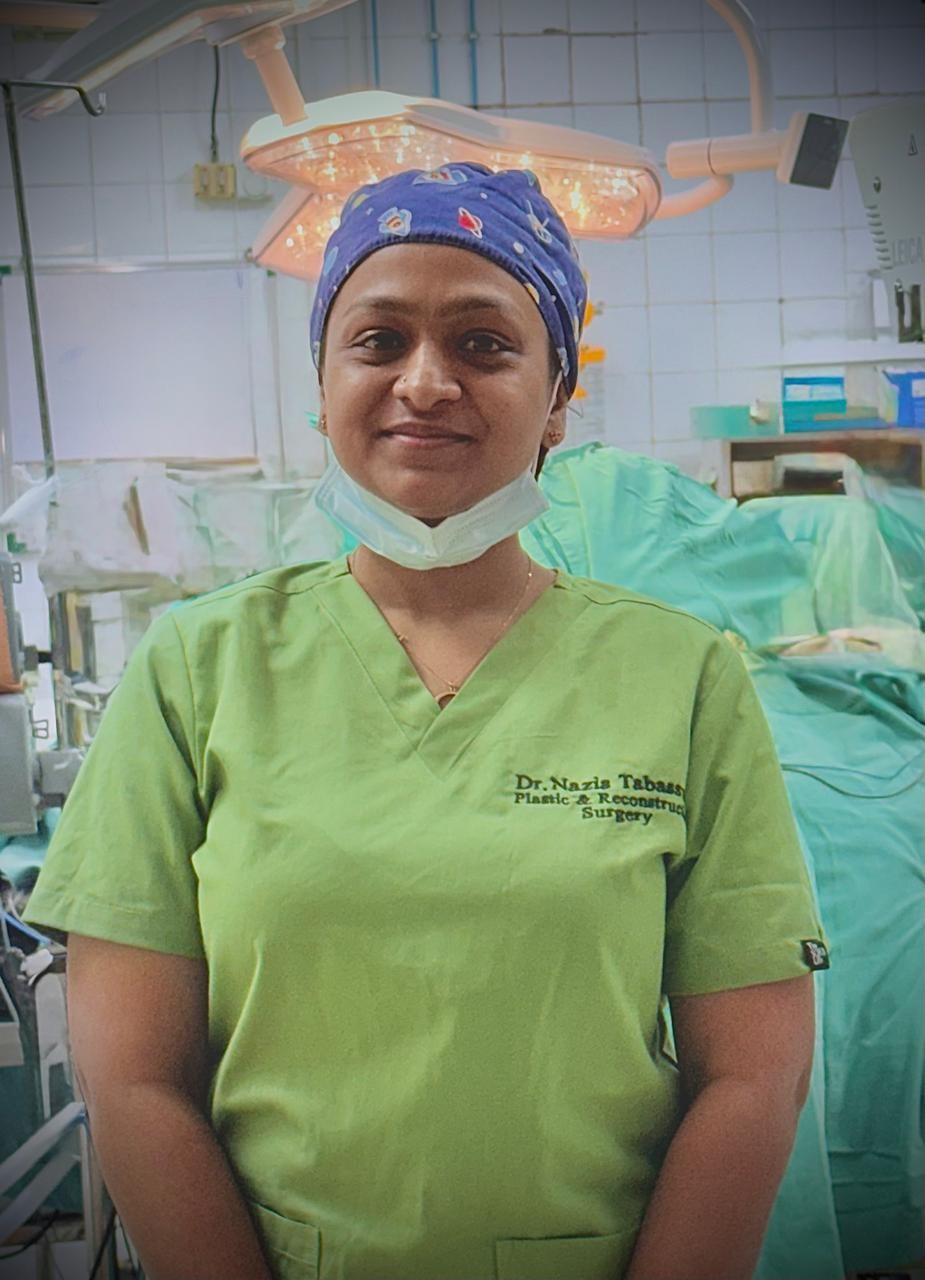
Dr. Nazia Tabassum
Consultant - Breast, Plastic & Reconstructive Surgeon
9 Years English,Hindi,Telugu,Urdu Banjara Hills

Dr. Sruthi Cheera
Consultant Breast Surgeon
5 Years English,Hindi,Kannada,Telugu Banjara Hills
Dr. Supriya Reddy
Lactation Consultant
5 Years English,Hindi,Telugu Banjara Hills

Dr. Niraj Krishnamurthy Yanamandra
Senior Consultant Obstetrician & Gynaecologist, Laparoscopy & Hysteroscopy Surgeon
English,Hindi,Telugu Hydernagar, Banjara Hills

Dr. B. Rao Bahadur
Consultant – Obstetrician & Gynecologist, Laparoscopic ,& Hysteroscopic Surgeon
22 Years English,Hindi,Konkani,Marathi,Telugu Banjara Hills, Kondapur OP

Dr. Sneha Kulkarni
Consultant - Child, Adolescent & Adult Psychiatrist
10 Years English,Hindi,Kannada,Telugu Secunderabad, Banjara Hills, Child Development Centre - Banjarahills Rd No 10

Dr. Lavanya Janagama
Consultant – Obstetrics & Gynecology
10+ Years English Banjara HillsLeading Hospitals for Women Care
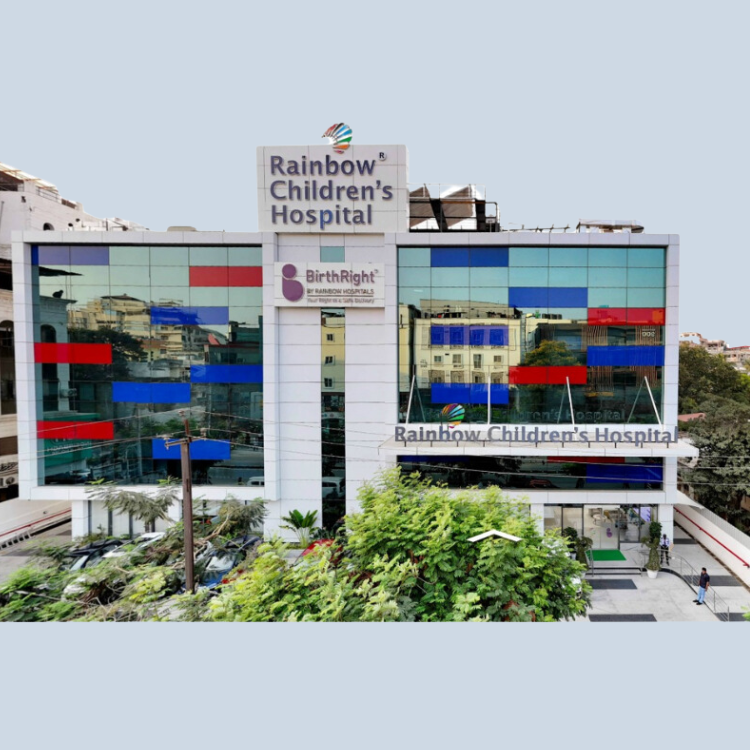
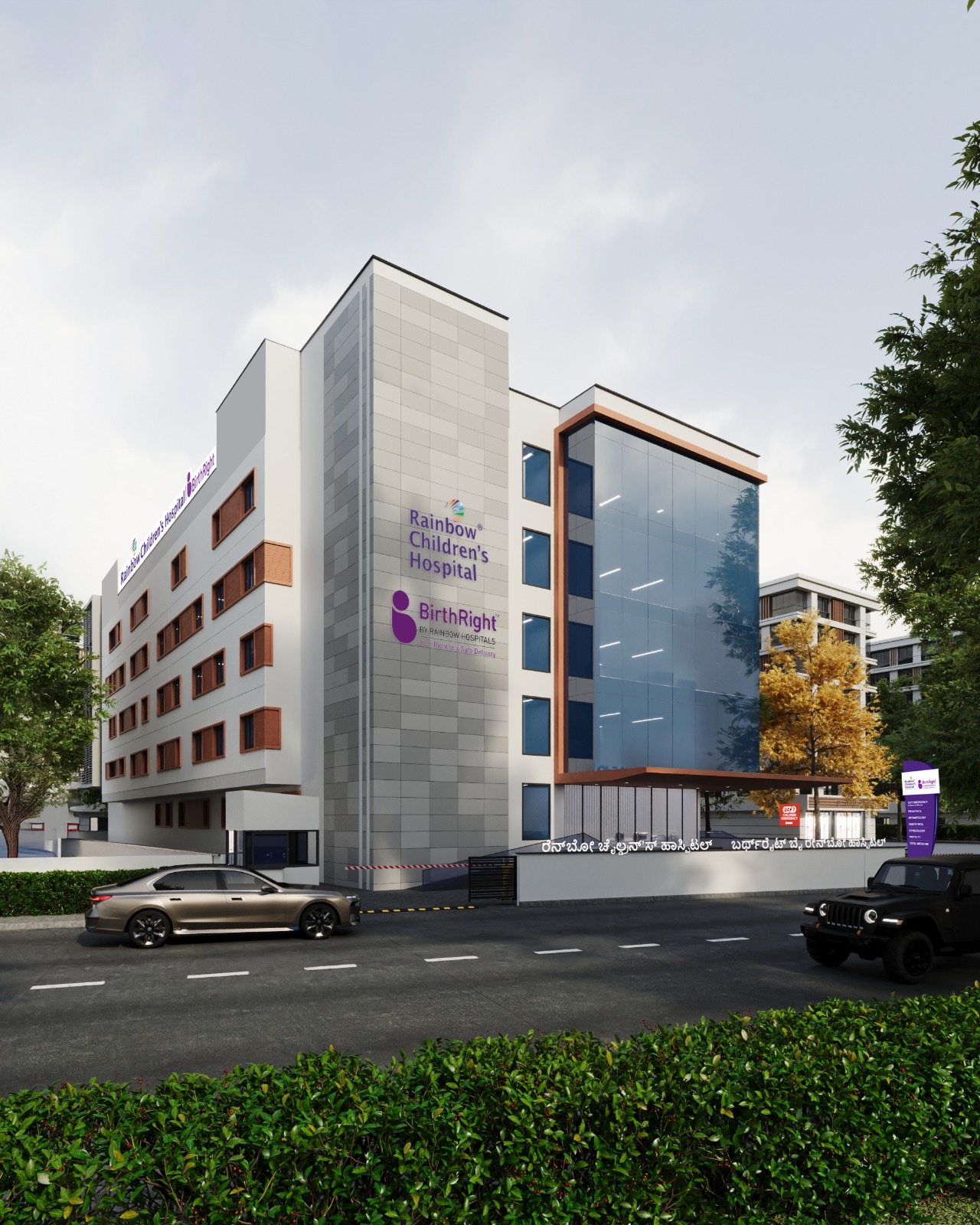
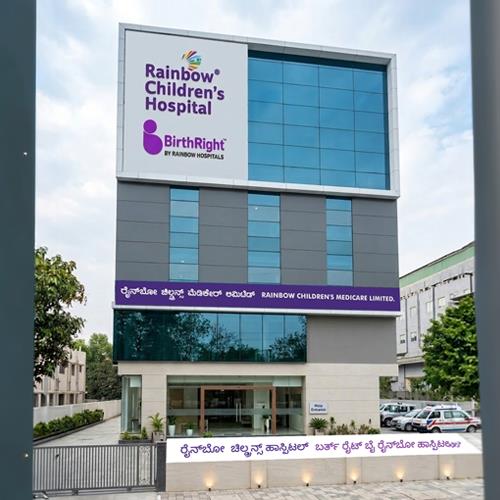
Rainbow Children's Hospital stands as a testament to the hospital's continual pursuit of excellence and innovation, providing specialized care for women and children


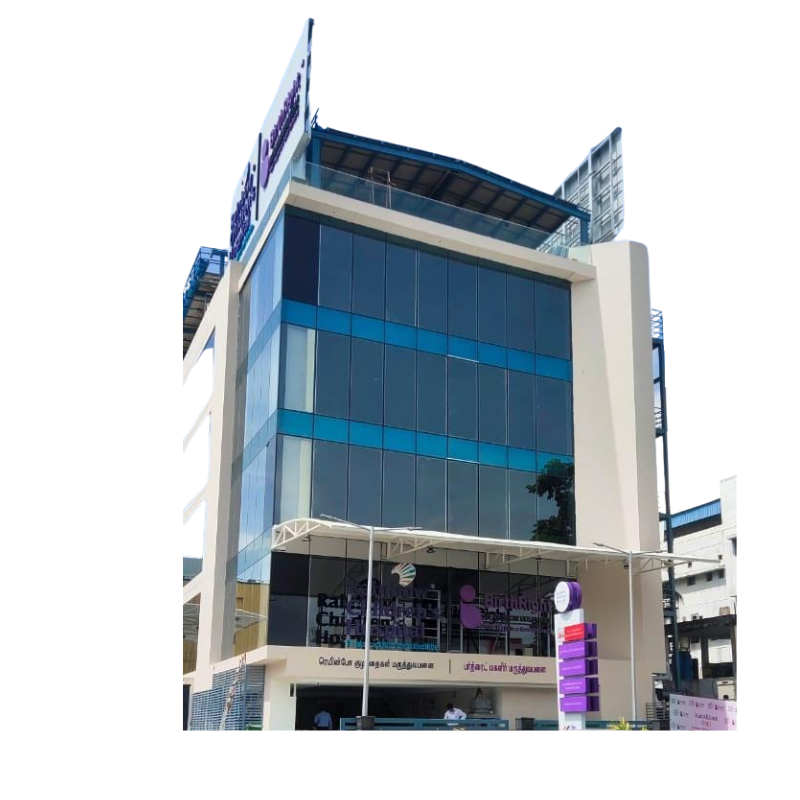
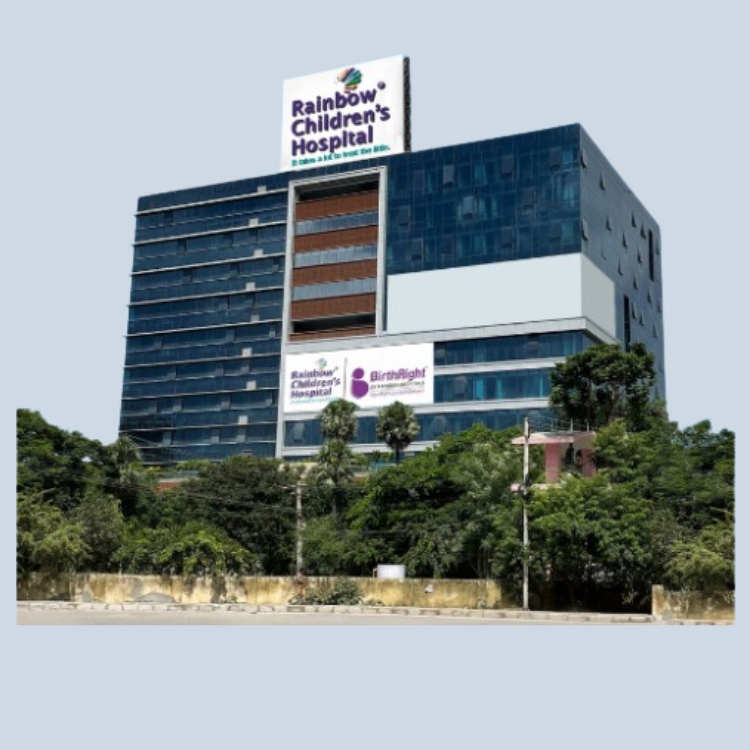







chennai
Blogs
Discover our most recent health articles provided by our reliable experts.



What Are People Saying About Us
Embark on a journey of inspiration and hope with our patient success stories, complemented by informative videos from our dedicated doctors.


Media
 Common Gynaecological Surgeries to Fix Female Reproductive Issues
 Healthy Woman - Healthy World
 Healthier Women For a Healthier Future...
 Rainbow Children’s Hospital & BirthRight by Rainbow Launch Video Consultation Facilities
 Dr.Pranthi Reddy
 What is the use of that?
 Can you try this time?
 Pregnant Women are Not Unfit
 Declining Age of Menarche - A Matter of Concern
 Important Facts about Cervical Cancer
 Be careful before preempting
 Flu every month!
 Menstrual cramps
 Premature delivery
 Whether laughing or coughing...why?
 Multi - Tasking may be Cool but it's not Healthy
 Pregnant and Worried about COVID-19? Here's Everything you Need to know
 Video Consultation in Pandamic Situation for Pregnancy Women's
 Women.. Various types of cysts
 Recurrent Pregnancy Loss in Women
 Early Onset of Puberty: Causes, Symptoms and Treatment Options
Common Gynaecological Surgeries to Fix Female Reproductive Issues
Healthy Woman - Healthy World
Healthier Women For a Healthier Future...
FAQs
Can I have a normal delivery with diabetes in pregnancy?
Will my baby develop diabetes or low blood sugar in the future?
Will I need insulin injections during pregnancy?
What foods should I avoid with diabetes in pregnancy?
Can diabetes cause a miscarriage?
Is exercise safe with diabetes in pregnancy?
Can I fast during pregnancy if I have diabetes?
Can stress affect my blood sugar during pregnancy?
Can I plan a pregnancy if I already have diabetes?
Can I breastfeed if I have diabetes?
Does gestational diabetes mean I will have diabetes for life?
Quick Links
Free Calculators to Track and Predict your Pregnancy
Gynecologist in Other Locations
Women's Health Conditions We Treat
- Mastitis (Breast Infection)
- PCOS (Polycystic Ovary Syndrome)
- Uterine Fibroids (Leiomyomas)
- Recurrent Pregnancy Loss
- Blocked Fallopian Tubes (Fallopian Tube Obstruction)
- Gestational Diabetes in Pregnancy
- Incompetent Cervix (Cervical Insufficiency)
- COVID-19 in Pregnancy
- Cytomegalovirus (CMV) in Pregnancy
- HELLP Syndrome
- Luteal Phase Defect
- Vasa Previa
- Listeria in Pregnancy
- Placenta Previa
- Endometrial Polyps (Uterine Polyps)
- Congenital Heart Disease in Pregnancy
- Hyperemesis Gravidarum (Severe Morning Sickness)
- Preeclampsia (toxemia)
- Fetal Distress (Non-Reassuring Fetal Status)
- Postpartum Haemorrhage (PPH)
- Placental Abruption (Abruptio Placentae)
- Placenta Accreta
- Postpartum Depression (PPD)
- Rhesus (Rh) Incompatibility
- Syphilis in Women