


Blocked Fallopian Tubes (Fallopian Tube Obstruction)
Blocked fallopian tubes occur when one or both fallopian tubes in women are partially or completely blocked, affecting the passage of the egg and sperm. This condition is also called fallopian tube obstruction or tubal occlusion, It can be cause of female infertility cases and can occur due to scar tissue, inflammation, or infection.

Seamless support from diagnosis to post treatment care
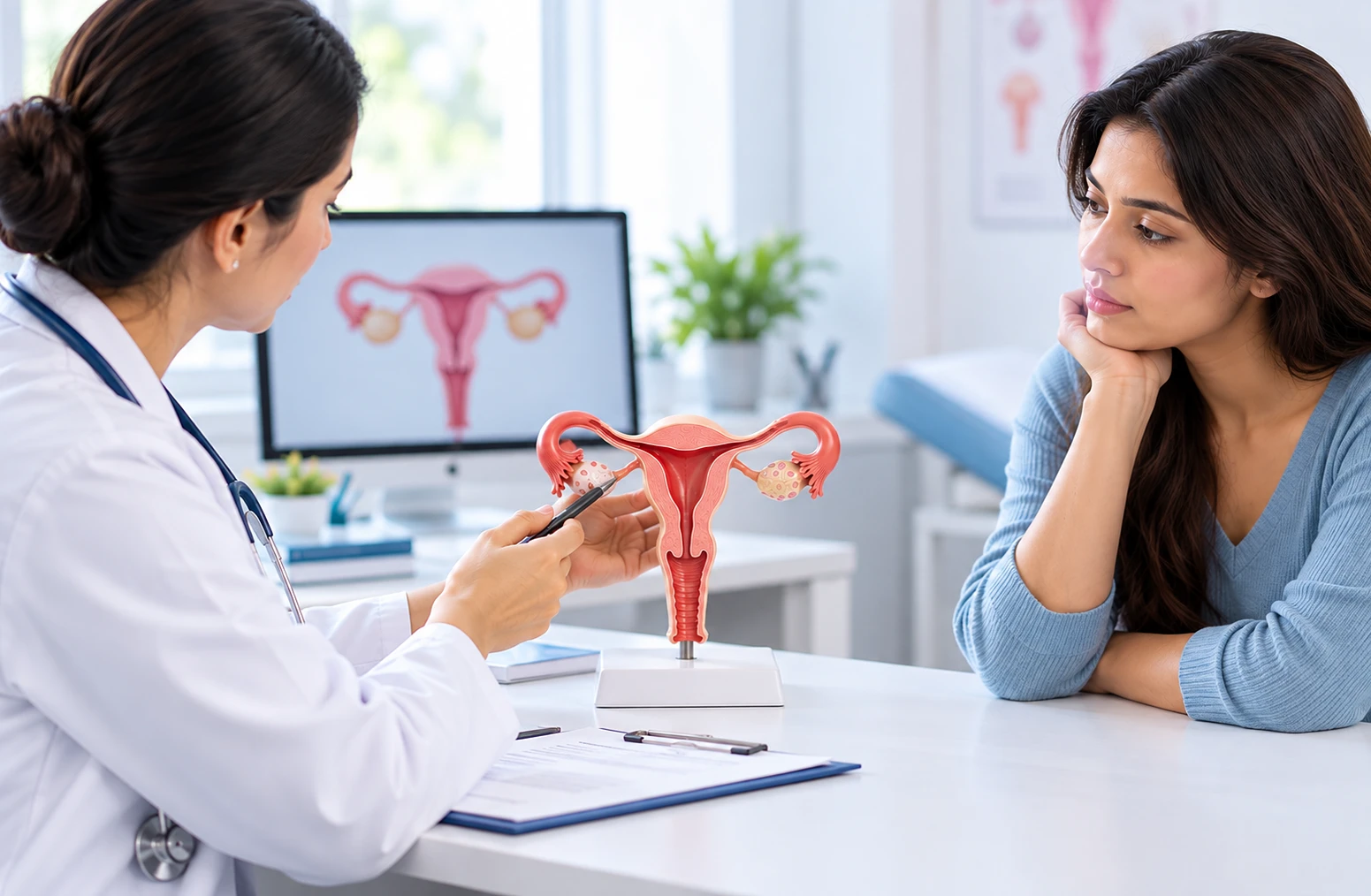
Overview
Learning that your fallopian tubes may be blocked can feel worrying, especially when you are trying to conceive. Blocked fallopian tubes are a common cause of female infertility in India, with tubal factors accounting for about 22% of cases among couples seeking infertility care at tertiary centres, second only to PCOS. The condition is often silent, and many women only discover it during a fertility evaluation.
With timely diagnosis and the right care plan, many women can go on to conceive successfully through tubal repair or advanced fertility support.
What Are Blocked Fallopian Tubes?
A fallopian tube blockage, also called tubal occlusion, means that a tube is partially or fully blocked at some point along its length.
The blockage may occur near the uterus, near the ovary, or elsewhere along the tube. If only one tube is affected and the other functions normally, natural pregnancy may still be possible. If both tubes are completely blocked, fertility treatment may be required.
How Do Normal Fallopian Tubes Work?
There are two fallopian tubes, one on each side of the uterus. During ovulation, an egg is released from an ovary and enters a fallopian tube.
Sperm travels through the uterus towards the tube, where fertilisation generally takes place. The fertilised egg then moves towards the uterus for implantation. Healthy, open tubes are therefore important for natural conception.
Common Causes of Blocked Fallopian Tubes
Fallopian tubes are thin, delicate passages. Even small changes from infection, inflammation, or scarring can narrow or block them. Sometimes a condition in the nearby organs is enough to affect how the tubes work. The most common causes are below.
1. Pelvic inflammatory disease (PID)
PID is an infection of the reproductive organs, often caused by untreated sexually transmitted infections like chlamydia or gonorrhoea. When the infection reaches the fallopian tubes, it can leave behind inflammation and scar tissue that narrows or seals them shut. Even a mild infection can cause lasting damage if it is not treated early.
2. Endometriosis
Endometriosis is a condition where tissue similar to the lining of the uterus grows outside the womb, often near the ovaries and fallopian tubes. This tissue can form sticky bands, called adhesions, that pull on the tubes or wrap around them, making it harder for the egg to travel through.
3. Previous pelvic or abdominal surgery
Any past surgery in the pelvic or abdominal area, such as removal of an ovarian cyst, fibroids, the appendix, or treatment for an ectopic pregnancy, can leave behind scar tissue. When this scarring forms near the fallopian tubes, it can twist them or block their opening.
4. Female genital tuberculosis
Genital TB is a form of tuberculosis that affects the reproductive organs, and it is still a common cause of tubal damage in India. It can quietly inflame and scar the fallopian tubes, often without any obvious symptoms, until infertility brings it to notice.
5. Hydrosalpinx
Hydrosalpinx is when a damaged fallopian tube fills with fluid and swells. The blocked fluid not only prevents the egg and sperm from meeting, it can also flow back into the uterus and lower the chances of a successful IVF.
6. Fibroids
Fibroids are non-cancerous growths in the uterus. When they form near the point where the tube joins the uterus, they can press against the opening of the tube and block it.
These causes may occur alone or together, and some may not cause clear symptoms. Identifying the cause helps doctors choose the right treatment. A fertility evaluation can help find what is affecting your tubes.
Symptoms of Blocked Fallopian Tubes
Many women with blocked tubes have no obvious symptoms. Difficulty becoming pregnant may be the first sign.
Possible blocked fallopian tubes symptoms may include:
- Difficulty getting pregnant: often the first sign, since blocked tubes usually cause no other symptoms.
- Pelvic or lower abdominal pain: this may feel like a dull ache or occasional discomfort, often linked to inflammation or scarring around the tubes.
- Pain during intercourse: known as dyspareunia, this can occur when scar tissue or endometriosis affects the pelvic organs.
- Painful periods: heavier or more painful periods can point to endometriosis or a pelvic infection, both of which can lead to tubal blockage.
- Unusual vaginal discharge: discharge with an unpleasant smell or unusual colour may suggest an infection, which can inflame and scar the tubes if left untreated.
- Pain or heaviness on one side of the lower abdomen: this can occur when a tube fills with fluid, a condition called hydrosalpinx.
Irregular periods are not considered a reliable sign of tubal blockage. They are more commonly associated with hormonal or ovulation-related conditions.
How Are Blocked Fallopian Tubes Diagnosed?
If you are wondering how to know if a fallopian tube is blocked, symptoms alone cannot confirm it. A gynaecologist or fertility specialist may recommend one or more tests.
- Hysterosalpingography (HSG): Contrast dye is introduced through the cervix while X-rays are taken. In a normal fallopian tube HSG, dye passes through the tubes and spills into the pelvis. With a blocked fallopian tube HSG, the dye may stop before reaching the end of the tube. It is usually done between days 7 and 10 of the menstrual cycle.
- Sonohysterography (HyCoSy): Sterile saline, sometimes with contrast, is passed into the uterus during an ultrasound scan. The flow of fluid shows whether the tubes are open. It uses no radiation and is less invasive than HSG.
- Laparoscopy: This allows direct examination of the tubes and surrounding organs. It may be recommended when conditions such as endometriosis or pelvic adhesions are suspected.
An apparent blockage on HSG may occasionally be caused by temporary tubal spasm, so further evaluation may sometimes be required.
Complications of Untreated Blocked Fallopian Tubes
Blocked fallopian tubes may not always cause noticeable symptoms, but leaving the underlying condition untreated can affect fertility and, in some cases, pregnancy outcomes. Possible complications include:
- Difficulty becoming pregnant: A blockage can prevent the egg and sperm from meeting, making natural conception more difficult.
- Increased risk of ectopic pregnancy: When a fallopian tube is damaged or narrowed, a fertilised egg may have difficulty reaching the uterus, which can increase the risk of an ectopic pregnancy.
- Ongoing pelvic symptoms: If the blockage is linked to an underlying infection, endometriosis or pelvic inflammation, related pain or discomfort may continue without appropriate treatment.
- Emotional stress: Difficulties with conception and prolonged fertility treatment can be emotionally challenging for individuals and couples.
If you have risk factors for fallopian tube blockage or have been trying to conceive without success, a fertility evaluation can help identify whether blocked tubes or another underlying factor may be affecting conception. Once the cause is identified, your doctor can discuss appropriate diagnostic tests and treatment options.
Treatment Options for Blocked Fallopian Tubes in India
There is no single treatment for blocked fallopian tubes. The right option depends on why you have come in, what the evaluation shows, and your fertility goals. Your gynaecologist recommends a plan after a full assessment, and the sections below explain the common paths.
If a routine check-up has flagged possible inflammation
Sometimes a regular gynaecological visit or an imaging test picks up early signs of pelvic inflammation or infection before any tubal damage is confirmed. In these cases, treatment focuses on preventing damage before it happens.
- Antibiotics or targeted medical treatment to clear any active infection
- Management of underlying conditions such as endometriosis or PID
- A follow-up tubal test after treatment, to check whether the tubes remain open
Acting early can protect the tubes from long-term scarring and preserve your future fertility options.
If you are trying to conceive and a blockage has been confirmed
When a blockage has been diagnosed and pregnancy is the goal, treatment aims to restore or bypass the tubes. The right choice depends on where the blockage sits, how severe it is, your age and other fertility factors.
- Tubal cannulation (tubal recanalisation): Suits blockages close to the uterus. A thin catheter is guided into the tube to clear the blockage. It is less invasive and can restore natural conception in the right cases.
- Laparoscopic surgery: Considered for mild blockages, or when scar tissue from endometriosis or past surgery is the problem. The surgeon views and treats the tubes through small cuts. Success depends on how much of the tube is still healthy.
- Hydrosalpinx treatment (salpingectomy): Used when a tube is swollen with fluid. The affected tube may be sealed or removed before IVF, because the fluid can lower IVF success. The step protects the chance of a later pregnancy.
- IVF: Recommended when both tubes are severely damaged or when surgery is unlikely to help. IVF bypasses the tubes by fertilising the egg in a lab.
If you are not planning pregnancy but the condition needs managing
Blocked tubes can sometimes be part of a broader condition, such as recurrent pelvic infections, endometriosis or hydrosalpinx, that causes pain or affects your general reproductive health. Treatment here focuses on symptom relief and preventing further damage, rather than fertility.
- Medical treatment for the underlying infection or inflammation
- Surgical removal of a badly damaged tube if it is causing pain or repeated infections
- Ongoing gynaecological follow-up
The right choice varies from patient to patient. Two women with blocked tubes may need very different plans. A complete fertility evaluation is the starting point for deciding which option fits you.
What Is the Prognosis for Blocked Fallopian Tubes?
The outlook depends on where the blockage is located, how much damage is present and whether one or both tubes are affected.
Age, ovarian reserve, endometriosis, sperm health and other fertility factors also influence pregnancy chances. Some women may conceive after tubal treatment, while others may benefit more from IVF.
No single success rate applies to every patient.
When Should You See a Fertility Specialist?
Testing for blocked tubes usually makes sense once you have been trying for a while, or if your medical history points to tubal damage. Speak to a fertility specialist if any of the following apply to you.
- You have been trying to conceive for more than 12 months
- You are over 35 and have been trying for more than six months
- You have a history of PID, an STI, endometriosis, pelvic surgery or genital TB
- You have pelvic pain or discharge that could suggest a tubal infection or hydrosalpinx
- You have had a previous ectopic pregnancy
Early testing helps because some causes of tubal damage get worse if left untreated. A fertility specialist can confirm whether your tubes are open and plan the right next step. At BirthRight Fertility by Rainbow Hospitals, gynaecologists and fertility specialists work together to evaluate blocked tubes and recommend the most appropriate care for your case.
What Questions Should You Ask Your Doctor?
These are some questions you may want to ask your gynaecologist:
If your tubes have just been checked:
- Is one tube blocked or both, and where is the blockage?
- What is the likely cause in my case?
If you are weighing up treatment:
- Can this blockage be treated, or is surgery suitable for me?
- Would IVF be a better option than tubal surgery for my case?
If you are thinking about your pregnancy chances:
- What are my chances of conceiving naturally with this blockage?
- Would treatment improve those chances, and does my condition raise the risk of ectopic pregnancy?
- How long should I wait before trying to conceive after treatment?
Ask your gynaecologist to explain any term you do not follow. Clear answers help you decide the next step with confidence.
Prevention and Lifestyle Tips to Avoid Fallopian Tube Blockage
Not every blocked tube can be prevented, and some causes such as endometriosis are not linked to infection. Where the cause is infection related, a few steps can lower the risk of tubal damage. These focus on protecting the reproductive organs from infection and scarring.
- Using protection during sex to reduce the risk of STIs
- Getting any suspected infection tested and treated early
- Seeking prompt care for pelvic infections
- Keeping up regular gynaecological check-ups
- Telling your doctor about any past tuberculosis
Healthy lifestyle habits support your overall fertility but cannot reopen a tube that is already scarred. If you have risk factors, a tubal check matters more than prevention alone. Speak to your doctor about the right time to get tested.
Why Choose BirthRight Fertility by Rainbow Hospitals?
Blocked fallopian tubes need more than a single specialist. They often involve a gynaecological cause, a surgical decision and, in many cases, an IVF pathway. BirthRight Fertility by Rainbow Hospitals brings all three under one roof, so you do not have to move between clinics as your treatment progresses.
For patients with blocked fallopian tubes, our care includes:
- Precise diagnostic workup: HSG, sonohysterography (HyCoSy) and diagnostic laparoscopy under a single fertility consultation, with reports reviewed by both a gynaecologist and a fertility specialist.
- Fertility-preserving surgery: Tubal cannulation and laparoscopic tubal repair by surgeons trained in microsurgical technique, aimed at restoring natural conception wherever the tube is salvageable.
- Hydrosalpinx management before IVF: Salpingectomy or tubal occlusion when required, timed to maximise IVF success without compromising future pregnancy chances.
- Advanced IVF lab capability: In-house ERA (endometrial receptivity), PGT-A embryo screening, and time-lapse embryo monitoring where indicated.
- Zero OHSS protocol: Stimulation protocols designed to protect you from ovarian hyperstimulation, a known risk for women with tubal factor infertility.
- ART Act and NABH compliance: Care delivered within India's assisted reproduction regulations and national accreditation standards.
BirthRight Fertility by Rainbow Hospitals brings three decades of expertise in fertility, with thousands of successful gynaecological surgeries and more than 100,000 parenthood journeys supported across 15 Level II fertility centres in India, including a JCI-accredited centre at Kondapur.
You can consult the gynaecologists and fertility specialists at BirthRight Fertility by Rainbow Hospitals to begin with a detailed fertility evaluation.
Disclaimer
This content is for general educational purposes and does not replace professional medical advice. Consult a qualified gynaecologist or fertility specialist for personalised diagnosis and treatment.
Find a Doctor
Expertise you can trust, Meet our esteemed doctors who bring exceptional knowledge, compassion, and innovation to provide top-notch care for your health and well-being.

Dr. Pranathi Reddy A
Clinical Director – Obstetrics & Gynecology.
English,Hindi,Telugu Banjara Hills

Dr. Gauri Vinayak Dhamangaonkar
Senior Consultant - Fetal Medicine
15 Years English,Hindi,Marathi,Telugu Kondapur OP, Banjara Hills

Dr. Shruthi Reddy Poddutoor
Consultant Obstetrician, Gynecologist & Laparoscopic Surgeon
English,Telugu Banjara Hills

Dr. Himabindu Veerla
Consultant Obstetrician, Gynecologist & Laparoscopic Surgeon
English,Telugu Banjara Hills

Dr. Bhargavi Reddy K
Consultant - Obstetrics and Gynecology
10 Years English,Hindi,Telugu Banjara Hills, Attapur Clinic

Dr. Annie Pranutha P
Consultant Obstetrics and Gynecology
9 Years English,Hindi,Telugu Banjara Hills, Attapur Clinic

Dr. Sasikala Kola
Consultant Obstetrician & Gynecologist
English,Hindi,Telugu Banjara Hills

Dr. Atigadda Vijaya
Consultant - Obstetrics & Gynecology
Hindi,Telugu Banjara Hills, Himayatnagar, Attapur Clinic

Dr. Nishanth Reddy Inavolu
Visiting Consultant Physician and Diabetologist & Internal Medicine
English,Hindi,Telugu Banjara Hills, Himayatnagar

Dr. Tulika Tayal
Consultant - Fetal Medicine
English,Telugu Banjara Hills

Dr. M Prathyusha Reddy
Consultant Obstetrics & Gynecology
English,Telugu Banjara Hills

Dr. Nithya Narasimha Murthy
Consultant -Psychiatrist
English,Hindi,Telugu Kondapur OP, Banjara Hills, Child Development Centre - Banjarahills Rd No 10

Dr. Brundavani
Consultant - Nutritionist
English,Hindi,Telugu Kondapur OP, Hydernagar, Banjara Hills, Child Development Centre - Banjarahills Rd No 10

Dr. Niveditha Chalmeda
Consultant
English,Telugu Banjara Hills

Dr. Kirti Reddy Patlolla
Consultant Obstetrics and Gynaecology
English,Telugu Banjara Hills, Attapur Clinic

Dr. Tuheena Sharma
Consultant - Perinatal Physiotherapy
10 Years English,Telugu Banjara Hills

Dr. Aditi Shah
Consultant - Fetal Medicine
English,Telugu Banjara Hills

Dr. Swathi Naga Tulasi Rayapureddy
Lactation Consultant
8 Years English,Telugu Banjara Hills

Dr. Swetha Reddy. S
CONSULTANT PERINATAL PSYCHIATRIST AND WOMEN MENTAL HEALTH SPECIALIST
13 Years English,Hindi,Telugu Banjara Hills

Dr. Addu Kiranmayi
Chief Clinical Nutritionist and Lifestyle Medicine Consultant
15 Years English,Hindi,Telugu Himayatnagar, Banjara Hills

Dr. Palle Nalini Kumari
Lactation Consultant
17+ Years English,Hindi,Telugu Banjara Hills
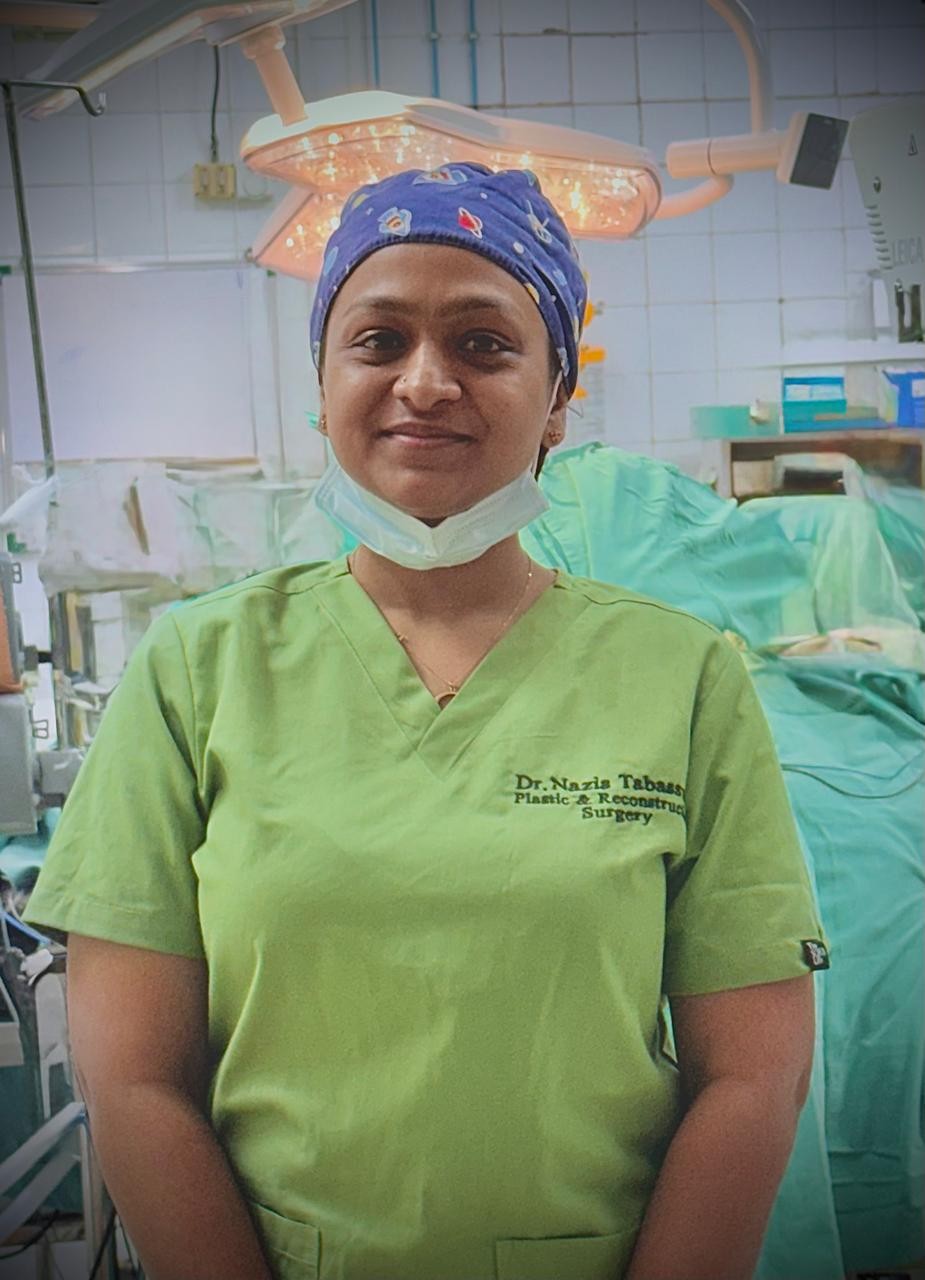
Dr. Nazia Tabassum
Consultant - Breast, Plastic & Reconstructive Surgeon
9 Years English,Hindi,Telugu,Urdu Banjara Hills

Dr. Sruthi Cheera
Consultant Breast Surgeon
5 Years English,Hindi,Kannada,Telugu Banjara Hills

Dr. Supriya Reddy
Lactation Consultant
5 Years English,Hindi,Telugu Banjara Hills

Dr. Niraj Krishnamurthy Yanamandra
Senior Consultant Obstetrician & Gynaecologist, Laparoscopy & Hysteroscopy Surgeon
English,Hindi,Telugu Hydernagar, Banjara Hills

Dr. B. Rao Bahadur
Consultant – Obstetrician & Gynecologist, Laparoscopic ,& Hysteroscopic Surgeon
22 Years English,Hindi,Konkani,Marathi,Telugu Banjara Hills, Kondapur OP

Dr. Sneha Kulkarni
Consultant - Child, Adolescent & Adult Psychiatrist
10 Years English,Hindi,Kannada,Telugu Secunderabad, Banjara Hills, Child Development Centre - Banjarahills Rd No 10

Dr. Lavanya Janagama
Consultant – Obstetrics & Gynecology
10+ Years English Banjara HillsLeading Hospitals for Women Care
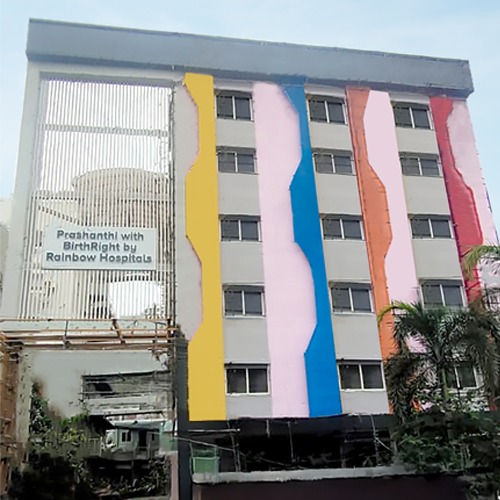
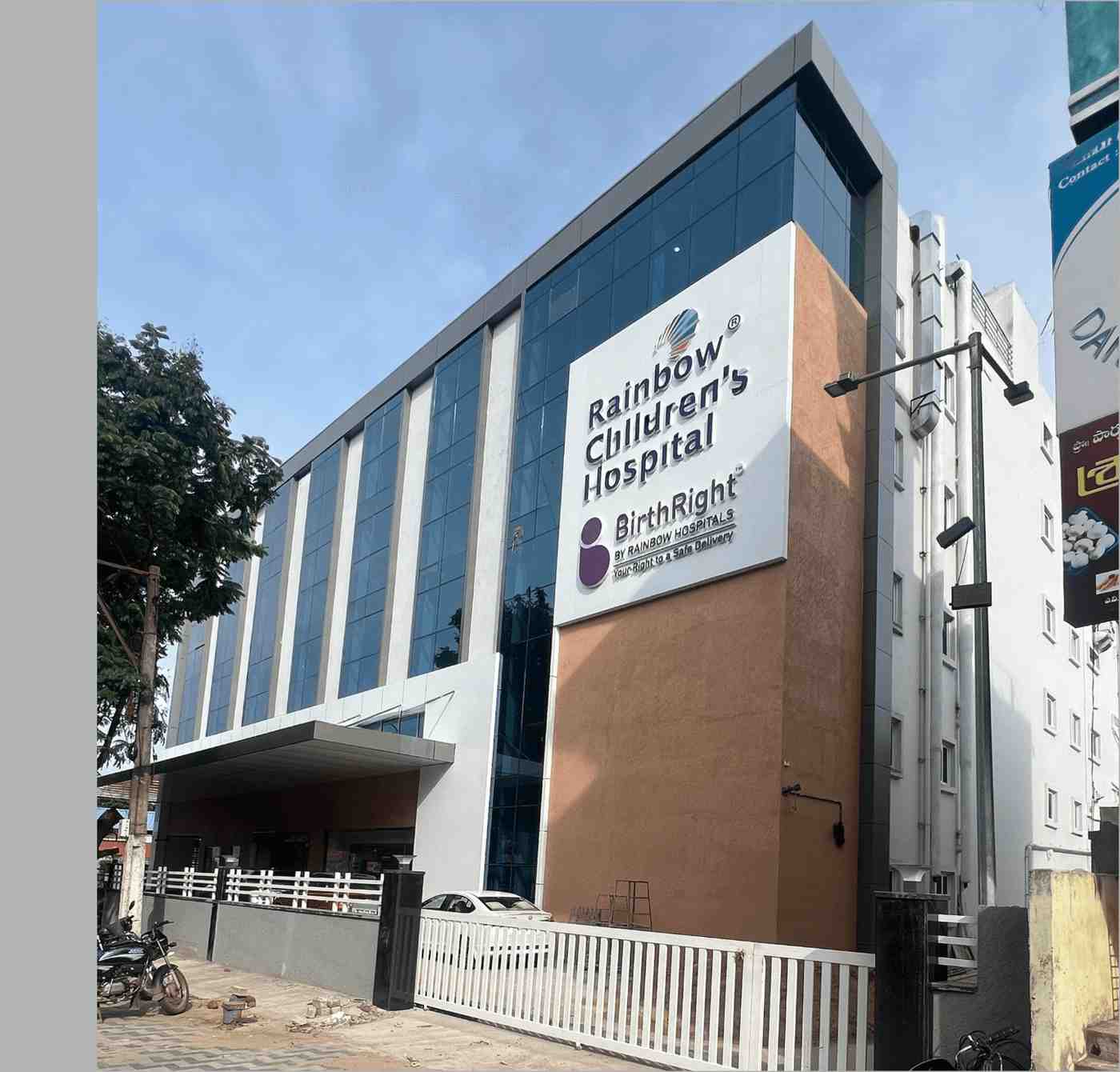
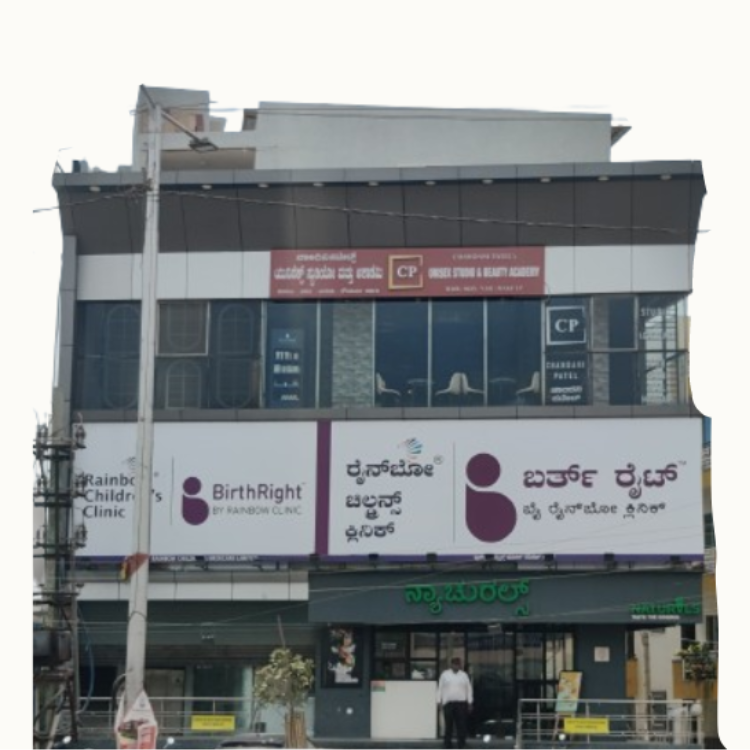
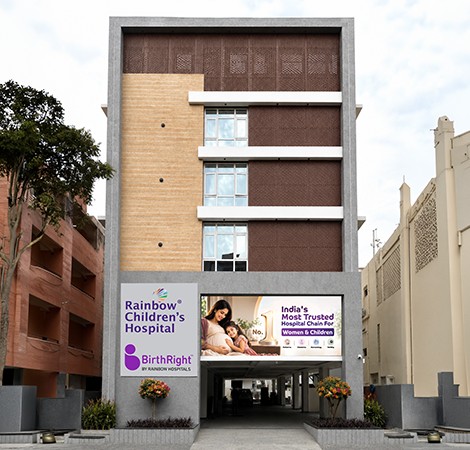
Rainbow Children's Hospital stands as a testament to the hospital's continual pursuit of excellence and innovation, providing specialized care for women and children








chennai
Blogs
Discover our most recent health articles provided by our reliable experts.




What Are People Saying About Us
Embark on a journey of inspiration and hope with our patient success stories, complemented by informative videos from our dedicated doctors.




Media
 Common Gynaecological Surgeries to Fix Female Reproductive Issues
 Healthy Woman - Healthy World
 Healthier Women For a Healthier Future...
 Rainbow Children’s Hospital & BirthRight by Rainbow Launch Video Consultation Facilities
 Dr.Pranthi Reddy
 What is the use of that?
 Can you try this time?
 Pregnant Women are Not Unfit
 Declining Age of Menarche - A Matter of Concern
 Important Facts about Cervical Cancer
 Be careful before preempting
 Flu every month!
 Menstrual cramps
 Premature delivery
 Whether laughing or coughing...why?
 Multi - Tasking may be Cool but it's not Healthy
 Pregnant and Worried about COVID-19? Here's Everything you Need to know
 Video Consultation in Pandamic Situation for Pregnancy Women's
 Women.. Various types of cysts
 Recurrent Pregnancy Loss in Women
 Early Onset of Puberty: Causes, Symptoms and Treatment Options
 Common Gynaecological Surgeries to Fix Female Reproductive Issues
Healthy Woman - Healthy World
Healthier Women For a Healthier Future...
Common Gynaecological Surgeries to Fix Female Reproductive Issues
Healthy Woman - Healthy World
Healthier Women For a Healthier Future...
FAQs
Can blocked fallopian tubes heal on their own?
Can I get pregnant if one fallopian tube is blocked?
How long does it take to conceive after treatment?
Can fallopian tubes become blocked again?
Will I need IVF if my tubes are blocked?
Can you feel a blocked fallopian tube?
Quick Links
Free Calculators to Track and Predict your Pregnancy
Obstetrician and Gynecologist in Other Locations
- Obstetrician and Gynecologist in India
- Obstetrician and Gynecologist in Hyderabad
- Obstetrician and Gynecologist in Bangalore
- Obstetrician and Gynecologist in Chennai
- Obstetrician and Gynecologist in Delhi (NCR)
- Obstetrician and Gynecologist in Vijayawada
- Obstetrician and Gynecologist in Vizag
- Obstetrician and Gynecologist in Warangal
- Obstetrician and Gynecologist in Guwahati
- Obstetrician and Gynecologist in Rajahmundry
- Obstetrician and Gynecologist in Nellore
- Obstetrician and Gynecologist in Guntur