


Hypothyroidism in Pregnancy (Underactive Thyroid)
Hypothyroidism in pregnancy, or an underactive thyroid, means your thyroid does not make enough hormone for you and your baby. It is common in India and is found with a simple TSH blood test. With timely testing, safe levothyroxine treatment and regular follow-up, most women have a healthy pregnancy. Know the symptoms and when to speak to your doctor.

Seamless support from diagnosis to post treatment care
Overview
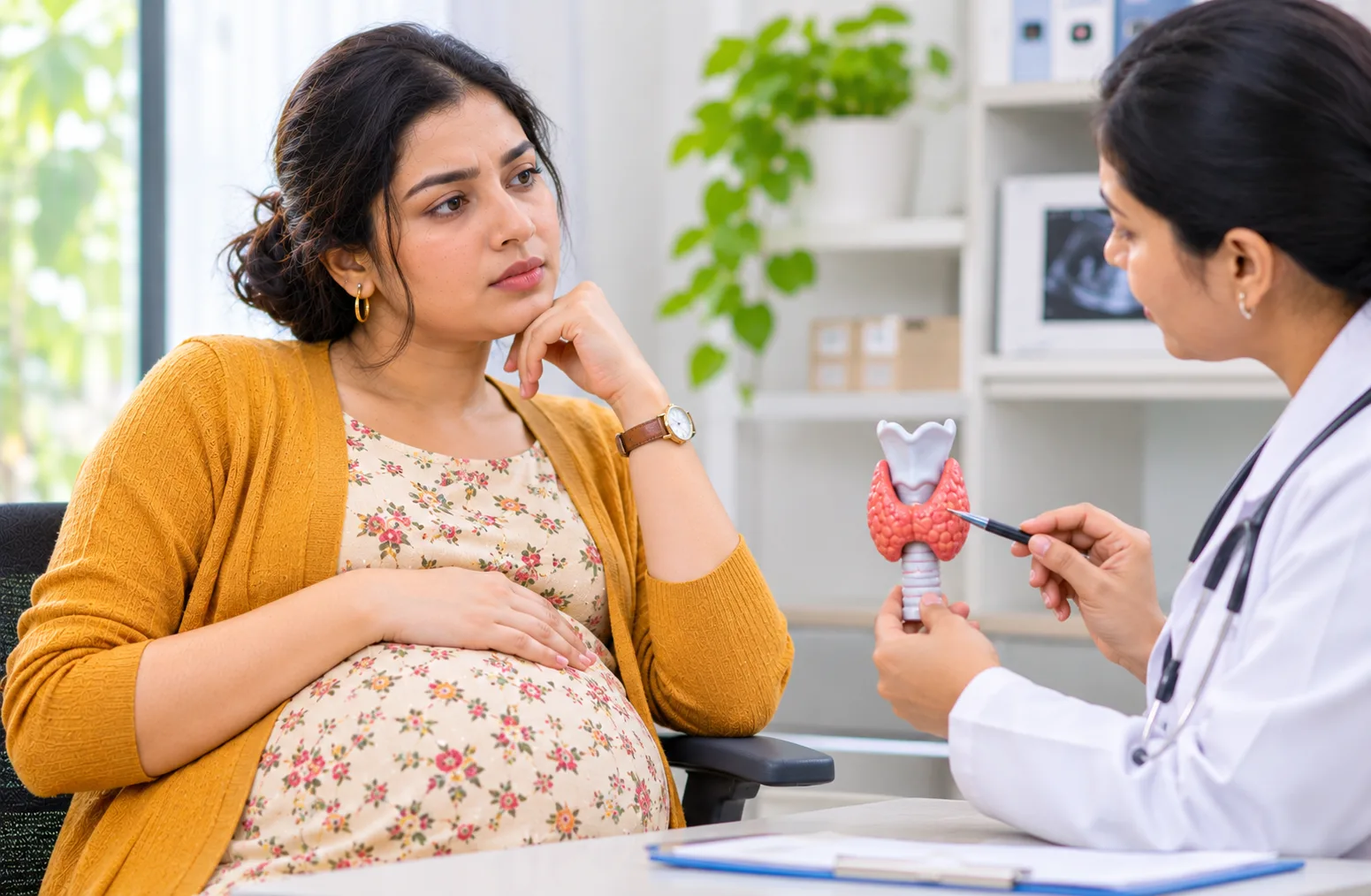
The thyroid gland plays an important role in pregnancy by producing hormones that support your body's changing needs and your baby's development. Hypothyroidism in pregnancy, or an underactive thyroid, occurs when the gland does not produce enough thyroid hormone. It is relatively common among pregnant women in India and may require closer monitoring. With timely diagnosis, appropriate treatment, and regular follow-up, the condition can usually be managed well, helping you support a healthy pregnancy.
What is Hypothyroidism in Pregnancy?
Hypothyroidism in pregnancy occurs when the thyroid gland does not produce enough thyroid hormone to meet the body's needs. The thyroid is a small, butterfly-shaped gland at the front of the neck. Its hormones help regulate energy use, body temperature, and several other important functions.
Thyroid hormones are particularly important during pregnancy because they support your baby's growth and brain development, especially in the early weeks. Hypothyroidism may be diagnosed before pregnancy or detected for the first time during routine antenatal care or investigations for symptoms.
A 2026 systematic review and meta-analysis of 60 Indian studies estimated that 17% of pregnant women in India have hypothyroidism, highlighting how common the condition is in the country. The analysis also found that subclinical hypothyroidism accounted for approximately 15% of cases, while overt hypothyroidism accounted for around 3%. These findings highlight the importance of thyroid assessment and appropriate monitoring during pregnancy.
There are two main forms:
- Overt hypothyroidism: Thyroid hormone levels are low, and the thyroid-stimulating hormone (TSH) level is usually raised. TSH is a hormone that signals the thyroid gland to produce more thyroid hormone.
- Subclinical hypothyroidism: TSH is higher than the appropriate reference range, but the main thyroid hormone level (free T4) remains within its reference range.
Treatment depends on your thyroid test results, medical history, and stage of pregnancy. Overt hypothyroidism requires treatment, while the need for treatment in subclinical hypothyroidism depends on individual findings and clinical guidance.
How Pregnancy Affects the Thyroid
Pregnancy increases the body's need for thyroid hormone. Hormonal changes also affect how the thyroid functions and how thyroid test results are interpreted.
During the early weeks of pregnancy, your baby depends largely on your thyroid hormone for development. The baby's own thyroid begins functioning later in pregnancy, but maternal thyroid hormone remains important throughout this period.
If you have hypothyroidism, your thyroid gland may not produce enough hormone to meet these increased demands without treatment adjustments. Even if your thyroid levels were well controlled before pregnancy, your medication requirements may change.
For this reason, your doctor may recommend thyroid blood tests before conception, soon after pregnancy is confirmed and at regular intervals throughout pregnancy. These checks help identify changes early and guide any necessary treatment adjustments.
TSH levels naturally change during pregnancy, particularly during the first trimester. Therefore, the normal TSH level in pregnancy differs from the reference range used for non-pregnant women. These levels are interpreted using pregnancy-specific reference ranges, which may vary by trimester and laboratory.
Causes of Hypothyroidism in Pregnancy
Hypothyroidism can develop for several reasons. The main causes include:
- Autoimmune thyroiditis: Hashimoto's disease is a condition in which the immune system mistakenly attacks the thyroid gland, affecting its ability to produce hormones. It is a common cause of hypothyroidism.
- Iodine deficiency: The thyroid needs iodine to make thyroid hormones. Not getting enough iodine can affect thyroid function.
- Previous thyroid treatment: Thyroid surgery or radioactive iodine treatment for an earlier thyroid condition can reduce the gland's ability to produce hormones.
- Existing hypothyroidism: If you already have an underactive thyroid, you may need a higher dose of your medicine during pregnancy to meet your changing hormone needs
In some cases, the exact cause may not be immediately clear. Your doctor may review your medical history and recommend blood tests, including thyroid antibody tests when appropriate, to help identify the underlying cause.
Risk Factors of Hypothyroidism in Pregnancy
Certain medical conditions and past health experiences can increase the likelihood of developing hypothyroidism during pregnancy. These include:
- Family history: Having close relatives with thyroid disease.
- Other autoimmune conditions: Conditions such as type 1 diabetes can be associated with a higher risk of thyroid problems.
- Previous thyroid disease: A history of hypothyroidism, thyroid inflammation or other thyroid disorders.
- Previous thyroid surgery or treatment: Procedures or treatments that affect the thyroid gland.
- Goitre: An enlargement of the thyroid gland that may appear as swelling at the front of the neck.
Having one or more risk factors does not necessarily mean you will develop hypothyroidism. Thyroid testing and follow-up are particularly important if you have a history of thyroid disease or other relevant medical conditions. Your doctor can determine which tests are appropriate for you.
Symptoms of Hypothyroidism in Pregnancy
The symptoms of hypothyroidism can develop gradually and may resemble common pregnancy changes. Some women have few noticeable symptoms, which is why blood tests are important when a thyroid problem is suspected.
Possible symptoms include:
- Persistent tiredness: Feeling unusually exhausted or sluggish, even after adequate rest.
- Constipation: Having bowel movements less frequently than usual.
- Increased sensitivity to cold: Feeling colder than people around you in similar conditions.
- Dry skin and hair thinning: Noticing that your skin has become drier or your hair is thinning more than usual.
- Unexplained weight gain: Gaining more weight than expected, beyond what can be explained by normal pregnancy changes.
- Low mood: Experiencing persistent low mood or reduced motivation.
These symptoms alone cannot confirm hypothyroidism because they can occur for other reasons during pregnancy. If you notice persistent symptoms or have risk factors for thyroid disease, speak with your obstetrician. A blood test is needed to assess your thyroid function.
Diagnosis of Hypothyroidism in Pregnancy
Hypothyroidism in pregnancy is diagnosed through blood tests that measure thyroid function. Since pregnancy changes thyroid hormone levels, the results must be interpreted using reference ranges appropriate for the stage of pregnancy.
The main tests include:
- Thyroid-stimulating hormone (TSH): This is the primary test used to assess thyroid function. A TSH level above the pregnancy-specific reference range may indicate an underactive thyroid.
- Free thyroxine (free T4): This test measures the level of unbound thyroid hormone available to the body. A high TSH level with a low free T4 level indicates overt hypothyroidism. If TSH is high but free T4 is normal, it may indicate subclinical hypothyroidism.
- Thyroid peroxidase (TPO) antibodies: These antibodies can indicate an autoimmune thyroid condition, such as Hashimoto’s thyroiditis, in which the immune system attacks the thyroid gland. A doctor may recommend this test in selected cases, but it is not routinely needed for every pregnant woman. A positive result alone does not confirm hypothyroidism.
What Is the Normal TSH Level in Pregnancy?
The normal TSH level in pregnancy varies across trimesters because of hormonal changes. Ideally, doctors use trimester-specific and laboratory-specific reference ranges to interpret thyroid test results. If these ranges are unavailable, they may use alternative thresholds recommended by clinical guidelines.
A TSH level outside the expected pregnancy range does not automatically confirm hypothyroidism. Your doctor also considers your free T4 levels, medical history, and thyroid antibody results, where appropriate, before recommending treatment.
Complications of Hypothyroidism in Pregnancy
Untreated or inadequately treated overt hypothyroidism can increase the risk of complications during pregnancy and after delivery. The level of risk depends on the severity of the condition, how long it remains untreated and how well thyroid levels are controlled.
With appropriate treatment and monitoring, many women with hypothyroidism have healthy pregnancies and babies.
For the Mother
Possible complications include:
- Anaemia: A lower-than-normal level of haemoglobin, the protein in red blood cells that carries oxygen.
- High blood pressure disorders: An increased risk of conditions such as pre-eclampsia, a pregnancy-related condition involving high blood pressure that can affect the mother's organs.
- Postpartum haemorrhage: Heavy bleeding after childbirth.
The likelihood of these complications varies between individuals. Your obstetrician will assess your overall health and recommend monitoring according to your needs.
For the Baby
Untreated or poorly controlled overt hypothyroidism may increase the risk of:
- Miscarriage: Loss of the pregnancy.
- Preterm birth: Birth before 37 completed weeks of pregnancy.
- Low birth weight: The baby weighs less than expected at birth.
- Developmental concerns: Severe or prolonged thyroid hormone deficiency, particularly during early pregnancy, can affect the baby's brain development.
These complications do not occur in every pregnancy, and appropriate treatment and regular monitoring can help reduce the risks. Your doctor can explain your individual risk based on your test results and treatment response.
Treatment and Management of Hypothyroidism in Pregnancy
Treatment aims to provide enough thyroid hormone to meet your body's needs and support your baby's development. The main treatment is levothyroxine, a medicine that replaces the thyroid hormone your body is not producing in sufficient amounts.
Your treatment plan may include the following:
- Thyroid hormone replacement: Levothyroxine is commonly prescribed to restore thyroid hormone levels. It is considered safe and is the standard treatment for hypothyroidism during pregnancy.
- Dose review during pregnancy: Your thyroid hormone requirements often increase during pregnancy. Your doctor will review your dose and adjust it according to your blood test results and medical history.
- Regular blood tests: TSH and, when needed, free T4 levels are checked to assess how well your treatment is working. Testing is often more frequent in the first half of pregnancy and after dose changes.
- Taking medicine consistently: Take levothyroxine as prescribed, usually on an empty stomach. Keep it separate from iron and calcium supplements, including many prenatal vitamins, by at least four hours because these can reduce its absorption.
- Follow-up after delivery: Your medication requirements may change after childbirth. Your doctor will advise whether your dose needs adjustment and when your thyroid levels should be checked.
Do not stop your thyroid medicine or change the dose on your own. If you discover that you are pregnant while taking levothyroxine, contact your doctor promptly so your treatment can be reviewed. Early dose assessment helps avoid delays in maintaining appropriate thyroid hormone levels.
What is the Prognosis (Outlook) for Hypothyroidism in Pregnancy?
The outlook for hypothyroidism in pregnancy is generally good with appropriate treatment and regular monitoring. Keeping thyroid hormone levels within the recommended range helps support your baby's development and reduces the risk of complications.
Your medication needs may change during pregnancy and after delivery. Your doctor will monitor your thyroid levels, adjust your dose when needed and advise whether treatment should continue after childbirth.
What Questions Should I Ask My Doctor?
Asking questions during antenatal appointments can help you understand your thyroid results, follow your treatment plan and prepare for the birth. Consider discussing the following with your gynecologist.
Testing and Treatment Questions
- How often should I have my thyroid levels checked during pregnancy?
- Do my current thyroid results mean that my medicine needs adjusting?
- What do my TSH and free T4 results mean?
- How should I take levothyroxine alongside my prenatal vitamins and other medicines?
Delivery and After Questions
- Does my thyroid condition require any additional monitoring during pregnancy?
- Will I need to change my thyroid medicine after delivery?
- Can I breastfeed while taking levothyroxine?
- Does my baby need any additional thyroid tests after birth?
Your doctor can answer these questions based on your medical history and test results. If you are unsure about your medication instructions, ask for clarification rather than changing your treatment yourself.
Prevention & Lifestyle Tips for Hypothyroidism in Pregnancy
Hypothyroidism cannot always be prevented, particularly when it is caused by an autoimmune condition or previous thyroid treatment. However, appropriate testing, medication and follow-up can help keep thyroid levels under control during pregnancy.
The following steps can support your care:
- Arrange testing when appropriate: If you have a thyroid condition or relevant risk factors, speak with your doctor about testing before conception or early in pregnancy.
- Take your medicine as prescribed: Consistent use of levothyroxine helps maintain the thyroid hormone levels your body needs.
- Get enough iodine: Iodine is essential for thyroid hormone production. Follow your doctor's advice on dietary iodine and supplements, as excessive iodine intake can also affect thyroid function.
- Attend follow-up appointments: Regular blood tests help your doctor identify changes and adjust your treatment when necessary.
- Maintain a balanced diet: Eat a varied diet that supports your nutritional needs during pregnancy. Ask your healthcare team before starting additional supplements or making major dietary changes.
These measures do not guarantee that hypothyroidism can be prevented, but they help support effective management. If you already have an underactive thyroid, taking your medicine consistently and keeping up with testing are especially important.
Why Choose BirthRight by Rainbow Hospitals for Hypothyroidism in Pregnancy Care?
At BirthRight by Rainbow Hospitals, we recognise that managing a thyroid condition during pregnancy involves more than checking blood test results. We aim to help expectant mothers understand their condition, follow their treatment plan and receive appropriate maternity care throughout pregnancy.
- Individualised pregnancy care: We support care planning based on your medical history, thyroid test results, stage of pregnancy and other health needs.
- Thyroid monitoring and treatment coordination: We encourage timely thyroid testing and appropriate medication reviews in coordination with the healthcare professionals involved in your care.
- Specialist consultation when needed: We can help coordinate obstetric care with endocrinology input when available and clinically appropriate.
- Monitoring maternal and baby health: We plan antenatal assessments and any additional monitoring according to your pregnancy and your doctor's recommendations.
- Delivery and postnatal guidance: We help you understand the follow-up required after childbirth, including medication review, thyroid testing and breastfeeding-related questions.
If you have hypothyroidism or have received an abnormal thyroid test result during pregnancy, consult an obstetrician to understand the next steps for your care. Book an appointment with a BirthRight specialist or find your nearest Rainbow Hospitals centre for a maternity consultation.

Find a Doctor and Book Appointment Online
Meet our specialist doctors who bring together clinical expertise, compassion, and personalised care to support your health and well-being. Choose from 1,300+ specialists across our network and book an appointment with BirthRight and Rainbow Children Hospitals, offering 24*7 support to you and your family.

Dr. Pranathi Reddy A
Clinical Director – Obstetrics & Gynecology.
English,Hindi,Telugu Banjara Hills

Dr. Gauri Vinayak Dhamangaonkar
Senior Consultant - Fetal Medicine
15 Years English,Hindi,Marathi,Telugu Kondapur OP, Banjara Hills

Dr. Shruthi Reddy Poddutoor
Consultant Obstetrician, Gynecologist & Laparoscopic Surgeon
English,Telugu Banjara Hills

Dr. Himabindu Veerla
Consultant Obstetrician, Gynecologist & Laparoscopic Surgeon
English,Telugu Banjara Hills

Dr. Bhargavi Reddy K
Consultant - Obstetrics and Gynecology
10 Years English,Hindi,Telugu Banjara Hills, Attapur Clinic
Dr. Annie Pranutha P
Consultant Obstetrics and Gynecology
9 Years English,Hindi,Telugu Banjara Hills, Attapur Clinic

Dr. Sasikala Kola
Consultant Obstetrician & Gynecologist
English,Hindi,Telugu Banjara Hills

Dr. Atigadda Vijaya
Consultant - Obstetrics & Gynecology
Hindi,Telugu Banjara Hills, Himayatnagar, Attapur Clinic

Dr. Nishanth Reddy Inavolu
Visiting Consultant Physician and Diabetologist & Internal Medicine
English,Hindi,Telugu Banjara Hills, Himayatnagar

Dr. Tulika Tayal
Consultant - Fetal Medicine
English,Telugu Banjara Hills

Dr. M Prathyusha Reddy
Consultant Obstetrics & Gynecology
English,Telugu Banjara Hills

Dr. Nithya Narasimha Murthy
Consultant -Psychiatrist
English,Hindi,Telugu Kondapur OP, Banjara Hills, Child Development Centre - Banjarahills Rd No 10

Dr. Brundavani
Consultant - Nutritionist
English,Hindi,Telugu Kondapur OP, Hydernagar, Banjara Hills, Child Development Centre - Banjarahills Rd No 10
Dr. Niveditha Chalmeda
Consultant
English,Telugu Banjara Hills

Dr. Kirti Reddy Patlolla
Consultant Obstetrics and Gynaecology
English,Telugu Banjara Hills, Attapur Clinic

Dr. Tuheena Sharma
Consultant - Perinatal Physiotherapy
10 Years English,Telugu Banjara Hills

Dr. Aditi Shah
Consultant - Fetal Medicine
English,Telugu Banjara Hills

Dr. Swathi Naga Tulasi Rayapureddy
Lactation Consultant
8 Years English,Telugu Banjara Hills

Dr. Swetha Reddy. S
CONSULTANT PERINATAL PSYCHIATRIST AND WOMEN MENTAL HEALTH SPECIALIST
13 Years English,Hindi,Telugu Banjara Hills

Dr. Addu Kiranmayi
Chief Clinical Nutritionist and Lifestyle Medicine Consultant
15 Years English,Hindi,Telugu Himayatnagar, Banjara Hills

Dr. Palle Nalini Kumari
Lactation Consultant
17+ Years English,Hindi,Telugu Banjara Hills
Dr. Nazia Tabassum
Consultant - Breast, Plastic & Reconstructive Surgeon
9 Years English,Hindi,Telugu,Urdu Banjara Hills

Dr. Sruthi Cheera
Consultant Breast Surgeon
5 Years English,Hindi,Kannada,Telugu Banjara Hills
Dr. Supriya Reddy
Lactation Consultant
5 Years English,Hindi,Telugu Banjara Hills

Dr. Niraj Krishnamurthy Yanamandra
Senior Consultant Obstetrician & Gynaecologist, Laparoscopy & Hysteroscopy Surgeon
English,Hindi,Telugu Hydernagar, Banjara Hills

Dr. B. Rao Bahadur
Consultant – Obstetrician & Gynecologist, Laparoscopic ,& Hysteroscopic Surgeon
22 Years English,Hindi,Konkani,Marathi,Telugu Banjara Hills, Kondapur OP

Dr. Sneha Kulkarni
Consultant - Child, Adolescent & Adult Psychiatrist
10 Years English,Hindi,Kannada,Telugu Secunderabad, Banjara Hills, Child Development Centre - Banjarahills Rd No 10

Dr. Lavanya Janagama
Consultant – Obstetrics & Gynecology
10+ Years English Banjara HillsLeading Hospitals for Women Care
Rainbow Children's Hospital stands as a testament to the hospital's continual pursuit of excellence and innovation, providing specialized care for women and children









chennai
Blogs
Discover our most recent health articles provided by our reliable experts.



What Are People Saying About Us
Embark on a journey of inspiration and hope with our patient success stories, complemented by informative videos from our dedicated doctors.


Media
 Common Gynaecological Surgeries to Fix Female Reproductive Issues
 Healthy Woman - Healthy World
 Healthier Women For a Healthier Future...
 Rainbow Children’s Hospital & BirthRight by Rainbow Launch Video Consultation Facilities
 Dr.Pranthi Reddy
 What is the use of that?
 Can you try this time?
 Pregnant Women are Not Unfit
 Declining Age of Menarche - A Matter of Concern
 Important Facts about Cervical Cancer
 Be careful before preempting
 Flu every month!
 Menstrual cramps
 Premature delivery
 Whether laughing or coughing...why?
 Multi - Tasking may be Cool but it's not Healthy
 Pregnant and Worried about COVID-19? Here's Everything you Need to know
 Video Consultation in Pandamic Situation for Pregnancy Women's
 Women.. Various types of cysts
 Recurrent Pregnancy Loss in Women
 Early Onset of Puberty: Causes, Symptoms and Treatment Options
Common Gynaecological Surgeries to Fix Female Reproductive Issues
Healthy Woman - Healthy World
Healthier Women For a Healthier Future...
FAQs
Can hypothyroidism affect my baby's brain development or cause a miscarriage?
Is thyroid medicine safe in pregnancy, and will my dose change?
Should I get my thyroid checked before trying to conceive?
Will my baby be born with a thyroid problem?
What does my TSH report mean in pregnancy?
Will hypothyroidism go away after delivery?
Can I breastfeed if I have hypothyroidism?
Is it safe to eat soy, cabbage or iodised salt with hypothyroidism in pregnancy?
Should I take thyroid medicine on an empty stomach and apart from prenatal vitamins?
Can hypothyroidism cause excess weight gain in pregnancy?
How soon in pregnancy should my thyroid medicine be adjusted?
Quick Links
Free Calculators to Track and Predict your Pregnancy
Gynecologist in Other Locations
Women's Health Conditions We Treat
- Mastitis (Breast Infection)
- PCOS (Polycystic Ovary Syndrome)
- Uterine Fibroids (Leiomyomas)
- Recurrent Pregnancy Loss
- Blocked Fallopian Tubes (Fallopian Tube Obstruction)
- Gestational Diabetes in Pregnancy
- Incompetent Cervix (Cervical Insufficiency)
- COVID-19 in Pregnancy
- Cytomegalovirus (CMV) in Pregnancy
- HELLP Syndrome
- Luteal Phase Defect
- Vasa Previa
- Listeria in Pregnancy
- Placenta Previa
- Endometrial Polyps (Uterine Polyps)
- Congenital Heart Disease in Pregnancy
- Hyperemesis Gravidarum (Severe Morning Sickness)
- Preeclampsia (toxemia)
- Fetal Distress (Non-Reassuring Fetal Status)
- Postpartum Haemorrhage (PPH)
- Placental Abruption (Abruptio Placentae)
- Placenta Accreta
- Postpartum Depression (PPD)
- Rhesus (Rh) Incompatibility
- Syphilis in Women
- Thalassemia in Pregnancy
- Gestational Thrombocytopenia
- Diabetes in Pregnancy
- Uterine Rupture
- Migraine in Pregnancy
- Eclampsia