




Cervical Cerclage (Cervical Stitch)
Cervical cerclage, also called a cervical stitch, is a procedure in which a strong stitch is placed around the cervix to help keep it closed during pregnancy. It is usually advised for women with a short cervix or a history of late miscarriage or preterm birth, and is placed between 12 and 24 weeks. The stitch is removed near term, and many women go on to deliver vaginally.

Seamless support from diagnosis to post treatment care

Overview
During pregnancy, doctors may sometimes notice that the cervix is shortening or opening earlier than expected. A previous pregnancy history may also suggest a higher chance of this happening. In such situations, your obstetrician may consider a cervical cerclage to provide additional support during pregnancy.
Whether you need a cerclage depends on your pregnancy history, ultrasound findings, and changes in the cervix. Your obstetrician will consider these factors before recommending the most appropriate approach for your pregnancy.
What is Cervical Cerclage (Cervical Stitch)?
Cervical cerclage is a procedure in which a strong stitch is placed around the cervix (the lower part of the uterus that opens into the vagina). The stitch supports the cervix and helps keep it closed during pregnancy when it is at higher risk of opening too early.
A cervical stitch may help reduce the risk of miscarriage later in pregnancy or preterm birth (birth before 37 completed weeks of pregnancy) in women who are likely to benefit from it. It is usually placed between 12 and 24 weeks of pregnancy, although the timing depends on why the cerclage is being recommended.
The most common approach is transvaginal cerclage, in which the stitch is placed through the vagina. In some situations, an abdominal cerclage may be considered instead, where the stitch is placed through the abdomen.
Who Needs a Cervical Cerclage & When Is It Recommended?
A cervical cerclage may be recommended when your pregnancy history or ultrasound findings suggest that your cervix could shorten or open too early, increasing the risk of a second-trimester pregnancy loss or preterm birth. Your doctor will assess your previous pregnancies, cervical length and current pregnancy before deciding whether you need the procedure.
Cervical cerclage may be considered in the following situations:
- Previous preterm birth.
- Previous pregnancy loss or preterm birth: If you have had three or more previous preterm births or second-trimester pregnancy losses, your doctor may recommend a planned cervical stitch, usually between 12 and 14 weeks of pregnancy.
- Previous preterm birth and a short cervix: If you have had a previous spontaneous preterm birth or second-trimester pregnancy loss and your cervical length measures 25 mm or less on a transvaginal ultrasound before 24 weeks, your doctor may recommend cerclage. A cervical length of 25 mm or less is considered short.
- Cervical opening during pregnancy: If your cervix has started opening painlessly during the second trimester and the fetal membranes (the sac surrounding the baby) are visible or bulging through the cervix, an emergency or rescue cerclage may be considered in selected cases, generally before 24 weeks.
- Previous cervical procedures or injuries: Procedures such as LEEP (a procedure to remove abnormal cervical tissue using a wire loop) or cone biopsy (removal of a cone-shaped piece of cervical tissue) may increase the risk of cervical shortening. Your doctor may recommend closer cervical monitoring based on your history.
- Previous cervical cerclage: If you needed a cervical stitch in an earlier pregnancy, your doctor may assess whether you need one again.
Not every woman with these findings will need a cerclage. Depending on your individual risk, your doctor may instead recommend regular cervical length monitoring, vaginal progesterone or another approach.
When Is Cervical Cerclage Not Recommended?
Cervical cerclage may not be suitable in certain situations, including:
- Active preterm labour or regular contractions.
- Ongoing vaginal bleeding.
- Infection involving the membranes or surrounding tissues (chorioamnionitis).
- Rupture of the membranes (when the waters have broken).
- Signs of fetal compromise or certain serious fetal conditions.
Cerclage is also not routinely recommended for women carrying twins or for those with a short cervix but no previous preterm birth or second-trimester loss. Individual circumstances may require specialist assessment.
Cerclage vs Progesterone vs Pessary: What's the Difference?
These treatments are not interchangeable for every pregnancy. Your doctor will recommend an option based on your pregnancy history, cervical length, and other risk factors.
| Treatment | What it does |
|---|---|
| Cervical cerclage | A stitch is placed around the cervix to help keep it closed and reduce the risk of late miscarriage or preterm birth in selected high-risk pregnancies. |
| Vaginal progesterone | Progesterone is given through the vagina to help reduce the risk of preterm birth in selected pregnancies with a short cervix. A commonly used dose is 200 mg inserted vaginally once daily, usually at bedtime. Your doctor will determine the appropriate dose and duration. |
| Pessary | A silicone device placed around the cervix to provide support. Evidence of its effectiveness in preventing preterm birth is mixed, and routine use is not recommended by SMFM for singleton pregnancies with a short cervix. It is not a standard substitute for cerclage. |
If you have had a previous preterm birth or pregnancy loss and have a short cervix, your doctor may discuss vaginal progesterone or a cervical stitch as treatment options. Together, you can discuss the potential benefits and risks and decide which option is most suitable for you.
Preparing for a Cervical Cerclage: Pre-Procedure Testing & Requirements
Before the procedure, your obstetrician will check whether a cervical stitch is suitable and safe for you. This may include reviewing your pregnancy history, examining your cervix, and checking for signs of infection or other concerns.
Preparation may include:
- Pregnancy assessment: Your doctor will review your gestational age (how many weeks pregnant you are), pregnancy history, and reason for recommending the cerclage.
- Ultrasound: A transvaginal ultrasound may be used to measure cervical length and assess the cervix.
- Examination: Your cervix may be examined before the procedure.
- Infection assessment: The medical team will check for signs of infection, as a cerclage may not be advised when an infection is suspected.
- Blood tests: These may be recommended depending on your health and for the checks needed before the procedure.
- Anaesthesia assessment: Your anaesthetist will discuss the type of anaesthesia that may be used.
- Fasting: You may need to avoid food and drinks for a specific period before the procedure, depending on the anaesthesia planned.
- Medicines: Tell your doctor about all medicines, supplements, and allergies before the procedure.
Cervical Cerclage Procedure: Step by Step
A cervical cerclage is usually performed in an operating theatre. The most common procedure is a transvaginal cerclage, which means the stitch is placed through the vagina.
Procedure Steps & What to Expect During Treatment
Step 1 - Anaesthesia is given: You may receive spinal anaesthesia, which numbs the lower half of your body while you remain awake, or general anaesthesia, which puts you to sleep.
Step 2 - The cervix is reached: The surgeon gently places a speculum (a medical instrument used to gently open the vagina so the cervix can be seen) into the vagina to see the cervix.
Step 3 - The stitch is placed: The surgeon places a strong stitch around the cervix.
Step 4 - The stitch is tightened: The surgeon tightens the stitch to help keep the cervix closed.
Step 5 - The procedure is completed: The medical team checks the area before moving you to the recovery area.
A transvaginal cerclage generally takes less than an hour. Some women can go home the same day, while others may stay overnight depending on their pregnancy and health needs.
Types of Cerclage: Transvaginal vs Transabdominal
Your doctor will choose the type of cerclage based on your pregnancy history, the condition of the cervix, and whether a vaginal approach is suitable. The two main approaches are compared below.
| Type of cerclage | How it is placed | Common methods/approach | When it may be considered |
|---|---|---|---|
| Transvaginal cerclage | The stitch is placed around the cervix through the vagina. | The McDonald method uses a stitch tied around the cervix to keep it closed. The Shirodkar method places the stitch deeper and higher around the cervix. | This is the most commonly used approach when a vaginal cerclage is suitable. |
| Transabdominal cerclage | The stitch is placed higher around the cervix through the abdomen. | It may be performed through traditional surgery or, in suitable cases, through laparoscopy using small abdominal incisions. | It may be considered when a vaginal cerclage has not worked previously or cannot be placed safely. |
An abdominal cerclage is generally left in place, so delivery is usually by planned caesarean birth.
Side Effects, Risks & Safety of Cervical Cerclage
Like any surgical procedure, cervical cerclage has some possible side effects and risks. Most women recover well, but your doctor will explain the potential benefits and risks before recommending the procedure.
Possible short-term effects include:
- Mild cramping or discomfort.
- Light vaginal bleeding or brown discharge for a day or two.
- Temporary discomfort after the procedure.
Less common but important risks include:
- Infection of the cervix or surrounding membranes (chorioamnionitis).
- Bleeding or injury to the cervix or nearby structures, such as the bladder.
- Early rupture of the membranes (waters).
- Membrane prolapse, where the amniotic sac bulges through the cervix.
- Cervical laceration (a tear in the cervix) if labour begins while the stitch is still in place.
- Stitch displacement or migration from its intended position.
- Cervical scarring or narrowing, which may make cervical dilation during labour difficult.
- Contractions or preterm labour (labour that starts before 37 weeks).
Abdominal cerclage also carries additional risks related to abdominal surgery and anaesthesia, including bleeding and anaesthesia-related complications.
If you develop regular contractions, significant or continuing bleeding, your waters break, or you notice an unusual or foul-smelling vaginal discharge, contact your maternity team without delay.
Medical note: Your obstetrician will recommend cervical cerclage only when they feel its potential benefits are likely to outweigh the risks for your pregnancy.
Success Rates, Cost & Treatment Options for Cervical Cerclage
There is no single success rate for cervical cerclage, as the outcome depends on the reason for the procedure, the timing of stitch placement, and the pregnancy's progress.
Evidence shows that cerclage can reduce the risk of early birth in women who are most likely to benefit. In women with a singleton pregnancy, a previous spontaneous preterm birth before 36 weeks and a shortened cervix (25 mm or less), cerclage reduced the risk of birth before 35 weeks by approximately 39% compared with expectant management (RR 0.61; 95% CI 0.40–0.92).
However, cerclage does not benefit every pregnancy. Evidence has not demonstrated a benefit from routine cerclage in women with an incidentally detected short cervix and no other risk factors for preterm birth, or in multiple pregnancies without additional risk factors. Your doctor will assess your pregnancy history and cervical length to determine whether the procedure is likely to help
Cervical stitch costs in India also vary between hospitals. The cost can vary widely depending on the city, hospital, surgeon, anaesthesia and complexity of the procedure. For example, current estimates from Indian healthcare platforms place the cost of a cervical cerclage broadly in the tens of thousands of rupees, but these figures should be treated only as approximate rather than as a fixed price.
Factors that can affect the cost include:
- Type of cerclage performed.
- Surgeon and anaesthetist fees.
- Anaesthesia charges.
- Pre-procedure tests and scans.
- Operating room and hospital charges.
- Length of hospital stay.
- Medicines and follow-up care.
- Whether the procedure is planned or requires urgent treatment.
For an accurate estimate, ask the hospital about the cost of your procedure after your doctor has assessed your pregnancy.
After Cervical Cerclage: Recovery, Removal & Next Steps
After a transvaginal cervical cerclage, you may have mild cramping, light bleeding or brown discharge for a short time. Your doctor may advise you to rest for the first couple of days, but routine bed rest is not generally recommended after cerclage. Once you have recovered, many women can return to their usual activities. Your doctor may recommend different activity levels depending on your pregnancy.
Cervical Cerclage Removal
A transvaginal cervical cerclage is usually removed at around 36–37 weeks of pregnancy, before labour begins. It may need to be removed earlier if you go into labour or your waters break.
Removal is generally simpler than placing the stitch. A speculum is used to reach the stitch, which is then cut and removed. Anaesthesia is not usually needed, although pain-relief options can be discussed if required.
If you have an abdominal cerclage, it is usually left in place, and a planned caesarean birth is generally recommended.
If you develop contractions, heavy bleeding, or your waters break while the stitch is still in place, contact your maternity team immediately. The stitch may need to be removed quickly to prevent injury to the cervix during labour.
Why Choose BirthRight by Rainbow Hospitals for Your Cervical Cerclage?
BirthRight by Rainbow Hospitals provides coordinated care for pregnancies that need cervical cerclage and closer monitoring. Key strengths include:
- Specialist pregnancy assessment: Obstetricians, gynaecologists, and fetal medicine specialists assess your pregnancy history, cervical changes, and individual needs.
- Maternal-foetal medicine expertise: Women with high-risk pregnancies can receive specialist evaluation and monitoring throughout pregnancy.
- Advanced imaging and testing: Ultrasound and other prenatal assessments help doctors monitor the cervix and guide treatment decisions.
- Individualised cerclage planning: Doctors determine whether cervical cerclage is appropriate and select the approach based on your pregnancy and cervical findings.
- Follow-up after cerclage: Regular monitoring helps doctors assess cervical changes and pregnancy progress after the procedure.
- Care through pregnancy and delivery: Maternity teams provide continued support from prenatal care through childbirth.
- Neonatal support: Newborn care is available if the baby needs additional medical support after birth.

Find a Doctor and Book Appointment Online
Meet our specialist doctors who bring together clinical expertise, compassion, and personalised care to support your health and well-being. Choose from 1,300+ specialists across our network and book an appointment with BirthRight and Rainbow Children Hospitals, offering 24*7 support to you and your family.

Dr. Pranathi Reddy A
Clinical Director – Obstetrics & Gynecology.
English,Hindi,Telugu Banjara Hills

Dr. Gauri Vinayak Dhamangaonkar
Senior Consultant - Fetal Medicine
15 Years English,Hindi,Marathi,Telugu Kondapur OP, Banjara Hills

Dr. Shruthi Reddy Poddutoor
Consultant Obstetrician, Gynecologist & Laparoscopic Surgeon
English,Telugu Banjara Hills

Dr. Himabindu Veerla
Consultant Obstetrician, Gynecologist & Laparoscopic Surgeon
English,Telugu Banjara Hills

Dr. Bhargavi Reddy K
Consultant - Obstetrics and Gynecology
10 Years English,Hindi,Telugu Banjara Hills, Attapur Clinic

Dr. Annie Pranutha P
Consultant Obstetrics and Gynecology
9 Years English,Hindi,Telugu Banjara Hills, Attapur Clinic

Dr. Sasikala Kola
Consultant Obstetrician & Gynecologist
English,Hindi,Telugu Banjara Hills

Dr. Atigadda Vijaya
Consultant - Obstetrics & Gynecology
Hindi,Telugu Banjara Hills, Himayatnagar, Attapur Clinic

Dr. Nishanth Reddy Inavolu
Visiting Consultant Physician and Diabetologist & Internal Medicine
English,Hindi,Telugu Banjara Hills, Himayatnagar

Dr. Tulika Tayal
Consultant - Fetal Medicine
English,Telugu Banjara Hills

Dr. M Prathyusha Reddy
Consultant Obstetrics & Gynecology
English,Telugu Banjara Hills

Dr. Nithya Narasimha Murthy
Consultant -Psychiatrist
English,Hindi,Telugu Kondapur OP, Banjara Hills, Child Development Centre - Banjarahills Rd No 10

Dr. Brundavani
Consultant - Nutritionist
English,Hindi,Telugu Kondapur OP, Hydernagar, Banjara Hills, Child Development Centre - Banjarahills Rd No 10

Dr. Niveditha Chalmeda
Consultant
English,Telugu Banjara Hills

Dr. Kirti Reddy Patlolla
Consultant Obstetrics and Gynaecology
English,Telugu Banjara Hills, Attapur Clinic

Dr. Tuheena Sharma
Consultant - Perinatal Physiotherapy
10 Years English,Telugu Banjara Hills

Dr. Aditi Shah
Consultant - Fetal Medicine
English,Telugu Banjara Hills

Dr. Swathi Naga Tulasi Rayapureddy
Lactation Consultant
8 Years English,Telugu Banjara Hills

Dr. Swetha Reddy. S
CONSULTANT PERINATAL PSYCHIATRIST AND WOMEN MENTAL HEALTH SPECIALIST
13 Years English,Hindi,Telugu Banjara Hills

Dr. Addu Kiranmayi
Chief Clinical Nutritionist and Lifestyle Medicine Consultant
15 Years English,Hindi,Telugu Himayatnagar, Banjara Hills

Dr. Palle Nalini Kumari
Lactation Consultant
17+ Years English,Hindi,Telugu Banjara Hills
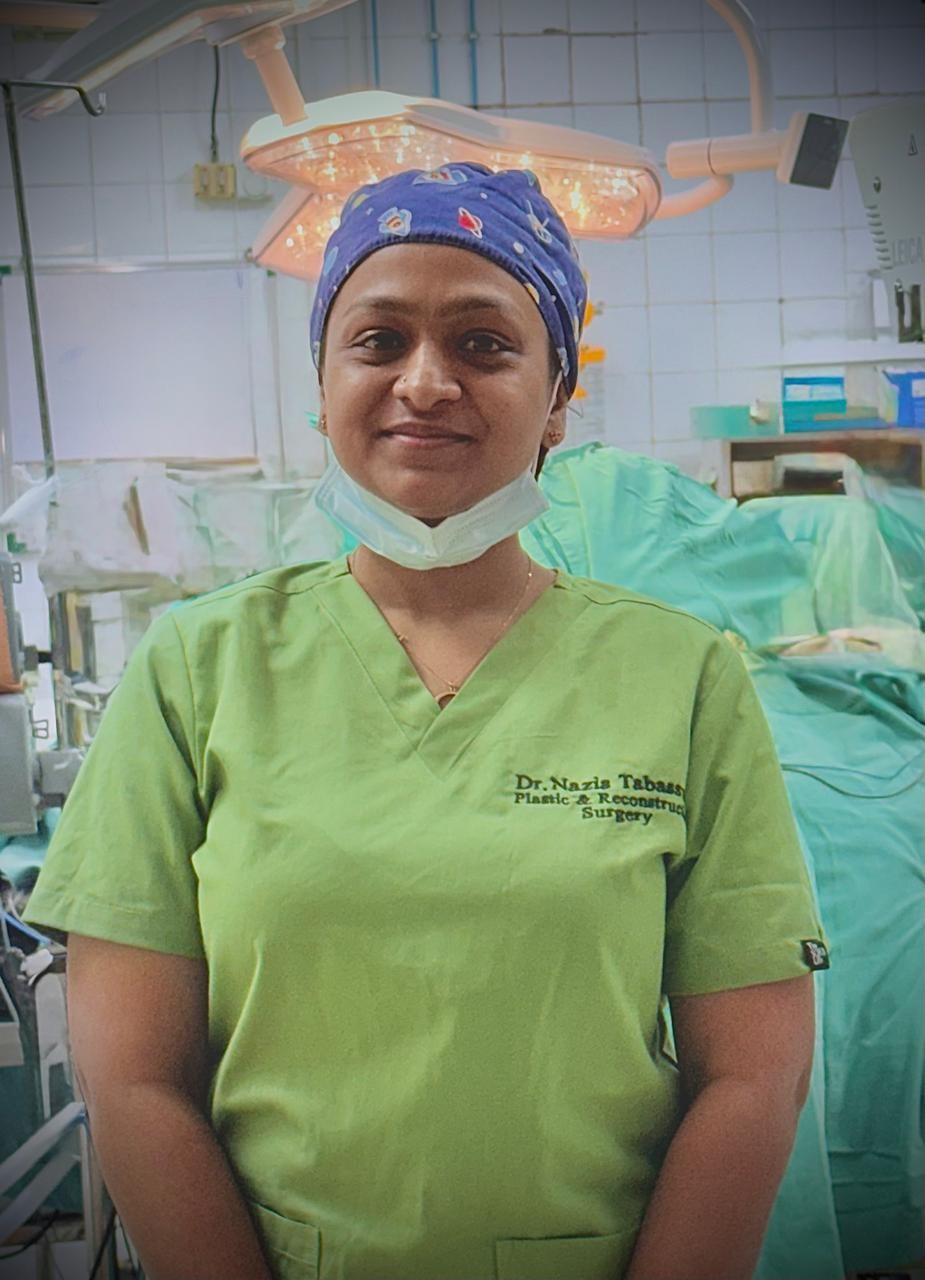
Dr. Nazia Tabassum
Consultant - Breast, Plastic & Reconstructive Surgeon
9 Years English,Hindi,Telugu,Urdu Banjara Hills

Dr. Sruthi Cheera
Consultant Breast Surgeon
5 Years English,Hindi,Kannada,Telugu Banjara Hills

Dr. Supriya Reddy
Lactation Consultant
5 Years English,Hindi,Telugu Banjara Hills

Dr. Niraj Krishnamurthy Yanamandra
Senior Consultant Obstetrician & Gynaecologist, Laparoscopy & Hysteroscopy Surgeon
English,Hindi,Telugu Hydernagar, Banjara Hills

Dr. B. Rao Bahadur
Consultant – Obstetrician & Gynecologist, Laparoscopic ,& Hysteroscopic Surgeon
22 Years English,Hindi,Konkani,Marathi,Telugu Banjara Hills, Kondapur OP

Dr. Sneha Kulkarni
Consultant - Child, Adolescent & Adult Psychiatrist
10 Years English,Hindi,Kannada,Telugu Secunderabad, Banjara Hills, Child Development Centre - Banjarahills Rd No 10

Dr. Lavanya Janagama
Consultant – Obstetrics & Gynecology
10+ Years English Banjara HillsLeading Hospitals for Women Care
Rainbow Children's Hospital stands as a testament to the hospital's continual pursuit of excellence and innovation, providing specialized care for women and children

















chennai
Blogs
Discover our most recent health articles provided by our reliable experts.




What Are People Saying About Us
Embark on a journey of inspiration and hope with our patient success stories, complemented by informative videos from our dedicated doctors.


Media
 Common Gynaecological Surgeries to Fix Female Reproductive Issues
 Healthy Woman - Healthy World
 Healthier Women For a Healthier Future...
 Rainbow Children’s Hospital & BirthRight by Rainbow Launch Video Consultation Facilities
 Dr.Pranthi Reddy
 What is the use of that?
 Can you try this time?
 Pregnant Women are Not Unfit
 Declining Age of Menarche - A Matter of Concern
 Important Facts about Cervical Cancer
 Be careful before preempting
 Flu every month!
 Menstrual cramps
 Premature delivery
 Whether laughing or coughing...why?
 Multi - Tasking may be Cool but it's not Healthy
 Pregnant and Worried about COVID-19? Here's Everything you Need to know
 Video Consultation in Pandamic Situation for Pregnancy Women's
 Women.. Various types of cysts
 Recurrent Pregnancy Loss in Women
 Early Onset of Puberty: Causes, Symptoms and Treatment Options
Common Gynaecological Surgeries to Fix Female Reproductive Issues
Healthy Woman - Healthy World
Healthier Women For a Healthier Future...
FAQs
Does a cervical cerclage guarantee I won't deliver early?
Is getting a cervical stitch painful?
Can I still have a normal (vaginal) delivery with a cerclage?
What happens if I go into labour before the cerclage is removed?
Can I travel or work while I have a cervical cerclage?
Is bed rest necessary after a cervical cerclage?
How much does a cervical cerclage cost?
Can a cervical cerclage cause a miscarriage?
Is it safe to have sex with a cervical cerclage in place?
How soon after the cerclage is placed can I resume normal activities?
Quick Links
Free Calculators to Track and Predict your Pregnancy
Gynecologist in Other Locations
Women's Health Conditions We Treat
- Mastitis (Breast Infection)
- PCOS (Polycystic Ovary Syndrome)
- Uterine Fibroids (Leiomyomas)
- Recurrent Pregnancy Loss
- Blocked Fallopian Tubes (Fallopian Tube Obstruction)
- Gestational Diabetes in Pregnancy
- Incompetent Cervix (Cervical Insufficiency)
- COVID-19 in Pregnancy
- Cytomegalovirus (CMV) in Pregnancy
- HELLP Syndrome
- Luteal Phase Defect
- Vasa Previa
- Listeria in Pregnancy