


Rubella in Pregnancy (German Measles)
Rubella, or German measles, is usually a mild illness for you, but in pregnancy it can reach your baby and cause congenital rubella syndrome. The risk is highest in the first few weeks. Checking your immunity and getting the MMR vaccine before you conceive is the best protection. If you may have been exposed, call your doctor promptly.

Seamless support from diagnosis to post treatment care
Overview
Pregnancy is a time when protecting your health also means protecting your baby's development. Some infections that cause only mild illness in adults can have more serious effects during pregnancy. Rubella is one such infection, so checking your immunity and seeking timely medical advice after possible exposure are important. The reassuring part is that vaccination before pregnancy can provide strong, long-lasting protection.
What Is Rubella in Pregnancy (German Measles)?
Rubella, also called German measles, is a viral infection that usually causes a mild rash and fever. It is different from measles and is generally less severe in adults.
However, if a non-immune pregnant woman catches rubella infection, the virus may pass through the placenta and infect the unborn child. Infection in early pregnancy carries the highest risk of complications.
The infection can cause congenital rubella syndrome (CRS), a group of birth defects that may affect a baby's hearing, eyes, heart, and development. Not every baby exposed to rubella will develop these complications, and the risk depends largely on when the infection occurs.
How Does Rubella Spread, and How Can It Reach the Baby During Pregnancy?
Rubella spreads through droplets and nasal secretions released when an infected person coughs or sneezes. You can catch the infection through close contact with an infected person or exposure to their respiratory secretions.
An infected person can spread the virus from about 7 days before to 7 days after the rash appears. This means someone may transmit the infection before realising they have it.
If a pregnant woman who is not immune becomes infected, the virus can pass through the placenta, which connects the mother and baby during pregnancy. It may interfere with the baby's development, particularly during the early weeks when important organs are forming.
Babies born with congenital rubella syndrome (CRS) can also shed the virus in their urine and nasal secretions for up to a year or longer, potentially spreading the infection to others.
If you have been in contact with someone who may have rubella, contact your doctor promptly, even if you feel well. Your doctor can assess your exposure and decide which blood tests are appropriate.
Causes and Risk Factors of Rubella in Pregnancy
Rubella in pregnancy occurs when a woman who is not immune becomes infected with the rubella virus. The infection spreads through contact with an infected person's respiratory droplets or nasal secretions.
Factors that may increase the risk of infection include:
- Lack of immunity: Women who have not been vaccinated or previously infected may be susceptible to rubella.
- Close contact with infected people: Healthcare and childcare workers, women with young children at home, and those living or working in crowded settings may have greater exposure.
- Missed vaccination: Women born before rubella vaccination was introduced into India's Universal Immunisation Programme (UIP) in 2017, or those who missed childhood MR vaccination campaigns or received incomplete vaccination, may lack protection.
- Travel and migration: Living in or travelling to areas with ongoing rubella transmission or low vaccination coverage can increase exposure.
Rubella and CRS burden in India: Before the introduction of the MR vaccine into the UIP in 2017, India faced a significant burden of congenital rubella syndrome (CRS). WHO estimated that around 40,000 children were born with CRS-related birth defects annually.
If you are unsure whether you are immune, a rubella IgG blood test can help establish your immunity status, particularly when planning a pregnancy.
Symptoms of Rubella in Pregnancy
Rubella can cause mild symptoms, and some infected people have no noticeable symptoms at all. When symptoms occur, they usually develop 2 to 3 weeks after exposure.
Possible symptoms include:
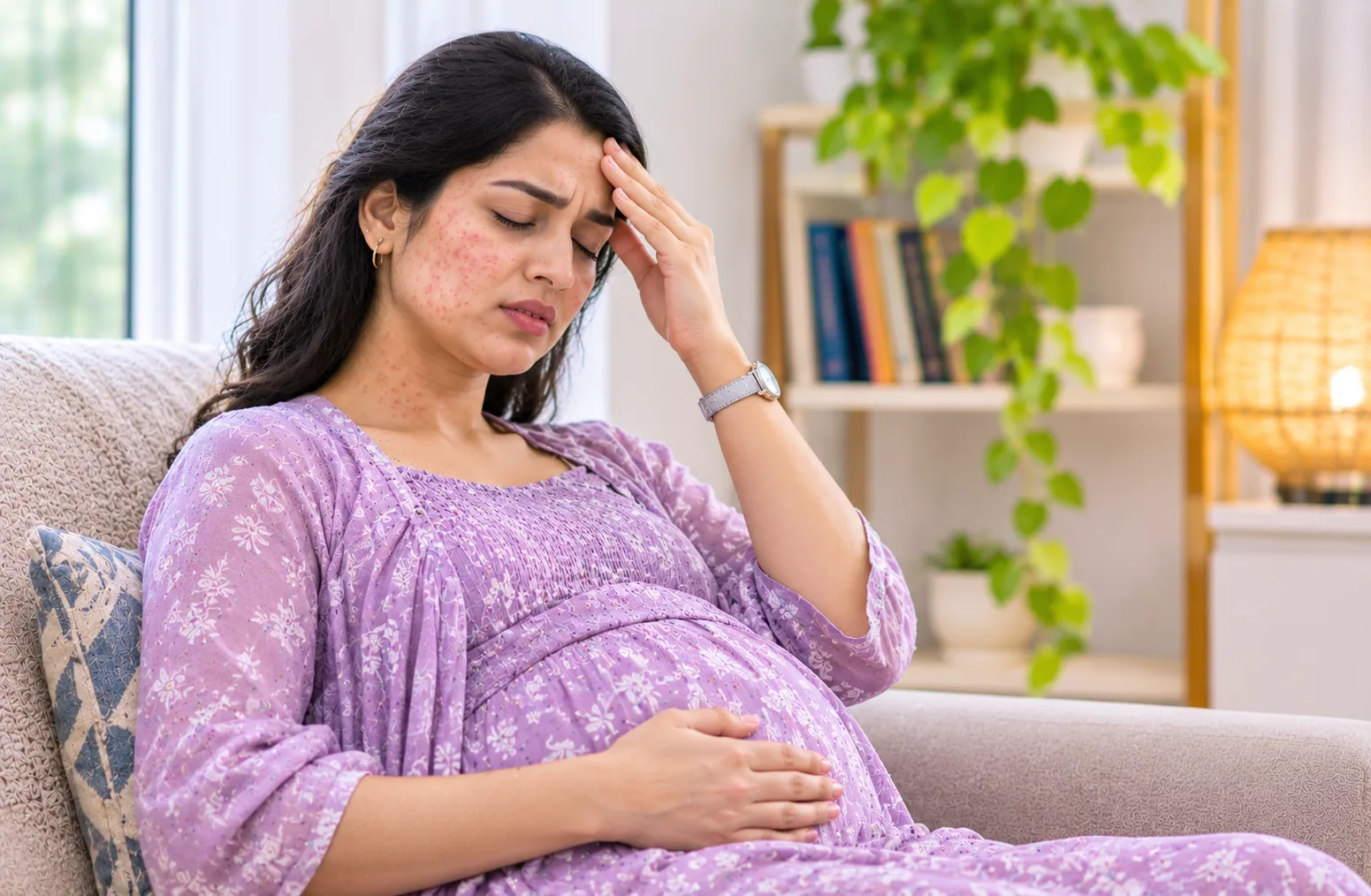
- Rash: A pink or red rash that often starts on the face and spreads to the rest of the body.
- Mild fever: A low-grade fever that may last a short time.
- Swollen glands: Tender or enlarged glands, particularly behind the ears and around the neck.
- Joint pain: Aching or stiffness in the joints, which is more common in adult women.
- Cold-like symptoms: A runny nose, sore throat, or mild eye irritation.
These symptoms can also occur with other infections, so a rash alone cannot confirm rubella.
If you have been exposed to rubella during pregnancy: Contact your obstetrician promptly, even if you have no symptoms. Your doctor may recommend rubella IgG and IgM tests, followed by repeat testing after 3–4 weeks if needed. Avoid contact with others if infection is suspected, and follow isolation advice if diagnosed. Confirmed cases should generally remain isolated until seven days after the rash appears.
Human normal immunoglobulin (HNIG) does not reliably prevent rubella and is not recommended as routine post-exposure protection.
Diagnosis of Rubella in Pregnancy
Rubella is diagnosed through blood tests and, when needed, additional investigations to confirm recent infection and assess whether the baby may be affected.
Your doctor may recommend:
- Rubella IgM and IgG tests: IgM may indicate recent infection, while IgG helps establish immunity. However, IgM can give false-positive results and should be interpreted carefully.
- IgG avidity testing: Low-avidity IgG suggests a recent infection, while high avidity generally indicates an older infection or established immunity.
- Repeat antibody testing: A significant rise in IgG levels in blood samples collected at least two weeks apart can support a recent infection.
- PCR testing: A throat swab or urine sample may be tested for rubella viral genetic material to help confirm infection.
- Fetal assessment: A detailed ultrasound and fetal echocardiography can check for structural abnormalities. In selected cases, amniotic fluid PCR may be considered, generally at least six weeks after maternal infection and after 18–20 weeks of pregnancy.
A positive maternal IgM result alone does not confirm a recent infection. Your doctor will interpret it alongside your symptoms, exposure history and other test results.
Complications & Risks of Rubella in Pregnancy
Rubella usually causes mild illness in the mother. The main concern is whether the infection affects the developing baby. The likelihood and severity of complications depend largely on when the infection occurs during pregnancy.
Risks to the Pregnancy
Rubella infection during pregnancy may increase the risk of:
- Miscarriage: Infection, particularly early in pregnancy, can result in pregnancy loss.
- Stillbirth or fetal death: In some cases, infection can lead to the baby's death before birth.
These outcomes are not inevitable. Your doctor will assess the timing of possible infection and your test results before discussing pregnancy-specific risks.
Risks to the Baby (Congenital Rubella Syndrome)
If rubella passes to the developing baby, it can cause congenital rubella syndrome (CRS). Possible complications include:
- Hearing loss: Damage to the baby's hearing, which may be present at birth or identified later.
- Heart defects: Problems with the structure of the heart that develop before birth.
- Eye problems: Conditions such as cataracts, which can affect vision.
- Brain and developmental problems: Difficulties involving brain development, learning, or later development.
- Other health problems: Some affected babies may have low birth weight or problems involving the liver and blood.
The timing of infection matters. The risk of congenital rubella syndrome (CRS) is highest during early pregnancy and decreases as pregnancy progresses:
- Before 12 weeks: Around 85–90% risk of congenital abnormalities.
- 13–16 weeks: The risk decreases to approximately 35–50%.
- After 16–20 weeks: Congenital abnormalities become uncommon, although hearing-related problems may still occur.
Miscarriage and stillbirth risks are also highest when infection occurs during the first trimester. These figures are estimates, and individual outcomes can vary.
The risk of serious congenital abnormalities decreases as pregnancy progresses. Such defects are rare when infection occurs after 20 weeks, although your individual risk still needs medical assessment.
If rubella infection is suspected or confirmed during pregnancy, a specialist can explain available investigations, testing limitations, and what the findings may mean for your baby.
Treatment Options for Rubella in Pregnancy
There is no specific antiviral medicine that cures rubella. Treatment focuses on easing symptoms, confirming infection, and providing appropriate care during pregnancy.
The main steps may include:
- Supportive care: Rest, fluids, and suitable measures to relieve symptoms. Check with your doctor before taking any medicine during pregnancy.
- Blood tests: Your doctor may recommend blood tests to check whether you are immune to rubella or may have a recent infection. Sometimes, repeat tests are needed to confirm the results.
- Pregnancy monitoring: If infection is confirmed or strongly suspected, your obstetrician may arrange closer monitoring based on the stage of pregnancy and your clinical findings.
- Specialist assessment: A fetal-medicine specialist may discuss appropriate scans and other investigations to assess the baby's development. These tests cannot always identify or exclude every possible effect of rubella.
- Newborn assessment: If exposure or infection is a concern, the baby's care team may arrange checks after birth, including assessments of hearing, vision, heart health and development, depending on the circumstances.
If you have been exposed to rubella but do not know whether you are immune, seek medical advice promptly. Your doctor will explain what the test results mean and whether you need further assessment.
Pregnancy counselling: If maternal infection is confirmed, your obstetrician and fetal-medicine specialist will discuss the risks based on gestational age, investigation findings and available options. Where serious fetal abnormalities are suspected or confirmed, counselling may also include pregnancy continuation and termination options under India's Medical Termination of Pregnancy (MTP) Act, as applicable.
What Is the Prognosis (Outlook) for Rubella in Pregnancy?
Rubella is usually mild in the mother, but its effects on the baby vary. Babies who develop congenital rubella syndrome (CRS) may have hearing loss, cataracts, congenital heart defects, or developmental problems. Some complications, such as diabetes, thyroid disorders and, very rarely, progressive rubella panencephalitis (a progressive brain disorder), may develop later.
If maternal infection is confirmed, your baby may need closer monitoring during pregnancy, followed by hearing, eye, heart and developmental assessments after birth. Infected babies may also shed the virus through urine and nasal secretions for a year or longer, requiring appropriate infection-control precautions.
Natural immunity after rubella infection is generally lifelong. Vaccine-induced immunity also provides long-term protection, although antibody levels may decline over time. If your immunity status is uncertain in a future pregnancy, your doctor may recommend a rubella IgG test.
What Questions Should I Ask My Doctor?
A discussion with your gynecologist can help you understand your immunity, possible exposure, and the next steps for your pregnancy. Consider asking the following questions.
Immunity and Exposure Questions
- Am I immune to rubella, and which blood test can confirm this?
- What should I do if I have been in contact with someone who has rubella?
- Which tests do I need, and when should I get them?
- What do my test results mean for my baby?
- Do I need an assessment by a fetal-medicine specialist?
Prevention and Follow-Up Questions
- Should I receive the MMR vaccine before a future pregnancy?
- If I am not immune, when can I safely receive the vaccine?
- What monitoring or tests might my baby need?
- What should I know before planning another pregnancy?
- Where can I access counseling or emotional support if I need it?
You may find it helpful to write down your questions before your appointment. Your healthcare team can explain your situation and help you understand your options.
Prevention of Rubella in Pregnancy: MMR Vaccine & Safety Tips
The most effective way to prevent rubella during pregnancy is to establish immunity before conception. The MMR vaccine protects against measles, mumps, and rubella, and rubella-containing vaccines are part of public immunisation programmes.
The following steps can help reduce your risk:
- Check your immunity before pregnancy: Ask your doctor whether a rubella IgG blood test is appropriate, especially if your vaccination history is unclear.
- Get vaccinated before conceiving if needed: If you are not immune, your doctor can advise you about receiving the MMR vaccine before pregnancy. Generally, avoid becoming pregnant for at least four weeks after vaccination.
- Do not receive the MMR vaccine during pregnancy: Because it is a live vaccine, you should not receive MMR during pregnancy. If you are already pregnant and discover that you are not immune, discuss precautions and vaccination after delivery with your doctor.
- Get vaccinated after delivery if you are not immune: You can generally receive the MMR vaccine after childbirth, including while breastfeeding, unless a specific medical reason prevents it.
- Reduce the chance of exposure: Avoid close contact with people known to have rubella and seek medical advice if you may have been exposed. If you are planning international travel, discuss relevant infection risks with your healthcare provider.
The MMR vaccine is preventive; receiving it after exposure does not reliably prevent an infection that has already occurred. If you are pregnant and have been exposed, seek medical advice rather than relying on vaccination to protect the current pregnancy.
In India, measles-rubella vaccination is included in the national immunisation programme. If you are planning a pregnancy, review your vaccination history and immunity with your doctor to help protect your future baby's health.
Why Choose BirthRight by Rainbow Hospitals for Rubella in Pregnancy Treatment & Care?
At BirthRight by Rainbow Hospitals, we understand that a possible infection during pregnancy can raise questions about both your health and your baby's development. We focus on clear communication, appropriate medical assessment, and support tailored to your individual needs.
- Individualised pregnancy assessment: We help guide your care according to your pregnancy stage, symptoms, exposure history and available test results.
- Specialist-led guidance: Our maternity teams can guide you on the need for obstetric review and, when clinically appropriate and available, fetal-medicine assessment.
- Clear explanations of test results: We help you understand what immunity and infection tests can establish, what further assessment may be needed, and what the findings mean for your pregnancy.
- Coordinated pregnancy and newborn care: When additional monitoring or newborn assessment is indicated, we can plan care with the relevant specialists and teams, based on the services available at your hospital location.
- Supportive counselling: We encourage you to discuss your questions and concerns openly, so you can make informed decisions with guidance from your healthcare team.
- Pre-pregnancy planning: We can help you discuss immunity checks and appropriate vaccination timing when planning a future pregnancy.

Find a Doctor and Book Appointment Online
Meet our specialist doctors who bring together clinical expertise, compassion, and personalised care to support your health and well-being. Choose from 1,300+ specialists across our network and book an appointment with BirthRight and Rainbow Children Hospitals, offering 24*7 support to you and your family.

Dr. Pranathi Reddy A
Clinical Director – Obstetrics & Gynecology.
English,Hindi,Telugu Banjara Hills

Dr. Gauri Vinayak Dhamangaonkar
Senior Consultant - Fetal Medicine
15 Years English,Hindi,Marathi,Telugu Kondapur OP, Banjara Hills

Dr. Shruthi Reddy Poddutoor
Consultant Obstetrician, Gynecologist & Laparoscopic Surgeon
English,Telugu Banjara Hills

Dr. Himabindu Veerla
Consultant Obstetrician, Gynecologist & Laparoscopic Surgeon
English,Telugu Banjara Hills

Dr. Bhargavi Reddy K
Consultant - Obstetrics and Gynecology
10 Years English,Hindi,Telugu Banjara Hills, Attapur Clinic

Dr. Annie Pranutha P
Consultant Obstetrics and Gynecology
9 Years English,Hindi,Telugu Banjara Hills, Attapur Clinic

Dr. Sasikala Kola
Consultant Obstetrician & Gynecologist
English,Hindi,Telugu Banjara Hills

Dr. Atigadda Vijaya
Consultant - Obstetrics & Gynecology
Hindi,Telugu Banjara Hills, Himayatnagar, Attapur Clinic

Dr. Nishanth Reddy Inavolu
Visiting Consultant Physician and Diabetologist & Internal Medicine
English,Hindi,Telugu Banjara Hills, Himayatnagar

Dr. Tulika Tayal
Consultant - Fetal Medicine
English,Telugu Banjara Hills

Dr. M Prathyusha Reddy
Consultant Obstetrics & Gynecology
English,Telugu Banjara Hills

Dr. Nithya Narasimha Murthy
Consultant -Psychiatrist
English,Hindi,Telugu Kondapur OP, Banjara Hills, Child Development Centre - Banjarahills Rd No 10

Dr. Brundavani
Consultant - Nutritionist
English,Hindi,Telugu Kondapur OP, Hydernagar, Banjara Hills, Child Development Centre - Banjarahills Rd No 10

Dr. Niveditha Chalmeda
Consultant
English,Telugu Banjara Hills

Dr. Kirti Reddy Patlolla
Consultant Obstetrics and Gynaecology
English,Telugu Banjara Hills, Attapur Clinic

Dr. Tuheena Sharma
Consultant - Perinatal Physiotherapy
10 Years English,Telugu Banjara Hills

Dr. Aditi Shah
Consultant - Fetal Medicine
English,Telugu Banjara Hills

Dr. Swathi Naga Tulasi Rayapureddy
Lactation Consultant
8 Years English,Telugu Banjara Hills

Dr. Swetha Reddy. S
CONSULTANT PERINATAL PSYCHIATRIST AND WOMEN MENTAL HEALTH SPECIALIST
13 Years English,Hindi,Telugu Banjara Hills

Dr. Addu Kiranmayi
Chief Clinical Nutritionist and Lifestyle Medicine Consultant
15 Years English,Hindi,Telugu Himayatnagar, Banjara Hills

Dr. Palle Nalini Kumari
Lactation Consultant
17+ Years English,Hindi,Telugu Banjara Hills
Dr. Nazia Tabassum
Consultant - Breast, Plastic & Reconstructive Surgeon
9 Years English,Hindi,Telugu,Urdu Banjara Hills

Dr. Sruthi Cheera
Consultant Breast Surgeon
5 Years English,Hindi,Kannada,Telugu Banjara Hills

Dr. Supriya Reddy
Lactation Consultant
5 Years English,Hindi,Telugu Banjara Hills

Dr. Niraj Krishnamurthy Yanamandra
Senior Consultant Obstetrician & Gynaecologist, Laparoscopy & Hysteroscopy Surgeon
English,Hindi,Telugu Hydernagar, Banjara Hills

Dr. B. Rao Bahadur
Consultant – Obstetrician & Gynecologist, Laparoscopic ,& Hysteroscopic Surgeon
22 Years English,Hindi,Konkani,Marathi,Telugu Banjara Hills, Kondapur OP

Dr. Sneha Kulkarni
Consultant - Child, Adolescent & Adult Psychiatrist
10 Years English,Hindi,Kannada,Telugu Secunderabad, Banjara Hills, Child Development Centre - Banjarahills Rd No 10

Dr. Lavanya Janagama
Consultant – Obstetrics & Gynecology
10+ Years English Banjara HillsLeading Hospitals for Women Care
Rainbow Children's Hospital stands as a testament to the hospital's continual pursuit of excellence and innovation, providing specialized care for women and children



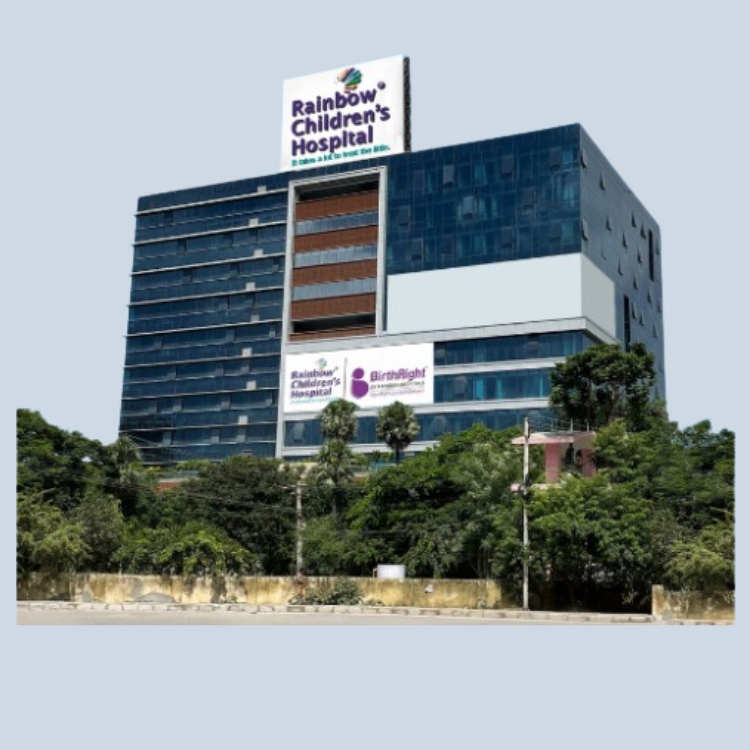
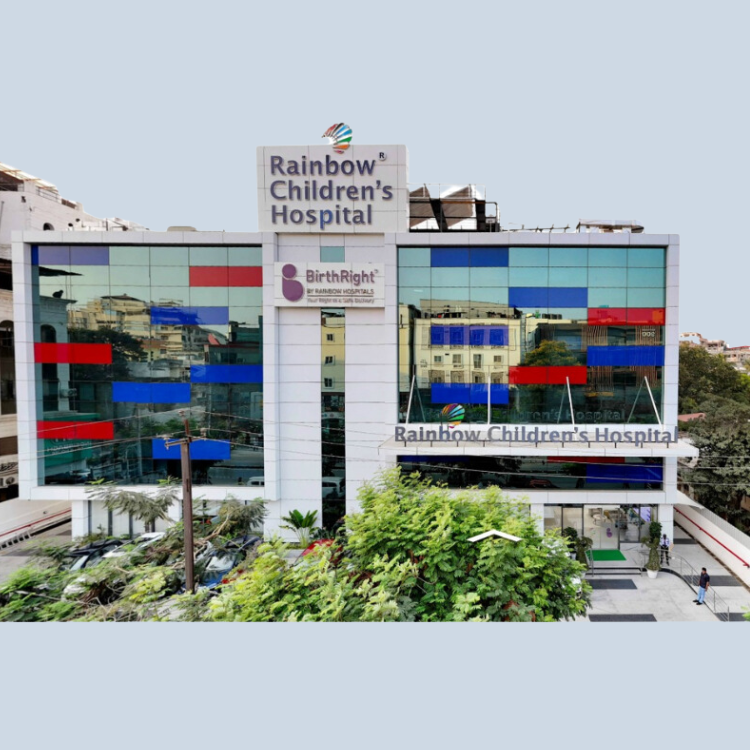
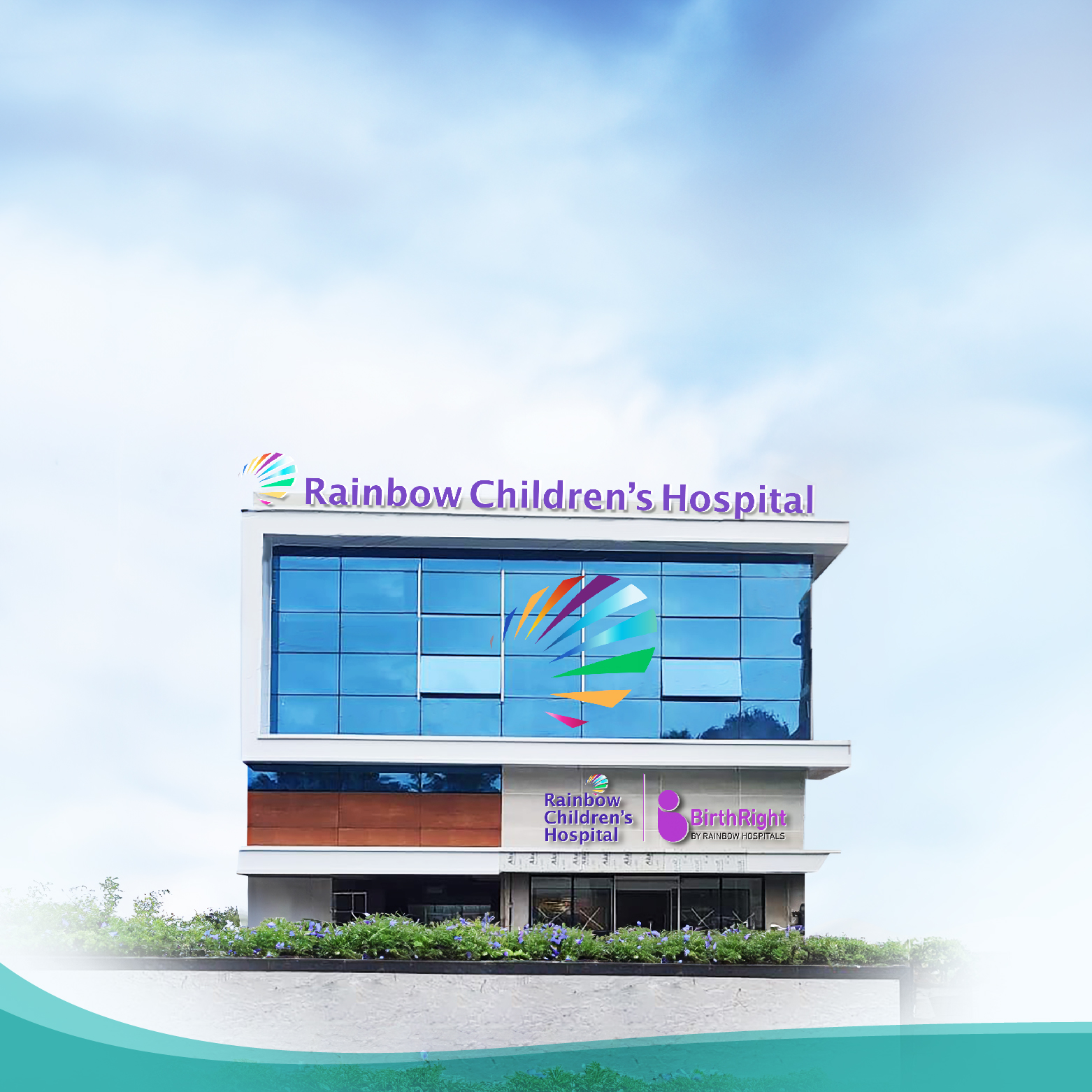

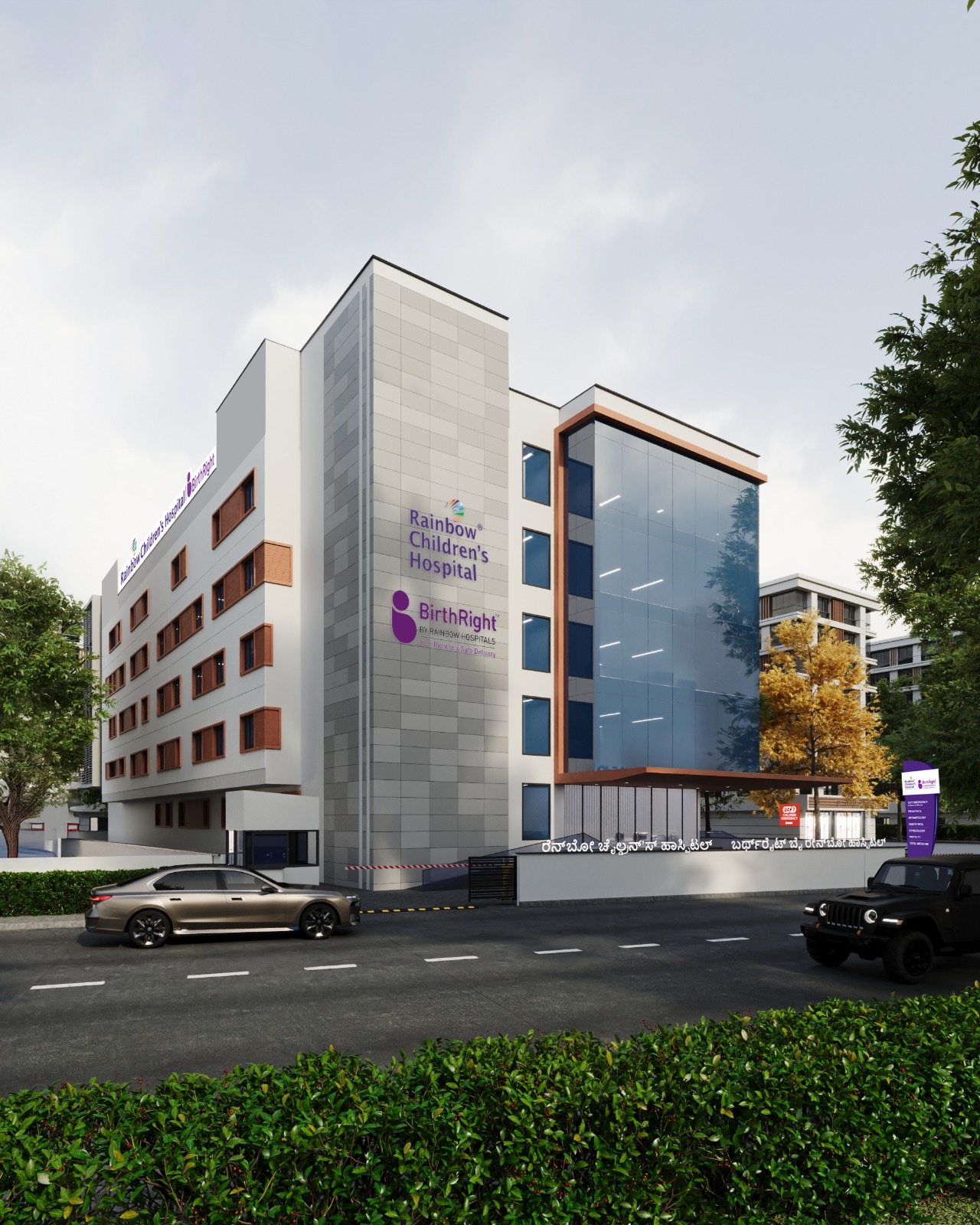





chennai
Blogs
Discover our most recent health articles provided by our reliable experts.




What Are People Saying About Us
Embark on a journey of inspiration and hope with our patient success stories, complemented by informative videos from our dedicated doctors.


Media
 Common Gynaecological Surgeries to Fix Female Reproductive Issues
 Healthy Woman - Healthy World
 Healthier Women For a Healthier Future...
 Rainbow Children’s Hospital & BirthRight by Rainbow Launch Video Consultation Facilities
 Dr.Pranthi Reddy
 What is the use of that?
 Can you try this time?
 Pregnant Women are Not Unfit
 Declining Age of Menarche - A Matter of Concern
 Important Facts about Cervical Cancer
 Be careful before preempting
 Flu every month!
 Menstrual cramps
 Premature delivery
 Whether laughing or coughing...why?
 Multi - Tasking may be Cool but it's not Healthy
 Pregnant and Worried about COVID-19? Here's Everything you Need to know
 Video Consultation in Pandamic Situation for Pregnancy Women's
 Women.. Various types of cysts
 Recurrent Pregnancy Loss in Women
 Early Onset of Puberty: Causes, Symptoms and Treatment Options
Common Gynaecological Surgeries to Fix Female Reproductive Issues
Healthy Woman - Healthy World
Healthier Women For a Healthier Future...
FAQs
Is rubella dangerous for my baby, and does the trimester matter?
Can I have rubella without a rash or any symptoms?
What is the difference between rubella (German measles) and measles?
How do I know if I am immune to rubella?
Will my baby definitely develop congenital rubella syndrome if I get rubella?
Can rubella cause miscarriage or stillbirth?
Can I get rubella again if I have been vaccinated?
Can I breastfeed after getting the MMR vaccine?
Did I do something wrong to get rubella during pregnancy?
Can I get the MMR vaccine during pregnancy?
What happens if I am exposed to rubella but don't know whether I am immune?
Quick Links
Free Calculators to Track and Predict your Pregnancy
Gynecologist in Other Locations
Women's Health Conditions We Treat
- Mastitis (Breast Infection)
- PCOS (Polycystic Ovary Syndrome)
- Uterine Fibroids (Leiomyomas)
- Recurrent Pregnancy Loss
- Blocked Fallopian Tubes (Fallopian Tube Obstruction)
- Gestational Diabetes in Pregnancy
- Incompetent Cervix (Cervical Insufficiency)
- COVID-19 in Pregnancy
- Cytomegalovirus (CMV) in Pregnancy
- HELLP Syndrome
- Luteal Phase Defect
- Vasa Previa
- Listeria in Pregnancy
- Placenta Previa
- Endometrial Polyps (Uterine Polyps)
- Congenital Heart Disease in Pregnancy
- Hyperemesis Gravidarum (Severe Morning Sickness)
- Preeclampsia (toxemia)
- Fetal Distress (Non-Reassuring Fetal Status)
- Postpartum Haemorrhage (PPH)
- Placental Abruption (Abruptio Placentae)
- Placenta Accreta
- Postpartum Depression (PPD)
- Rhesus (Rh) Incompatibility
- Syphilis in Women
- Thalassemia in Pregnancy
- Gestational Thrombocytopenia
- Diabetes in Pregnancy
- Uterine Rupture
- Migraine in Pregnancy