


Recurrent Pregnancy Loss (Recurrent Abortion)
Recurrent pregnancy loss is a condition where a woman experiences two or more consecutive spontaneous pregnancy losses, usually occurring before 20 weeks of gestation. It is also called habitual abortion and may be associated with various medical, genetic, or structural factors.

Seamless support from diagnosis to post treatment care

Overview
Recurrent pregnancy loss refers to experiencing repeated miscarriages and can be an emotionally difficult experience for couples hoping to build a family. Beyond the physical impact, it can also bring uncertainty about why the losses are happening and what steps may help next. Recurrent pregnancy loss may be linked to genetic, hormonal, structural or underlying health factors, although in some cases, a definite cause may not be identified immediately.
A detailed medical evaluation can help identify contributing factors and guide next steps. Understanding the possible causes, diagnostic tests and available treatment options can make the process feel more manageable and help you approach future pregnancy planning with greater clarity and informed support.
What is Recurrent Pregnancy Loss?
Recurrent pregnancy loss (RPL), also called recurrent miscarriage or recurrent abortion, is defined as two or more consecutive pregnancy losses before 20 weeks of gestation. It affects around 2 to 3 percent of couples trying to conceive. A single miscarriage is still unfortunate but common and often random, but when losses repeat, an underlying cause becomes more likely and a structured evaluation is recommended.
Some guidelines use a threshold of three losses rather than two, but most fertility specialists in India begin a full evaluation after two, particularly if you are over 35. A repeated pregnancy loss diagnosis does not mean you cannot have a baby: even after three losses, most couples go on to have a successful pregnancy.
How Is a Healthy Pregnancy Sustained?
A healthy pregnancy is supported by regular antenatal care, appropriate nutrition, safe physical activity and healthy lifestyle choices. Medical monitoring also helps doctors track the mother’s health and the baby's development, while identifying concerns that may need attention.
Important aspects include:
- Regular antenatal check-ups: Routine visits allow doctors to monitor blood pressure, weight, blood tests, urine findings and other indicators throughout pregnancy.
- Monitoring the baby’s development: Ultrasound scans and other assessments may be recommended at different stages to check growth, development and overall well-being.
- Balanced nutrition: A varied diet providing adequate protein, vitamins, minerals and other essential nutrients supports both maternal health and fetal development.
- Recommended supplements: Iron, folic acid and other supplements may be advised depending on individual nutritional needs and medical guidance.
- Safe physical activity: Staying physically active during pregnancy is generally encouraged when medically appropriate and can support overall health.
- Avoiding harmful substances: Alcohol, tobacco and other potentially harmful substances should be discussed with and avoided as advised by the treating doctor.
Regular antenatal monitoring is especially important because it can help identify potential complications early and guide appropriate care throughout pregnancy.
Causes of Recurrent Abortion in Women in India
Many couples ask why miscarriages keep happening when they seem otherwise healthy. The causes of recurrent abortion fall into a few main groups, though in roughly half of cases no cause is found even after a full workup. The common causes are below.
1. Genetic and chromosomal factors
The leading cause of an early miscarriage is a random chromosomal abnormality in the embryo, and the chance of this happening rises with maternal age. Less commonly, one parent carries a balanced chromosomal rearrangement, called a translocation, which the embryo can inherit. In India, marriage between close relatives (consanguinity) can raise the chance of inherited genetic causes, so this is asked about early. Parental karyotyping can identify these cases.
2. Uterine and anatomical factors
The shape and lining of the uterus matter for implantation. A septate uterus, fibroids that push into the cavity, scar tissue from previous procedures (Asherman’s syndrome), or a weak cervix that opens too early (cervical insufficiency) can all lead to repeated losses. Most of these are treatable with surgery or a cervical stitch.
3. Endocrine causes
Hormonal conditions can affect implantation and early pregnancy. Undiagnosed thyroid disease, PCOS, poorly controlled diabetes and a short luteal phase are the common ones. Testing and treatment before conception can make a real difference to outcomes.
4. Immunological causes
Antiphospholipid antibody syndrome (APLA) is a condition where the body forms antibodies that cause tiny clots in the placenta, cutting off the pregnancy. It is one of the few treatable immunological causes of recurrent miscarriage, and diagnosis is by a simple blood test.
5. Infections
Genital tuberculosis is a recognised and often silent cause of recurrent abortion in India. It can scar the uterus and tubes without obvious symptoms, and only comes to light when a couple is being investigated for infertility or repeated pregnancy loss. Treatment is a full course of anti-TB medication.
6. Male-factor contributions
High sperm DNA fragmentation can affect embryo quality and lead to loss. Semen analysis alone does not detect this, so clinicians use a specific DNA fragmentation test when male factor is suspected.
In India, undiagnosed thyroid disease, a high prevalence of anaemia and genital tuberculosis are all relevant and are checked early. Because roughly half of cases remain unexplained even after a thorough workup, an honest evaluation is important.
Repeated Pregnancy Loss Dangerous for?
A risk factor raises the likelihood of recurrent miscarriage without directly explaining it. Having one of these does not mean you caused the loss. It means the chance is higher, and evaluation is worth considering. The main recurrent miscarriage risk factors are:
- Maternal age over 35 and paternal age over 45
- Being significantly underweight or overweight
- Smoking and alcohol use
- The number of previous losses
- Uncontrolled chronic disease, such as diabetes or thyroid disorders
- A previous ectopic pregnancy or known reproductive condition
If any of these apply to you, an early evaluation matters even more, especially after two losses. A specialist can help identify what can be treated.
Signs and Symptoms of Recurrent Miscarriage
Recurrent miscarriage is a pattern rather than a single symptom. The recurrent miscarriage symptoms in any one pregnancy are the same signs of miscarriage seen in a single loss:
- Vaginal bleeding, from light spotting to heavier flow
- Cramping or pain in the lower abdomen
- Passage of tissue or clots
- A sudden loss of pregnancy symptoms such as nausea or breast tenderness
Some losses are silent and found only at a scan, known as a missed miscarriage. Seek urgent care for heavy bleeding, severe pain, fever or feeling faint.
Recurrent Miscarriage Emotional Impact and Complications
Recurrent pregnancy loss carries a real emotional weight. Grief, anxiety about future pregnancies and depression are common and are not a sign of weakness. Counselling is a legitimate part of care and worth asking about early in your treatment plan.
Left untreated, some causes carry medical risks too:
- Untreated antiphospholipid syndrome raises clotting risks in future pregnancies
- Uncontrolled thyroid disease or diabetes affects overall health and future pregnancies
- A missed uterine anomaly can lead to further avoidable losses
This is why a complete evaluation matters after two losses, not just to try again but to protect your health in the next pregnancy.
Tests for Both Partners to Investigate Recurrent Pregnancy Loss
The recurrent pregnancy loss tests evaluate both partners and usually take a few weeks to complete. An accurate cause is found in around 60 percent of cases. A standard recurrent abortion investigation includes:
- Detailed medical and family history: To identify patterns, previous losses and family history of clotting or genetic conditions.
- Parental karyotyping: Blood tests for both partners to check for balanced chromosomal rearrangements.
- Pelvic ultrasound and a 3D scan of the uterus: To look at the uterine cavity, shape and lining.
- Hysteroscopy or HSG: A closer look at the uterine cavity and fallopian tubes when the ultrasound flags something.
- Thyroid, prolactin and blood sugar (HbA1c) tests: To check for endocrine causes.
- Antiphospholipid antibody panel: A blood test for APLA syndrome, which is treatable when identified.
- Products of conception testing: Genetic analysis of miscarriage tissue where available, to check for chromosomal causes.
A fertility evaluation often runs alongside this workup, since related factors such as blocked fallopian tubes and anovulation can affect outcomes.
Does Recurrent Pregnancy Loss Affect Fertility?
No, recurrent pregnancy loss does not usually reduce fertility itself, since most couples are able to conceive. The difficulty lies in carrying the pregnancy to term rather than conceiving. Where an underlying condition such as PCOS, thyroid disease or a uterine anomaly is present, treating it supports both conception and a successful pregnancy.
Treatment Options for Recurrent Miscarriage in India
Recurrent pregnancy loss treatment is directed at the specific cause found during the workup, and recurrent abortion treatment in India follows the same principle. Your gynaecologist recommends a plan after the workup is complete. Common treatments by cause are below.
- Uterine anomalies: Hysteroscopic septum resection, myomectomy for fibroids, adhesiolysis for Asherman’s syndrome, or a cervical stitch (cerclage) for cervical insufficiency.
- Endocrine causes: Thyroid medication, metformin and lifestyle management for PCOS, tight diabetes control and progesterone support.
- Antiphospholipid syndrome: Low-dose aspirin with heparin, which raises live-birth rates to around 70 to 80 percent.
- Genital tuberculosis: A full anti-tuberculosis course before trying to conceive.
- Chromosomal causes: IVF with preimplantation genetic testing (PGT-A or PGT-SR) to select chromosomally normal embryos.
- Unexplained recurrent loss: Supportive care and close monitoring, which achieves a live-birth rate of around 75 percent in a subsequent pregnancy.
Treatment plans are shaped by the workup results, your age and the number of previous losses. Two couples with the same diagnosis may need slightly different plans.
What is the Prognosis for Recurrent Abortion?
The outlook is reassuring. Even after three consecutive losses, most couples go on to have a successful pregnancy, with live-birth rates of around 60 to 80 percent depending on the cause and treatment. Correcting a specific cause, such as antiphospholipid syndrome or a thyroid disorder, further improves the odds.
Your specialist will set realistic expectations for your situation, but for most couples, a healthy pregnancy is achievable.
What Questions Should You Ask Your Doctor?
The right questions depend on where you are in the process. It helps to bring your previous records and prepare them in advance. The prompts below are grouped by stage.
If you are considering evaluation:
- Should we be evaluated after two losses or three?
- Which tests do I need, and which does my partner need?
If your workup is in progress:
- How long will the workup take to complete?
- If a cause is found, what treatment does it need and how effective is it?
If you are planning the next pregnancy:
- How long should we wait before trying to conceive again?
- Will I need extra monitoring in a future pregnancy?
Ask your specialist to explain any term you do not understand. Clear answers help you decide the next step with confidence.
Prevention and Lifestyle Tips to Avoid Recurrent Miscarriage
Not all recurrent pregnancy loss can be prevented, especially chromosomal causes. Where prevention is possible, preventing recurrent miscarriage focuses on preconception care and a few key steps.
- Preconception counselling to optimise any known conditions
- Folic acid started at least three months before conception
- Good thyroid and blood sugar control before pregnancy
- A healthy weight, balanced diet and correction of anaemia
- Stopping smoking and alcohol
These steps support your overall pregnancy health but cannot address chromosomal causes. If you have had two or more losses, an evaluation matters more than lifestyle change alone.
Why Choose BirthRight by Rainbow Hospitals for Recurrent Pregnancy Loss Care?
Recurrent pregnancy loss treatment in India through BirthRight Fertility by Rainbow Hospitals brings fertility and maternal-fetal medicine together, so your workup, treatment and next pregnancy are managed by the same team. For couples experiencing recurrent loss, our care includes:
- One coordinated team: a complete recurrent-loss workup managed under one roof, not split across separate clinics.
- Genetic expertise: IVF with PGT-A and PGT-SR for chromosomal causes, plus dedicated genetic counselling.
- High-risk pregnancy care: close monitoring, cervical cerclage and maternal-fetal medicine support for your next pregnancy.
- Emotional support: counselling built into treatment, not referred out.
- Care across cities: consistent follow-up at fertility centres in Hyderabad, Bengaluru, Chennai and beyond.
BirthRight Fertility by Rainbow Hospitals brings three decades of expertise in fertility, with more than 100,000 parenthood journeys supported across 15 Level II fertility centres in India, including India’s first JCI-accredited fertility centre at Kondapur, Hyderabad, and NABH-accredited care across the network. You can consult the fertility specialists at BirthRight by Rainbow Hospitals before starting a workup.

Find a Doctor
Expertise you can trust, Meet our esteemed doctors who bring exceptional knowledge, compassion, and innovation to provide top-notch care for your health and well-being.

Dr. Pranathi Reddy A
Clinical Director – Obstetrics & Gynecology.
English,Hindi,Telugu Banjara Hills

Dr. Gauri Vinayak Dhamangaonkar
Senior Consultant - Fetal Medicine
15 Years English,Hindi,Marathi,Telugu Kondapur OP, Banjara Hills

Dr. Shruthi Reddy Poddutoor
Consultant Obstetrician, Gynecologist & Laparoscopic Surgeon
English,Telugu Banjara Hills

Dr. Himabindu Veerla
Consultant Obstetrician, Gynecologist & Laparoscopic Surgeon
English,Telugu Banjara Hills

Dr. Bhargavi Reddy K
Consultant - Obstetrics and Gynecology
10 Years English,Hindi,Telugu Banjara Hills, Attapur Clinic

Dr. Annie Pranutha P
Consultant Obstetrics and Gynecology
9 Years English,Hindi,Telugu Banjara Hills, Attapur Clinic

Dr. Sasikala Kola
Consultant Obstetrician & Gynecologist
English,Hindi,Telugu Banjara Hills

Dr. Atigadda Vijaya
Consultant - Obstetrics & Gynecology
Hindi,Telugu Banjara Hills, Himayatnagar, Attapur Clinic

Dr. Nishanth Reddy Inavolu
Visiting Consultant Physician and Diabetologist & Internal Medicine
English,Hindi,Telugu Banjara Hills, Himayatnagar

Dr. Tulika Tayal
Consultant - Fetal Medicine
English,Telugu Banjara Hills

Dr. M Prathyusha Reddy
Consultant Obstetrics & Gynecology
English,Telugu Banjara Hills

Dr. Nithya Narasimha Murthy
Consultant -Psychiatrist
English,Hindi,Telugu Kondapur OP, Banjara Hills, Child Development Centre - Banjarahills Rd No 10

Dr. Brundavani
Consultant - Nutritionist
English,Hindi,Telugu Kondapur OP, Hydernagar, Banjara Hills, Child Development Centre - Banjarahills Rd No 10
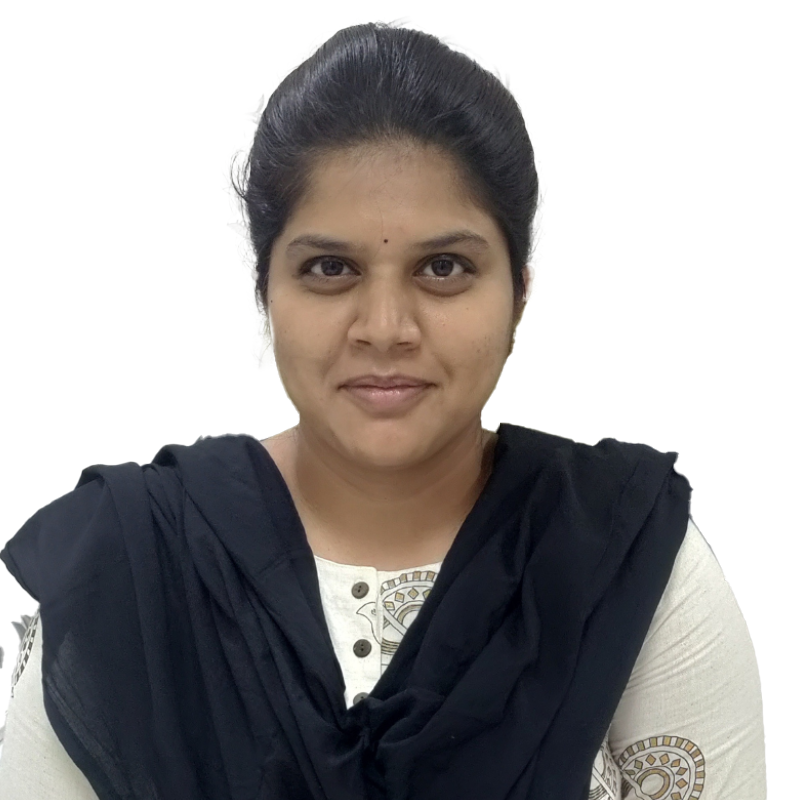
Dr. Niveditha Chalmeda
Consultant
English,Telugu Banjara Hills

Dr. Kirti Reddy Patlolla
Consultant Obstetrics and Gynaecology
English,Telugu Banjara Hills, Attapur Clinic

Dr. Tuheena Sharma
Consultant - Perinatal Physiotherapy
10 Years English,Telugu Banjara Hills

Dr. Aditi Shah
Consultant - Fetal Medicine
English,Telugu Banjara Hills

Dr. Swathi Naga Tulasi Rayapureddy
Lactation Consultant
8 Years English,Telugu Banjara Hills

Dr. Swetha Reddy. S
CONSULTANT PERINATAL PSYCHIATRIST AND WOMEN MENTAL HEALTH SPECIALIST
13 Years English,Hindi,Telugu Banjara Hills

Dr. Addu Kiranmayi
Chief Clinical Nutritionist and Lifestyle Medicine Consultant
15 Years English,Hindi,Telugu Himayatnagar, Banjara Hills

Dr. Palle Nalini Kumari
Lactation Consultant
17+ Years English,Hindi,Telugu Banjara Hills
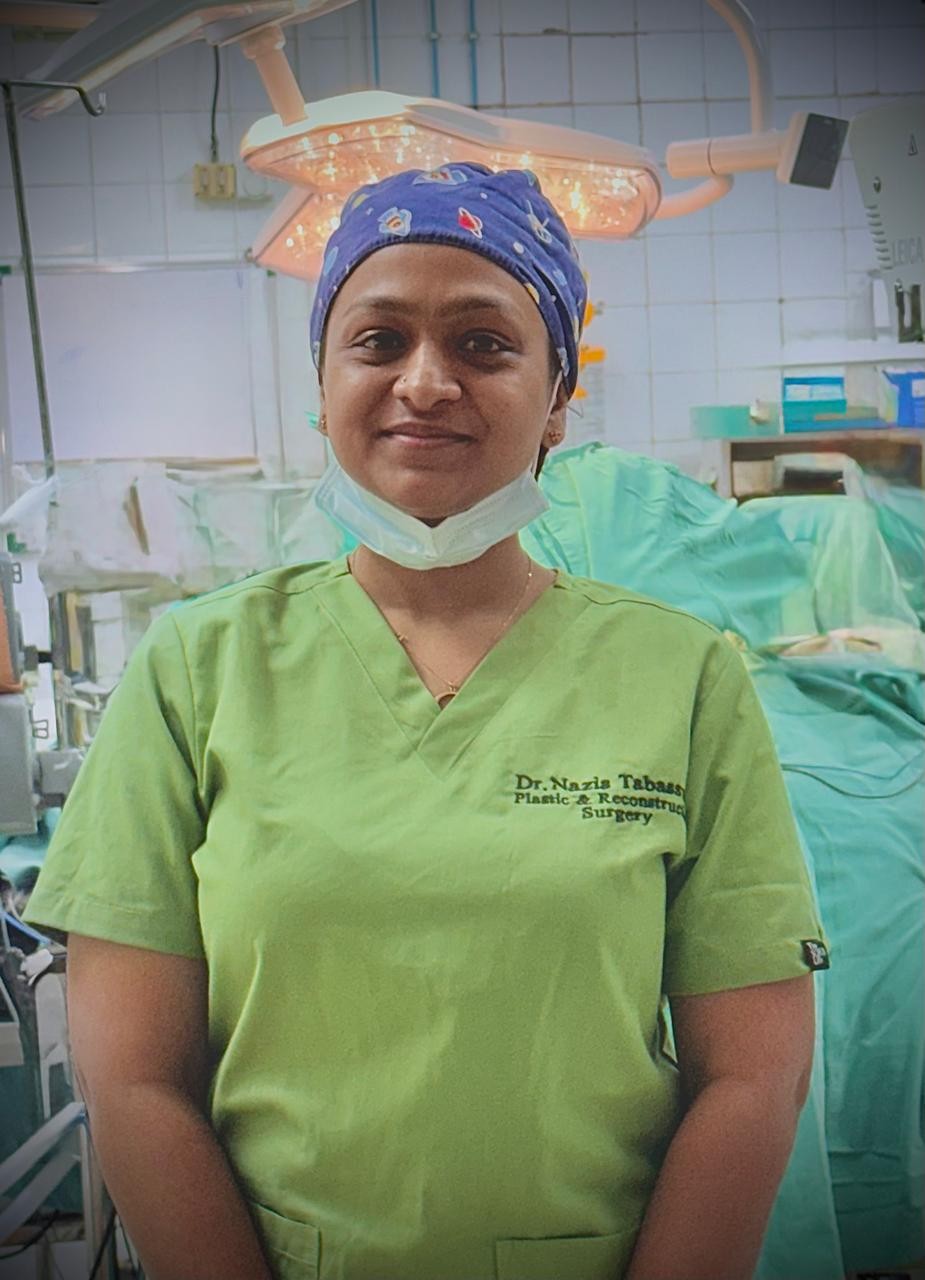
Dr. Nazia Tabassum
Consultant - Breast, Plastic & Reconstructive Surgeon
9 Years English,Hindi,Telugu,Urdu Banjara Hills

Dr. Sruthi Cheera
Consultant Breast Surgeon
5 Years English,Hindi,Kannada,Telugu Banjara Hills
Dr. Supriya Reddy
Lactation Consultant
5 Years English,Hindi,Telugu Banjara Hills

Dr. Niraj Krishnamurthy Yanamandra
Senior Consultant Obstetrician & Gynaecologist, Laparoscopy & Hysteroscopy Surgeon
English,Hindi,Telugu Hydernagar, Banjara Hills

Dr. B. Rao Bahadur
Consultant – Obstetrician & Gynecologist, Laparoscopic ,& Hysteroscopic Surgeon
22 Years English,Hindi,Konkani,Marathi,Telugu Banjara Hills, Kondapur OP

Dr. Sneha Kulkarni
Consultant - Child, Adolescent & Adult Psychiatrist
10 Years English,Hindi,Kannada,Telugu Secunderabad, Banjara Hills, Child Development Centre - Banjarahills Rd No 10

Dr. Lavanya Janagama
Consultant – Obstetrics & Gynecology
10+ Years English Banjara HillsLeading Hospitals for Women Care
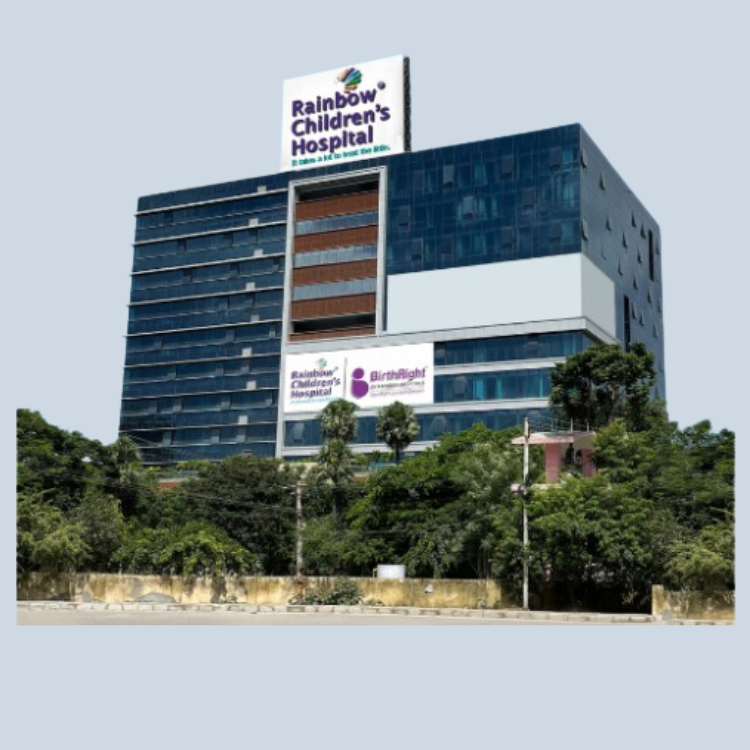
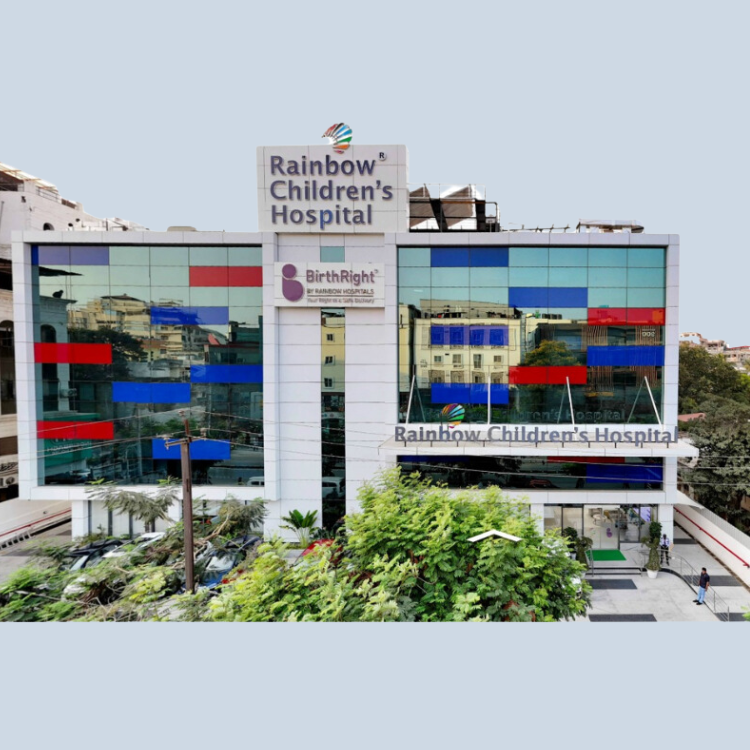
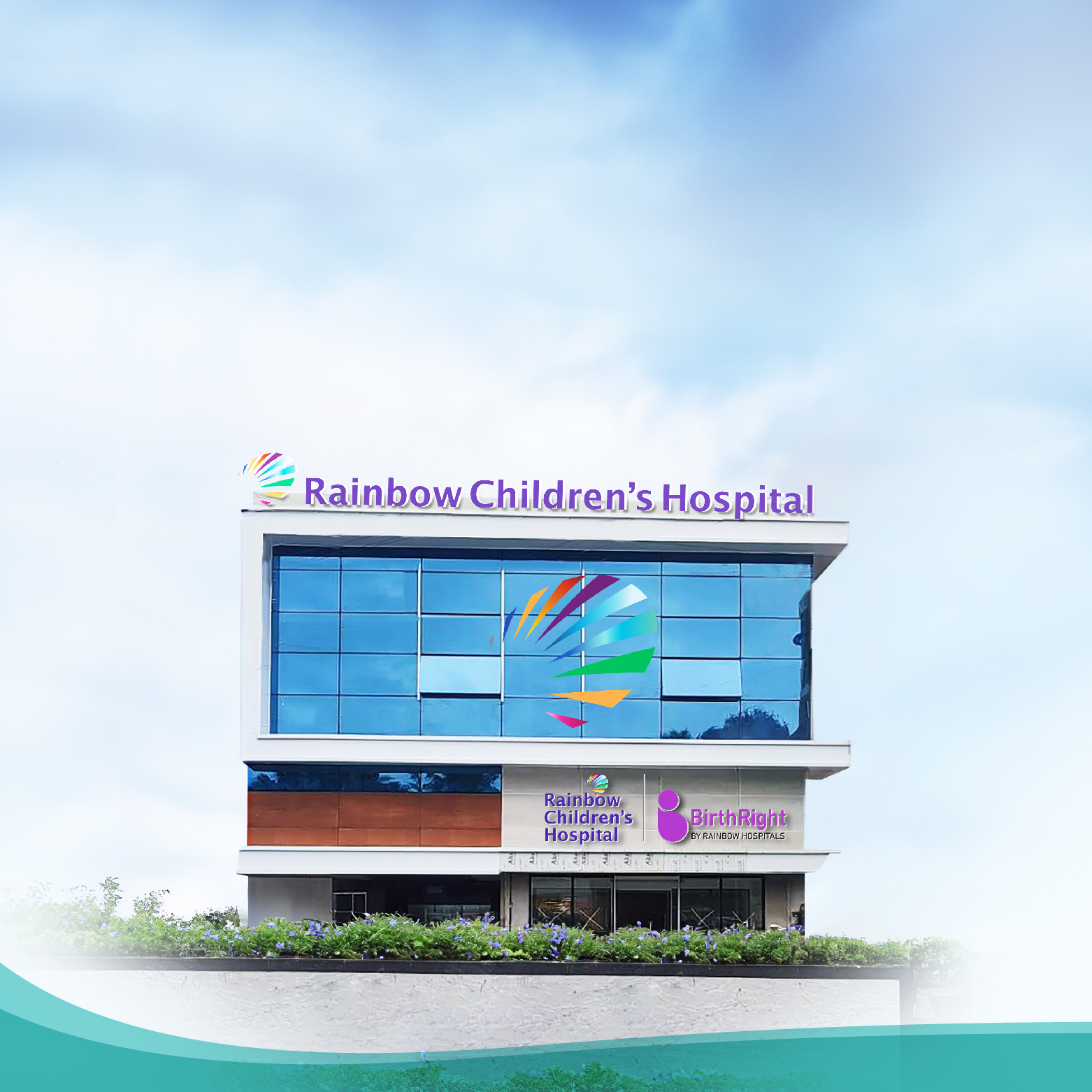
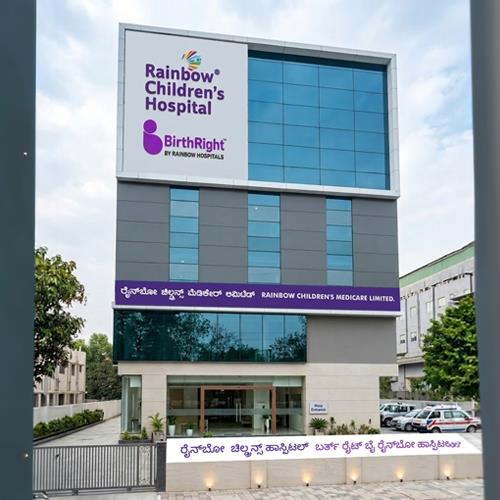
Rainbow Children's Hospital stands as a testament to the hospital's continual pursuit of excellence and innovation, providing specialized care for women and children


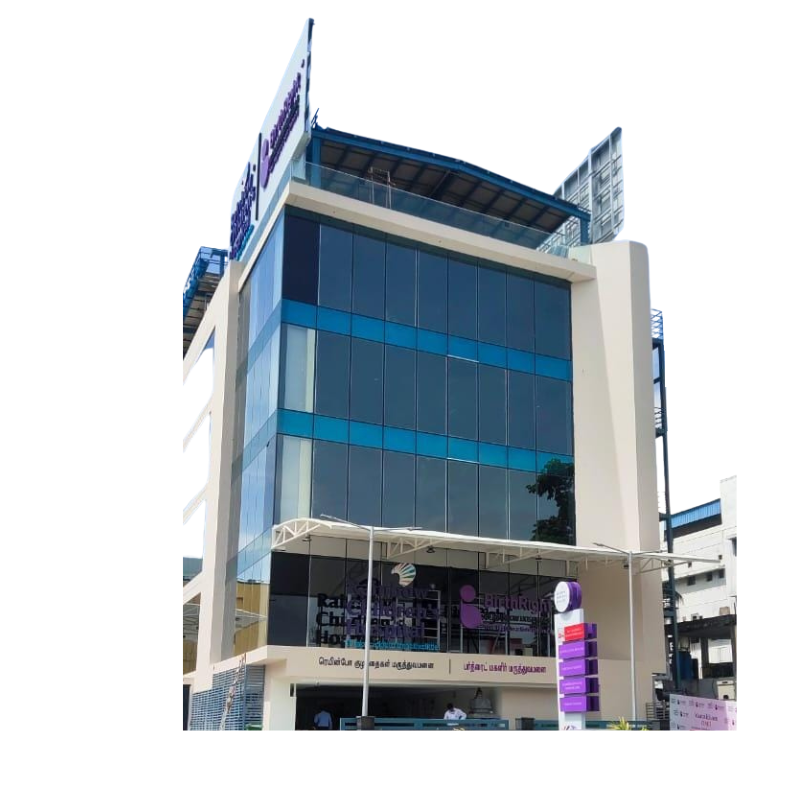








chennai
Blogs
Discover our most recent health articles provided by our reliable experts.




What Are People Saying About Us
Embark on a journey of inspiration and hope with our patient success stories, complemented by informative videos from our dedicated doctors.




Media
 Common Gynaecological Surgeries to Fix Female Reproductive Issues
 Healthy Woman - Healthy World
 Healthier Women For a Healthier Future...
 Rainbow Children’s Hospital & BirthRight by Rainbow Launch Video Consultation Facilities
 Dr.Pranthi Reddy
 What is the use of that?
 Can you try this time?
 Pregnant Women are Not Unfit
 Declining Age of Menarche - A Matter of Concern
 Important Facts about Cervical Cancer
 Be careful before preempting
 Flu every month!
 Menstrual cramps
 Premature delivery
 Whether laughing or coughing...why?
 Multi - Tasking may be Cool but it's not Healthy
 Pregnant and Worried about COVID-19? Here's Everything you Need to know
 Video Consultation in Pandamic Situation for Pregnancy Women's
 Women.. Various types of cysts
 Recurrent Pregnancy Loss in Women
 Early Onset of Puberty: Causes, Symptoms and Treatment Options
 Common Gynaecological Surgeries to Fix Female Reproductive Issues
Healthy Woman - Healthy World
Healthier Women For a Healthier Future...
Common Gynaecological Surgeries to Fix Female Reproductive Issues
Healthy Woman - Healthy World
Healthier Women For a Healthier Future...
FAQs
What is the most common cause of recurrent miscarriage?
Is it normal to have two miscarriages in a row?
Why can I get pregnant but not stay pregnant?
What should I do after two consecutive miscarriages?
What is the 3 miscarriage rule?
Can recurrent pregnancy loss be treated successfully in India?
Quick Links
Free Calculators to Track and Predict your Pregnancy
Obstetrician and Gynecologist in Other Locations
- Obstetrician and Gynecologist in india
- Obstetrician and Gynecologist in Hyderabad
- Obstetrician and Gynecologist in Bangalore
- Obstetrician and Gynecologist in Chennai
- Obstetrician and Gynecologist in Delhi (NCR)
- Obstetrician and Gynecologist in Vijayawada
- Obstetrician and Gynecologist in Vizag
- Obstetrician and Gynecologist in Warangal
- Obstetrician and Gynecologist in Guwahati
- Obstetrician and Gynecologist in Rajahmundry
- Obstetrician and Gynecologist in Nellore
- Obstetrician and Gynecologist in Guntur