




Endometrial Polyps (Uterine Polyps)
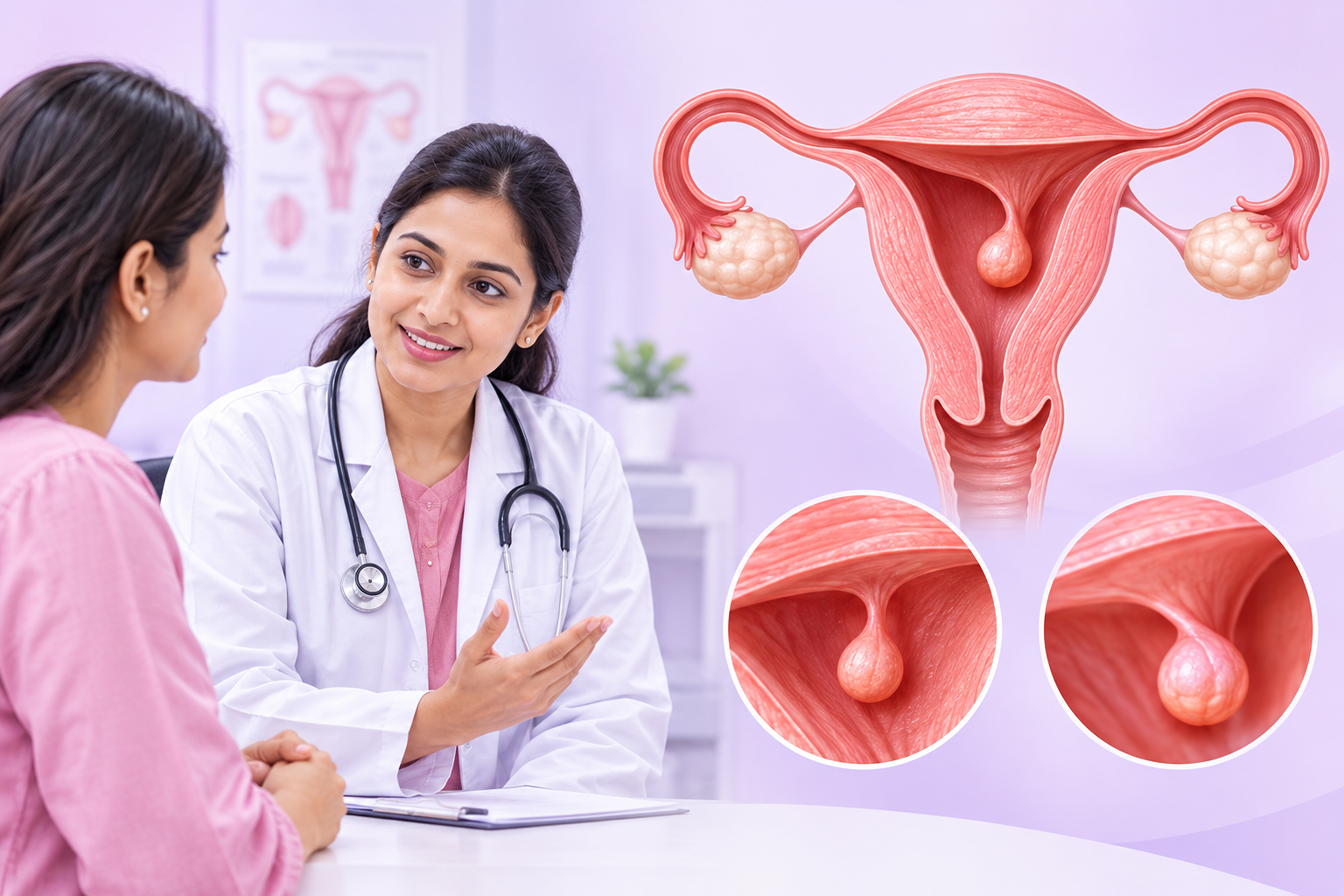
An endometrial polyp, also called a uterine polyp, is a growth that forms from the inner lining of the uterus and projects into the womb. Most are non-cancerous and many cause no symptoms, but some cause heavy or irregular bleeding, bleeding after menopause or difficulty conceiving. A scan can find a polyp, and hysteroscopy confirms the diagnosis and can remove it in the same procedure.

Seamless support from diagnosis to post treatment care
Overview
The lining of the uterus changes throughout the menstrual cycle in response to hormones. Sometimes, a small area of this tissue grows more than usual and forms an endometrial polyp, also called a uterine polyp. A scan may find it after symptoms such as heavy or irregular bleeding, or it may be discovered even when there are no noticeable symptoms.
Most endometrial polyps are non-cancerous, but whether they need treatment depends on factors such as their size, symptoms and your individual circumstances. Understanding what an endometrial polyp is and how it develops is the first step towards knowing what it may mean for your health.
What is an Endometrial Polyp (Uterine Polyp)?
An endometrial polyp is a growth that develops from the inner lining of the uterus, called the endometrium. It grows into the uterine cavity and can be attached to the lining by a thin stalk or a broad base.
Polyps can vary in size, from a few millimetres to several centimetres. Most are non-cancerous, although your doctor may recommend further assessment in some cases, particularly if you have symptoms or have gone through menopause.
How Do Endometrial Polyps Form in the Uterus?
- Localised Overgrowth: The womb lining naturally thickens and sheds during each menstrual cycle. An endometrial polyp forms when a small area of this lining grows more than the surrounding tissue.
- Hormonal Influence: Oestrogen helps the womb lining grow during the menstrual cycle. Its effect on the lining is thought to play an important role in the development of endometrial polyps.
- Hormonal Changes Around Menopause: Changes in hormone levels around menopause may help explain why doctors find endometrial polyps more often during this stage of life.
- Other Contributing Factors: Hormones are not the only influence. Other factors can also increase a woman's likelihood of developing endometrial polyps.
Causes of Endometrial Polyps
The exact cause of endometrial polyps is not fully understood. Hormones, particularly oestrogen, are thought to play a role by encouraging the uterine lining to grow. This may cause a small area of the lining to grow more than usual and form a polyp.
Endometrial polyps are not caused by anything a woman has done. Diet, physical activity and stress are not known to cause these growths. Age and hormonal changes can influence the likelihood of developing them, along with other risk factors.
Risk Factors of Endometrial Polyps
Endometrial polyps can develop at different ages, but certain hormonal, metabolic and reproductive factors may increase the likelihood. The main risk factors include:
- Age 40 and above: Polyps are more common during perimenopause and menopause.
- Being overweight or obese: Higher oestrogen levels can encourage the growth of the uterine lining.
- Diabetes: Gestational Diabetes is associated with a higher likelihood of developing endometrial polyps.
- PCOS and chronic anovulation: Irregular or absent ovulation can expose the uterine lining to oestrogen without enough progesterone to balance its effects.
- Never having given birth (nulliparity): Women who have not had a pregnancy reaching childbirth may have a higher likelihood of developing polyps.
- Endometrial hyperplasia: An overgrowth of the uterine lining may occur alongside or be associated with polyp formation.
- High blood pressure: Some studies report an association, although the evidence is less consistent.
- Tamoxifen: This breast cancer medicine can stimulate the uterine lining. Endometrial polyps or other endometrial abnormalities have been reported in around 20–35% of women taking it.
- Hormone replacement therapy (HRT): Certain hormone regimens may influence the growth of the uterine lining.
Having these risk factors does not mean you will develop polyps, and they can also occur in women without any known risk factors. If you take tamoxifen, report any abnormal vaginal bleeding or spotting to your doctor promptly. Routine ultrasound scans to check the uterine lining are not recommended for women taking tamoxifen who have no symptoms.
Signs & Symptoms of Endometrial Polyps
Many endometrial polyps cause no symptoms at all and are found by chance during a scan. When they do cause problems, the most common sign is a change in bleeding. The possible endometrial polyp symptoms are below.
- Irregular periods: Bleeding that is unpredictable or comes between periods.
- Heavy or long periods: Periods that are heavier or last longer than usual.
- Bleeding after menopause: Any bleeding or spotting after menopause should always be checked.
- Bleeding after sex: Spotting or bleeding after intercourse.
- Difficulty conceiving: In some women, polyps are linked with trouble getting pregnant.
Complications of Endometrial Polyps
Most endometrial polyps are benign and do not cause lasting problems. However, some can lead to complications or need further assessment.
- Ongoing abnormal bleeding: Polyps can cause heavy, prolonged or irregular bleeding, which may affect daily life and lead to anaemia.
- Difficulty getting pregnant: Some polyps may interfere with embryo implantation. Removing them may improve the chances of pregnancy in selected women.
- A small risk of precancerous or cancerous changes: Most polyps are benign, but a small proportion contain abnormal cells. Studies suggest this risk is around 1–3% in premenopausal women and approximately 5% in postmenopausal women. The risk is higher in women who experience bleeding after menopause.
Your doctor will assess your individual risk based on factors such as your age, menopausal status, bleeding pattern and medical history. A history of tamoxifen use or an inherited condition such as Lynch syndrome or Cowden syndrome may also warrant closer assessment. Any bleeding after menopause should be evaluated promptly.
How Are Endometrial Polyps Diagnosed?
Endometrial polyps are usually detected through imaging tests or a procedure that allows the doctor to examine the uterine lining. The choice depends on your symptoms and initial scan findings.
- Transvaginal ultrasound: Usually the first test. A small ultrasound probe is placed in the vagina to examine the uterus and identify possible polyps.
- Saline infusion sonography (SIS): Also called sonohysterography, this test introduces sterile saline into the uterus during an ultrasound. The fluid helps outline the uterine cavity, making polyps easier to see.
- Hysteroscopy: A thin camera is passed through the vagina and cervix into the uterus, allowing the doctor to view the polyp directly. It is the most reliable method for confirming the diagnosis and can also allow removal during the same procedure.
- Endometrial biopsy: A small sample of the uterine lining is collected and examined under a microscope to check for abnormal or cancerous cells. However, a blind biopsy may miss a polyp because it samples only a small part of the lining.
Blind dilation and curettage (D&C), which involves scraping the uterine lining without directly seeing the polyp, is not preferred for diagnosing or removing focal polyps. Hysteroscopy allows more targeted assessment and removal.
Treatment Options for Endometrial Polyps
Treatment depends on your symptoms, age, menopausal status, polyp characteristics, fertility plans and risk of abnormal or cancerous cells. Some small polyps in women without symptoms can be monitored, while others may need removal.
The main treatment options include:
- Watchful waiting: Small polyps without symptoms or concerning features may be monitored, as some disappear on their own. Your doctor may recommend follow-up imaging.
- Hysteroscopic polypectomy: This is the preferred method for removing polyps. A thin camera and specialised instruments are passed through the vagina and cervix, allowing the doctor to remove the polyp without an abdominal incision.
- Office hysteroscopy (see-and-treat): In suitable cases, the doctor can examine the uterine cavity and remove the polyp during the same outpatient visit, sometimes without general anaesthesia.
- Histopathological testing: The removed polyp is sent to a laboratory for examination under a microscope to check for abnormal or cancerous cells.
- Medicines for bleeding: Hormonal medicines, including progestins, may help control abnormal bleeding in selected cases. However, they do not reliably remove the polyp itself.
Removal is more likely to be recommended if a polyp causes abnormal bleeding, particularly after menopause; if there are concerns about abnormal cells; or if it is associated with infertility or fertility treatment. Larger polyps may also be considered for removal, but size alone does not determine the need for treatment.
For women taking tamoxifen, treatment and follow-up should be planned with a gynaecologist and breast cancer specialist. Hormonal options such as a levonorgestrel-releasing intrauterine system (LNG-IUS) may be discussed in selected cases, but they are not routinely recommended for preventing polyps.
What is the Prognosis (Outlook) for Endometrial Polyps?
The outlook for endometrial polyps is generally very good, as most are benign and can be treated effectively. After hysteroscopic removal, abnormal bleeding improves in around 75–90% of women. However, polyps can return, with recurrence reported in up to 15% of cases.
Light spotting or mild cramps may occur for a few days after removal. Contact your doctor if you experience heavy bleeding, fever, severe or worsening abdominal pain, or foul-smelling vaginal discharge.
The removed polyp is examined under a microscope, and the histopathology report helps determine whether further treatment or follow-up is needed. If the results are benign and the polyp has been completely removed, additional treatment may not be necessary. Your doctor will advise you based on the findings and whether symptoms return.
What Questions Should I Ask My Gynecologist?
The questions you may want to ask can change depending on whether the polyp has just been found, is causing symptoms, or needs treatment. You can group them by stage:
If an endometrial polyp has just been diagnosed:
- How large is my polyp, and where is it located?
- Could it be causing my symptoms?
- Do I need treatment now, or can we monitor it?
If you have symptoms or fertility concerns:
- Could the polyp be causing my bleeding or other symptoms?
- Could it affect my chances of becoming pregnant?
- Are any further tests needed before deciding on treatment?
If your doctor recommends removal:
- Why do you recommend removing the polyp?
- What does the removal procedure involve?
- Will I need anaesthesia or a hospital stay?
- Will the removed tissue be sent for testing?
After treatment or removal:
- How long will recovery take?
- What symptoms should I watch for after the procedure?
- How likely is the polyp to return?
- Will I need a follow-up scan or appointment?
Writing your questions down makes it less likely you'll forget them on the day. A clear conversation helps you feel more in control of your care. Your doctor can explain things at your own pace.
Can Endometrial Polyps Be Prevented?
Endometrial polyps cannot always be prevented, as they are largely driven by hormones and age. Even so, a few steps support your overall health and help catch any problem early. The practical points below help.
- Report abnormal bleeding: Tell your doctor promptly about any irregular, heavy, or postmenopausal bleeding.
- Keep up regular checkups: Routine gynaecological visits help find problems early.
- Maintain a healthy weight: A healthy weight helps keep oestrogen levels balanced.
- Review long-term medicines: If you take tamoxifen or HRT, your doctor will monitor you as needed.
Note: If you notice unusual or persistent changes in your bleeding, speak to your doctor so they can assess the cause and recommend appropriate care.
Why Choose BirthRight by Rainbow Hospitals for Endometrial Polyp Care?
BirthRight by Rainbow Hospitals brings together experienced gynaecologists and a full women’s health team, backed by three decades of expertise in women’s and children’s health. Endometrial polyps need accurate diagnosis and, where needed, skilled keyhole removal, and our teams are set up for both. From the scan that finds a polyp to its removal and testing, we explain everything clearly at every step.
Because polyps can affect bleeding and sometimes fertility, our teams link your care with wider gynaecology and fertility support when you need it. This means we handle any related concern in one place. The aim throughout is an accurate diagnosis, the right treatment and reassurance along the way.
Disclaimer
This content is for general educational purposes and does not replace professional medical advice. Endometrial polyps vary from woman to woman, and your care should be guided by your own doctor. Always report abnormal or postmenopausal bleeding promptly and consult a qualified gynaecologist about your diagnosis and treatment.

Find a Doctor and Book Appointment Online
Meet our specialist doctors who bring together clinical expertise, compassion, and personalised care to support your health and well-being. Choose from 1,300+ specialists across our network and book an appointment with BirthRight and Rainbow Children Hospitals, offering 24*7 support to you and your family.

Dr. Pranathi Reddy A
Clinical Director – Obstetrics & Gynecology.
English,Hindi,Telugu Banjara Hills

Dr. Gauri Vinayak Dhamangaonkar
Senior Consultant - Fetal Medicine
15 Years English,Hindi,Marathi,Telugu Kondapur OP, Banjara Hills

Dr. Shruthi Reddy Poddutoor
Consultant Obstetrician, Gynecologist & Laparoscopic Surgeon
English,Telugu Banjara Hills

Dr. Himabindu Veerla
Consultant Obstetrician, Gynecologist & Laparoscopic Surgeon
English,Telugu Banjara Hills
Dr. Bhargavi Reddy K
Consultant - Obstetrics and Gynecology
10 Years English,Hindi,Telugu Banjara Hills, Attapur Clinic

Dr. Annie Pranutha P
Consultant Obstetrics and Gynecology
9 Years English,Hindi,Telugu Banjara Hills, Attapur Clinic

Dr. Sasikala Kola
Consultant Obstetrician & Gynecologist
English,Hindi,Telugu Banjara Hills

Dr. Atigadda Vijaya
Consultant - Obstetrics & Gynecology
Hindi,Telugu Banjara Hills, Himayatnagar, Attapur Clinic

Dr. Nishanth Reddy Inavolu
Visiting Consultant Physician and Diabetologist & Internal Medicine
English,Hindi,Telugu Banjara Hills, Himayatnagar

Dr. Tulika Tayal
Consultant - Fetal Medicine
English,Telugu Banjara Hills

Dr. M Prathyusha Reddy
Consultant Obstetrics & Gynecology
English,Telugu Banjara Hills

Dr. Nithya Narasimha Murthy
Consultant -Psychiatrist
English,Hindi,Telugu Kondapur OP, Banjara Hills, Child Development Centre - Banjarahills Rd No 10

Dr. Brundavani
Consultant - Nutritionist
English,Hindi,Telugu Kondapur OP, Hydernagar, Banjara Hills, Child Development Centre - Banjarahills Rd No 10
Dr. Niveditha Chalmeda
Consultant
English,Telugu Banjara Hills

Dr. Kirti Reddy Patlolla
Consultant Obstetrics and Gynaecology
English,Telugu Banjara Hills, Attapur Clinic

Dr. Tuheena Sharma
Consultant - Perinatal Physiotherapy
10 Years English,Telugu Banjara Hills

Dr. Aditi Shah
Consultant - Fetal Medicine
English,Telugu Banjara Hills

Dr. Swathi Naga Tulasi Rayapureddy
Lactation Consultant
8 Years English,Telugu Banjara Hills

Dr. Swetha Reddy. S
CONSULTANT PERINATAL PSYCHIATRIST AND WOMEN MENTAL HEALTH SPECIALIST
13 Years English,Hindi,Telugu Banjara Hills

Dr. Addu Kiranmayi
Chief Clinical Nutritionist and Lifestyle Medicine Consultant
15 Years English,Hindi,Telugu Himayatnagar, Banjara Hills

Dr. Palle Nalini Kumari
Lactation Consultant
17+ Years English,Hindi,Telugu Banjara Hills
Dr. Nazia Tabassum
Consultant - Breast, Plastic & Reconstructive Surgeon
9 Years English,Hindi,Telugu,Urdu Banjara Hills

Dr. Sruthi Cheera
Consultant Breast Surgeon
5 Years English,Hindi,Kannada,Telugu Banjara Hills
Dr. Supriya Reddy
Lactation Consultant
5 Years English,Hindi,Telugu Banjara Hills

Dr. Niraj Krishnamurthy Yanamandra
Senior Consultant Obstetrician & Gynaecologist, Laparoscopy & Hysteroscopy Surgeon
English,Hindi,Telugu Hydernagar, Banjara Hills

Dr. B. Rao Bahadur
Consultant – Obstetrician & Gynecologist, Laparoscopic ,& Hysteroscopic Surgeon
22 Years English,Hindi,Konkani,Marathi,Telugu Banjara Hills, Kondapur OP
Dr. Sneha Kulkarni
Consultant - Child, Adolescent & Adult Psychiatrist
10 Years English,Hindi,Kannada,Telugu Secunderabad, Banjara Hills, Child Development Centre - Banjarahills Rd No 10

Dr. Lavanya Janagama
Consultant – Obstetrics & Gynecology
10+ Years English Banjara HillsLeading Hospitals for Women Care
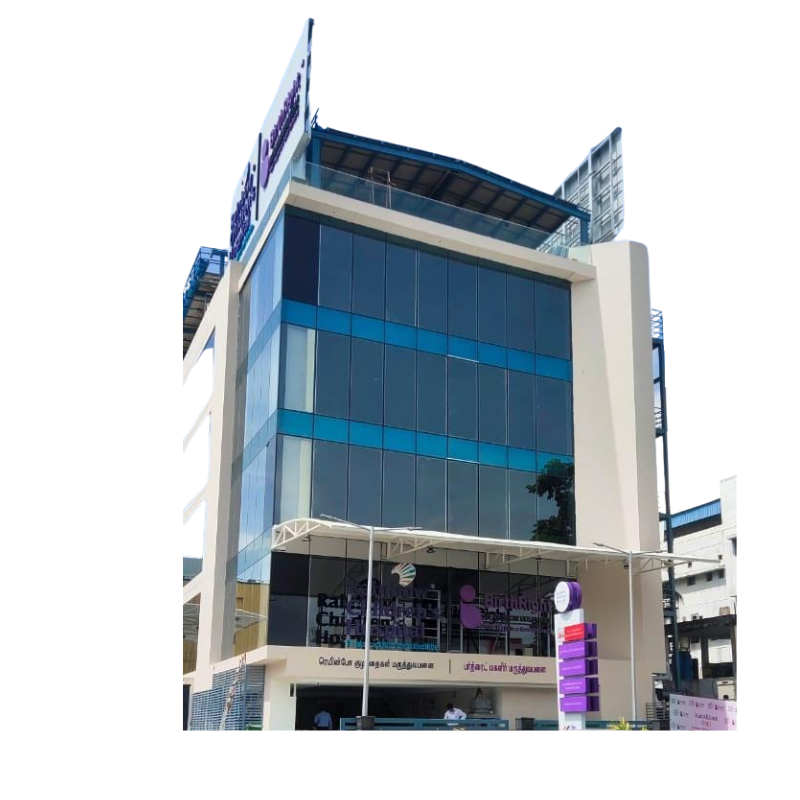
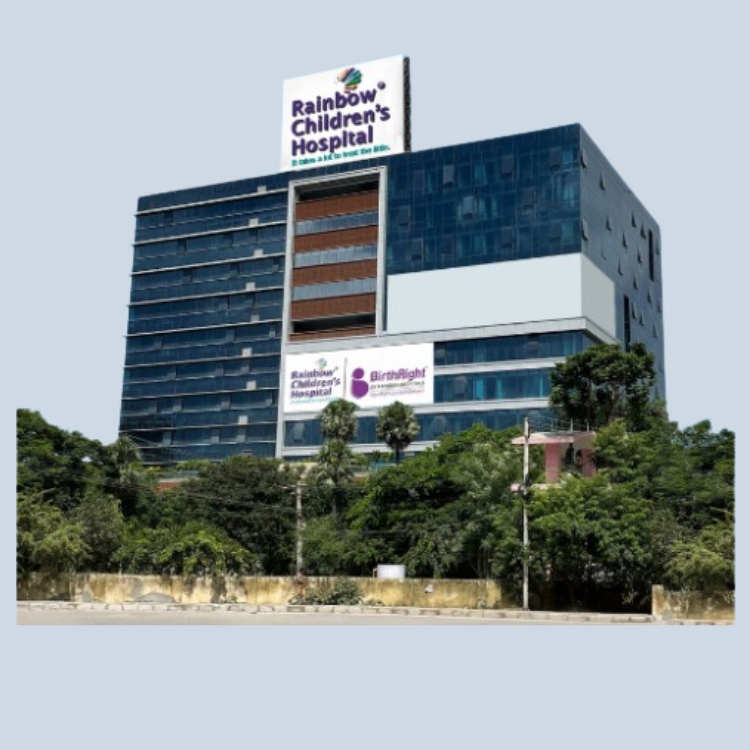
Rainbow Children's Hospital stands as a testament to the hospital's continual pursuit of excellence and innovation, providing specialized care for women and children







chennai
Blogs
Discover our most recent health articles provided by our reliable experts.


What Are People Saying About Us
Embark on a journey of inspiration and hope with our patient success stories, complemented by informative videos from our dedicated doctors.


Media
 Common Gynaecological Surgeries to Fix Female Reproductive Issues
 Healthy Woman - Healthy World
 Healthier Women For a Healthier Future...
 Rainbow Children’s Hospital & BirthRight by Rainbow Launch Video Consultation Facilities
 Dr.Pranthi Reddy
 What is the use of that?
 Can you try this time?
 Pregnant Women are Not Unfit
 Declining Age of Menarche - A Matter of Concern
 Important Facts about Cervical Cancer
 Be careful before preempting
 Flu every month!
 Menstrual cramps
 Premature delivery
 Whether laughing or coughing...why?
 Multi - Tasking may be Cool but it's not Healthy
 Pregnant and Worried about COVID-19? Here's Everything you Need to know
 Video Consultation in Pandamic Situation for Pregnancy Women's
 Women.. Various types of cysts
 Recurrent Pregnancy Loss in Women
 Early Onset of Puberty: Causes, Symptoms and Treatment Options
Common Gynaecological Surgeries to Fix Female Reproductive Issues
Healthy Woman - Healthy World
Healthier Women For a Healthier Future...
FAQs
Are endometrial polyps the same as fibroids?
No. Endometrial polyps grow from the inner lining of the uterus, while fibroids develop from its muscular wall. Both can cause abnormal bleeding, but they are different conditions and may need different treatments.
Can endometrial polyps go away on their own?
Can endometrial polyps be treated with medicines alone?
Can endometrial polyps affect my chances of getting pregnant?
Can endometrial polyps cause heavy periods or other bleeding?
Can polyps come back after removal?
Does a thick endometrium on ultrasound mean I have a polyp?
No. A thickened uterine lining can be caused by hormonal changes, endometrial hyperplasia or, less commonly, cancer. A polyp is one possible cause. If you have bleeding after menopause, prompt assessment is important. An endometrial thickness scan above 4 mm may require further investigation, but the scan finding alone does not confirm a polyp or cancer.
What size endometrial polyp should be removed?
Do endometrial polyps cause weight gain or pelvic pain?
Should endometrial polyps be removed before IVF or embryo transfer?
Removal may be considered before IVF, particularly if a polyp inside the uterine cavity is large, or you have a history of unsuccessful implantation or recurrent miscarriage. However, small polyps do not always need removal before embryo transfer. Your fertility specialist will consider the polyp and your treatment history before advising you.
Does removing an endometrial polyp affect fertility or increase miscarriage risk?
Will removing a polyp require a hospital stay?
Can polyps cause pain during intercourse?
Can endometrial polyps become cancerous?
Quick Links
Free Calculators to Track and Predict your Pregnancy
Understand your cycle and plan ahead with these quick, free fertility tools.
Gynecologist in Other Locations
Women's Health Conditions We Treat
- Mastitis (Breast Infection)
- PCOS (Polycystic Ovary Syndrome)
- Uterine Fibroids (Leiomyomas)
- Recurrent Pregnancy Loss
- Blocked Fallopian Tubes (Fallopian Tube Obstruction)
- Gestational Diabetes in Pregnancy
- Incompetent Cervix (Cervical Insufficiency)
- COVID-19 in Pregnancy
- Cytomegalovirus (CMV) in Pregnancy
- HELLP Syndrome
- Luteal Phase Defect
- Vasa Previa
- Listeria in Pregnancy
- Placenta Previa