


HELLP Syndrome
HELLP syndrome, also referred to clinically as haemolysis, elevated liver enzymes and low platelets, is a rare but serious pregnancy complication closely linked to pre-eclampsia. It usually appears in the third trimester or shortly after delivery and can cause upper abdominal pain, severe headache and bleeding problems. Early assessment and timely delivery planning protect mother and baby.

Seamless support from diagnosis to post treatment care
Overview
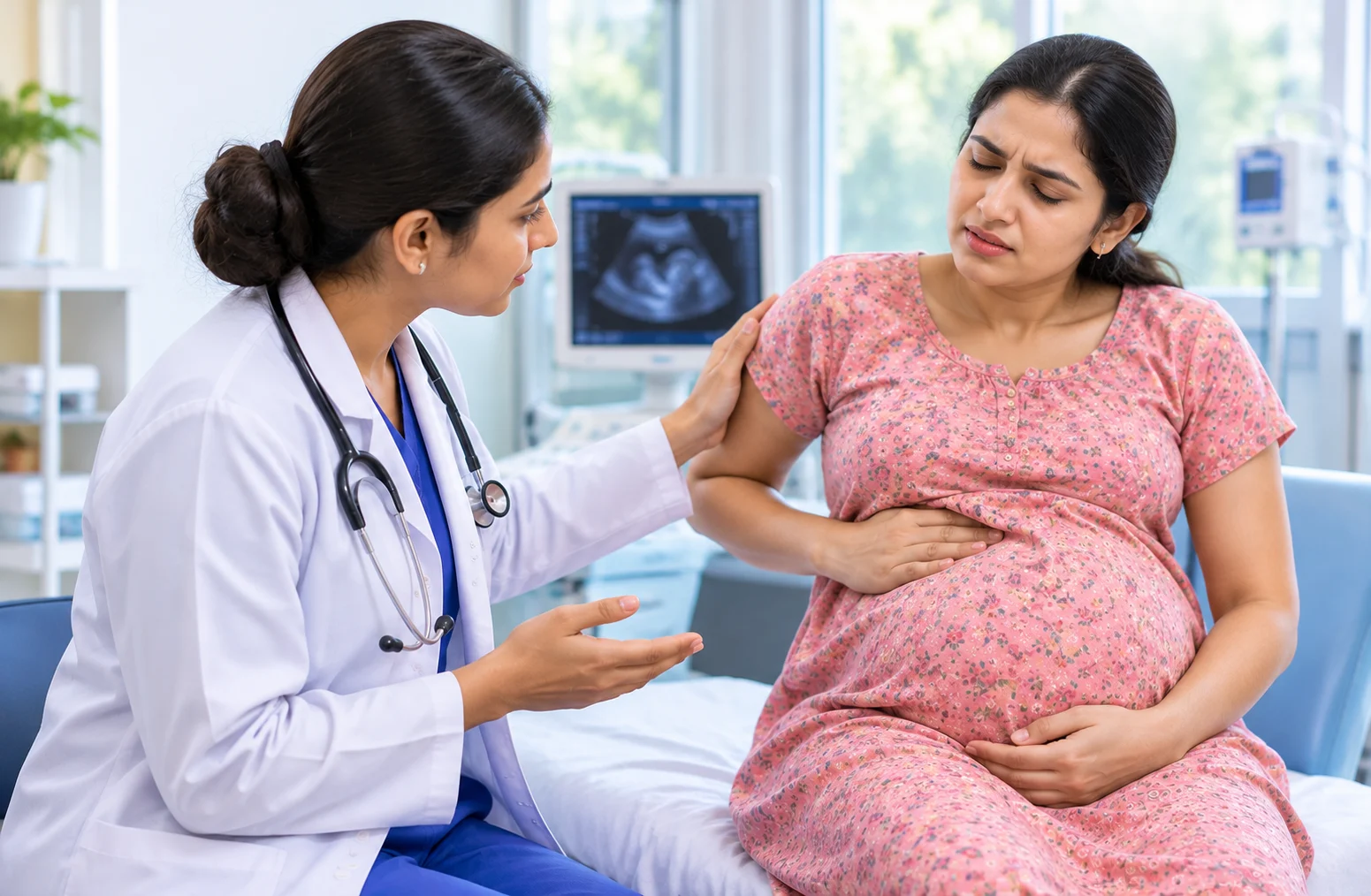
Taking care of your health during pregnancy also means knowing when a symptom needs medical attention. While nausea and tiredness can occur during pregnancy, persistent upper abdominal pain, a severe headache, or suddenly feeling very unwell should not be ignored. These symptoms can sometimes be associated with HELLP syndrome, a rare but serious pregnancy complication. Timely assessment helps doctors identify the condition and decide on the appropriate care for mother and baby.
What Is HELLP Syndrome?
HELLP syndrome is a serious pregnancy complication that affects the red blood cells, the liver and the blood's ability to clot. It usually develops in the third trimester but can occur earlier in pregnancy or shortly after delivery.
The name HELLP syndrome stands for its three main features:
- Haemolysis (H): The breakdown of red blood cells, which carry oxygen throughout the body.
- Elevated liver enzymes (EL): Higher levels of certain enzymes in the blood, indicating liver stress or damage.
- Low platelet count (LP): A reduction in platelets, the blood cells that help stop bleeding by forming clots.
HELLP syndrome is closely associated with pre-eclampsia, a pregnancy-related condition involving high blood pressure and, sometimes, problems affecting organs such as the liver and kidneys. However, HELLP syndrome can occur even when a woman has not previously been diagnosed with pre-eclampsia.
The condition requires urgent medical assessment because it can progress quickly. Early diagnosis and appropriate treatment help reduce the risk of serious complications.
How HELLP Syndrome Relates to Pre-eclampsia
HELLP syndrome and pre-eclampsia are closely related pregnancy complications that can affect the mother's blood vessels, liver and other organs.
Pre-eclampsia usually involves high blood pressure after 20 weeks of pregnancy, along with signs that certain organs are affected. HELLP syndrome involves the breakdown of red blood cells, raised liver enzymes and a low platelet count. Some women develop HELLP syndrome as part of pre-eclampsia, while others develop it without the usual signs of the condition.
An important point to remember: in a minority of women, HELLP syndrome can occur even when blood pressure is not high and protein is not detected in the urine. Therefore, normal blood pressure or a previous normal antenatal check-up** **does not rule it out.
If you experience persistent pain in the upper abdomen, a severe headache, vision changes, or sudden nausea and vomiting with a general feeling of being unwell during pregnancy or shortly after childbirth, seek immediate medical assessment.
Causes of HELLP Syndrome
The exact cause of HELLP syndrome is not fully understood. It is thought to involve abnormal changes in the placenta and the blood vessels that supply it, similar to those in pre-eclampsia.
These changes may affect the lining of blood vessels and the way blood flows through them. As a result, red blood cells can break down, the liver can become affected, and platelet levels can fall.
HELLP syndrome is not known to be caused by anything a mother has done or failed to do during pregnancy. It can develop even when a woman follows her antenatal care plan and has no known risk factors.
Risk Factors of HELLP Syndrome
HELLP syndrome can affect any pregnant woman, but certain factors may increase the likelihood of developing it. These include:
- Pre-eclampsia or eclampsia: Women with pre-eclampsia, or eclampsia (a condition in which pre-eclampsia causes seizures), have an increased risk of HELLP syndrome.
- A previous history of HELLP syndrome: Having experienced the condition in an earlier pregnancy increases the chance of it occurring again.
- Previous pre-eclampsia: A history of pre-eclampsia may increase the risk of related complications in a later pregnancy.
- Existing health conditions: Chronic high blood pressure, kidney disease and diabetes increase the risk of pre-eclampsia and may therefore increase the risk of HELLP syndrome.
- Maternal age: Being 35 years or older increases the risk of pre-eclampsia and may be associated with a higher risk of HELLP syndrome.
Having one or more of these risk factors does not mean you will develop HELLP syndrome. Your obstetrician can assess your individual risk and recommend appropriate monitoring during pregnancy.
Symptoms of HELLP Syndrome
HELLP syndrome can develop over a short period, and its symptoms may initially resemble common pregnancy discomforts or a stomach illness. Recognising the warning signs is important because the condition needs prompt medical assessment.
Symptoms may include:
- Pain in the upper abdomen: Pain below the ribs, particularly on the right side, is an important warning sign. It may also be felt in the upper middle abdomen or the right shoulder.
- Nausea and vomiting: Persistent or worsening nausea and vomiting, particularly later in pregnancy, should be assessed.
- Headache: A severe, persistent or unusual headache may indicate a pregnancy complication.
- Vision changes: Blurred vision, seeing spots, or other sudden changes in eyesight need urgent assessment.
- Unusual tiredness or feeling unwell: You may feel weak, exhausted, or suddenly unwell without an obvious explanation.
- Easy bruising or unusual bleeding: A low platelet count can affect the blood's ability to clot, making bruising or bleeding more likely.
Not every woman experiences all these symptoms, and some may be mild at first. HELLP syndrome can also develop without the typical signs of pre-eclampsia.
When to seek medical care: If you are pregnant or have recently given birth and experience upper abdominal pain, a severe headache, vision changes, unusual bleeding, or sudden, significant illness, seek urgent medical attention. Do not wait for your next antenatal appointment or assume the symptoms are due to indigestion or a routine pregnancy discomfort.
Complications of HELLP Syndrome
HELLP syndrome can cause complications for both the mother and baby, particularly if diagnosis and treatment are delayed. However, timely medical care, close monitoring, and appropriate delivery planning can help reduce these risks.
For the Mother
Possible complications include:
- Bleeding and clotting problems: A low platelet count can make it harder for the blood to clot normally. In severe cases, widespread clotting abnormalities can also develop.
- Liver complications: HELLP syndrome can damage the liver and, in rare cases, cause serious bleeding or liver failure.
- Kidney problems: The condition can affect how well the kidneys work, making it harder for them to filter waste from the blood.
- Eclampsia: Pre-eclampsia and HELLP syndrome can sometimes lead to seizures, which require immediate medical treatment.
- Placental abruption: The placenta may separate from the uterus before the baby is born, which can affect the oxygen supply to the baby and cause bleeding.
- Heavy bleeding after childbirth: Changes in blood clotting can increase the risk of excessive bleeding during or after delivery.
These complications do not occur in every woman with HELLP syndrome. The medical team will assess the severity of the condition and provide treatment based on the mother's individual needs.
For the Baby
Possible complications for the baby include:
- Preterm birth: Delivery may need to take place before 37 completed weeks of pregnancy to protect the mother and baby.
- Restricted growth: Problems with placental function may limit the supply of oxygen and nutrients, affecting the baby's growth.
- Breathing difficulties: Babies born prematurely may need help with breathing and other specialised newborn care.
- Other complications related to placental function: Reduced blood supply to the baby may affect wellbeing and influence the timing of delivery.
The need for early delivery can be concerning for parents. However, the obstetric team will carefully weigh the risks of continuing the pregnancy against the risks of premature birth and arrange appropriate newborn support when needed.
Treatment & Management of HELLP Syndrome
HELLP syndrome requires hospital-based care and close monitoring. Delivery is the definitive treatment and is usually planned once the mother's condition has been stabilised, even if the baby is premature**. **However, the mother's blood counts and liver function may take several days or longer to return to normal after delivery.
The timing of delivery depends on the severity of the condition, the stage of pregnancy and the health of both mother and baby. Delivery may be needed urgently if the mother's or baby's condition is deteriorating. In selected cases, specialists may consider a short period of closely supervised management before delivery, but this is not appropriate for everyone.
Treatment may include the following measures:
- Blood pressure medicines: These may be given if blood pressure is high to reduce the risk of complications.
- Magnesium sulphate: This medicine may be used to prevent or treat seizures when indicated.
- Corticosteroids for the baby's lungs: If premature birth is expected, doctors may give corticosteroids to help the baby's lungs mature. They do not replace delivery when it is medically necessary; in selected stable cases, delivery may be delayed briefly to allow them to take effect.
- Blood or platelet transfusions: These may be required if platelet levels are very low, bleeding is significant, or a procedure requires additional support.
- Regular blood tests: These help monitor platelet levels, red blood cell breakdown, and liver and kidney function.
- Monitoring the baby: The team may assess the baby's heart rate, growth, and overall wellbeing to guide delivery planning.
Depending on the gestational age of the baby and the health of the mother, the birth can take place either vaginally or through a caesarean section. HELLP syndrome does not automatically mean that a caesarean section is needed; rather, it depends on the clinical situation.
Care does not stop after delivery, as blood counts or liver function may not improve immediately. The medical team will closely monitor the mother and provide further treatment as needed.
What Is the Prognosis (Outlook) for HELLP Syndrome?
Most women recover well from HELLP syndrome with timely treatment. After delivery, the condition usually begins to improve, depending on its severity and whether complications have developed.
After delivery, platelet counts and liver enzyme levels may take several days or longer to return to normal. Some women may need additional treatment or a longer hospital stay while these levels improve.
Postpartum monitoring is also essential in case HELLP syndrome arises or intensifies in the first days after giving birth. In that case, doctors will monitor your condition and provide instructions on any additional tests you may need.
A history of HELLP syndrome increases the chance of pre-eclampsia and related disorders in subsequent pregnancies. However, this does not mean that you will definitely develop them. Before planning another pregnancy, speak with your obstetrician about your medical history, individual risk, and recommended monitoring.
What Questions Should I Ask My Doctor?
A clear conversation with your gynecologist can help you understand your condition, the treatment plan, and what to expect during recovery. Consider asking the following questions.
Risk and Monitoring Questions
- Does my medical history increase my risk of HELLP syndrome?
- Which symptoms mean I should seek urgent medical attention?
- Which blood tests and checks will I need, and how often?
- Could my symptoms indicate another condition that needs treatment?
Delivery and Recovery Questions
- Why is delivery recommended now, or is it safe to monitor my condition for a short time?
- Will I need medicines, a blood transfusion, or other treatment before delivery?
- How long will I need to stay in the hospital after childbirth?
- What follow-up tests will I need after discharge?
- What should I know before planning another pregnancy?
Your care team can answer these questions based on your test results, how many weeks pregnant you are, and overall health. If you develop new or worsening symptoms, seek medical care rather than waiting for a scheduled appointment.
Prevention & Early Recognition Tips for HELLP Syndrome
Regular antenatal check-ups and awareness of the warning signs play an important role in managing HELLP syndrome. Although it may not always be possible to prevent the condition, recognising symptoms early and seeking timely medical care can help doctors provide appropriate treatment and protect the health of both mother and baby.
The following steps can support safer pregnancy care:
- Attend antenatal appointments: Regular visits allow your healthcare team to monitor your blood pressure, assess your health and arrange tests when needed.
- Recognise the warning signs: Learn to identify upper abdominal pain, severe headaches, vision changes, persistent vomiting and sudden illness.
- Report symptoms promptly: Contact your healthcare team immediately if you experience concerning symptoms during pregnancy or after delivery. Seek urgent medical care for severe or sudden symptoms.
- Share your medical history: Tell your obstetrician if you have previously had HELLP syndrome, pre-eclampsia or other relevant health conditions.
- Follow personalised medical advice: If you are at increased risk of pre-eclampsia, your doctor may recommend low-dose aspirin or other measures where appropriate. Take it only on medical advice, and do not start or stop prescribed medicines without consulting your doctor.
These measures cannot guarantee that HELLP syndrome will be prevented. Their purpose is to support timely assessment, appropriate monitoring and prompt treatment when needed.
Why Choose BirthRight by Rainbow Hospitals for HELLP Syndrome Care?
At BirthRight by Rainbow Hospitals, we recognise that pregnancy complications can be physically and emotionally challenging for families. Our approach focuses on timely assessment, clear communication and coordinated care for the mother and baby.
Our obstetric teams assess pregnancy-related complications and guide decisions about monitoring, treatment and delivery according to each patient's clinical needs. Where available, maternal-fetal medicine specialist, laboratory investigations and neonatal services can support the management of pregnancies that require specialised care.
For women diagnosed with HELLP syndrome, care may involve close monitoring before and after delivery, treatment for blood pressure or clotting problems, and assessment of the baby's wellbeing. When premature birth is necessary, neonatal support may also be important. Book a consultation at your nearest BirthRight centre to discuss HELLP syndrome privately with our specialists.

Find a Doctor and Book Appointment Online
Meet our specialist doctors who bring together clinical expertise, compassion, and personalised care to support your health and well-being. Choose from 1,300+ specialists across our network and book an appointment with BirthRight and Rainbow Children Hospitals, offering 24*7 support to you and your family.

Dr. Pranathi Reddy A
Clinical Director – Obstetrics & Gynecology.
English,Hindi,Telugu Banjara Hills

Dr. Gauri Vinayak Dhamangaonkar
Senior Consultant - Fetal Medicine
15 Years English,Hindi,Marathi,Telugu Kondapur OP, Banjara Hills

Dr. Shruthi Reddy Poddutoor
Consultant Obstetrician, Gynecologist & Laparoscopic Surgeon
English,Telugu Banjara Hills

Dr. Himabindu Veerla
Consultant Obstetrician, Gynecologist & Laparoscopic Surgeon
English,Telugu Banjara Hills

Dr. Bhargavi Reddy K
Consultant - Obstetrics and Gynecology
10 Years English,Hindi,Telugu Banjara Hills, Attapur Clinic

Dr. Annie Pranutha P
Consultant Obstetrics and Gynecology
9 Years English,Hindi,Telugu Banjara Hills, Attapur Clinic

Dr. Sasikala Kola
Consultant Obstetrician & Gynecologist
English,Hindi,Telugu Banjara Hills

Dr. Atigadda Vijaya
Consultant - Obstetrics & Gynecology
Hindi,Telugu Banjara Hills, Himayatnagar, Attapur Clinic

Dr. Nishanth Reddy Inavolu
Visiting Consultant Physician and Diabetologist & Internal Medicine
English,Hindi,Telugu Banjara Hills, Himayatnagar

Dr. Tulika Tayal
Consultant - Fetal Medicine
English,Telugu Banjara Hills

Dr. M Prathyusha Reddy
Consultant Obstetrics & Gynecology
English,Telugu Banjara Hills

Dr. Nithya Narasimha Murthy
Consultant -Psychiatrist
English,Hindi,Telugu Kondapur OP, Banjara Hills, Child Development Centre - Banjarahills Rd No 10

Dr. Brundavani
Consultant - Nutritionist
English,Hindi,Telugu Kondapur OP, Hydernagar, Banjara Hills, Child Development Centre - Banjarahills Rd No 10
Dr. Niveditha Chalmeda
Consultant
English,Telugu Banjara Hills

Dr. Kirti Reddy Patlolla
Consultant Obstetrics and Gynaecology
English,Telugu Banjara Hills, Attapur Clinic

Dr. Tuheena Sharma
Consultant - Perinatal Physiotherapy
10 Years English,Telugu Banjara Hills

Dr. Aditi Shah
Consultant - Fetal Medicine
English,Telugu Banjara Hills
Dr. Swathi Naga Tulasi Rayapureddy
Lactation Consultant
8 Years English,Telugu Banjara Hills

Dr. Swetha Reddy. S
CONSULTANT PERINATAL PSYCHIATRIST AND WOMEN MENTAL HEALTH SPECIALIST
13 Years English,Hindi,Telugu Banjara Hills

Dr. Addu Kiranmayi
Chief Clinical Nutritionist and Lifestyle Medicine Consultant
15 Years English,Hindi,Telugu Himayatnagar, Banjara Hills

Dr. Palle Nalini Kumari
Lactation Consultant
17+ Years English,Hindi,Telugu Banjara Hills
Dr. Nazia Tabassum
Consultant - Breast, Plastic & Reconstructive Surgeon
9 Years English,Hindi,Telugu,Urdu Banjara Hills

Dr. Sruthi Cheera
Consultant Breast Surgeon
5 Years English,Hindi,Kannada,Telugu Banjara Hills
Dr. Supriya Reddy
Lactation Consultant
5 Years English,Hindi,Telugu Banjara Hills

Dr. Niraj Krishnamurthy Yanamandra
Senior Consultant Obstetrician & Gynaecologist, Laparoscopy & Hysteroscopy Surgeon
English,Hindi,Telugu Hydernagar, Banjara Hills

Dr. B. Rao Bahadur
Consultant – Obstetrician & Gynecologist, Laparoscopic ,& Hysteroscopic Surgeon
22 Years English,Hindi,Konkani,Marathi,Telugu Banjara Hills, Kondapur OP

Dr. Sneha Kulkarni
Consultant - Child, Adolescent & Adult Psychiatrist
10 Years English,Hindi,Kannada,Telugu Secunderabad, Banjara Hills, Child Development Centre - Banjarahills Rd No 10

Dr. Lavanya Janagama
Consultant – Obstetrics & Gynecology
10+ Years English Banjara HillsLeading Hospitals for Women Care
Rainbow Children's Hospital stands as a testament to the hospital's continual pursuit of excellence and innovation, providing specialized care for women and children





chennai
Blogs
Discover our most recent health articles provided by our reliable experts.




What Are People Saying About Us
Embark on a journey of inspiration and hope with our patient success stories, complemented by informative videos from our dedicated doctors.


Media
 Common Gynaecological Surgeries to Fix Female Reproductive Issues
 Healthy Woman - Healthy World
 Healthier Women For a Healthier Future...
 Rainbow Children’s Hospital & BirthRight by Rainbow Launch Video Consultation Facilities
 Dr.Pranthi Reddy
 What is the use of that?
 Can you try this time?
 Pregnant Women are Not Unfit
 Declining Age of Menarche - A Matter of Concern
 Important Facts about Cervical Cancer
 Be careful before preempting
 Flu every month!
 Menstrual cramps
 Premature delivery
 Whether laughing or coughing...why?
 Multi - Tasking may be Cool but it's not Healthy
 Pregnant and Worried about COVID-19? Here's Everything you Need to know
 Video Consultation in Pandamic Situation for Pregnancy Women's
 Women.. Various types of cysts
 Recurrent Pregnancy Loss in Women
 Early Onset of Puberty: Causes, Symptoms and Treatment Options
Common Gynaecological Surgeries to Fix Female Reproductive Issues
Healthy Woman - Healthy World
Healthier Women For a Healthier Future...
FAQs
Can HELLP syndrome happen even if I don't have pre-eclampsia?
Does a low platelet count in pregnancy mean HELLP syndrome?
Will I need an emergency delivery if I'm diagnosed with HELLP syndrome?
Can I breastfeed after HELLP syndrome or while taking blood pressure medicines?
Can HELLP syndrome happen again in a future pregnancy?
How long does it take to recover from HELLP syndrome?
Can HELLP syndrome cause problems later in life?
Does having HELLP syndrome mean my baby will have health problems?
How quickly can HELLP syndrome develop?
Can drinking lots of water prevent HELLP syndrome?
Is HELLP syndrome hereditary?
Quick Links
Free Calculators to Track and Predict your Pregnancy
Gynecologist in Other Locations
Women's Health Conditions We Treat
- Mastitis (Breast Infection)
- PCOS (Polycystic Ovary Syndrome)
- Uterine Fibroids (Leiomyomas)
- Recurrent Pregnancy Loss
- Blocked Fallopian Tubes (Fallopian Tube Obstruction)
- Gestational Diabetes in Pregnancy
- Incompetent Cervix (Cervical Insufficiency)
- Bacterial Vaginosis (BV)
- Ectopic Pregnancy (Extrauterine Pregnancy)
- Vitamin B12 Deficiency Anaemia