




Uterine Inversion (Inverted Uterus)
Uterine inversion is a rare complication of childbirth in which the womb turns partly or fully inside out, usually as the placenta is delivered. Inverted Uterus causes sudden heavy bleeding, pain and signs of shock, and needs immediate hospital treatment. With quick recognition and repositioning of the uterus, most women recover well.

Seamless support from diagnosis to post treatment care

Overview
Childbirth is a significant moment, and the changes that happen in your body after delivery are an important part of recovery. As the uterus begins to contract and the placenta is delivered, certain complications can occasionally arise that require immediate medical attention. One such rare complication is uterine inversion, which can cause heavy bleeding and needs prompt treatment. Although the condition can be serious, recognising it early and providing the right care can help manage complications and support recovery.
Understanding its causes, symptoms, and treatment can help you feel more informed about this childbirth complication.
What Is Uterine Inversion (Inversion of Uterus)?
Uterine inversion, also called an inverted uterus, happens when the top of the uterus turns inward and may turn partly or completely inside out. It usually occurs shortly after childbirth, when the placenta is being delivered.
Uterine inversion is rare, but it requires immediate medical attention because it can cause severe bleeding and shock, a condition in which the body does not receive enough blood flow to meet its needs.
Most cases develop suddenly after delivery. In some cases, the condition may develop over the following hours or days. The treatment depends on how far the uterus has turned inward and how soon the condition is recognised.
How Uterine Inversion Develops?
After your baby is born, the uterus contracts to help separate and deliver the placenta and reduce blood loss. Uterine inversion occurs when the top of the uterus turns inward and moves downwards instead of remaining in its normal position. This may happen when the uterus does not contract firmly or during placental delivery.
Uterine inversion is rare, occurring in approximately 1 in 2,000 to 20,000 births, depending on the healthcare setting and how cases are identified.
Uterine inversion is classified into four degrees according to how far the uterus has turned inward:
- First-degree inversion: The top of the uterus turns inward but remains within the uterine cavity.
- Second-degree inversion: The uterus turns inside out and passes through the cervix, the opening between the uterus and vagina.
- Third-degree inversion: The inverted uterus extends through the cervix and reaches or protrudes beyond the vaginal opening.
- Fourth-degree inversion: The uterus and the vaginal walls turn inside out together.
The condition can also be classified according to when it occurs:
- Acute inversion: Occurs immediately or shortly after childbirth.
- Subacute inversion: Develops or persists over the hours or days following delivery.
- Chronic inversion: Persists for several weeks or longer.
Acute inversion is the form most commonly associated with childbirth emergencies. Identifying the degree and timing helps doctors decide how to reposition the uterus and manage complications. The risk of maternal death is highest when uterine inversion is not recognised and treated promptly, as severe bleeding and shock can develop rapidly. Immediate medical intervention significantly improves the outcome.
Causes of Uterine Inversion
Uterine inversion usually occurs during the third stage of labour, when the placenta is delivered. It happens when the top of the uterus (fundus) turns inward and may descend through the cervix into the vagina. This can occur due to:
- Excessive umbilical cord traction: Pulling the umbilical cord before the placenta has separated or without adequate uterine support can pull the uterine fundus inward.
- Excessive fundal pressure: Applying downward pressure to the top of the uterus while it is relaxed can push it inward.
- Uterine atony: When the uterus does not contract adequately after childbirth, it becomes more susceptible to inversion.
- Mismanagement of the third stage of labour: Incorrect techniques during placental delivery, particularly excessive cord traction or fundal pressure, can contribute to inversion.
Uterine inversion can also occur without any identifiable cause, even when labour and placental delivery are carefully managed. It is important to remember that the mother is not to blame.
Who Is at Risk for Uterine Inversion?
Uterine inversion is uncommon and can occur even without recognised risk factors. Certain placental conditions, maternal factors and events during labour may increase its likelihood.
Maternal and Medical Risk Factors
- Fundal placenta: When the placenta attaches to the top of the uterus, its location may increase the likelihood of inversion during placental separation.
- Placenta accreta: Placenta accreta condition occurs when the placenta attaches too deeply to the uterine wall, making separation difficult and potentially increasing the risk of inversion.
- Placenta previa: When the placenta covers or lies close to the cervix, abnormal placental separation and associated complications may increase the risk.
- Uterine atony: A uterus that does not contract adequately after delivery may be more susceptible to inversion.
- Previous uterine inversion: Women with a history of inversion may have an increased risk of recurrence.
- Uterine abnormalities: Certain structural differences in the uterus and connective-tissue disorders may affect uterine support and are reported as possible risk factors.
Labour-Related Risk Factors
- Manual removal of the placenta: Difficult placental separation or removal may contribute to inversion, particularly when excessive force is used.
- Short umbilical cord: Increased tension during delivery of the placenta may contribute to inversion.
- Large baby (macrosomia): A larger-than-average baby may be associated with uterine overdistension and poor uterine contraction.
- Medicines that relax the uterus: Magnesium sulfate and tocolytic medicines (used to delay premature labour) may reduce uterine muscle tone and potentially increase susceptibility to inversion.
- Precipitate labour: Very rapid labour and delivery have been reported in association with uterine inversion, although the evidence is limited.
- First childbirth: Some studies have reported a higher occurrence of uterine inversion in women giving birth for the first time. However, the evidence is limited and inconsistent, and inversion can occur after any delivery.
Uterine inversion can occur unexpectedly, even in women without these risk factors. Careful management of the third stage of labour, appropriate cord traction and monitoring after placental delivery remain important in reducing preventable risks and identifying complications early.
Signs and Symptoms of Uterine Inversion
Uterine inversion usually causes sudden symptoms after childbirth. The medical team may recognise the condition through examination and changes in the mother's condition.
Common signs include:
- Heavy vaginal bleeding: Bleeding may begin suddenly and become severe.
- Severe lower abdominal or pelvic pain: The mother may experience significant pain or discomfort as the uterus turns inward.
- A mass at the vaginal opening: In more advanced cases, the inverted uterus may be visible or felt at the vaginal opening.
- The uterus cannot be felt in its usual position: During the exam, the doctor may find that the top of the uterus is not where it normally is in the abdomen.
Uterine inversion can also cause shock. In some cases, signs of shock may be more severe than expected from the amount of visible bleeding.
Possible warning signs include:
- Rapid heartbeat: The heart beats faster as the body responds to blood loss or the inversion.
- Low blood pressure: Blood pressure may fall, reducing blood flow to vital organs.
- Dizziness or fainting: The mother may feel light-headed, weak, or lose consciousness.
- Pale, cold, or clammy skin: This can signal reduced circulation.
Uterine inversion requires immediate treatment by the hospital team. If it occurs during childbirth, the obstetric team will begin emergency care without delay. If heavy bleeding, fainting, or similar symptoms develop after leaving the hospital, seek emergency medical attention immediately.
How Is Uterine Inversion Diagnosed?
Uterine inversion is diagnosed clinically through an immediate physical examination. Early recognition is the single most important factor in ensuring prompt treatment. The doctor looks for:
- Missing or dimpled uterine fundus: The top of the uterus cannot be felt in its usual abdominal position and may have a sunken or cup-shaped appearance.
- A vaginal mass: The inverted uterus may be felt or seen inside the vagina or at the vaginal opening.
- Signs of shock: Low blood pressure and a rapid or sometimes slow heartbeat may occur, sometimes out of proportion to visible blood loss.
Is an ultrasound needed?
Ultrasound is not routinely needed to diagnose acute uterine inversion and should never delay emergency treatment. It may help confirm the diagnosis in unclear cases or in subacute and chronic uterine inversion.
Uterine inversion requires immediate hospital treatment. If heavy bleeding, fainting, or similar symptoms develop after leaving the hospital, seek emergency medical attention immediately.
Complications of Uterine Inversion
Uterine inversion can lead to complications because it interferes with the uterus's normal position and ability to contract. Prompt treatment helps reduce the risk of serious outcomes.
Immediate Complications
- Severe bleeding: The uterus may not contract effectively, resulting in heavy bleeding after childbirth, also known as postpartum haemorrhage.
- Shock: Blood loss and the body's response to the inversion can cause a dangerous drop in blood pressure and inadequate blood flow to vital organs.
- Need for a blood transfusion: If significant blood loss occurs, a transfusion may be needed to restore blood volume and improve oxygen delivery.
- Need for emergency surgery: Surgery may be necessary if the uterus cannot be returned to its normal position using non-surgical methods or if bleeding cannot be controlled.
Later Complications
- Infection: Infection may develop following the emergency or its treatment. Doctors may recommend antibiotics when appropriate.
- Repeat inversion: Inversion can recur in some circumstances, particularly if the uterus does not remain firmly contracted after it has been repositioned.
- Emotional distress: An unexpected or difficult birth can leave some women feeling anxious, unsettled, or fearful about future pregnancies.
Not every woman experiences these complications. With timely treatment, bleeding can often be controlled, and the uterus can usually be restored to its normal position. Follow-up care also helps address physical recovery and any emotional concerns after childbirth.
Treatment Options for Uterine Inversion
Uterine inversion is a life-threatening obstetric emergency that requires immediate hospital treatment. The priorities are to restore the uterus to its normal position, control bleeding and stabilise the mother's condition. Treatment involves the following steps, generally carried out in this order:
Call for emergency assistance: The obstetrician immediately calls for additional support from the anaesthesia, nursing and emergency teams. Any ongoing uterotonic medicines, such as oxytocin, are stopped temporarily to allow the uterus to relax.
Resuscitate and stabilise the mother: The team establishes two large-bore intravenous (IV) lines, gives fluids and arranges blood transfusion if needed. Vital signs and blood loss are monitored closely. These measures continue alongside attempts to reposition the uterus.
Manual repositioning (Johnson manoeuvre): The obstetrician attempts to push the inverted uterine fundus (upper part of the uterus) back through the cervix towards the umbilicus using steady pressure. If the placenta is still attached, it is generally left in place until the uterus is repositioned to avoid worsening blood loss.
Relaxing the uterus if needed: If a tight cervical ring prevents repositioning, medicines such as terbutaline or nitroglycerin, or general anaesthesia, may be used to relax the uterine muscles and facilitate the procedure.
Hydrostatic or surgical repositioning: If manual repositioning fails, the doctor may use the O'Sullivan hydrostatic method, which uses warm sterile fluid to create pressure and push the uterus back into position. If this is unsuccessful, surgery may be required. Options include the Huntington procedure, which uses gentle upward traction to restore the uterus, and the Haultain procedure, which involves an incision to release the constricting cervical ring.
Preventing further bleeding and reinversion: Once the uterus is repositioned, oxytocin and other appropriate uterotonic medicines are given to help it contract. The placenta can then be removed if it remains attached. Bimanual compression may be used to support uterine contraction, and antibiotics may be given to reduce the risk of infection.
A hysterectomy (surgical removal of the uterus) is rarely necessary but may be considered if the uterus cannot be repositioned or severe bleeding cannot be controlled.
After treatment, the mother is monitored closely for further bleeding, changes in blood pressure, anaemia and other complications. Follow-up care also includes physical recovery guidance and emotional support.
What Is the Prognosis (Outlook) for Uterine Inversion?
The prognosis after uterine inversion is generally excellent when the condition is recognised and the uterus is repositioned promptly. However, delayed treatment can lead to severe postpartum haemorrhage (heavy bleeding after childbirth), hypovolaemic shock or, rarely, maternal death.
Historically, maternal mortality has been reported to reach approximately 15%. Outcomes are now considerably better in well-resourced healthcare settings with prompt treatment. Hysterectomy is rare and is generally considered when the uterus cannot be repositioned or bleeding cannot be controlled.
Recovery depends on the severity of the inversion, blood loss, and whether surgery or transfusion was required. Postnatal follow-up is important to check for anaemia, monitor physical recovery and address emotional health after a traumatic birth.
Future pregnancies after uterine inversion: A previous uterine inversion does not rule out another pregnancy, but careful delivery planning is essential. Recurrence is uncommon, although cases have been reported. Your obstetrician should review your medical history and plan the safest approach to your next delivery.
During a future birth, the maternity team should use active management of the third stage of labour (the period when the placenta is delivered). Umbilical cord traction should only be applied when the uterus is adequately contracted, and there are signs of placental separation. This helps reduce the risk of recurrence.
A difficult birth can also affect emotional well-being. If you experience persistent anxiety, low mood or concerns about another pregnancy, speak with your healthcare team about counselling or additional support.
What Questions Should I Ask My Doctor?
After experiencing uterine inversion, you may have questions about what happened, how your recovery will progress, and what it means for a future pregnancy. Discussing these concerns with your gynecologist can help you understand your treatment and feel more prepared for the next steps.
Delivery and Recovery Questions
- What happened during my delivery, and did they identify a specific cause of the inversion?
- How severe was the inversion, and was there any significant blood loss?
- Did I need a blood transfusion, anaesthesia or surgery?
- How long might my recovery take?
- What symptoms should prompt me to seek medical attention after discharge?
- Do I need any follow-up examinations or tests?
Future Pregnancy and Support Questions
- Can I have another pregnancy after uterine inversion?
- Is there a possibility that it could happen again?
- What precautions or delivery plans may be appropriate for a future pregnancy?
- Should I consult a specialist before becoming pregnant again?
- What support is available if I feel anxious or distressed after the birth?
You may find it helpful to write down your questions before your follow-up appointment. Your obstetrician can explain your individual circumstances, discuss future pregnancy planning, and help you access additional support if needed.
Prevention & Safe Delivery Tips to Avoid Uterine Inversion
Uterine inversion cannot always be prevented because it may occur unexpectedly, even when appropriate care is provided. However, careful management of the third stage of labour can help reduce preventable risks.
Important measures include:
- Careful delivery of the placenta: The healthcare professional should use appropriate techniques and avoid pulling too hard on the umbilical cord.
- Assess uterine contractions: The team monitors whether the uterus contracts appropriately after childbirth and responds if it remains relaxed.
- Share your medical history: Tell your obstetrician if you've had a uterine inversion before or have a known uterine or placental condition.
- Planning for a higher-risk delivery when needed: If a specific risk factor is identified, your obstetrician can discuss the appropriate delivery setting, monitoring and preparation.
- Prompt recognition and treatment: Early identification of uterine inversion and immediate management can help limit blood loss and reduce the risk of serious complications.
These measures can help lower the risk or reduce the impact of complications, but they cannot guarantee that uterine inversion will not occur. If you have experienced it previously, discuss your history with your obstetrician early in a future pregnancy.
Why Choose BirthRight by Rainbow Hospitals for Uterine Inversion Treatment & Care?
At BirthRight by Rainbow Hospitals, we understand that uterine inversion is a serious childbirth emergency that requires immediate medical intervention. Our maternity care is supported by emergency facilities and multidisciplinary medical teams to help manage urgent complications and support women through recovery.
- 24/7 maternity emergency support: Our maternity care infrastructure includes round-the-clock labour ward and operating theatre facilities to support the prompt management of childbirth emergencies.
- Anaesthesia support: Access to anaesthesia services helps support emergency procedures and the surgical management of uterine inversion when required.
- Blood bank support: Blood bank services help facilitate timely access to blood and blood products when significant blood loss requires transfusion.
- Coordinated specialist care: Our obstetric teams work with anaesthesiologists and other specialists, as needed, to manage complications and support maternal recovery.
- Personalised recovery and follow-up: We help women understand their recovery needs, discuss possible complications and plan appropriate follow-up care.
- Support for future pregnancies: After uterine inversion, our healthcare teams can help review your medical history and discuss considerations for future pregnancies and delivery planning.
If you have experienced uterine inversion or have concerns about a future pregnancy, connect with BirthRight by Rainbow Hospitals to discuss your maternity care needs and explore the support available at your nearest centre.

Find a Doctor and Book Appointment Online
Meet our specialist doctors who bring together clinical expertise, compassion, and personalised care to support your health and well-being. Choose from 1,300+ specialists across our network and book an appointment with BirthRight and Rainbow Children Hospitals, offering 24*7 support to you and your family.

Dr. Pranathi Reddy A
Clinical Director – Obstetrics & Gynecology.
English,Hindi,Telugu Banjara Hills

Dr. Gauri Vinayak Dhamangaonkar
Senior Consultant - Fetal Medicine
15 Years English,Hindi,Marathi,Telugu Kondapur OP, Banjara Hills

Dr. Shruthi Reddy Poddutoor
Consultant Obstetrician, Gynecologist & Laparoscopic Surgeon
English,Telugu Banjara Hills

Dr. Himabindu Veerla
Consultant Obstetrician, Gynecologist & Laparoscopic Surgeon
English,Telugu Banjara Hills

Dr. Bhargavi Reddy K
Consultant - Obstetrics and Gynecology
10 Years English,Hindi,Telugu Banjara Hills, Attapur Clinic

Dr. Annie Pranutha P
Consultant Obstetrics and Gynecology
9 Years English,Hindi,Telugu Banjara Hills, Attapur Clinic

Dr. Sasikala Kola
Consultant Obstetrician & Gynecologist
English,Hindi,Telugu Banjara Hills

Dr. Atigadda Vijaya
Consultant - Obstetrics & Gynecology
Hindi,Telugu Banjara Hills, Himayatnagar, Attapur Clinic

Dr. Nishanth Reddy Inavolu
Visiting Consultant Physician and Diabetologist & Internal Medicine
English,Hindi,Telugu Banjara Hills, Himayatnagar

Dr. Tulika Tayal
Consultant - Fetal Medicine
English,Telugu Banjara Hills

Dr. M Prathyusha Reddy
Consultant Obstetrics & Gynecology
English,Telugu Banjara Hills

Dr. Nithya Narasimha Murthy
Consultant -Psychiatrist
English,Hindi,Telugu Kondapur OP, Banjara Hills, Child Development Centre - Banjarahills Rd No 10

Dr. Brundavani
Consultant - Nutritionist
English,Hindi,Telugu Kondapur OP, Hydernagar, Banjara Hills, Child Development Centre - Banjarahills Rd No 10

Dr. Niveditha Chalmeda
Consultant
English,Telugu Banjara Hills

Dr. Kirti Reddy Patlolla
Consultant Obstetrics and Gynaecology
English,Telugu Banjara Hills, Attapur Clinic

Dr. Tuheena Sharma
Consultant - Perinatal Physiotherapy
10 Years English,Telugu Banjara Hills

Dr. Aditi Shah
Consultant - Fetal Medicine
English,Telugu Banjara Hills

Dr. Swathi Naga Tulasi Rayapureddy
Lactation Consultant
8 Years English,Telugu Banjara Hills

Dr. Swetha Reddy. S
CONSULTANT PERINATAL PSYCHIATRIST AND WOMEN MENTAL HEALTH SPECIALIST
13 Years English,Hindi,Telugu Banjara Hills

Dr. Addu Kiranmayi
Chief Clinical Nutritionist and Lifestyle Medicine Consultant
15 Years English,Hindi,Telugu Himayatnagar, Banjara Hills

Dr. Palle Nalini Kumari
Lactation Consultant
17+ Years English,Hindi,Telugu Banjara Hills
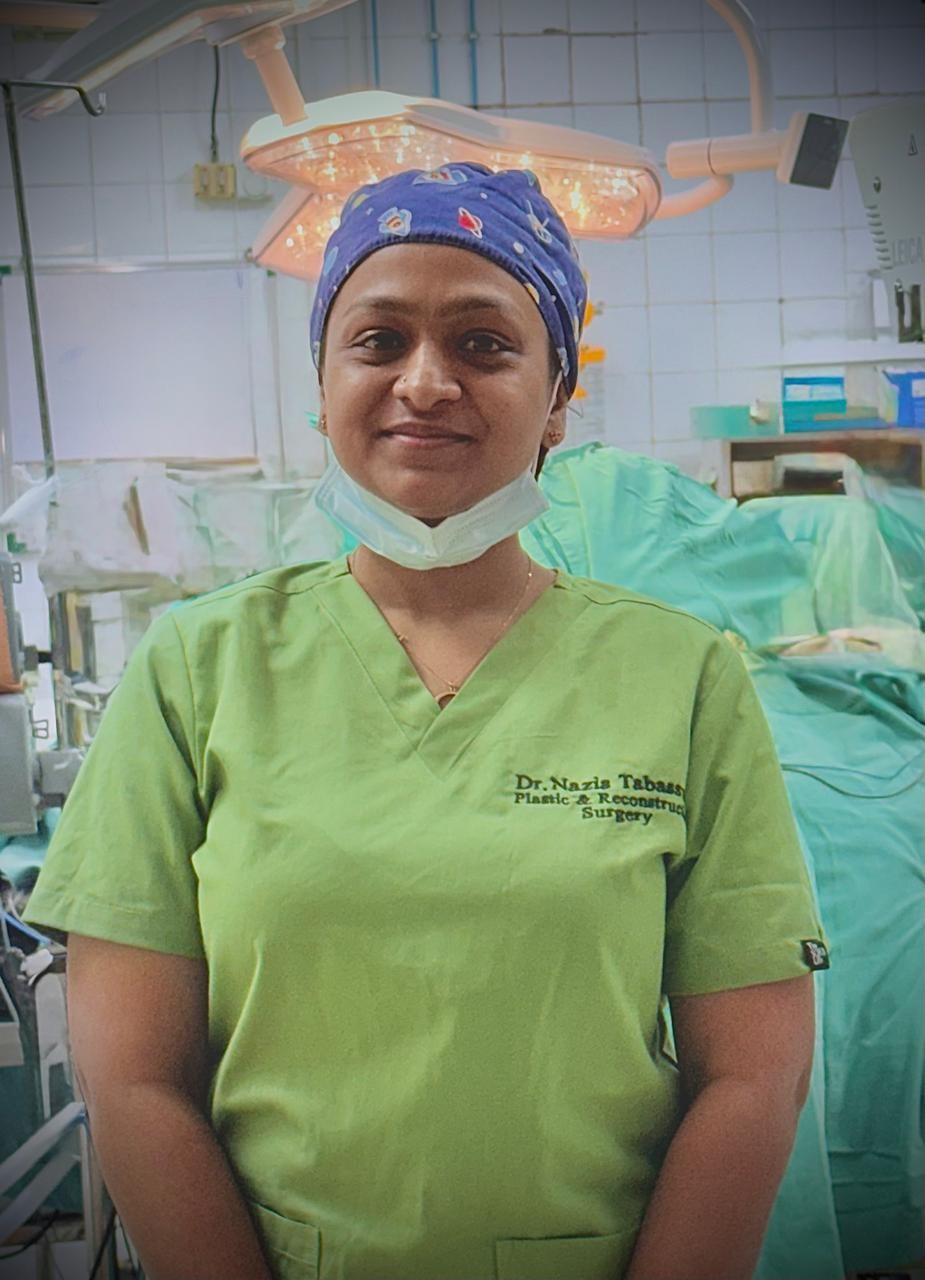
Dr. Nazia Tabassum
Consultant - Breast, Plastic & Reconstructive Surgeon
9 Years English,Hindi,Telugu,Urdu Banjara Hills

Dr. Sruthi Cheera
Consultant Breast Surgeon
5 Years English,Hindi,Kannada,Telugu Banjara Hills

Dr. Supriya Reddy
Lactation Consultant
5 Years English,Hindi,Telugu Banjara Hills

Dr. Niraj Krishnamurthy Yanamandra
Senior Consultant Obstetrician & Gynaecologist, Laparoscopy & Hysteroscopy Surgeon
English,Hindi,Telugu Hydernagar, Banjara Hills

Dr. B. Rao Bahadur
Consultant – Obstetrician & Gynecologist, Laparoscopic ,& Hysteroscopic Surgeon
22 Years English,Hindi,Konkani,Marathi,Telugu Banjara Hills, Kondapur OP

Dr. Sneha Kulkarni
Consultant - Child, Adolescent & Adult Psychiatrist
10 Years English,Hindi,Kannada,Telugu Secunderabad, Banjara Hills, Child Development Centre - Banjarahills Rd No 10

Dr. Lavanya Janagama
Consultant – Obstetrics & Gynecology
10+ Years English Banjara HillsLeading Hospitals for Women Care
Rainbow Children's Hospital stands as a testament to the hospital's continual pursuit of excellence and innovation, providing specialized care for women and children
















chennai
Blogs
Discover our most recent health articles provided by our reliable experts.




What Are People Saying About Us
Embark on a journey of inspiration and hope with our patient success stories, complemented by informative videos from our dedicated doctors.


Media
 Common Gynaecological Surgeries to Fix Female Reproductive Issues
 Healthy Woman - Healthy World
 Healthier Women For a Healthier Future...
 Rainbow Children’s Hospital & BirthRight by Rainbow Launch Video Consultation Facilities
 Dr.Pranthi Reddy
 What is the use of that?
 Can you try this time?
 Pregnant Women are Not Unfit
 Declining Age of Menarche - A Matter of Concern
 Important Facts about Cervical Cancer
 Be careful before preempting
 Flu every month!
 Menstrual cramps
 Premature delivery
 Whether laughing or coughing...why?
 Multi - Tasking may be Cool but it's not Healthy
 Pregnant and Worried about COVID-19? Here's Everything you Need to know
 Video Consultation in Pandamic Situation for Pregnancy Women's
 Women.. Various types of cysts
 Recurrent Pregnancy Loss in Women
 Early Onset of Puberty: Causes, Symptoms and Treatment Options
Common Gynaecological Surgeries to Fix Female Reproductive Issues
Healthy Woman - Healthy World
Healthier Women For a Healthier Future...
FAQs
Can uterine inversion happen at home or during a home birth?
Can an inverted uterus go back to normal on its own?
Can a baby be affected if the mother has uterine inversion?
Which doctors treat uterine inversion, and is an anaesthetist needed?
Can pulling the umbilical cord cause uterine inversion?
Can uterine inversion happen after a C-section?
Can you die from uterine inversion?
Did I do something wrong to cause uterine inversion?
Will I need a blood transfusion after uterine inversion?
Is it safe to travel home or return to normal activities soon after uterine inversion?
How is an inverted uterus different from a prolapsed uterus or a fibroid?
Quick Links
Free Calculators to Track and Predict your Pregnancy
Gynecologist in Other Locations
Women's Health Conditions We Treat
- Mastitis (Breast Infection)
- PCOS (Polycystic Ovary Syndrome)
- Uterine Fibroids (Leiomyomas)
- Recurrent Pregnancy Loss
- Blocked Fallopian Tubes (Fallopian Tube Obstruction)
- Gestational Diabetes in Pregnancy
- Incompetent Cervix (Cervical Insufficiency)
- COVID-19 in Pregnancy
- Cytomegalovirus (CMV) in Pregnancy
- HELLP Syndrome
- Luteal Phase Defect
- Vasa Previa
- Listeria in Pregnancy
- Placenta Previa
- Endometrial Polyps (Uterine Polyps)
- Congenital Heart Disease in Pregnancy
- Hyperemesis Gravidarum (Severe Morning Sickness)
- Preeclampsia (toxemia)
- Fetal Distress (Non-Reassuring Fetal Status)
- Postpartum Haemorrhage (PPH)
- Placental Abruption (Abruptio Placentae)
- Placenta Accreta
- Postpartum Depression (PPD)
- Rhesus (Rh) Incompatibility
- Syphilis in Women
- Thalassemia in Pregnancy
- Gestational Thrombocytopenia
- Diabetes in Pregnancy
- Uterine Rupture
- Migraine in Pregnancy