




Hyperemesis Gravidarum (Severe Morning Sickness)
Hyperemesis gravidarum, also called severe vomiting in pregnancy, is far more than ordinary morning sickness. It causes frequent vomiting, an inability to keep food or fluids down, dehydration and weight loss, and it usually begins in the first trimester. With early medical care, fluids and anti-sickness medicines, most women improve and go on to have healthy pregnancies.

Seamless support from diagnosis to post treatment care
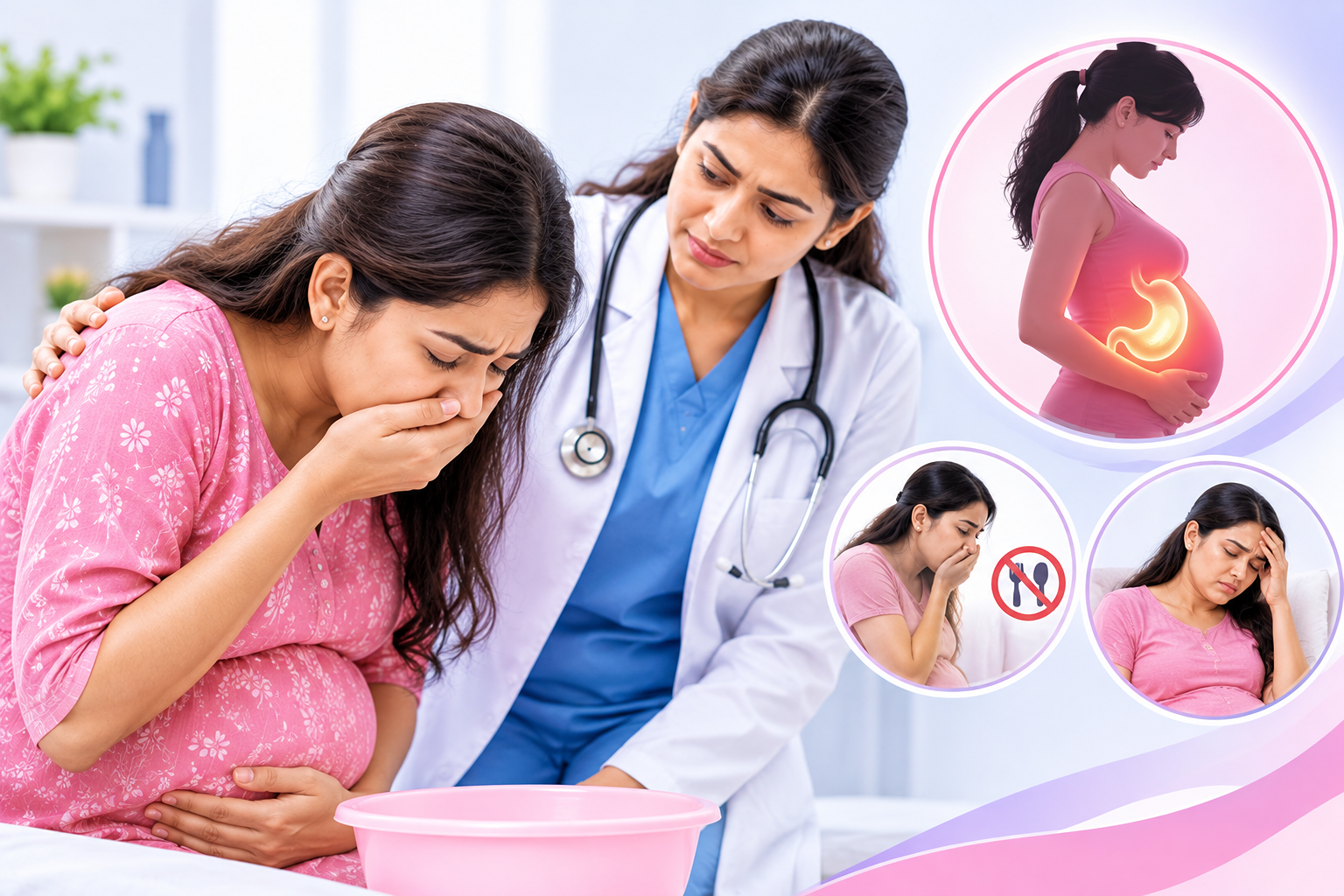
Overview
Nausea and vomiting are common during pregnancy, but sometimes they become severe enough to affect eating, drinking, and everyday activities. When these symptoms continue and make it difficult to keep enough food or fluids down, doctors may assess for hyperemesis gravidarum.
Early assessment matters because persistent vomiting can cause dehydration and nutritional problems. Understanding how hyperemesis gravidarum differs from usual pregnancy sickness can help you recognise when symptoms need medical attention.
What is Hyperemesis Gravidarum?
Hyperemesis gravidarum, sometimes called excessive vomiting in pregnancy, is a severe form of pregnancy sickness. It causes frequent vomiting, dehydration, and weight loss. Unlike ordinary morning sickness, it can need medical treatment or hospital care. The next section compares the two in more detail.
Hyperemesis gravidarum affects around 1 to 3 in every 100 pregnancies, so it is uncommon. For comparison, about 8 in 10 women have some nausea or vomiting in pregnancy. The difference is how severe and persistent the sickness is.
How Does Hyperemesis Gravidarum Differ from Normal Morning Sickness?
Most pregnancy sickness is mild and settles on its own. Hyperemesis gravidarum is far more intense and lasts longer. The main differences are set out below.
- Normal morning sickness: Mild to moderate nausea with occasional vomiting, usually easing by the end of the first trimester.
- Hyperemesis gravidarum: Frequent vomiting, an inability to keep food or fluids down, dehydration, and weight loss.
- The practical difference: Morning sickness lets you eat and drink enough, while hyperemesis often does not.
In short, morning sickness is uncomfortable but manageable at home. Hyperemesis gravidarum can stop you eating and drinking, so it needs medical help. If you cannot keep fluids down, contact your doctor.
Causes of Hyperemesis Gravidarum
The exact cause of hyperemesis gravidarum is not known. It is strongly linked to the rapid rise in pregnancy hormones in early pregnancy. One hormone in particular is thought to play a central part.
The hormone hCG (human chorionic gonadotropin) rises quickly in the first weeks and is the main suspected trigger. Oestrogen may add to the effect. The timing fits, as symptoms usually peak when these hormones are at their highest. The cause is hormonal, not anything you did.
Risk Factors of Hyperemesis Gravidarum
Some women are more likely to develop hyperemesis gravidarum than others. Knowing your risk helps you and your team act early if it starts. The main risk factors are below.
- Hyperemesis in a past pregnancy: Having had it before is the strongest risk factor.
- A twin or multiple pregnancy: Higher hormone levels raise the risk.
- A first pregnancy: Hyperemesis is a little more common the first time.
- Family history: A mother or sister who had it raises your chance.
- Motion sickness or migraines: A history of either is linked with a higher risk.
- A molar pregnancy: This less common condition sharply raises hormone levels.
Having a risk factor does not mean you will develop hyperemesis. It simply tells you to seek help early if severe sickness begins. Early treatment keeps most cases from becoming serious.
Symptoms of Hyperemesis Gravidarum
Hyperemesis gravidarum usually begins before nine weeks of pregnancy, with symptoms often peaking around the ninth week. While symptoms may improve between 16 and 20 weeks, some women experience them for longer. Unlike ordinary pregnancy sickness, HG causes persistent and severe nausea and vomiting that can make it difficult to eat, drink or carry out daily activities.
Common symptoms include:
- Frequent vomiting: Repeated episodes of vomiting throughout the day, sometimes seven or more times in 24 hours.
- Unable to keep food or fluids down: Struggling to tolerate meals or even small sips of water.
- Weight loss: Losing 5% or more of your pre-pregnancy weight.
- Signs of dehydration: Dark urine, passing very little urine, dizziness, dry mouth or extreme thirst.
- Excessive saliva (ptyalism): Producing more saliva than usual or needing to spit frequently.
- Extreme tiredness or weakness: Feeling exhausted due to inadequate food and fluid intake.
If you cannot keep fluids down, contact your doctor promptly rather than waiting for symptoms to become severe. Dehydration and nutritional deficiencies may develop and require medical treatment
How Is Hyperemesis Gravidarum Diagnosed?
Hyperemesis gravidarum is diagnosed through an assessment of your symptoms, weight changes, hydration status and overall health. Your doctor will also check for other conditions that may cause severe nausea and vomiting during pregnancy.
1. Clinical assessment
Your doctor will ask about how often you experience nausea, vomiting and retching, whether you can keep food and fluids down, and how your symptoms affect daily activities. They will also check your weight and look for signs of dehydration.
Losing 5% or more of your pre-pregnancy weight, along with dehydration and electrolyte disturbances, can indicate severe HG.
2. PUQE-24 score
The Pregnancy-Unique Quantification of Emesis (PUQE-24) score is a tool used to assess the severity of pregnancy-related nausea and vomiting. It considers how long you feel nauseated, how often you vomit and how frequently you experience retching over 24 hours.
The scores are classified as:
- Mild: 6 or less
- Moderate: 7–12
- Severe: 13–15
This assessment helps your doctor understand symptom severity and plan appropriate care.
3. Blood and urine tests
Your doctor may recommend the following tests to assess your health and identify complications:
- Urine tests: To check for urinary tract infections and other abnormalities. Urine ketones may also be detected, but they should not be used to determine HG severity.
- Electrolyte and kidney function tests (U&E): To check sodium, potassium and kidney function, particularly if you are dehydrated.
- Liver function tests (LFTs): To check for changes in liver function that may occur with HG.
- Thyroid function tests (TSH): If indicated, to assess thyroid function, as temporary changes in thyroid hormone levels can occur during severe pregnancy sickness.
4. Ultrasound scan
An ultrasound scan may be recommended to check the pregnancy and rule out conditions associated with severe vomiting, such as a multiple pregnancy (twins or more) or a molar pregnancy (an abnormal growth of pregnancy-related tissue).
Your doctor may also consider other possible causes of severe nausea and vomiting, including urinary tract infections (UTIs), gastroenteritis (stomach or intestinal infection), gallbladder problems, pancreatitis (inflammation of the pancreas), thyroid disorders and Helicobacter pylori (H. pylori) infection. Your symptoms and examination findings will help determine whether further tests are needed.
Complications of Hyperemesis Gravidarum
With timely treatment and appropriate monitoring, most women with hyperemesis gravidarum have healthy pregnancies, and their babies are unlikely to be harmed. However, severe or poorly controlled HG can affect the mother's physical and emotional health and may sometimes affect the baby's growth.
The possible complications include:
- Dehydration: Persistent vomiting can cause significant fluid loss, leading to extreme thirst, dizziness, reduced urine output and weakness. Severe dehydration may require intravenous fluids.
- Electrolyte imbalance: Repeated vomiting can lower essential minerals in the blood, particularly potassium and sodium. These imbalances can affect muscle function, kidney function and heart rhythm if left untreated.
- Nutritional deficiencies: Inability to eat adequately over a prolonged period can cause deficiencies of essential vitamins and minerals, including vitamin B1 (thiamine). This can affect the mother's overall health and nutritional status.
- Refeeding syndrome: After prolonged poor food intake, restarting nutrition too quickly can cause sudden changes in blood levels of minerals such as phosphate, potassium and magnesium. This can affect the heart, muscles and other organs, so nutritional recovery needs appropriate monitoring.
- Liver changes: Severe HG can cause a temporary rise in liver enzymes, indicating changes in liver function. These levels usually improve as the vomiting settles and nutrition is restored.
- Throat and food pipe injuries: Repeated forceful vomiting can irritate or damage the food pipe (oesophagus). In some cases, it can cause a Mallory-Weiss tear, which is a small tear in the lining of the food pipe and may result in blood in the vomit.
- Blood clots (venous thromboembolism or VTE): Dehydration and reduced movement during severe illness can increase the risk of blood clots, including deep vein thrombosis (DVT) in the legs and pulmonary embolism (PE) in the lungs.
- Wernicke's encephalopathy: Prolonged vomiting and inadequate nutrition can cause severe vitamin B1 (thiamine) deficiency, leading to this rare but serious brain condition. Warning signs include confusion, an unsteady walk or difficulty maintaining balance (ataxia), and abnormal eye movements. It requires urgent medical treatment but can be prevented with timely thiamine supplementation.
- Effects on the baby's growth: Most babies are not harmed when HG is treated effectively. However, severe, poorly controlled HG associated with inadequate maternal weight gain can increase the risk of low birth weight and premature birth. Research has found higher risks among women who gain less than 7 kg during pregnancy.
- Mental health difficulties: Persistent nausea, vomiting, exhaustion and difficulty managing everyday activities can contribute to depression, anxiety and post-traumatic stress disorder (PTSD). Some women experience such severe distress that they consider ending a wanted pregnancy. These feelings deserve compassionate, non-judgemental support and prompt access to treatment and mental health care.
Treatment & Management of Hyperemesis Gravidarum
Treatment for hyperemesis gravidarum (HG) aims to control nausea and vomiting, restore lost fluids and salts, and prevent complications. Your doctor will choose treatment based on the severity of your symptoms, how well you can keep food, fluids and medicines down, and how you respond to initial treatment. Care may be provided at home, in an outpatient setting or in hospital.
Medicines to Control Nausea and Vomiting
Treatment usually follows a stepwise approach:
- First-line medicines: Vitamin B6 (pyridoxine), usually combined with doxylamine, may be prescribed. Other first-line options include antihistamines such as promethazine and cyclizine, and medicines called phenothiazines, such as prochlorperazine and chlorpromazine.
- If symptoms continue: Your doctor may prescribe metoclopramide or ondansetron. These medicines may be used when first-line options do not provide enough relief. Ondansetron is effective, but its use during the first trimester involves discussing a possible very small increase in the risk of cleft palate with your doctor.
- For severe symptoms that do not respond to other treatment: Corticosteroids may be considered by a specialist. They are generally reserved for cases where standard treatments have not worked and are usually avoided before 10 weeks of pregnancy.
If one medicine does not work well enough, your doctor may change it or combine medicines from different groups. When vomiting is severe, medicines may need to be given through an injection or another route rather than by mouth.
Treatment for Severe Hyperemesis Gravidarum
Women with severe HG may need hospital admission or supervised outpatient treatment. Care may include:
- Fluids and electrolyte replacement: Intravenous (IV) normal saline, often with potassium, helps replace lost fluids and salts. Blood electrolyte levels are monitored to guide treatment.
- Thiamine (vitamin B1): Thiamine is given to prevent serious vitamin B1 deficiency, particularly after prolonged vomiting or poor food intake. It must be given before any dextrose-containing fluids or nutritional support.
- Blood clot prevention: Women admitted to hospital may be offered blood-thinning injections, usually low-molecular-weight heparin (LMWH), to reduce the risk of blood clots. The need for this treatment is assessed individually.
- Treatment for acidity and reflux: Medicines that reduce stomach acid may be prescribed if repeated vomiting causes heartburn, acid reflux or inflammation of the food pipe.
- Nutritional support: If you continue to lose weight or cannot meet your nutritional needs, your team may consider feeding through a tube into the stomach or small intestine. Nutrition through a vein may be considered in selected severe cases when other options are not suitable.
- Rest and emotional support: HG can affect sleep, daily activities and emotional well-being. Rest, practical help at home and access to counselling or psychological support can form part of your care.
Your doctor will monitor your symptoms, hydration, weight and blood test results and adjust treatment as needed. Most women improve with appropriate treatment, and effective management can help protect both maternal health and the baby's growth.
Do not start, stop, or change any anti-sickness medicine without medical advice. Your doctor can explain the benefits and possible risks of each option and help choose the most suitable treatment for you.
What Is the Prognosis (Outlook) for Hyperemesis Gravidarum?
The outlook for hyperemesis gravidarum is good with proper care. For many women, symptoms ease as pregnancy moves into the second trimester. Symptoms almost always fully resolve after the baby is born.
Some women do have symptoms that last longer into pregnancy, which is why ongoing support matters. With treatment, most reach their due date with a healthy baby. Your team will help you manage symptoms for as long as they last.
What Questions Should I Ask My Doctor?
Having a few questions ready helps you take part in your care. The prompts below are grouped to make them easier to use. Your gynecologist would always rather you asked than struggled alone.
Diagnosis and Severity Questions
- How can I tell if my sickness is hyperemesis rather than normal morning sickness?
- Which signs mean I am becoming dehydrated and need to come in?
- Do I need any blood or urine tests?
- Could my symptoms point to anything else?
Treatment and Nutrition Questions
- Which anti-sickness medicines are safe for me to take?
- How can I keep up my nutrition if I cannot eat much?
- Should I keep taking my prenatal vitamins and iron?
- At what point would I need to be admitted to hospital?
Writing your questions down makes it less likely you'll forget them on the day. A clear conversation helps you follow your care plan with confidence. Your team is there to support you throughout.
Prevention & Coping Tips for Hyperemesis Gravidarum
Hyperemesis gravidarum (HG) cannot always be prevented, as its exact causes are not fully understood and pregnancy-related hormonal changes play an important role. However, taking a prenatal multivitamin before conception may help reduce the risk or severity of nausea and vomiting during pregnancy. Recognising symptoms early and getting medical care promptly can also help reduce complications.
The following steps may make symptoms easier to manage:
- Eat small, frequent amounts: Try eating small portions throughout the day rather than having large meals. Keeping a plain biscuit or dry toast by your bedside may help you avoid an empty stomach in the morning.
- Sip fluids regularly: Take small, frequent sips of water or other fluids you can tolerate. Cold drinks, ice cubes or ice lollies may be easier to manage than a full glass of liquid.
- Choose foods you can tolerate: Plain crackers, toast, rice and other bland foods may be easier to keep down. Avoid foods with strong smells or those that trigger nausea.
- Discuss iron supplements with your doctor: Iron-containing prenatal supplements can worsen nausea in some women. Your doctor may advise temporarily changing the supplement or taking folic acid separately, while planning how and when to meet your iron needs.
- Try ginger or acupressure: Ginger may help some women with mild to moderate pregnancy-related nausea. Acupressure wristbands may also offer some relief, although the evidence is limited. Neither should replace medical treatment for HG.
- Rest and seek support: Tiredness can make nausea harder to manage. Rest when possible and ask family members for help with meals, household tasks and daily responsibilities.
- Seek medical advice early: Contact your doctor if vomiting is frequent, symptoms interfere with daily activities or you are struggling to eat and drink. Early assessment and treatment can reduce the risk of dehydration, weight loss and other complications.
When should you seek medical help?
Contact your doctor or maternity unit promptly if you:
- Cannot keep fluids down for 24 hours.
- Are passing very little urine or notice that it is unusually dark.
- Feel dizzy, faint or unusually weak.
- Are losing weight because of persistent vomiting.
Do not wait for all these symptoms to appear before seeking help. Your doctor can assess your hydration and nutritional status and recommend treatment based on your needs.
These measures may help you cope with symptoms, but they do not cure HG. If symptoms are severe or persistent, medical treatment is important. Prompt care can help reduce complications and support your health throughout pregnancy.
Why Choose BirthRight by Rainbow Hospitals for Hyperemesis Gravidarum Care?
BirthRight by Rainbow Hospitals provides coordinated care for women with hyperemesis gravidarum, with support tailored to the severity of symptoms and individual pregnancy needs. Key strengths include:
- Specialist pregnancy care: Obstetricians and maternal-fetal medicine specialists assess symptoms and plan treatment according to your condition.
- Nutrition support: Guidance on food, fluids, and nutritional needs helps support your health during periods of persistent nausea and vomiting.
- Medicines for symptom control: Doctors may recommend anti-sickness medicines based on your symptoms and pregnancy needs.
- Fluid and vitamin support: Doctors may give intravenous fluids and vitamins when vomiting affects hydration or nutritional intake.
- Day-care and inpatient support: Women with more severe symptoms can receive closer monitoring and treatment when required.
- Ongoing monitoring: Doctors follow your hydration, nutritional status, and pregnancy progress and adjust treatment as needed.
- Coordinated care under one roof: Pregnancy care, nutrition support, monitoring, and hospital-based treatment are available within the same care network.
- Three decades of expertise: Rainbow Hospitals brings extensive experience in women’s and children’s healthcare to pregnancy care.
Disclaimer
This content is for general educational purposes and does not replace professional medical advice. Hyperemesis gravidarum varies from woman to woman, and your doctor should guide your care. Seek medical help if you cannot keep fluids down, are losing weight, or show signs of dehydration in pregnancy.

Find a Doctor and Book Appointment Online
Meet our specialist doctors who bring together clinical expertise, compassion, and personalised care to support your health and well-being. Choose from 1,300+ specialists across our network and book an appointment with BirthRight and Rainbow Children Hospitals, offering 24*7 support to you and your family.

Dr. Pranathi Reddy A
Clinical Director – Obstetrics & Gynecology.
English,Hindi,Telugu Banjara Hills

Dr. Gauri Vinayak Dhamangaonkar
Senior Consultant - Fetal Medicine
15 Years English,Hindi,Marathi,Telugu Kondapur OP, Banjara Hills

Dr. Shruthi Reddy Poddutoor
Consultant Obstetrician, Gynecologist & Laparoscopic Surgeon
English,Telugu Banjara Hills

Dr. Himabindu Veerla
Consultant Obstetrician, Gynecologist & Laparoscopic Surgeon
English,Telugu Banjara Hills

Dr. Bhargavi Reddy K
Consultant - Obstetrics and Gynecology
10 Years English,Hindi,Telugu Banjara Hills, Attapur Clinic

Dr. Annie Pranutha P
Consultant Obstetrics and Gynecology
9 Years English,Hindi,Telugu Banjara Hills, Attapur Clinic

Dr. Sasikala Kola
Consultant Obstetrician & Gynecologist
English,Hindi,Telugu Banjara Hills

Dr. Atigadda Vijaya
Consultant - Obstetrics & Gynecology
Hindi,Telugu Banjara Hills, Himayatnagar, Attapur Clinic

Dr. Nishanth Reddy Inavolu
Visiting Consultant Physician and Diabetologist & Internal Medicine
English,Hindi,Telugu Banjara Hills, Himayatnagar

Dr. Tulika Tayal
Consultant - Fetal Medicine
English,Telugu Banjara Hills

Dr. M Prathyusha Reddy
Consultant Obstetrics & Gynecology
English,Telugu Banjara Hills

Dr. Nithya Narasimha Murthy
Consultant -Psychiatrist
English,Hindi,Telugu Kondapur OP, Banjara Hills, Child Development Centre - Banjarahills Rd No 10

Dr. Brundavani
Consultant - Nutritionist
English,Hindi,Telugu Kondapur OP, Hydernagar, Banjara Hills, Child Development Centre - Banjarahills Rd No 10

Dr. Niveditha Chalmeda
Consultant
English,Telugu Banjara Hills

Dr. Kirti Reddy Patlolla
Consultant Obstetrics and Gynaecology
English,Telugu Banjara Hills, Attapur Clinic

Dr. Tuheena Sharma
Consultant - Perinatal Physiotherapy
10 Years English,Telugu Banjara Hills

Dr. Aditi Shah
Consultant - Fetal Medicine
English,Telugu Banjara Hills

Dr. Swathi Naga Tulasi Rayapureddy
Lactation Consultant
8 Years English,Telugu Banjara Hills

Dr. Swetha Reddy. S
CONSULTANT PERINATAL PSYCHIATRIST AND WOMEN MENTAL HEALTH SPECIALIST
13 Years English,Hindi,Telugu Banjara Hills

Dr. Addu Kiranmayi
Chief Clinical Nutritionist and Lifestyle Medicine Consultant
15 Years English,Hindi,Telugu Himayatnagar, Banjara Hills

Dr. Palle Nalini Kumari
Lactation Consultant
17+ Years English,Hindi,Telugu Banjara Hills
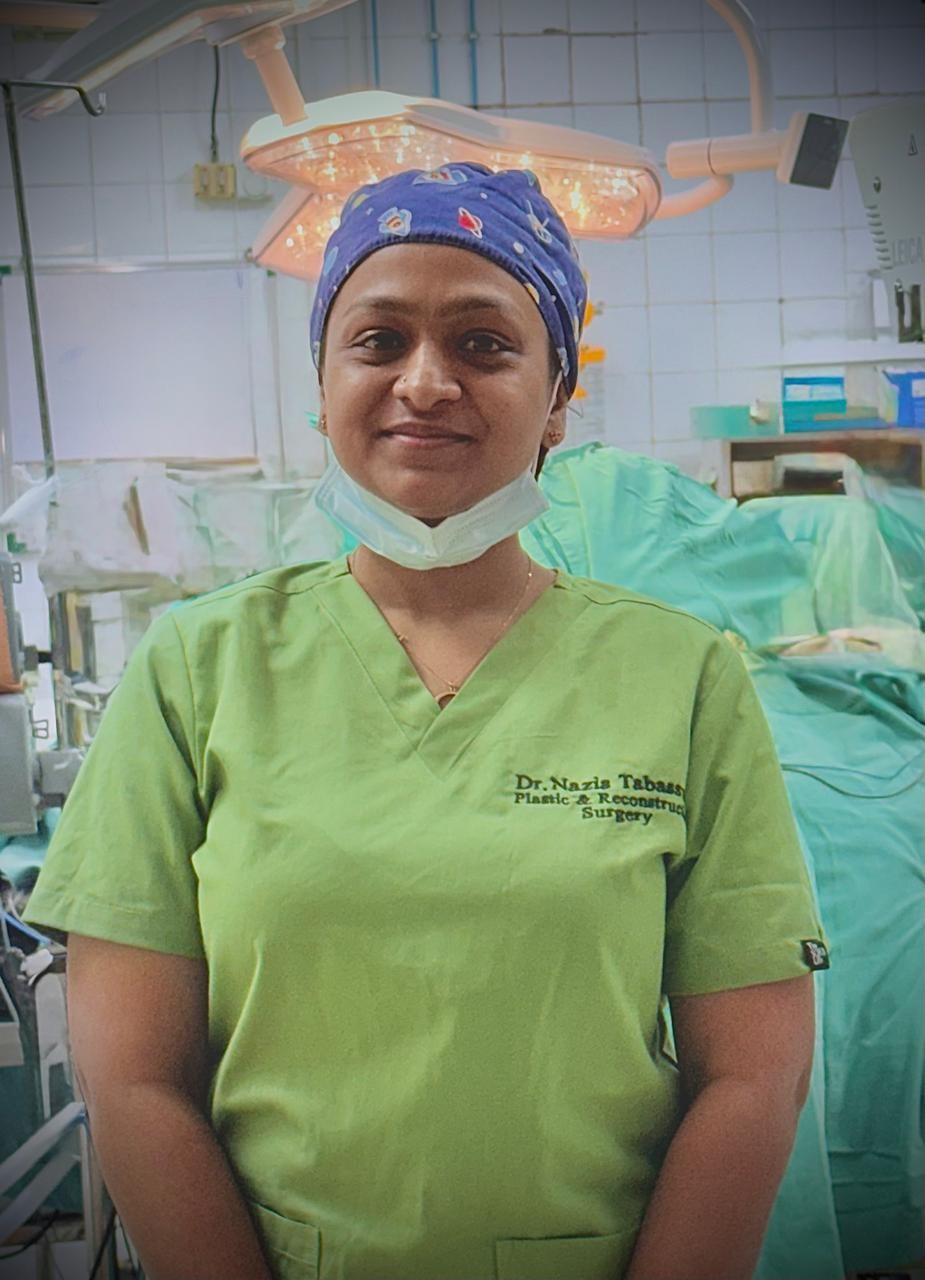
Dr. Nazia Tabassum
Consultant - Breast, Plastic & Reconstructive Surgeon
9 Years English,Hindi,Telugu,Urdu Banjara Hills

Dr. Sruthi Cheera
Consultant Breast Surgeon
5 Years English,Hindi,Kannada,Telugu Banjara Hills
Dr. Supriya Reddy
Lactation Consultant
5 Years English,Hindi,Telugu Banjara Hills

Dr. Niraj Krishnamurthy Yanamandra
Senior Consultant Obstetrician & Gynaecologist, Laparoscopy & Hysteroscopy Surgeon
English,Hindi,Telugu Hydernagar, Banjara Hills

Dr. B. Rao Bahadur
Consultant – Obstetrician & Gynecologist, Laparoscopic ,& Hysteroscopic Surgeon
22 Years English,Hindi,Konkani,Marathi,Telugu Banjara Hills, Kondapur OP

Dr. Sneha Kulkarni
Consultant - Child, Adolescent & Adult Psychiatrist
10 Years English,Hindi,Kannada,Telugu Secunderabad, Banjara Hills, Child Development Centre - Banjarahills Rd No 10

Dr. Lavanya Janagama
Consultant – Obstetrics & Gynecology
10+ Years English Banjara HillsLeading Hospitals for Women Care
Rainbow Children's Hospital stands as a testament to the hospital's continual pursuit of excellence and innovation, providing specialized care for women and children












chennai
Blogs
Discover our most recent health articles provided by our reliable experts.



What Are People Saying About Us
Embark on a journey of inspiration and hope with our patient success stories, complemented by informative videos from our dedicated doctors.


Media
 Common Gynaecological Surgeries to Fix Female Reproductive Issues
 Healthy Woman - Healthy World
 Healthier Women For a Healthier Future...
 Rainbow Children’s Hospital & BirthRight by Rainbow Launch Video Consultation Facilities
 Dr.Pranthi Reddy
 What is the use of that?
 Can you try this time?
 Pregnant Women are Not Unfit
 Declining Age of Menarche - A Matter of Concern
 Important Facts about Cervical Cancer
 Be careful before preempting
 Flu every month!
 Menstrual cramps
 Premature delivery
 Whether laughing or coughing...why?
 Multi - Tasking may be Cool but it's not Healthy
 Pregnant and Worried about COVID-19? Here's Everything you Need to know
 Video Consultation in Pandamic Situation for Pregnancy Women's
 Women.. Various types of cysts
 Recurrent Pregnancy Loss in Women
 Early Onset of Puberty: Causes, Symptoms and Treatment Options
Common Gynaecological Surgeries to Fix Female Reproductive Issues
Healthy Woman - Healthy World
Healthier Women For a Healthier Future...
FAQs
Does hyperemesis gravidarum make a pregnancy high-risk?
Is hyperemesis gravidarum dangerous for the baby?
When does hyperemesis gravidarum start, peak and end?
How is hyperemesis gravidarum different from morning sickness?
How is hyperemesis gravidarum diagnosed? Can urine ketones confirm it?
What foods and drinks are easiest to tolerate with hyperemesis gravidarum?
Can ginger or vitamin B6 help with pregnancy sickness?
Is it safe to take doxylamine or ondansetron during pregnancy?
When should I go to the hospital for hyperemesis gravidarum?
Will I need to be hospitalized if I have hyperemesis gravidarum?
Does the baby's gender affect hyperemesis gravidarum?
Does hyperemesis gravidarum mean I am having twins?
Can hyperemesis gravidarum come back in a future pregnancy?
Can hyperemesis gravidarum affect my mental health?
Can I continue working or caring for my family with hyperemesis gravidarum?
Can hyperemesis gravidarum cause long-term problems for me?
Can I take prenatal vitamins or iron tablets if I have hyperemesis gravidarum?
Quick Links
Free Calculators to Track and Predict your Pregnancy
Understand your cycle and plan ahead with these quick, free fertility tools.
Gynecologist in Other Locations
Women's Health Conditions We Treat
- Mastitis (Breast Infection)
- PCOS (Polycystic Ovary Syndrome)
- Uterine Fibroids (Leiomyomas)
- Recurrent Pregnancy Loss
- Blocked Fallopian Tubes (Fallopian Tube Obstruction)
- Gestational Diabetes in Pregnancy
- Incompetent Cervix (Cervical Insufficiency)
- COVID-19 in Pregnancy
- Cytomegalovirus (CMV) in Pregnancy
- HELLP Syndrome
- Luteal Phase Defect
- Vasa Previa
- Listeria in Pregnancy
- Placenta Previa