


Mastitis (Breast Infection)
Mastitis is a painful inflammation of the breast tissue, sometimes accompanied by a bacterial infection, which is why it is also called a breast infection. It most commonly affects breastfeeding or lactating mothers and occurs when milk is not drained properly from the breast, causing milk to build up in the milk ducts.

Seamless support from diagnosis to post treatment care

Overview
Pain, redness or swelling in one part of the breast can make breastfeeding uncomfortable, especially when you also feel unwell. Mastitis is a condition that can occur during breastfeeding and may make feeding more difficult for a short time.
Understanding the symptoms and possible causes can help you know when simple care may be enough and when medical treatment may be needed. Here we explain what mastitis is, why it happens, how it is treated and how it differs from a blocked milk duct or breast abscess.
What is Mastitis (Breast Infection)?
Mastitis is inflammation of the breast tissue, which sometimes involves an infection, and it most often affects women who are breastfeeding. It usually comes on in one breast, causing a red, painful, swollen area along with flu-like feelings such as fever and body aches. Also called a breast infection or breast mastitis, it commonly appears in the early weeks of breastfeeding.
Mastitis is common, affecting around 1 in 10 breastfeeding women, and it appears most often in the second and third weeks after birth. It can develop with or without an actual infection, which is why treatment is not always antibiotics. The reassuring point is that, caught early, it usually settles quickly, and you can keep feeding your baby.
How Milk Ducts Work and What Goes Wrong in Mastitis?
A little background makes mastitis easier to understand and to prevent. Your breasts contain a network of milk ducts that carry milk from where it is made to the nipple. For breastfeeding to stay comfortable, milk needs to flow and be removed regularly and well.
Mastitis can develop when inflammation and swelling in the breast narrow the milk ducts, making milk flow more difficult. This can contribute to milk build-up and further inflammation, and this can happen with or without bacteria. If bacteria, often entering through a cracked nipple, multiply in the stagnant milk, an infection can set in. That is why keeping milk flowing is central to both preventing and treating mastitis.
Causes of Mastitis (Breast Infection)
Most mastitis cases involve milk that isn't removed well, sometimes with bacteria added to the mix. Understanding these helps you head it off early. The main causes of breast infection are below.
1. Milk that is not fully drained
When a breast isn't emptied well, milk builds up, and the tissue becomes inflamed. This can happen because of missed or rushed feeds, a poor latch, or a sudden change in your feeding routine. This milk stasis is the most common starting point for mastitis.
2. A blocked milk duct
A duct can become blocked, causing milk to back up behind it. If the blockage isn't cleared, the area can become inflamed and progress to mastitis. This is why a tender lump is worth acting on early.
3. Bacteria entering the breast
Bacteria from the skin or the baby’s mouth can enter through a cracked or sore nipple. In stagnant milk, they can multiply and cause an infection. Good latch and nipple care lower this risk.
These causes often work together, with milk stasis setting the stage and bacteria sometimes following. Spotting the early signs and keeping milk flowing often stops mastitis from getting worse. The next sections cover who is most at risk and what to watch for.
Risk Factors for Mastitis
Some situations make mastitis more likely, usually because they interfere with milk flow or damage the nipple. Knowing them helps you take simple preventive steps. The main risk factors are below.
- A previous episode of mastitis: Having had it before makes another episode more likely.
- Cracked or sore nipples: Which give bacteria a way in.
- A poor latch or infrequent feeding: Both of which leave milk behind in the breast.
- Pressure on the breast: From tight bras, tight clothing, or sleeping position.
- Oversupply or sudden weaning: Which can leave the breast overfull.
- Being run down or very tired: Common in the early weeks, which can lower resistance.
A risk factor does not make mastitis certain, though it is worth being aware if several apply to you. Small adjustments to feeding and rest can make a real difference. If you notice early signs, acting quickly usually prevents things from worsening.
Sign & Symptoms of Mastitis
Mastitis can come on quickly, often within a few hours, so it helps to know the early signs as well as the fuller picture. Catching it early, at the first breast pain during breastfeeding, makes it much easier to treat. The two stages are set out below.
Early signs
- A tender, firm area or lump in the breast: Often the first sign, and a common reason mothers search for a lump in the breast during breastfeeding.
- Localised breast swelling and redness: A warm, red or swollen patch, usually in one breast.
- Pain in the breast while breastfeeding: Pain or tenderness in the affected area during or between feeds. A burning or stinging pain, especially in the nipples or both breasts, can have other causes such as nipple damage or thrush, so mention it to your doctor or lactation specialist
Full-blown symptoms
- A painful, hot, red area of the breast: The affected part becomes clearly inflamed and sore.
- Flu-like symptoms: Fever, chills, body aches, and feeling generally unwell.
- Tiredness and low energy: You may feel unusually tired or unwell, sometimes alongside flu-like symptoms such as body aches, chills or fever.
These breast infection symptoms, especially a red, painful breast with a fever, mean you should contact your doctor, ideally the same day. Mastitis can worsen quickly, so early treatment matters. Keep breastfeeding or expressing in the meantime, as removing milk helps you recover.
Complications of Breast Mastitis
Most mastitis clears up well with prompt care, but if it is not treated, it can occasionally lead to further problems. Knowing this explains why early treatment matters. The main complications are below.
- A breast abscess: The most common complication, where a collection of pus forms and usually needs to be drained, often with a needle under ultrasound guidance The key difference in breast abscess vs mastitis is that an abscess is a walled-off pocket of pus, while mastitis is inflammation spread through the tissue.
- Recurring mastitis: If the underlying cause, such as a poor latch, is not addressed, it can come back.
- Early weaning: The pain and illness can lead some women to stop breastfeeding sooner than they wished, which is often avoidable with support.
These complications are largely preventable with timely treatment and good breastfeeding support, which is encouraging. An abscess in particular is much less likely when mastitis is treated early. The next section explains how to treat mastitis.
Treatment Options for Mastitis
The good news is that mastitis treatment is usually straightforward, and the first steps often help within a day or two. The aim is to clear the trapped milk, ease the symptoms and treat any infection. The main parts of breast infection treatment are below.
- Keep breastfeeding or expressing: Continuing to remove milk from the affected breast is the single most important step, and it is safe for your baby.
- Rest and fluids: Rest as much as you can and drink plenty of fluids to help your body recover.
- Pain relief and comfort measures: Pain relief that is safe while breastfeeding, such as paracetamol or ibuprofen, and cool compresses after feeds can ease pain and swelling, as your doctor advises. A short warm compress before a feed may help milk flow if it feels comfortable
- Antibiotics if needed: If you have an infection or your symptoms don't improve, your doctor may prescribe antibiotics that are safe while breastfeeding.
- Review for an abscess: If a firm, very painful lump persists, your doctor will check for an abscess, which may need to be drained.
Most women feel much better within a couple of days of starting treatment, and it is important to finish any antibiotics prescribed. Keep feeding throughout, as stopping suddenly can make things worse. If you are not improving, or you feel very unwell, go back to your doctor promptly.
What is the Prognosis (Outlook) for Mastitis?
The outlook for mastitis is very good, and this is worth holding onto when you are feeling rotten. With early treatment, most women recover fully within a week or so and can continue breastfeeding. Local pain and flu-like symptoms usually ease within a few days of starting care.
Where an abscess develops, it can also be treated successfully, usually by draining it, and breastfeeding can generally continue. Mastitis does not harm your baby, and it does not mean your breastfeeding journey has to end. Addressing the underlying cause, such as latch or feeding pattern, helps stop it from coming back.
What Questions Should You Ask Your Doctor?
A few questions ready for your appointment help you get clear guidance quickly. The prompts below are grouped by theme. Add any of your own.
Diagnosis and treatment questions
- Is this a blocked duct, mastitis or possibly an abscess?
- Do I need antibiotics, and are they safe while breastfeeding?
- What can I do at home to ease the pain and clear the milk?
Breastfeeding and recurrence questions
- How should I keep feeding from the affected breast?
- Can I improve my baby’s latch to prevent this?
- What can I do to stop mastitis coming back?
Do not hesitate to ask your doctor or a lactation specialist to watch a feed and check your latch. Small corrections often prevent repeat episodes. Writing down the advice can help you follow it at home.
Prevention Tips for Mastitis
Much of the time, mastitis can be prevented by keeping milk flowing well and looking after your nipples and yourself. A few simple habits make a real difference, especially in the early weeks. The tips below help.
- Feed or express regularly, and try not to skip or delay feeds.
- Make sure your baby is latched well, with help from a lactation specialist if needed.
- Avoid tight bras and clothing that press on the breast.
- Care for cracked or sore nipples early.
- Rest as much as you can, and stay well hydrated.
Breastfeeding techniques to prevent blocked ducts
Because blocked ducts often lead to mastitis, a few feeding techniques help keep milk moving freely. These are simple to build into everyday feeding. The steps below help.
- Offer both breasts and let the baby finish one before switching.
- Vary feeding positions so different parts of the breast drain.
- Ensure a deep, comfortable latch at each feed.
- Avoid deep or firm massage of a sore area; very light stroking of the skin towards the armpit may ease swelling
- Avoid long gaps between feeds where you can.
Early warning signs to watch for
Catching mastitis at the very first signs is the surest way to keep it mild. Knowing what to look for means you can act quickly. Watch for the signs below.
- A new tender lump or firm area in the breast.
- A red or warm patch of skin on one breast.
- New pain or tenderness in one area of the breast while feeding
- The start of flu-like feelings or a mild fever.
If you notice these, keep feeding your baby on demand from that breast without pumping extra, rest, and contact your doctor if it doesn't settle quickly. Acting at the first sign often prevents a full episode. It is always better to check early than to wait.
Why Choose BirthRight by Rainbow Hospitals for Mastitis Care?
Mastitis is best managed with strong medical care and skilled breastfeeding support, so you recover and keep feeding. That is what BirthRight by Rainbow Hospitals offers. The points below show what that means for you.
- Experienced lactation support: Help with latch and feeding, which treats the cause and prevents repeat episodes.
- Prompt medical care: Quick assessment and safe treatment, including breastfeeding-safe antibiotics when needed.
- Care for abscesses when needed: Assessment and drainage where an abscess has formed, with breastfeeding support alongside.
- Postpartum care in one place: Support for you and your baby together in the early weeks.
BirthRight by Rainbow Hospitals brings three decades of expertise in women’s and newborn health, with maternity and lactation support under one roof. If you have painful, swollen, or red breasts while breastfeeding, our team can help you feel better and keep feeding. A consultation is a good place to begin.
Disclaimer
This content is for general educational purposes and does not replace professional medical advice. Mastitis can worsen quickly, so if you have a red, painful breast with a fever, contact your doctor, ideally the same day. Consult a qualified doctor for diagnosis and treatment suited to you.

Find a Doctor and Book Appointment Online
Meet our specialist doctors who bring together clinical expertise, compassion, and personalised care to support your health and well-being. Choose from 1,300+ specialists across our network and book an appointment with BirthRight and Rainbow Children Hospitals, offering 24*7 support to you and your family.

Dr. Pranathi Reddy A
Clinical Director – Obstetrics & Gynecology.
English,Hindi,Telugu Banjara Hills

Dr. Gauri Vinayak Dhamangaonkar
Senior Consultant - Fetal Medicine
15 Years English,Hindi,Marathi,Telugu Kondapur OP, Banjara Hills

Dr. Shruthi Reddy Poddutoor
Consultant Obstetrician, Gynecologist & Laparoscopic Surgeon
English,Telugu Banjara Hills

Dr. Himabindu Veerla
Consultant Obstetrician, Gynecologist & Laparoscopic Surgeon
English,Telugu Banjara Hills

Dr. Bhargavi Reddy K
Consultant - Obstetrics and Gynecology
10 Years English,Hindi,Telugu Banjara Hills, Attapur Clinic

Dr. Annie Pranutha P
Consultant Obstetrics and Gynecology
9 Years English,Hindi,Telugu Banjara Hills, Attapur Clinic

Dr. Sasikala Kola
Consultant Obstetrician & Gynecologist
English,Hindi,Telugu Banjara Hills

Dr. Atigadda Vijaya
Consultant - Obstetrics & Gynecology
Hindi,Telugu Banjara Hills, Himayatnagar, Attapur Clinic

Dr. Nishanth Reddy Inavolu
Visiting Consultant Physician and Diabetologist & Internal Medicine
English,Hindi,Telugu Banjara Hills, Himayatnagar

Dr. Tulika Tayal
Consultant - Fetal Medicine
English,Telugu Banjara Hills

Dr. M Prathyusha Reddy
Consultant Obstetrics & Gynecology
English,Telugu Banjara Hills

Dr. Nithya Narasimha Murthy
Consultant -Psychiatrist
English,Hindi,Telugu Kondapur OP, Banjara Hills, Child Development Centre - Banjarahills Rd No 10

Dr. Brundavani
Consultant - Nutritionist
English,Hindi,Telugu Kondapur OP, Hydernagar, Banjara Hills, Child Development Centre - Banjarahills Rd No 10

Dr. Niveditha Chalmeda
Consultant
English,Telugu Banjara Hills

Dr. Kirti Reddy Patlolla
Consultant Obstetrics and Gynaecology
English,Telugu Banjara Hills, Attapur Clinic

Dr. Tuheena Sharma
Consultant - Perinatal Physiotherapy
10 Years English,Telugu Banjara Hills

Dr. Aditi Shah
Consultant - Fetal Medicine
English,Telugu Banjara Hills

Dr. Swathi Naga Tulasi Rayapureddy
Lactation Consultant
8 Years English,Telugu Banjara Hills

Dr. Swetha Reddy. S
CONSULTANT PERINATAL PSYCHIATRIST AND WOMEN MENTAL HEALTH SPECIALIST
13 Years English,Hindi,Telugu Banjara Hills

Dr. Addu Kiranmayi
Chief Clinical Nutritionist and Lifestyle Medicine Consultant
15 Years English,Hindi,Telugu Himayatnagar, Banjara Hills

Dr. Palle Nalini Kumari
Lactation Consultant
17+ Years English,Hindi,Telugu Banjara Hills
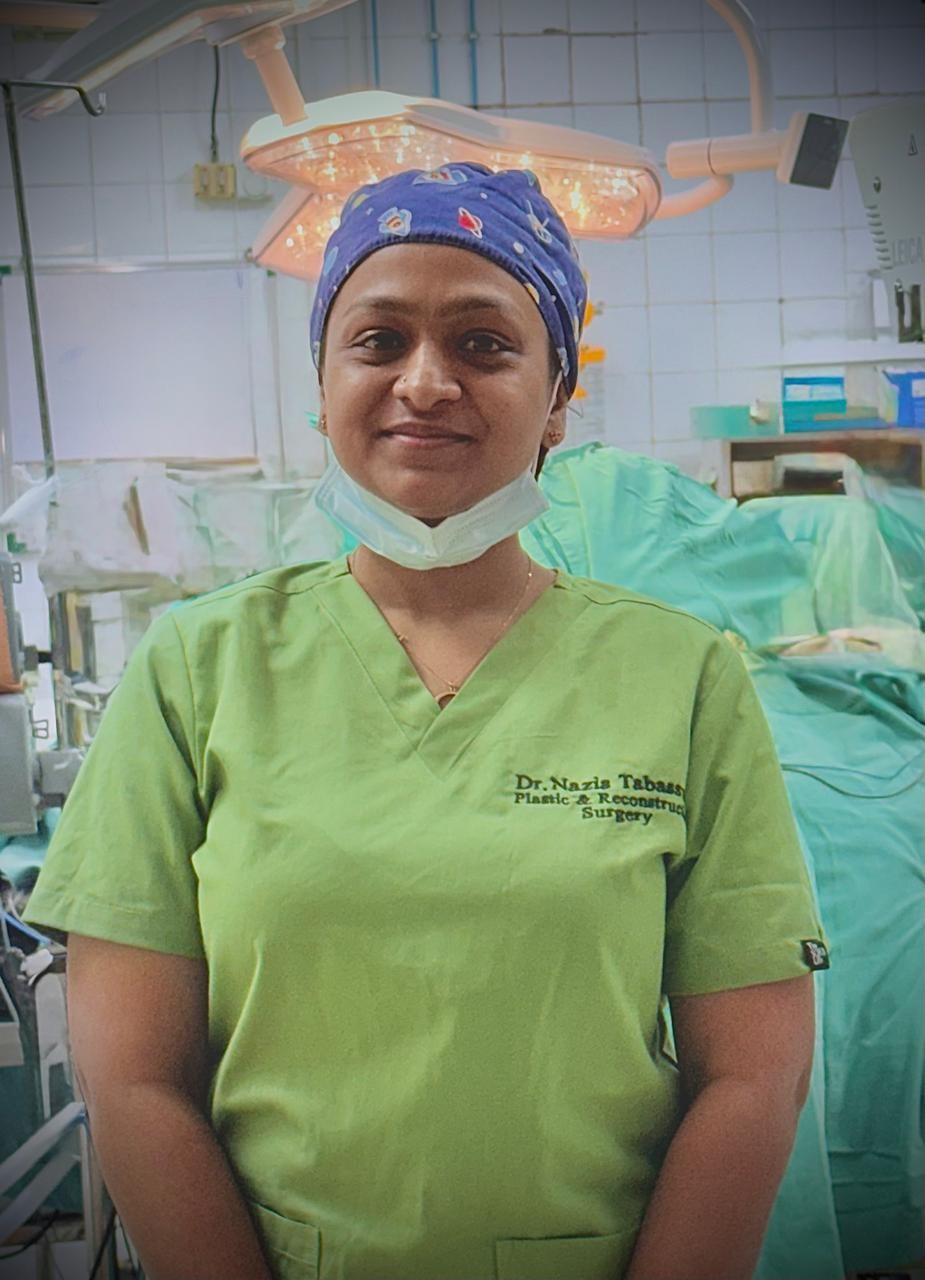
Dr. Nazia Tabassum
Consultant - Breast, Plastic & Reconstructive Surgeon
9 Years English,Hindi,Telugu,Urdu Banjara Hills

Dr. Sruthi Cheera
Consultant Breast Surgeon
5 Years English,Hindi,Kannada,Telugu Banjara Hills
Dr. Supriya Reddy
Lactation Consultant
5 Years English,Hindi,Telugu Banjara Hills

Dr. Niraj Krishnamurthy Yanamandra
Senior Consultant Obstetrician & Gynaecologist, Laparoscopy & Hysteroscopy Surgeon
English,Hindi,Telugu Hydernagar, Banjara Hills

Dr. B. Rao Bahadur
Consultant – Obstetrician & Gynecologist, Laparoscopic ,& Hysteroscopic Surgeon
22 Years English,Hindi,Konkani,Marathi,Telugu Banjara Hills, Kondapur OP

Dr. Sneha Kulkarni
Consultant - Child, Adolescent & Adult Psychiatrist
10 Years English,Hindi,Kannada,Telugu Secunderabad, Banjara Hills, Child Development Centre - Banjarahills Rd No 10

Dr. Lavanya Janagama
Consultant – Obstetrics & Gynecology
10+ Years English Banjara HillsLeading Hospitals for Women Care
Rainbow Children's Hospital stands as a testament to the hospital's continual pursuit of excellence and innovation, providing specialized care for women and children


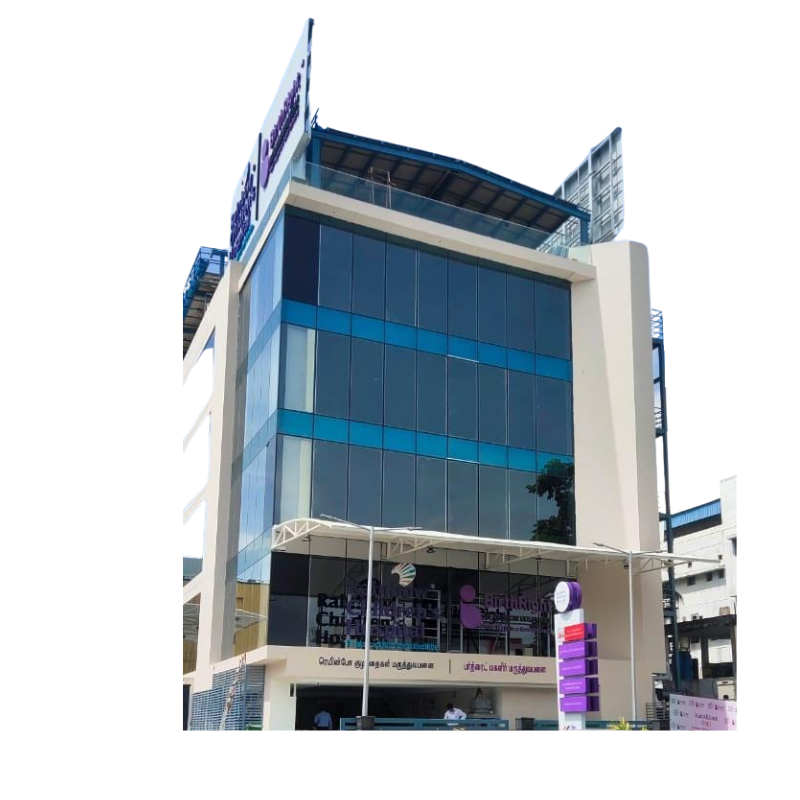
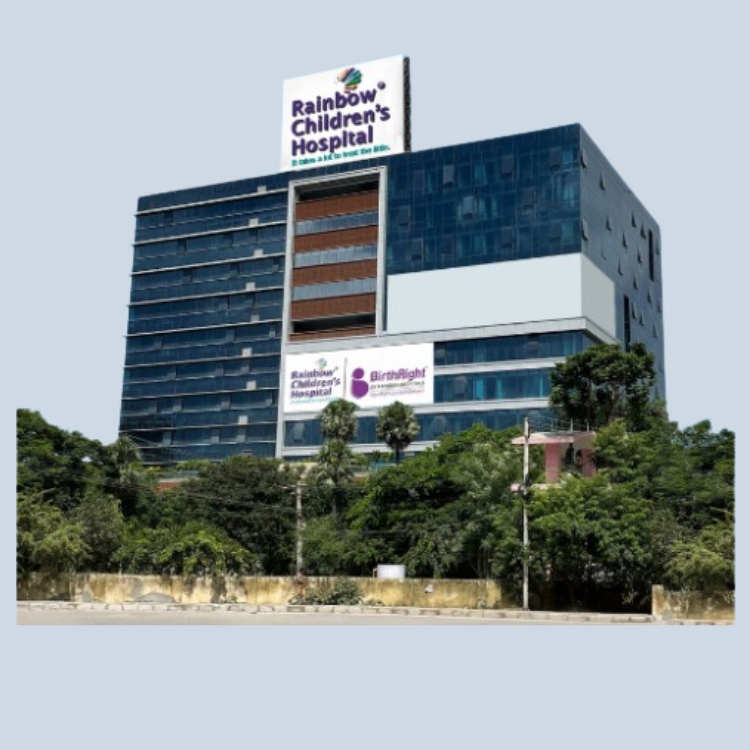









chennai
Blogs
Discover our most recent health articles provided by our reliable experts.




What Are People Saying About Us
Embark on a journey of inspiration and hope with our patient success stories, complemented by informative videos from our dedicated doctors.


Media
 Common Gynaecological Surgeries to Fix Female Reproductive Issues
 Healthy Woman - Healthy World
 Healthier Women For a Healthier Future...
 Rainbow Children’s Hospital & BirthRight by Rainbow Launch Video Consultation Facilities
 Dr.Pranthi Reddy
 What is the use of that?
 Can you try this time?
 Pregnant Women are Not Unfit
 Declining Age of Menarche - A Matter of Concern
 Important Facts about Cervical Cancer
 Be careful before preempting
 Flu every month!
 Menstrual cramps
 Premature delivery
 Whether laughing or coughing...why?
 Multi - Tasking may be Cool but it's not Healthy
 Pregnant and Worried about COVID-19? Here's Everything you Need to know
 Video Consultation in Pandamic Situation for Pregnancy Women's
 Women.. Various types of cysts
 Recurrent Pregnancy Loss in Women
 Early Onset of Puberty: Causes, Symptoms and Treatment Options
Common Gynaecological Surgeries to Fix Female Reproductive Issues
Healthy Woman - Healthy World
Healthier Women For a Healthier Future...