




Pregnancy Constipation (Constipation in Pregnancy)
Pregnancy Constipation (Constipation in pregnancy) is common, and it often starts in the first trimester as rising progesterone slows digestion. Iron supplements, less activity and low fibre or fluids can add to it. Most women find relief with fibre, water, gentle activity and doctor-advised laxatives. Know the safe options and the warning signs, such as bleeding or severe pain, that need medical care.

Seamless support from diagnosis to post treatment care
Overview
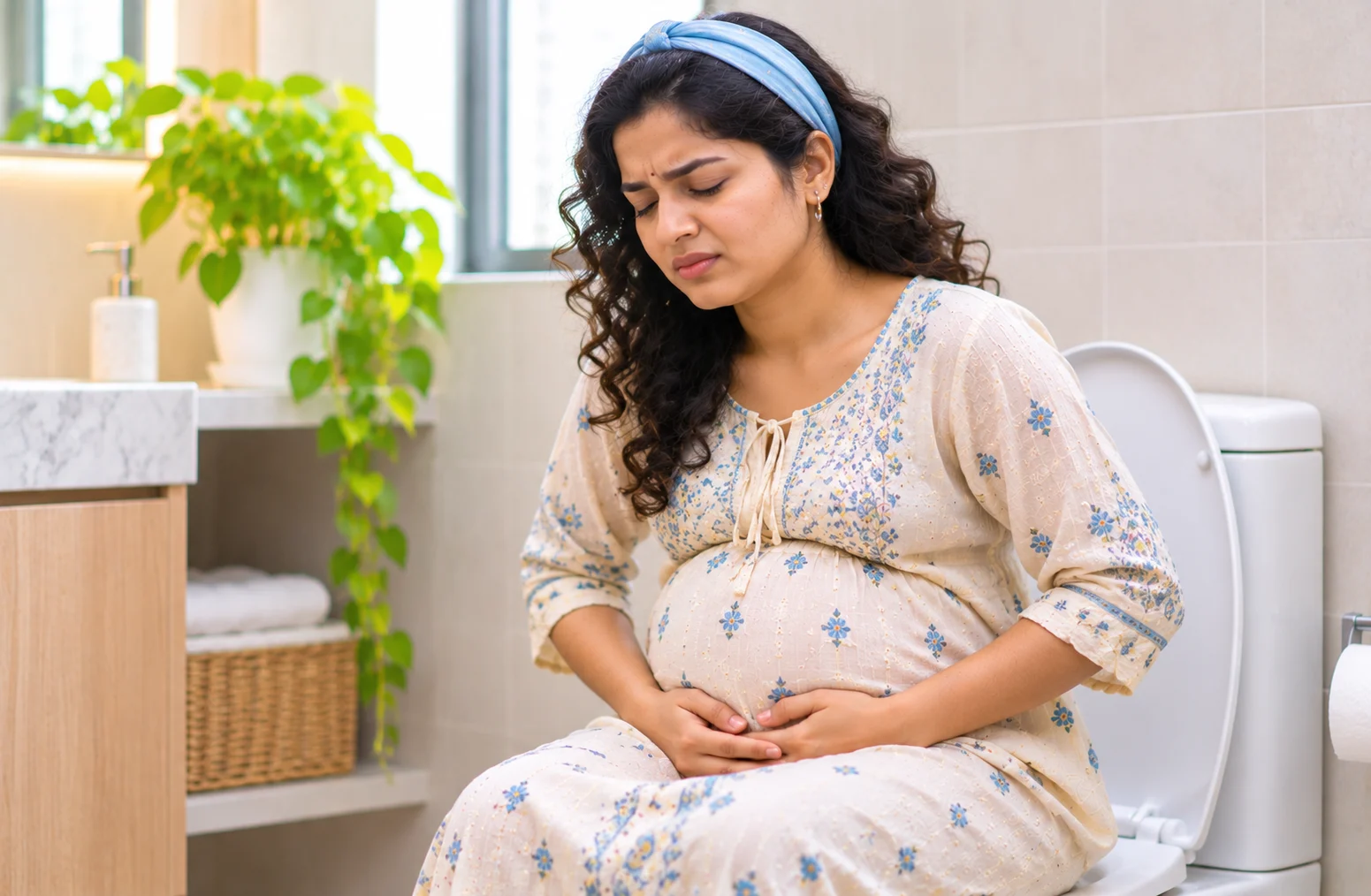
Pregnancy brings many changes to your body, and some can affect your digestion and daily comfort. If you are finding it harder to pass stools or are going to the toilet less often than usual, you are not alone. Constipation affects approximately 11–38% of pregnant women, although estimates vary across studies and pregnancy stages. It is often reported during the first and second trimesters and can also continue into later pregnancy. Simple changes to your diet and daily routine can help, while your doctor can recommend suitable treatment if symptoms persist.
What Is Pregnancy Constipation?
Pregnancy constipation means passing stools less often than usual or having stools that are hard, dry and difficult to pass. You may also need to strain or feel that your bowels have not emptied completely.
Constipation can begin in the first trimester and may continue or come and go throughout pregnancy. Hormonal changes, dietary habits, reduced physical activity and iron supplements can contribute. In India, inadequate dietary fibre intake remains a concern, with a 2023–24 household analysis reporting that 42% of households consumed less than 90% of their estimated daily fibre requirement. Routine iron-folic acid supplementation under national maternal health programmes may also contribute to constipation in some women.
Constipation can also occur after childbirth, particularly during the initial recovery period, when reduced activity, pain medicines and iron supplements may affect bowel movements. Although common, persistent constipation can be managed with appropriate dietary changes and treatment.
How Does Pregnancy Slow Digestion and Bowel Movements?
During pregnancy, your body produces more progesterone, a hormone that supports the pregnancy. Progesterone relaxes the smooth muscles of the digestive tract, slowing intestinal movement. Levels of motilin, a hormone that helps regulate digestive contractions, may also decrease, further slowing the movement of food and waste through the bowel.
As stool moves more slowly through the colon (large intestine), the bowel has more time to absorb water from it. This makes stools harder, drier and more difficult to pass.
As pregnancy progresses, the growing uterus may put additional pressure on nearby parts of the digestive system. Changes in posture, pelvic-floor muscle function and reduced physical activity can also make bowel movements more difficult. Iron supplements and changes in eating or drinking habits may further contribute to constipation.
Together, these changes explain why constipation can occur at different stages of pregnancy, even when you are otherwise having a healthy pregnancy.
Causes of Constipation in Pregnancy
Constipation during pregnancy can have several causes. Hormonal changes, pressure from the growing uterus and certain supplements can affect how quickly food moves through the digestive tract and how easily stools pass.
Common causes include:
- Hormonal changes: Higher progesterone levels relax the muscles of the digestive tract, slowing bowel movements and allowing more time for the bowel to absorb water from stools. This can make stools harder and more difficult to pass.
- Pressure from the growing uterus: As the uterus grows, it can put additional pressure on the bowel, potentially affecting bowel movements, particularly later in pregnancy.
- Iron and calcium supplements: Iron tablets and some calcium supplements can contribute to harder stools and constipation.
- Reduced physical activity: Less movement can slow bowel movements. This may be particularly relevant when pregnancy-related discomfort or medical advice limits physical activity.
- Changes in diet and fluid intake: Eating less fibre or drinking insufficient fluids can make stools harder and more difficult to pass.
- Changes in routine: Travel, unfamiliar toilets, changes in eating habits, stress or delaying a bowel movement can disrupt regular bowel habits.
Several factors may contribute at the same time. If constipation starts after you begin taking a supplement or medicine, tell your doctor rather than stopping it yourself.
Risk Factors of Constipation in Pregnancy
Any pregnant woman can experience constipation, but certain medical conditions, personal circumstances and lifestyle factors may increase the likelihood of developing it.
These include:
- Previous history of constipation: Women who experienced constipation before pregnancy or during an earlier pregnancy may be more likely to experience it again.
- Existing digestive conditions: Irritable bowel syndrome (IBS), particularly IBS with constipation, and other bowel conditions can increase susceptibility.
- Thyroid disorders: An underactive thyroid (hypothyroidism) can slow digestion and contribute to constipation.
- Pelvic floor problems: Difficulty relaxing the pelvic floor muscles during bowel movements can make passing stools harder.
- Multiple pregnancy: Carrying twins or more may involve greater physical and hormonal changes that can contribute to constipation.
- Certain medications: Opioid pain medicines and antacids containing aluminium or calcium can contribute to constipation.
- Low-fibre diet and inadequate fluid intake: Regularly consuming too little fibre or not drinking enough fluids can increase the likelihood of hard stools.
- Limited physical activity or bed rest: Women who have reduced movement because of pregnancy discomfort or medical advice may be more susceptible.
- Stress and mental health concerns: Anxiety and depression can affect digestive function and bowel habits.
- Older maternal age: Age-related changes in bowel function and a higher likelihood of certain underlying conditions may contribute to constipation.
These factors do not mean that constipation will necessarily develop. Identifying them can help you and your doctor decide which dietary, lifestyle or medical measures may support more comfortable bowel movements.
Symptoms of Constipation in Pregnancy
The symptoms of constipation can vary from one person to another and may occur at any stage of pregnancy. Some women notice constipation early in pregnancy due to hormonal changes, while others develop it or experience worsening symptoms as pregnancy progresses.
Common symptoms include:
- Passing stools less often than usual, sometimes fewer than three times a week
- Hard, dry or lumpy stools
- Difficulty or pain when passing stools
- Straining during bowel movements
- A feeling that the bowels have not emptied completely
- A sensation of blockage or something preventing stool from passing
- Needing to use a finger or press around the anus or pelvic floor to help pass stools
- Bloating or a feeling of fullness
- Mild abdominal discomfort
These symptoms may improve with changes to your diet, fluid intake and physical activity. However, do not assume that every episode of abdominal pain or rectal bleeding is caused by constipation.
Contact your doctor if you notice blood in your stools, persistent abdominal pain, unexplained weight loss, or constipation that does not improve. Also mention any anal pain, itching, swelling, or lumps, as these may indicate haemorrhoids (swollen veins around the anus) or an anal fissure (a small tear in the lining of the anus).
Seek urgent medical attention if you experience severe or constant abdominal pain, particularly if it is new or one-sided, fever, repeated vomiting, or an inability to pass stools or gas.
Diagnosis of Constipation in Pregnancy
Constipation during pregnancy is usually diagnosed through your symptoms, medical history and a physical examination. There is no single test that every pregnant woman needs to confirm the condition.
Your doctor may ask about:
- How often you pass stools and whether their consistency has changed
- Whether you experience straining, pain, a feeling of incomplete emptying or a sensation of blockage
- Whether you need to use manual methods to help pass stools
- Your usual diet, fibre intake, fluid consumption and physical activity
- Any medicines or supplements you take, particularly iron and calcium supplements
- Previous episodes of constipation and any existing digestive or thyroid conditions
- Symptoms such as rectal bleeding, unexplained weight loss, fever, vomiting or persistent abdominal pain
- Any family history of bowel cancer or other significant bowel conditions
The doctor may examine your abdomen to check for tenderness, swelling or other abnormalities. If needed, an examination of the anal and rectal area may also be recommended to check for haemorrhoids (swollen veins around the anus), anal fissures, impacted stools or pelvic floor problems.
Rome IV Criteria for Functional Constipation
Doctors may use the Rome IV criteria to assess chronic functional constipation. These include straining, hard stools, incomplete bowel emptying, a sensation of blockage, needing manual assistance to pass stools, and fewer than three spontaneous bowel movements per week.
At least two criteria must be present in more than 25% of bowel movements, with symptoms lasting at least three months and beginning at least six months before diagnosis. These criteria are not essential for diagnosing every case of constipation during pregnancy.
Are Tests Needed to Diagnose Constipation During Pregnancy?
Most women do not need tests to diagnose uncomplicated constipation. If symptoms are persistent or suggest an underlying condition, your doctor may recommend:
- Complete blood count (CBC): To check for anaemia.
- Thyroid-stimulating hormone (TSH): To check for an underactive thyroid.
- Serum calcium: To identify elevated calcium levels that may contribute to constipation.
Further investigations may be considered if there are concerning symptoms or examination findings. Your doctor will select tests based on your symptoms and stage of pregnancy.
Possible Complications with Constipation in Pregnancy
Constipation during pregnancy is usually manageable and does not directly harm your baby. However, persistent constipation or repeated straining can cause discomfort and may lead to a few complications.
- Piles (haemorrhoids): These are swollen blood vessels in or around the anus (the opening through which stools pass). They may cause itching, soreness, or bleeding, and straining can worsen them.
- Anal fissures: A hard stool may cause a small tear in the lining of the anus, leading to pain and sometimes a small amount of bleeding during bowel movements.
- Faecal impaction: In uncommon cases, a large amount of hard stool can become stuck in the rectum, the final part of the bowel. It may require medical treatment.
- Persistent abdominal discomfort: Ongoing constipation can cause bloating, a feeling of fullness and discomfort that interferes with daily activities.
These complications do not occur in everyone who experiences constipation. Managing symptoms early can help reduce straining and the chance of further discomfort.
If you experience bleeding, persistent pain, or symptoms that are getting worse, speak with your doctor so the cause can be assessed.
Treatment and Management of Constipation in Pregnancy
Most cases of constipation during pregnancy improve with dietary and lifestyle changes. If these are insufficient, your doctor may recommend a suitable laxative.
- Increase fibre intake: Aim for 25–30 g daily through dalia, oats, wholegrains, lentils, vegetables, ripe papaya, flaxseeds and soaked raisins. Increase fibre gradually.
- Drink enough fluids: Drink water regularly to keep stools soft.
- Stay active: Walking and other pregnancy-appropriate activities can support bowel movements.
- Maintain a toilet routine: Respond to the urge to pass stools and avoid straining.
If these measures do not help, treatment may progress to:
- Bulk-forming laxatives: Ispaghula husk (isabgol/psyllium) and wheat bran increase stool bulk and are generally considered safe during pregnancy when taken with adequate water.
- Osmotic laxatives: Lactulose and polyethylene glycol (PEG) soften stools by drawing or retaining water in the bowel. Both are generally considered suitable during pregnancy when medically advised.
- Stimulant laxatives: Senna and bisacodyl may be prescribed for short-term use if other treatments fail. Use them only under medical supervision.
Managing Constipation Caused by Iron Supplements
Iron tablets can contribute to constipation. Your doctor may recommend a lower dose, alternate-day dosing or a different preparation, depending on your iron requirements. Vitamin C may improve iron absorption. Do not stop or change prescribed iron supplements yourself.
Which Constipation Treatments Should You Avoid During Pregnancy?
Avoid castor oil, unsupervised herbal laxatives and self-medication. Mineral oil is best avoided, particularly with prolonged use, as it may interfere with fat-soluble vitamin absorption. Excessive or prolonged use of stimulant and magnesium-containing laxatives can cause dehydration and electrolyte disturbances.
Consult your doctor before taking any constipation medicine during pregnancy. Seek a medical review if symptoms persist despite treatment.
Prognosis: What to Expect
The outlook for constipation during pregnancy is generally good. Many women find relief through changes to their diet, fluid intake, physical activity and toilet routine. If these measures aren't enough, appropriate treatment can usually help.
Constipation may continue or return at different stages of pregnancy because hormonal changes and other contributing factors can persist. It does not necessarily mean that something is wrong with your pregnancy.
For many women, bowel movements gradually return to their usual pattern after childbirth as the body recovers. However, constipation can also continue during the postnatal period, particularly when activity is reduced, or iron supplements and certain pain medicines are being used.
If symptoms continue after delivery, or you experience persistent pain or bleeding, speak with your healthcare professional for an assessment and appropriate treatment.
Questions to Ask Your Gynecologist
If constipation is affecting your comfort during pregnancy, discussing it with your gynecologist can help you understand the cause and choose suitable relief measures.
About relief and treatment safety
- Which constipation treatments are suitable for me during pregnancy?
- Could my iron tablets or other medicines be contributing to constipation?
- How much fibre and fluid should I aim for each day?
- Can I use an over-the-counter laxative or fibre supplement?
- What should I do if dietary changes don't help?
About symptoms and when to seek care
- When should constipation be medically assessed?
- What should I do if I notice bleeding or pain while passing stools?
- Could another condition be causing my symptoms?
- How can I reduce the chances of constipation returning?
- What can I do if constipation continues after delivery?
Sharing how long you have had symptoms, how often you pass stools and which medicines or supplements you take can help your doctor recommend appropriate care.
Prevention and Lifestyle Tips to Avoid Constipation in Pregnancy
Although you can't always prevent constipation during pregnancy, a few daily habits can help keep bowel movements more regular and stools easier to pass.
- Keep fibre steady: Eat fruit, vegetables, wholegrains and pulses across the day.
- Drink fluids regularly: Sip water through the day rather than all at once.
- Move often: Gentle, regular activity, as cleared by your doctor, keeps the bowel active.
- Build a toilet routine: Respond promptly to the urge and don't rush.
- Review supplements with your doctor: Ask about iron if you think it may be the cause.
These measures can help reduce constipation and improve everyday comfort. If symptoms persist despite consistent changes, seek medical advice rather than relying on lifestyle measures alone.
Why Choose BirthRight by Rainbow Hospitals for Constipation in Pregnancy
At BirthRight by Rainbow Hospitals, we understand that even common pregnancy discomforts can affect your daily routine and overall comfort. Our approach to maternity care includes listening to your symptoms, reviewing possible contributing factors, and helping you find appropriate relief during pregnancy.
- Individual assessment: We consider your symptoms, pregnancy stage, medical history, and current medicines when discussing constipation and its management.
- Guidance on supplements and medicines: We help you discuss whether iron or other medicines could be contributing to your symptoms and whether a change is appropriate.
- Practical dietary guidance: We offer advice on improving fibre intake, maintaining adequate hydration and building habits that support regular bowel movements.
- Care throughout pregnancy: We address everyday pregnancy discomforts as part of your wider maternity care and help you understand when symptoms need further assessment.
- Clear advice on warning signs: We explain which symptoms can usually be managed with routine advice and which require prompt medical attention.
Our aim is to help you feel comfortable, informed and supported throughout your pregnancy. If constipation persists or affects your daily life, speak with your obstetrician about the best next steps. Services and specialist availability may vary by hospital location.

Find a Doctor and Book Appointment Online
Meet our specialist doctors who bring together clinical expertise, compassion, and personalised care to support your health and well-being. Choose from 1,300+ specialists across our network and book an appointment with BirthRight and Rainbow Children Hospitals, offering 24*7 support to you and your family.

Dr. Pranathi Reddy A
Clinical Director – Obstetrics & Gynecology.
English,Hindi,Telugu Banjara Hills

Dr. Gauri Vinayak Dhamangaonkar
Senior Consultant - Fetal Medicine
15 Years English,Hindi,Marathi,Telugu Kondapur OP, Banjara Hills

Dr. Shruthi Reddy Poddutoor
Consultant Obstetrician, Gynecologist & Laparoscopic Surgeon
English,Telugu Banjara Hills

Dr. Himabindu Veerla
Consultant Obstetrician, Gynecologist & Laparoscopic Surgeon
English,Telugu Banjara Hills

Dr. Bhargavi Reddy K
Consultant - Obstetrics and Gynecology
10 Years English,Hindi,Telugu Banjara Hills, Attapur Clinic

Dr. Annie Pranutha P
Consultant Obstetrics and Gynecology
9 Years English,Hindi,Telugu Banjara Hills, Attapur Clinic

Dr. Sasikala Kola
Consultant Obstetrician & Gynecologist
English,Hindi,Telugu Banjara Hills

Dr. Atigadda Vijaya
Consultant - Obstetrics & Gynecology
Hindi,Telugu Banjara Hills, Himayatnagar, Attapur Clinic

Dr. Nishanth Reddy Inavolu
Visiting Consultant Physician and Diabetologist & Internal Medicine
English,Hindi,Telugu Banjara Hills, Himayatnagar

Dr. Tulika Tayal
Consultant - Fetal Medicine
English,Telugu Banjara Hills

Dr. M Prathyusha Reddy
Consultant Obstetrics & Gynecology
English,Telugu Banjara Hills

Dr. Nithya Narasimha Murthy
Consultant -Psychiatrist
English,Hindi,Telugu Kondapur OP, Banjara Hills, Child Development Centre - Banjarahills Rd No 10

Dr. Brundavani
Consultant - Nutritionist
English,Hindi,Telugu Kondapur OP, Hydernagar, Banjara Hills, Child Development Centre - Banjarahills Rd No 10

Dr. Niveditha Chalmeda
Consultant
English,Telugu Banjara Hills

Dr. Kirti Reddy Patlolla
Consultant Obstetrics and Gynaecology
English,Telugu Banjara Hills, Attapur Clinic

Dr. Tuheena Sharma
Consultant - Perinatal Physiotherapy
10 Years English,Telugu Banjara Hills

Dr. Aditi Shah
Consultant - Fetal Medicine
English,Telugu Banjara Hills

Dr. Swathi Naga Tulasi Rayapureddy
Lactation Consultant
8 Years English,Telugu Banjara Hills

Dr. Swetha Reddy. S
CONSULTANT PERINATAL PSYCHIATRIST AND WOMEN MENTAL HEALTH SPECIALIST
13 Years English,Hindi,Telugu Banjara Hills

Dr. Addu Kiranmayi
Chief Clinical Nutritionist and Lifestyle Medicine Consultant
15 Years English,Hindi,Telugu Himayatnagar, Banjara Hills

Dr. Palle Nalini Kumari
Lactation Consultant
17+ Years English,Hindi,Telugu Banjara Hills
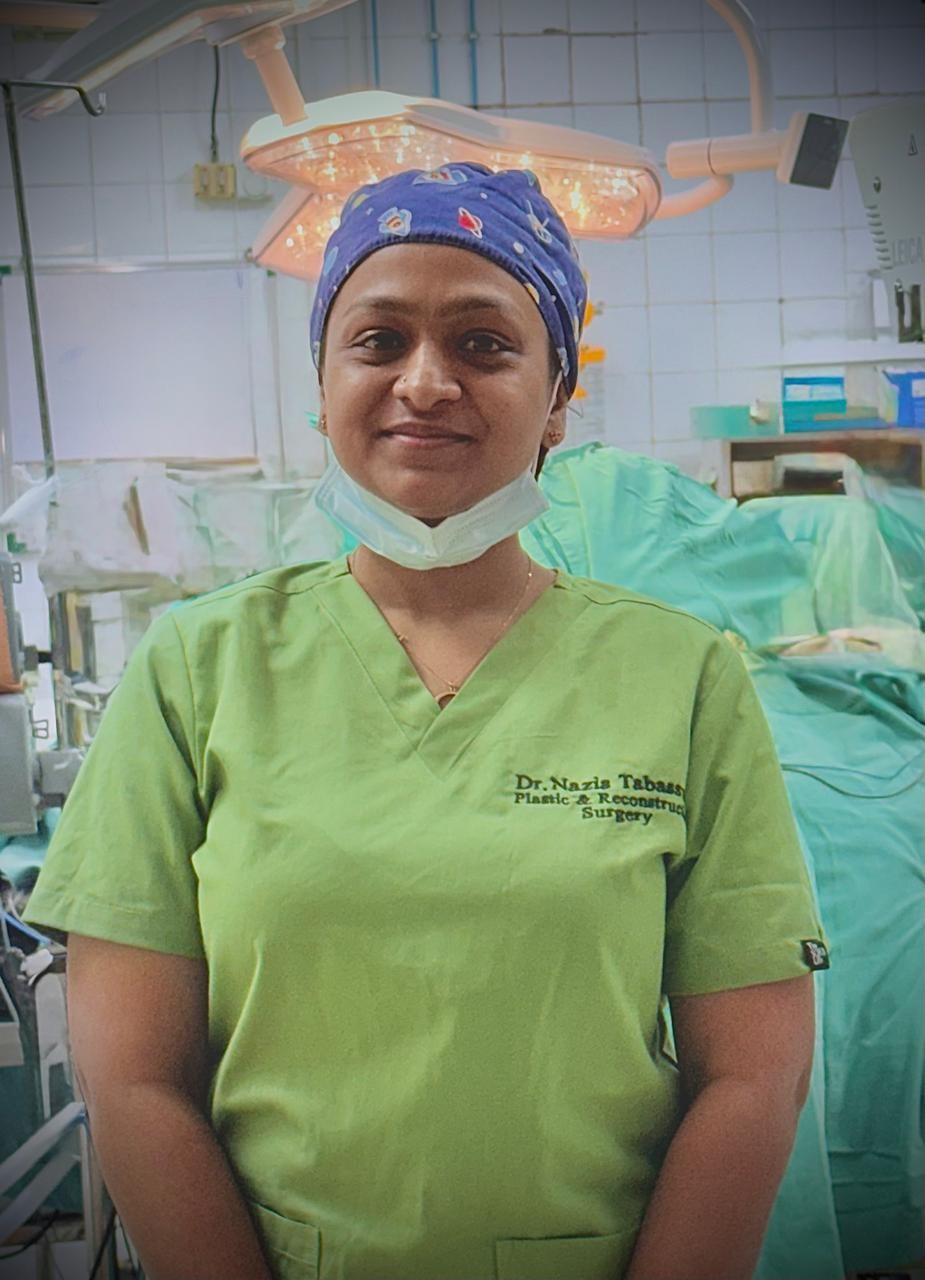
Dr. Nazia Tabassum
Consultant - Breast, Plastic & Reconstructive Surgeon
9 Years English,Hindi,Telugu,Urdu Banjara Hills

Dr. Sruthi Cheera
Consultant Breast Surgeon
5 Years English,Hindi,Kannada,Telugu Banjara Hills

Dr. Supriya Reddy
Lactation Consultant
5 Years English,Hindi,Telugu Banjara Hills

Dr. Niraj Krishnamurthy Yanamandra
Senior Consultant Obstetrician & Gynaecologist, Laparoscopy & Hysteroscopy Surgeon
English,Hindi,Telugu Hydernagar, Banjara Hills

Dr. B. Rao Bahadur
Consultant – Obstetrician & Gynecologist, Laparoscopic ,& Hysteroscopic Surgeon
22 Years English,Hindi,Konkani,Marathi,Telugu Banjara Hills, Kondapur OP

Dr. Sneha Kulkarni
Consultant - Child, Adolescent & Adult Psychiatrist
10 Years English,Hindi,Kannada,Telugu Secunderabad, Banjara Hills, Child Development Centre - Banjarahills Rd No 10

Dr. Lavanya Janagama
Consultant – Obstetrics & Gynecology
10+ Years English Banjara HillsLeading Hospitals for Women Care
Rainbow Children's Hospital stands as a testament to the hospital's continual pursuit of excellence and innovation, providing specialized care for women and children













chennai
Blogs
Discover our most recent health articles provided by our reliable experts.



What Are People Saying About Us
Embark on a journey of inspiration and hope with our patient success stories, complemented by informative videos from our dedicated doctors.


Media
 Common Gynaecological Surgeries to Fix Female Reproductive Issues
 Healthy Woman - Healthy World
 Healthier Women For a Healthier Future...
 Rainbow Children’s Hospital & BirthRight by Rainbow Launch Video Consultation Facilities
 Dr.Pranthi Reddy
 What is the use of that?
 Can you try this time?
 Pregnant Women are Not Unfit
 Declining Age of Menarche - A Matter of Concern
 Important Facts about Cervical Cancer
 Be careful before preempting
 Flu every month!
 Menstrual cramps
 Premature delivery
 Whether laughing or coughing...why?
 Multi - Tasking may be Cool but it's not Healthy
 Pregnant and Worried about COVID-19? Here's Everything you Need to know
 Video Consultation in Pandamic Situation for Pregnancy Women's
 Women.. Various types of cysts
 Recurrent Pregnancy Loss in Women
 Early Onset of Puberty: Causes, Symptoms and Treatment Options
Common Gynaecological Surgeries to Fix Female Reproductive Issues
Healthy Woman - Healthy World
Healthier Women For a Healthier Future...
FAQs
Can constipation harm my baby?
What month does constipation start in pregnancy?
Should I stop my iron tablets if they make me constipated?
Can prune juice or isabgol help constipation in pregnancy?
Are stool softeners or magnesium supplements safe in pregnancy?
Is it safe to use senna tea or castor oil for constipation in pregnancy?
Are bananas bad for constipation in pregnancy?
Is it okay to push hard to pass stool during pregnancy?
Can straining from constipation cause a miscarriage?
Does constipation come and go during pregnancy?
Is constipation more common in the third trimester?
What are the best foods and home remedies for constipation during pregnancy?
Which laxatives are safe to use during pregnancy?
Is lactulose safe during pregnancy?
How much water should I drink during pregnancy to prevent constipation?
Can constipation cause bleeding from piles during pregnancy?
Can constipation affect normal delivery?
Will my constipation go away after delivery?
Quick Links
Free Calculators to Track and Predict your Pregnancy
Gynecologist in Other Locations
Women's Health Conditions We Treat
- Mastitis (Breast Infection)
- PCOS (Polycystic Ovary Syndrome)
- Uterine Fibroids (Leiomyomas)
- Recurrent Pregnancy Loss
- Blocked Fallopian Tubes (Fallopian Tube Obstruction)
- Gestational Diabetes in Pregnancy
- Incompetent Cervix (Cervical Insufficiency)
- COVID-19 in Pregnancy
- Cytomegalovirus (CMV) in Pregnancy
- HELLP Syndrome
- Luteal Phase Defect
- Vasa Previa
- Listeria in Pregnancy
- Placenta Previa
- Endometrial Polyps (Uterine Polyps)
- Congenital Heart Disease in Pregnancy
- Hyperemesis Gravidarum (Severe Morning Sickness)
- Preeclampsia (toxemia)
- Fetal Distress (Non-Reassuring Fetal Status)
- Postpartum Haemorrhage (PPH)
- Placental Abruption (Abruptio Placentae)
- Placenta Accreta
- Postpartum Depression (PPD)
- Rhesus (Rh) Incompatibility
- Syphilis in Women
- Thalassemia in Pregnancy
- Gestational Thrombocytopenia
- Diabetes in Pregnancy
- Uterine Rupture
- Migraine in Pregnancy
- Eclampsia