




Episiotomy (Perineotomy)
An episiotomy, also called a perineotomy, is a small cut made in the perineum during a vaginal birth to create more room for the baby. It is no longer a routine step and is used only when there is a clear medical reason, such as a forceps or vacuum delivery. The cut is repaired with dissolvable stitches, and most women recover well within a few weeks.

Seamless support from diagnosis to post treatment care

Overview
Preparing for a vaginal birth can bring plenty of questions about what to expect during labour and delivery. One term you may come across is “episiotomy”, which can understandably raise questions about why it might be needed and what it involves. The good news is that episiotomies are no longer routine and are usually considered only when there is a specific reason.
Understanding when an episiotomy may be needed, what happens during the procedure and what recovery is like can help you feel more informed and less anxious about the possibility. Knowing what to expect can also help you have a more confident conversation with your healthcare team about your birth.
What is an Episiotomy?
An episiotomy is a surgical cut made in the perineum, the area of tissue between the vaginal opening and the anus, during a vaginal delivery. It is done to create more room for the baby to be born quickly or safely, when needed. The cut is closed with stitches soon after the birth.
For many years, an episiotomy was done routinely, but that has changed. Current guidance favours using it selectively, only when a specific situation calls for it, rather than as a standard step. This shift happened because research found that a routine cut does not prevent severe tearing any better than letting the body tear naturally where that happens.
Who Needs an Episiotomy and When Is It Performed?
Understanding when an episiotomy is needed helps explain why most women do not need one. It is not routinely recommended for vaginal births. WHO and NICE advise using it only when there is a clinical need, rather than as a routine procedure. A Cochrane review found that a restrictive approach reduces severe perineal trauma compared with routine episiotomy.
In India, a study across 18 tertiary-care hospitals found that 63.4% of vaginal births involved an episiotomy. The rate was higher among first-time mothers (85.1%) than women who had given birth before (39.3%). These findings highlight the importance of using episiotomy selectively, based on individual clinical needs.
The main situations in which an episiotomy may be needed are below.
- The baby needs to be born quickly: If there are signs of fetal distress and vaginal birth needs to be expedited, an episiotomy may help facilitate delivery.
- An assisted vaginal delivery: During forceps or vacuum-assisted birth, a mediolateral episiotomy may be performed when clinically needed to provide additional space for delivery.
- Shoulder dystocia: An episiotomy does not release the baby's stuck shoulder. However, it may be needed to provide enough space for the doctor to perform internal manoeuvres to release it.
- Scarred or less flexible perineal tissue: Previous perineal repairs or female genital mutilation (FGM) may affect how the perineum stretches. An episiotomy may be considered in selected cases if clinically necessary.
- Maternal health conditions: Certain medical conditions may make it necessary to shorten the pushing stage of labour. An episiotomy may be considered if it helps facilitate an assisted vaginal birth.
The decision depends on what is happening during labour. Having one of these factors does not automatically mean you will need an episiotomy. Your healthcare team will assess the situation and explain the recommended approach.
Preparing for an Episiotomy During Labour
An episiotomy is usually a decision made during labour, depending on how the birth progresses. However, you can discuss your preferences with your doctor during pregnancy and include them in your birth plan. Some measures may also help reduce the likelihood of needing an episiotomy:
- Try antenatal perineal massage: From around 35 weeks of pregnancy, gentle perineal massage once or twice a week may help reduce the likelihood of an episiotomy, particularly if this is your first vaginal birth. Ask your doctor or midwife how to do it safely.
- Discuss perineal support during labour: A warm, wet compress applied to the perineum as the baby's head stretches it during the second stage of labour may reduce the risk of severe tears. Your care team may also consider perineal massage during this stage, if you are comfortable with it.
- Ask about birth positions and pushing: Upright or side-lying positions may support vaginal birth. Your doctor or midwife can guide you on comfortable positions and controlled pushing as the baby is born.
- Discuss your preferences and consent: Include your preference for avoiding a routine episiotomy in your birth plan. If one is recommended, your healthcare team should explain why it is needed and seek your consent before proceeding, wherever the clinical situation allows.
- Ask about the hospital's approach: You can ask how often episiotomies are performed and whether the hospital follows a selective-use policy.
These measures may reduce the likelihood of an episiotomy, but cannot guarantee that one will not be needed. If it becomes clinically necessary, your doctor will explain the reason and discuss the procedure with you.
If an episiotomy is needed, the area will usually be numbed with a local anaesthetic before the cut is made. If you already have an epidural, it will generally provide sufficient pain relief. In an urgent situation, the team may need to act quickly.
Episiotomy Procedure: Step by Step
An episiotomy can be performed in two ways:
- Midline episiotomy: A straight cut directed towards the anus. It is generally avoided because it has a higher risk of extending into the anal sphincter and causing an obstetric anal sphincter injury (OASI).
- Mediolateral episiotomy: A cut made diagonally away from the anus, usually at an angle of 45–60 degrees. This is the preferred technique when an episiotomy is needed.
Knowing how the episiotomy procedure works makes it feel less daunting. The surgery is quick and is done just before the baby is born, with the repair done shortly afterwards. The main steps are below.
- The area is numbed with a local anaesthetic, unless an epidural is already giving enough pain relief.
- A small cut is made in the perineum during a contraction, either straight down or at an angle, to widen the opening.
- The baby is delivered through the wider opening.
- After the birth, the cut is repaired in layers using dissolvable stitches that do not need to be removed.
The procedure usually takes only a few minutes and is often carried out during the busy, emotional moments surrounding the birth. The stitches dissolve on their own over the following weeks as the area heals.
Side Effects, Risks and Complications of Episiotomy
An episiotomy usually heals well, but like any surgical cut, it can cause discomfort and, occasionally, complications. Some effects settle as the wound heals, while others may need medical attention. The main risks include:
- Pain and soreness: Pain, tenderness and swelling around the wound are common during the first few weeks after childbirth. Persistent or worsening pain should be assessed by your doctor.
- Wound infection: Infection can cause increasing pain, redness, swelling, fever, an unusual smell or pus-like discharge. Report these symptoms to your healthcare team. Infection rates vary across studies, with some reporting around 1–2%.
- Bleeding and wound haematoma: Some bleeding is expected after childbirth. Occasionally, blood collects under the skin near the wound, forming a haematoma. This can cause significant pain, swelling or pressure and needs medical assessment.
- Wound breakdown (dehiscence): The stitches may separate, leaving the wound partly or completely open. This can happen due to infection or bleeding underneath the wound. It may cause increasing pain, fresh bleeding or discharge. Report these symptoms promptly. Studies report varying rates, with wound breakdown occurring in a few per cent of cases.
- Extension into a severe tear: An episiotomy can sometimes extend into a third-degree tear, involving the anal sphincter (the muscle that controls bowel movements), or a fourth-degree tear, which also involves the lining of the anus or rectum. These injuries are known as obstetric anal sphincter injuries (OASI) and require specialist repair.
- Persistent perineal pain: Some women experience pain or discomfort around the scar even after the wound has healed. Ongoing pain should be assessed, as treatment may help.
- Pain during sexual intercourse (dyspareunia): Sex may feel uncomfortable while the wound heals. If pain continues beyond three months, or makes intercourse difficult, speak to your doctor about an assessment and possible treatment.
- Difficulty controlling wind or stool: If the cut extends into the anal sphincter, some women may have difficulty holding in wind or controlling bowel movements. Seek medical advice promptly if you experience leakage of stool, difficulty holding in wind or a sudden urge to pass stool that is difficult to control. Treatment may include pelvic floor physiotherapy or further repair, depending on the cause.
Most women recover well after an episiotomy. Worsening pain, a bad smell, or spreading redness can be treated quickly if you notice them early. The next section explains how to care for the wound and support healing.
Recovery and Success After an Episiotomy
Most women recover well after an episiotomy. The stitches usually dissolve on their own, and the wound generally heals within 2–4 weeks, although tenderness may last longer. The following steps can help ease discomfort, keep the area clean and support healing:
- Keep the area clean: Wash your hands before and after changing pads or using the toilet. Rinse the area gently with clean, lukewarm water using a peri-bottle or a clean jug after passing urine or stool. Pat dry gently from front to back rather than rubbing. Change sanitary pads regularly.
- Use cold packs in the early days: During the first 24–48 hours, apply a cold pack wrapped in a clean cloth for 10–20 minutes at a time to reduce swelling and soreness. Never place ice directly on the skin.
- Take suitable pain relief: Paracetamol or ibuprofen can help relieve pain and are generally compatible with breastfeeding. Check with your doctor before taking them, particularly if you have other health conditions or have been advised to avoid these medicines.
- Try a warm sitz bath: Sitting in clean, comfortably warm (not hot) water for a short time may soothe the area. Avoid adding antiseptics, soaps, oils or herbal preparations unless your doctor recommends them.
- Prevent constipation: Eat fibre-rich foods such as fruits, vegetables and whole grains, and drink enough water. If your doctor advises a stool softener, take it as directed. When passing stool, gently support the perineum with a clean sanitary pad to reduce pressure on the stitches.
- Reduce pressure on the wound: Rest when possible, avoid sitting for long periods and use a soft cushion or lie on your side if sitting is uncomfortable. Supporting the area gently with a clean pad when coughing or passing stool may also ease discomfort.
- Allow the area to heal: Avoid strenuous activity and heavy lifting until you are comfortable, and your doctor advises that you can resume them. Use sanitary pads rather than tampons while recovering from childbirth.
In Indian homes, warm-water sekai may be used for comfort, but avoid placing hot cloths or heated objects directly on the wound. Similarly, avoid applying herbal washes or homemade preparations to the stitches, as they may irritate the healing tissue or introduce infection. Clean water is sufficient for routine wound care.
Most discomfort gradually improves over the first few weeks. Contact your doctor if pain worsens, the wound becomes increasingly swollen or red, you develop a fever or foul-smelling discharge, or the stitches appear to have opened. Your doctor can also advise when to resume exercise, sexual activity and other normal routines.
What to Expect After Delivery: Healing Milestones and Next Steps?
In the first few days after birth, some soreness is expected, but it should gradually improve rather than worsen. You will usually have a postnatal check-up, where your doctor can assess how the area is healing. You can often start gentle pelvic floor exercises once you feel comfortable, which supports recovery.
Contact your gynaecologist if you have increasing pain, a fever, foul-smelling discharge, or if the stitches come apart, as these symptoms need prompt attention. Your healthcare team will advise you when it is safe to resume sex and exercise.
Why Choose BirthRight by Rainbow Hospitals for Labour and Delivery Care?
BirthRight by Rainbow Hospitals offers coordinated labour, delivery, and postnatal care with a selective approach to episiotomy. Key strengths include:
- Selective use of episiotomy: Obstetric teams recommend an episiotomy only when there is a clear medical need, rather than using it routinely.
- Support for vaginal birth: Doctors and midwives aim to support the natural progress of labour whenever appropriate.
- Individualised birth planning: The care team considers your pregnancy, labour progress, and preferences while planning delivery.
- Experienced labour care: Skilled obstetricians and midwives monitor labour and provide support when additional intervention becomes necessary.
- Clear communication: The maternity team explains procedures and decisions during labour so you understand the care being provided.
- Postnatal support: Care continues after delivery, with attention to healing, comfort, and recovery if an episiotomy or other intervention was needed.
- Three decades of expertise: Rainbow Hospitals brings extensive experience in women’s and children’s healthcare to labour and delivery care.

Find a Doctor and Book Appointment Online
Meet our specialist doctors who bring together clinical expertise, compassion, and personalised care to support your health and well-being. Choose from 1,300+ specialists across our network and book an appointment with BirthRight and Rainbow Children Hospitals, offering 24*7 support to you and your family.

Dr. Pranathi Reddy A
Clinical Director – Obstetrics & Gynecology.
English,Hindi,Telugu Banjara Hills

Dr. Gauri Vinayak Dhamangaonkar
Senior Consultant - Fetal Medicine
15 Years English,Hindi,Marathi,Telugu Kondapur OP, Banjara Hills

Dr. Shruthi Reddy Poddutoor
Consultant Obstetrician, Gynecologist & Laparoscopic Surgeon
English,Telugu Banjara Hills

Dr. Himabindu Veerla
Consultant Obstetrician, Gynecologist & Laparoscopic Surgeon
English,Telugu Banjara Hills

Dr. Bhargavi Reddy K
Consultant - Obstetrics and Gynecology
10 Years English,Hindi,Telugu Banjara Hills, Attapur Clinic

Dr. Annie Pranutha P
Consultant Obstetrics and Gynecology
9 Years English,Hindi,Telugu Banjara Hills, Attapur Clinic

Dr. Sasikala Kola
Consultant Obstetrician & Gynecologist
English,Hindi,Telugu Banjara Hills

Dr. Atigadda Vijaya
Consultant - Obstetrics & Gynecology
Hindi,Telugu Banjara Hills, Himayatnagar, Attapur Clinic

Dr. Nishanth Reddy Inavolu
Visiting Consultant Physician and Diabetologist & Internal Medicine
English,Hindi,Telugu Banjara Hills, Himayatnagar

Dr. Tulika Tayal
Consultant - Fetal Medicine
English,Telugu Banjara Hills

Dr. M Prathyusha Reddy
Consultant Obstetrics & Gynecology
English,Telugu Banjara Hills

Dr. Nithya Narasimha Murthy
Consultant -Psychiatrist
English,Hindi,Telugu Kondapur OP, Banjara Hills, Child Development Centre - Banjarahills Rd No 10

Dr. Brundavani
Consultant - Nutritionist
English,Hindi,Telugu Kondapur OP, Hydernagar, Banjara Hills, Child Development Centre - Banjarahills Rd No 10

Dr. Niveditha Chalmeda
Consultant
English,Telugu Banjara Hills

Dr. Kirti Reddy Patlolla
Consultant Obstetrics and Gynaecology
English,Telugu Banjara Hills, Attapur Clinic

Dr. Tuheena Sharma
Consultant - Perinatal Physiotherapy
10 Years English,Telugu Banjara Hills

Dr. Aditi Shah
Consultant - Fetal Medicine
English,Telugu Banjara Hills

Dr. Swathi Naga Tulasi Rayapureddy
Lactation Consultant
8 Years English,Telugu Banjara Hills

Dr. Swetha Reddy. S
CONSULTANT PERINATAL PSYCHIATRIST AND WOMEN MENTAL HEALTH SPECIALIST
13 Years English,Hindi,Telugu Banjara Hills

Dr. Addu Kiranmayi
Chief Clinical Nutritionist and Lifestyle Medicine Consultant
15 Years English,Hindi,Telugu Himayatnagar, Banjara Hills

Dr. Palle Nalini Kumari
Lactation Consultant
17+ Years English,Hindi,Telugu Banjara Hills
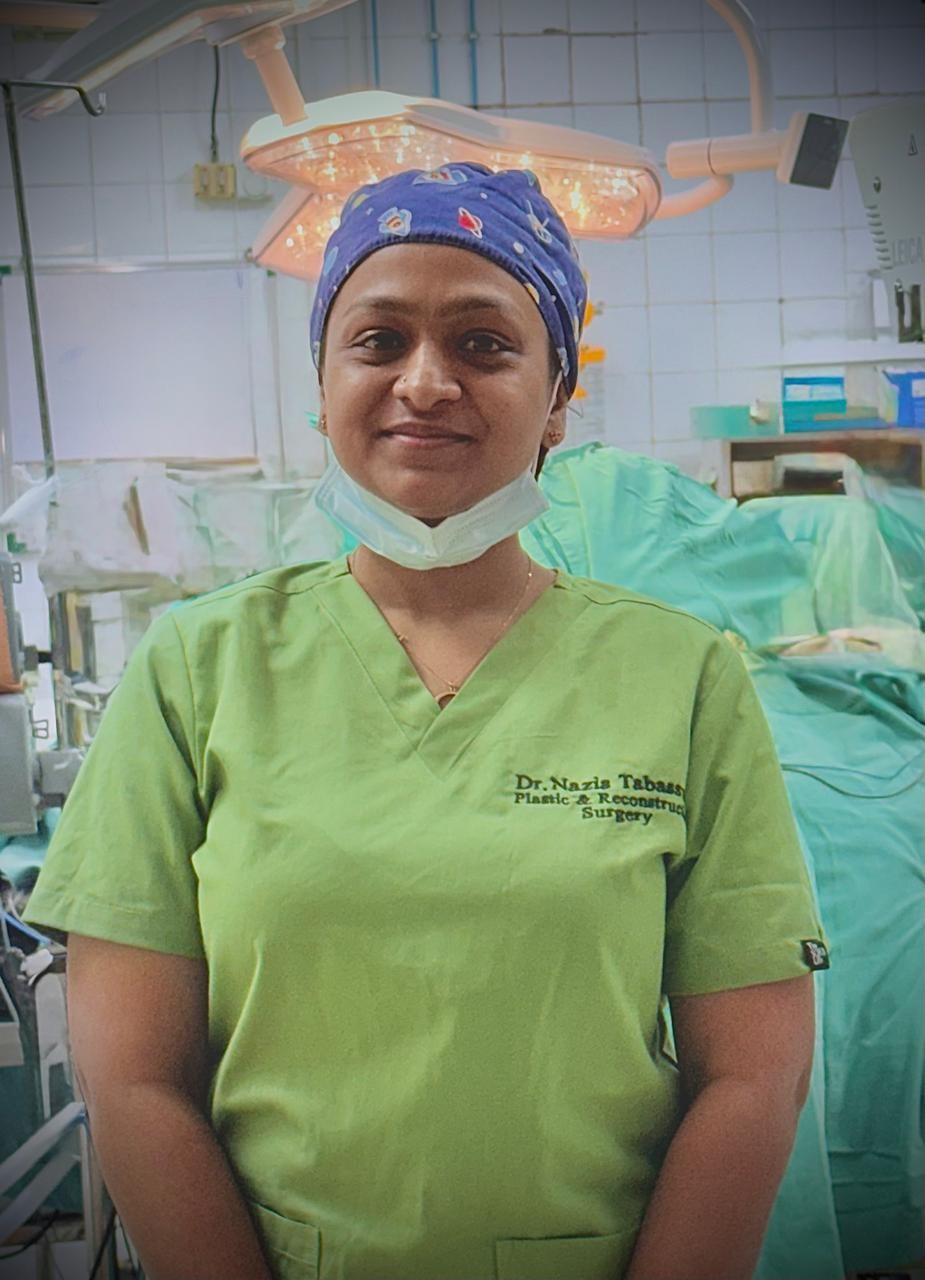
Dr. Nazia Tabassum
Consultant - Breast, Plastic & Reconstructive Surgeon
9 Years English,Hindi,Telugu,Urdu Banjara Hills

Dr. Sruthi Cheera
Consultant Breast Surgeon
5 Years English,Hindi,Kannada,Telugu Banjara Hills

Dr. Supriya Reddy
Lactation Consultant
5 Years English,Hindi,Telugu Banjara Hills

Dr. Niraj Krishnamurthy Yanamandra
Senior Consultant Obstetrician & Gynaecologist, Laparoscopy & Hysteroscopy Surgeon
English,Hindi,Telugu Hydernagar, Banjara Hills

Dr. B. Rao Bahadur
Consultant – Obstetrician & Gynecologist, Laparoscopic ,& Hysteroscopic Surgeon
22 Years English,Hindi,Konkani,Marathi,Telugu Banjara Hills, Kondapur OP

Dr. Sneha Kulkarni
Consultant - Child, Adolescent & Adult Psychiatrist
10 Years English,Hindi,Kannada,Telugu Secunderabad, Banjara Hills, Child Development Centre - Banjarahills Rd No 10

Dr. Lavanya Janagama
Consultant – Obstetrics & Gynecology
10+ Years English Banjara HillsLeading Hospitals for Women Care
Rainbow Children's Hospital stands as a testament to the hospital's continual pursuit of excellence and innovation, providing specialized care for women and children









chennai
Blogs
Discover our most recent health articles provided by our reliable experts.




What Are People Saying About Us
Embark on a journey of inspiration and hope with our patient success stories, complemented by informative videos from our dedicated doctors.


Media
 Common Gynaecological Surgeries to Fix Female Reproductive Issues
 Healthy Woman - Healthy World
 Healthier Women For a Healthier Future...
 Rainbow Children’s Hospital & BirthRight by Rainbow Launch Video Consultation Facilities
 Dr.Pranthi Reddy
 What is the use of that?
 Can you try this time?
 Pregnant Women are Not Unfit
 Declining Age of Menarche - A Matter of Concern
 Important Facts about Cervical Cancer
 Be careful before preempting
 Flu every month!
 Menstrual cramps
 Premature delivery
 Whether laughing or coughing...why?
 Multi - Tasking may be Cool but it's not Healthy
 Pregnant and Worried about COVID-19? Here's Everything you Need to know
 Video Consultation in Pandamic Situation for Pregnancy Women's
 Women.. Various types of cysts
 Recurrent Pregnancy Loss in Women
 Early Onset of Puberty: Causes, Symptoms and Treatment Options
Common Gynaecological Surgeries to Fix Female Reproductive Issues
Healthy Woman - Healthy World
Healthier Women For a Healthier Future...
FAQs
Is an episiotomy compulsory during normal delivery in India?
Episiotomy vs natural tear: Which is better?
How can I avoid an episiotomy during delivery?
What are the four degrees of perineal tears?
How long does episiotomy pain last?
When can I sit, walk and climb stairs after an episiotomy?
When can I have sex after an episiotomy?
What are the signs of an infected episiotomy?
What happens if my episiotomy stitches open?
Will I definitely need an episiotomy during a vaginal delivery?
Will an episiotomy affect future deliveries?
How much does an episiotomy cost in India?
Quick Links
Free Calculators to Track and Predict your Pregnancy
Gynecologist in Other Locations
Women's Health Conditions We Treat
- Mastitis (Breast Infection)
- PCOS (Polycystic Ovary Syndrome)
- Uterine Fibroids (Leiomyomas)
- Recurrent Pregnancy Loss
- Blocked Fallopian Tubes (Fallopian Tube Obstruction)
- Gestational Diabetes in Pregnancy
- Incompetent Cervix (Cervical Insufficiency)
- COVID-19 in Pregnancy
- Cytomegalovirus (CMV) in Pregnancy
- HELLP Syndrome