


In Vitro Fertilisation (IVF): Treatment, Success Rate & Cost

Seamless support from diagnosis to post treatment care

Overview
In Vitro Fertilisation, also known as the test tube baby procedure, is an established fertility treatment.
IVF has grown rapidly in India over the past two decades, from a few thousand cycles a year to over a lakh annually, now regulated under the ART (Regulation) Act, 2021 and the ICMR National ART Registry. This means safer, more transparent care for patients across the country.
With the right protocol and care plan, many couples go on to have a healthy pregnancy through IVF, often within one to three cycles.
What is In Vitro Fertilisation (IVF)?
In Vitro Fertilisation (IVF) is a fertility treatment in which eggs are collected from the ovaries and combined with sperm in a laboratory to form embryos. A healthy embryo is then placed into the uterus, where it can implant and grow into a pregnancy.
The name comes from Latin: in vitro means "in glass", referring to fertilisation happening in a laboratory dish rather than inside the body. Because of this, a baby born through IVF is sometimes called a test tube baby, although no test tube is actually used.
A full IVF cycle usually spans about four to six weeks, from the start of medication to the pregnancy test.
Why is IVF Done? Conditions Treated
IVF is recommended when conceiving naturally is not working. It can help with a wide range of causes, making it the treatment of choice for many couples. The common reasons IVF is recommended are below.
1. Blocked or damaged fallopian tubes
When the fallopian tubes are blocked, the egg and sperm cannot meet naturally. IVF bypasses this problem by fertilising the egg directly in the lab, then placing the embryo in the uterus.
2. Ovulation disorders, including PCOS
Conditions like PCOS can affect regular ovulation. When ovulation induction and IUI have not worked, IVF gives doctors more control over egg maturation and timing.
3. Male infertility
Low sperm count, poor motility or abnormal shape can make natural conception difficult. IVF with ICSI, where a single sperm is injected directly into the egg, can help in these cases.
4. Endometriosis affecting fertility
Endometriosis can affect egg quality, tubal function and implantation. IVF is often the fastest path to pregnancy for women with moderate to severe endometriosis.
5. Unexplained infertility
When a full fertility evaluation finds no clear cause and other treatments have failed, IVF becomes the next step. It can also identify problems not visible in earlier tests.
6. Age-related decline in fertility
Egg quality and quantity drop with age, especially after 35. IVF allows doctors to select the healthiest embryo and, where needed, combine treatment with donor eggs.
7. Genetic testing or donor programmes
If there is a known genetic condition in the family, IVF with preimplantation genetic testing (PGT) allows embryos to be screened before transfer. IVF is also used when donor eggs, sperm or embryos are needed.
These are common indications, not a fixed list. Your fertility specialist decides whether IVF is right for you after a full evaluation.
When Should You Consider IVF?
IVF is not always the first step in fertility treatment. Most couples try simpler options first, such as ovulation induction or IUI, before moving to IVF. Speak to a fertility specialist about IVF if any of the following apply to you.
- You have been trying to conceive for more than 12 months, or six months if you are over 35
- You have blocked or damaged fallopian tubes
- Your partner has been diagnosed with a significant male factor
- You have completed three to six cycles of IUI without success
- You have moderate to severe endometriosis
- You are over 38 and want to protect your remaining fertility window
- You need genetic testing of embryos, or donor eggs or sperm
At BirthRight Fertility by Rainbow Hospitals, gynaecologists and fertility specialists review your case together before recommending IVF, so you move to the right treatment at the right time.
Tests and Preparation Before an IVF Cycle
Preparation for IVF begins with a set of tests for both partners. These tests help your fertility specialist choose the right protocol and set realistic expectations for the cycle. The main investigations are:
- Hormone blood tests: To check ovarian function, thyroid function and other hormones that affect fertility.
- Ovarian reserve testing (AMH): A blood test that measures egg reserve and helps predict how well the ovaries will respond to stimulation.
- Pelvic ultrasound: To assess the uterus, ovaries and antral follicle count.
- Semen analysis: checks sperm count, motility and shape for the male partner.
- Infection screening: Routine screening for both partners for HIV, hepatitis B and C, and other infections, as required by ART Act norms.
- Genetic screening: Recommended when there is a family history of a genetic condition or recurrent pregnancy loss.
Alongside the tests, your specialist may advise folic acid supplementation, a balanced diet and reducing alcohol, smoking and caffeine. These steps can improve egg and sperm quality in the months before treatment starts.
IVF Process: Step by Step
The stages involved in the test-tube baby procedure follow six steps, spanning about four to six weeks in total. Each step in the in vitro fertilisation process is closely monitored to give the cycle the best chance of success.
Step 1: Ovarian stimulation
You take daily hormone injections for about 10 to 12 days to stimulate the ovaries to grow several eggs at once. Ultrasound scans and blood tests every few days monitor progress, and doctors adjust doses to keep the cycle safe and productive.
Step 2: Egg retrieval
Once the eggs are ready, they are collected in a short procedure under sedation. A thin needle is guided through the vaginal wall using ultrasound to reach each follicle. The procedure takes 20 to 30 minutes, and you can usually go home the same day.
Step 3: Fertilisation in the lab
After retrieval, the eggs are fertilised with sperm in the laboratory. This may be done through conventional IVF, where sperm and eggs are placed together in a dish, or through ICSI, where a single sperm is injected directly into an egg. ICSI is often recommended when male fertility issues affect fertilisation.
Step 4: Embryo culture
The fertilised eggs are grown in the lab for three to five days. During this time, embryologists watch how they develop, often to the blastocyst stage on day five. Only the best-quality embryos are selected for transfer.
Step 5: Embryo transfer
One healthy embryo is placed into the uterus using a soft catheter. The transfer is quick, usually painless and does not need anaesthesia. Any remaining good-quality embryos are frozen for future cycles.
Step 6: The two-week wait and pregnancy test
After transfer, you wait about two weeks before a blood pregnancy test, known as the two-week wait. During this time, you continue progesterone support, keep to gentle activity and avoid strenuous exercise. A blood beta-hCG test is more reliable than a home urine test.
Medicines Used During IVF
Several groups of medicines support the IVF cycle. Your specialist decides the exact combination based on your age, ovarian reserve and treatment history.
- Stimulation hormones (FSH and LH): to grow multiple follicles and mature the eggs.
- Cycle-control medicines: to prevent ovulation happening too early during stimulation.
- Trigger injection: given 34 to 36 hours before egg retrieval to complete egg maturation.
- Progesterone support: to prepare the uterine lining and support the embryo in early pregnancy.
Most medicines are given as daily injections or vaginal preparations. Your fertility team will show you how to administer them at home.
Advanced IVF Techniques: ICSI, PGT, Assisted Hatching and Embryo Freezing
Alongside standard IVF, several advanced techniques can improve outcomes in specific cases. Each in vitro fertilisation technique below is used only when it is likely to help, not as a routine add-on.
- ICSI (intracytoplasmic sperm injection): a single sperm is injected directly into each egg. Used mainly for male infertility, poor fertilisation in a previous cycle, or when using frozen sperm.
- PGT (preimplantation genetic testing): screens embryos for chromosomal or genetic conditions before transfer. Recommended for couples with recurrent pregnancy loss, a known genetic condition, or advanced maternal age.
- Assisted hatching: a small opening is made in the embryo’s outer layer to help it implant. Used in selected cases, such as older women or previous failed transfers.
- Embryo freezing (vitrification): preserves good-quality embryos for future transfers using rapid-freeze technology, with very good survival rates on thawing.
Your fertility specialist will discuss which of these add-ons are appropriate for your situation, and why.
Fresh vs Frozen Embryo Transfer - Key Differences
An embryo can be placed into the uterus in the same cycle as egg retrieval (fresh transfer) or frozen and transferred in a later cycle (frozen transfer). Frozen transfer has become the more common choice, as it lets your body recover from stimulation and allows time for genetic testing.
| Feature | Fresh Transfer | Frozen Transfer |
|---|---|---|
| Timing | Same cycle as egg retrieval | A later cycle, after freezing |
| Body’s hormone state | Still affected by stimulation | Returned to a natural state |
| Allows PGT first | Limited | Yes |
| Common use today | Less often | Increasingly preferred |
IVF Success Rates by Age
Age is the primary factor in IVF success, because it drives egg quality. As a guide, approximate live-birth rates per cycle in India are:
- Under 35: around 40 to 50 percent per cycle
- Age 35 to 37: around 30 to 40 percent
- Age 38 to 40: around 20 to 30 percent
- Over 40: around 5 to 15 percent, often improved with donor eggs
Success also depends on the cause of infertility, ovarian reserve and sperm quality. Rates typically improve when treatment continues over two to three cycles, because more information about how you respond is available each time.
Why IVF Cycles Fail and What Happens Next
Not every cycle results in pregnancy. An IVF cycle can stop or fail at several points, and understanding where it went wrong helps shape the next attempt.
- Poor ovarian response: too few eggs collected, often linked to low ovarian reserve or age.
- Fertilisation failure: eggs and sperm do not combine to form embryos, sometimes solved by adding ICSI in the next cycle.
- Embryo development issues: embryos stop growing before transfer, often due to egg or sperm quality.
- Chromosomal abnormalities: a genetically abnormal embryo does not implant or leads to early pregnancy loss.
- Implantation failure: a good embryo fails to implant, which may need further evaluation of the uterus.
After a failed cycle, your specialist reviews everything with you and adjusts the plan. This may mean changing medication doses, adding techniques like ICSI or PGT, or investigating implantation issues before trying again.
Cost of IVF and Test Tube Baby Treatment in India
Test tube baby cost varies by city, clinic and treatment needed, so figures here are indicative only. Confirm current pricing with the hospital before you plan. A single self-cycle in vitro fertilisation (IVF cost in India typically falls between ₹1.5 and ₹2.5 lakh, broken down approximately as:
- Stimulation medicines: ₹60,000 to ₹1,20,000
- Egg retrieval and anaesthesia: ₹30,000 to ₹50,000
- Laboratory, fertilisation and embryo culture: ₹40,000 to ₹70,000
- Embryo transfer and monitoring: ₹20,000 to ₹40,000
Add-ons such as ICSI, PGT, embryo freezing, donor programmes and frozen embryo transfer cycles carry additional cost. Your fertility specialist can give an itemised estimate once your treatment plan is clear.
IVF Regulations in India: What the ART Act Means for You?
IVF in India is governed by the Assisted Reproductive Technology (Regulation) Act, 2021 and the Surrogacy (Regulation) Act, 2021. For patients, this means a few important protections:
- All ART clinics and banks must be registered with the National ART Registry maintained by ICMR.
- Donor and surrogacy arrangements follow strict eligibility and consent rules.
- Gamete handling, embryo storage and record-keeping are legally regulated.
- Patients have the right to see registration certificates and ask about compliance.
Choosing an ART-registered clinic gives you a baseline of ethical, transparent care. Rainbow Hospitals is fully compliant with the ART Act, and its fertility centres operate under this framework.
What Questions Should You Ask Your Doctor?
Before your appointment, write down the questions you want answered and carry any previous test reports or treatment records. This can help you understand your fertility diagnosis, available treatment options, and what to expect next.
Questions about your fertility assessment:
- What could be affecting my fertility?
- Do my partner or I need any additional tests?
- What do my test results mean for my chances of pregnancy?
- Are there any fertility factors that need treatment before we begin?
Questions about your treatment plan:
- Which fertility treatment do you recommend for me, and why?
- Which stimulation protocol would suit my situation?
- Would ICSI, IUI, IVF, or PGT be appropriate in my case?
- How many embryos would you recommend transferring?
- Are there any risks or side effects I should know about?
Ask your fertility specialist to explain any term you do not understand. Clear answers help you make decisions with confidence.
Why Choose BirthRight Fertility by Rainbow Hospitals for IVF?
BirthRight Fertility by Rainbow Hospitals brings gynaecologist expertise and fertility care under one roof, so your IVF treatment plan can move quickly from evaluation to IVF without switching clinics. For IVF specifically, our care includes:
- Modern IVF laboratories: clean-room standards, time-lapse embryo monitoring and an in-house embryology team.
- Full range of techniques: ICSI, IMSI, PGT-A, assisted hatching and vitrification available in-house.
- Personalised protocols: cycles designed around your age, diagnosis and treatment history.
- Zero OHSS protocol: stimulation designed to protect you from ovarian hyperstimulation, a known IVF risk.
- Integrated fertility team: gynaecologists, fertility specialists and embryologists reviewing your case together.
- Transparent care: honest success-rate discussions, itemised costs and ART-compliant practice.
BirthRight Fertility by Rainbow Hospitals brings three decades of fertility expertise, with more than 1,00,000 parenthood journeys supported across 15 Level II fertility centres in India, including India’s first JCI-accredited fertility centre at Kondapur, Hyderabad, and NABH-accredited care across the network.
You can consult the fertility specialists at BirthRight Fertility by Rainbow Hospitals to begin with a detailed fertility evaluation.
Disclaimer
This content is for general educational purposes and does not replace professional medical advice. Consult a qualified fertility specialist for personalised diagnosis and treatment.

Find a Doctor
Expertise you can trust, Meet our esteemed doctors who bring exceptional knowledge, compassion, and innovation to provide top-notch care for your health and well-being.

Dr. Ratna Durvasula
Consultant Fertility Specialist
English,Telugu Kondapur OP, Banjara Hills, Financial District, Kondapur IP

Dr. Sudharani Bairraju
Senior Consultant Obstetrician and Gynaecologist, Laparoscopic surgeon and Infertility (IVF) Specialist
English,Telugu Banjara Hills

Dr. Lakshmi Chirumamilla
Fertility Specialist and Reproductive Endocrinologist
25 Years English,Hindi,Telugu Banjara HillsLeading Hospitals for Fertility Care
Rainbow Children's Hospital stands as a testament to the hospital's continual pursuit of excellence and innovation, providing specialized care for women and children


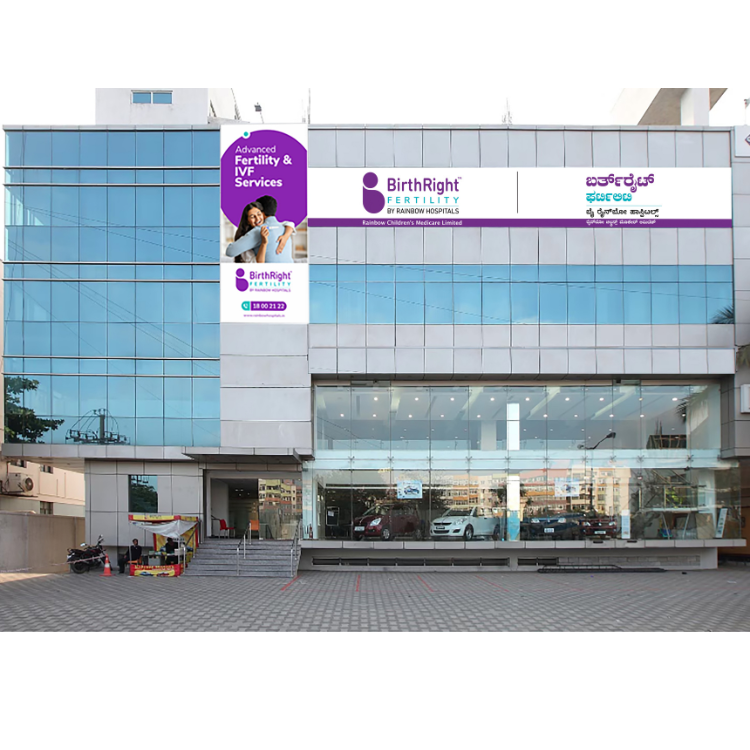





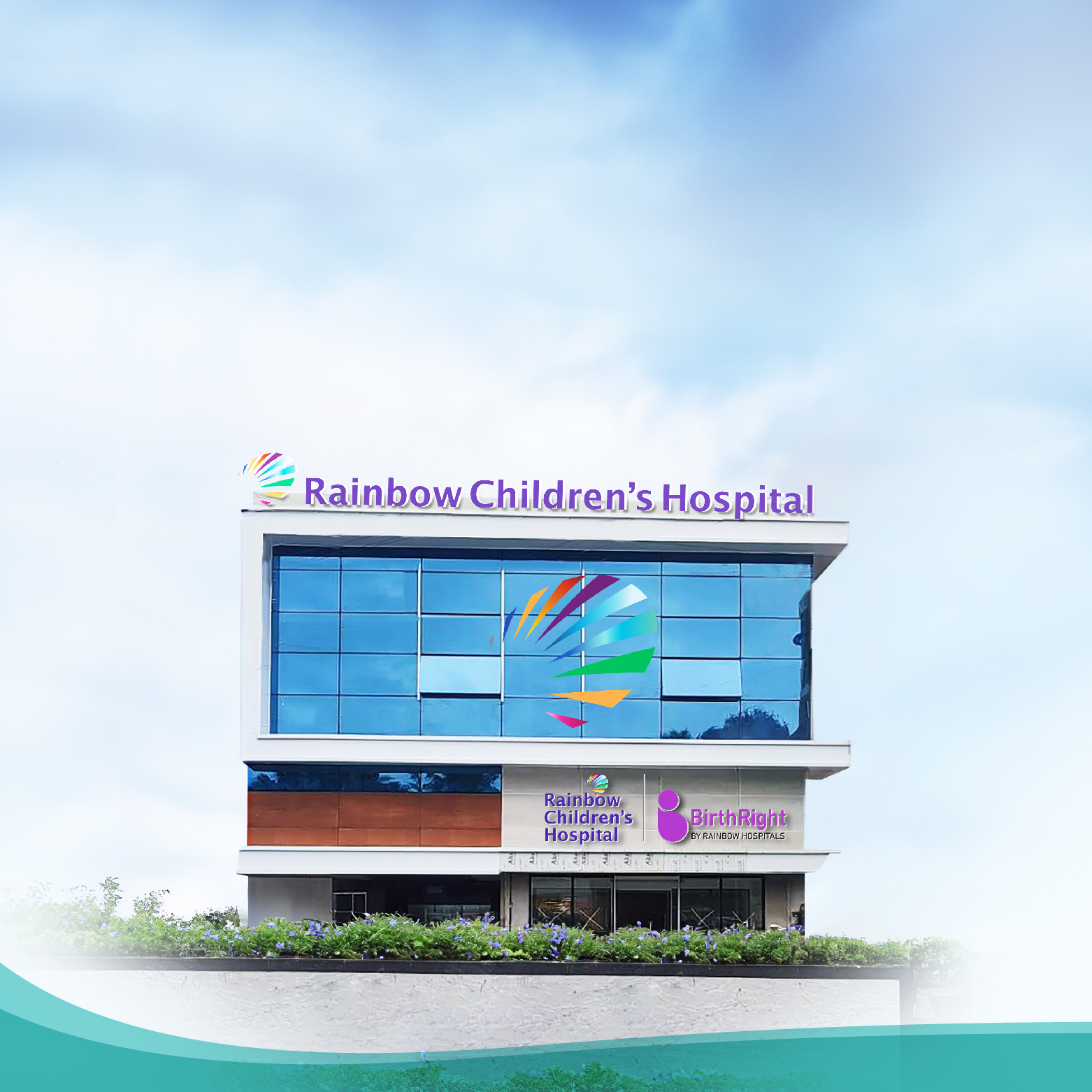

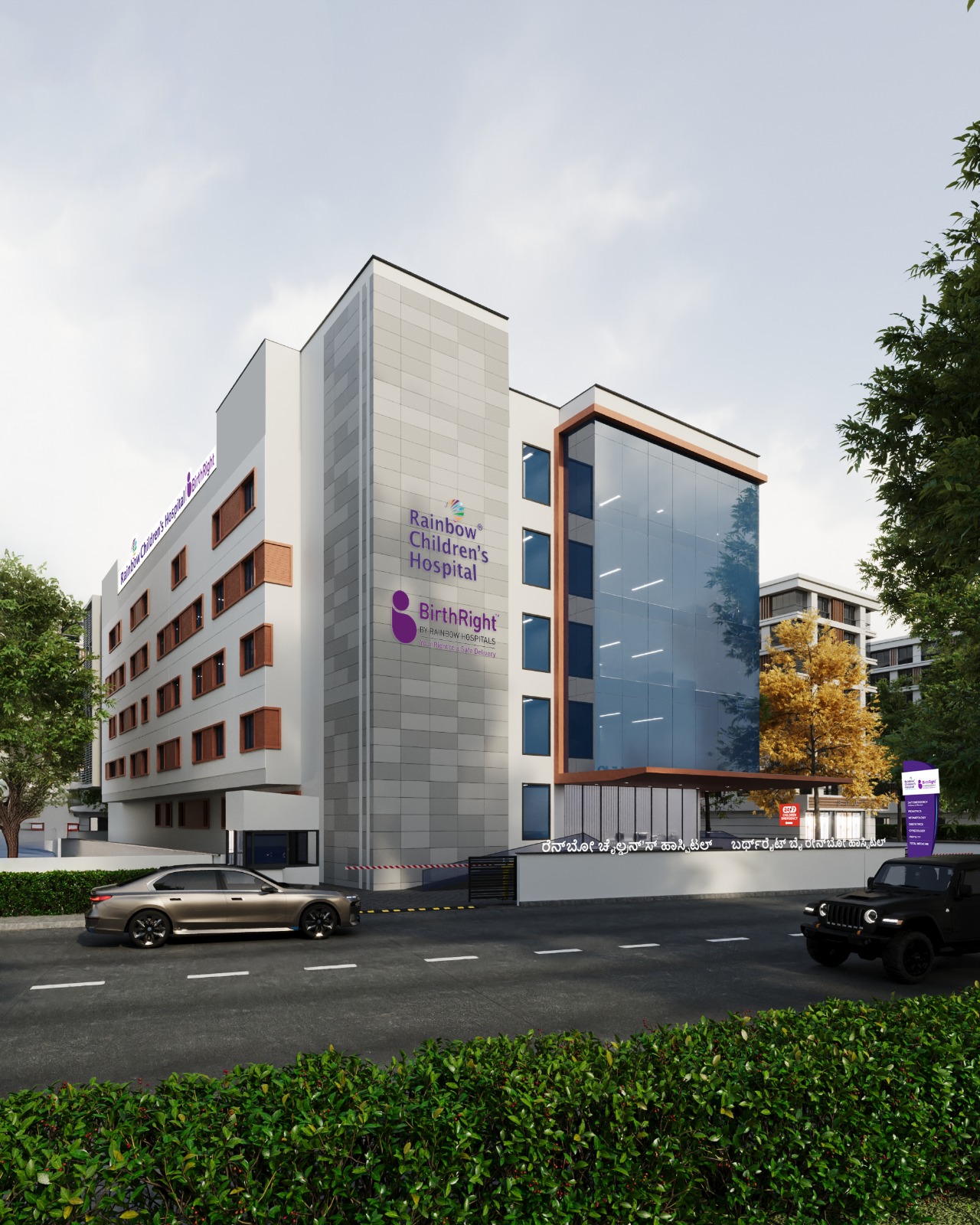
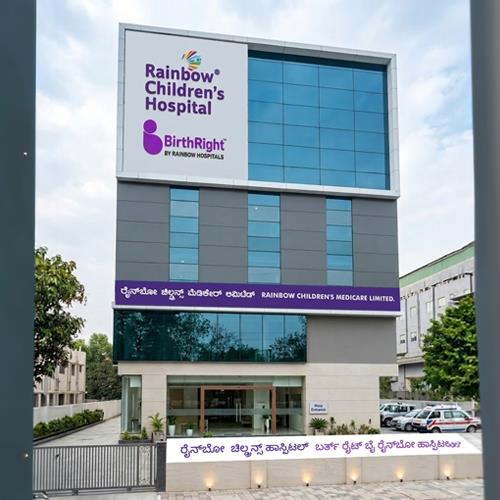





chennai
Blogs
Discover our most recent health articles provided by our reliable experts.




What Are People Saying About Us
Embark on a journey of inspiration and hope with our patient success stories, complemented by informative videos from our dedicated doctors.



Media
 Dr. Preethi Reddy Article on Lifestyle Changes to Improve Fertility | BirthRight Fertility by Rainbow
 Dr. Ratna Duravasula Sr. Infertility Specialist
 Surrogacy, a Boon when Normal
 Surrogacy, a Boon when Normal Pregnancy is Medically Inadvisable
 Fertility... Modern Treatments
 A month after covid subsided....
 Can the baby's heartbeat be heard in an ectopic pregnancy?
 Doctors Exploit Loopholes in Bill
 Fertility counseling
 JCI Accreditation
 Menstrual cramps
 So Why are Men Turning into Women?
 Hysteroscopy- Procedure Of Choice For Intrauterine Problems
 Diet and Exercise in Pregnancy- Bust your Myths and Know your Facts
 Recurrent Pregnancy Loss
 Do Laptops, Excessive Heat and Tight Jeans Cause Infertility?
 In Vitro Fertilization
 Menstrual cup – are we really aware of it?
 No More Worries About Menopause
 Stretch marks in pregnancy: Embracing the scars
 Egg Freezing
 Fertility Preservation: Methods and Indications for Securing Reproductive Options
 Tips for planning a pregnancy
 Inferticity
 Here is all what you need to know about IVF, the popularly known fertility treatment
 Delayed marriage among factors for birth rate dip
 Fertility against Odds: IVF hope for women above 40 years of age
 Will Pregnancy Cure Endometriosis?
 Postpartum Depression: Expert Lists Essential Foods Prevent Depression in New Mothers
 Complications of Gestational Diabetes During Pregnancy by Dr. Triveni Arun Akkiraju
 Five Key Sexual Health Facts for Women
 Six Reasons That May Cause IVF Failure
 దంపతుల్లో ఈ మూడు లోపాలుంటే పిల్లలు పుట్టరు
 IVF and Genetic Testion - Essential Insights
 In vitro fertilization (IVF)
 About In Vitro Fertilization
 What is the IVF cost?
 What is the cost of IVF?
 Tick-Tock on Biological clock: Fertility concerns multiply in Telugu States
 Diminished Ovarian Reserve (DOR): Causes, Diagnosis, and Treatment Options by Dr. Shreeja Karan
 25 Years of Anniversary - Rainbow Children's Hospital & BirthRight
 Rising infertility: Addressing Challenges with Laparoscopy & Hysteroscopy
Dr. Preethi Reddy Article on Lifestyle Changes to Improve Fertility | BirthRight Fertility by Rainbow
Dr. Ratna Duravasula Sr. Infertility Specialist
Rising infertility: Addressing Challenges with Laparoscopy & Hysteroscopy
Dr. Preethi Reddy Article on Lifestyle Changes to Improve Fertility | BirthRight Fertility by Rainbow
Dr. Ratna Duravasula Sr. Infertility Specialist
 Surrogacy, a Boon when Normal