



Pulmonary Hypertension in Pregnancy
Pulmonary hypertension in pregnancy means raised pressure in the lung arteries while expecting. It strains the right side on the heart. Risks are highest in pulmonary arterial hypertension, so specialist advice before conceiving is important. Know the warning signs, such as breathlessness at rest, fainting and chest pain, and seek urgent care if they appear.

Seamless support from diagnosis to post treatment care

Overview
Pregnancy brings many changes to the body, including changes in how the heart and lungs work. For women with an existing heart or lung condition, these changes may need extra attention. Pulmonary hypertension is one such condition that requires careful planning and specialist care during pregnancy. Understanding the risks, recognising symptoms and getting the right medical advice early can help women make informed decisions about their health and pregnancy.
What is Pulmonary Hypertension in Pregnancy?
Pulmonary hypertension is high blood pressure in the pulmonary arteries, the blood vessels that carry blood from the heart to the lungs. These arteries may narrow, stiffen or become damaged, making it harder for blood to flow through them. This forces the right side of the heart to work harder and can eventually weaken it.
Pregnancy places additional demands on the heart and circulation. In women with pulmonary arterial hypertension (PAH), these changes can cause life-threatening complications. PAH, including Eisenmenger syndrome, is classified as modified WHO (mWHO) Class IV, meaning pregnancy is contraindicated. Preconception counselling should cover the serious risks and the option of pregnancy termination.
Women with PAH should seek specialist advice before planning a pregnancy. If pregnancy has already occurred, they should receive urgent specialist assessment to discuss their options, including termination under applicable provisions of India's MTP Act.
How Pregnancy Affects the Heart and Lungs in Pulmonary Hypertension
During pregnancy, the body produces more blood to support the growing baby. The heart also pumps more blood, and the circulation changes further around childbirth.
For a woman with pulmonary hypertension, these changes can put extra pressure on the right side of the heart. If the heart cannot pump blood effectively through the lung arteries, the mother may become seriously unwell.
The strain does not end immediately after childbirth. Changes in blood flow and fluid levels after delivery can also strain the heart. This is why specialist monitoring is important during pregnancy, delivery and the period after birth.
Causes of Pulmonary Hypertension in Pregnancy
Pulmonary hypertension (PH) develops when pressure in the arteries carrying blood from the heart to the lungs becomes abnormally high. According to the 2022 European Society of Cardiology (ESC) and European Respiratory Society (ERS) guidelines, PH is defined as a mean pulmonary arterial pressure (mPAP) greater than 20 mmHg at rest. Pulmonary arterial hypertension (PAH), a specific type of PH, is defined by a pulmonary vascular resistance (PVR) greater than 2 Wood units (WU) and a pulmonary arterial wedge pressure of 15 mmHg or less.
The causes of pulmonary hypertension are classified into five clinical groups:
- Group 1 – Pulmonary arterial hypertension (PAH): Includes idiopathic PAH (without a known cause), inherited forms and PAH associated with conditions such as connective tissue diseases, HIV infection and congenital heart disease. Schistosomiasis, a parasitic infection, can also cause PAH.
- Group 2 – Pulmonary hypertension due to left-heart disease: Conditions such as rheumatic mitral stenosis (narrowing of the heart's mitral valve), heart failure and other left-sided heart valve problems can increase pressure in the lung arteries.
- Group 3 – Pulmonary hypertension due to lung disease or low oxygen levels: Chronic obstructive pulmonary disease (COPD), interstitial lung disease and prolonged low oxygen levels, including those associated with living at high altitudes, can contribute to pulmonary hypertension.
- Group 4 – Chronic thromboembolic pulmonary hypertension (CTEPH): Repeated or unresolved blood clots in the lungs can obstruct pulmonary arteries and cause persistently high pressure.
- Group 5 – Pulmonary hypertension with unclear or multiple causes: Certain blood disorders, including sickle cell disease, and other complex medical conditions can contribute to pulmonary hypertension.
Eisenmenger syndrome is a particularly serious form of PAH associated with congenital heart disease. It develops when an unrepaired heart defect, such as a ventricular septal defect (VSD), atrial septal defect (ASD) or patent ductus arteriosus (PDA), causes long-term abnormal blood flow between the heart's chambers or major vessels. Over time, pulmonary pressure rises and the direction of blood flow may reverse, allowing oxygen-poor blood to enter the circulation. Pregnancy in women with Eisenmenger syndrome carries an exceptionally high risk of maternal and fetal complications.
Identifying the underlying cause and clinical group helps specialists assess pregnancy-related risks and plan appropriate care.
Who Is at Risk for Pulmonary Hypertension in Pregnancy?
Pulmonary hypertension may be diagnosed before pregnancy or identified for the first time during pregnancy. Women with certain medical conditions or a family history of the disease may need closer assessment.
Women who should seek specialist evaluation include those with:
- Known pulmonary hypertension: Women with a previous diagnosis need an assessment of disease severity and heart function before considering pregnancy.
- Congenital heart defects: Women with unrepaired ASD, VSD or PDA need evaluation for pulmonary hypertension, particularly if they have symptoms or signs of Eisenmenger syndrome.
- Heart valve disease: Rheumatic mitral stenosis and other significant left-sided heart conditions can increase pulmonary pressure.
- Chronic lung or blood disorders: COPD, interstitial lung disease and sickle cell disease can increase the risk of pulmonary hypertension.
- Previous blood clots in the lungs: Women with a history of pulmonary embolism may need assessment for CTEPH.
- Connective tissue or infectious diseases: Lupus, scleroderma and HIV infection are associated with certain forms of pulmonary hypertension.
- Family history of pulmonary hypertension: Some forms are inherited and may require genetic counselling and screening.
Having one of these conditions does not automatically mean you have pulmonary hypertension. A specialist can review your medical history, symptoms and investigations to determine whether further assessment is needed.
If you have a known diagnosis or an underlying condition associated with pulmonary hypertension and are considering pregnancy, seek preconception counselling. If you are already pregnant, consult a specialist as early as possible.
Symptoms of Pulmonary Hypertension in Pregnancy
Some symptoms of pulmonary hypertension can resemble common pregnancy symptoms. However, symptoms that are new, severe, or getting worse should not be dismissed as normal pregnancy changes.
Possible symptoms include:
- Shortness of breath: Feeling breathless during everyday activities or with very little effort.
- Unusual tiredness: Feeling much more exhausted than expected.
- Dizziness or fainting: Feeling lightheaded or losing consciousness.
- Swelling in the ankles or legs: Fluid may build up in the lower body.
- Chest discomfort or pain: This may occur when the heart is under strain.
- A racing or pounding heartbeat: You may notice your heart beating faster or harder than usual.
These symptoms can have several causes, and having them does not necessarily mean you have pulmonary hypertension. However, if you have this condition, report any new or worsening symptoms promptly.
Seek urgent medical care if you experience severe or sudden breathlessness, breathlessness at rest or when lying flat, fainting during activity, chest pain, coughing up blood (haemoptysis), bluish lips or skin (cyanosis), or a noticeable drop in oxygen saturation.
Diagnosis of Pulmonary Hypertension in Pregnancy
Diagnosing pulmonary hypertension involves assessing heart and lung function, oxygen levels and the severity of symptoms. Doctors may recommend the following tests:
- Echocardiography (heart ultrasound): This is the first-line test used to assess the likelihood of pulmonary hypertension. It estimates pulmonary artery systolic pressure (PASP) and evaluates the size and function of the right ventricle.
- NT-proBNP blood test: Measures a substance released when the heart is under strain. Raised levels may indicate increased stress on the heart.
- Electrocardiogram (ECG): Records the heart's electrical activity and can identify abnormal rhythms or signs of right-heart strain.
- Six-minute walk test: Measures how far you can walk in six minutes to assess exercise capacity and changes in oxygen levels.
- Oxygen saturation monitoring: Measures the amount of oxygen in the blood and helps identify low or falling oxygen levels.
- Right-heart catheterisation: This is the gold-standard test for confirming pulmonary hypertension. It measures pressure inside the pulmonary arteries and other heart-related pressures. It is usually performed before pregnancy and during pregnancy only when essential for diagnosis or treatment decisions.
Doctors also assess symptoms using the World Health Organization (WHO) functional classification:
- Class I: No limitation of physical activity; ordinary activities do not cause symptoms.
- Class II: Slight limitation; ordinary activities cause breathlessness, fatigue or chest discomfort.
- Class III: Marked limitation; less than ordinary activity causes symptoms, although the patient is comfortable at rest.
- Class IV: Unable to perform physical activity without symptoms; breathlessness or fatigue may also occur at rest, often with signs of right-heart failure.
These assessments help specialists determine disease severity, monitor changes during pregnancy and plan appropriate care.
Risks and Complications of Pulmonary Hypertension in Pregnancy
Pulmonary hypertension can place significant strain on the mother's heart and circulation during pregnancy, childbirth and the postpartum period. Serious complications can occur even with specialist care, particularly in women with pulmonary arterial hypertension (PAH).
Possible complications for the mother include:
- Right-sided heart failure: The right side of the heart may become too weak to pump blood effectively to the lungs.
- Pulmonary hypertensive crisis: A sudden, severe rise in pressure in the lung arteries can cause life-threatening heart failure.
- Sudden cardiac death and arrhythmias: Dangerous heart rhythm disturbances can lead to cardiac arrest.
- Severe hypoxaemia: Very low oxygen levels in the blood can affect the mother's organs and the baby's oxygen supply.
- Thromboembolism: Blood clots can block blood vessels in the lungs or elsewhere.
- Haemoptysis: Bleeding from the lungs can occur, sometimes severely.
- Obstetric complications: Women may also face an increased risk of pre-eclampsia and postpartum haemorrhage.
Possible complications for the baby include:
- Poor fetal growth: Reduced oxygen supply and maternal heart problems may restrict the baby's growth.
- Preterm birth: The baby may need to be delivered early, sometimes on medical advice to protect the mother's health.
- Low birth weight: Babies born early or with restricted growth may weigh less than expected.
- Fetal loss or stillbirth: Severe maternal illness and reduced oxygen supply can increase the risk of pregnancy loss or stillbirth.
The risks vary according to the type and severity of pulmonary hypertension. PAH, particularly when severe or poorly controlled, carries a particularly high risk of maternal and fetal complications. Specialist care is essential, but it cannot eliminate these risks.
Treatment Options for Pulmonary Hypertension in Pregnancy
Pulmonary hypertension in pregnancy requires specialist care to protect the mother's heart function and monitor the baby's development. Treatment involves:
- Specialist team-based care: Cardiologists, pulmonary hypertension specialists, high-risk pregnancy specialists, anaesthesiologists and neonatal teams coordinate care at a specialist centre with cardiac intensive care facilities.
- Medication review: Endothelin receptor antagonists (bosentan, ambrisentan and macitentan) and riociguat can harm the developing baby and must be stopped under specialist supervision.
- Pregnancy-compatible medicines: Depending on the condition, doctors may prescribe sildenafil, tadalafil, inhaled or intravenous prostacyclin medicines (iloprost, treprostinil or epoprostenol), or calcium-channel blockers in women who respond to vasoreactivity testing.
- Monitoring and supportive care: Regular heart scans, blood tests, oxygen monitoring and fetal growth assessments help guide treatment. Oxygen and diuretics may be used when needed. Doctors also carefully manage fluid levels, avoid low blood volume (hypovolaemia) and prevent prolonged lying flat on the back.
- Anticoagulation: When blood-thinning treatment is indicated, low-molecular-weight heparin (LMWH) is generally preferred. Warfarin and direct oral anticoagulants (DOACs) are generally avoided during pregnancy.
- Planned delivery: Delivery is planned at a specialist centre with cardiac intensive care facilities, often around 34–37 weeks depending on the mother's and baby's condition. The team individualises the birth method and anaesthesia, including epidural or combined spinal-epidural versus general anaesthesia, while avoiding prolonged pushing (Valsalva manoeuvres) that can strain the heart.
- Postpartum monitoring: Close high-dependency or intensive care monitoring is essential after childbirth because circulatory changes can worsen heart function. Some women may need monitoring for 1–2 weeks.
- Pregnancy counselling: Given the serious risks associated with pulmonary arterial hypertension, specialists should sensitively discuss the risks of continuing the pregnancy and the option of early termination.
Treatment decisions depend on the type and severity of pulmonary hypertension and the mother's heart function. Never stop or change prescribed medicines without specialist advice.
What is the Prognosis (Outlook) for Pulmonary Hypertension in Pregnancy?
Pulmonary hypertension in pregnancy carries serious risks, and the outlook depends on the type of condition, its severity and how well the heart is functioning. Pulmonary arterial hypertension (PAH) carries particularly high risks, and pregnancy is generally discouraged for women with this condition.
Even with specialist care, maternal mortality remains significant. Published evidence reports maternal mortality of approximately 6–12% in some studies, with higher rates reported in certain PAH populations. Most maternal deaths occur during the first days and weeks after delivery, making close postpartum monitoring essential.
Women may require high-dependency or intensive care observation after childbirth, along with continued specialist follow-up and medication adjustments. Preconception counselling is important to understand the risks and discuss pregnancy options, including termination. If you are already pregnant and have pulmonary hypertension, consult a pulmonary hypertension specialist as early as possible to discuss your individual risks and care plan.
What Questions Should I Ask My Gynecologist?
Talking with your gynecologist can help you understand your condition and participate in decisions about your care. You may find it helpful to write down your questions before your appointment.
Planning and Risk Questions
- What type of pulmonary hypertension do I have, and how severe is it?
- What risks would pregnancy pose to my health?
- Should I speak to a specialist before planning a pregnancy?
- Which specialists should be involved in my care?
- Where should I receive care and give birth?
Medication and Monitoring Questions
- Are my current medicines safe during pregnancy?
- How often will I need heart, lung, and baby checks?
- What symptoms should prompt me to seek urgent medical care?
- How will the timing and method of delivery be decided?
- What monitoring and treatment will I need after childbirth?
- If I wish to breastfeed, are my medicines compatible with breastfeeding?
Asking these questions can help you understand the care plan and know when to seek help. Your healthcare team can explain your options in language you understand and support you in making informed decisions.
Pre-Pregnancy Planning & Monitoring
If you have pulmonary hypertension and are thinking about becoming pregnant, speak to a specialist before trying to conceive. This is especially important for pulmonary arterial hypertension, where pregnancy can pose a serious risk to the mother's life.
During a pre-pregnancy consultation, your medical team may:
- Review the type and severity of your condition.
- Assess how well your heart is working.
- Review your current medicines and discuss their safety.
- Explain the possible risks of pregnancy and the available options.
- Plan any further tests, treatment or follow-up you may need.
If you are already pregnant, contact your healthcare team as soon as possible. Early assessment lets specialists review your condition, plan monitoring, and discuss treatment and delivery.
Why Choose BirthRight by Rainbow Hospitals for Pulmonary Hypertension in Pregnancy Care?
Pregnancy with pulmonary hypertension requires careful planning, specialist supervision and close monitoring - not only during pregnancy, but also during delivery and after childbirth. At** **BirthRight by Rainbow Hospitals, we aim to support high-risk pregnancies through coordinated care that considers both the mother's heart and lung health and the baby's wellbeing. Our approach brings together the relevant specialists to plan care around each woman's needs.
- Coordinated specialist care: Managing pulmonary hypertension during pregnancy may require input from obstetricians, maternal-fetal medicine specialists, cardiologists and other relevant medical experts. Coordinating their care helps address the mother's health and the baby's needs together.
- Specialist monitoring for high-risk pregnancies: Regular assessments help the care team monitor the mother's condition and the baby's growth and wellbeing, allowing changes in care to be considered when needed.
- Planned delivery and newborn support: Delivery timing and setting need careful planning. Access to an appropriately equipped neonatal unit and a newborn care team is important when the baby may need additional support after birth.
- Emergency maternity care: Pulmonary hypertension can lead to serious complications, so prompt assessment and timely medical care are essential. Access to emergency maternity support is an important consideration when choosing a hospital.
- Continued care after delivery: The risks do not end when the baby is born. The mother may need close monitoring by relevant specialists after childbirth, as her heart and circulation adjust to changes in the body.

Find a Doctor and Book Appointment Online
Meet our specialist doctors who bring together clinical expertise, compassion, and personalised care to support your health and well-being. Choose from 1,300+ specialists across our network and book an appointment with BirthRight and Rainbow Children Hospitals, offering 24*7 support to you and your family.

Dr. Pranathi Reddy A
Clinical Director – Obstetrics & Gynecology.
English,Hindi,Telugu Banjara Hills

Dr. Gauri Vinayak Dhamangaonkar
Senior Consultant - Fetal Medicine
15 Years English,Hindi,Marathi,Telugu Kondapur OP, Banjara Hills

Dr. Shruthi Reddy Poddutoor
Consultant Obstetrician, Gynecologist & Laparoscopic Surgeon
English,Telugu Banjara Hills

Dr. Himabindu Veerla
Consultant Obstetrician, Gynecologist & Laparoscopic Surgeon
English,Telugu Banjara Hills

Dr. Bhargavi Reddy K
Consultant - Obstetrics and Gynecology
10 Years English,Hindi,Telugu Banjara Hills, Attapur Clinic

Dr. Annie Pranutha P
Consultant Obstetrics and Gynecology
9 Years English,Hindi,Telugu Banjara Hills, Attapur Clinic

Dr. Sasikala Kola
Consultant Obstetrician & Gynecologist
English,Hindi,Telugu Banjara Hills

Dr. Atigadda Vijaya
Consultant - Obstetrics & Gynecology
Hindi,Telugu Banjara Hills, Himayatnagar, Attapur Clinic

Dr. Nishanth Reddy Inavolu
Visiting Consultant Physician and Diabetologist & Internal Medicine
English,Hindi,Telugu Banjara Hills, Himayatnagar

Dr. Tulika Tayal
Consultant - Fetal Medicine
English,Telugu Banjara Hills

Dr. M Prathyusha Reddy
Consultant Obstetrics & Gynecology
English,Telugu Banjara Hills

Dr. Nithya Narasimha Murthy
Consultant -Psychiatrist
English,Hindi,Telugu Kondapur OP, Banjara Hills, Child Development Centre - Banjarahills Rd No 10

Dr. Brundavani
Consultant - Nutritionist
English,Hindi,Telugu Kondapur OP, Hydernagar, Banjara Hills, Child Development Centre - Banjarahills Rd No 10

Dr. Niveditha Chalmeda
Consultant
English,Telugu Banjara Hills

Dr. Kirti Reddy Patlolla
Consultant Obstetrics and Gynaecology
English,Telugu Banjara Hills, Attapur Clinic

Dr. Tuheena Sharma
Consultant - Perinatal Physiotherapy
10 Years English,Telugu Banjara Hills

Dr. Aditi Shah
Consultant - Fetal Medicine
English,Telugu Banjara Hills

Dr. Swathi Naga Tulasi Rayapureddy
Lactation Consultant
8 Years English,Telugu Banjara Hills

Dr. Swetha Reddy. S
CONSULTANT PERINATAL PSYCHIATRIST AND WOMEN MENTAL HEALTH SPECIALIST
13 Years English,Hindi,Telugu Banjara Hills

Dr. Addu Kiranmayi
Chief Clinical Nutritionist and Lifestyle Medicine Consultant
15 Years English,Hindi,Telugu Himayatnagar, Banjara Hills

Dr. Palle Nalini Kumari
Lactation Consultant
17+ Years English,Hindi,Telugu Banjara Hills
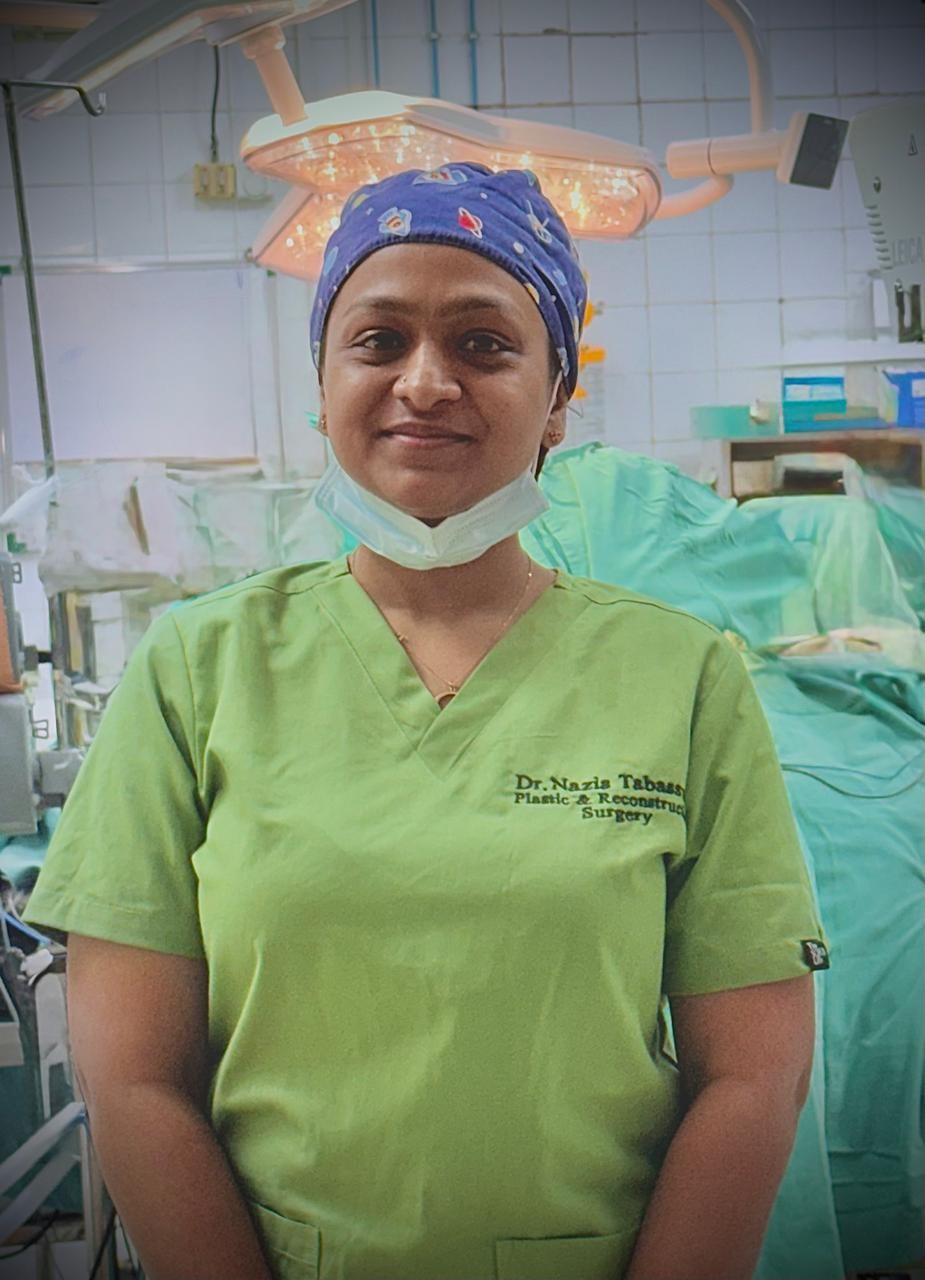
Dr. Nazia Tabassum
Consultant - Breast, Plastic & Reconstructive Surgeon
9 Years English,Hindi,Telugu,Urdu Banjara Hills

Dr. Sruthi Cheera
Consultant Breast Surgeon
5 Years English,Hindi,Kannada,Telugu Banjara Hills

Dr. Supriya Reddy
Lactation Consultant
5 Years English,Hindi,Telugu Banjara Hills

Dr. Niraj Krishnamurthy Yanamandra
Senior Consultant Obstetrician & Gynaecologist, Laparoscopy & Hysteroscopy Surgeon
English,Hindi,Telugu Hydernagar, Banjara Hills

Dr. B. Rao Bahadur
Consultant – Obstetrician & Gynecologist, Laparoscopic ,& Hysteroscopic Surgeon
22 Years English,Hindi,Konkani,Marathi,Telugu Banjara Hills, Kondapur OP

Dr. Sneha Kulkarni
Consultant - Child, Adolescent & Adult Psychiatrist
10 Years English,Hindi,Kannada,Telugu Secunderabad, Banjara Hills, Child Development Centre - Banjarahills Rd No 10

Dr. Lavanya Janagama
Consultant – Obstetrics & Gynecology
10+ Years English Banjara HillsLeading Hospitals for Women Care
Rainbow Children's Hospital stands as a testament to the hospital's continual pursuit of excellence and innovation, providing specialized care for women and children



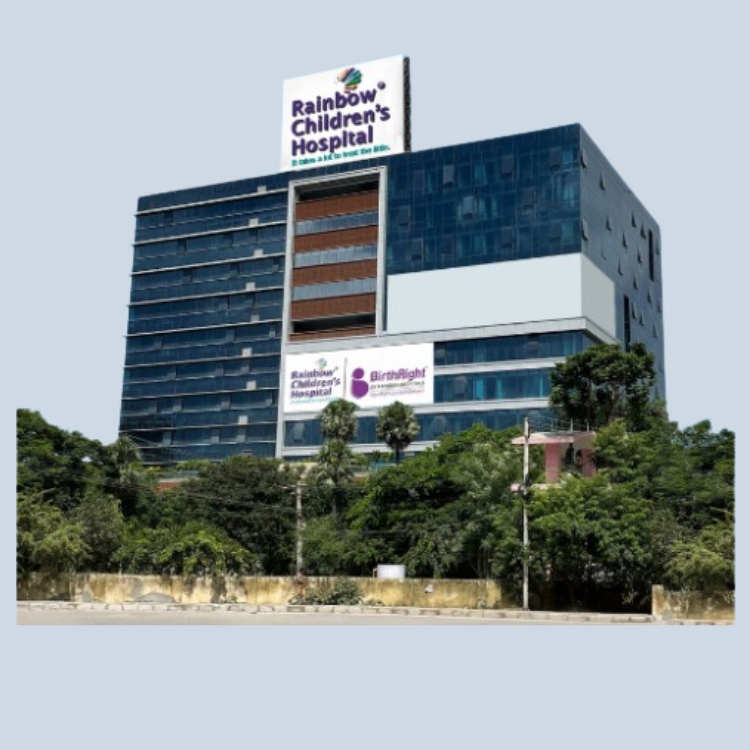
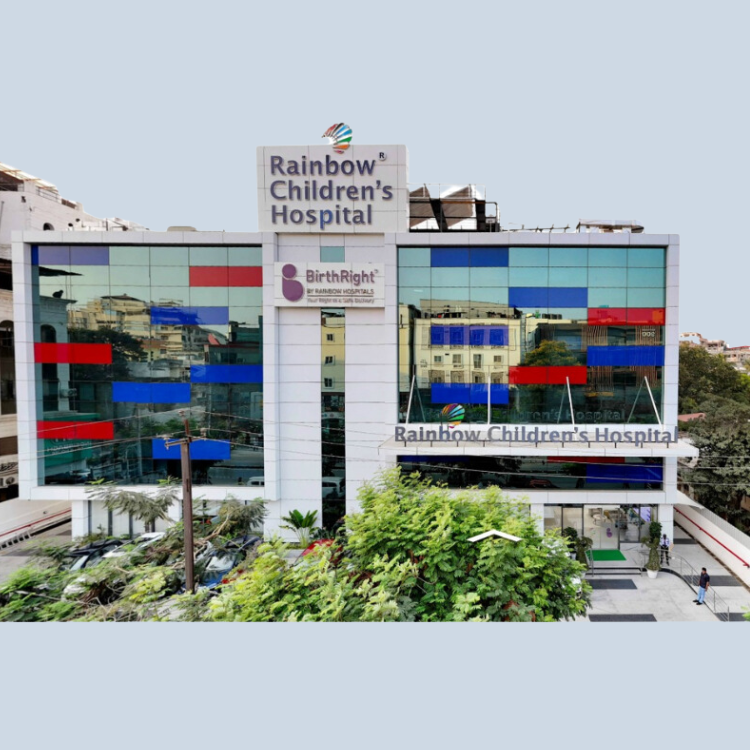









chennai
Blogs
Discover our most recent health articles provided by our reliable experts.




What Are People Saying About Us
Embark on a journey of inspiration and hope with our patient success stories, complemented by informative videos from our dedicated doctors.


Media
 Common Gynaecological Surgeries to Fix Female Reproductive Issues
 Healthy Woman - Healthy World
 Healthier Women For a Healthier Future...
 Rainbow Children’s Hospital & BirthRight by Rainbow Launch Video Consultation Facilities
 Dr.Pranthi Reddy
 What is the use of that?
 Can you try this time?
 Pregnant Women are Not Unfit
 Declining Age of Menarche - A Matter of Concern
 Important Facts about Cervical Cancer
 Be careful before preempting
 Flu every month!
 Menstrual cramps
 Premature delivery
 Whether laughing or coughing...why?
 Multi - Tasking may be Cool but it's not Healthy
 Pregnant and Worried about COVID-19? Here's Everything you Need to know
 Video Consultation in Pandamic Situation for Pregnancy Women's
 Women.. Various types of cysts
 Recurrent Pregnancy Loss in Women
 Early Onset of Puberty: Causes, Symptoms and Treatment Options
Common Gynaecological Surgeries to Fix Female Reproductive Issues
Healthy Woman - Healthy World
Healthier Women For a Healthier Future...
FAQs
Is pulmonary hypertension in pregnancy hereditary?
Will my pulmonary hypertension medicines need to change during pregnancy?
How often will I need to be monitored during pregnancy with this condition?
Can stress or anxiety make pulmonary hypertension worse during pregnancy?
Will I need a planned C-section if I have pulmonary hypertension?
Can pulmonary hypertension affect my baby's growth or health?
Can I breastfeed if I take pulmonary hypertension medicines?
Is pulmonary hypertension in pregnancy the same as normal pregnancy breathlessness?
Will I need specialist care after delivery too?
Can pulmonary hypertension be diagnosed for the first time during pregnancy?
If I am considering IVF or other fertility treatment, does pulmonary hypertension change my options?
Quick Links
Free Calculators to Track and Predict your Pregnancy
Gynecologist in Other Locations
Women's Health Conditions We Treat
- Mastitis (Breast Infection)
- PCOS (Polycystic Ovary Syndrome)
- Uterine Fibroids (Leiomyomas)
- Recurrent Pregnancy Loss
- Blocked Fallopian Tubes (Fallopian Tube Obstruction)
- Gestational Diabetes in Pregnancy
- Incompetent Cervix (Cervical Insufficiency)
- COVID-19 in Pregnancy
- Cytomegalovirus (CMV) in Pregnancy
- HELLP Syndrome
- Luteal Phase Defect
- Vasa Previa
- Listeria in Pregnancy
- Placenta Previa
- Endometrial Polyps (Uterine Polyps)
- Congenital Heart Disease in Pregnancy
- Hyperemesis Gravidarum (Severe Morning Sickness)
- Preeclampsia (toxemia)
- Fetal Distress (Non-Reassuring Fetal Status)
- Postpartum Haemorrhage (PPH)
- Placental Abruption (Abruptio Placentae)
- Placenta Accreta
- Postpartum Depression (PPD)
- Rhesus (Rh) Incompatibility
- Syphilis in Women
- Thalassemia in Pregnancy
- Gestational Thrombocytopenia
- Diabetes in Pregnancy
- Uterine Rupture
- Migraine in Pregnancy