

Ovulation Induction
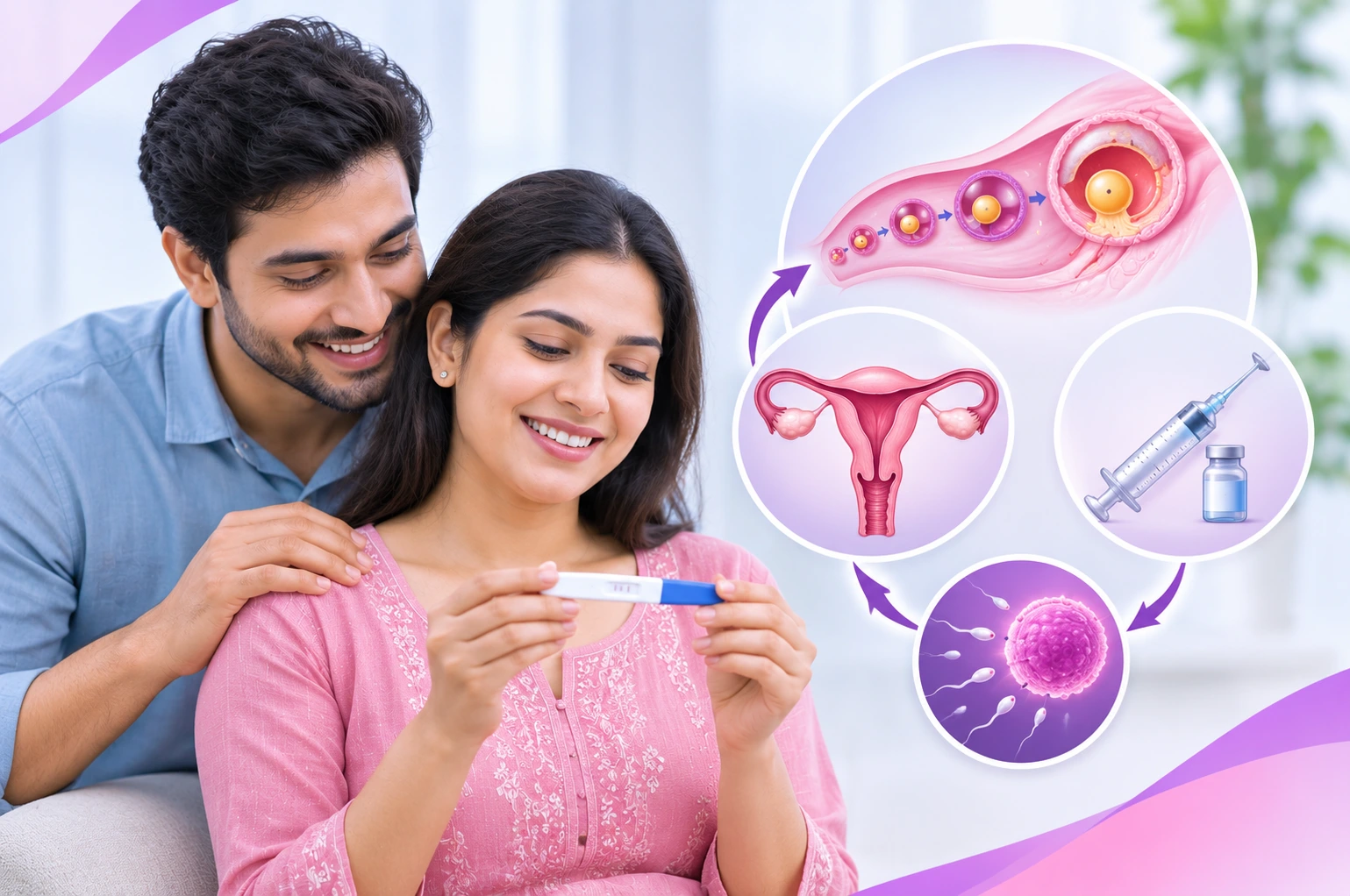
Ovulation induction is a fertility treatment that uses oral or injectable medicines to help the ovaries develop and release an egg. It is commonly used for irregular or absent ovulation linked to PCOS and hormonal conditions, and is usually combined with timed intercourse or IUI. Careful monitoring keeps it safe and effective.

Seamless support from diagnosis to post treatment care
Overview
When ovulation does not happen regularly, timing a pregnancy can become more difficult. Ovulation induction is a fertility treatment that uses medicines to help the ovaries develop and release an egg, making it easier to plan intercourse or fertility treatment around ovulation.
If ovulation induction has been suggested, you may want to know how the treatment works, which medicines may be used, and how your response is monitored. This page explains who may benefit from ovulation induction, what happens during a treatment cycle, factors that can influence success rates, possible risks, and the cost involved in India.
What is Ovulation Induction?
Ovulation induction uses oral or injectable medicines to help the ovaries develop and release a mature egg. In women who do not ovulate regularly, these medicines prompt the ovary to grow a follicle and release an egg, which is the essential first step to conceiving. In short, induced ovulation gives nature the nudge it needs.
Ovulation induction treatment is usually combined with either timed intercourse or intrauterine insemination (IUI), so the egg and sperm meet at the right moment. It is one of the most accessible fertility treatments, and it is often tried before more involved options. If irregular or absent ovulation is your main issue, care often begins here.
How Does Normal Ovulation Work?
Each month, the brain and ovaries work together in a carefully timed sequence to release one mature egg. Knowing how it works helps you see where treatment steps in.
Early in the cycle, a hormone called FSH (follicle-stimulating hormone) prompts the ovary to grow follicles, each holding an egg. As a follicle matures, it releases oestrogen, which triggers a surge of another hormone, LH (luteinising hormone). The LH surge can be detected in urine, and ovulation usually follows about 24 to 36 hours after the surge begins. In a typical cycle, ovulation happens roughly 14 days before the next period starts. In anovulation, meaning absent ovulation, or in irregular ovulation, this sequence does not happen reliably, so an egg may not be released. Ovulation induction is designed to correct exactly this.
Who Needs Ovulation Induction? Indications and Candidates
Ovulation induction is aimed at women whose difficulty conceiving is linked to ovulation problems, rather than other causes. Your doctor will confirm it is right for you after an assessment. The common reasons it is recommended are below.
- Polycystic ovary syndrome (PCOS): The most common reason, as PCOS often causes irregular or absent ovulation. Our PCOS page covers this condition in detail.
- Irregular or absent periods: When cycles are unpredictable or missing, ovulation is often the issue.
- Unexplained infertility: Ovarian stimulation with IUI, a closely related treatment, is sometimes used when no clear cause is found.
- Anovulation from other causes: Conditions such as thyroid disorders or hyperprolactinaemia (high levels of the hormone prolactin) can disrupt ovulation. Treatment usually focuses on correcting the underlying condition first, after which ovulation may improve.
Ovulation induction therapy works well when the fallopian tubes are open and the sperm count is adequate, which your doctor will check first. If those are affected, another approach may suit you better. Our anovulation page explains the underlying problem this treatment addresses.
Medicines Used in Ovulation Induction
A few different medicines are used for ovulation induction, and your doctor chooses based on your diagnosis and how you respond. Most women start with a simple tablet. The main options are below.
- Letrozole: An oral tablet taken early in the cycle, now often the first choice, particularly for women with PCOS, where it tends to work well.
- Clomiphene citrate: A long-established oral tablet that stimulates the ovaries, still widely and effectively used.
- Gonadotropins: Injectable hormones (FSH, sometimes with LH) used when tablets do not work; they are more powerful and need closer monitoring.
- An hCG trigger injection: Given once a follicle is mature, to time the release of the egg precisely.
Your doctor may also address related factors, for example adding metformin where insulin resistance is part of the picture. Ovulation induction treatment usually begins with the gentlest effective option and steps up only if needed. Doses are always tailored to you, so this page does not give specific amounts.
The Ovulation Induction Procedure: Step by Step
The ovulation induction procedure follows a clear, monitored sequence within a single menstrual cycle. It is designed to grow a mature egg and time its release accurately. The steps below show how a typical cycle runs.
- Starting the medicine. You begin the tablet or injection early in your cycle, usually within the first week, as your doctor directs.
- Follicular monitoring. Over the next few days, follicular monitoring by transvaginal ultrasound, sometimes with blood tests, tracks how your follicles are growing.
- The trigger injection. Once a follicle reaches the right size, your doctor may give an hCG trigger injection to release the mature egg at a predictable time.
- Timed intercourse or IUI. Intercourse is timed around ovulation, or an IUI is performed, so sperm are present when the egg is released.
- The two-week wait and test. About two weeks later, a pregnancy test shows whether the cycle has worked.
Monitoring helps make ovulation induction safer and more effective, as it lets your doctor adjust the plan and reduce the risk of problems. If you're using IUI, our IUI page explains that step in more detail. Your team will guide you through each stage of the cycle.
Ovulation Induction vs Ovarian Stimulation for IVF
These two terms are often confused, so it helps to understand the difference. Both use medicines to act on the ovaries, but their goals differ. The table below draws the distinction.
| Aspect | Ovulation Induction | Ovarian Stimulation for IVF |
|---|---|---|
| Goal | Grow one or two mature eggs, released naturally | Grow many eggs at once for collection |
| Medicine strength | Lower doses, often oral tablets | Higher doses of injectable hormones |
| How the egg is used | Timed intercourse or IUI | Eggs are collected in a procedure and fertilised in the laboratory |
| Setting and cost | Simpler and lower cost | Part of a full IVF cycle |
In short, ovarian stimulation for IVF, sometimes searched as ovarian stimulation IVF or IVF ovulation induction, aims for many eggs, while ovulation induction aims for one or two eggs, so you can conceive naturally or through IUI. The right option depends on your diagnosis. Our IVF page explains the full treatment.
Who Is Not a Candidate for Ovulation Induction?
Ovulation induction isn't right for everyone, and knowing the contraindications helps set realistic expectations. In these situations, your doctor will suggest a more suitable path. The main ones are below.
- Blocked or damaged fallopian tubes: If both fallopian tubes are blocked, the egg and sperm cannot meet, so IVF is usually needed instead.
- A significant sperm problem: A very low sperm count or quality often calls for IVF with ICSI rather than ovulation induction.
- Low ovarian reserve or early menopause: When the ovaries have few eggs left, the medicines may not work well.
- Certain medical conditions: Some hormonal or health conditions need treating first, or make another approach safer.
This is why a full fertility assessment comes before treatment, so the right option is chosen from the start. Being told ovulation induction is not for you is not the end of the road, as other treatments may suit you better. Your specialist will explain the reasons and the alternatives.
Risks and Side Effects of Ovulation Induction
Ovulation induction is generally safe, especially with oral tablets, but it's worth knowing the risks so you can watch for them. Most side effects are mild and short-lived. The main ones are below.
- Ovarian hyperstimulation syndrome (OHSS): An over-response where the ovaries swell and fluid builds up, which is rare with tablets and more likely with injectables. Warning signs include marked bloating, tummy pain, nausea, and rapid weight gain, and you should report these to your doctor promptly.
- A higher chance of twins or more: Because more than one egg can be released. This is low with tablets and higher with injectable gonadotropins.
- A small risk of ectopic pregnancy: Where a pregnancy implants outside the uterus, which needs prompt medical care.
- Common short-lived effects: Hot flushes, mood changes, headaches, bloating or breast tenderness, which usually settle after the medicine is stopped.
Careful monitoring helps reduce these risks, as it lets your doctor adjust the dose and catch any over-response early. Contact your clinic if you have severe bloating, breathlessness or significant pain during treatment. These ovulation induction side effects are usually manageable and temporary.
Ovulation Induction Success Rates: What to Expect
It helps to have a realistic picture of what ovulation induction can achieve, because success builds over a few cycles rather than resting on one. Your own chances depend on your age, the cause of your infertility, your weight and whether your tubes are open. The general picture is below.
As one example, in a large randomised trial of women with PCOS, about 28 per cent of those treated with letrozole and about 19 per cent of those treated with clomiphene had a live birth over up to five treatment cycles. The ovulation induction success rate is higher in younger women and those whose only issue is ovulation. If several well-monitored cycles do not lead to pregnancy, usually after three to six attempts, your doctor will discuss stepping up to IUI or IVF. This is a normal, planned progression, not a failure.
Cost of Ovulation Induction in India
The ovulation induction cost in India is relatively modest compared with more involved fertility treatments, which is part of its appeal. The exact figure depends on the medicines used and the monitoring needed. Broad ranges are below to help you plan.
| Type of cycle | Approximate cost in India |
|---|---|
| Oral-medicine cycle with monitoring | Around ₹5,000 to ₹15,000 per cycle |
| Injectable (gonadotropin) cycle with monitoring | Higher, often around ₹20,000 to ₹40,000 per cycle |
| Added IUI, if used | An additional charge, commonly around ₹8,000 to ₹18,000 |
These figures vary by city and clinic, and injectable cycles cost more because of the medicine and closer monitoring. For an accurate figure, ask the hospital for an itemised estimate based on your plan. A clear breakdown helps you budget across cycles.
What Questions Should You Ask Your Doctor?
Going into your first consultation with a few questions ready helps you get the most from it. The prompts below are a useful starting point. Add any of your own.
- Is ovulation the main reason I am not conceiving, or are there other factors?
- Which medicine do you recommend, and why?
- How will my cycle be monitored, and how often?
- How many cycles should we try before considering IUI or IVF?
- What are the risks for me, and what warning signs should I watch for?
Don't hesitate to ask your doctor to explain anything you don't understand. Clear answers help you approach treatment with confidence. Writing them down can help you remember afterwards.
Why Choose BirthRight Fertility by Rainbow Hospitals for Ovulation Induction?
Ovulation induction is simple in principle, but careful monitoring and experienced judgement make the difference to its safety and success. That is what BirthRight Fertility by Rainbow Hospitals offers. The points below show what that means for you.
- Experienced fertility specialists: Who assess the whole picture and choose the gentlest effective treatment for you.
- Careful follicular monitoring: Scans and blood tests that time your cycle accurately and help reduce risks such as OHSS.
- A clear, stepwise plan: Starting simple and moving to IUI or IVF only when it makes sense for you.
- Coordinated fertility care: From ovulation induction through to advanced treatment, under one team that knows your history.
BirthRight Fertility by Rainbow Hospitals brings more than 2 decades of fertility expertise, with thousands of successful gynaecological surgeries and more than 100,000 parenthood journeys supported across 15 Level II fertility centres in India. If irregular ovulation is making it hard to conceive, our fertility specialists can guide you through ovulation induction treatment in India with care. A consultation is a good first step.
Disclaimer
This content is for general educational purposes and does not replace professional medical advice. Ovulation induction, including any medicine and dose, must be decided by a qualified fertility specialist for your individual situation. Success rates and costs are indicative and can change. Consult a doctor for care suited to you.

Find a Doctor and Book Appointment Online
Meet our specialist doctors who bring together clinical expertise, compassion, and personalised care to support your health and well-being. Choose from 1,300+ specialists across our network and book an appointment with BirthRight and Rainbow Children Hospitals, offering 24*7 support to you and your family.

Dr. Ratna Durvasula
Consultant Fertility Specialist
English,Telugu Kondapur OP, Banjara Hills, Financial District, Kondapur IP

Dr. Sudharani Bairraju
Senior Consultant Obstetrician and Gynaecologist, Laparoscopic surgeon and Infertility (IVF) Specialist
English,Telugu Banjara Hills

Dr. Lakshmi Chirumamilla
Fertility Specialist and Reproductive Endocrinologist
25 Years English,Hindi,Telugu Banjara HillsLeading Hospitals for Fertility Care
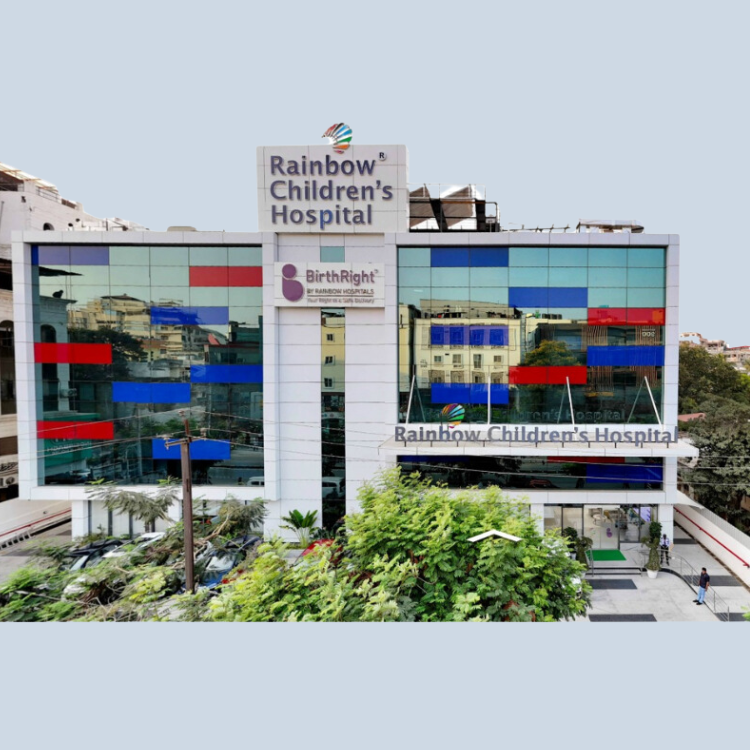
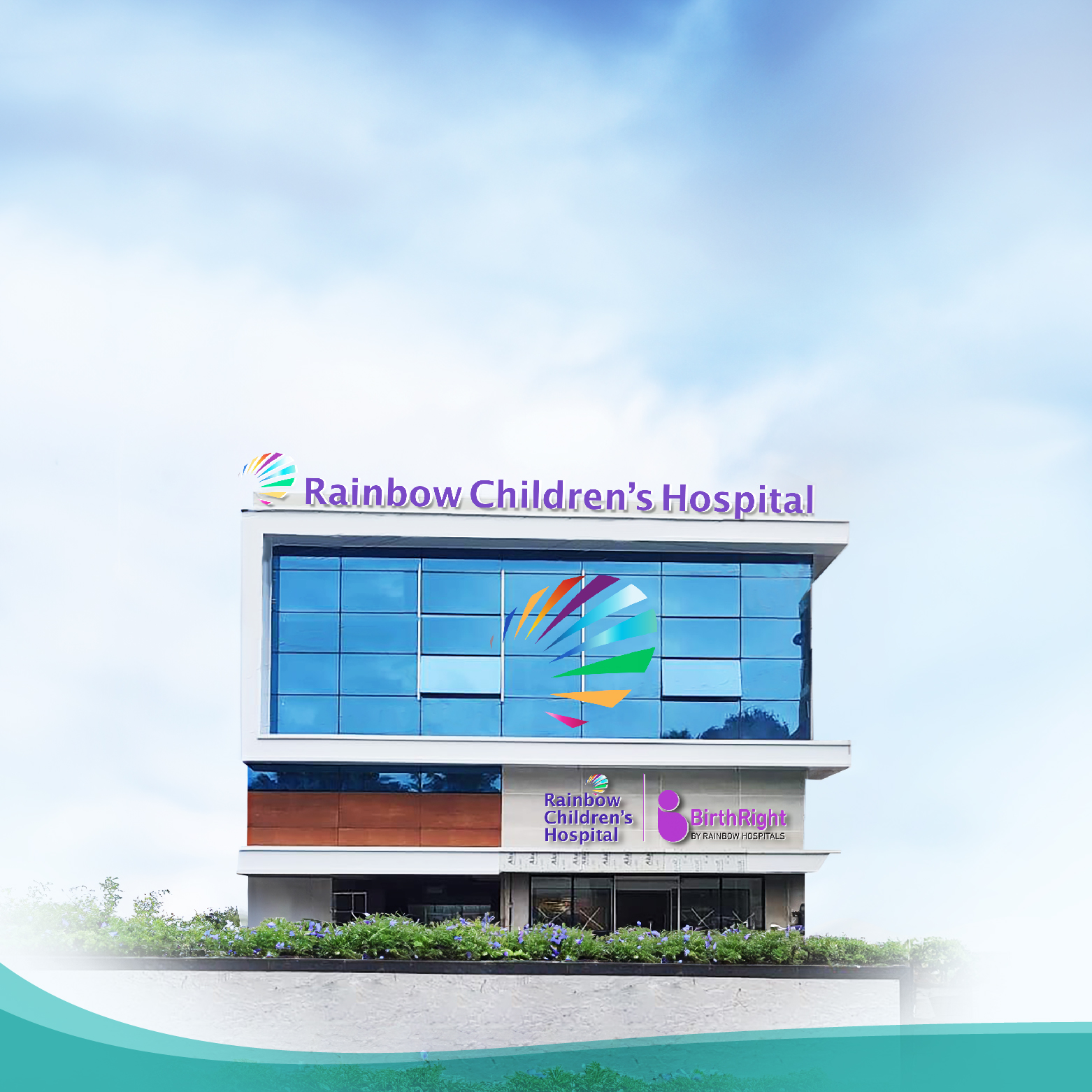
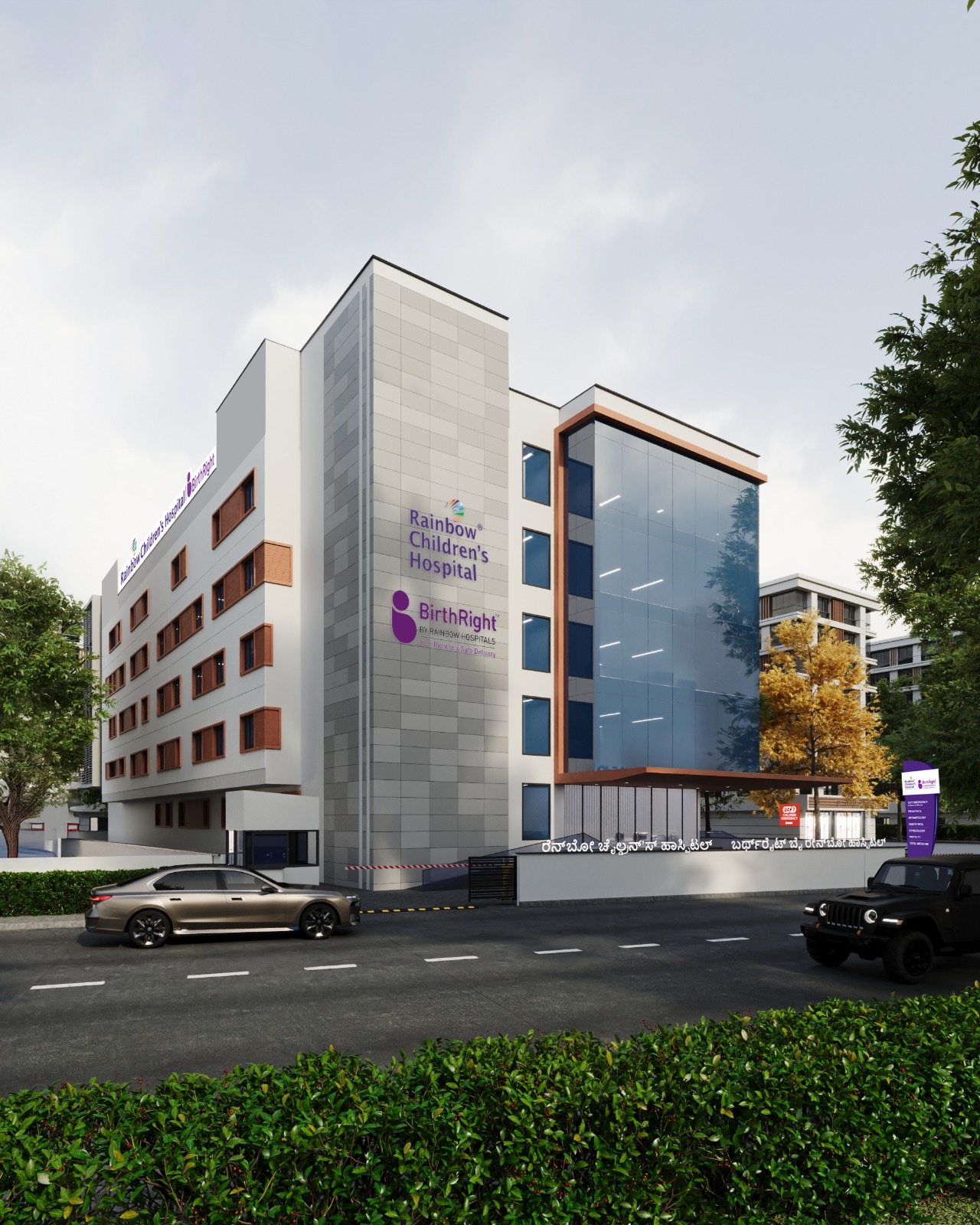
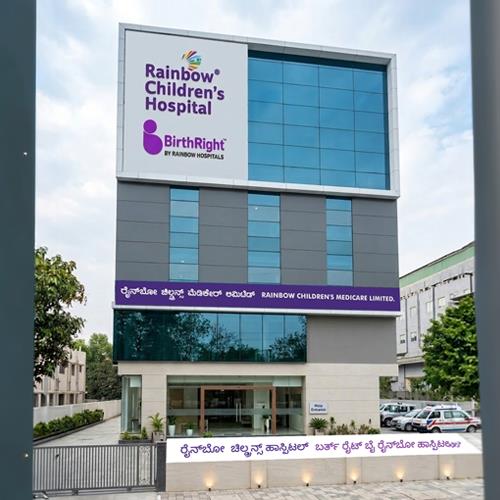
Rainbow Children's Hospital stands as a testament to the hospital's continual pursuit of excellence and innovation, providing specialized care for women and children











chennai
Blogs
Discover our most recent health articles provided by our reliable experts.



What Are People Saying About Us
Embark on a journey of inspiration and hope with our patient success stories, complemented by informative videos from our dedicated doctors.


Media
 Dr. Preethi Reddy Article on Lifestyle Changes to Improve Fertility | BirthRight Fertility by Rainbow
 Dr. Ratna Duravasula Sr. Infertility Specialist
 Surrogacy, a Boon when Normal
 Surrogacy, a Boon when Normal Pregnancy is Medically Inadvisable
 Fertility... Modern Treatments
 A month after covid subsided....
 Can the baby's heartbeat be heard in an ectopic pregnancy?
 Doctors Exploit Loopholes in Bill
 Fertility counseling
 JCI Accreditation
 Menstrual cramps
 So Why are Men Turning into Women?
 Hysteroscopy- Procedure Of Choice For Intrauterine Problems
 Diet and Exercise in Pregnancy- Bust your Myths and Know your Facts
 Recurrent Pregnancy Loss
 Do Laptops, Excessive Heat and Tight Jeans Cause Infertility?
 In Vitro Fertilization
 Menstrual cup – are we really aware of it?
 No More Worries About Menopause
 Stretch marks in pregnancy: Embracing the scars
 Egg Freezing
 Fertility Preservation: Methods and Indications for Securing Reproductive Options
 Tips for planning a pregnancy
 Inferticity
 Here is all what you need to know about IVF, the popularly known fertility treatment
 Delayed marriage among factors for birth rate dip
 Fertility against Odds: IVF hope for women above 40 years of age
 Will Pregnancy Cure Endometriosis?
 Postpartum Depression: Expert Lists Essential Foods Prevent Depression in New Mothers
 Complications of Gestational Diabetes During Pregnancy by Dr. Triveni Arun Akkiraju
 Five Key Sexual Health Facts for Women
 Six Reasons That May Cause IVF Failure
 దంపతుల్లో ఈ మూడు లోపాలుంటే పిల్లలు పుట్టరు
 IVF and Genetic Testion - Essential Insights
 In vitro fertilization (IVF)
 About In Vitro Fertilization
 What is the IVF cost?
 What is the cost of IVF?
 Tick-Tock on Biological clock: Fertility concerns multiply in Telugu States
 Diminished Ovarian Reserve (DOR): Causes, Diagnosis, and Treatment Options by Dr. Shreeja Karan
 25 Years of Anniversary - Rainbow Children's Hospital & BirthRight
 Rising infertility: Addressing Challenges with Laparoscopy & Hysteroscopy
Dr. Preethi Reddy Article on Lifestyle Changes to Improve Fertility | BirthRight Fertility by Rainbow
Dr. Ratna Duravasula Sr. Infertility Specialist
Surrogacy, a Boon when Normal