

Diminished Ovarian Reserve (DOR)
Diminished ovarian reserve (DOR), also called low ovarian reserve, means the ovaries hold a lower-than-expected quantity of eggs for a woman’s age, making natural conception more challenging but not impossible. It can result from natural aging, genetics, ovarian surgery, or medical treatments such as chemotherapy.

Seamless support from diagnosis to post treatment care
Overview
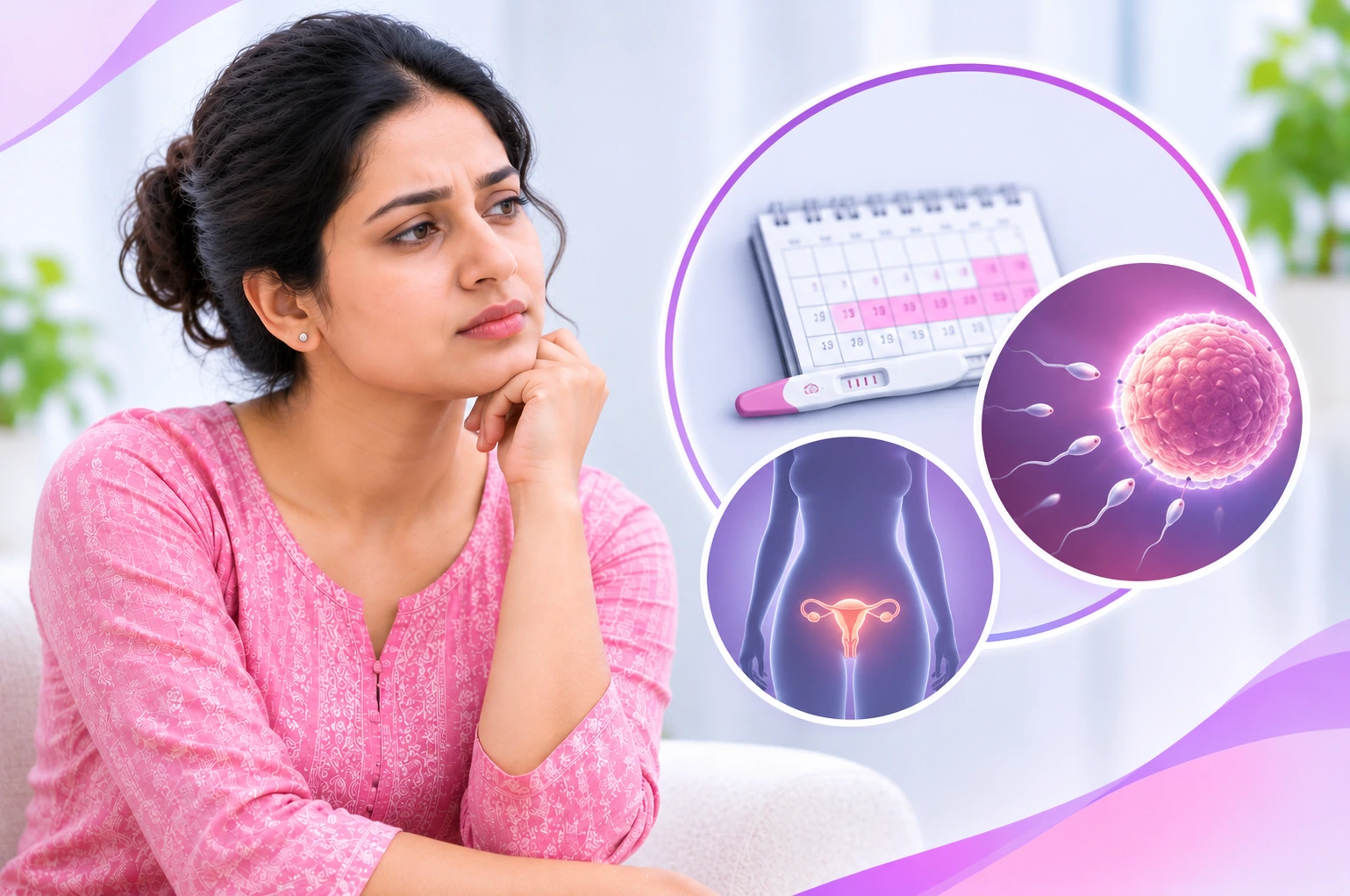
Diminished ovarian reserve may be identified during fertility testing when the number of eggs remaining in the ovaries appears lower than expected for a woman’s age. If you are planning a pregnancy, this result can raise questions about what it means for your fertility and the options available to you.
Having a lower ovarian reserve does not by itself determine whether pregnancy is possible. Age, egg quality and other fertility factors also play an important role. This page explains what diminished ovarian reserve means, why it may occur, how it is assessed and the treatment options that may be considered.
What is Diminished Ovarian Reserve (DOR)?
Diminished ovarian reserve, often shortened to DOR and also called low ovarian reserve, means the ovaries hold fewer eggs than expected for a woman’s age. Every woman is born with all the eggs she will ever have, and this number falls steadily over her lifetime. In diminished ovarian reserve, that fall has gone further or faster than usual, which can make conceiving harder.
It is usually found through fertility testing rather than symptoms, often during a workup when a couple is trying to conceive. It becomes more common with age, though it can affect younger women too. Because the ovaries are still working, it is a different situation from menopause, and pregnancy is still possible.
Diminished ovarian reserve vs premature ovarian insufficiency (POI): what is the difference?
These two are related but distinct, and patients often mix them up, so it helps to be clear. Diminished ovarian reserve means the ovaries have fewer eggs but are still functioning, and periods usually continue. Premature ovarian insufficiency (POI) means the ovaries have largely stopped working before the age of 40, with raised FSH levels and absent or irregular periods. DOR is a reduced reserve, while POI is closer to an early menopause. Your doctor can tell which applies to you from your hormone tests and cycle pattern.
How Does Ovarian Reserve Change With Age?
Understanding the natural decline in egg numbers makes diminished ovarian reserve much easier to understand. A woman’s egg supply is set before birth and only ever decreases. The figures below show the usual pattern.
- At birth: A baby girl has around 1 to 2 million eggs, the most she will ever have.
- At puberty: This has fallen to about 300,000 to 400,000 eggs.
- Around age 37-38: Roughly 25,000 eggs remain, and the rate of loss speeds up after about 35.
- At menopause: Fewer than 1,000 eggs are left, and ovulation stops.
This decline is normal and happens to everyone, which is why fertility falls with age. In diminished ovarian reserve, the reserve is lower than expected for your age, so it is not only about how old you are. Knowing where you stand helps you and your doctor plan the right timing and treatment.
Causes of Diminished Ovarian Reserve
For many women, diminished ovarian reserve is simply part of the natural fall in egg numbers, sometimes happening earlier than expected. In others, doctors can identify a specific cause. The main causes are below.
1. Age and natural decline
Age is the leading cause, because egg numbers fall steadily and then faster after the mid-thirties. In some women, this decline arrives earlier than usual, without any other reason. This is the most common explanation.
2. Genetic factors
Certain genetic conditions affect the ovaries, including changes to the X chromosome such as the Fragile X premutation and Turner syndrome. A family history of early menopause can also play a part. These factors are present from birth.
3. Medical treatment and surgery
Chemotherapy and radiotherapy can damage the ovaries and reduce the egg supply. Surgery on the ovaries, for example to remove cysts or endometriosis, can also lower the reserve. This is why fertility preservation is discussed before cancer treatment where possible.
4. Endometriosis, autoimmune conditions and smoking
Endometriosis and some autoimmune conditions can affect the ovaries over time. Smoking is the one lifestyle factor clearly linked to a lower ovarian reserve. Everyday stress, by contrast, is not known to cause diminished ovarian reserve.
In many women, no clear cause is ever found, and that uncertainty can be frustrating. What matters more than the cause is what you do next. Identifying diminished ovarian reserve early gives you the most options.
Can You Have Diminished Ovarian Reserve with Zero Risk Factors?
Yes, you can, and this is important to understand. Diminished ovarian reserve sometimes appears in women with none of the usual risk factors, which is why it can come as a surprise. That said, certain factors raise the likelihood, and they are listed below.
- Older age: The strongest factor, particularly after the mid-thirties.
- A family history of early menopause: This can point to an inherited tendency.
- Previous ovarian surgery: Especially for cysts or endometriosis.
- Past chemotherapy or radiotherapy: Which can damage the ovaries.
- Certain genetic or autoimmune conditions: Including changes to the X chromosome.
- Smoking: The lifestyle factor most clearly linked to a lower reserve.
Because it can occur without any warning signs or risk factors, testing is the only reliable way to know your ovarian reserve. If you plan to have a family later, or have any of these factors, it is worth discussing testing with your doctor. Discussing your plans early gives you more time to choose
Symptoms of Diminished Ovarian Reserve
One of the trickiest things about diminished ovarian reserve is that it is usually silent, with no clear symptoms. For most women, difficulty conceiving is the first and only sign, and the diagnosis comes from testing. Where low ovarian reserve symptoms do appear, they can be subtle, and the possible signs are below.
- Difficulty getting pregnant: Often the first clue, especially after 12 months of trying, or 6 months if you are 35 or older.
- Shorter menstrual cycles: Cycles that gradually become shorter than before.
- Irregular or changing periods: Your usual pattern changes over time.
Because these signs are mild or absent, doctors assess diminished ovarian reserve with tests such as AMH (anti-Müllerian hormone), an antral follicle count on ultrasound, and FSH. If you are struggling to conceive, these simple tests help estimate your reserve and how you may respond to IVF medicines, but they cannot on their own predict whether you will conceive.
How Does Diminished Ovarian Reserve Affect Fertility
Diminished ovarian reserve affects fertility mainly by reducing the number of eggs available, which has a few knock-on effects worth understanding. It does not mean pregnancy is impossible, and this is the key point. The main effects are below.
- Fewer eggs to work with: Both for natural conception and during IVF, where fewer eggs are usually collected.
- A lower response to fertility medicines: The ovaries may produce fewer follicles in a stimulated cycle.
- Egg quality alongside quantity: With age, egg quality can decline too, which affects the chance of a healthy embryo.
- A narrower window of time: This is why acting sooner rather than later matters with this diagnosis.
The reassuring reality is that it only takes one healthy egg to achieve a pregnancy, and many women with diminished ovarian reserve conceive, especially when they act early. Your age and egg quality often matter more than the test numbers alone. Your specialist can give you a realistic, personalised picture.
Coping With a Diminished Ovarian Reserve Diagnosis
It is completely understandable to feel shaken by this diagnosis, and your feelings deserve acknowledgement. Many women with diminished ovarian reserve experience anxiety or low mood, so if you are struggling, you are far from alone. This is a normal response to difficult news.
Please do not feel hopeless. Diminished ovarian reserve is a challenge, not a closed door, and options exist even with low reserve. Talking to your partner, a counsellor, or others going through fertility treatment can help a great deal, and your care team can point you to support. Looking after your emotional wellbeing is part of your fertility care, not separate from it.
Treatment Options for Diminished Ovarian Reserve
It is honest to say up front that there is no treatment to reverse ovarian ageing or make the ovaries produce more eggs. Treatment instead makes the most of the eggs you have and helps you conceive sooner. The main low ovarian reserve treatment options are below.
- IVF with a tailored stimulation protocol: IVF is often recommended, and your doctor adjusts the medication to suit a lower reserve. There is no single best IVF protocol for low ovarian reserve, so your doctor personalises it to how your ovaries respond.
- Egg or embryo freezing: Preserving eggs or embryos sooner rather than later, while your reserve allows, keeps your options open. Our egg freezing and embryo freezing pages explain these.
- Trying sooner, with support: Because time matters, your doctor may advise moving to treatment earlier rather than waiting.
- Donor eggs, if needed: When your reserve is very low, donor eggs offer a higher chance of pregnancy and remain a positive path to parenthood.
- Supplements and general health: Some clinics use supplements such as CoQ10 alongside treatment, but there is no good evidence that any supplement improves egg quality or restores the reserve. Folic acid is still advised before trying to conceive.
Your specialist will recommend the approach that fits your age, your reserve and your goals. Acting promptly is the most useful thing you can do with this diagnosis. Our IVF page explains the main treatment in more detail.
What is the Prognosis (Outlook) for Diminished Ovarian Reserve?
The outlook depends a great deal on your age and egg quality, not only on the number of eggs, so it is worth a personalised conversation. The encouraging fact is that many women with diminished ovarian reserve do conceive, particularly younger women and those who start treatment early. It only takes one healthy egg.
If your reserve is very low or egg quality is affected, your chances with your own eggs may be lower, and your doctor will be honest about this. Even then, options such as donor eggs offer a strong chance of a healthy pregnancy. A diagnosis of diminished ovarian reserve shapes the plan, but for most women it does not end the hope of a family.
What Questions Should You Ask Your Doctor?
Coming to your appointment with questions ready helps you understand your situation and your choices. The prompts below are grouped by theme. Add any of your own.
Diagnosis and testing questions
- What do my AMH, FSH and antral follicle count results mean for me?
- How does my reserve compare with what is expected for my age?
- Is this diminished ovarian reserve, or could it be premature ovarian insufficiency?
Treatment and IVF questions
- Given my reserve, should I try naturally for a while or move to treatment?
- What IVF approach would you tailor for me, and what response might we expect?
- Should I consider egg or embryo freezing now, or think about donor eggs?
Do not hesitate to ask your doctor to explain anything you do not understand. Clear answers help you make decisions with confidence. Writing them down can help you remember afterwards.
Prevention and Fertility Preservation Tips for Diminished Ovarian Reserve
Diminished ovarian reserve usually cannot be prevented because the main driver is the natural decline in eggs. What you can do is protect the reserve you have and preserve your options in good time. The steps below help.
- Do not smoke, as smoking clearly lowers ovarian reserve.
- If you plan to have a family later, discuss with a specialist whether reserve testing or egg freezing is suitable for you.
- Discuss fertility preservation before any cancer treatment or ovarian surgery.
- Maintain a healthy weight and overall good health, which support fertility.
- Seek a fertility review after 6 months of trying if you are 35 or older, or sooner if you are over 40.
These steps cannot reverse the natural decline in eggs, but they can protect your reserve and your options. The single most useful action is not to wait if you know you want children. Early testing gives you time to plan.
Why Choose BirthRight Fertility by Rainbow Hospitals for Diminished Ovarian Reserve Care?
Diminished ovarian reserve calls for experienced, individualised care, because no two women respond the same way. That is what BirthRight Fertility by Rainbow Hospitals is set up to provide. The points below show what that means for you.
- Personalised IVF protocol planning: Stimulation tailored to your reserve and monitored closely to make the most of your eggs.
- Reserve testing: AMH, antral follicle count and hormone tests to build a clear picture of where you stand.
- The full range of options: From IVF and fertility preservation to donor-egg programmes, explained honestly.
- Emotional support: Counselling and support alongside treatment, because this diagnosis is hard.
BirthRight Fertility by Rainbow Hospitals brings three decades of fertility expertise, with thousands of successful gynaecological surgeries and more than 100,000 parenthood journeys supported across 15 Level II fertility centres in India. If you have been told you have diminished ovarian reserve, our specialists can plan the right path for you with care and honesty. A consultation is a good first step.
Disclaimer
This content is for general educational purposes and does not replace professional medical advice. Diminished ovarian reserve varies between individuals, and figures given here are indicative. Consult a qualified fertility specialist for testing, diagnosis and treatment suited to your own situation.

Find a Doctor and Book Appointment Online
Meet our specialist doctors who bring together clinical expertise, compassion, and personalised care to support your health and well-being. Choose from 1,300+ specialists across our network and book an appointment with BirthRight and Rainbow Children Hospitals, offering 24*7 support to you and your family.

Dr. Ratna Durvasula
Consultant Fertility Specialist
English,Telugu Kondapur OP, Banjara Hills, Financial District, Kondapur IP

Dr. Sudharani Bairraju
Senior Consultant Obstetrician and Gynaecologist, Laparoscopic surgeon and Infertility (IVF) Specialist
English,Telugu Banjara Hills

Dr. Lakshmi Chirumamilla
Fertility Specialist and Reproductive Endocrinologist
25 Years English,Hindi,Telugu Banjara HillsLeading Hospitals for Fertility Care
Rainbow Children's Hospital stands as a testament to the hospital's continual pursuit of excellence and innovation, providing specialized care for women and children





chennai
Blogs
Discover our most recent health articles provided by our reliable experts.



What Are People Saying About Us
Embark on a journey of inspiration and hope with our patient success stories, complemented by informative videos from our dedicated doctors.


Media
 Dr. Preethi Reddy Article on Lifestyle Changes to Improve Fertility | BirthRight Fertility by Rainbow
 Dr. Ratna Duravasula Sr. Infertility Specialist
 Surrogacy, a Boon when Normal
 Surrogacy, a Boon when Normal Pregnancy is Medically Inadvisable
 Fertility... Modern Treatments
 A month after covid subsided....
 Can the baby's heartbeat be heard in an ectopic pregnancy?
 Doctors Exploit Loopholes in Bill
 Fertility counseling
 JCI Accreditation
 Menstrual cramps
 So Why are Men Turning into Women?
 Hysteroscopy- Procedure Of Choice For Intrauterine Problems
 Diet and Exercise in Pregnancy- Bust your Myths and Know your Facts
 Recurrent Pregnancy Loss
 Do Laptops, Excessive Heat and Tight Jeans Cause Infertility?
 In Vitro Fertilization
 Menstrual cup – are we really aware of it?
 No More Worries About Menopause
 Stretch marks in pregnancy: Embracing the scars
 Egg Freezing
 Fertility Preservation: Methods and Indications for Securing Reproductive Options
 Tips for planning a pregnancy
 Inferticity
 Here is all what you need to know about IVF, the popularly known fertility treatment
 Delayed marriage among factors for birth rate dip
 Fertility against Odds: IVF hope for women above 40 years of age
 Will Pregnancy Cure Endometriosis?
 Postpartum Depression: Expert Lists Essential Foods Prevent Depression in New Mothers
 Complications of Gestational Diabetes During Pregnancy by Dr. Triveni Arun Akkiraju
 Five Key Sexual Health Facts for Women
 Six Reasons That May Cause IVF Failure
 దంపతుల్లో ఈ మూడు లోపాలుంటే పిల్లలు పుట్టరు
 IVF and Genetic Testion - Essential Insights
 In vitro fertilization (IVF)
 About In Vitro Fertilization
 What is the IVF cost?
 What is the cost of IVF?
 Tick-Tock on Biological clock: Fertility concerns multiply in Telugu States
 Diminished Ovarian Reserve (DOR): Causes, Diagnosis, and Treatment Options by Dr. Shreeja Karan
 25 Years of Anniversary - Rainbow Children's Hospital & BirthRight
 Rising infertility: Addressing Challenges with Laparoscopy & Hysteroscopy
Dr. Preethi Reddy Article on Lifestyle Changes to Improve Fertility | BirthRight Fertility by Rainbow
Dr. Ratna Duravasula Sr. Infertility Specialist
Surrogacy, a Boon when Normal
FAQs
Can I still get pregnant naturally with diminished ovarian reserve?
Does diminished ovarian reserve mean I am going through early menopause?
Can diminished ovarian reserve be reversed or improved?
Will I need donor eggs if I have diminished ovarian reserve?
How is diminished ovarian reserve different from poor egg quality?
Can a low AMH level alone confirm diminished ovarian reserve?
Does diminished ovarian reserve affect how my body responds to IVF medications?
Can young women in their 20s have diminished ovarian reserve?
Is diminished ovarian reserve my fault because of lifestyle choices?
Should I freeze my eggs if I am diagnosed with diminished ovarian reserve?
Quick Links
Free Calculators to Track and Predict your Pregnancy
Fertility Specialist in Other Locations
- Fertility Specialist in Hyderabad
- Fertility Specialist in Bangalore
- Fertility Specialist in Chennai
- Fertility Specialist in Delhi (NCR)
- Fertility Specialist in Vijayawada
- Fertility Specialist in Vizag
- Fertility Specialist in Guwahati
- Fertility Specialist in Rajahmundry
- Fertility Specialist in Guntur