


Categories
How to Reduce High Estrogen in Women Naturally: Safe and Effective Tips
Oct 07, 2026
Key Takeaways
Here is a short summary. Each point is explained further below.- High estrogen can cause irregular periods, bloating and breast tenderness.
- Body fat, some medicines and liver health affect estrogen levels.
- Diet, exercise, and sleep can help lower levels.
- A blood test confirms the cause and guides treatment.
What Is High Estrogen in Women?
High estrogen in women means the body has more estrogen than it needs, or too little progesterone to balance it. This imbalance can affect your cycle, mood, and weight. The ovaries produce most estrogen, with smaller amounts produced by fat tissue.| Common Cause | How It Raises Estrogen |
|---|---|
| Obesity or higher body fat | Fat tissue produces extra estrogen |
| Certain medications | Some hormone therapies and contraceptive pills add estrogen |
| Liver function | A sluggish liver clears estrogen more slowly |
| Alcohol | Regular drinking can raise estrogen levels |
High Estrogen Symptoms You Shouldn't Ignore
High estrogen symptoms often build slowly and are easy to dismiss. Watch for these signs.- Bloating: Water retention can make you feel puffy.
- Irregular periods: Cycles may become heavy, painful, or unpredictable.
- Mood swings: Irritability, anxiety, or low mood before periods.
- Breast tenderness: Swollen or sore breasts, sometimes with lumps.
- Weight gain: Extra weight often settles around the hips and thighs.
Natural Habits vs Medical Management: What Actually Helps
Lifestyle steps and medical care often work together. Here is how they compare.| Approach | What It Involves | When It Applies |
|---|---|---|
| Natural habits | Balanced diet, regular exercise, good sleep, less alcohol | Mild symptoms or as a first step |
| Medical management | Hormone testing, medication, treating conditions such as PCOS | Persistent symptoms or confirmed imbalance |
Natural Ways to Reduce Estrogen Levels
If you want to control estrogen levels through daily habits, these steps can help. They support your body's own hormone balance over time.- Diet changes: Eat more vegetables such as broccoli and cabbage, which may support how the liver processes estrogen.
- Body fat management: Losing extra weight lowers estrogen made by fat tissue.
- Exercise: At least 150 minutes of moderate activity a week helps regulate hormones.
- Alcohol intake: Cutting down reduces the load on your liver.
- Fibre-rich diet: Whole grains, pulses, and fruits help your body pass out excess estrogen.
- Sleep and stress: Seven to eight hours of sleep and daily relaxation support hormone balance.
When to See a Doctor
Lifestyle changes help many women, but some need medical care. You can book an appointment with our experienced gynaecologist or endocrinologist at BirthRight Fertility by Rainbow Hospitals if you notice any of the following:- Symptoms that last longer than three months
- Very heavy, painful, or irregular periods
- Difficulty getting pregnant
- No change despite consistent lifestyle efforts
Conclusion
Estrogen is a key hormone in women, and any sort of imbalance can cause several issues. Therefore, it is crucial to keep a check on the symptoms and address the problem whenever needed. Managing high estrogen means steady lifestyle habits, with medical guidance when needed. The fertility specialists at BirthRight Fertility by Rainbow Hospitals can help you find the right balance.Medical Disclaimer
This article is for general information only and does not replace medical advice. Hormone levels vary between women. Please consult a gynaecologist or endocrinologist before making major changes to your diet, exercise or medicines.Frequently asked questions
What foods help lower estrogen levels naturally?
Can exercise help reduce high estrogen?
What are the main symptoms of high estrogen?
Common symptoms include bloating, irregular periods, mood swings, breast tenderness and weight gain around the hips.
Is high estrogen linked to weight gain?
Can stress increase estrogen levels?
Do I need a blood test to confirm high estrogen?
Related BlogView More

Thinking About IVF? Here’s What You Should Know Before You Start
If you and your partner have been advised to start in-vitro fertilization (IVF), it is completely normal to feel a mix of hope and overwhelming anxiety. Between medical jargon, internet forums, and well-meaning advice from friends, the entire process can feel clinical, inti
The Truth About IVF Success | Dr. Preethi Reddy Breaks Down the Hype!
Beyond the Celebrity Buzz: Is IVF a Trend, Hype, or Genuine Hope? Celebrity openness about fertility treatments has played a positive role by starting mainstream conversations and steadily chipping away at age-old societal stigmas. However, Dr. Preethi points out an
IVF Injections and Trigger Shots: A Complete Guide to Timing, Types & What to Expect
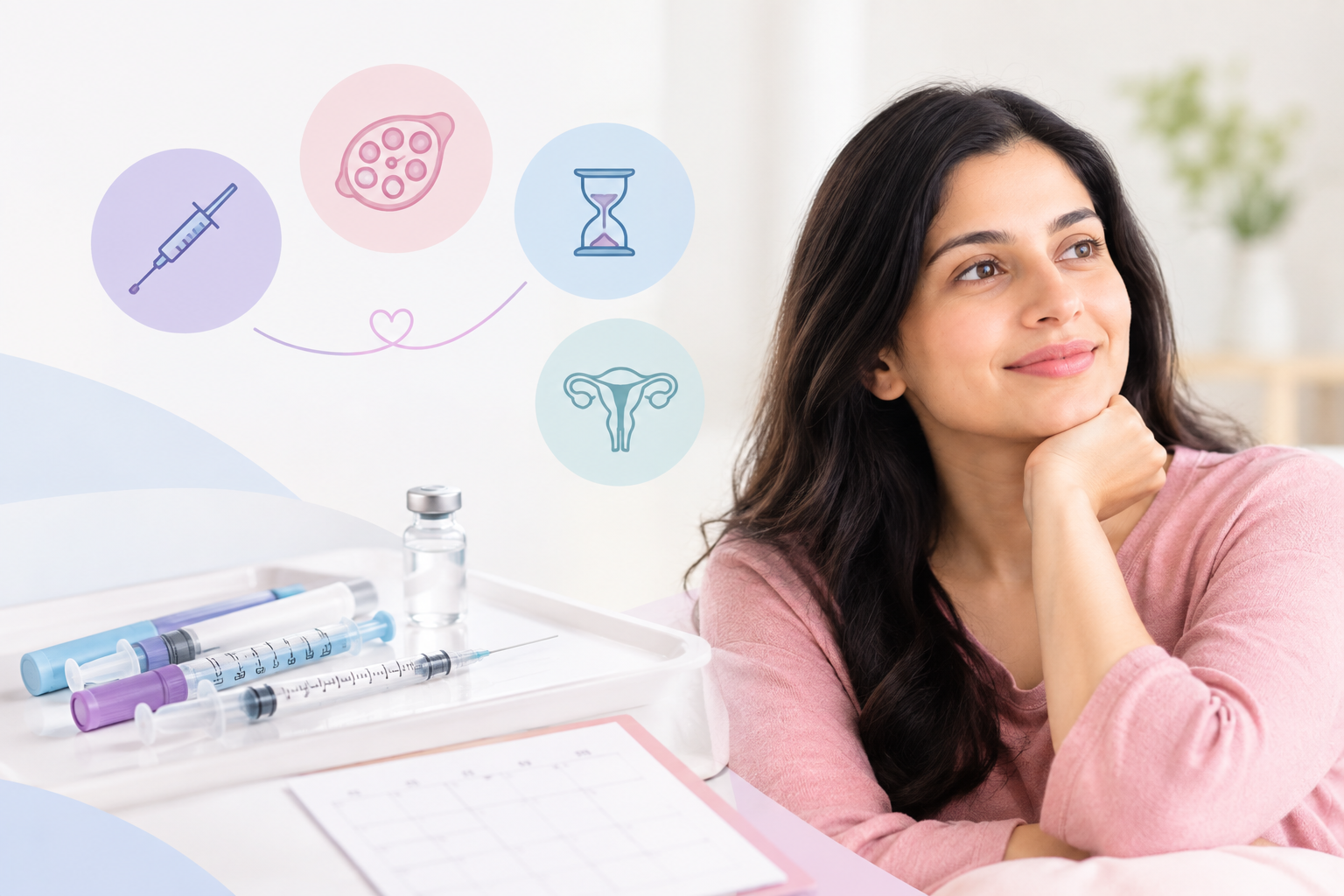
Starting an IVF journey after struggling with infertility, and then seeing a long list of injections on your treatment calendar can feel like a lot to take in all at once. If you're feeling a little overwhelmed, please know that's completely normal. Almost every patient sta

Egg Freezing in India: What Career-Focused Women Really Need to Know
In this episode of Birth Vibes by BirthRight Rainbow, Dr. Ratna Durvasula, Fertility specialist from BirthRight Fertility by Rainbow Hospitals, sits down with Ms. Aparna Reddy, an HR leader at a leading MNC and a doctorate holder in Business Administ