

Myomectomy (Fibroid Removal Surgery)
Myomectomy, also called fibroidectomy, removes noncancerous uterine fibroids (leiomyomas) while preserving the uterus and your chance of pregnancy. It relieves heavy periods, pelvic pain and fertility concerns caused by fibroid tumors

Seamless support from diagnosis to post treatment care
Overview
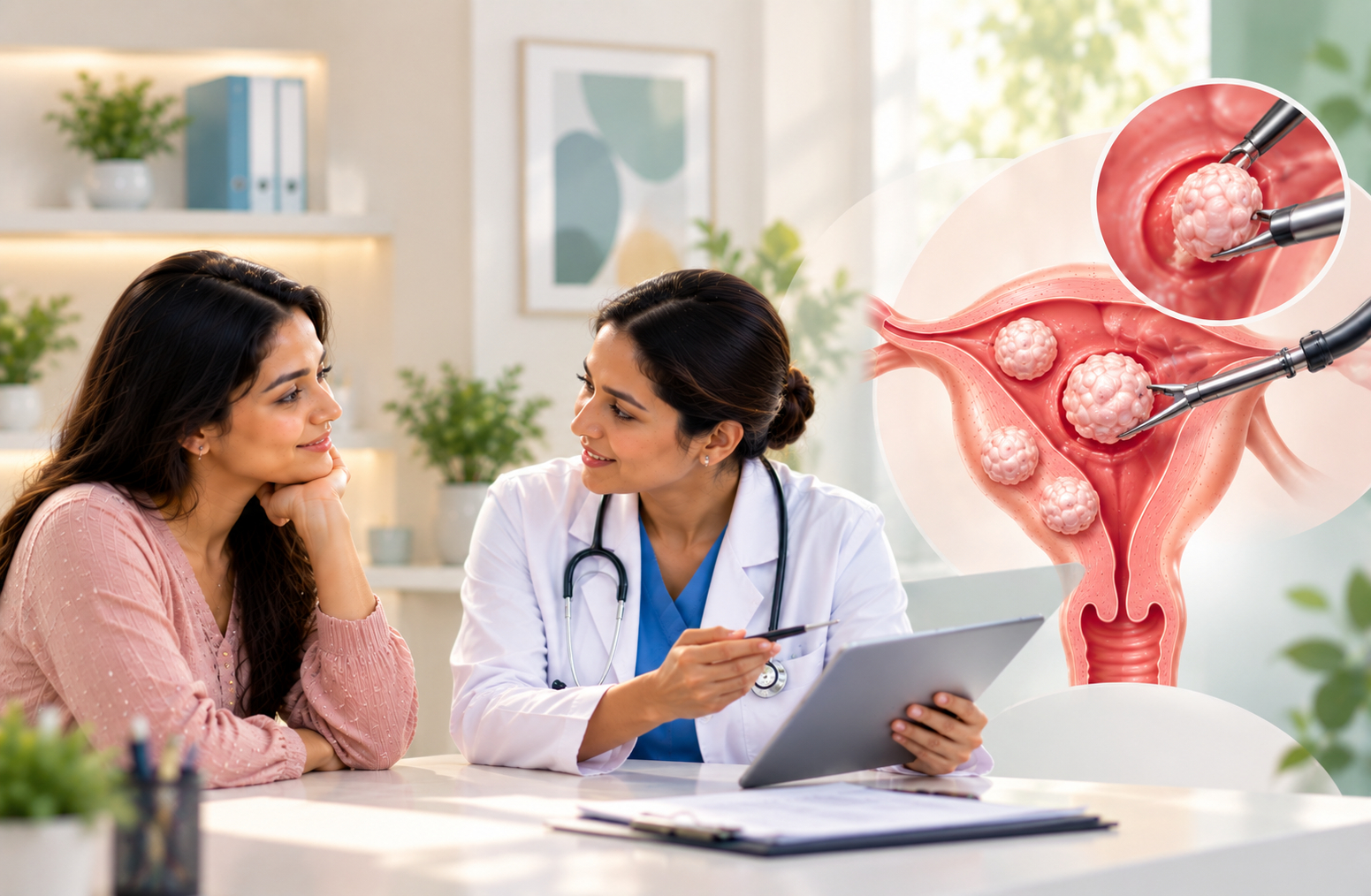
Myomectomy is a surgical procedure to remove fibroids while preserving the uterus. It may be considered when fibroids cause significant symptoms or affect reproductive health.
Different approaches to myomectomy may be used depending on the size, number, and location of the fibroids. Some procedures can be performed using minimally invasive techniques, which may involve smaller incisions or no abdominal incision. This page explains the types of myomectomy, what to expect during recovery, possible risks, costs, and considerations for future pregnancy.
What is Myomectomy (Fibroid Removal)?
Myomectomy is a surgical procedure to remove uterine fibroids while keeping the uterus intact. It is the preferred uterine fibroid surgery for women who want to have children or who simply wish to keep their uterus. It treats the symptoms fibroids cause, such as heavy bleeding and pelvic pressure, while preserving the uterus.
A myomectomy procedure can be done in a few ways, depending on the size, number, and position of the fibroids. If you would like to understand fibroids themselves first, our uterine fibroids page covers their causes and symptoms in detail.
Types of Myomectomy Surgery
There are three ways to remove fibroids, and the right one depends mainly on where the fibroids sit and how large they are. Each differs in how it is done and how quickly you recover. The main types of myomectomy surgery are:
- Hysteroscopic myomectomy: For fibroids inside the uterine cavity. A thin telescope passes through the vagina and cervix, so there are no cuts at all, and recovery is the quickest.
- Laparoscopic or robotic myomectomy: Keyhole surgery through a few small cuts in the abdomen. It suits many fibroids and offers less pain and a faster recovery than open surgery.
- Abdominal (open) myomectomy: Through a single larger cut, used for very large or numerous fibroids. It is a bigger operation, and it lets the surgeon reach fibroids deep in the wall.
Your surgeon recommends the approach that removes the fibroids safely while protecting the uterine wall. Wherever possible, they choose a minimally invasive route, since it means less pain and a shorter recovery.
Who Needs Fibroid Removal, and When is Myomectomy Right for You?
Not every fibroid needs surgery, and myomectomy is considered when symptoms affect your life or your fertility. It tends to be the right choice when:
- Heavy or prolonged periods are causing anaemia or disrupting daily life
- Pelvic pain or pressure on the bladder or bowel is ongoing
- Fibroids are affecting your fertility or a planned pregnancy
- You want to keep your uterus rather than have a hysterectomy
- Medicines have not controlled the symptoms
The decision rests on your symptoms and your plans, especially whether you hope to have children. A gynaecologist talks this through with you before recommending surgery.
Myomectomy vs Hysterectomy - Key Differences
Many women want to understand how myomectomy differs from a hysterectomy, since both are surgical options for fibroids. The key difference is simple: myomectomy removes the fibroids and keeps the uterus, while a hysterectomy removes the uterus itself.
| Factor | Myomectomy | Hysterectomy |
|---|---|---|
| What is removed | The fibroids only | The whole uterus |
| Future pregnancy | Possible | Not possible |
| Fibroids can return | Yes, over time | No |
| Usually suits | Women keeping fertility or the uterus | Severe cases, family complete |
For women who want to preserve fertility, myomectomy is usually the treatment of choice. A hysterectomy is a permanent solution, considered mainly when a family is complete and symptoms are severe.
Preparing for Myomectomy: Tests Before Surgery
A few checks before surgery confirm the plan and keep you safe during the operation. Preparation usually includes:
- Imaging: An ultrasound or MRI maps the size, number and exact position of the fibroids, which guides the surgical approach.
- Blood tests: To check for anaemia from heavy periods and prepare for surgery.
- Treating anaemia first: Iron or, occasionally, medicines to shrink fibroids may be given for a few weeks before surgery.
- Pre-anaesthetic check: A routine review of your general health before the operation.
Correcting anaemia and mapping the fibroids beforehand makes the surgery safer and smoother. Your team explains what to expect on the day.
Step by Step Procedure for Myomectomy
Knowing what happens during surgery can settle a lot of nerves. The exact steps vary by approach, but here is the general flow of a myomectomy.
Step 1: Anaesthesia
Most myomectomies are done under general anaesthesia, so you are asleep and feel nothing. A hysteroscopic procedure may sometimes use lighter anaesthesia.
Step 2: Reaching the fibroids
The surgeon reaches the fibroids by the chosen route, through the vagina for a hysteroscopic procedure, small cuts for keyhole surgery, or one larger cut for open surgery.
Step 3: Removing the fibroids
The surgeon carefully separates each fibroid from healthy uterine tissue and removes it. The surgeon takes care to protect the wall of the uterus throughout.
Step 4: Repairing the uterus
The surgeon stitches the uterine wall back together in layers where it was opened. A strong repair matters because it supports a future pregnancy.
Step 5: Recovery room
You wake in the recovery area, then move to your room. A hysteroscopic procedure may be day-care, while keyhole or open surgery usually needs a short hospital stay.
Recovery After Myomectomy
Recovery is one of the biggest questions before surgery, and it depends mostly on the approach used. Plan your time off around it. As a guide:
- Hysteroscopic myomectomy: The fastest, with most women back to normal in one to two days and able to return to work when they feel ready.
- Laparoscopic or robotic myomectomy: A short hospital stay, then around two to three weeks to return to normal activity.
- Abdominal (open) myomectomy: The longest, with around four to six weeks needed before you feel fully back to yourself.
- Robotic myomectomy: Robotic myomectomy is a minimally invasive surgery that uses robotic assistance and 3D imaging to remove fibroids through small abdominal incisions while preserving the uterus. It may support less post-operative discomfort and a faster recovery than open surgery.
In the early weeks, rest, avoid heavy lifting, and let your body heal at its own pace. Some tiredness and mild discomfort are normal, and your team will guide you on when to resume exercise, work, and intimacy.
Side Effects, Risks and Safety of Myomectomy
Myomectomy is a common and safe operation, and serious problems are uncommon. It is fair to know the risks so nothing takes you by surprise. These include:
- Bleeding during surgery: Some blood loss is normal, and your team is prepared for it. Treating anaemia beforehand helps.
- Infection: Uncommon, and reduced by sterile technique and, where needed, antibiotics.
- Scar tissue (adhesions): Bands of tissue can form inside after surgery, which surgeons take steps to limit.
- Fibroids returning: New fibroids can grow over the years, since surgery treats the fibroids present today.
Rarely, if bleeding cannot be controlled, a hysterectomy becomes necessary during surgery, though this is uncommon in planned myomectomy. Is myomectomy painful? You feel nothing during the operation, and the discomfort afterwards is managed well with pain relief.
Pregnancy After Myomectomy
For many women, protecting the chance of a healthy pregnancy is the whole reason for choosing myomectomy over a hysterectomy. The good news is that pregnancy after fibroid removal is very possible, and removing fibroids can even improve fertility when they are the problem.
Doctors usually advise waiting about three to six months before trying to conceive, so the uterus heals fully. Where the uterine wall was opened during surgery, a caesarean delivery is often recommended to protect the healed scar. Your team will guide the safest timing and delivery plan for you.
Cost of Myomectomy Surgery in India
Myomectomy cost depends mainly on the type of surgery, the hospital and your city. Figures here are indicative, so confirm current pricing with the hospital. As a broad guide:
| Type of myomectomy | Approximate cost (India) |
|---|---|
| Hysteroscopic myomectomy | ₹50,000 to ₹1 lakh |
| Laparoscopic or robotic myomectomy | ₹1 to 2.5 lakh |
| Abdominal (open) myomectomy | ₹80,000 to ₹1.75 lakh |
Robotic surgery sits at the higher end, while a hysteroscopic procedure is usually the most affordable. Many health insurance policies cover myomectomy, so it is worth checking your cover before surgery.
What Questions Should You Ask Your Surgeon?
The right questions depend on where you are in the process. It helps to prepare them before your appointment.
About the surgery:
- Which type of myomectomy suits my fibroids, and why?
- Is there any chance the surgery becomes a hysterectomy?
About recovery:
- How long will I need off work, and what should I avoid?
- When can I resume exercise and intimacy?
About the future:
- How long should I wait before trying to conceive?
- How likely are the fibroids to come back?
Ask your surgeon to explain any term you do not understand. Clear answers help you go into surgery feeling prepared.
Why Choose BirthRight by Rainbow Hospitals for Myomectomy?
Myomectomy is delicate surgery, especially when fertility is at stake, so the surgeon’s skill and the approach chosen matter a great deal. BirthRight by Rainbow Hospitals brings advanced gynaecological surgery together with fertility expertise. For fibroid removal specifically, our care includes:
- Minimally invasive surgery: Laparoscopic, robotic and hysteroscopic myomectomy for less pain and faster recovery.
- Uterus and fertility preservation: Careful uterine repair that protects your chance of a future pregnancy.
- Precise planning: Detailed imaging to choose the safest approach for your fibroids.
- Experienced surgeons: Gynaecologists skilled in complex and fertility-preserving myomectomy.
- Care through pregnancy: A clear path from surgery to fertility support and a safe delivery plan.
BirthRight by Rainbow Hospitals brings three decades of expertise in women's and fertility care, with more than 100,000 parenthood journeys supported across 15 Level II fertility centres in India, including India’s first JCI-accredited fertility centre at Kondapur, Hyderabad, and NABH-accredited care across the network.
You can consult the gynaecologists at BirthRight by Rainbow Hospitals to discuss fibroid removal and the right approach for you.

Find a Doctor
Expertise you can trust, Meet our esteemed doctors who bring exceptional knowledge, compassion, and innovation to provide top-notch care for your health and well-being.
Dr. Ratna Durvasula
Consultant Fertility Specialist
English,Telugu Kondapur OP, Banjara Hills, Financial District, Kondapur IP

Dr. Sudharani Bairraju
Senior Consultant Obstetrician and Gynaecologist, Laparoscopic surgeon and Infertility (IVF) Specialist
English,Telugu Banjara Hills

Dr. Lakshmi Chirumamilla
Fertility Specialist and Reproductive Endocrinologist
25 Years English,Hindi,Telugu Banjara HillsLeading Hospitals for Fertility Care
Rainbow Children's Hospital stands as a testament to the hospital's continual pursuit of excellence and innovation, providing specialized care for women and children




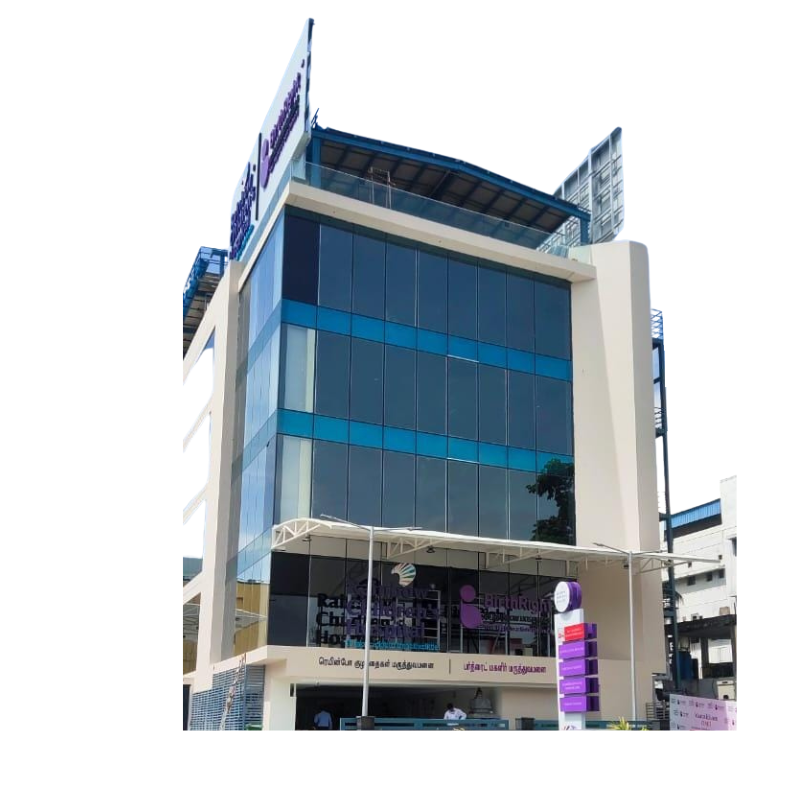
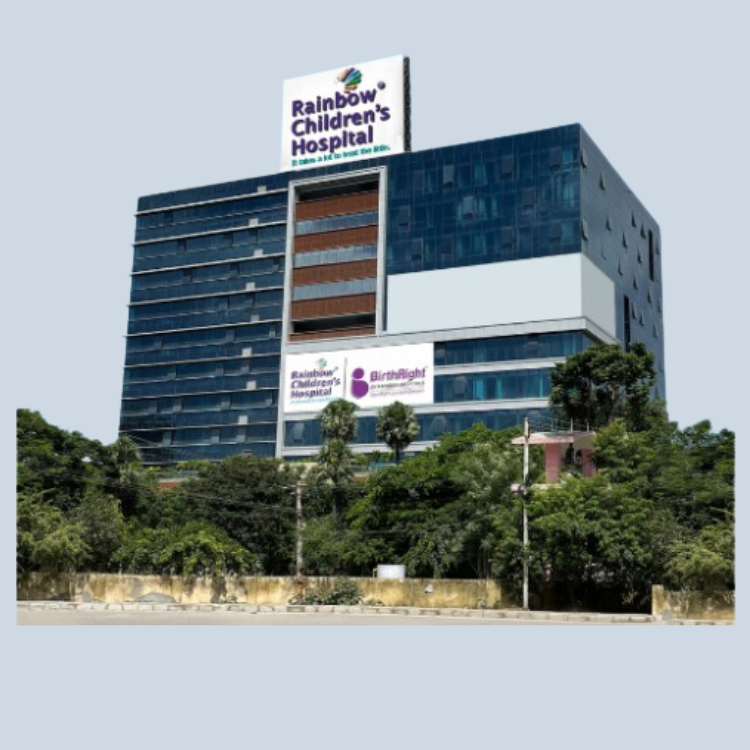
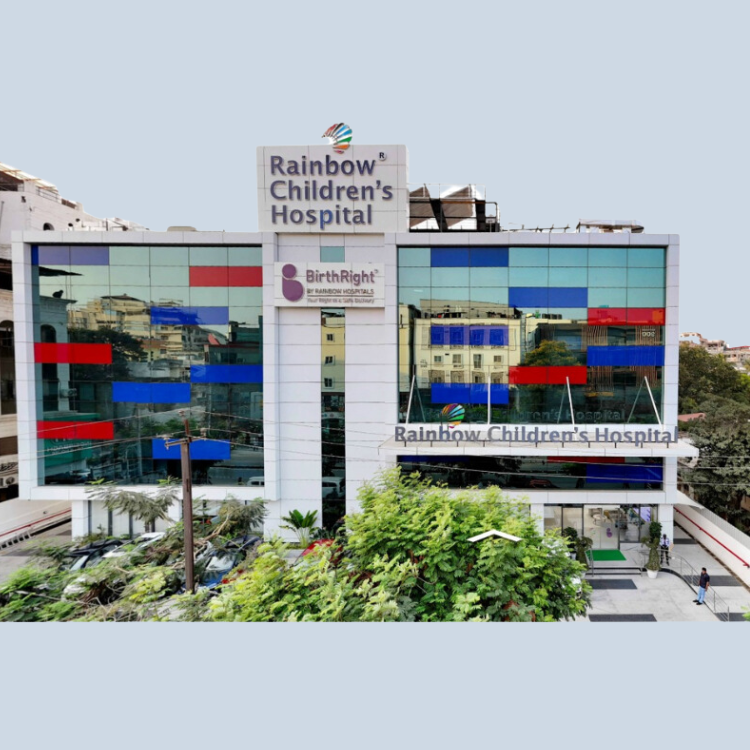
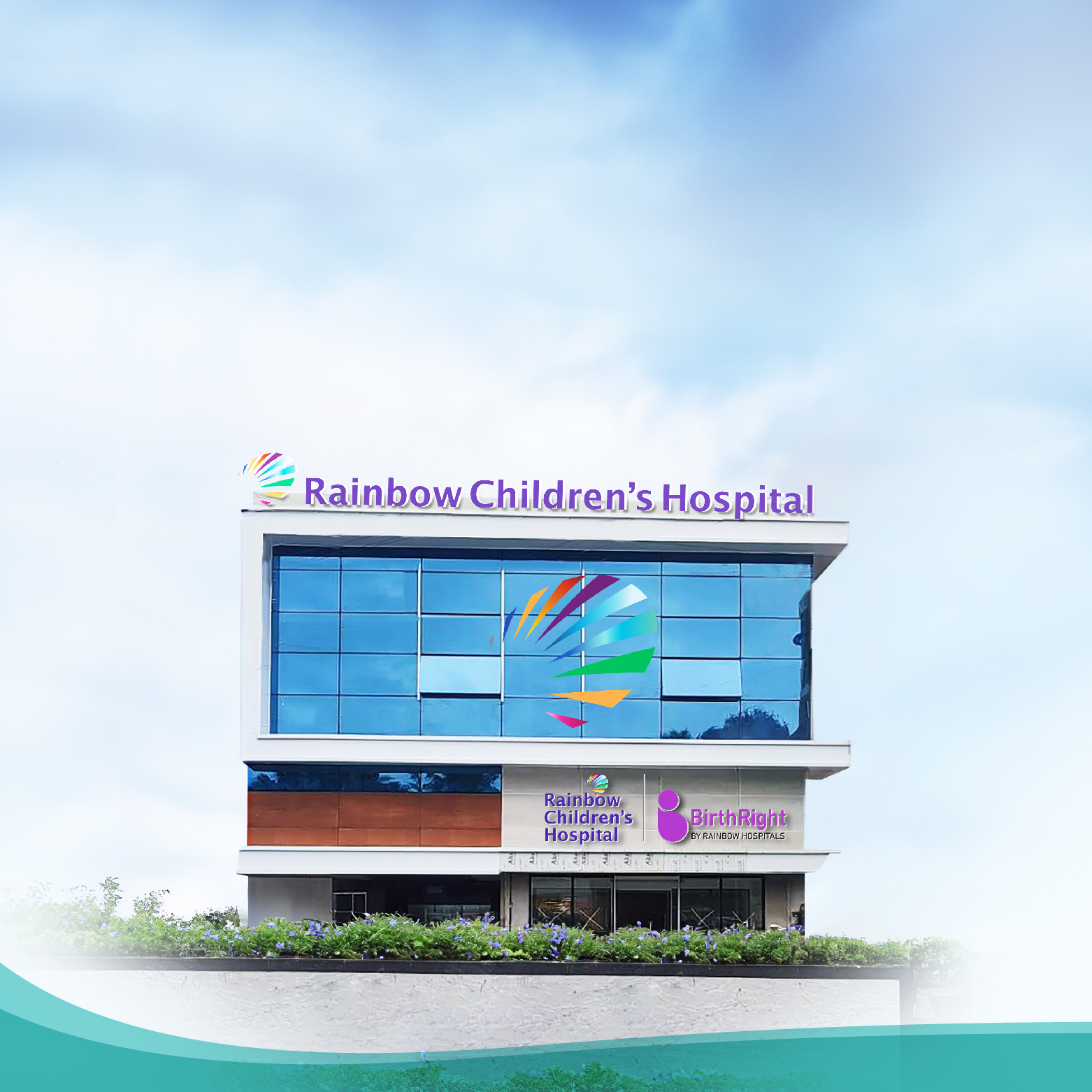
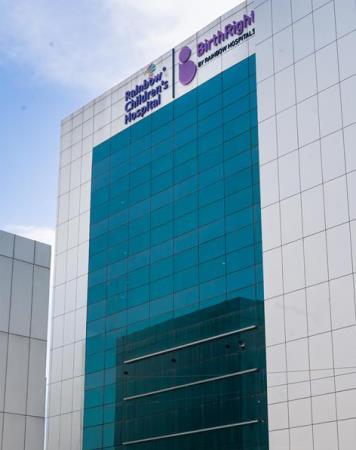
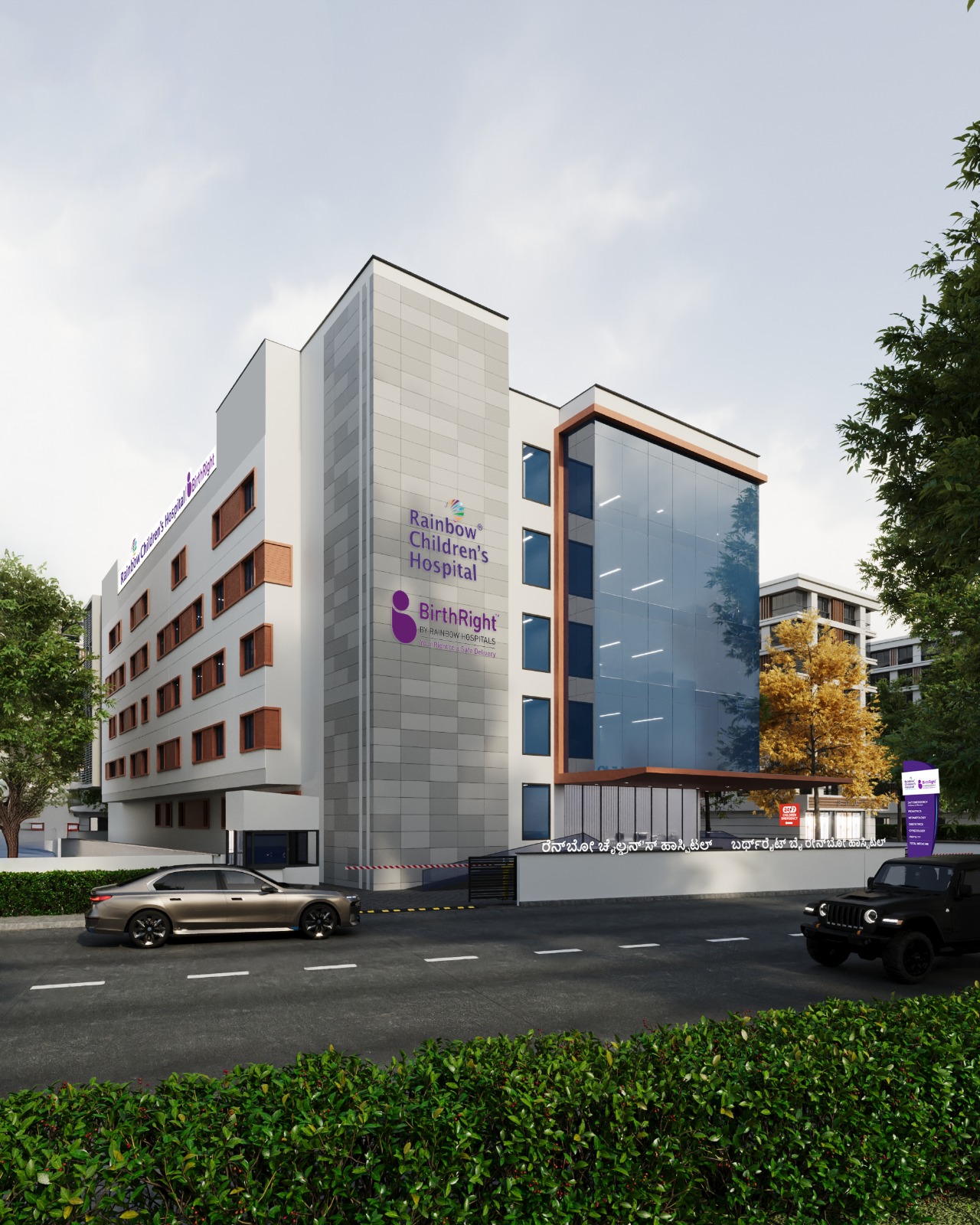
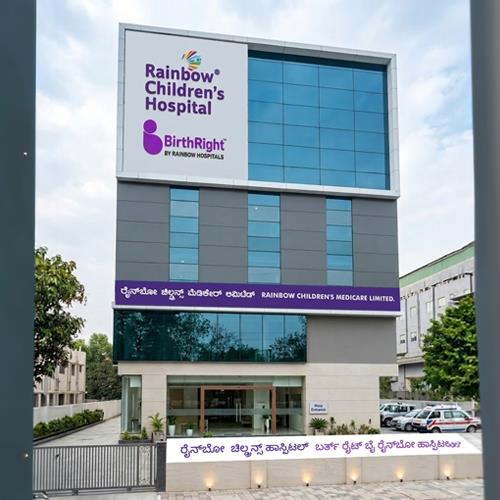
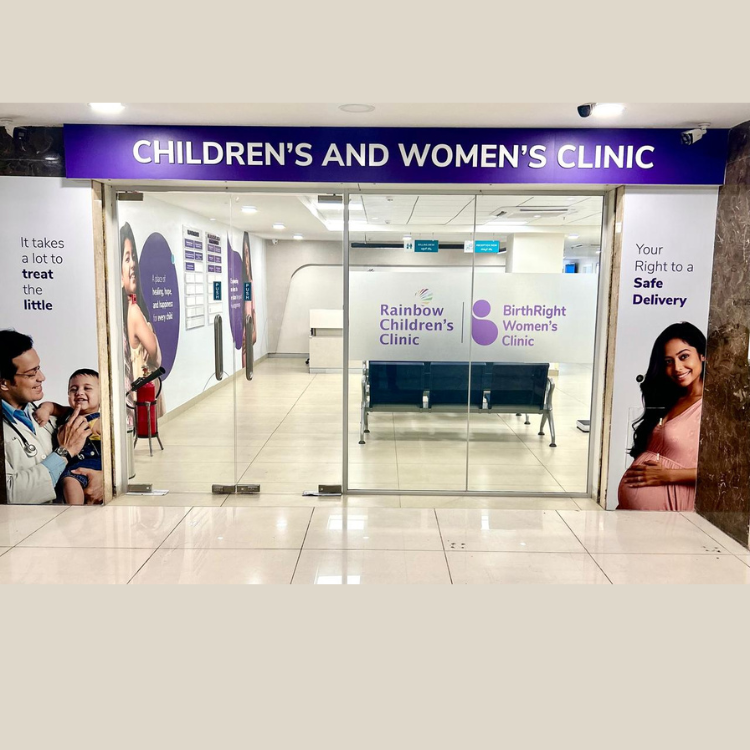

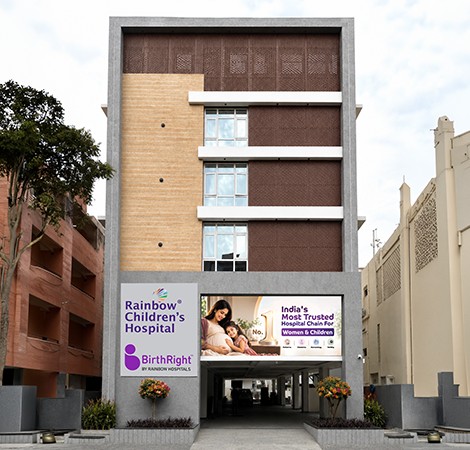
chennai
Blogs
Discover our most recent health articles provided by our reliable experts.


What Are People Saying About Us
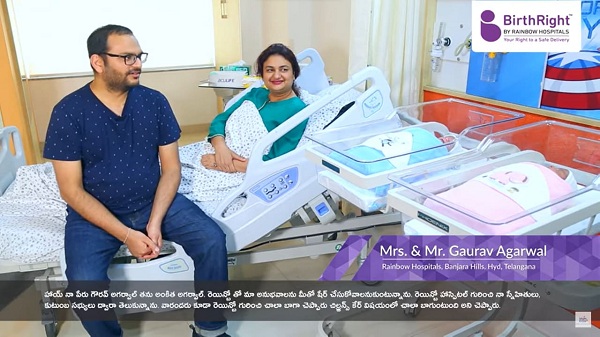
Embark on a journey of inspiration and hope with our patient success stories, complemented by informative videos from our dedicated doctors.



Media
 Dr. Preethi Reddy Article on Lifestyle Changes to Improve Fertility | BirthRight Fertility by Rainbow
 Dr. Ratna Duravasula Sr. Infertility Specialist
 Surrogacy, a Boon when Normal
 Surrogacy, a Boon when Normal Pregnancy is Medically Inadvisable
 Fertility... Modern Treatments
 A month after covid subsided....
 Can the baby's heartbeat be heard in an ectopic pregnancy?
 Doctors Exploit Loopholes in Bill
 Fertility counseling
 JCI Accreditation
 Menstrual cramps
 So Why are Men Turning into Women?
 Hysteroscopy- Procedure Of Choice For Intrauterine Problems
 Diet and Exercise in Pregnancy- Bust your Myths and Know your Facts
 Recurrent Pregnancy Loss
 Do Laptops, Excessive Heat and Tight Jeans Cause Infertility?
 In Vitro Fertilization
 Menstrual cup – are we really aware of it?
 No More Worries About Menopause
 Stretch marks in pregnancy: Embracing the scars
 Egg Freezing
 Fertility Preservation: Methods and Indications for Securing Reproductive Options
 Tips for planning a pregnancy
 Inferticity
 Here is all what you need to know about IVF, the popularly known fertility treatment
 Delayed marriage among factors for birth rate dip
 Fertility against Odds: IVF hope for women above 40 years of age
 Will Pregnancy Cure Endometriosis?
 Postpartum Depression: Expert Lists Essential Foods Prevent Depression in New Mothers
 Complications of Gestational Diabetes During Pregnancy by Dr. Triveni Arun Akkiraju
 Five Key Sexual Health Facts for Women
 Six Reasons That May Cause IVF Failure
 దంపతుల్లో ఈ మూడు లోపాలుంటే పిల్లలు పుట్టరు
 IVF and Genetic Testion - Essential Insights
 In vitro fertilization (IVF)
 About In Vitro Fertilization
 What is the IVF cost?
 What is the cost of IVF?
 Tick-Tock on Biological clock: Fertility concerns multiply in Telugu States
 Diminished Ovarian Reserve (DOR): Causes, Diagnosis, and Treatment Options by Dr. Shreeja Karan
 25 Years of Anniversary - Rainbow Children's Hospital & BirthRight
 Rising infertility: Addressing Challenges with Laparoscopy & Hysteroscopy
Dr. Preethi Reddy Article on Lifestyle Changes to Improve Fertility | BirthRight Fertility by Rainbow
Dr. Ratna Duravasula Sr. Infertility Specialist
Rising infertility: Addressing Challenges with Laparoscopy & Hysteroscopy
Dr. Preethi Reddy Article on Lifestyle Changes to Improve Fertility | BirthRight Fertility by Rainbow
Dr. Ratna Duravasula Sr. Infertility Specialist
 Surrogacy, a Boon when Normal
FAQs
Is myomectomy painful?
Can you get pregnant after myomectomy?
Can fibroids come back after myomectomy?
What is the difference between myomectomy and hysterectomy?
How long does recovery take after fibroid removal?
What should I avoid after myomectomy?
Is myomectomy covered by insurance?
Which type of myomectomy is best for large fibroids?
Quick Links
Free Calculators to Track and Predict your Pregnancy
Obstetrician and Gynecologist in Other Locations
- Obstetrician and Gynecologist in India
- Obstetrician and Gynecologist in Hyderabad
- Obstetrician and Gynecologist in Bangalore
- Obstetrician and Gynecologist in Chennai
- Obstetrician and Gynecologist in Delhi (NCR)
- Obstetrician and Gynecologist in Vijayawada
- Obstetrician and Gynecologist in Vishakhapatnam
- Obstetrician and Gynecologist in Warangal
- Obstetrician and Gynecologist in Guwahati
- Obstetrician and Gynecologist in Rajahmundry
- Obstetrician and Gynecologist in Nellore
- Obstetrician and Gynecologist in Guntur