


Chocolate Cyst (Ovarian Endometrioma)
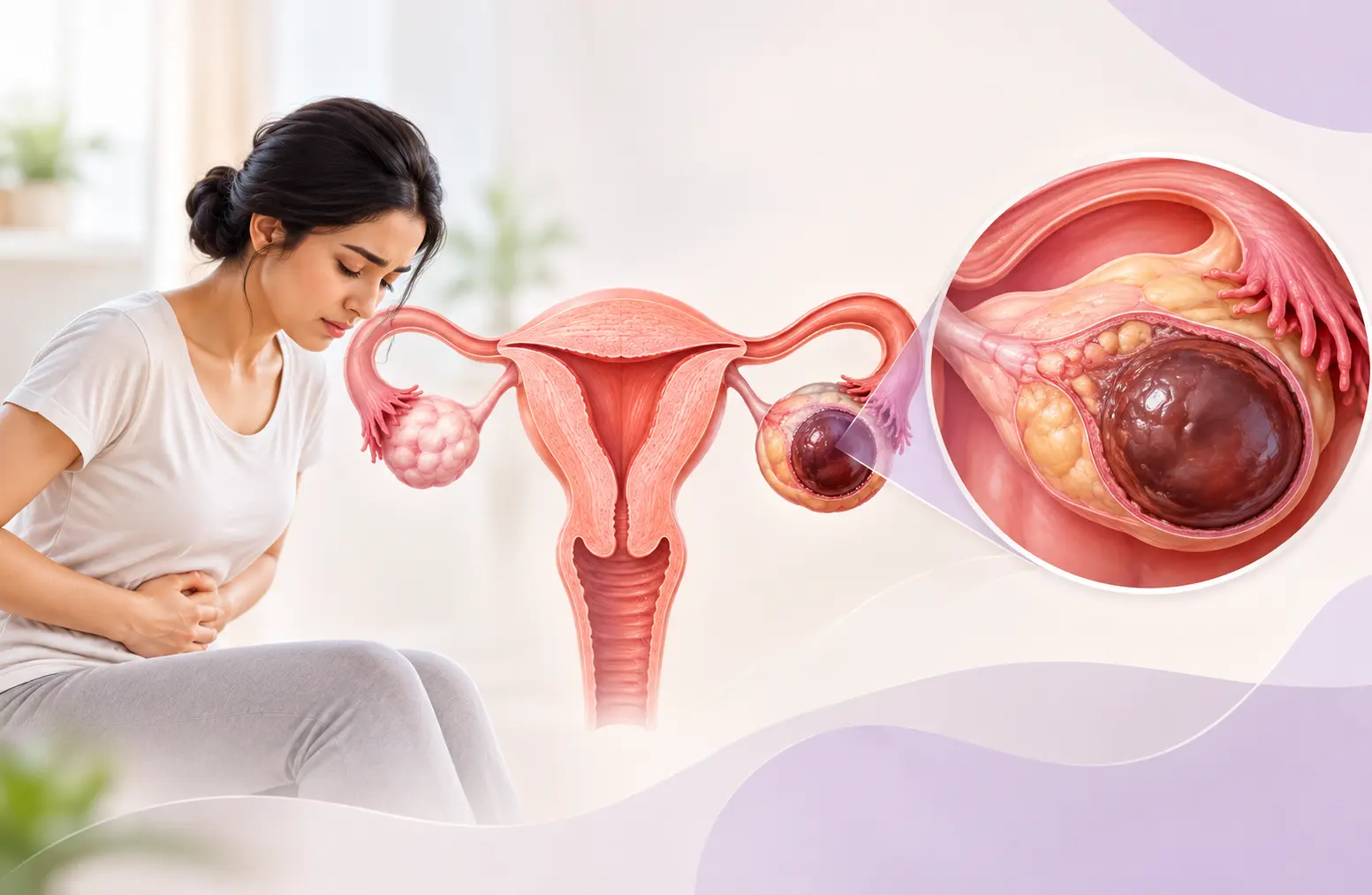
A chocolate cyst is a fluid-filled cyst that forms on the ovary when endometriosis is present. It is filled with old, dark blood, which gives it its brown colour and name. It can be a cause of female infertility and can cause pelvic pain, and it develops when tissue similar to the uterine lining grows on the ovary and bleeds each month. This is also called also called an ovarian endometrioma or endometriotic cyst

Seamless support from diagnosis to post treatment care
Overview
A chocolate cyst, also called an ovarian endometrioma, is a type of cyst that can develop in women with endometriosis. Some women may discover it during an ultrasound, while others may be evaluated because of pelvic pain, painful periods, or fertility concerns.
It can turn into serious fertility issues; therefore, understanding what a chocolate cyst is and how it may affect the ovaries can help you know when you may need treatment or monitoring. This page explains its symptoms, possible causes, effects on fertility, and the available treatment options.
What is a Chocolate Cyst (Ovarian Endometrioma)?
A chocolate cyst is a cyst that forms on an ovary because of endometriosis. It is filled with old, dark blood, which gives it a brown, chocolate-like colour and its name. The same cyst goes by several names, so an endometrial cyst, an endometrioma, and an ovarian endometrioma all describe this one condition. On endometrioma vs endometriosis, endometriosis is the wider condition, and an endometrioma is the cyst it can form on an ovary.
These cysts develop when tissue similar to the lining of the uterus grows on the ovary and bleeds a little each month. Between 17 and 44 in 100 women with endometriosis develop one, so if you have been told you have a chocolate cyst, endometriosis is usually part of the picture. Endometriosis affects an estimated 1 in 10 women of reproductive age, around 190 million worldwide.
Is an Endometrial Cyst Inside the Uterus?
A common concern is whether an endometrial cyst sits inside the uterus. It does not. Despite the name, a chocolate cyst forms on or within the ovary, not inside the uterus.
The confusion often comes from the term endometrioma, which is associated with endometriosis and tissue similar to the uterine lining. However, the cyst itself develops in the ovary. This is why symptoms can be related to the ovaries, and in some cases, an endometrioma can affect ovarian reserve.
How Does Endometriosis Lead to a Chocolate Cyst?
Understanding how a chocolate cyst forms can make the condition easier to understand. It occurs when endometriosis affects an ovary, causing tissue similar to the lining of the uterus to grow there.
Endometrial-Like Tissue Forms a Cyst on the Ovary
When this tissue settles on an ovary, it responds to your monthly hormones the same way the womb lining does. Each cycle it bleeds a little, and because the blood has nowhere to go, it collects and slowly forms a fluid-filled sac on the ovary. Over months and years, this sac becomes a chocolate cyst.
Why It Is Called a "Chocolate" Cyst
The trapped blood inside the cyst ages and thickens, turning a dark reddish-brown. When a surgeon sees this fluid, it looks like melted chocolate, which is where the everyday name comes from. The medical name, endometrioma, describes the same thing.
Causes of Chocolate Cysts (Endometriomas)
Chocolate cysts are associated with ovarian endometriosis, so understanding the factors linked to endometriosis can help explain why these cysts develop. The exact cause of endometriosis is not fully understood, but several factors are thought to play a role:
- Retrograde menstruation: Period blood flows backwards through the fallopian tubes and settles in the pelvis, a leading theory behind endometrial cyst causes.
- Hormones: Oestrogen encourages the tissue to grow and bleed each cycle.
- Family history: Having a close family member with endometriosis may increase the likelihood of developing the condition.
- Immune factors: Differences in how the body clears stray tissue may allow it to settle and grow.
In many cases, no single identifiable reason explains why someone develops endometriosis or an endometrioma. The condition can be managed with appropriate medical care, depending on symptoms, cyst size, fertility plans, and other individual factors.
Who is at Risk of a Chocolate Cyst?
A chocolate cyst, also called an ovarian endometrioma, develops when endometriosis affects an ovary. Women with this condition are therefore more likely to develop a chocolate cyst, although not everyone with endometriosis will develop one.
You may be more likely to have endometriosis if you:
- Have a family history of endometriosis, particularly in a close relative
- Have very painful periods or other symptoms associated with endometriosis
- Started your periods at an early age
- Have shorter menstrual cycles
- Have never been pregnant
Note: These factors do not mean that you will develop a chocolate cyst. They are simply associated with a higher likelihood of endometriosis. If you have symptoms such as persistent pelvic pain, painful periods, pain during sex, or difficulty conceiving, speak with a gynaecologist for an evaluation.
Symptoms of a Chocolate Cyst
Chocolate cyst symptoms, also searched as endometrioma cyst symptoms or ovarian endometrioma symptoms, vary widely, and cyst size does not always match how you feel. Some women have severe pain from a small cyst, and others have none at all. The symptoms tend to fall into two groups.
Pain symptoms:
- Pelvic pain, which can occur at any time, not only during periods
- Very painful or heavy periods
- Pain during or after sex
- Pain when passing urine or opening the bowels, especially during periods
Other symptoms:
- Bloating or a feeling of fullness in the lower abdomen
- Difficulty getting pregnant, sometimes the first sign
Many endometrioma symptoms overlap with ordinary period pain, which is why they are often missed for years. In some cases, an ovarian endometrioma causes no noticeable symptoms and is discovered incidentally during an ultrasound or scan performed for another reason.
Complications of a Chocolate Cyst
Most chocolate cysts can be managed calmly, and complications are the exception. When a cyst grows large or goes untreated, a few issues can develop, and it's worth knowing so you can act early.
- Reduced fertility: The cyst and the endometriosis around it can affect egg quality and the ovary, making conception harder.
- Ovary damage: A growing cyst can press on and gradually harm healthy ovarian tissue.
- Adhesions: Inflammation can cause pelvic organs to stick together, adding to pain.
- Ongoing pain: Untreated cysts often grow slowly and can cause more persistent pain over time.
These are reasons to have symptoms reviewed, not causes for alarm. A chocolate cyst is benign, and the risk of it becoming cancer is low.
Chocolate Cyst Rupture: When to Seek Emergency Care
A chocolate cyst can occasionally rupture and cause sudden pelvic or lower abdominal pain. Some women may also experience nausea, dizziness, weakness, or increasing abdominal discomfort.
Seek urgent medical care if the pain is severe, starts suddenly, or continues to worsen. You should also get prompt medical attention if you feel faint, develop fever or vomiting, or notice heavy vaginal bleeding. Your doctor may recommend an examination and ultrasound to check for internal bleeding or other complications and decide the next step in treatment.
How is a Chocolate Cyst Diagnosed?
Diagnosing a chocolate cyst is usually straightforward, and it often starts with the scan that first found it. A few steps confirm the diagnosis and guide treatment.
- Pelvic ultrasound: The main test, which clearly shows the cyst and its typical appearance.
- Pelvic examination: A doctor may feel tenderness or a mass in the pelvis.
- MRI: Used in some cases to map the cyst and any surrounding endometriosis before surgery.
- Blood tests, including AMH: A marker called CA-125 is sometimes checked, and an AMH test measures your egg reserve when fertility is a concern.
Once the cyst is confirmed and measured, your doctor can talk you through whether to monitor it or treat it, based on your symptoms and your plans.
Treatment Options for a Chocolate Cyst
There is no single treatment for a chocolate cyst, and the right choice depends on your symptoms, the size of the cyst, your age, and whether you want to have children. Many small cysts need only monitoring. Your specialist will recommend a plan after a full assessment, and the endometrioma and endometriotic cyst treatment options are below.
- Watchful waiting: For a small cyst causing few symptoms, regular scans to track it are often all that is needed.
- Medicines: Hormonal treatments can ease pain and slow cyst growth, though they do not remove it, and symptoms may return when stopped.
- Laparoscopic cystectomy: Keyhole surgery to remove the cyst, considered when it is large, painful, or affecting fertility.
- IVF: Where fertility is the goal, IVF is sometimes chosen ahead of surgery, especially when the ovarian reserve is already low.
The best chocolate cyst treatment, or ovarian endometrioma treatment, for one woman may be wrong for another. The decision balances pain relief against protecting the ovary, which the next section explains.
Balancing Surgery with Fertility: The AMH Consideration
This decision matters most for women who hope to have children, so it is worth understanding clearly. Surgery to remove a chocolate cyst can ease pain and improve some fertility outcomes. It also carries a real trade-off.
Removing the cyst can take some healthy ovarian tissue, which can lower your egg reserve. Studies show AMH, a blood marker of egg reserve, can fall after cystectomy, especially when both ovaries are involved. For this reason, an AMH test before any decision is important, and for some women, IVF or egg freezing before surgery protects future fertility. A small cyst that is not causing trouble is often best left alone before IVF. Make this decision carefully with a fertility specialist.
What is the Outlook After Treatment?
The outlook for a chocolate cyst is good, and most women manage the condition well. Pain can be controlled, and many women go on to conceive, naturally or with fertility treatment.
Chocolate cysts can return after surgery because the underlying endometriosis remains, so follow-up matters. With the right care, a chocolate cyst stays a manageable part of women’s health rather than a lasting limit on it.
What Questions Should You Ask Your Doctor?
The right questions depend on where you are in the process. It helps to prepare them before your visit. The prompts below are grouped by stage.
Diagnosis and treatment choice:
- How large is my cyst, and does it need treatment now?
- Would monitoring, medicine, or surgery suit me best?
Fertility and future pregnancy:
- Should I have an AMH test before deciding on surgery?
- Is it better to remove the cyst or go straight to IVF in my case?
- Could surgery affect my egg reserve, and should I consider egg freezing first?
Ask your doctor to explain any term you do not understand. Clear answers help you weigh pain relief against protecting your fertility.
Prevention and Monitoring
You can't reliably prevent a chocolate cyst, since it stems from endometriosis. What helps is catching it early and monitoring it, along with a few supportive habits.
- See a doctor early for very painful or heavy periods.
- Keep up regular gynaecological check-ups and scans if you have endometriosis.
- Discuss hormonal treatment, which can slow new cysts forming.
- If you want children, plan fertility timing with a specialist sooner rather than later.
Regular monitoring is the practical goal here, so we can catch any changes early. If your periods are severely painful, a check-up matters more than waiting it out.
Why Choose BirthRight Fertility by Rainbow Hospitals for Chocolate Cyst Care?
Chocolate cysts can affect the ovaries and may also influence fertility in some women. BirthRight Fertility by Rainbow Hospitals brings together gynaecology and fertility expertise to assess the cyst, understand its impact, and plan care based on your individual needs.
For chocolate cyst care, our key strengths include:
- Fertility-first assessment: AMH testing and a clear discussion of surgery versus IVF before any decision.
- Ovary-preserving surgery: Careful laparoscopic technique that removes the cyst while protecting healthy ovarian tissue.
- Fertility preservation: Egg freezing before surgery where the ovarian reserve is a concern.
- Advanced IVF: A strong IVF pathway for women who choose treatment ahead of surgery.
- Coordinated care: Gynaecologists and fertility specialists planning treatment around your goals.
BirthRight Fertility by Rainbow Hospitals brings three decades of expertise in women’s and fertility care, with more than 100,000 parenthood journeys supported across 15 Level II fertility centres in India, including India’s first JCI-accredited fertility centre at Kondapur, Hyderabad, and NABH-accredited care across the network.
You can consult the fertility specialists at BirthRight Fertility by Rainbow Hospitals for a clear diagnosis and a plan that protects your fertility.
Disclaimer
This information is for educational purposes only and is not a substitute for professional medical advice. If a scan has shown a chocolate cyst, please consult a qualified gynaecologist or fertility specialist.

Find a Doctor
Expertise you can trust, Meet our esteemed doctors who bring exceptional knowledge, compassion, and innovation to provide top-notch care for your health and well-being.

Dr. Ratna Durvasula
Consultant Fertility Specialist
English,Telugu Kondapur OP, Banjara Hills, Financial District, Kondapur IP

Dr. Sudharani Bairraju
Senior Consultant Obstetrician and Gynaecologist, Laparoscopic surgeon and Infertility (IVF) Specialist
English,Telugu Banjara Hills

Dr. Lakshmi Chirumamilla
Fertility Specialist and Reproductive Endocrinologist
25 Years English,Hindi,Telugu Banjara HillsLeading Hospitals for Fertility Care
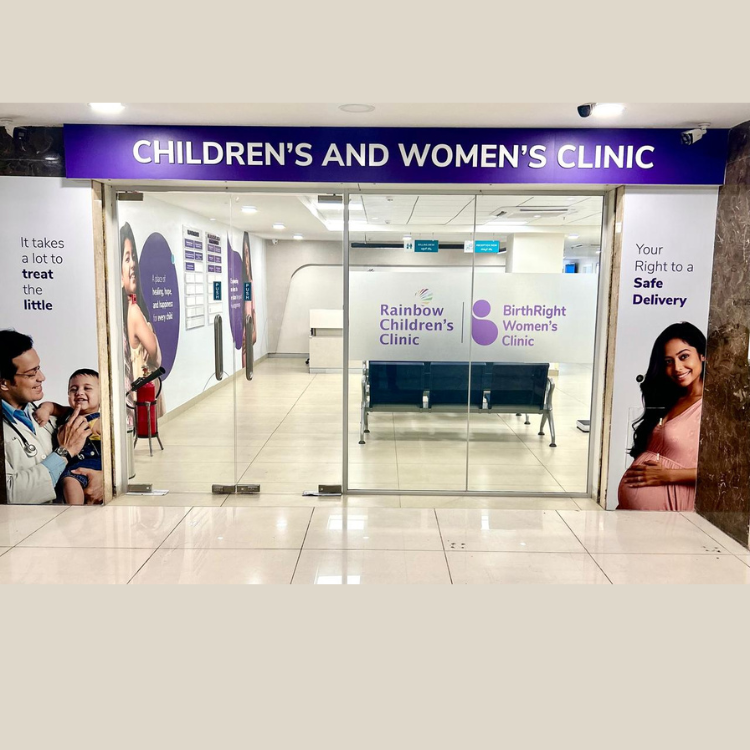
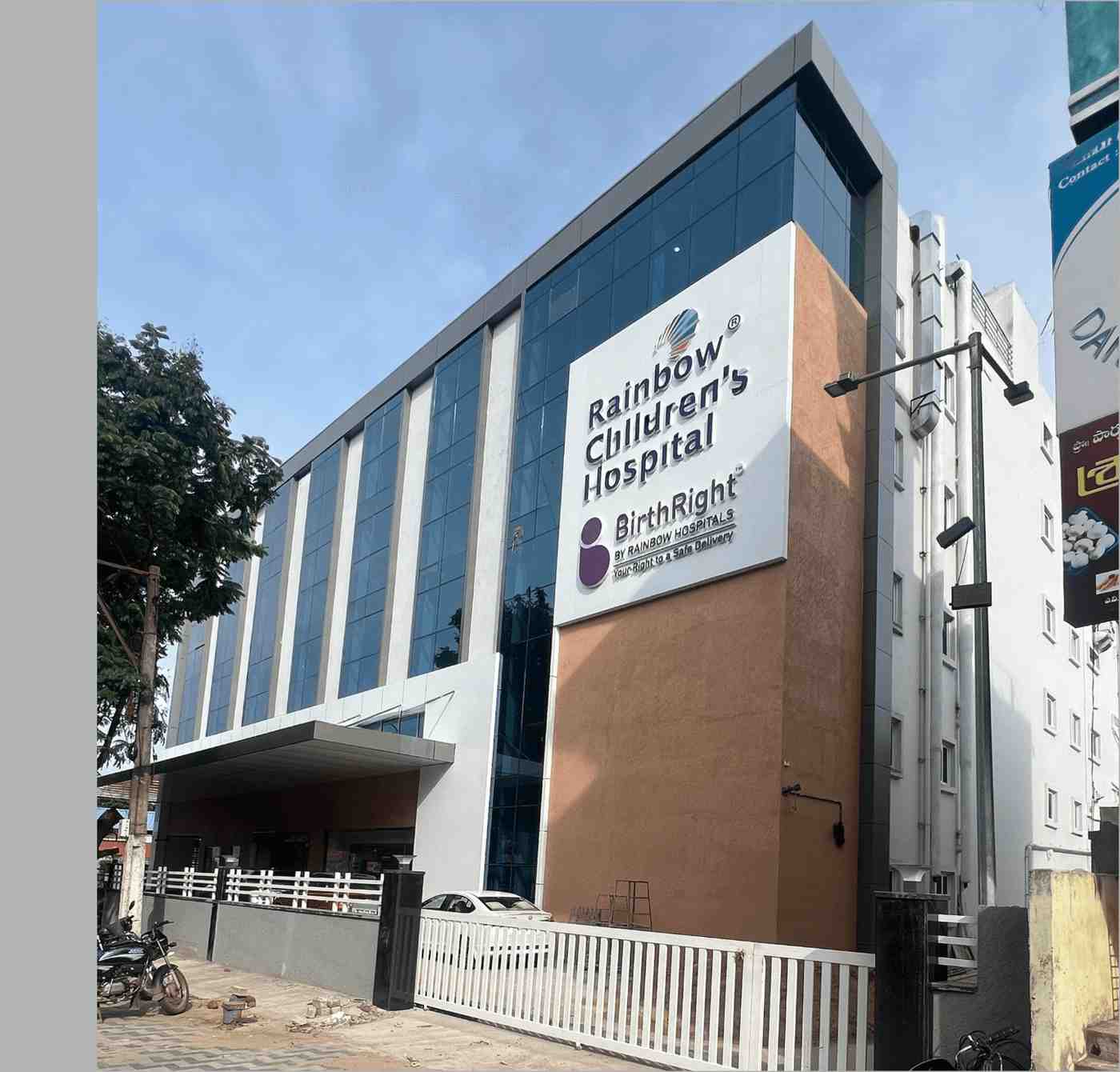
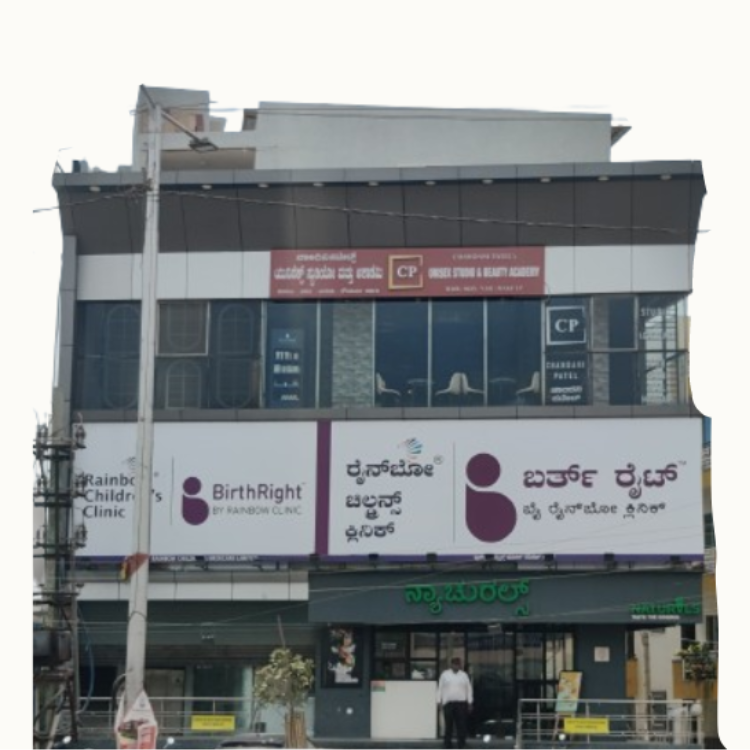
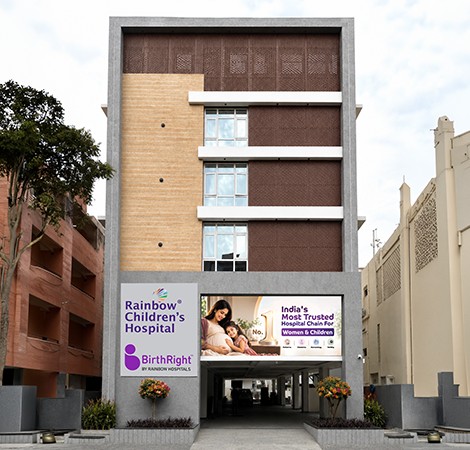
Rainbow Children's Hospital stands as a testament to the hospital's continual pursuit of excellence and innovation, providing specialized care for women and children








chennai
Blogs
Discover our most recent health articles provided by our reliable experts.




What Are People Saying About Us
Embark on a journey of inspiration and hope with our patient success stories, complemented by informative videos from our dedicated doctors.




Media
 Dr. Preethi Reddy Article on Lifestyle Changes to Improve Fertility | BirthRight Fertility by Rainbow
 Dr. Ratna Duravasula Sr. Infertility Specialist
 Surrogacy, a Boon when Normal
 Surrogacy, a Boon when Normal Pregnancy is Medically Inadvisable
 Fertility... Modern Treatments
 A month after covid subsided....
 Can the baby's heartbeat be heard in an ectopic pregnancy?
 Doctors Exploit Loopholes in Bill
 Fertility counseling
 JCI Accreditation
 Menstrual cramps
 So Why are Men Turning into Women?
 Hysteroscopy- Procedure Of Choice For Intrauterine Problems
 Diet and Exercise in Pregnancy- Bust your Myths and Know your Facts
 Recurrent Pregnancy Loss
 Do Laptops, Excessive Heat and Tight Jeans Cause Infertility?
 In Vitro Fertilization
 Menstrual cup – are we really aware of it?
 No More Worries About Menopause
 Stretch marks in pregnancy: Embracing the scars
 Egg Freezing
 Fertility Preservation: Methods and Indications for Securing Reproductive Options
 Tips for planning a pregnancy
 Inferticity
 Here is all what you need to know about IVF, the popularly known fertility treatment
 Delayed marriage among factors for birth rate dip
 Fertility against Odds: IVF hope for women above 40 years of age
 Will Pregnancy Cure Endometriosis?
 Postpartum Depression: Expert Lists Essential Foods Prevent Depression in New Mothers
 Complications of Gestational Diabetes During Pregnancy by Dr. Triveni Arun Akkiraju
 Five Key Sexual Health Facts for Women
 Six Reasons That May Cause IVF Failure
 దంపతుల్లో ఈ మూడు లోపాలుంటే పిల్లలు పుట్టరు
 IVF and Genetic Testion - Essential Insights
 In vitro fertilization (IVF)
 About In Vitro Fertilization
 What is the IVF cost?
 What is the cost of IVF?
 Tick-Tock on Biological clock: Fertility concerns multiply in Telugu States
 Diminished Ovarian Reserve (DOR): Causes, Diagnosis, and Treatment Options by Dr. Shreeja Karan
 25 Years of Anniversary - Rainbow Children's Hospital & BirthRight
 Rising infertility: Addressing Challenges with Laparoscopy & Hysteroscopy
Dr. Preethi Reddy Article on Lifestyle Changes to Improve Fertility | BirthRight Fertility by Rainbow
Dr. Ratna Duravasula Sr. Infertility Specialist
Rising infertility: Addressing Challenges with Laparoscopy & Hysteroscopy
Dr. Preethi Reddy Article on Lifestyle Changes to Improve Fertility | BirthRight Fertility by Rainbow
Dr. Ratna Duravasula Sr. Infertility Specialist
 Surrogacy, a Boon when Normal