


Blastocyst Culture & Transfer in IVF: Procedure, Success Rates & Cost

Seamless support from diagnosis to post treatment care

Overview
Reaching the embryo transfer stage is an important step in IVF. If your doctor has suggested a blastocyst transfer, you may naturally want to understand what it means and why it may be recommended. In blastocyst culture, fertilised eggs are allowed to grow in the laboratory for a few more days before an embryo is selected for transfer.
Knowing how this process works can make the next stage of treatment easier to understand. This page explains blastocyst culture and transfer, who may be advised to consider it, what can affect success rates and the costs involved.
What is Blastocyst Culture & Transfer?
In IVF, eggs are fertilised in the lab and grow into embryos over several days. Blastocyst culture means growing these embryos for five to six days, rather than transferring them on day two or three. By day five, a healthy embryo reaches the blastocyst stage of embryonic development, a more advanced form with two clear cell types.
A blastocyst-stage embryo has an inner group of cells that becomes the baby, and an outer layer that becomes the placenta. Blastocyst transfer is then the step of placing one of these day-five embryos into the uterus. Growing embryos this far lets the team see which are developing best before choosing one.
Why the Blastocyst Stage Matters
The main benefit is better embryo selection. Not every fertilised egg has the strength to grow to day five, so those that do are more likely to implant. This is the real value of the extra days.
- Better selection: reaching day five naturally sorts the stronger embryos from the weaker ones, so your team transfers the one with the best chance.
- Higher implantation: a day-five embryo matches the natural timing of implantation in the uterus, which raises the chance it will settle.
- Fewer embryos, same success: because selection is better, you can transfer a single blastocyst with a good chance, lowering the risk of twins.
It helps to know that cultivating today five sorts of embryos; it does not improve them. The embryo's quality is already set. The extra days simply reveal which embryos are strongest.
Who Needs Blastocyst Culture & Transfer & When is it Right for You?
Blastocyst culture suits people who have enough good-quality embryos for the lab team to choose from. Your fertility specialist decides based on your age, how many embryos you have, their quality, and your treatment history.
- If you have several embryos: When a cycle gives a good number of fertilised eggs, growing them to day five lets your team see which are strongest. The more embryos there are, the more selection helps.
- If you want a single-embryo transfer: A well-chosen blastocyst gives a good chance on its own, so you can avoid transferring two and lower the chance of twins.
- If genetic testing is planned: Testing embryos is done at the blastocyst stage, so reaching day five becomes part of the plan.
If only one or two embryos are developing: Your fertility specialist may recommend continuing culture to day 5–6 or considering an earlier transfer, based on embryo development, quality, and your individual circumstances.
Fertility Problems It Can Help With
Beyond embryo count, blastocyst transfer in IVF helps in a few specific situations, often ones with real emotional weight. It can make a meaningful difference when:
- You have faced repeated IVF disappointment: If earlier-stage transfers have not worked, a day-five transfer with better selection is a hopeful and common next step, and it reflects the treatment adapting to you.
- Avoiding a twin pregnancy matters for your health: Carrying twins adds risk. Choosing one strong blastocyst keeps the chance high while keeping the pregnancy safer.
- A genetic condition needs screening: Where a genetic condition runs in the family, testing embryos at the blastocyst stage helps choose an unaffected one.
- You are a little older: As egg numbers fall with age, identifying the single strongest embryo matters more than ever.
In each of these, the aim is the same, to give you the best chance while protecting your wellbeing. Your specialist will tell you honestly whether it fits your situation.
Preparing for Blastocyst Culture & Transfer
Blastocyst transfer happens under an IVF cycle, so the preparation is the IVF journey you may already know. There is nothing extra you need to do differently, and here is how the early part unfolds.
- Ovarian stimulation and egg retrieval: The usual first half of an IVF cycle, to collect several eggs.
- Fertilisation in the lab: Eggs and sperm are combined, by IVF or ICSI, to create embryos.
- An assessment of embryo numbers: Your embryologist checks how many embryos form, which guides whether day-five culture suits you.
- Uterine lining check: A scan confirms the lining is ready, especially for a frozen transfer.
Up to this point, your treatment is exactly the same as standard IVF. Your team gently decides whether to grow embryos to day five once they can see how they are developing, so you decide together.
Blastocyst Culture & Transfer Process: Step by Step
The blastocyst transfer procedure follows the usual IVF steps, with the embryos grown a little longer before transfer. Here is the blastocyst culture procedure, step by step.
Step 1: Fertilisation (day 0)
Eggs collected during IVF are fertilised with sperm in the lab, by conventional IVF or ICSI. The next morning, the embryologist checks which eggs have been fertilised.
Step 2: Early embryo growth (days 1 to 3)
The fertilised eggs divide into a small ball of cells. In an earlier-stage transfer, the embryologist places the embryo in the uterus at this stage. For blastocyst culture, growth continues.
Step 3: Blastocyst culture (days 4 to 5)
The embryos grow into blastocysts in a carefully controlled incubator that mimics the body. By day five, the strongest embryos have reached the blastocyst stage, while weaker ones naturally stop developing.
Step 4: Grading and selection
The embryologist grades the blastocysts and picks the one most likely to implant. Any other good-quality blastocysts can be frozen for future use.
Step 5: The transfer
The chosen blastocyst is placed into the uterus through a thin, soft catheter. It takes only a few minutes, needs no anaesthesia and feels similar to a routine gynaecological exam.
How Blastocysts Are Graded
Grading is simply how embryologists describe an embryo’s development, so you may hear terms like AA or BB. It is a helpful guide to development, and good pregnancies happen across a range of grades. Grading looks at three things:
- Expansion: how far the blastocyst has grown and expanded, graded from 1 to 6.
- Inner cell mass: the cells that become the baby, graded A, B or C.
- Trophectoderm: the cells that become the placenta, also graded A, B or C.
A grade like 4AA describes a well-expanded blastocyst with strong cell groups. Embryos with lower grades still lead to healthy pregnancies, and your team weighs grading alongside your age and history.
Side Effects, Risks and Safety
Blastocyst transfer is safe, and the transfer itself is gentle. The honest thing to explain is that the main question here is whether your embryos reach day five, more than any side effect. Here is what to know.
- The transfer: Quick and usually painless, with mild cramping or light spotting for at most a day.
- The main worry, fewer embryos: Some embryos stop growing before day five. This is difficult to face, but it means those embryos were unlikely to have led to a pregnancy anyway.
- No cycle to transfer: Rarely, no embryo reaches blastocyst stage in a cycle. Your team will review why and adjust the plan for next time.
Blastocyst transfer does not raise the risk of birth defects, and single-blastocyst transfer actually lowers risk by avoiding twins. The extra lab days are closely controlled and safe for the embryo.
Blastocyst Transfer Success Rate by Age
Success rates after blastocyst transfer can vary from person to person. Age is one of the main factors, along with embryo quality, chromosome health and other individual fertility factors. The figures below provide a broad age-based view.
| Age | Approximate success rate |
|---|---|
| Under 35 | Around 50% to 60% or higher |
| 35 to 37 | Around 40% to 55% |
| 38 to 40 | Around 30% to 45% |
| Over 40 | Success rates are generally lower, although pregnancy is still possible |
The day on which an embryo reaches the blastocyst stage can also be relevant:
- Day 5 blastocysts: Tend to have slightly higher average success rates.
- Day 6 blastocysts: Can also have good outcomes, particularly when embryo quality is favourable.
- Day 7 blastocysts: Generally have lower average success rates, often around 20% to 35%, depending on embryo grade and other factors.
These figures are population averages and cannot predict the outcome of an individual IVF cycle. Your fertility specialist can provide a more personalised assessment based on your age, embryo quality and overall treatment factors.
After Blastocyst Transfer: The Two-Week Wait and Results
The days after your transfer, often called the two-week wait, can be the hardest part of the whole journey. You are carrying so much hope, and the urge to look for signs is completely natural. It helps to know what is worth watching for and what isn't.
The honest truth is that no reliable early signs exist right now. Some women feel cramping or see light spotting and fear the worst. Others feel nothing at all and worry for that reason. Neither tells you whether it has worked, because these effects usually come from the progesterone support you are taking, not the pregnancy.
The one thing that gives a true answer is a blood pregnancy test, about 10 to 14 days after your transfer. An early home test can give a false result and cause needless heartache, so it is worth waiting for the test your clinic arranges. Be as gentle with yourself as you can in these two weeks. Keep to your usual routine, rest when you need to and lean on the people around you.
If the test is positive, your team guides you into early pregnancy care. If it is not, that is a real loss, and it is okay to grieve it. Your specialist will review the cycle with you and talk through any frozen blastocysts or next steps when you feel ready.
What Questions Should You Ask Your Fertility Specialist?
The right questions depend on where you are in the process. Prepare them before your visit. The prompts below are grouped by stage.
If you are deciding on the approach:
- Is blastocyst transfer right for me, given how many embryos I have?
- What happens if my embryos do not reach the blastocyst stage?
If you are planning the transfer:
- Will you transfer one embryo or more, and why?
- Do you recommend a fresh or a frozen blastocyst transfer for me?
If you are thinking about success and cost:
- What is my likely success rate per transfer?
- What does blastocyst culture add to my IVF cost?
Ask your specialist to explain any term you do not understand. Clear answers help you decide with confidence.
Why Choose BirthRight Fertility by Rainbow Hospitals?
Blastocyst culture depends entirely on the quality of the IVF laboratory, since embryos must be grown in tightly controlled conditions. BirthRight Fertility by Rainbow Hospitals brings modern embryology to every step. For blastocyst culture and transfer specifically, our care includes:
- Advanced embryology lab: Controlled incubators and time-lapse monitoring to grow embryos safely to day five.
- Skilled embryologists: Experienced in grading and selecting the strongest blastocyst for transfer.
- Genetic testing on site: PGT available at the blastocyst stage, when needed.
- Safe freezing: Vitrification of extra blastocysts, with good survival on thawing.
- Honest guidance: Clear advice on whether day-five culture suits your cycle, with no false promises.
BirthRight Fertility by Rainbow Hospitals brings three decades of fertility expertise, with more than 100,000 parenthood journeys supported across 15 Level II fertility centres in India, including India's first JCI-accredited fertility centre at Kondapur, Hyderabad, and NABH-accredited care across the network. You can consult the fertility specialists at BirthRight Fertility by Rainbow Hospitals to plan your IVF and blastocyst transfer.
Disclaimer
This information is for educational purposes only and is not a substitute for professional medical advice. To understand whether blastocyst transfer is right for you, please consult a qualified fertility specialist.

Find a Doctor
Expertise you can trust, Meet our esteemed doctors who bring exceptional knowledge, compassion, and innovation to provide top-notch care for your health and well-being.

Dr. Ratna Durvasula
Consultant Fertility Specialist
English,Telugu Kondapur OP, Banjara Hills, Financial District, Kondapur IP

Dr. Sudharani Bairraju
Senior Consultant Obstetrician and Gynaecologist, Laparoscopic surgeon and Infertility (IVF) Specialist
English,Telugu Banjara Hills

Dr. Lakshmi Chirumamilla
Fertility Specialist and Reproductive Endocrinologist
25 Years English,Hindi,Telugu Banjara HillsLeading Hospitals for Fertility Care
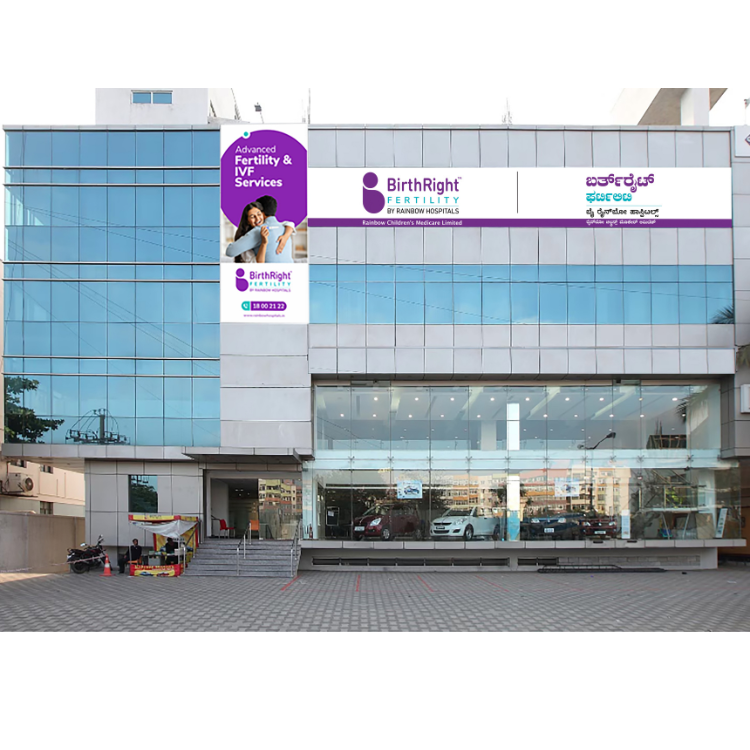
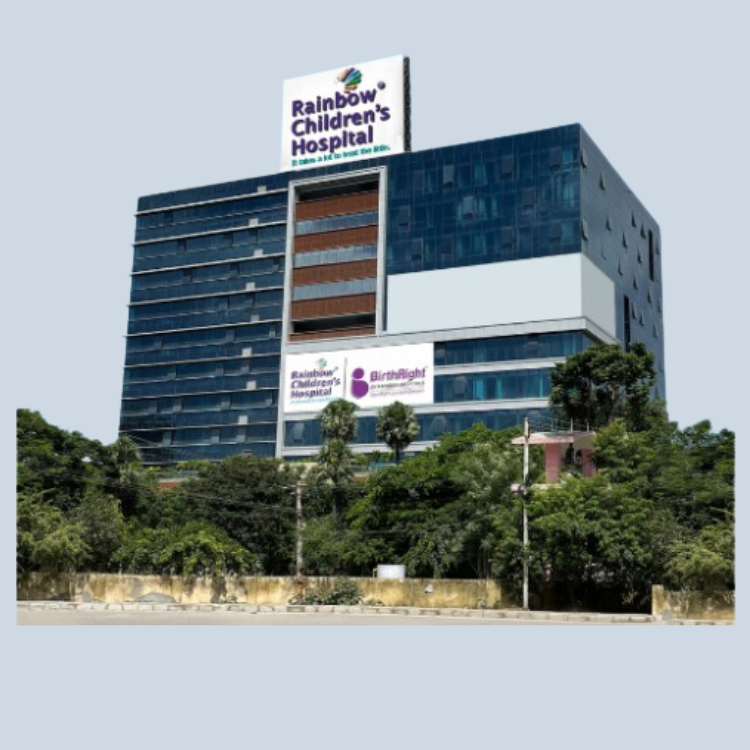
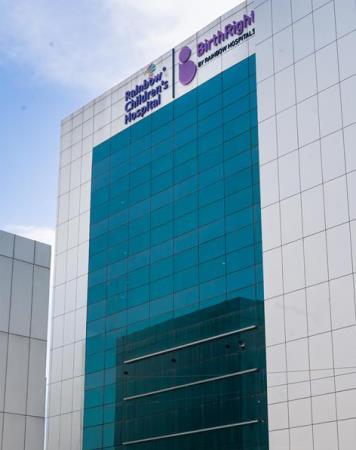
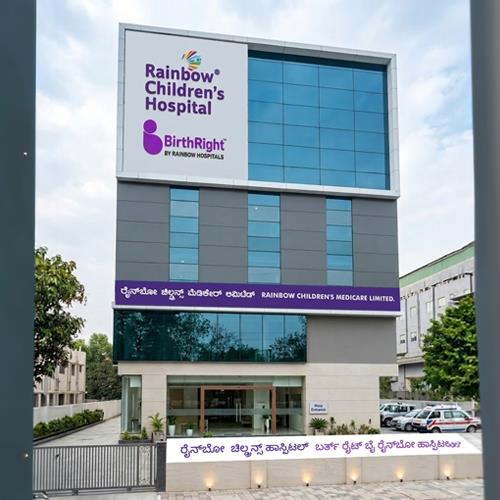
Rainbow Children's Hospital stands as a testament to the hospital's continual pursuit of excellence and innovation, providing specialized care for women and children














chennai
Blogs
Discover our most recent health articles provided by our reliable experts.




What Are People Saying About Us
Embark on a journey of inspiration and hope with our patient success stories, complemented by informative videos from our dedicated doctors.



Media
 Dr. Preethi Reddy Article on Lifestyle Changes to Improve Fertility | BirthRight Fertility by Rainbow
 Dr. Ratna Duravasula Sr. Infertility Specialist
 Surrogacy, a Boon when Normal
 Surrogacy, a Boon when Normal Pregnancy is Medically Inadvisable
 Fertility... Modern Treatments
 A month after covid subsided....
 Can the baby's heartbeat be heard in an ectopic pregnancy?
 Doctors Exploit Loopholes in Bill
 Fertility counseling
 JCI Accreditation
 Menstrual cramps
 So Why are Men Turning into Women?
 Hysteroscopy- Procedure Of Choice For Intrauterine Problems
 Diet and Exercise in Pregnancy- Bust your Myths and Know your Facts
 Recurrent Pregnancy Loss
 Do Laptops, Excessive Heat and Tight Jeans Cause Infertility?
 In Vitro Fertilization
 Menstrual cup – are we really aware of it?
 No More Worries About Menopause
 Stretch marks in pregnancy: Embracing the scars
 Egg Freezing
 Fertility Preservation: Methods and Indications for Securing Reproductive Options
 Tips for planning a pregnancy
 Inferticity
 Here is all what you need to know about IVF, the popularly known fertility treatment
 Delayed marriage among factors for birth rate dip
 Fertility against Odds: IVF hope for women above 40 years of age
 Will Pregnancy Cure Endometriosis?
 Postpartum Depression: Expert Lists Essential Foods Prevent Depression in New Mothers
 Complications of Gestational Diabetes During Pregnancy by Dr. Triveni Arun Akkiraju
 Five Key Sexual Health Facts for Women
 Six Reasons That May Cause IVF Failure
 దంపతుల్లో ఈ మూడు లోపాలుంటే పిల్లలు పుట్టరు
 IVF and Genetic Testion - Essential Insights
 In vitro fertilization (IVF)
 About In Vitro Fertilization
 What is the IVF cost?
 What is the cost of IVF?
 Tick-Tock on Biological clock: Fertility concerns multiply in Telugu States
 Diminished Ovarian Reserve (DOR): Causes, Diagnosis, and Treatment Options by Dr. Shreeja Karan
 25 Years of Anniversary - Rainbow Children's Hospital & BirthRight
 Rising infertility: Addressing Challenges with Laparoscopy & Hysteroscopy
Dr. Preethi Reddy Article on Lifestyle Changes to Improve Fertility | BirthRight Fertility by Rainbow
Dr. Ratna Duravasula Sr. Infertility Specialist
Rising infertility: Addressing Challenges with Laparoscopy & Hysteroscopy
Dr. Preethi Reddy Article on Lifestyle Changes to Improve Fertility | BirthRight Fertility by Rainbow
Dr. Ratna Duravasula Sr. Infertility Specialist
 Surrogacy, a Boon when Normal
FAQs
What happens if no embryos reach the blastocyst stage?
What is the success rate of blastocyst transfer?
What is the difference between blastocyst and cleavage-stage transfer?
How long does blastocyst culture take?
How are blastocysts graded?
Can I do a frozen blastocyst transfer?
How many embryos should be transferred?
Is blastocyst transfer safe for mother and baby?
Quick Links
Free Calculators to Track and Predict your Pregnancy
Fertility Specialist in Other Locations
- Fertility Specialist in india
- Fertility Specialist in Hyderabad
- Fertility Specialist in Bangalore
- Fertility Specialist in Chennai
- Fertility Specialist in Delhi (NCR)
- Fertility Specialist in Vijayawada
- Fertility Specialist in Vishakhapatnam
- Fertility Specialist in Guwahati
- Fertility Specialist in Rajahmundry
- Fertility Specialist in Guntur