



Laparoscopy for Fertility
Laparoscopy for fertility is a keyhole operation in which a thin camera is passed through a small cut near the navel to examine the uterus, fallopian tubes and ovaries. It can find causes of infertility such as endometriosis, adhesions or blocked tubes and, in many cases, treat them in the same sitting.

Seamless support from diagnosis to post treatment care
Overview
If you have been trying to conceive without success, your doctor may suggest laparoscopy to look at your reproductive organs from the inside. Laparoscopy for fertility is a keyhole operation that lets a surgeon both find and, in many cases, treat problems that can affect conception. It is a common part of the fertility workup and, for many couples, an important step towards understanding why pregnancy has not happened.
This page explains what the procedure involves, who it is for, and what to expect during recovery. It also covers the benefits, the factors that affect cost, and how laparoscopy fits alongside treatments such as IVF. The aim is to help you feel prepared and clear about your options.
What is Laparoscopy for Fertility?
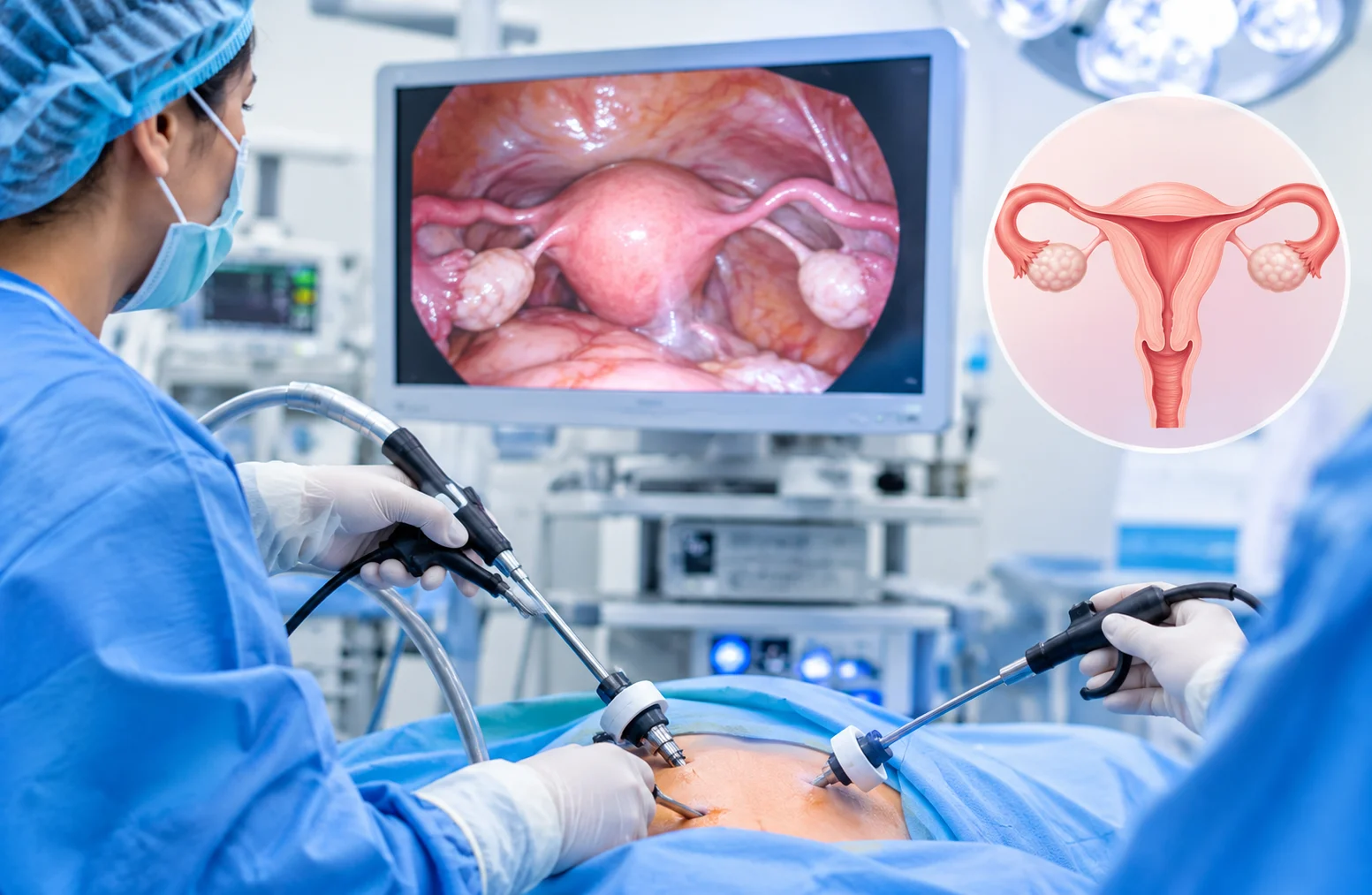
Laparoscopy for fertility is a minimally invasive (keyhole) surgery in which a thin camera (laparoscope) is inserted through a small cut near the navel to examine the uterus, fallopian tubes, and ovaries. It helps doctors identify and, in some cases, treat conditions that may affect fertility.
There are two types of laparoscopy:
- Diagnostic laparoscopy: Helps doctors examine the reproductive organs and identify conditions such as endometriosis, pelvic adhesions (scar tissue), or blocked fallopian tubes.
- Operative laparoscopy: Allows doctors to treat certain problems during the same procedure, such as removing endometriosis tissue, releasing adhesions, or treating ovarian cysts.
If laparoscopy has been recommended, understanding why it may be needed and what doctors look for during the procedure can help you make informed decisions about your fertility treatment.
Who Needs Laparoscopy and When Is It Recommended?
A common worry is whether laparoscopy is really necessary. Many people ask, "Is laparoscopy necessary for infertility?”, and the honest answer is that it depends on your situation. It is not the first step for everyone, and many couples conceive after simpler tests and treatments. Your doctor usually suggests it when other tests point to a pelvic problem, or when the cause of infertility is still unclear. The situations where it is often recommended are below.
- Unexplained infertility: When standard tests are normal, but conception has still not happened, laparoscopy can reveal a hidden cause.
- Suspected endometriosis: Laparoscopy can confirm endometriosis directly and treat it in the same procedure, which scans cannot do.
- Blocked or damaged fallopian tubes: When scans or an HSG test suggest a tubal problem, laparoscopy gives a direct look.
- Ovarian cysts or fibroids: Growths that may be affecting fertility can often be removed through keyhole surgery.
- Pelvic pain or past infection: Ongoing pain or a history of pelvic infection can point to scar tissue worth checking.
- Before starting IVF: In some cases, it is used to improve the pelvic environment before fertility treatment.
The decision to have a laparoscopy procedure for infertility is always made with you, weighing what it is likely to show against the fact that it is an operation. Understanding whether laparoscopy is necessary for your infertility means looking at your own test results and history. Your doctor will explain why they're suggesting it in your case.
Fertility Conditions Laparoscopy Can Diagnose and Treat
One of the benefits of laparoscopy for infertility is how many different problems it can address in a single procedure. Some are found and treated together, while others are diagnosed so that a treatment plan can be made. The main conditions are listed below.
- Endometriosis: Tissue similar to the womb lining growing outside it can be seen and removed or destroyed.
- Pelvic adhesions: Bands of scar tissue that bind organs together can be carefully divided.
- Blocked fallopian tubes: Doctors can assess blockages and, in some cases, open them; a dye test can check whether the tubes are clear.
- Hydrosalpinx: A tube swollen with fluid can be treated, which is often advised before IVF.
- Ovarian cysts: Cysts such as endometriomas can be removed while protecting healthy ovarian tissue.
- Fibroids: Certain fibroids affecting the uterus can be removed through keyhole surgery.
- Ovarian drilling for PCOS: A procedure that can help some women with PCOS ovulate when medicines have not worked.
Treating these problems can improve the chance of natural conception or make fertility treatment more likely to succeed. Not every finding needs treatment, and the surgeon acts on what is likely to help. Your post-surgery report will explain exactly what was found and done.
Preparing for Laparoscopy: Pre-Procedure Testing and Requirements
Good preparation helps the procedure go smoothly and keeps you safe. Your team will guide you through a few checks and instructions beforehand. The usual steps are set out below.
- Blood tests and general checks: Routine tests confirm you are fit for anaesthesia and surgery.
- Scans and prior reports: An ultrasound and any earlier fertility test results help plan the surgery.
- Fasting before surgery: You will be asked not to eat or drink for a set time before the procedure.
- Medicine review: Tell your doctor about all medicines you take, as some may need to be paused.
- Timing in your cycle: Laparoscopy is often planned for a particular part of the menstrual cycle, and your doctor will advise you.
- Arranging support at home: Plan for someone to take you home and help for a day or two afterwards.
Following these instructions closely lowers the small risks that come with any operation. If anything is unclear, ask your team before the day. Being well prepared also helps you feel calmer.
Laparoscopy Procedure: Step by Step
Knowing what happens during the laparoscopy procedure for fertility can take away a lot of the fear of the unknown. The operation is done under general anaesthesia, so you are asleep and feel nothing. The main steps are described below.
- You are given general anaesthesia, so you sleep through the whole procedure.
- A small cut is made near the navel, and gas is used to gently inflate the abdomen so the organs are easier to see.
- The laparoscope is passed through this cut, sending a clear view of your reproductive organs to a screen.
- If treatment is needed, the surgeon makes one or two more tiny cuts to insert fine surgical instruments.
- The surgeon treats what they find, such as endometriosis, scar tissue, or a cyst, and can run a dye test to check the tubes.
- The gas is released, and the small cuts are closed with stitches or surgical glue and covered with small dressings.
The whole procedure usually takes between thirty minutes and a couple of hours, depending on what needs to be done. Most women go home the same day once they have recovered from the anaesthesia. Your surgeon will talk to you afterward about what was found.
Side Effects, Risks and Safety of Laparoscopy for Fertility
Laparoscopy is considered a safe procedure and is far less invasive than open surgery. As with any operation, there are some risks and normal after-effects to be aware of. These are listed below so you know what is expected and what is not.
- Shoulder and tummy discomfort: The gas used during surgery can cause shoulder tip pain and bloating for a day or two.
- Mild pain at the cuts: Some soreness around the small incisions is normal and settles with simple pain relief.
- Tiredness: Feeling drained for a few days after the anaesthesia is common.
- Infection: There is a small risk of infection at a wound or inside the pelvis, which is treatable.
- Bleeding or injury to nearby organs: These are rare, and your surgeon takes careful steps to prevent them.
Contact your fertility specialist if you have a high fever, heavy bleeding, severe pain, or redness spreading from a wound.
Benefits, Success Rates and Cost of Laparoscopy for Fertility
The benefits of laparoscopy depend on what is found and treated, so results vary from woman to woman. Laparoscopy for infertility treatment is judged by what it achieves, not by the operation alone. When a treatable cause such as endometriosis or a blocked tube is dealt with, the chance of conceiving can improve. It is fair to see it as one helpful step rather than a guarantee of pregnancy.
- Accurate diagnosis: A direct look often finds causes that scans and blood tests miss.
- Treatment in the same sitting: Many problems are treated during the same procedure, saving a second operation.
- Keyhole recovery: Small cuts mean less pain, smaller scars, and a quicker return to daily life than open surgery.
- A clearer plan: The findings guide what comes next, whether that is trying naturally or moving to IVF.
The cost of laparoscopy for fertility varies depending on the type of procedure, the complexity of the condition being treated, and the hospital where it is performed. Several factors can influence the overall cost, including:
- Diagnostic or operative: A simple diagnostic look costs less than a longer procedure that treats a condition.
- Complexity of the surgery: Removing extensive endometriosis or adhesions takes more time and skill than a straightforward case.
- Hospital and city: Charges differ between hospitals and between cities.
- Anaesthesia and hospital stay: The type of anaesthesia and whether you stay overnight affect the total.
- Tests and follow-up: Pre-surgery tests and after-care add to the overall cost.
Because these factors vary so much, the best way to understand your cost is to ask your hospital for a personalized estimate. A clear quote lets you plan without surprises. Your fertility team can explain what is included before you decide.
After Laparoscopy: Recovery and Next Steps
Recovery from laparoscopy is usually quicker than many women expect. Most go home the same day and feel much better within a week, though this depends on the procedure. You can often resume light activity within a few days, with a return to normal routines over one to two weeks.
Once you have healed, your doctor will discuss the next steps based on what the surgery found. For some couples, this means trying to conceive naturally for a few months, giving the treatment time to help. For others, the findings point towards fertility treatment such as IUI or IVF. Either way, you move forward with a clearer picture and a plan suited to you.
Why Choose Birthright Fertility by Rainbow Hospital for Laparoscopy?
Birthright Fertility by Rainbow Hospital brings together experienced fertility surgeons and a full fertility team, backed by three decades of expertise in women’s and children’s health. Laparoscopy for fertility works well when the surgery is done skilfully, and the findings feed straight into a clear fertility plan. Our set-up is built for exactly this. From the first assessment to aftercare, your treatment is coordinated by a team focused on helping you conceive.
If your results point towards IVF or other treatment, the move from surgery to the next step happens within the same team. This continuity means nothing is lost between diagnosis and treatment, and people who know your case answer your questions. The focus throughout is careful surgery and a realistic, supportive path forward.

Find a Doctor and Book Appointment Online
Meet our specialist doctors who bring together clinical expertise, compassion, and personalised care to support your health and well-being. Choose from 1,300+ specialists across our network and book an appointment with BirthRight and Rainbow Children Hospitals, offering 24*7 support to you and your family.

Dr. Ratna Durvasula
Consultant Fertility Specialist
English,Telugu Banjara Hills, Financial District

Dr. Sudharani Bairraju
Senior Consultant Obstetrician and Gynaecologist, Laparoscopic surgeon and Infertility (IVF) Specialist
English,Telugu Banjara Hills

Dr. Lakshmi Chirumamilla
Fertility Specialist and Reproductive Endocrinologist
25 Years English,Hindi,Telugu Banjara Hills

Dr. Sai Sirisha Vandana
Consultant - Reproductive Medicine & Fertility Specialist
7 Years English,Hindi,Kannada,Telugu Banjara HillsLeading Hospitals for Fertility Care
Rainbow Children's Hospital stands as a testament to the hospital's continual pursuit of excellence and innovation, providing specialized care for women and children
















chennai
Blogs
Discover our most recent health articles provided by our reliable experts.



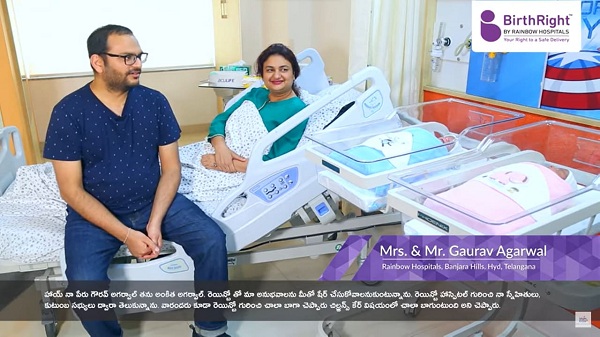
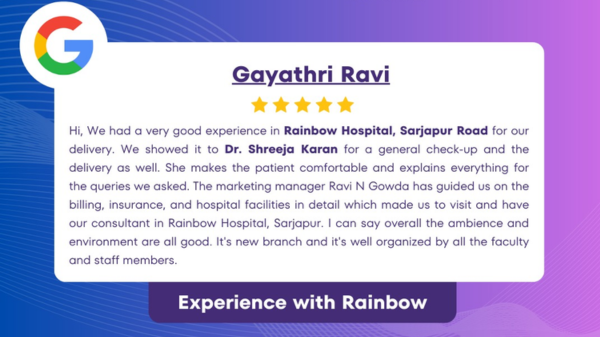
What Are People Saying About Us
Embark on a journey of inspiration and hope with our patient success stories, complemented by informative videos from our dedicated doctors.


Media
 Dr. Preethi Reddy Article on Lifestyle Changes to Improve Fertility | BirthRight Fertility by Rainbow
 Dr. Ratna Duravasula Sr. Infertility Specialist
 Surrogacy, a Boon when Normal
 Surrogacy, a Boon when Normal Pregnancy is Medically Inadvisable
 Fertility... Modern Treatments
 A month after covid subsided....
 Can the baby's heartbeat be heard in an ectopic pregnancy?
 Doctors Exploit Loopholes in Bill
 Fertility counseling
 JCI Accreditation
 Menstrual cramps
 So Why are Men Turning into Women?
 Hysteroscopy- Procedure Of Choice For Intrauterine Problems
 Diet and Exercise in Pregnancy- Bust your Myths and Know your Facts
 Recurrent Pregnancy Loss
 Do Laptops, Excessive Heat and Tight Jeans Cause Infertility?
 In Vitro Fertilization
 Menstrual cup – are we really aware of it?
 No More Worries About Menopause
 Stretch marks in pregnancy: Embracing the scars
 Egg Freezing
 Fertility Preservation: Methods and Indications for Securing Reproductive Options
 Tips for planning a pregnancy
 Inferticity
 Here is all what you need to know about IVF, the popularly known fertility treatment
 Delayed marriage among factors for birth rate dip
 Fertility against Odds: IVF hope for women above 40 years of age
 Will Pregnancy Cure Endometriosis?
 Postpartum Depression: Expert Lists Essential Foods Prevent Depression in New Mothers
 Complications of Gestational Diabetes During Pregnancy by Dr. Triveni Arun Akkiraju
 Five Key Sexual Health Facts for Women
 Six Reasons That May Cause IVF Failure
 దంపతుల్లో ఈ మూడు లోపాలుంటే పిల్లలు పుట్టరు
 IVF and Genetic Testion - Essential Insights
 In vitro fertilization (IVF)
 About In Vitro Fertilization
 What is the IVF cost?
 What is the cost of IVF?
 Tick-Tock on Biological clock: Fertility concerns multiply in Telugu States
 Diminished Ovarian Reserve (DOR): Causes, Diagnosis, and Treatment Options by Dr. Shreeja Karan
 25 Years of Anniversary - Rainbow Children's Hospital & BirthRight
 Rising infertility: Addressing Challenges with Laparoscopy & Hysteroscopy
Dr. Preethi Reddy Article on Lifestyle Changes to Improve Fertility | BirthRight Fertility by Rainbow
Dr. Ratna Duravasula Sr. Infertility Specialist
Surrogacy, a Boon when Normal
FAQs
Does laparoscopy reduce ovarian reserve or egg count?
Is laparoscopy safe if I have had a C-section or previous abdominal surgery?
How painful is recovery after a laparoscopy?
Is laparoscopy a day-care procedure, or do I need to stay in the hospital?
Why is my belly so big after a laparoscopy?
Is laparoscopy a major surgery or a minor procedure?
Does laparoscopic ovarian drilling help PCOS patients get pregnant?
What is the best time in the menstrual cycle to have a laparoscopy?
Does laparoscopy leave visible scars?
Can laparoscopy be repeated if the first one does not help me conceive?
Can I get pregnant after laparoscopy?
Is laparoscopy necessary before IVF?
Quick Links
Free Calculators to Track and Predict your Pregnancy
Fertility Specialist in Other Locations
- Fertility Specialist in Hyderabad
- Fertility Specialist in Bangalore
- Fertility Specialist in Chennai
- Fertility Specialist in Delhi (NCR)
- Fertility Specialist in Vijayawada
- Fertility Specialist in Vizag
- Fertility Specialist in Guwahati
- Fertility Specialist in Rajahmundry
- Fertility Specialist in Guntur