


Intracytoplasmic Sperm Injection Treatment (ICSI)
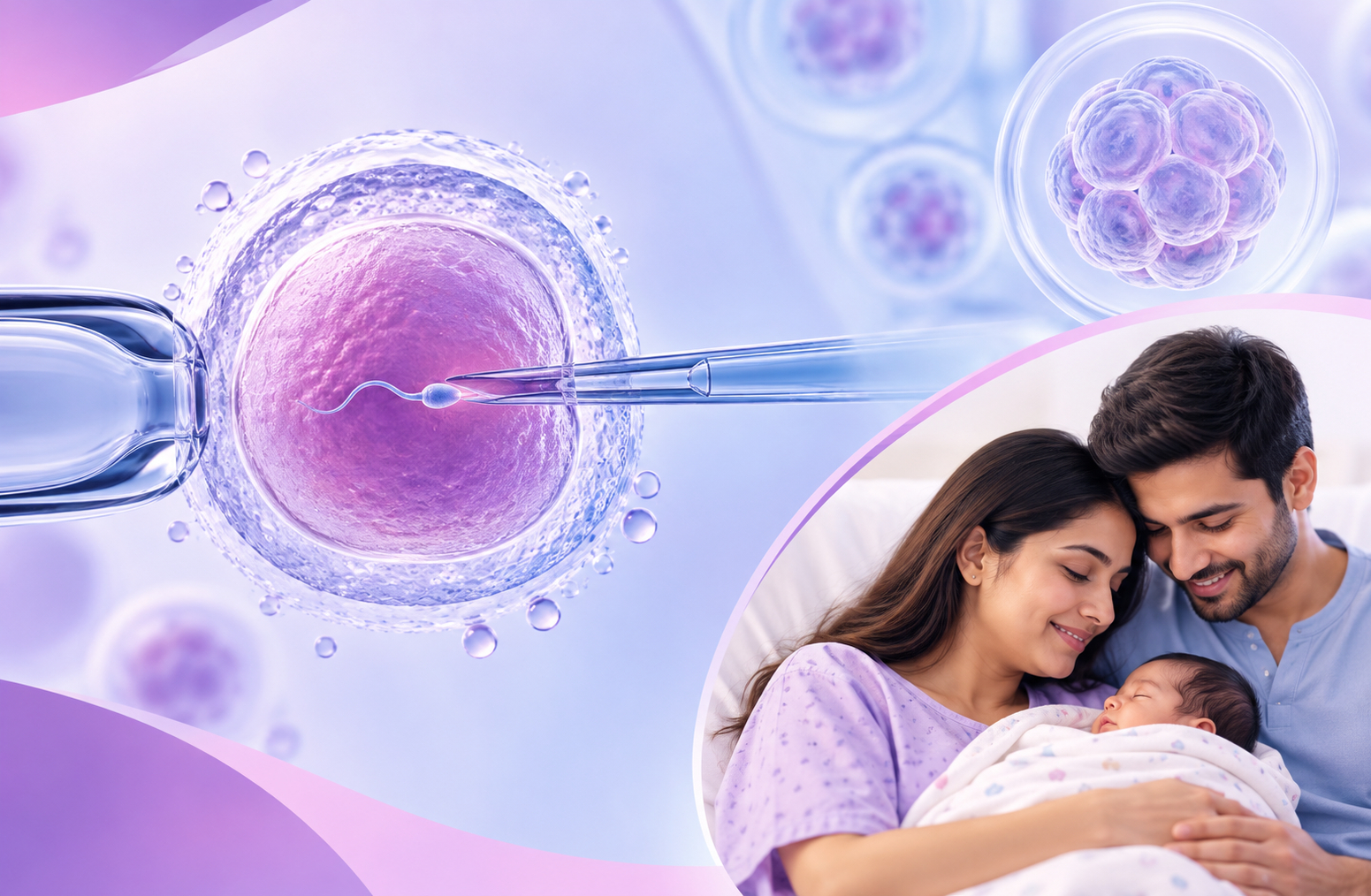
ICSI (Intracytoplasmic Sperm Injection) injects a single healthy sperm directly into a mature egg in the lab to support fertilisation. It helps couples facing low sperm count, poor sperm movement or failed fertilisation in earlier IVF cycles.

Seamless support from diagnosis to post treatment care
Overview
ICSI may be recommended as part of IVF when there are concerns about sperm number, movement, or the ability of sperm to fertilise an egg. Intracytoplasmic sperm injection, or ICSI, is a laboratory technique in which a single selected sperm is injected directly into an egg to support fertilisation.
Understanding why ICSI may be recommended and what happens during the procedure can make the treatment process easier to follow. This page explains how ICSI treatment works, who may be advised to consider it, factors that can influence success rates, possible risks and the costs involved.
What is ICSI (Intracytoplasmic Sperm Injection)?
ICSI is an advanced form of IVF used mainly to treat male infertility. In this intracytoplasmic sperm injection procedure, an embryologist selects a single sperm based on movement and shape and injects it straight into a mature egg using a fine glass needle. This bypasses the natural barriers that can stop sperm from reaching or entering the egg.
The difference from conventional IVF is only in how fertilisation happens:
- Conventional IVF: An egg is placed in a dish with thousands of sperm, and fertilisation happens on its own.
- ICSI IVF: A single sperm is injected directly into the egg, which helps when sperm cannot do this alone.
Every other step of an IVF ICSI treatment, from ovarian stimulation to embryo transfer, is the same as standard IVF. Only the fertilisation step changes.
Who Needs ICSI, and When is it Right for You?
ICSI is recommended when fertilisation is unlikely to happen on its own, or when it has failed before. It is most valuable for couples facing a male-factor barrier. Your fertility specialist may suggest ICSI if:
- The sperm count, movement, or shape is significantly affected
- A previous IVF cycle had poor or failed fertilisation
- Sperm has been retrieved surgically or is being used from a frozen sample
- Only a small number of eggs are available, so each one matters
- You are using frozen or donor eggs, where ICSI improves fertilisation
For couples without a male-factor issue, ICSI does not add much over conventional IVF. Deciding whether ICSI fertility treatment suits you is a conversation with your specialist, based on your sperm and egg results.
Fertility Problems That ICSI Can Help With
ICSI fertilisation solves problems that block sperm and egg from joining. These conditions fall into two groups: male-factor problems and egg- or cycle-related situations.
Male-factor conditions:
- Low sperm count (oligospermia), where too few sperm are available for standard IVF
- Poor sperm movement (asthenospermia), where sperm cannot reach the egg
- Abnormal sperm shape (teratospermia), which affects fertilisation
- No sperm in the ejaculate (azoospermia), where sperm is retrieved surgically
Egg and cycle-related situations:
- A previous IVF cycle with poor or zero fertilisation
- Use of frozen eggs, frozen sperm or donor gametes
- Unexplained infertility after a full evaluation
In each situation, ICSI removes the fertilisation hurdle so an embryo can form. Your specialist confirms whether your case fits one of these groups.
Advanced ICSI Techniques: IMSI and Surgical Sperm Retrieval
Some couples need a step beyond standard ICSI, and two refinements help in specific situations. Your specialist recommends them only when they add real value.
- IMSI: The sperm is examined under much higher magnification before injection, so the embryologist can choose one with the best structure. It can help in severe male-factor cases or after repeated ICSI cycles that did not work.
- Surgical sperm retrieval (TESA and TESE): When there is no sperm in the ejaculate, sperm can often be collected directly from the testis through a minor procedure, then used for ICSI. Many men with azoospermia become biological fathers this way.
These techniques widen who ICSI can help, including men once told fatherhood was out of reach. Your fertility team explains whether either applies to you.
Preparing for ICSI: Tests Before Treatment
Preparation for ICSI mirrors an IVF cycle, with a focus on sperm as well as eggs. The pre-treatment ICSI test workup usually includes:
- Semen analysis: Checks sperm count, movement and shape, and whether surgical retrieval may be needed.
- Hormone and ovarian reserve tests: Assess egg reserve and plan the stimulation for the female partner.
- Pelvic ultrasound: Checks the uterus and ovaries before the cycle.
- Infection screening: Routine tests for both partners, as required by ART Act norms.
These results shape the stimulation medicines and confirm ICSI is the right route. Your team reviews them with you before the cycle begins.
ICSI Treatment Process: Step by Step
The ICSI procedure follows the same path as IVF, with the injection step added in the lab. Here is what happens in each of ICSI.
Step 1: Ovarian stimulation
The female partner takes hormone injections for about 10 to 12 days to grow several eggs. Scans and blood tests track progress and keep the cycle safe.
Step 2: Egg retrieval and sperm collection
The eggs are collected in a short procedure under sedation. On the same day, a sperm sample is provided, or sperm is retrieved surgically where needed.
Step 3: The ICSI injection
In the lab, the embryologist selects one healthy sperm and injects it into each mature egg with a fine needle. This is the step that defines ICSI.
Step 4: Embryo culture
The fertilised eggs grow into embryos over three to five days, watched closely by the embryology team. The healthiest are chosen for transfer.
Step 5: Embryo transfer
One healthy embryo is placed into the uterus through a soft catheter. The transfer is quick and painless, and any good-quality embryos left over can be frozen.
Side Effects, Risks and Safety
ICSI is safe and widely used, and it helps to separate what affects the mother from the small risks of the procedure itself. The injection happens in the lab, so it adds little for the female partner beyond a standard IVF cycle.
ICSI side effects on mother:
- Mild bloating, cramping or mood changes from the stimulation medicines
- Minor discomfort after egg retrieval, settling within a day or two
- A small chance of an over-response to stimulation, kept low by monitoring
Risks linked to the procedure:
- Some eggs may not survive the injection or may fail to fertilise
- A slightly higher chance of twins if more than one embryo is transferred
On birth defects, large studies show the overall risk stays close to natural conception, and much of any small increase relates to the underlying infertility rather than ICSI itself. Your specialist will discuss this openly. This information is educational and does not replace medical advice.
ICSI Success Rate and Cost
ICSI treatment success rates depend mainly on the age of the female partner, along with egg and sperm quality. As a guide, roughly 70 to 85 out of every 100 injected eggs fertilise, and the chance of an ICSI pregnancy per cycle is around 40 percent or more for women under 35, falling with age.
These outcomes are similar to conventional IVF, and often better when male-factor infertility is the problem. In India, an ICSI cycle usually costs between ₹1.2 and ₹2.5 lakh, since ICSI is an add-on step within IVF rather than a separate treatment. Add-ons such as IMSI or surgical sperm retrieval carry extra cost. Confirm current pricing with the hospital.
After ICSI: Pregnancy Testing and Next Steps
After the embryo transfer comes the two-week wait, which many couples find the hardest part. There are no reliable early signs of success in this time, so try to be gentle with yourself and keep to your usual routine.
Take a blood pregnancy test, called a beta-hCG test, about two weeks after the transfer, rather than an early home test that can mislead. If it is positive, your team guides you into early pregnancy care. If this cycle does not work, your specialist will review it with you and discuss frozen embryos or a revised plan for the next attempt.
What Questions Should You Ask Your Fertility Specialist?
The right questions depend on where you are in the process. Prepare them before your visit. The prompts below are grouped by stage.
If you are deciding on ICSI:
- Do my sperm and egg results mean ICSI over conventional IVF?
- Would IMSI or surgical sperm retrieval help in my case?
If you are planning the cycle:
- What is my likely success rate, given my age and diagnosis?
- What will the full cost be, including any add-ons?
If you are thinking about safety:
- What are the risks for me and for the baby?
- How many cycles might we need, and what happens if one fails?
Ask your specialist to explain any term you do not understand. Clear answers help you decide with confidence.
Why Choose BirthRight Fertility by Rainbow Hospitals for ICSI?
ICSI is only as good as the embryology lab and the andrology team behind it, since the whole procedure rests on selecting and injecting a single sperm into the egg. BirthRight Fertility by Rainbow Hospitals brings both together. For ICSI specifically, our care includes:
- Advanced embryology lab: Precise ICSI under controlled conditions, with time-lapse embryo monitoring.
- Andrology expertise: Full evaluation of male infertility, including surgical sperm retrieval where needed.
- Advanced options: IMSI, PGT and vitrification available when they add value.
- Personalised protocols: Cycles designed around your age, diagnosis and history.
- Honest counselling: Realistic success rates and clear costs, with no false promises.
BirthRight Fertility by Rainbow Hospitals brings three decades of expertise in fertility, with more than 100,000 parenthood journeys supported across 15 Level II fertility centres in India, including India’s first JCI-accredited fertility centre at Kondapur, Hyderabad, and NABH-accredited care across the network.
You can consult the fertility specialists at BirthRight Fertility by Rainbow Hospitals to find out whether ICSI is right for you.
Disclaimer
This information is for educational purposes only and is not a substitute for professional medical advice. To understand whether ICSI is right for you, please consult a qualified fertility specialist.

Find a Doctor
Expertise you can trust, Meet our esteemed doctors who bring exceptional knowledge, compassion, and innovation to provide top-notch care for your health and well-being.

Dr. Ratna Durvasula
Consultant Fertility Specialist
English,Telugu Kondapur OP, Banjara Hills, Financial District, Kondapur IP

Dr. Sudharani Bairraju
Senior Consultant Obstetrician and Gynaecologist, Laparoscopic surgeon and Infertility (IVF) Specialist
English,Telugu Banjara Hills

Dr. Lakshmi Chirumamilla
Fertility Specialist and Reproductive Endocrinologist
25 Years English,Hindi,Telugu Banjara HillsLeading Hospitals for Fertility Care
Rainbow Children's Hospital stands as a testament to the hospital's continual pursuit of excellence and innovation, providing specialized care for women and children












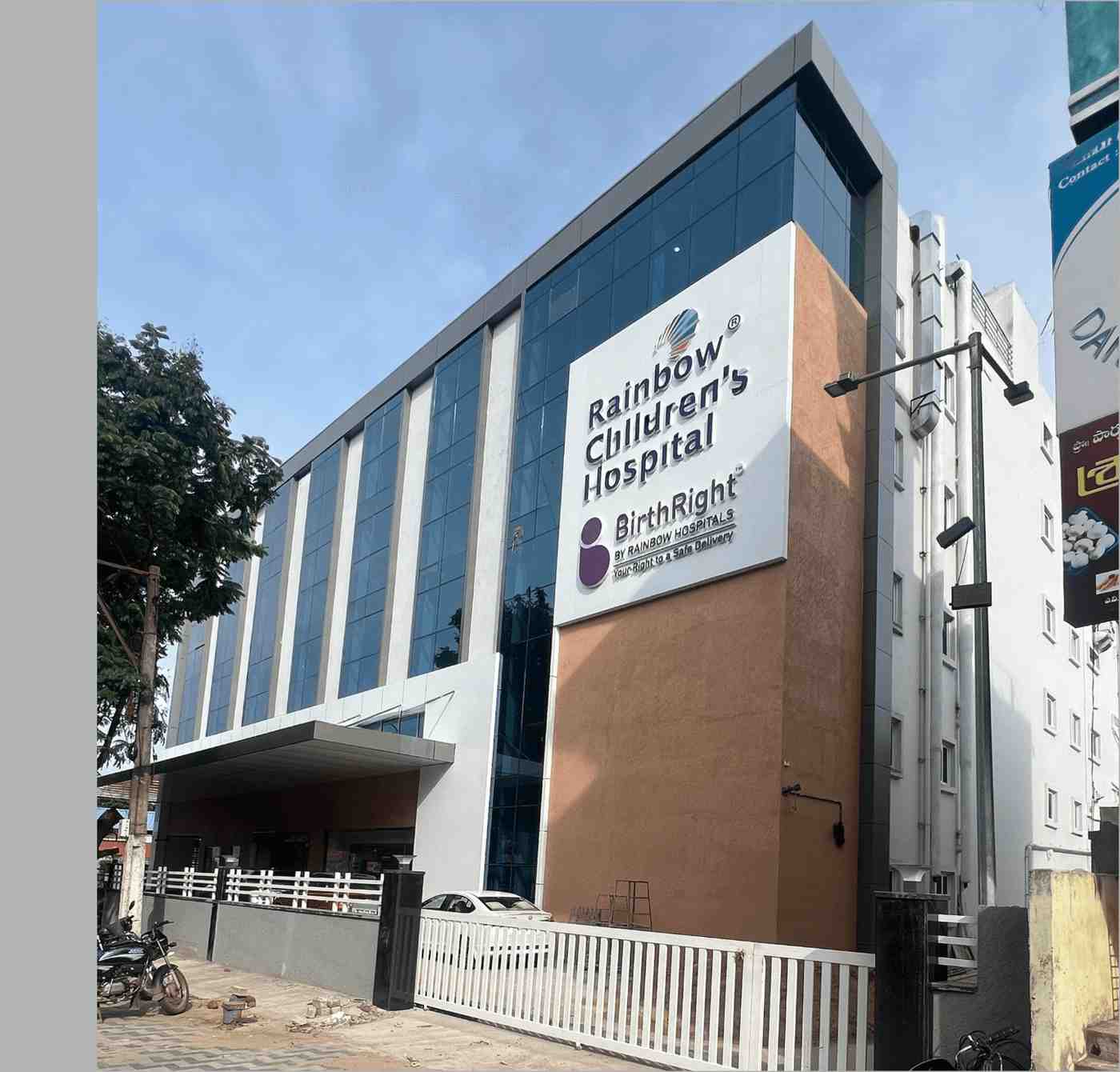



chennai
Blogs
Discover our most recent health articles provided by our reliable experts.




What Are People Saying About Us
Embark on a journey of inspiration and hope with our patient success stories, complemented by informative videos from our dedicated doctors.



Media
 Dr. Preethi Reddy Article on Lifestyle Changes to Improve Fertility | BirthRight Fertility by Rainbow
 Dr. Ratna Duravasula Sr. Infertility Specialist
 Surrogacy, a Boon when Normal
 Surrogacy, a Boon when Normal Pregnancy is Medically Inadvisable
 Fertility... Modern Treatments
 A month after covid subsided....
 Can the baby's heartbeat be heard in an ectopic pregnancy?
 Doctors Exploit Loopholes in Bill
 Fertility counseling
 JCI Accreditation
 Menstrual cramps
 So Why are Men Turning into Women?
 Hysteroscopy- Procedure Of Choice For Intrauterine Problems
 Diet and Exercise in Pregnancy- Bust your Myths and Know your Facts
 Recurrent Pregnancy Loss
 Do Laptops, Excessive Heat and Tight Jeans Cause Infertility?
 In Vitro Fertilization
 Menstrual cup – are we really aware of it?
 No More Worries About Menopause
 Stretch marks in pregnancy: Embracing the scars
 Egg Freezing
 Fertility Preservation: Methods and Indications for Securing Reproductive Options
 Tips for planning a pregnancy
 Inferticity
 Here is all what you need to know about IVF, the popularly known fertility treatment
 Delayed marriage among factors for birth rate dip
 Fertility against Odds: IVF hope for women above 40 years of age
 Will Pregnancy Cure Endometriosis?
 Postpartum Depression: Expert Lists Essential Foods Prevent Depression in New Mothers
 Complications of Gestational Diabetes During Pregnancy by Dr. Triveni Arun Akkiraju
 Five Key Sexual Health Facts for Women
 Six Reasons That May Cause IVF Failure
 దంపతుల్లో ఈ మూడు లోపాలుంటే పిల్లలు పుట్టరు
 IVF and Genetic Testion - Essential Insights
 In vitro fertilization (IVF)
 About In Vitro Fertilization
 What is the IVF cost?
 What is the cost of IVF?
 Tick-Tock on Biological clock: Fertility concerns multiply in Telugu States
 Diminished Ovarian Reserve (DOR): Causes, Diagnosis, and Treatment Options by Dr. Shreeja Karan
 25 Years of Anniversary - Rainbow Children's Hospital & BirthRight
 Rising infertility: Addressing Challenges with Laparoscopy & Hysteroscopy
Dr. Preethi Reddy Article on Lifestyle Changes to Improve Fertility | BirthRight Fertility by Rainbow
Dr. Ratna Duravasula Sr. Infertility Specialist
Rising infertility: Addressing Challenges with Laparoscopy & Hysteroscopy
Dr. Preethi Reddy Article on Lifestyle Changes to Improve Fertility | BirthRight Fertility by Rainbow
Dr. Ratna Duravasula Sr. Infertility Specialist
 Surrogacy, a Boon when Normal