


Categories
What Is Brain Fog? Symptoms and How to Get Rid of It
Aug 07, 2026
Key Takeaways
- Brain fog can affect concentration, memory, decision-making and mental clarity.
- Common triggers include poor sleep, stress, illness, nutritional deficiencies and certain medicines.
- Anxiety and depression can worsen attention and memory problems.
- Rest, hydration, balanced meals and manageable routines may help mild symptoms.
- Persistent, worsening or sudden cognitive changes need medical assessment.
- Children and teenagers can also experience brain fog, particularly during illness, stress or sleep disruption.
Early Signs and Symptoms of Brain Fog
Brain fog can feel different from one person to another. Symptoms may be mild and temporary or may interfere with school, work and daily responsibilities.Common signs include:
- Difficulty concentrating on a task or conversation
- Forgetting recent information, appointments or familiar words
- Slower thinking or decision-making
- Trouble following instructions
- Difficulty planning, organising or multitasking
- Feeling mentally tired despite adequate rest
- Losing track of what you were doing
- Reduced short-term memory
- Feeling confused, detached or less alert than usual
Common Causes of Brain Fog
Brain fog can develop for several reasons. In some cases, more than one factor may be involved.Common causes include:
- Poor sleep: Inadequate or interrupted sleep can reduce attention, memory and processing speed.
- Stress and exhaustion: Ongoing mental pressure can make it difficult to focus or retain information.
- Anxiety or depression: Both can affect concentration, motivation, sleep and memory.
- Hormonal changes: Pregnancy, the postnatal period, menopause and thyroid problems may affect mental clarity.
- Nutritional deficiencies: Low iron, vitamin B12 or vitamin D levels may contribute to fatigue and cognitive symptoms.
- Dehydration or irregular meals: Inadequate fluids and unstable eating patterns may reduce energy and concentration.
- Medicines: Some antihistamines, sedatives and other medicines can cause drowsiness or slowed thinking.
- Post-viral illness: Brain fog may occur during recovery from infections, including COVID-19. Long COVID can involve difficulties with memory and concentration that continue for months or longer.
Brain Fog and Mental Health: What Is the Connection?
Stress, anxiety and depression can affect how the brain processes and recalls information. A person who is constantly worried may find it difficult to focus because attention is directed towards anxious thoughts. Poor sleep, low motivation and emotional exhaustion may further reduce mental clarity.Brain fog can also increase frustration and worry, creating a cycle in which cognitive symptoms and emotional distress reinforce each other. Children and teenagers may show this through falling school performance, irritability, withdrawal, disturbed sleep or difficulty concentrating. Anxiety in young people can affect thoughts, behaviour, sleep and concentration.
Support may involve a physician, pediatrician, neurologist, psychiatrist, psychologist, counsellor, dietitian or sleep specialist, depending on the symptoms and suspected cause.
How to Reduce Brain Fog
There is no single treatment because brain fog has many possible causes. Mild symptoms may improve with practical changes such as:- Following a regular sleep schedule
- Drinking enough water throughout the day
- Eating balanced meals at consistent times
- Taking short breaks during demanding tasks
- Focusing on one task at a time
- Using reminders, calendars and written lists
- Reducing alcohol and excessive caffeine
- Including regular, manageable physical activity
- Practising stress-management techniques
- Reviewing medicines with a doctor rather than stopping them independently
When to See a Neurologist for Brain Fog
Begin with a general physician or pediatrician if brain fog continues for several weeks, affects everyday activities or occurs with other symptoms. Consulting a pediatrician is especially important when a child develops persistent concentration problems, unusual tiredness, headaches, behavioural changes or declining school performance.A neurologist may be recommended when symptoms are severe, progressive or accompanied by:
- New weakness or numbness
- Difficulty speaking or understanding speech
- Loss of balance
- Seizures
- Severe or unusual headaches
- Fainting or altered awareness
- Marked confusion
- Significant memory decline
Conclusion
Brain fog is a description of cognitive symptoms, not a diagnosis. It may improve once sleep, stress, nutrition, illness or another underlying cause is addressed. However, persistent symptoms should be assessed rather than managed through lifestyle changes alone.Rainbow Children’s Hospitals provides multidisciplinary care for children and teenagers experiencing concentration, memory or neurological concerns. Early evaluation can help identify the cause and guide appropriate support.
Medical Disclaimer
This content is intended for general educational purposes only and does not replace professional medical advice, diagnosis or treatment. Seek urgent medical care for sudden confusion, weakness, speech changes, seizures, severe headache or loss of consciousness. Consult a qualified healthcare professional for persistent or worsening symptoms.Frequently asked questions
Is brain fog a sign of a serious underlying condition?
Can brain fog go away on its own without treatment?
Is brain fog different from early signs of dementia?
Can children and teenagers experience brain fog?
How long does brain fog typically last after COVID-19 recovery?
Related BlogView More

Normal Ovary Size in Women: Measurements, Changes and What They Mean
For a woman in her early 30s, opening an ultrasound report and noticing that the right and left ovaries are different sizes can naturally raise questions. If the same report also mentions a 3 cm ovarian cyst, she may start comparing the measur

Fertility Supplements: A Complete Guide to Boosting Reproductive Health
Trying to conceive is often an emotional journey filled with hope, anticipation, and sometimes unexpected challenges. Many couples begin with lifestyle changes and healthy eating, while others require medical treatments such as ovulation induction, IUI, or IVF. Alongside
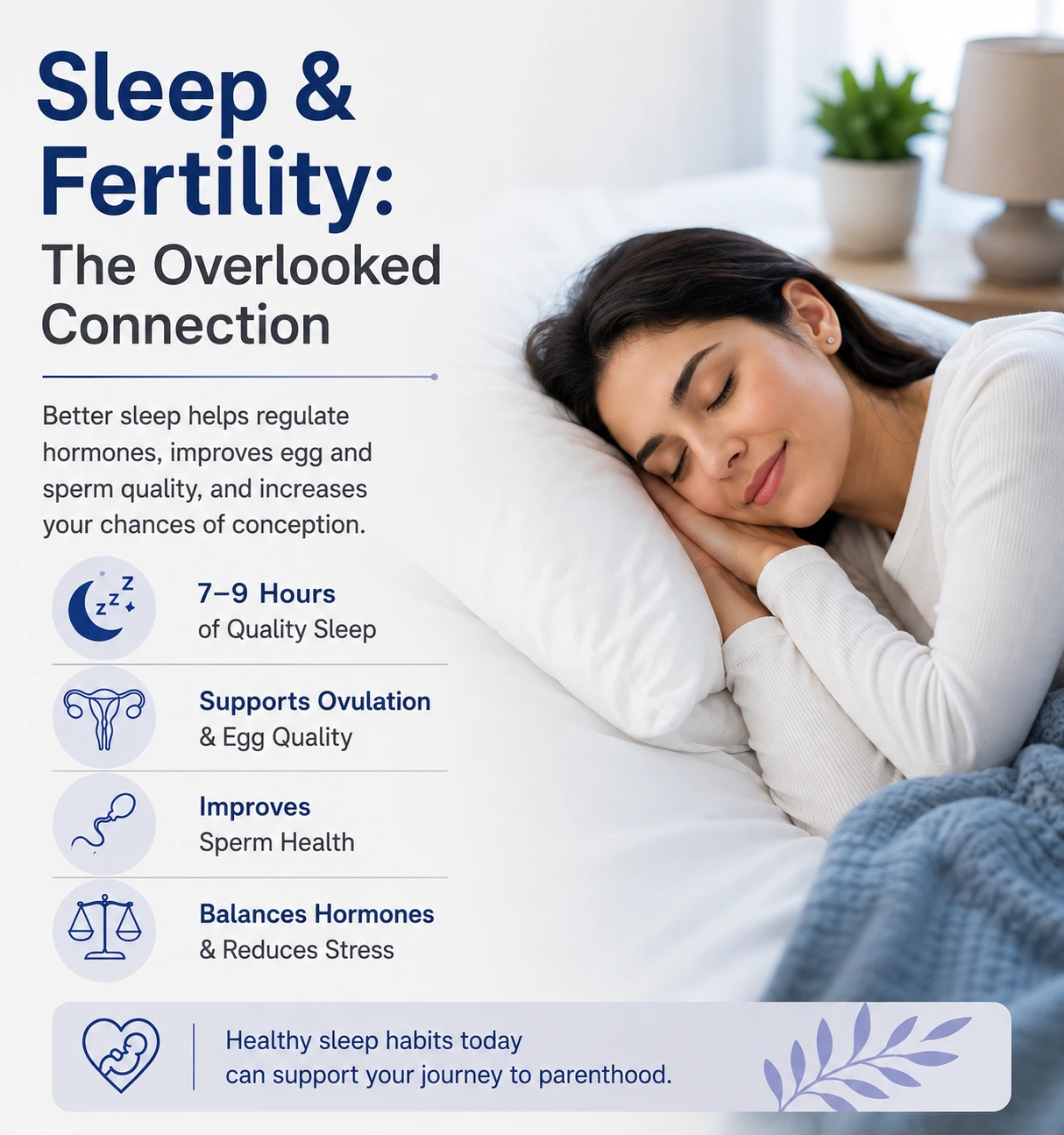
Can Poor Sleep Affect Fertility? Sleep, Hormones & Conception Explained
Sleep is a fundamental pillar of good health. It gives the body and mind time to repair, restore energy, regulate hormones, and maintain the normal functioning of cells, tissues, and organs, supporting overall physical and mental well-being. Sleep also plays a vital role i

Beta hCG Test Explained: Normal Levels, Pregnancy Results and What They Mean
For most women, the beta hCG test is the first reliable confirmation of pregnancy. It measures the pregnancy hormone (human chorionic gonadotropin) in the blood and is far more sensitive than a home urine test. Understanding what the test measures, what the b