



Categories
Beta hCG Test Explained: Normal Levels, Pregnancy Results and What They Mean
Jul 28, 2026
What is a Beta hCG Test?
The beta-hCG test is a blood test that measures the concentration of human chorionic gonadotropin in your bloodstream. This hormone is produced by cells that will eventually form the placenta, and its level rises rapidly in early pregnancy. There are two forms of the test: qualitative (yes-or-no pregnancy detection) and quantitative (an exact number). In fertility settings and early pregnancy monitoring, the quantitative version is preferred because it allows doctors to track how the pregnancy is progressing.How the Test is Done
The test involves a simple blood draw from a vein in the arm. There is no need to fast beforehand, and you can go about your normal day immediately afterwards. Results are usually available within a few hours to one working day. Most laboratories in India can process the test the same day. There are no special risks associated with the test beyond the mild discomfort of a blood draw.Beta hCG Test Normal Range in Pregnancy
The normal range for the test varies significantly with the stage of pregnancy. Approximate values include:- 3 weeks after last menstrual period: 5 to 50 mIU/mL
- 4 weeks: 10 to 425 mIU/mL
- 5 weeks: 18 to 7,340 mIU/mL
- 6 weeks: 1,080 to 56,500 mIU/mL
- 7 to 8 weeks: 7,650 to 229,000 mIU/mL
- 9 to 12 weeks: 25,700 to 288,000 mIU/mL
What Your Beta hCG Results Mean
A single beta hCG result gives limited information on its own. A doctor usually combines the reading with the stage of pregnancy, any symptoms, and if needed, a repeat test 48 to 72 hours later. Key interpretations:- Under 5 mIU/mL: Considered negative for pregnancy.
- 5 to 25 mIU/mL: Borderline. A repeat test in 2 to 3 days confirms the direction.
- Above 25 mIU/mL: Positive for pregnancy.
- Doubling every 48 to 72 hours: Suggests a healthy, progressing pregnancy.
When Levels Are Higher or Lower Than Expected
Higher-than-expected beta hCG can suggest a multiple pregnancy (twins or triplets), a molar pregnancy, or simply a more advanced stage of pregnancy than expected. Lower-than-expected levels, or slow rise, may point to a possible ectopic pregnancy, threatened miscarriage, or dating error. These situations require follow-up with your doctor and often an ultrasound scan for clarity.Beta hCG After IUI or IVF
For couples undergoing fertility treatment, the beta hCG test is a defining moment. After IUI, it is done 12 to 14 days later. After IVF embryo transfer, it is scheduled 9 to 14 days later depending on whether a day 3 or day 5 embryo was transferred. If the result is positive, a follow-up test 48 hours later checks whether levels are rising appropriately, and an early pregnancy ultrasound is usually planned around 6 to 7 weeks.Conclusion
The beta hCG test remains the most accurate way to confirm pregnancy in its earliest days. Whether you are confirming a natural pregnancy or monitoring an IVF cycle, the test provides reliable information that guides your next steps. For fast, accurate testing and expert interpretation, BirthRight Fertility by Rainbow Hospitals offers accredited beta hCG testing alongside fertility specialist consultation for early pregnancy monitoring.Medical Disclaimer
This content is for general informational purposes only and is not a substitute for professional medical advice, diagnosis, or treatment. Always consult a qualified healthcare professional regarding your specific health concerns.Frequently asked questions
How soon can a beta hCG test detect pregnancy?
Do I need to fast before a beta hCG test?
What is a normal beta hCG level to confirm pregnancy?
Why is my beta hCG doubling important?
What causes very high beta hCG?
Related BlogView More
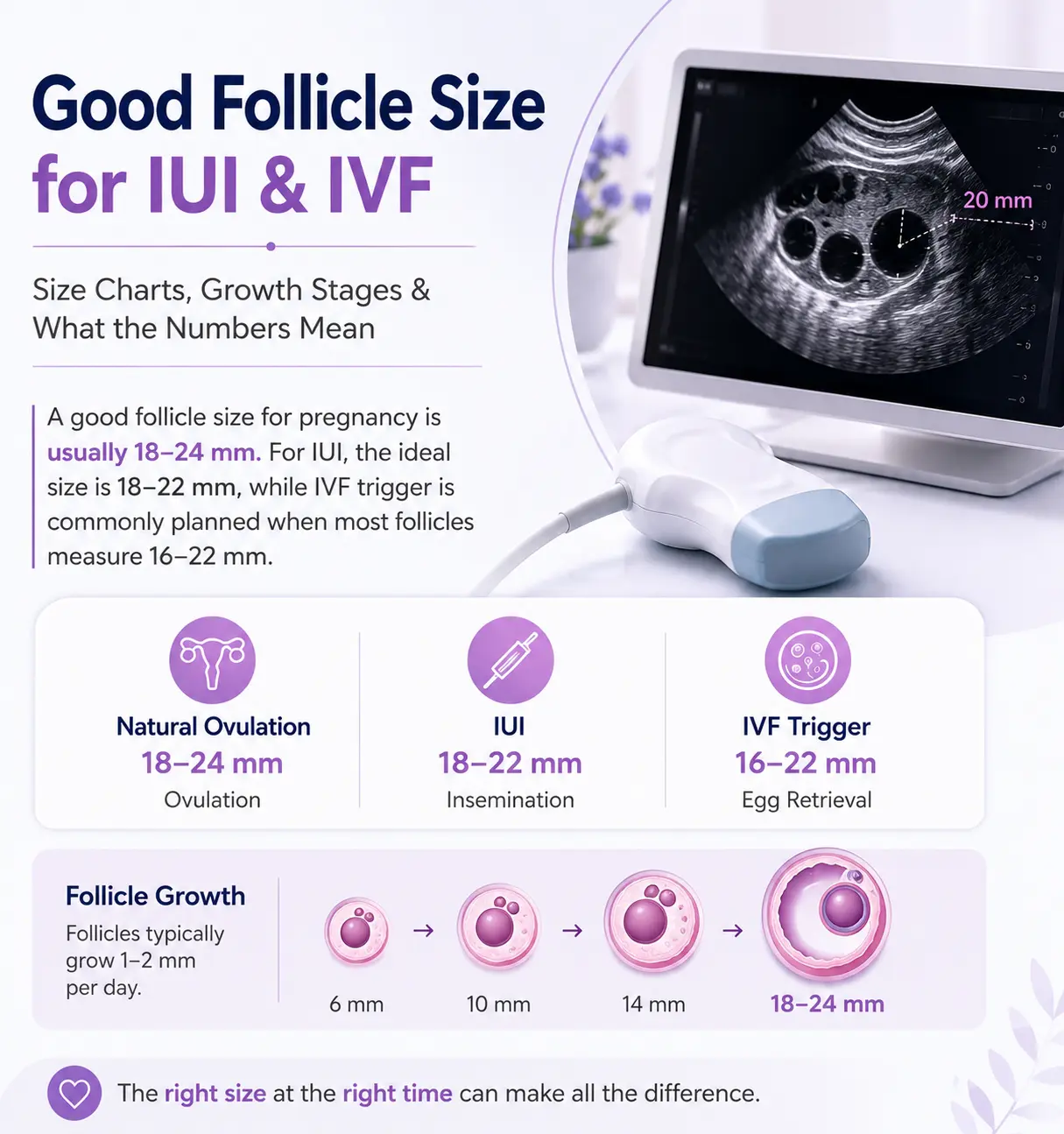
Good Follicle Size for IUI & IVF: Size Charts, Growth Stages & What the Numbers Mean
If you're trying to conceive naturally or undergoing IUI or IVF, you've likely wondered whether your follicle size is ideal. Follicle size isn't just a number on an ultrasound or on your report—it is one of the most trusted indicators fertility specialists use to asses

Fertility Supplements: A Complete Guide to Boosting Reproductive Health
Trying to conceive is often an emotional journey filled with hope, anticipation, and sometimes unexpected challenges. Many couples begin with lifestyle changes and healthy eating, while others require medical treatments such as ovulation induction, IUI, or IVF. Alongside

What Is Brain Fog? Symptoms and How to Get Rid of It
Brain fog describes a group of thinking and memory difficulties rather than a specific medical condition. You may find it harder to concentrate, remember information, organise tasks or find the right words. It can occur after poor sleep, stress, illness or changes in phy
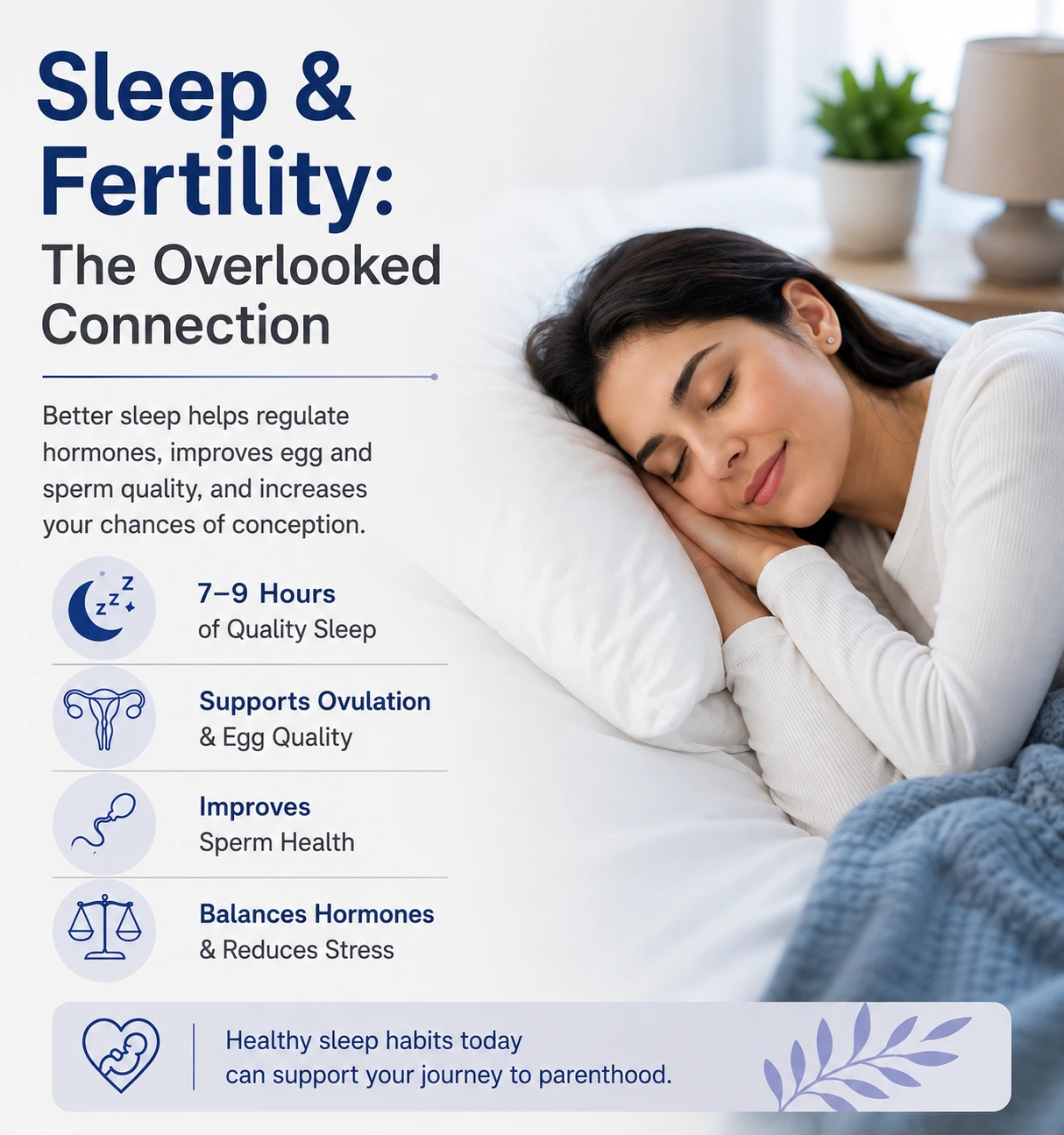
Can Poor Sleep Affect Fertility? Sleep, Hormones & Conception Explained
Sleep is a fundamental pillar of good health. It gives the body and mind time to repair, restore energy, regulate hormones, and maintain the normal functioning of cells, tissues, and organs, supporting overall physical and mental well-being. Sleep also plays a vital role i