



Categories
Types of High Risk Pregnancy: A Clinical Guide to Maternal and Fetal Risks
May 12, 2026
Pregnancies Complicated by Pre-existing Maternal Conditions
Women who enter pregnancy with existing medical conditions form one of the largest groups within high-risk pregnancy types. The main conditions involved include:- Diabetes Mellitus: Pre-existing type 1 or type 2 diabetes increases the risk of congenital abnormalities, macrosomia (large baby), stillbirth, and delivery complications. Blood glucose must be optimised before conception and closely monitored throughout.
- Hypertension (Chronic): Pre-pregnancy high blood pressure increases the risk of superimposed preeclampsia, placental abruption, and fetal growth restriction. Blood pressure medications are reviewed and adjusted to those safe in pregnancy.
- Autoimmune Conditions: Conditions such as lupus, antiphospholipid syndrome, and rheumatoid arthritis can affect placental function and increase the risk of pregnancy loss, preterm birth, and fetal growth restriction.
- Thyroid Disorders: Both hypothyroidism and hyperthyroidism in pregnancy require careful management, as thyroid hormone is critical for fetal brain development in the first trimester.
- Heart Disease: Structural or acquired heart conditions in the mother require a multidisciplinary team approach, particularly during the third trimester and around the time of delivery when cardiovascular demands are highest.
Pregnancy-Onset Conditions
Some conditions develop during the pregnancy itself and elevate risk:- Gestational diabetes: Occurs when pregnancy hormones impair insulin sensitivity. If poorly managed, it increases the risk of large-for-gestational-age babies, birth complications, and later development of type 2 diabetes in the mother.
- Preeclampsia: A condition characterised by high blood pressure and protein in the urine, usually after 20 weeks. It can progress rapidly to serious complications, including seizures (eclampsia), liver and kidney dysfunction, and preterm delivery.
- Intrahepatic cholestasis of pregnancy: A liver condition causing intense itching, particularly on the hands and feet, which increases the risk of fetal distress and preterm birth.
Fetal and Placental Conditions
Some types of high-risk pregnancy involve the foetus or placenta rather than the mother directly:- Fetal Growth Restriction (Fgr): When the baby is not growing at the expected rate, usually due to placental insufficiency. Regular Doppler monitoring is essential to guide delivery timing decisions.
- Placenta Praevia: The placenta partially or completely covers the cervix, making vaginal delivery unsafe. A cesarean section is required, and bleeding risk must be carefully managed.
- Placental Abruption: Premature separation of the placenta from the uterine wall, which can cause severe bleeding and fetal distress. Immediate management is required.
- Fetal Chromosomal Or Structural Abnormalities: Pregnancies where prenatal testing has identified abnormalities in the baby require coordinated care from maternal-fetal medicine specialists, neonatologists, and paediatric surgeons.
Multiple Pregnancies
Twin, triplet, and higher-order multiple pregnancies represent another important category. They carry significantly higher rates of preterm birth, low birth weight, twin-to-twin transfusion syndrome in identical twins, and delivery complications. All multiple pregnancies are classified as high risk and require more frequent monitoring appointments.Age-Related High Risk Pregnancies
Women under 17 and over 35 face higher statistical risks, though many have entirely uncomplicated pregnancies. Women over 35 have higher rates of chromosomal abnormalities, gestational diabetes, hypertension, and caesarean delivery. Advanced maternal age also increases the likelihood of placenta praevia and postpartum haemorrhage.Conclusion
Understanding the differenttypes of high-risk pregnancyhelps expectant mothers engage more meaningfully with their care team and feel more prepared for the additional monitoring and interventions that may be involved. The goal of specialist involvement is not to increase anxiety but to maximise the safety of both mother and baby. BirthRight by Rainbow Hospitals' dedicated high-risk obstetrics team provides personalised, evidence-based care for every category of complex pregnancy, ensuring no risk goes unmonitored.Disclaimer
This content is for general educational purposes only and does not substitute professional medical advice. Please consult a qualified obstetrician or maternal-fetal medicine specialist for personalised guidance.Related BlogView More
Pregnancy with Pre-Existing Heart Disease: What Every Expectant Mother Needs to Know
Bringing a new life into the world is an extraordinary journey, but for women diagnosed with a heart condition, it often comes with a heavy dose of fear. For decades, women with cardiac conditions were routinely discouraged from considering pregnancy. Families were frequently
Breast Leaking During Pregnancy: Colostrum & When to Seek Help
Noticing a few drops of fluid from your breasts during pregnancy can be unexpected, especially if it happens before you have started thinking about breastfeeding. In many cases, this is simply colostrum, the nutrient-rich first milk your breasts begin preparing before your bab
10 Safe Tips & Best Foods to Increase Breast Milk Supply Naturally
Wondering whether your baby is getting enough breast milk is common, especially in the first few weeks after birth when feeding patterns are still settling. Milk supply can naturally vary, and in many cases, small changes in feeding technique, frequency, rest, hydration and nutri
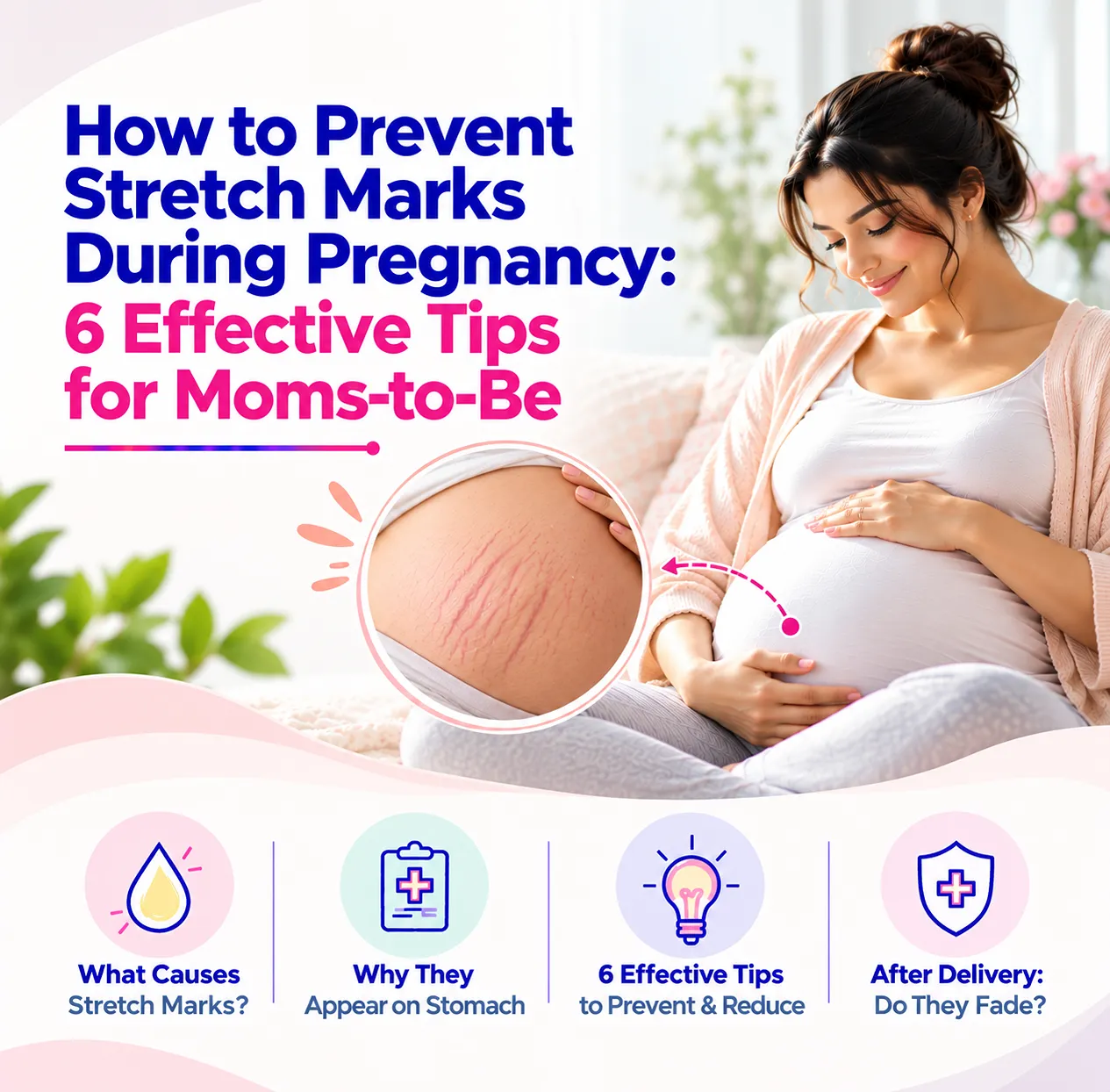
How to Prevent Stretch Marks During Pregnancy: 6 Effective Tips for Moms-to-Be
As your baby grows within the womb, your body changes in remarkable ways, and your skin stretches along with it. Stretch marks are common during pregnancy, especially around the abdomen, breasts, hips, and thighs. While you can't always prevent them completely, simple steps can s