


Categories
Premenstrual Dysphoric Disorder: Causes, Treatment and Prevention Tips
May 25, 2026
What is Disorder (PMDD)?
PMDD symptoms refer to a severe of premenstrual syndrome that physical, emotional, and health in the leading to menstruation. Unlike typical PMS, PMDD interfere with daily life, relationships, and emotional well-being. It is a recognised condition structured evaluation care. Many individuals shifts, irritability, and physical discomfort that are far more than routine hormonal changes.Identifying Symptoms
presentation of symptoms can person to person, but usually in the luteal phase of the cycle and once menstruation begins.-
Mood Changes: Severe mood swings, emotional sensitivity, irritability, or sudden anger outbursts
-
Anxiety Signs: of anxiety, overwhelm, or persistent distress
-
Mood: Depressive thoughts, sadness, or low mood
-
Energy Levels: Fatigue, low motivation, and reduced energy
-
Sleep Appetite: Disturbed patterns along with changes appetite
-
Symptoms: Bloating, headaches, breast tenderness, general body discomfort
Causes: Why Does Happen?
The exact of PMDD fully understood, but it strongly linked an increased to fluctuations, especially changes in and during the menstrual cycle.-
Hormonal Sensitivity: Heightened of the brain normal hormonal changes mood behaviour.
-
Serotonin Imbalance: in levels, plays a key role mood regulation.
-
Genetic Factors: A history may increase susceptibility in individuals.
-
Lifestyle Triggers: Stress, sleep issues, and environmental factors can symptoms.
Seeking Help: The of Specialists
Managing PMDD often requires a multidisciplinary approach involving healthcare professionals to address physical and symptoms.Gynaecologists
They play a key role in evaluating cycle patterns, ruling other hormonal conditions, and guiding plans. They often serve as the first point of for patients experiencing recurring symptoms.Psychiatrists
These are involved when emotional and behavioural symptoms as anxiety, depression, mood instability significant. They help with structured mental health management, therapy medication required.Endocrinologists
may consulted hormonal and out underlying endocrine that could be symptom severity. At Rainbow Hospitals, women that brings these care. ensures both physical and aspects of PMDD are holistically.and Management
Premenstrual Dysphoric Disorder cannot be fully prevented, symptom can be reduced through consistent lifestyle management and appropriate support.-
Physical Activity: Regular exercise supports hormonal balance improves mood stability.
-
Nutrition Balance: A diet low caffeine, sugar, and processed reduce symptom intensity.
-
Sleep Care: Adequate hygiene support emotional and physical well-being.
-
Stress Control: such yoga meditation help manage stress levels.
-
Tracking: Monitoring menstrual cycles helps anticipate and for symptom patterns.
Conclusion
PMDD a complex condition that goes beyond premenstrual and impact emotional and physical well-being. PMDD symptoms and seeking timely medical guidance from specialists such as gynaecologists, psychiatrists, endocrinologists key to effective management. the combination of medical care, lifestyle changes, and support, better quality of life, supported by systems such as those at BirthRight by Rainbow Hospitals.FAQ
At age does get worse?
PMDD becomes more noticeable the 2 to 30s, though can vary depending on changes and sensitivity.What you avoid PMDD?
generally advised to reduce caffeine, sugar, salty foods, items as worsen and bloating.How can I fix my PMDD naturally?
such as regular exercise, stress management, healthy eating, and good sleep hygiene can help symptom intensity.How mood in PMDD?
can be managed through therapy, techniques, structured routines, cases, medication prescribed by specialists.Which is best for PMDD?
studies Vitamin B6, calcium, and magnesium support mood and physical symptoms, but supplementation guided by a doctor.Disclaimer:
This content is for general educational only and does not replace professional advice. Consult a paediatrician if you are about your PMD disorder.Related BlogView More
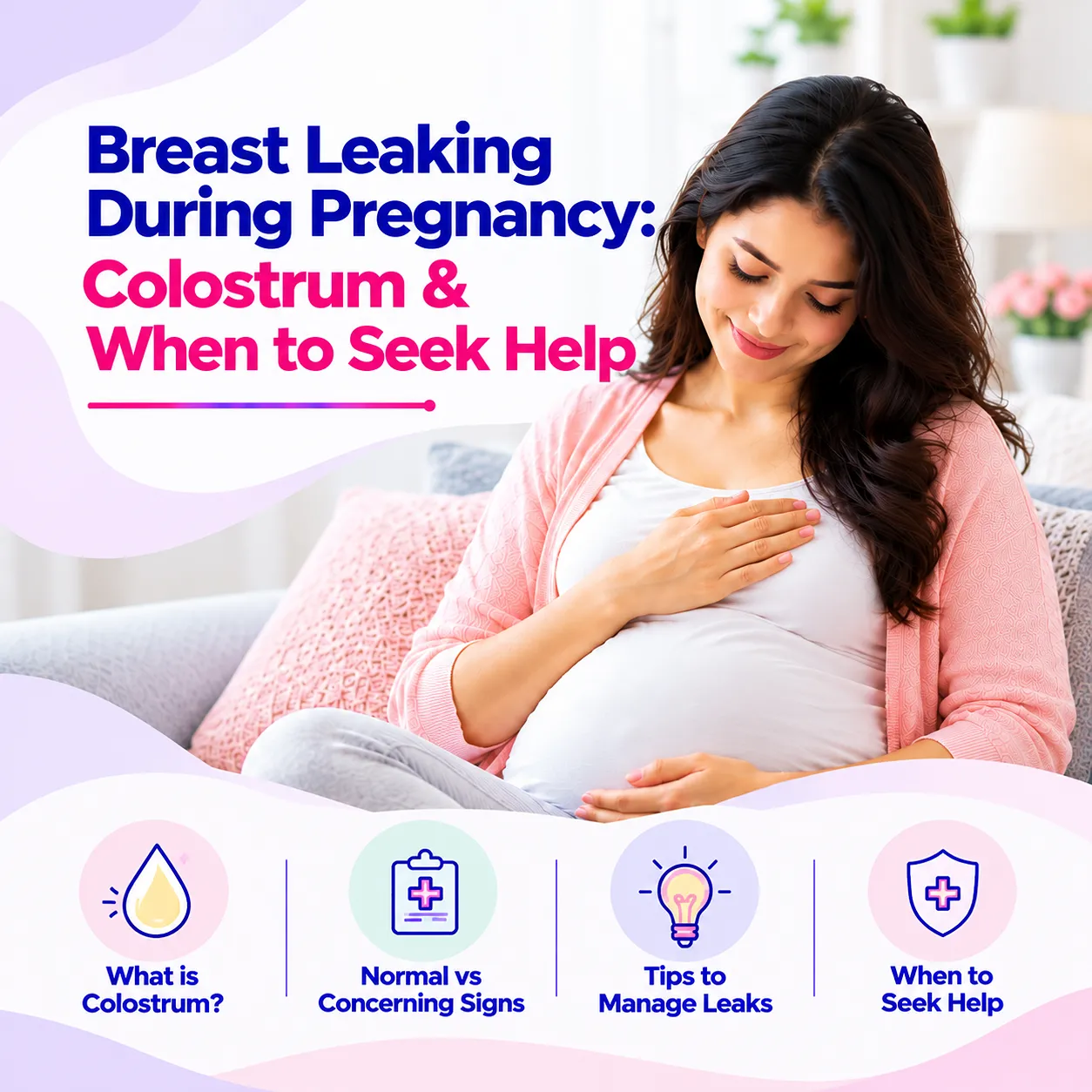
Breast Leaking During Pregnancy: Colostrum & When to Seek Help
Noticing a few drops of fluid from your breasts during pregnancy can be unexpected, especially if it happens before you have started thinking about breastfeeding. In many cases, this is simply colostrum, the nutrient-rich first milk your breasts begin preparing before your baby i

How to Prevent Stretch Marks During Pregnancy: 6 Effective Tips for Moms-to-Be
As your baby grows within the womb, your body changes in remarkable ways, and your skin stretches along with it. Stretch marks are common during pregnancy, especially around the abdomen, breasts, hips, and thighs. While you can't always prevent them completely, simple steps ca

Coconut Water During Pregnancy: Benefits, Myths & Facts
Coconut water is a popular choice during pregnancy because it is light, refreshing, and naturally contains fluids and electrolytes. For most pregnant women, it can be enjoyed safely as part of a balanced diet, especially as an alternative to sugary drinks. At the same time
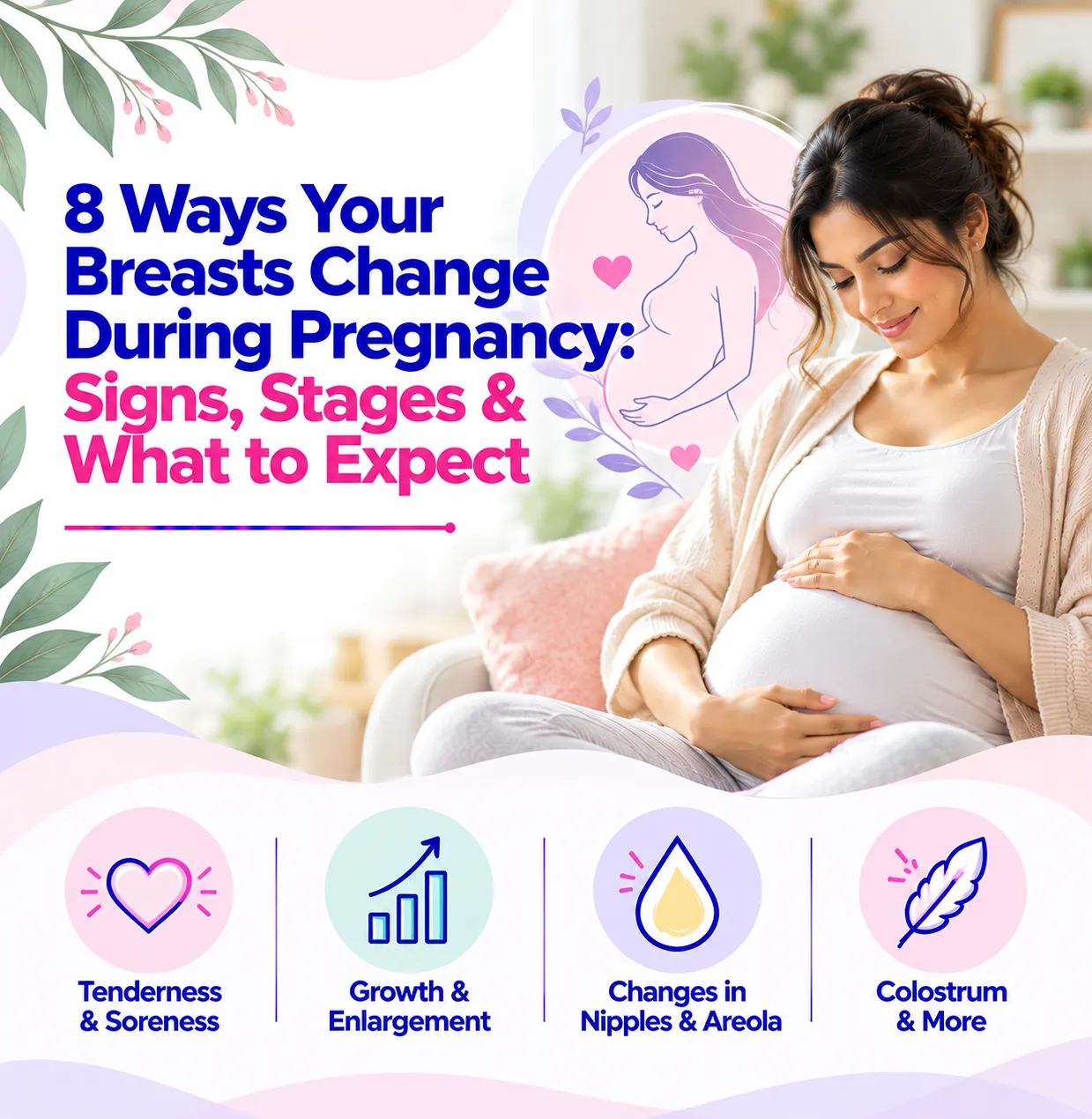
8 Ways Your Breasts Change During Pregnancy: Signs, Stages & What to Expect
Breast changes are often among the earliest signs that your body is preparing for pregnancy and breastfeeding. You may notice tenderness, fullness, darker nipples, more visible veins, or even a small amount of colostrum as the months progress. These changes don't happen th