


Categories
Hair Fall During Pregnancy: Common Causes, Treatments, and Prevention Tips
Jun 01, 2026
Is Hair Fall During Pregnancy Normal?
In many cases, mild hair fall is considered normal during pregnancy. Hormonal changes during pregnancy can affect the hair growth cycle, sometimes leading to increased shedding or changes in hair texture. However, many women notice increased hair growth during pregnancy due to higher estrogen levels, which can slow hair shedding. Hair health during pregnancy is also affected by factors such as stress, dietary deficiencies, lack of proper sleep, and underlying medical conditions. Some women notice hair thinning during pregnancy, while others may experience it more commonly after delivery. Postpartum hair fall is more common than hair loss during pregnancy itself. Although temporary hair changes are common, persistent or excessive hair fall should not be ignored. If symptoms become severe, women may be advised to consult a gynaecologist for further evaluation. At BirthRight by Rainbow Hospitals, we offer integrated pregnancy care to women, including nutritional guidance and maternal health support.Common Causes of Hair Fall During Pregnancy
Several factors may contribute to hair loss during pregnancy, and identifying the underlying cause is important for effective management. Some of the most common causes of hair loss during pregnancy are:- Hormonal Changes: Pregnancy hormones can affect the normal hair growth cycle and may lead to temporary shedding in some women.
- Nutritional Deficiency: Low iron levels, inadequate protein intake, and vitamin deficiency may weaken hair health during pregnancy.
- Stress and Lack of Sleep: Emotional stress and poor sleep may worsen hair fall in some women.
- Thyroid Imbalance: Pregnancy-related thyroid changes can sometimes contribute to hair thinning.
- Medical Conditions: Anaemia and other underlying health conditions, which are common during pregnancy, may affect hair growth.
- Balanced Nutrition: Eating foods rich in iron and protein, fruits, vegetables, and healthy fats to support hair health.
- Staying Hydrated: Drinking enough water improves overall scalp and body health.
- Gentle Hair Care: Avoiding excessive heat styling, harsh chemical treatments, and tight hairstyles that can strain the hair may also reduce hair fall.
- Stress Management: Relaxation techniques, proper sleep, yoga, and light physical activity may help reduce stress-related hair fall.
- Supplements Prescribed by Doctor: Prenatal vitamins and iron supplements can reduce hair fall, but they should only be taken under medical supervision.
When to Consult a Gynaecologist?
While mild hair shedding during pregnancy is often temporary, medical care is important if hair loss becomes severe or is associated with other health concerns, such as:- Patchy Hair Loss: Bald patches or uneven hair thinning should be examined by a doctor.
- Constant Fatigue: Extreme tiredness or weakness may indicate nutritional deficiencies such as iron deficiency or thyroid problems.
- Unexplained Weight Changes: Sudden weight changes may suggest a hormonal imbalance.
- Anaemia Symptoms: Signs of anaemia or thyroid-related concerns, such as dizziness, pale skin, breathlessness, and weakness, should not be ignored.
Conclusion
Hair fall during pregnancy can be emotionally stressful, but in most cases, it is temporary and manageable with proper care. Hormonal fluctuations, nutritional deficiencies, stress, and underlying medical conditions may contribute to hair changes during pregnancy. Following a healthy lifestyle, eating balanced meals, getting proper rest, and seeking medical guidance can support healthier hair and overall maternal health. If you are worried about hair loss during pregnancy, speaking with a doctor can help identify the cause and provide reassurance and treatment options.Medical Disclaimer:
This content is for general educational purposes only and does not replace professional medical advice.Consult a gynaecologistif you are concerned about persistent hair loss during pregnancy or related symptoms.Frequently asked questions
How to stop hair fall in pregnancy?
What vitamins help with pregnancy hair loss?
How to regrow hair during pregnancy?
When does pregnancy glow start?
What foods help prevent hair loss in pregnancy?
Related BlogView More
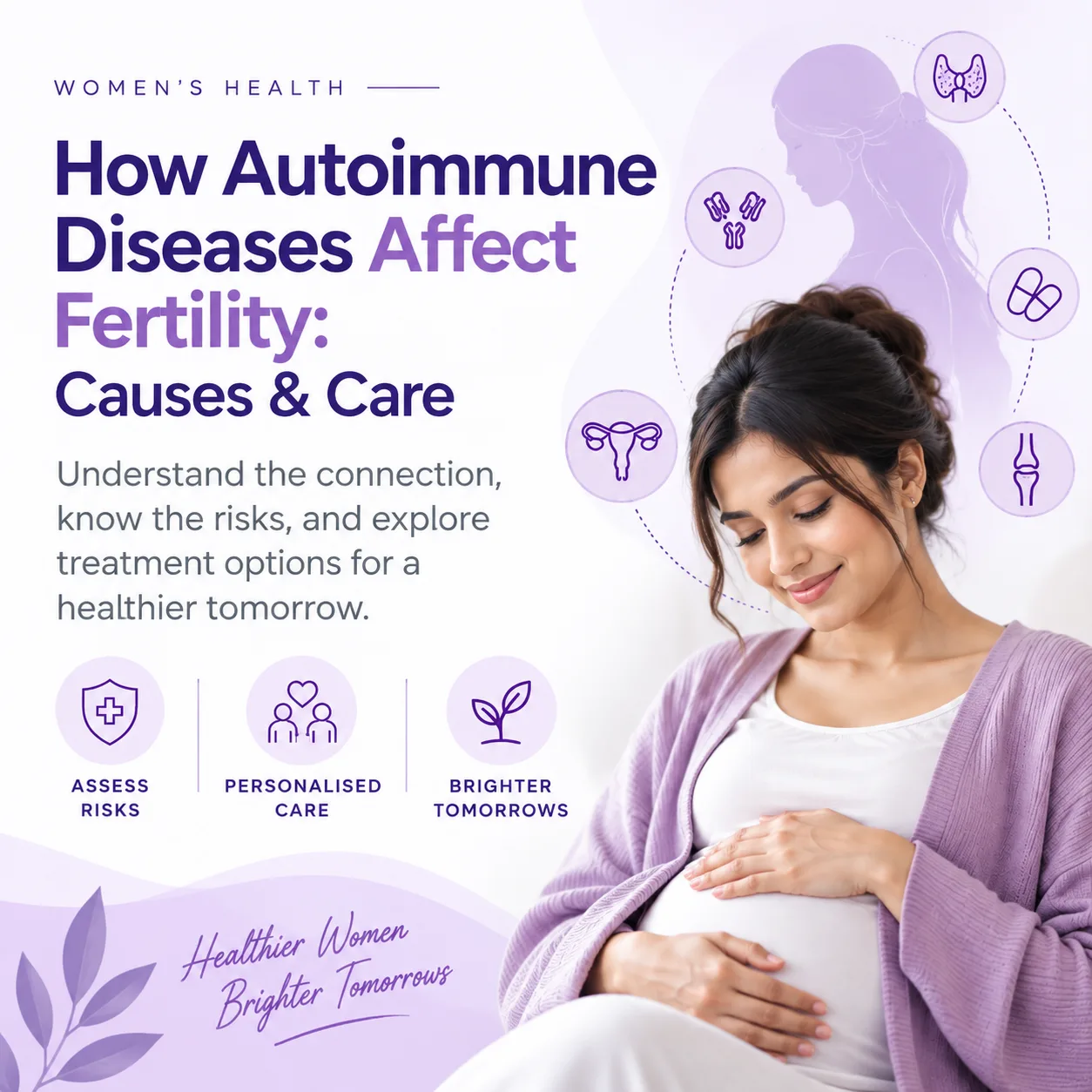
How Autoimmune Diseases Affect Fertility: Causes, Risks, and Treatment Options
For some women, questions about fertility are what first bring an underlying autoimmune disease into focus. Perhaps periods have changed, conception is taking longer than expected, or pregnancy has brought new health concerns. Understandably, this can make the road ahea
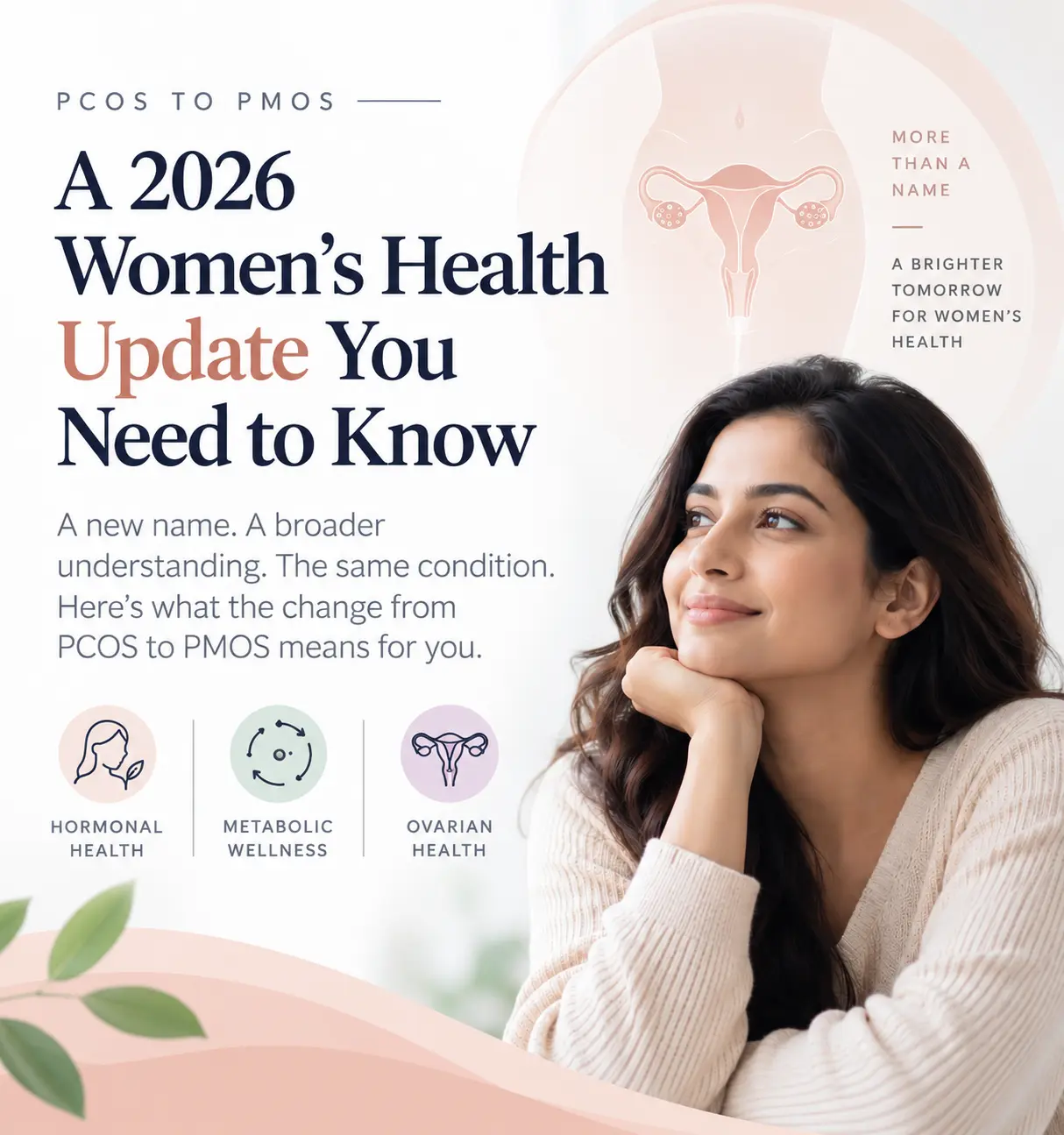
PCOS to PMOS - A 2026 Women's Health Update You Need to Know
The condition traditionally known as Polycystic Ovary Syndrome (PCOS) has undergone a change in terminology. In May 2026, a global consensus involving endocrinologists, gynecologists, and patient representatives announced the name Polyend
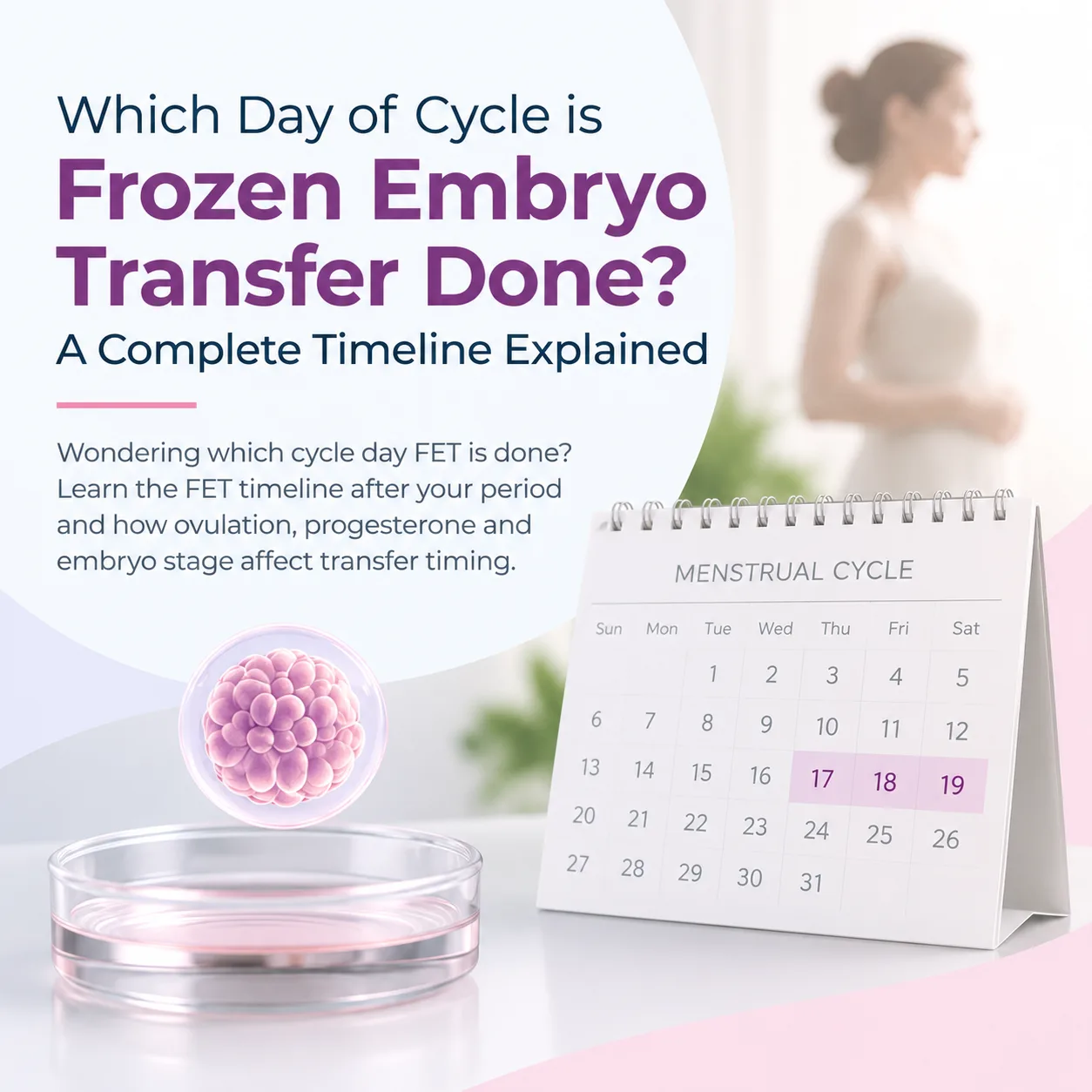
Which Cycle Day Is a Frozen Embryo Transfer (FET)? A Complete Timeline Explained
Which Cycle Day Is a Frozen Embryo Transfer (FET)? A Complete Timeline Explained Which cycle day is a frozen embryo transfer done? It may sound like a question with one straightforward answer, especially when you are trying to understand what the days after your peri
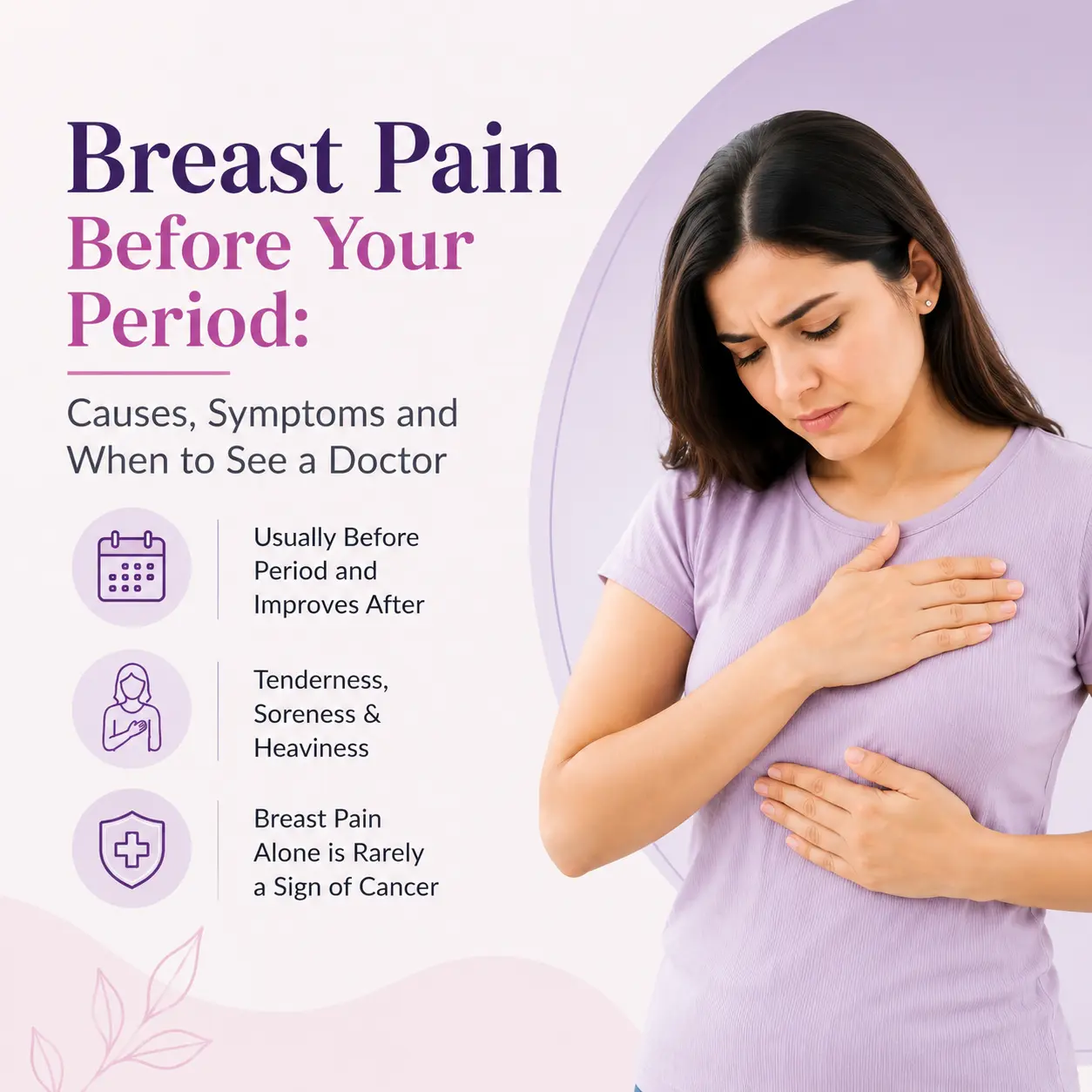
Breast Pain Before Your Period: Causes, Symptoms and When to See a Doctor
A woman in her late 20s notices the same pattern most months. About a week before her period, her breasts begin to feel heavy, tender and uncomfortable. Sometimes one side hurts more, and the soreness extends towards her armpit. Even though it settles after her