


Categories
Vaginal Bleeding After C-Section Delivery: What's Normal and What's Not
Jun 01, 2026
What is Lochia? Understanding Bleeding After C-Section
Lochia is the vaginal discharge that occurs after childbirth as the uterus sheds blood, mucus, and remaining pregnancy-related tissue. Even after a cesarean delivery, women experience postpartum bleeding as the uterus undergoes internal healing and recovery. The amount and duration of bleeding after a C-section delivery can vary from person to person, but it usually reduces gradually over time.Signs of Internal Bleeding After C-Section
Light to moderate vaginal bleeding after a C-section is a normal part of postpartum recovery. However, internal bleeding after surgery can become a serious medical concern if left untreated. Some warning signs include:- Severe abdominal pain or increasing pain around the surgical area
- A swollen, hard, or firm abdomen
- Dizziness, fainting, or extreme weakness
- Rapid heartbeat or shortness of breath
- Pale or clammy skin
- Heavy vaginal bleeding that suddenly increases
- Bleeding that does not gradually reduce over time
The Timeline of Bleeding After Delivery
The duration of bleeding after delivery depends on individual healing, activity level, and overall maternal health. For many women, postpartum bleeding lasts for around four to six weeks. Even after that, there can be mild spotting, and the bleeding may continue for slightly longer in some cases. Although bleeding after delivery is a natural part of postpartum recovery, excessive bleeding, fever, large clots, or any other unusual symptom should always be medically evaluated.When Bleeding After C-Section is Not Normal?
While postpartum bleeding is expected, some symptoms, such as those mentioned below, require immediate medical attention:- Heavy Bleeding: Soaking one or more sanitary pads within a few hours may indicate excessive blood loss and require medical attention.
- Large Clots: Passing unusually large blood clots, bigger than the size of a golf ball, should be musically evaluated.
- Fever Signs: A fever higher than 100.4ºF (38ºC), chills, or foul-smelling discharge may suggest an infection.
- Severe Pain: Intense abdominal pain or worsening pain around the surgical area requires medical assessment.
- Dizziness Symptoms: Weakness, fainting, or shortness of breath may indicate significant blood loss or anemia.
Self-Care and Management Tips
Postpartum recovery after a C-section requires rest, monitoring, and proper self-care practices. Women can follow some of the self-care tips mentioned below to reduce discomfort and support quick recovery:- Getting Enough Rest: Proper rest and recovery time support healing by reducing strain on the body.
- Staying Hydrated: Drinking enough water supports overall circulation and aids recovery.
- Eating Nutritious Food: Iron-rich foods, such as fruits, vegetables, and balanced meals, help restore nutrients lost during delivery.
- Maintaining Proper Hygiene: Regularly changing the sanitary napkin and keeping the surgical area clean reduces the risk of infection.
Conclusion
Experiencing bleeding after a C-section is a normal part of postpartum recovery, but it can feel stressful, especially for first-time mothers. While most women recover gradually with rest and supportive care, symptoms such as excessive bleeding, fever, severe pain, or dizziness should never be ignored. If you notice any of the symptoms, seeking medical advice early can prevent complications and provide reassurance during recovery.Medical Disclaimer:
This content is for general educational purposes only and does not replace professional medical advice. Consult a gynaecologist if you experience excessive bleeding after delivery or concerning postpartum symptoms.Frequently asked questions
When should I worry about bleeding after a C-section?
What is the normal bleeding pattern after a C-section?
How long is too long to bleed after a C-section?
What is the fastest home remedy to stop bleeding?
How long can the first period after a C-section last?
Related BlogView More
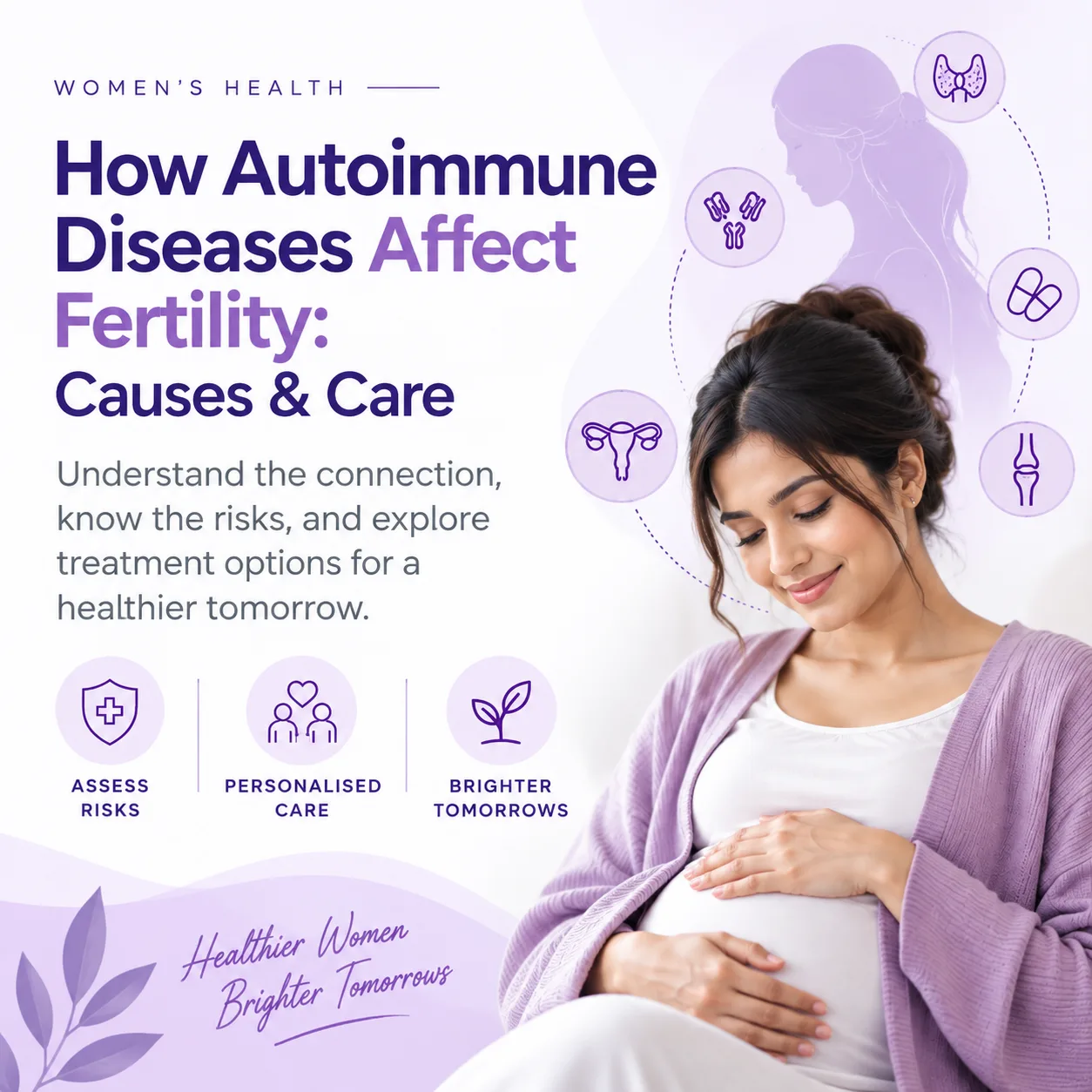
How Autoimmune Diseases Affect Fertility: Causes, Risks, and Treatment Options
For some women, questions about fertility are what first bring an underlying autoimmune disease into focus. Perhaps periods have changed, conception is taking longer than expected, or pregnancy has brought new health concerns. Understandably, this can make the road ahea
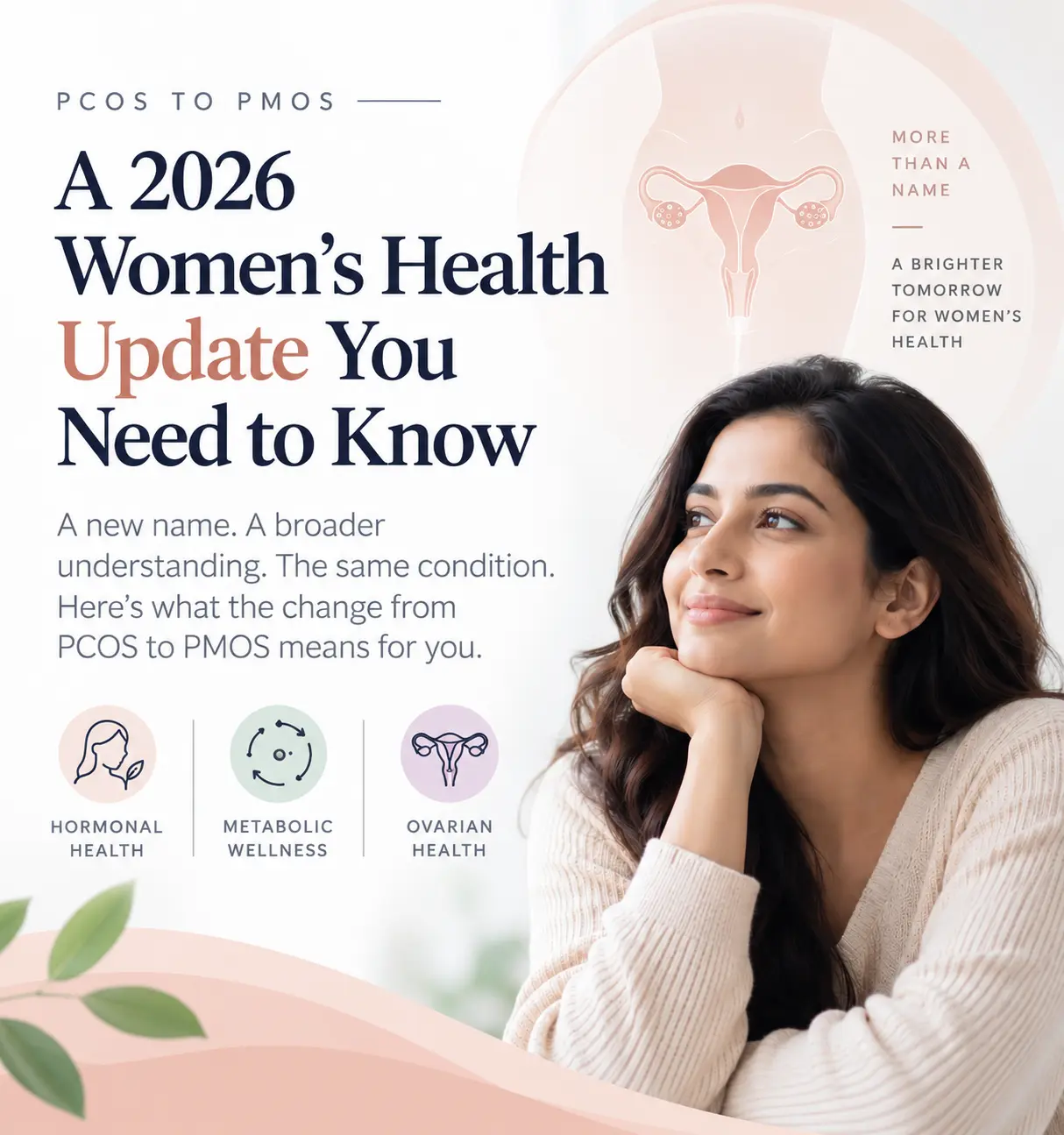
PCOS to PMOS - A 2026 Women's Health Update You Need to Know
The condition traditionally known as Polycystic Ovary Syndrome (PCOS) has undergone a change in terminology. In May 2026, a global consensus involving endocrinologists, gynecologists, and patient representatives announced the name Polyend
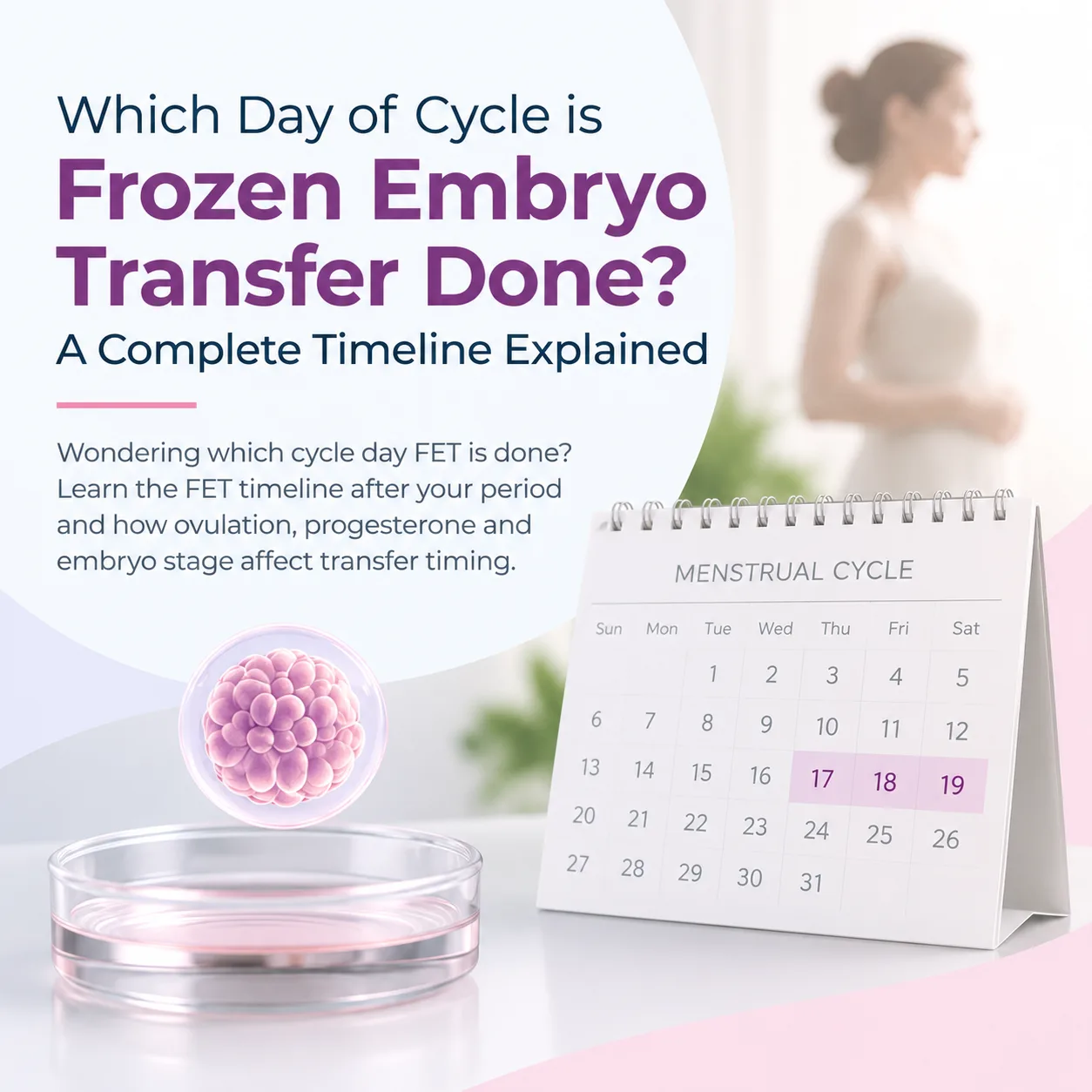
Which Cycle Day Is a Frozen Embryo Transfer (FET)? A Complete Timeline Explained
Which Cycle Day Is a Frozen Embryo Transfer (FET)? A Complete Timeline Explained Which cycle day is a frozen embryo transfer done? It may sound like a question with one straightforward answer, especially when you are trying to understand what the days after your peri
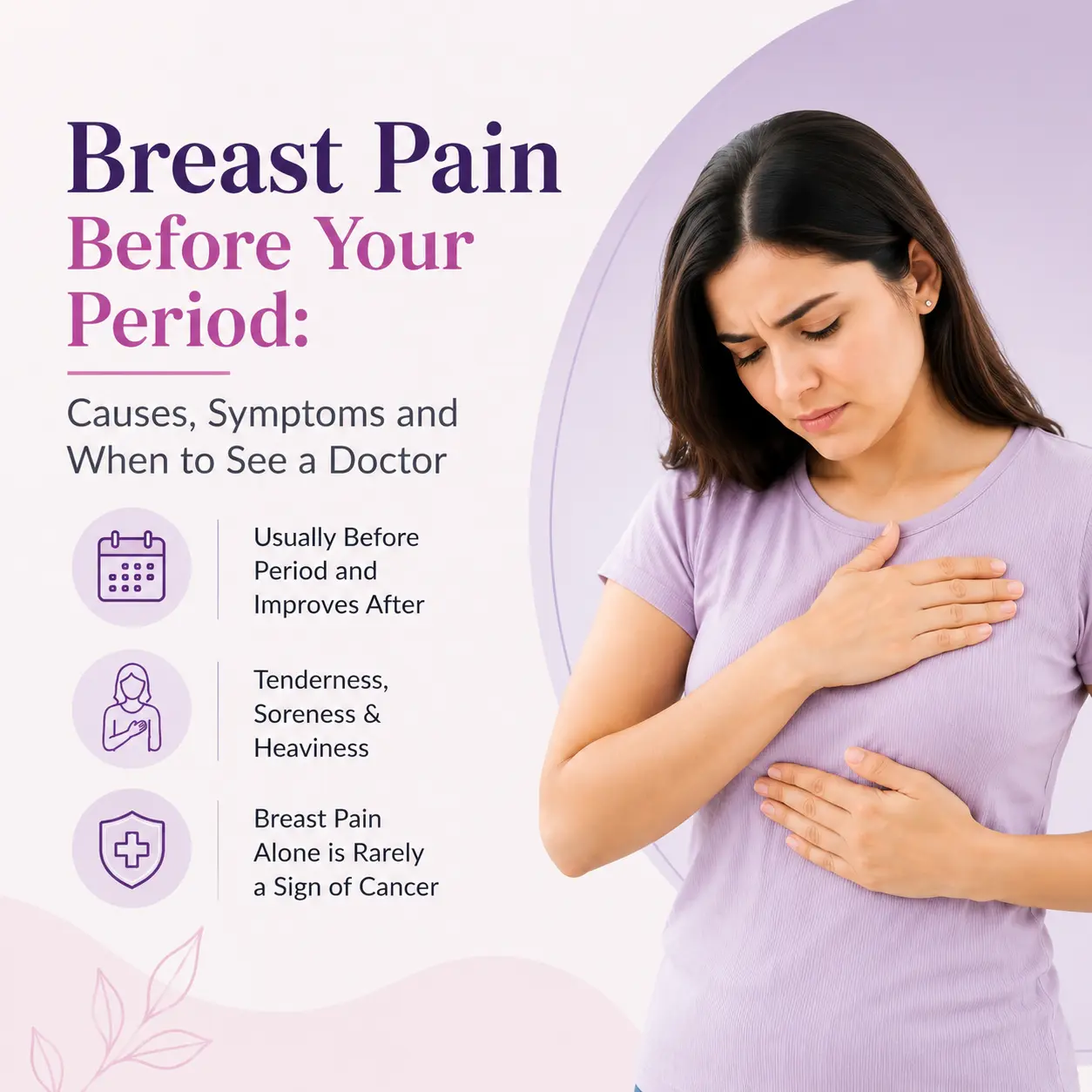
Breast Pain Before Your Period: Causes, Symptoms and When to See a Doctor
A woman in her late 20s notices the same pattern most months. About a week before her period, her breasts begin to feel heavy, tender and uncomfortable. Sometimes one side hurts more, and the soreness extends towards her armpit. Even though it settles after her