


Categories
Severe Period Bloating: Common Triggers and Quick Relief
Jul 03, 2026
What is Bloating During Periods?
Bloating during the period is the feeling of swelling or fullness in the abdomen that usually starts a few days before menstruation and may continue during the first few days of the cycle. It happens because hormonal changes affect fluid retention and digestion. As a result, some women may notice a heavier or more swollen feeling around their abdomen.Why Does Bloating During the Period Occur?
Hormones play a major role in period-related bloating. In the days before menstruation begins, levels of oestrogen and progesterone naturally fluctuate, affecting both fluid balance and digestion. These hormonal shifts can cause the body to temporarily retain more water and salt. Hormonal fluctuations can affect gut motility and digestion, which may contribute to bloating and changes in bowel habits.Common Triggers That Can Worsen Period Bloating
Certain habits can make period bloating feel more noticeable. Being aware of these triggers may help you manage symptoms more effectively:- Eating salty foods
- Drinking excess caffeine or fizzy beverages
- Lack of physical activity
- Stress and poor sleep
- Conditions such as Polyendocrine Metabolic Ovarian Syndrome (PMOS), formerly known as Polycystic Ovary Syndrome (PCOS), endometriosis, or Irritable Bowel Syndrome (IBS)
Quick Relief Tips for Managing Severe Period Bloating
If bloating is affecting your comfort, a few simple measures may help:- Stay hydrated throughout the day
- Try exercises such as walking or yoga
- Use a warm compress on the lower abdomen
- Include foods such as bananas, leafy greens, nuts, seeds, and avocados, rich in potassium and magnesium, in your diet
- Limit processed, sugary, and salty foods
Foods and Habits That Can Make Period Bloating Worse
Some foods may increase bloating, particularly during hormonal changes. Dairy products may affect women who are lactose-sensitive, while foods such as beans, lentils, broccoli, and cabbage can cause excess gas. Alcohol and sugary drinks may also affect hydration and digestive comfort. Rather than avoiding foods altogether, it can be useful to pay attention to how your body responds and make adjustments based on what works best for you.When Should You Visit a Gynaecologist?
While period bloating is common, it is a good idea to visit a gynaecologist if symptoms feel unusually severe, continue across several cycles, or affect your daily routine. An experienced Obstetrician and Gynaecologist can evaluate your symptoms and recommend appropriate care. If needed, visiting a maternity hospital can help address the underlying cause. At BirthRight by Rainbow Hospitals, our experienced Obstetricians and Gynaecologists help women identify the underlying causes of persistent menstrual symptoms, including severe bloating, painful periods, irregular cycles, PCOS, and endometriosis. Early evaluation can help ensure timely diagnosis and personalised care.Conclusion
Severe period bloating can be uncomfortable, but it is often manageable with healthy lifestyle habits. Staying active, drinking enough water, and identifying personal triggers can help improve comfort during your cycle. If bloating during your period regularly interferes with your routine, consulting a specialist can provide guidance and reassurance.FAQs
Is bloating during periods normal?
Bloating is a common part of the menstrual cycle. Hormonal changes before and during a period can affect fluid retention and digestion, leading to temporary feelings of fullness or swelling in the abdomen.How many days before a period does bloating usually start?
For many women, bloating begins around three to five days before their period starts. It becomes less noticeable once menstruation begins and gradually improves over the following few days.What foods may help reduce period bloating?
Foods rich in potassium and magnesium, such as bananas, leafy greens, nuts, seeds, and whole grains, may help support fluid balance. Drinking enough water and choosing fresh foods can also promote digestive comfort.Can exercise help relieve period bloating?
Exercise and activities such as walking, stretching, and yoga can support digestion and circulation. Regular movement may help reduce feelings of heaviness and make you feel more comfortable during your period.When should I visit a gynaecologist for period bloating?
You may want to visit a gynaecologist if bloating feels unusually severe, persists across several cycles, or occurs alongside changes in your menstrual pattern. A specialist can help determine the most appropriate next steps.Can PCOS or endometriosis contribute to severe bloating?
Conditions such as PMOS, formerly known as PCOS, and endometriosis may contribute to more noticeable bloating during the menstrual cycle. Consulting an Obstetrician and Gynecologist can help you better understand and manage your symptoms.How can I naturally prevent bloating during periods?
Staying hydrated, limiting excess salt, eating a balanced diet, staying physically active, and getting adequate sleep may help reduce bloating. Keeping track of your symptoms can also help identify personal triggers over time.Medical Disclaimer:
The information provided in this article is for general educational purposes only and should not be used as a substitute for professional medical advice, diagnosis, or treatment. Always consult a qualified healthcare professional for personalised guidance regarding your health.Related BlogView More
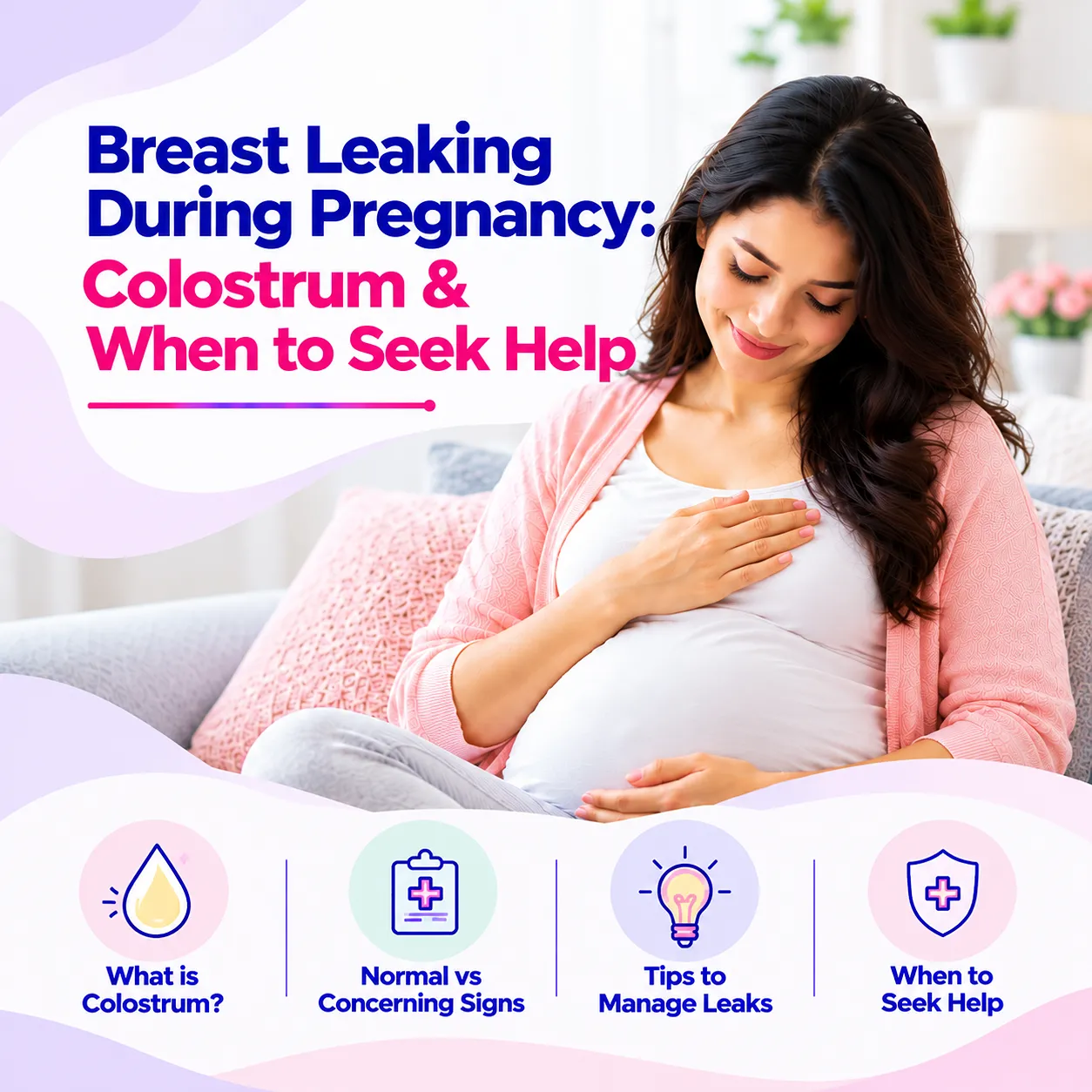
Breast Leaking During Pregnancy: Colostrum & When to Seek Help
Noticing a few drops of fluid from your breasts during pregnancy can be unexpected, especially if it happens before you have started thinking about breastfeeding. In many cases, this is simply colostrum, the nutrient-rich first milk your breasts begin preparing before your bab
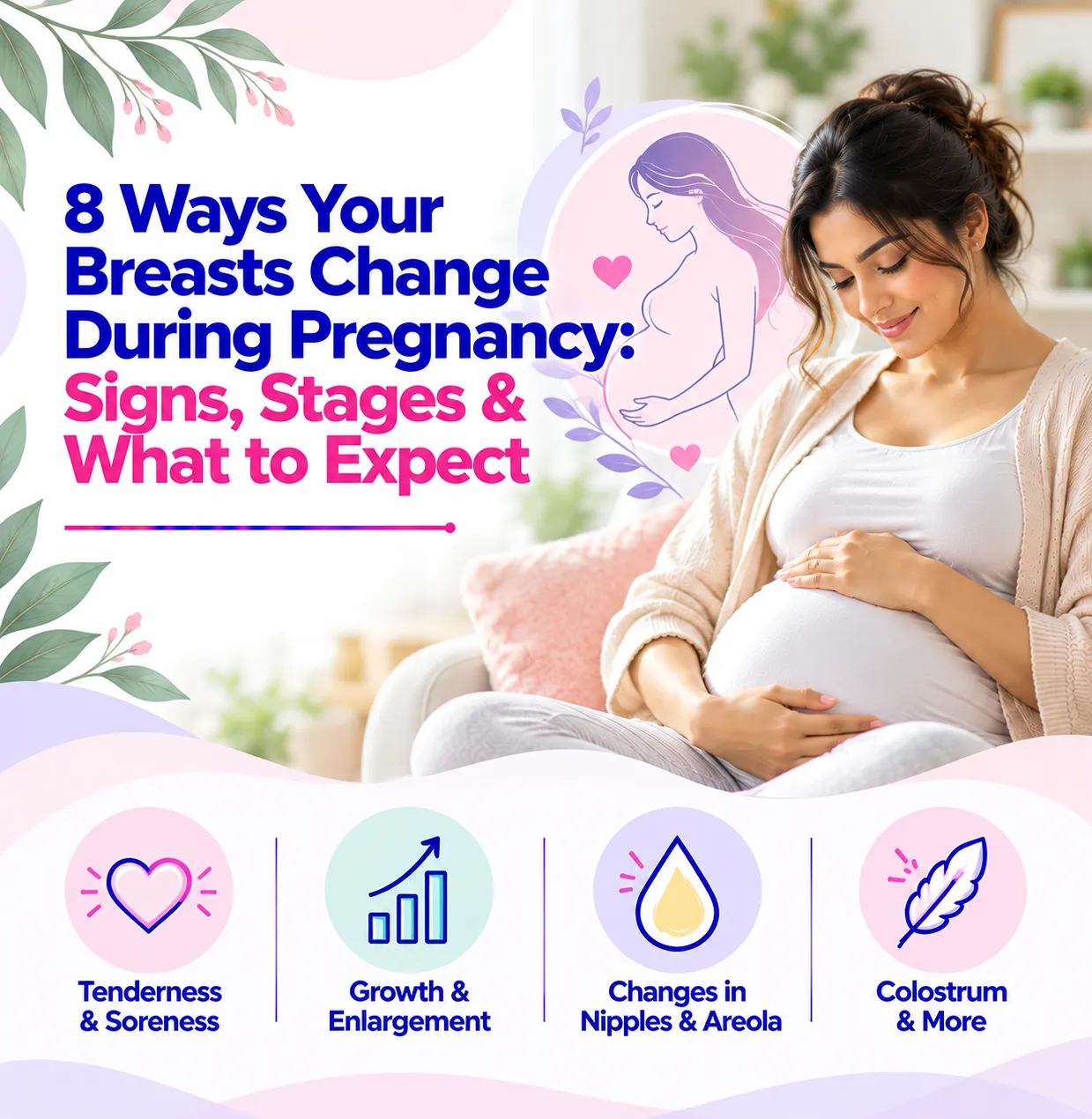
8 Ways Your Breasts Change During Pregnancy: Signs, Stages & What to Expect
Breast changes are often among the earliest signs that your body is preparing for pregnancy and breastfeeding. You may notice tenderness, fullness, darker nipples, more visible veins, or even a small amount of colostrum as the months progress. These changes don't happen
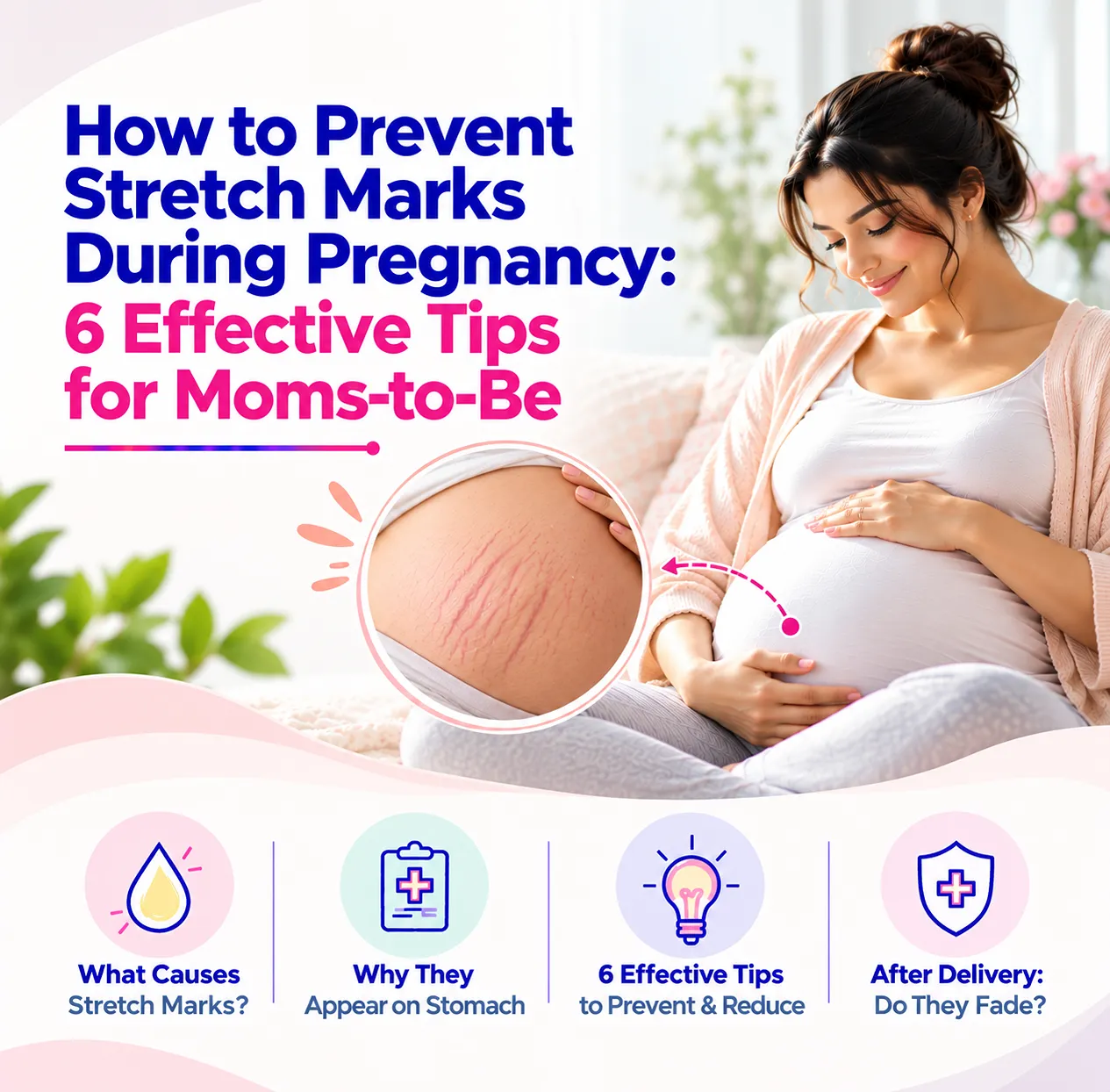
How to Prevent Stretch Marks During Pregnancy: 6 Effective Tips for Moms-to-Be
As your baby grows within the womb, your body changes in remarkable ways, and your skin stretches along with it. Stretch marks are common during pregnancy, especially around the abdomen, breasts, hips, and thighs. While you can't always prevent them completely, simple steps can s
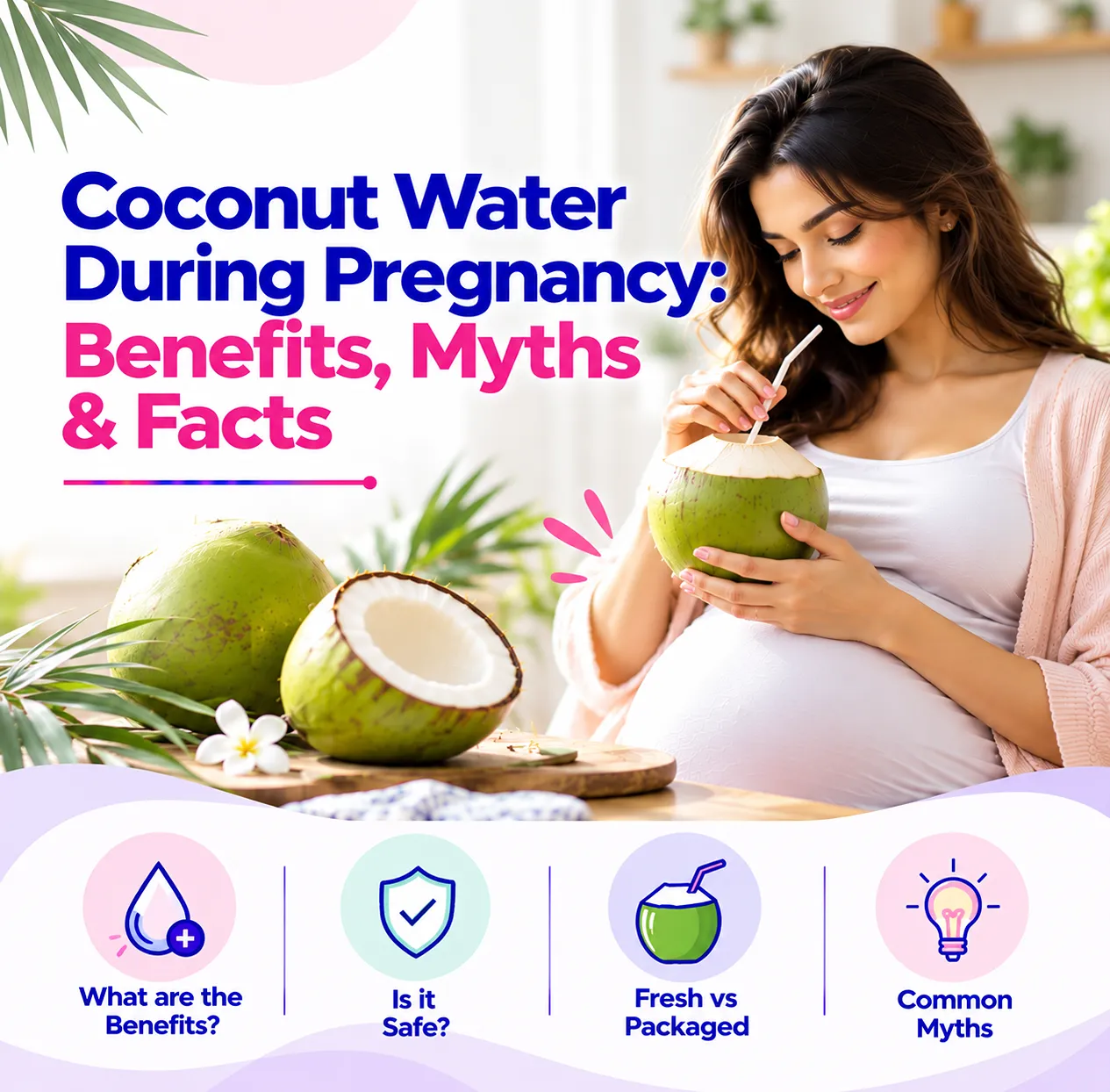
Coconut Water During Pregnancy: Benefits, Myths & Facts
Coconut water is a popular choice during pregnancy because it is light, refreshing, and naturally contains fluids and electrolytes. For most pregnant women, it can be enjoyed safely as part of a balanced diet, especially as an alternative to sugary drinks. At the same time