


Categories
How to Reduce High Blood Pressure in Pregnancy: A Complete Guide
Sep 12, 2025
It isn’t. Pregnancy adds the placenta to your circulation, so each reading is also a message about blood flow to the baby. This guide shows why that changes the rules, what numbers matter, and how daily steps, medicines, and yoga for pregnancy fit together.
High blood pressure in pregnancy isn’t managed like regular hypertension because the placenta depends on steady, low-resistance flow. Readings of 140/90 or more (and 160/110 severe) need a pregnancy-specific plan: correct measurement, calm daily habits, and medicines your obstetrician chooses for safety. Warning signs (headache, vision changes, swelling) matter more than outside pregnancy. Gentle, breath-led yoga for pregnancy lowers stress but never replaces monitoring or tablets. Delivery timing is part of treatment, not a failure.
What’s next: Below are the “why” differences, the numbers, the home routine, how yoga helps safely, and the point where you call or go in.
Why Pregnancy Blood Pressure Plays by New Rules
Outside pregnancy, a high reading mainly stresses your heart and blood vessels over years.In pregnancy, there’s a new organ—the placenta—that has no backup supply. BP that’s too high can narrow placental blood flow; BP that’s too low (from dehydration or overmedication) can do the same. That’s why targets, medicines, and alarms change now, and why decisions sometimes include when to deliver as part of treatment.
The Numbers and Symptoms That Guide Medical Decisions
Clarity beats worry. Learn these once; reuse them the whole pregnancy.- High BP (hypertension): ≥140/90 mmHg on two readings, hours apart.
- Severe-range: ≥160/110 (confirm and escalate the same day).
- Different from non-pregnant life: symptoms matter more—headache, visual changes, right-upper abdominal pain, sudden face/hand swelling, shortness of breath, or clearly less baby movement deserve a same-day call, even if numbers seem “not that bad.”
How to Measure Your Blood Pressure Correctly at Home
BP varies with position, cuff, and timing. Get consistent so you don’t chase noise.- Use an upper-arm device with a cuff that fits your arm.
- Sit 5 minutes, back supported, feet flat, cuff at heart level; no talking.
- Take two readings, one minute apart; log the lower value with date/time and how you felt.
- Share your log at visits. Good data prevents overtreatment and catches real trends early.
Natural and Daily Steps to Lower Circulatory Strain
Your goal is smoother days, not heroic effort. Small repeats beat big promises.- Move most days: two or three 10–15 minute easy walks. Gentle muscle work mellows the stress response and improves sleep—both reduce BP swings.
- Fluids and salt sense: steady water intake; cook with less salt and swap packaged snacks for fruit, nuts, yogurt, roasted chana. Less sodium means less fluid retention and lower vascular tone.
- Balanced plates: veg + protein + whole grain keep glucose and stress hormones even; big spikes push BP up.
- Left-side rests: short side-lying breaks improve uterine blood flow when you feel drained.
- Sleep rhythm: 7–9 hours; consistent bed/wake times. Poor sleep drives up BP hormones the next day.
Yoga for Pregnancy: Safe Relaxation Techniques
Think “nervous-system downshift,” not stretching goals.- Breathing first (3–5 minutes): inhale for 4, exhale for 6, relaxed pace, no breath holds. Longer exhales nudge the body into calm mode and lower sympathetic drive.
- Prenatal-safe poses (30–45 seconds, pain-free):
- Skip: hot yoga, intense flows, long breath holds, deep backbends, closed twists, any pose that brings dizziness or strain.
Medications, Clinical Monitoring, and Delivery Decisions
Tablets in pregnancy are chosen because they control BP and are safe for the baby. They protect the placenta while you keep daily habits steady.Extra labs and ultrasounds track your organs and the baby’s growth/blood flow. If severe numbers or lab changes appear, timing delivery may become the safest treatment. That logic doesn’t exist outside pregnancy—here it does, because ending pregnancy removes the placenta from the equation and protects both of you.
When to Seek Immediate Medical Evaluation
Don’t wait on these: severe/persistent headache, vision changes, sudden swelling of face/hands, pain under right ribs, shortness of breath, chest pain, bleeding or fluid leak, or much fewer baby movements. If a home reading shows ≥160/110, sit quietly, recheck in 15 minutes, and follow your clinician’s emergency plan.Conclusion:
Treating high blood pressure in pregnancy is about the placenta as much as the numbers. Measure BP correctly, smooth out daily strain, use yoga for pregnancy to calm the system, and take the medicines your obstetrician recommends. Readings guide monitoring and, if needed, delivery timing—not because you “failed,” but because that’s how pregnancy physiology works. If you want this plan tuned to your trimester, symptoms, and logs, the team at BirthRight by RainbowHospitals can align lifestyle, tablets, and scans into one clear pathway.Disclaimer:
The information contained in this article is intended for educational and informational purposes only and should not be used as a substitute for professional medical advice, diagnosis, or treatment. Always seek the advice of your physician, obstetrician, or other qualified healthcare provider with any questions you may have regarding a medical condition, travel safety guidelines, or prenatal care plan. Never disregard professional medical advice or delay in seeking it because of something you have read on this website.Frequently asked questions
How do I measure blood pressure correctly at home in pregnancy?
Which blood pressure medicines are usually safe in pregnancy?
Can yoga help lower blood pressure in pregnancy?
Should I cut salt completely while pregnant?
Related BlogView More
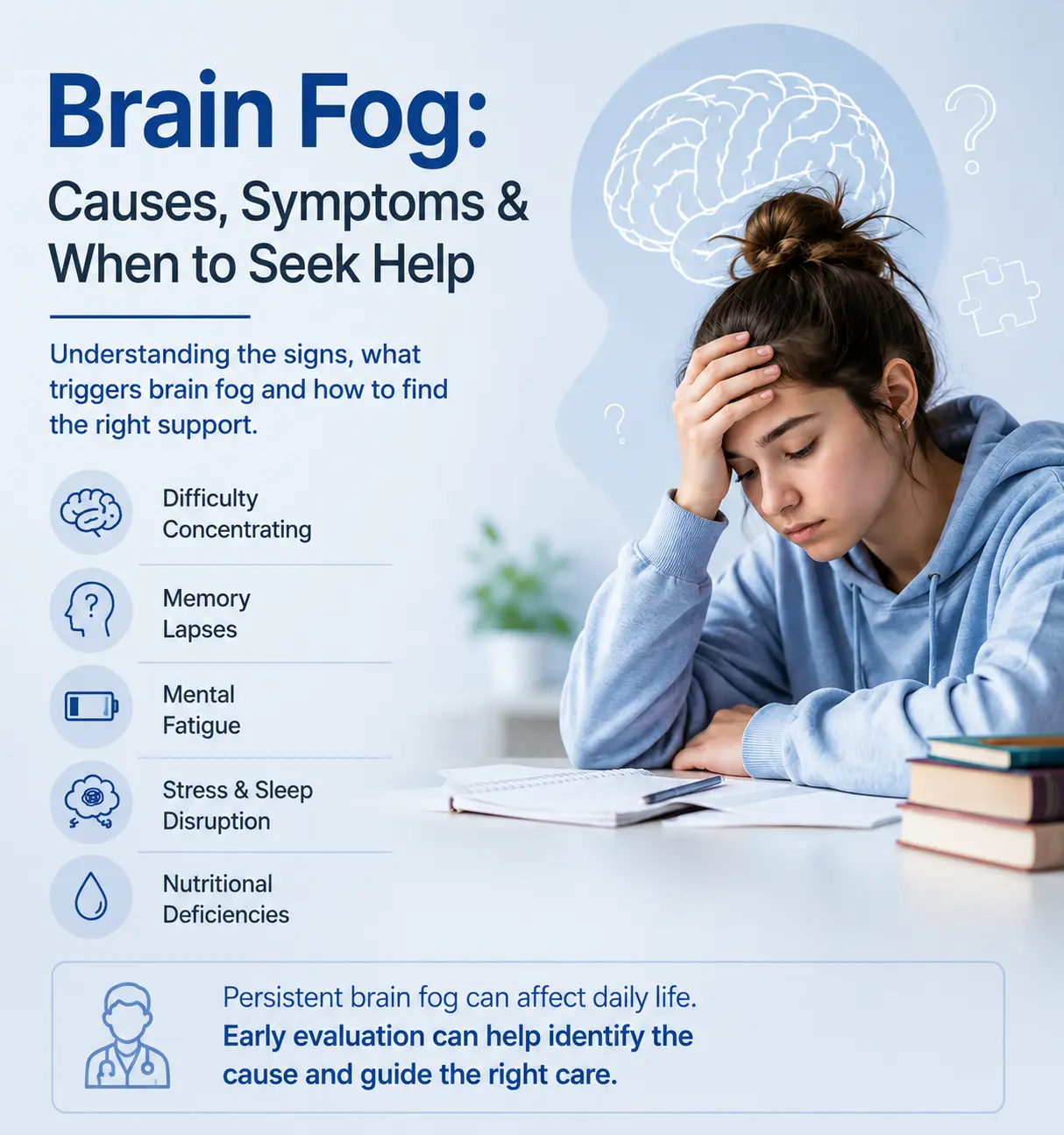
What Is Brain Fog? Symptoms and How to Get Rid of It
Brain fog describes a group of thinking and memory difficulties rather than a specific medical condition. You may find it harder to concentrate, remember information, organise tasks or find the right words. It can occur after poor sleep, stress, illness or changes in phy
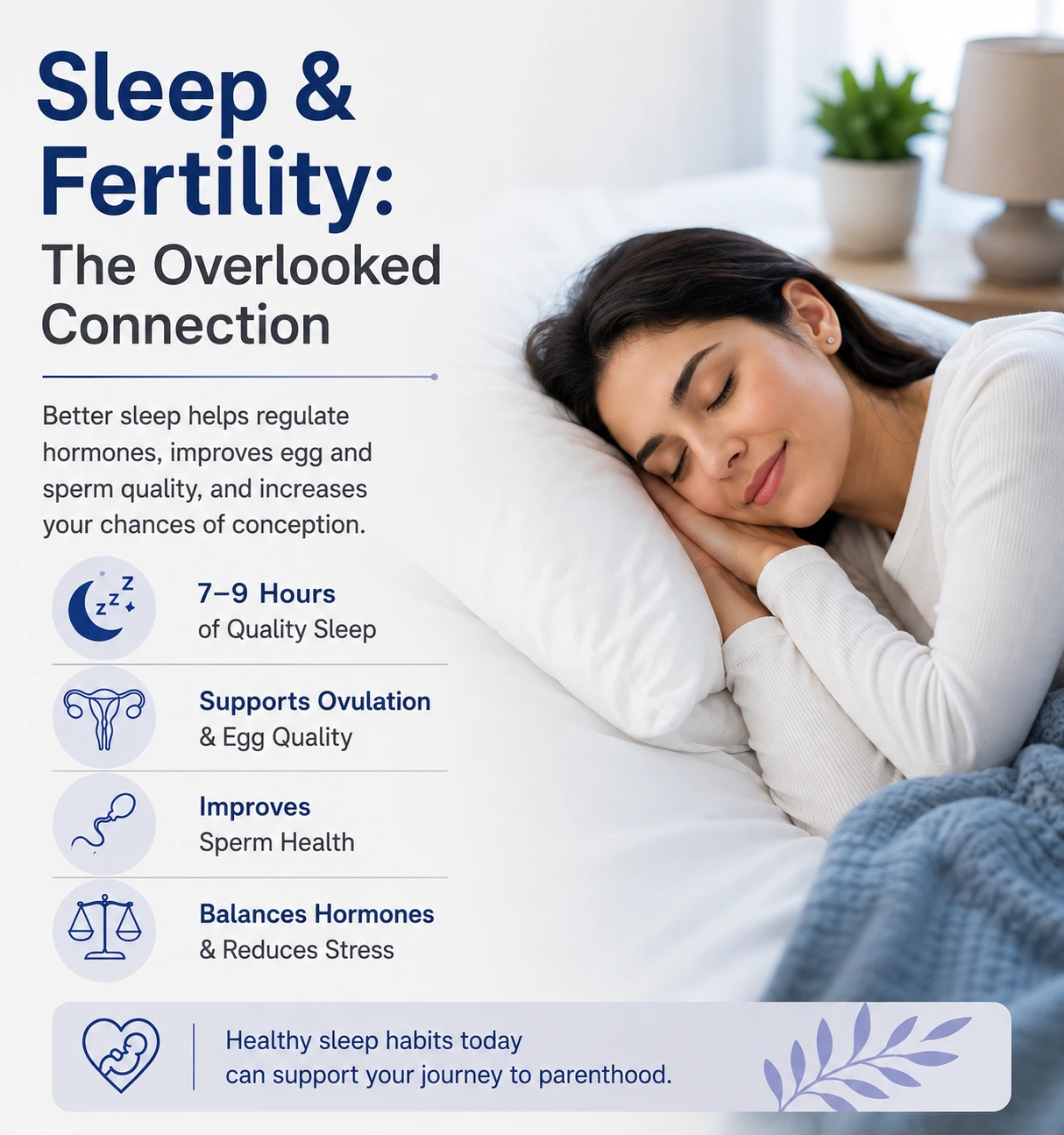
Can Poor Sleep Affect Fertility? Sleep, Hormones & Conception Explained
Sleep is a fundamental pillar of good health. It gives the body and mind time to repair, restore energy, regulate hormones, and maintain the normal functioning of cells, tissues, and organs, supporting overall physical and mental well-being. Sleep also plays a vital role i
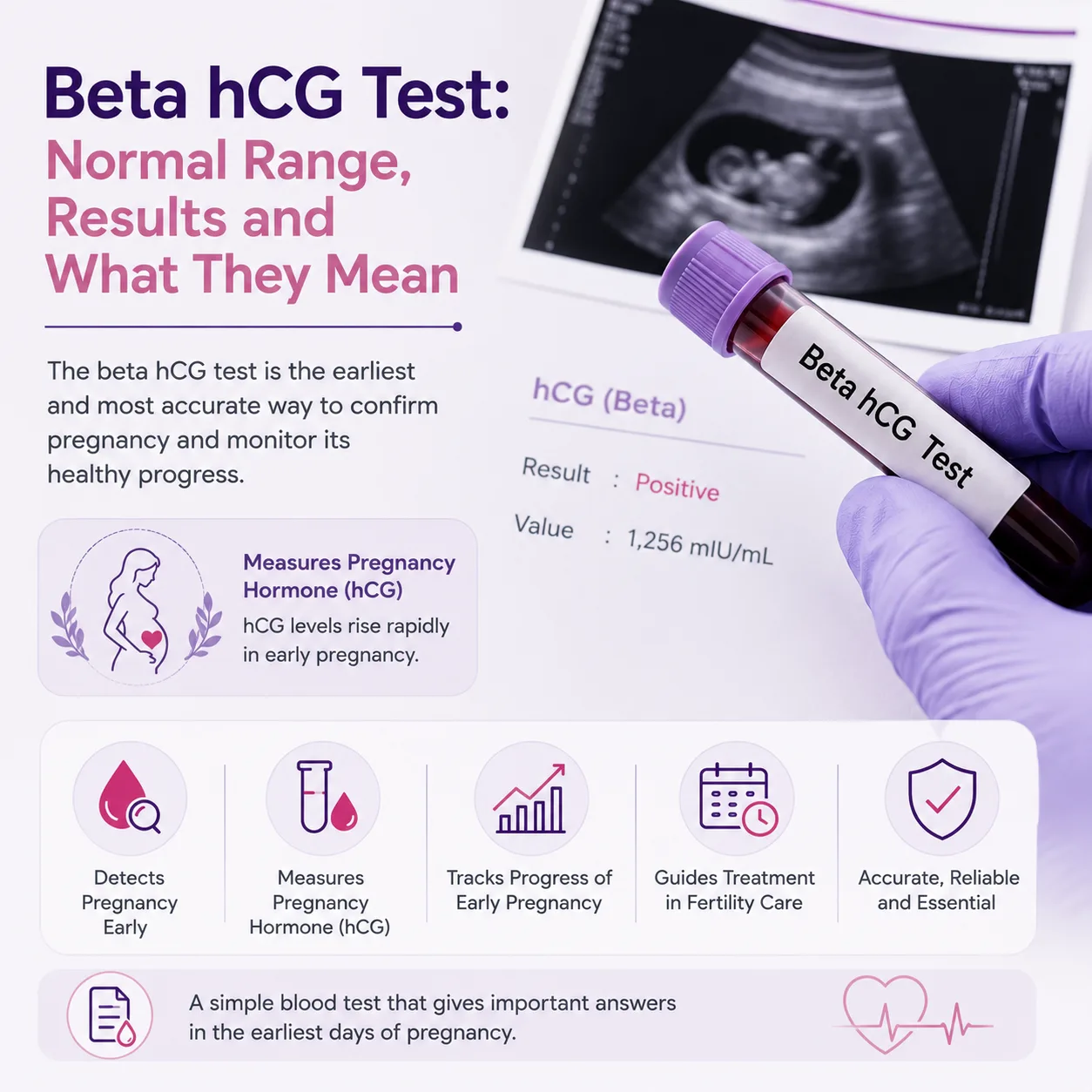
Beta hCG Test Explained: Normal Levels, Pregnancy Results and What They Mean
For most women, the beta hCG test is the first reliable confirmation of pregnancy. It measures the pregnancy hormone (human chorionic gonadotropin) in the blood and is far more sensitive than a home urine test. Understanding what the test measures, what the b
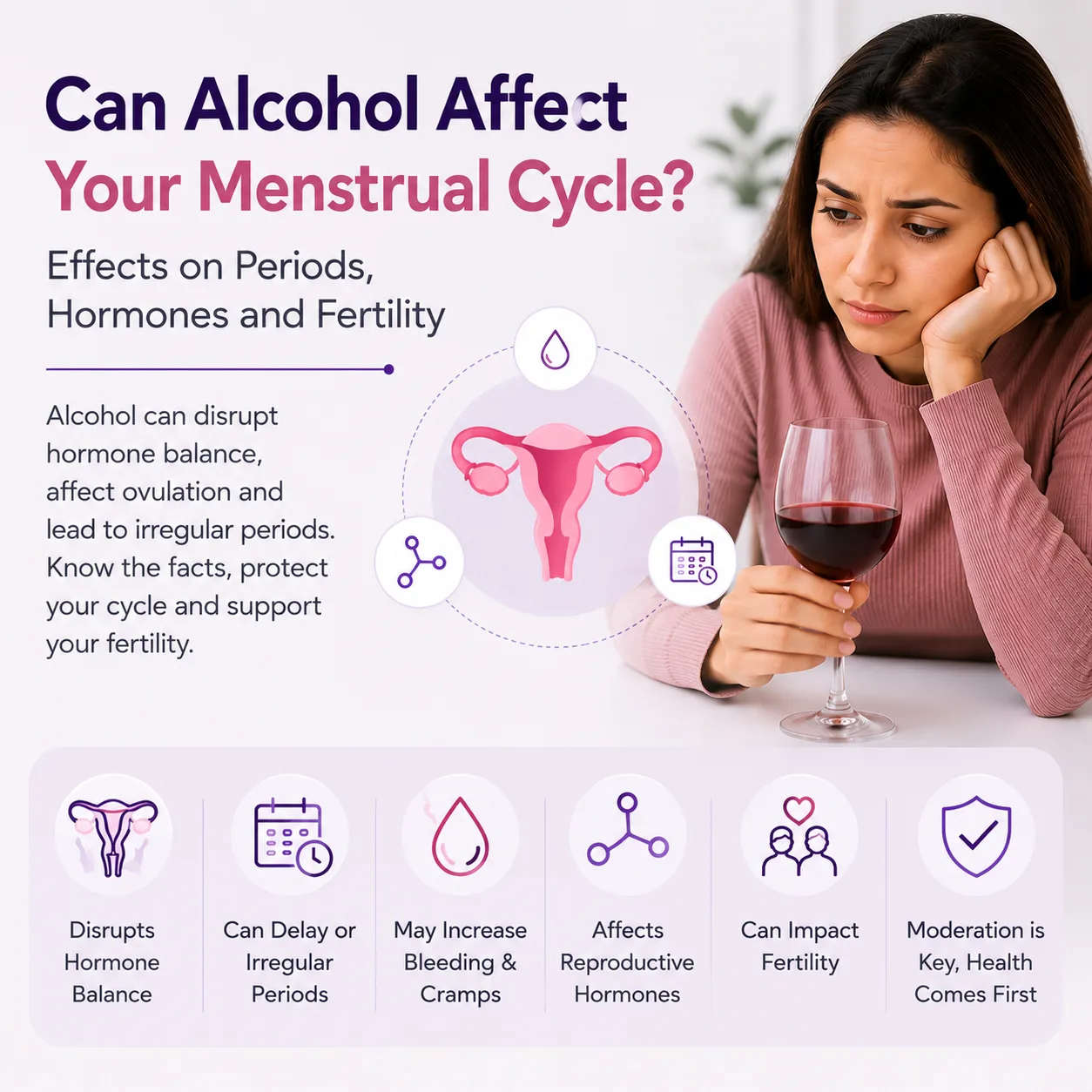
Can Alcohol Affect Your Menstrual Cycle? Effects on Periods, Hormones and Fertility
Alcohol consumption is harmful to health in any way, regardless of gender. It affects the whole body in different ways and to varying degrees. Many women wonder if alcohol can delay their period. The answer is yes. For women, alcohol has a negative impact on their