



Categories
First Trimester Bleeding: What You Need to Know
Jul 01, 2024
Common Causes of First Trimester Bleeding
- Implantation Bleeding: This is a light spotting that happens when the fertilized egg implants itself in the lining of your uterus. It usually occurs around the time you would expect your period and is a normal part of early pregnancy.
- Cervical Changes: Increased blood flow to the cervix during pregnancy can sometimes cause irritation, leading to light bleeding after intercourse or a pelvic exam.
- Threatened Miscarriage: This refers to bleeding that may occur with cramping, but the pregnancy hasn't necessarily ended. Early intervention can sometimes help continue a healthy pregnancy.
- Spontaneous Miscarriage: Bleeding with passage of clots and crampy pains could be a sign of a miscarriage.
- Ectopic Pregnancy: This is a serious condition where the fertilized egg implants outside the uterus, most commonly in the fallopian tubes. It can cause bleeding and severe pain, requiring immediate medical attention.
What to Do if You Experience Bleeding?
- See Your Doctor Right Away: Regardless of the amount or color of bleeding, it's crucial to consult your doctor to determine the cause and receive proper guidance.
- Provide Details: Be prepared to share information about your bleeding, including the amount, color, any cramps, and your pregnancy history.
Clinical Management and Treatment
Treatment depends on the underlying cause of bleeding. In some cases, no treatment is needed, like with implantation bleeding. With other causes, your doctor might recommend bed rest, medications, or even hospitalization for monitoring.How Can You Prevent First Trimester Bleeding?
While there's no guaranteed way to prevent bleeding, maintaining a healthy lifestyle can contribute to a healthy pregnancy. This includes taking prenatal vitamins with folic acid, eating on time, getting adequate rest, hydrating well and avoiding heavy exercise or travel in the first trimester.Remember: Bleeding during the first trimester can be frightening, but it doesn't always signal a problem. Early diagnosis and proper management can lead to a healthy pregnancy. If you have any concerns or experience bleeding, don't hesitate to contact your gynecologist immediately.
Disclaimer:
The information provided in this blog is for general informational purposes only and should not be considered a substitute for professional medical advice, diagnosis, or treatment. Always seek the guidance of a qualified healthcare provider with any questions you may have regarding a medical condition, symptoms, or treatment options. Never disregard professional medical advice or delay seeking it because of something you have read here.Related BlogView More
Sleeping Position in Pregnancy: Myths vs Facts Explained
Common Myths About Sleep Positions During Pregnancy: Facts Explained Sleep can become less comfortable as pregnancy progresses, and advice about the “right” position can be even more confusing. You may hear that sleeping on your back is unsafe, that only the left side is a
Grapes During Pregnancy: Benefits and Safety Tips
Grapes During Pregnancy: Benefits & Safety Tips Explained Grapes can be a refreshing and nutritious addition to your pregnancy diet. They provide natural carbohydrates, fibre, vitamins and antioxidants, making them a convenient option when you want something light and easy
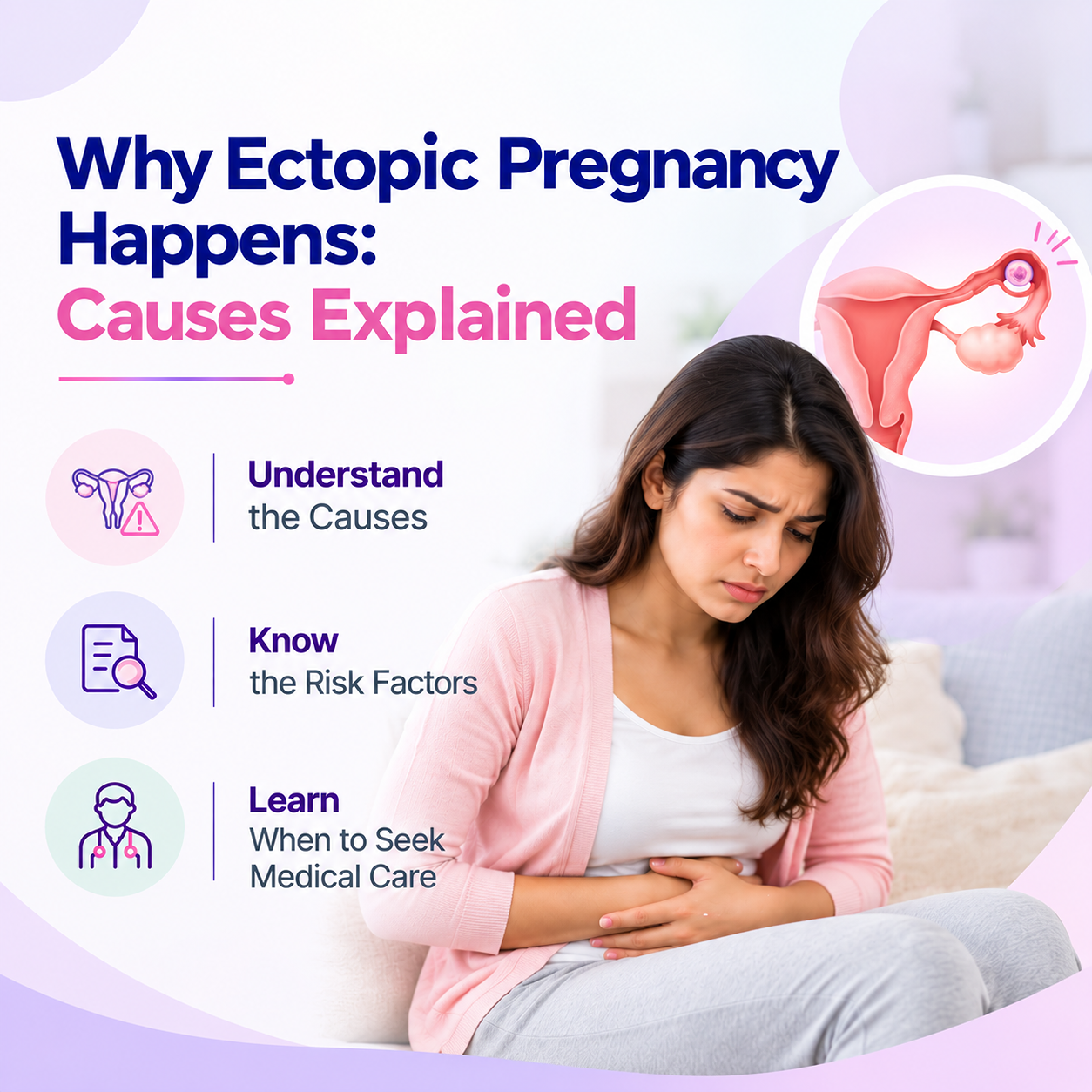
Ectopic Pregnancy Causes: Risk Factors and Warning Signs
Why Ectopic Pregnancy Happens: Causes Explained An ectopic pregnancy happens when a fertilised egg implants outside the uterus, most commonly in a fallopian tube. While women don't cause this through everyday activities, certain changes or conditions affecting the fallopian tu
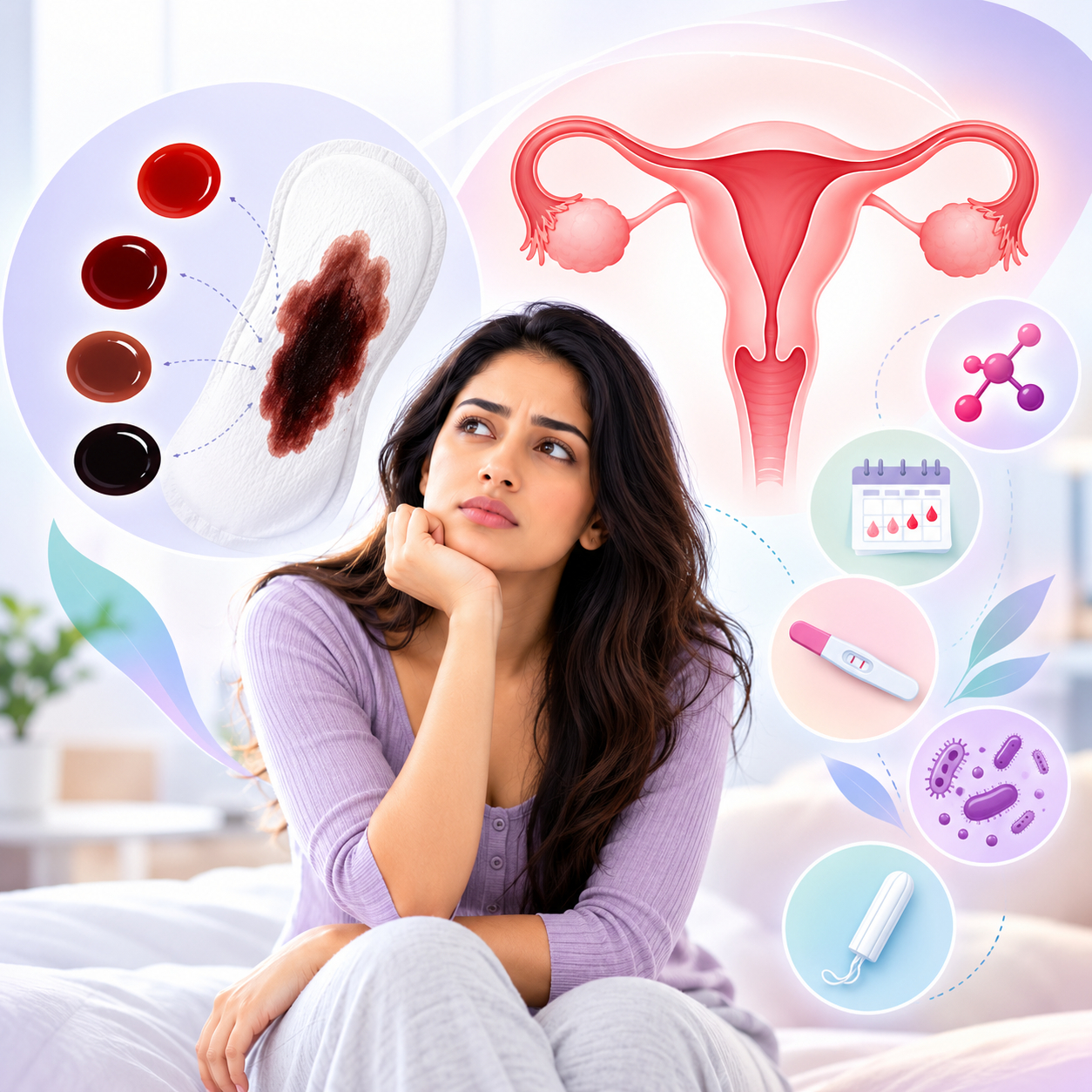
Reasons Behind Black Period Blood: When Is It Normal and When to Worry?
Seeing black or very dark period blood can be surprising, especially if your flow usually looks bright red or brown. In many cases, though, darker blood simply means it has taken a little longer to leave the uterus and has oxidised along the way. The colour may appear at the b