



Categories
Viral Infection Treatment in Children: New Guidelines, Antivirals, and Supportive Care
May 18, 2026
Why Children Get More Viral Infections
Young children have immune systems that are building their library of responses through exposure. Before starting school, most children have limited immunity to the wide range of viruses circulating in group settings. Once they enter daycare or school, exposure to other children significantly increases the frequency of infections. This is normal and expected, though it does not make managing multiple illnesses any easier for families.Common Viral Infections in Children
- Common Cold: Caused by rhinoviruses and other respiratory viruses. Young children can experience six to eight colds per year. Symptoms include a runny nose, mild fever, and cough.
- Influenza (Flu): More severe than a common cold is flu, with higher fever, body aches, and fatigue. Young children and those with underlying conditions are at higher risk of complications.
- Respiratory Syncytial Virus (RSV): A major cause of bronchiolitis in infants. It can cause significant breathing difficulty in babies under one year and often requires close monitoring.
- Chickenpox (Varicella): Characterised by an itchy blister-like rash. Vaccination has significantly reduced its incidence, but unvaccinated children remain at risk.
- Hand, Foot, and Mouth Disease: Common in children under five, causing sores in the mouth and a rash on the hands and feet. Highly contagious but usually mild.
- Viral Gastroenteritis: Stomach bugs causing vomiting and diarrhoea. The main risk is dehydration, particularly in young infants.
Viral Infection Treatment: Supportive Care at Home
For most viral infections in children, viral infection treatment is primarily supportive. Antibiotics are not effective against viruses and should not be used unless a bacterial complication has been confirmed. Supportive care focuses on managing symptoms and preventing complications.- Hydration: Offer fluids frequently. For infants, breast milk or formula should continue. For older children, water, diluted juice, or oral rehydration solutions help prevent dehydration.
- Fever Management: Paracetamol or ibuprofen in age-appropriate doses can relieve fever and discomfort. Aspirin should never be given to children.
- Rest: The body heals faster with adequate rest. Keep the child home from school or daycare to prevent the spread of the infection.
- Nasal Saline Drops: Useful for relieving nasal congestion in infants and young children who cannot blow their nose.
- Comfort Measures: Cool compresses, light clothing, and a comfortable room temperature help manage fever-related discomfort.
When Antivirals Are Used
Most viral infections in children do not require antiviral medication. However, there are specific situations where antivirals are part of viral infection treatment:- Influenza: Oseltamivir (Tamiflu) may be prescribed for children at high risk of complications, such as those with asthma, heart disease, or weakened immunity, if started within 48 hours of symptom onset.
- Chickenpox: Acyclovir may be recommended for older children, adolescents, or those with an immune deficiency where the infection is more likely to become severe.
- Herpes Infections: Antiviral therapy is used for neonatal herpes and herpes encephalitis, which are serious conditions requiring immediate treatment.
Warning Signs That Require Immediate Medical Attention
While most viral illnesses in children follow a predictable course, certain signs require prompt medical review:- High fever lasting more than five days or above 40 degrees Celsius
- Difficulty breathing, rapid breathing, or a bluish tint around the lips
- Severe dehydration: no urine output for eight hours, dry mouth, no tears
- Unusual drowsiness, unresponsiveness, or difficulty waking
- A rash that spreads rapidly or does not blanch when pressed
- Any fever in a baby under three months
Conclusion
Treatment of viral infections in children is largely based on supportive care, careful monitoring, and knowing when to escalate care. Most children recover fully with rest, hydration, and symptom management at home. For severe, prolonged infections or those affecting children with underlying conditions, early specialist involvement makes a real difference. The paediatric infectious disease team at Rainbow Children's Hospitals provides expert assessment and management for children with complex or persistent viral illnesses.Disclaimer
This content is for general educational purposes only and does not replace professional medical advice. Always consult a qualified paediatrician for concerns about your child's health.Related BlogView More

Hip Pain in Children: Causes, Symptoms & Treatment
Hip Pain in Children: Causes, Symptoms & When to See a Specialist When most people think of hip problems, they picture an elderly relative or acquaintance recovering from a hip replacement. Few realize that most hip problems in children start de
Fever in a Newborn: Infection Risks in the First Month
A parent of a two-week-old baby notices that the baby feels warmer than usual and is feeding less than normal. A temperature check shows 38°C (100.4°F). At this age, it is reasonable to wonder whether the baby is simply too warm or whethe
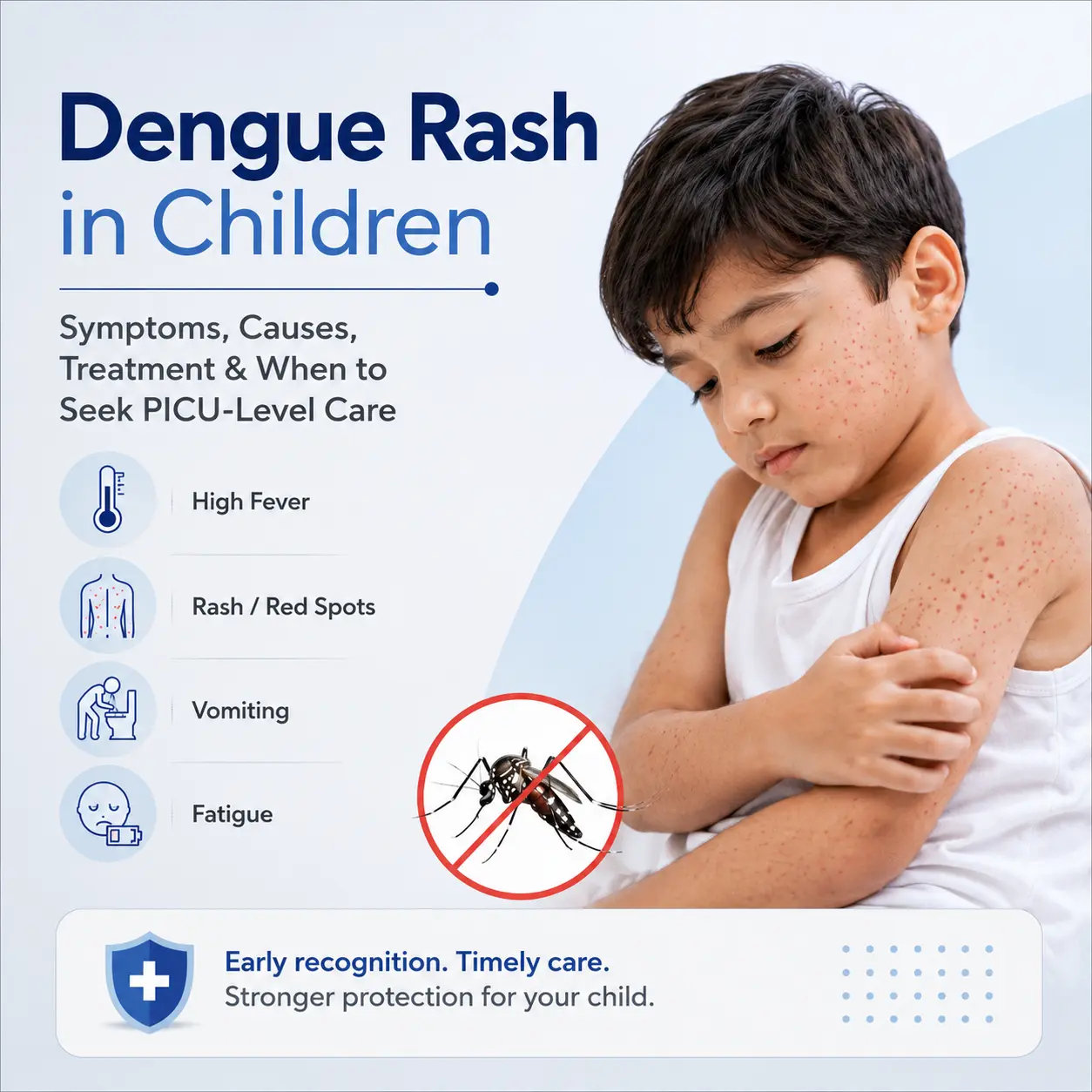
When is a Dengue Rash Serious in Children? Critical Warning Signs Every Parent Should Know
If your child develops a high fever followed by red spots or a skin rash, it's natural to be concerned about dengue. During the monsoon and post-monsoon season in India, dengue is one of the most common mosquito-borne viral infections affecting children. Thi

Newborn Sneezing: Is it a Cold or Just Normal Reflex? | Rainbow Hospitals
Key Takeaways Frequent sneezing is usually a normal reflex that helps a newborn clear milk droplets, mucus and dust from a narrow nose. Sneezing with comfortable breathing, normal feeds, clear mucus and no fever is generally reassuring. Saline drops, a short wait and gentle