


Categories
UTIs in Children: Symptoms, Causes, Treatment, and Prevention Guide
Jun 03, 2026
What Causes UTI in Children?
Urinary tract infections happen when bacteria enter the urinary system and start multiplying. Children may be more vulnerable to infections due to poor hygiene habits, urinary retention, or underlying urinary tract conditions. Below are some of the common factors that increase the risk of UTIs in children:- Poor Hygiene: Inadequate cleaning after using the toilet can increase the spread of bacteria.
- Holding Urine for Long Periods: Children who delay urination for long periods are more likely to develop infections because bacteria remain in the bladder for longer.
- Constipation: Chronic constipation can place pressure on the bladder and affect urine flow.
- Dehydration: Not drinking enough water may reduce the body's ability to flush out bacteria from the urinary tract.
- Urinary Abnormalities: Some children may have structural abnormalities of the urinary tract that increase the risk of infection.
Paediatric UTI Symptoms Parents Should Know
The symptoms of UTIs in Children can differ depending on the child's age and the severity of infection. However, some of the common symptoms include:- Painful and Frequent Urination: Children may feel the urge to urinate more often than usual and may complain of pain or a burning sensation while urinating.
- Fever: An unexplained fever may sometimes be the only sign of a urinary infection, especially in younger children.
- Abdominal Pain: Some children experience abdominal discomfort or back pain due to UTI.
- Urine Changes: Parents may notice cloudy or foul-smelling urine, and, in some cases, blood.
How Are UTIs Treated in Children?
Treatment for urinary tract infections depends on the child's age, symptoms, and severity of infection. Some of the common treatments include:- Antibiotic Treatment: Doctors usually prescribe antibiotics to treat bacterial infections.
- Fluid Intake: Drinking enough fluids to stay hydrated helps flush bacteria from the urinary system.
- Fever and Pain Relief: Doctors may recommend medications to reduce fever and relieve discomfort.
- Urine Testing: Urinalysis and culture help confirm an infection and guide treatment.
- Specialist Care: Children with repeated infections may need scans or additional tests to identify underlying urinary problems.
Prevention Tips for Parents
Preventive care plays an important role in reducing the risk of future urinary tract infections in children. Some of the daily habits that can help lower the risk ofUTIs in childrenare:- Hydration: Encourage children to drink an adequate amount of water regularly.
- Regular Bathroom Habits: Children should avoid holding urine for long periods.
- Proper Hygiene: Proper toilet hygiene helps reduce the spread of bacteria.
- Constipation Control: Managing constipation can improve bladder function and lower infection risk.
- Comfortable Clothing Choice: Wearing loose, breathable cotton clothing may help reduce irritation.
Conclusion
UTIs in Children are common and usually improve with timely treatment and proper care. Symptoms such as painful urination, fever, abdominal pain, or changes in urinary habits should not be ignored. Healthy hygiene habits, hydration, and early medical care play an important role in preventing complications and supporting recovery. With timely diagnosis and medical guidance from healthcare professionals, most children recover fully and maintain healthy urinary function.FAQs
How do you tell if a child has a UTI?
Common symptoms of UTI in children include painful urination, fever, frequent urination, abdominal pain, and changes in urine appearance or smell.Can diapers cause UTI in babies?
Diapers do not directly cause UTIs. However, prolonged exposure to wet diapers may increase skin irritation and raise the risk of bacterial growth, which can lead to a UTI.How to help a child with UTI pain?
Ensure proper hydration with adequate fluid intake, follow prescribed medications, and avoid delaying urination. Consult a doctor if fever, abdominal pain, or worsening symptoms persist despite taking preventive steps at home.What are the top 3 antibiotics for UTI?
Doctors prescribe antibiotics based on the child's age, the severity of the infection, and urine culture results. One should avoid taking any medication without consulting a doctor, as a doctor can determine and prescribe the most suitable medication.How can I treat my toddler's UTI at home?
Home care alone is not recommended to treat a UTI. Toddlers with suspected UTIs should undergo medical evaluation and be prescribed antibiotics to prevent complications and ensure proper recovery.Medical Disclaimer:
This content is for general educational purposes only and does not replace professional medical advice. Consult a paediatrician or paediatric urologist if your child experiences symptoms of a urinary tract infection or recurrent urinary concerns.Related BlogView More

Genetic Risk of Cancer in Kids: How Family History Affects Cancer Risk
When cancer has affected a close family member, it is natural for parents to wonder what it could mean for their child’s future health. While most childhood cancers develop without a hereditary cause, some are linked to inherited genetic changes that can increase the like
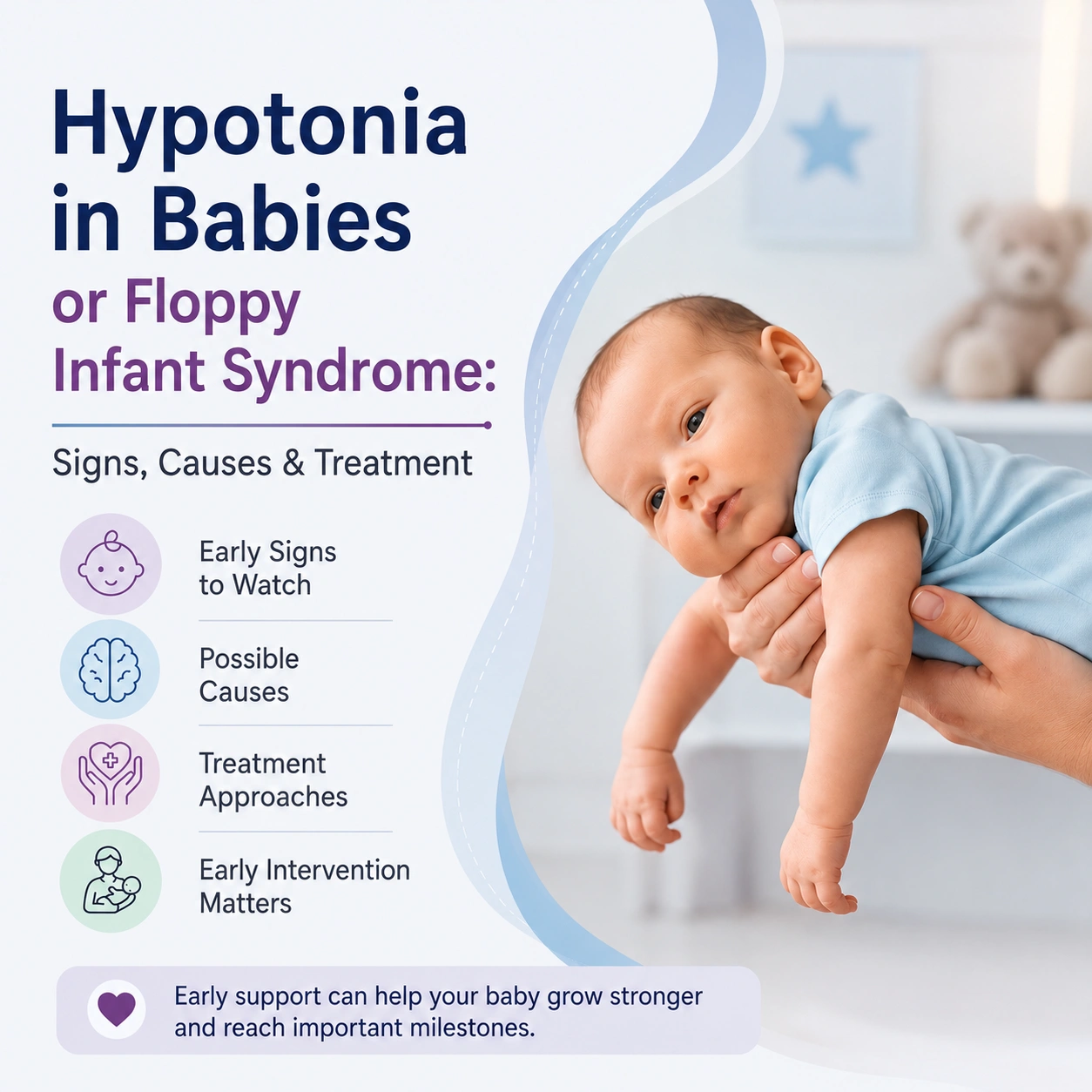
Hypotonia in Babies or Floppy Infant Syndrome: Signs, Causes & Treatment
Every baby develops at their own pace, and it is natural for parents to notice differences in how their child moves, feeds, or responds to their surroundings. Some babies may feel unusually relaxed or floppy when held, which may be linked to hypotonia

Paediatric ENT Care: Why Kids Need Specialised ENT Treatment
Ear, nose, and throat concerns are common in childhood. Whether it's recurring ear infections, constant nasal congestion, loud snoring, or hearing difficulties, these issues can affect a child's comfort, sleep, communication, and everyday activities. Sin
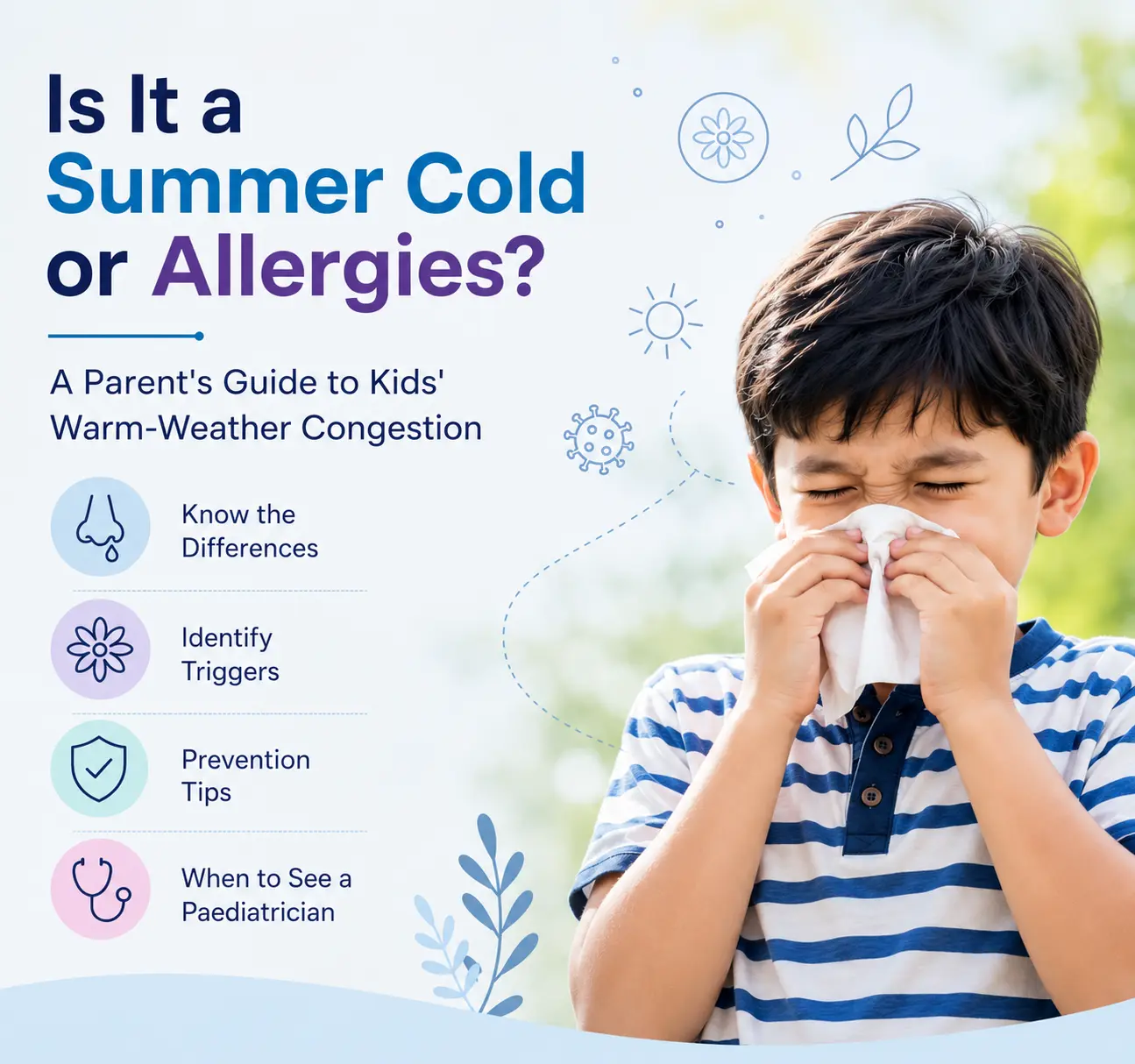
Is It a Summer Cold or Allergies? A Parent's Guide to Kids' Warm-Weather Congestion
A runny nose, sneezing, or a blocked nose during summer can leave many parents wondering what's causing their child's discomfort. Is it a summer cold, or could it be seasonal allergies? Since the symptoms often look similar, knowing the difference can help you choose the right ca