



Categories
Complete Guide to Viral Fever: Symptoms, Diagnosis, and Recovery
May 07, 2026
What is Viral Fever?
When the body detects a viral infection, the immune system triggers a rise in core body temperature. This makes the environment less hospitable for the virus and activates immune cells more efficiently. A temperature above 38 degrees Celsius is generally considered a fever, though the threshold can vary slightly depending on how it is measured. Viral infections that commonly cause fever include influenza (flu), common cold viruses, dengue, chikungunya, COVID-19 (all known variants), and various respiratory infections. In children, viral ear and throat infections are also frequent causes.Common Viral Fever Symptoms
Recognising viral fever symptoms early helps in managing the illness more effectively. Common signs include:- Raised Body Temperature: Usually between 38 and 40 degrees Celsius, sometimes higher in young children.
- Chills and Shivering: Often accompany the rise in temperature, particularly at the onset of the fever.
- Headache and Body Ache: Muscle pain and generalised discomfort are very typical with viral infections.
- Fatigue and Weakness: An unwell child or adult will often look and feel more tired than usual, with reduced appetite.
- Runny Nose, Sore Throat, or Cough: These upper respiratory symptoms frequently accompany viral fevers.
- Skin Rash: Certain viral infections, such as roseola or chickenpox, produce a characteristic rash alongside fever.
How is Viral Fever Diagnosed?
Diagnosis begins with a clinical assessment. A doctor will review the symptom history, examine the child or adult, and measure temperature. In many cases, a clinical diagnosis is sufficient. When the cause is unclear or the fever is prolonged, investigations may be recommended:- Complete Blood Count (CBC): Helps distinguish between bacterial and viral infections. Viral infections typically show a normal or low white blood cell count.
- Dengue NS1 Antigen or Antibody Tests: Used when dengue is suspected based on symptoms and local patterns.
- Throat Swab Or Nasal Swab: For identifying specific viruses such as influenza or COVID-19.
Managing Viral Fever at Home
Most viral fevers resolve on their own within three to seven days. Home management focuses on keeping the person comfortable and preventing dehydration.- Rest: The body needs energy to fight infection. Adequate rest speeds recovery.
- Hydration: Water, clear soups, and coconut water help replace fluids lost through sweating. Oral rehydration solutions are useful for children with poor appetites.
- Fever-Reducing Medication: Paracetamol or ibuprofen (as advised by a doctor and at appropriate doses) helps reduce the temperature and relieve discomfort. Aspirin should not be given to children.
- Light Clothing and Cool Surroundings: Heavy blankets can trap heat. Dress children in light, breathable clothing.
When to Seek Medical Attention
Most cases of viral fever can be managed at home, but some situations require prompt medical review:- A fever above 39.5 degrees Celsius that does not respond to medication
- Fever lasting more than five days in children or adults
- Rash appearing alongside fever, particularly if spreading rapidly
- Breathlessness, chest pain, or severe headache
- In infants under three months, any fever warrants an immediate medical review
Conclusion
Viral fever is the body doing exactly what it should in response to a viral infection. Knowing which viral fever symptoms to monitor, how to keep someone comfortable at home, and when to call a doctor gives parents and caregivers a practical framework to manage the illness with confidence. At Rainbow Children's Hospitals, the best pediatrician provides thorough evaluation and guidance for fever management across all age groups.Disclaimer
The content provided here is for general information only. It does not replace a professional medical consultation. Always seek advice from a qualified doctor for any health concerns.Related BlogView More

Hip Pain in Children: Causes, Symptoms & Treatment
Hip Pain in Children: Causes, Symptoms & When to See a Specialist When most people think of hip problems, they picture an elderly relative or acquaintance recovering from a hip replacement. Few realize that most hip problems in children start de
Fever in a Newborn: Infection Risks in the First Month
A parent of a two-week-old baby notices that the baby feels warmer than usual and is feeding less than normal. A temperature check shows 38°C (100.4°F). At this age, it is reasonable to wonder whether the baby is simply too warm or whethe
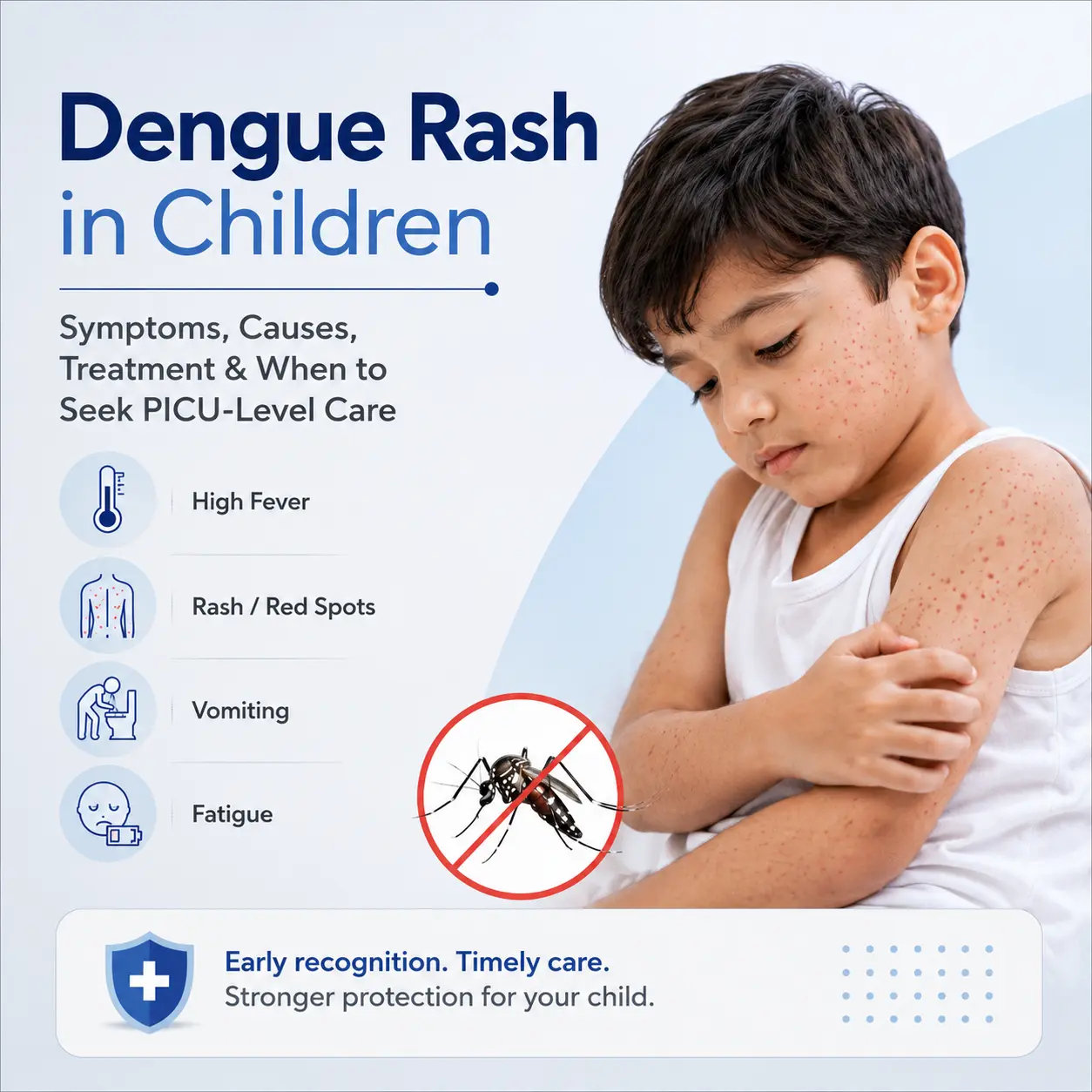
When is a Dengue Rash Serious in Children? Critical Warning Signs Every Parent Should Know
If your child develops a high fever followed by red spots or a skin rash, it's natural to be concerned about dengue. During the monsoon and post-monsoon season in India, dengue is one of the most common mosquito-borne viral infections affecting children. Thi
Newborn Sneezing: Is it a Cold or Just Normal Reflex? | Rainbow Hospitals
Key Takeaways Frequent sneezing is usually a normal reflex that helps a newborn clear milk droplets, mucus and dust from a narrow nose. Sneezing with comfortable breathing, normal feeds, clear mucus and no fever is generally reassuring. Saline drops, a short wait and gentle