



Categories
Common Newborn Health Concerns : A Guide for New Parents
May 25, 2026
Physical Health Issues
In the first weeks, several physical changes are as a newborn adapts to life outside the womb. However, can cause concern for new parents.-
Skin Changes: peeling, dryness, or newborn acne are seen.
-
Skin Tone:Mildjaundice, as a yellowish tint, may present babies.
-
Pattern: Irregular sleep in early development.
Feeding, Digestion, Weight
Feeding a newborn health can feel challenging for parents in the early days as the adjusts to a routine.-
Latch Issues: in or short feeding commonly observed.
-
Spit-ups: Frequent spit-ups after feeds normal in newborns.
-
Digestion Comfort: Mild gas or abdominal occur during early feeding.
-
Change: weight the first is generally expected.
Respiratory and Temperature Patterns
Newborns often breathing patterns, which can be normal in early as respiratory system matures. However, should stay alert to any signs.-
Breathing Rate: Persistent breathing or breathing is a concern.
-
Skin Colour: Bluish around the or face needs urgent attention.
-
Feeding Difficulty: Breathlessness feeding should evaluated.
-
Changes: Very high unusually low body temperature requires monitoring.
and Preventive Tips
Preventive care essential healthy newborn health ensuring safe early development. Simple daily practices can significantly risks and improve well-being.-
Hand Hygiene: Always your hands before handling the baby to prevent infections.
-
Safe Sleep: Place the on back on a firm, safe surface.
-
Infection Avoidance: Limit exposure to sick individuals months.
-
Vaccination Care: Follow recommended vaccination time.
-
Feeding Routine: Maintain intervals to support growth and hydration.
When to Call Paediatrician Immediately
many newborn are normal, certain signs require urgent medical attention. Parents seek help immediately if they notice or fast breathing, refusal feed or poor sucking, fever abnormally low temperature, excessive sleepiness or reduced responsiveness, or that cannot be soothed. In such situations, prompt evaluation is essential. A consult a approach ensures newborn expertise for accurate diagnosis and timely treatment. Children’s Hospitals, structured protocols support and care.Conclusion
newborn is an essential part of early parenting. While many newborn behaviours are adaptations, warning signs and seeking timely advice can a difference in outcomes. With support fromspecialists, neonatologists, and structured care systems, can confidently navigate early days of their baby’s life. Centres Rainbow Hospitals provide newborn care, ensuring both expertise and emotional reassurance families.FAQs
What the 7 danger signs a newborn baby?
Some common danger signs in newborns include breathing, poor feeding, excessive sleepiness, body temperature, persistent crying, seizures, bluish skin colour. symptoms may an underlying health and should by a doctor without delay.When should I concerned about my baby crying?
Babies cry many reasons, including hunger, discomfort, or tiredness. However, if the crying becomes continuous, unusually high-pitched, difficult to soothe, accompanied fever, vomiting, refusal to feed, is to medical guidance promptly.it normal for babies to sneeze multiple times in a row?
Yes, occasional sneezing in is generally often helps dust, milk particles, mucus from nasal passages. a baby’s passages are very small and sensitive, sneezing usually a natural protective reflex in early months.When should I worry an sneezing?
Frequent alone is a concern. However, if occurs along with fever, breathing difficulty, persistent cough, nasal congestion, or feeding problems, it may infection allergy that requires medical attention.Is it normal for babies’ breathing to change?
Yes, newborns have irregular patterns, brief and faster during sleep. is usually part development. However, consistently rapid breathing, pauses, or visible breathing difficulty should be assessed a healthcare professional.When should I worry about my infant’s breathing?
immediate medical care if your baby such as laboured breathing, chest retractions, grunting sounds, lips, or feeding due to breathing issues. These symptoms may indicate respiratory distress and should not be ignored.Disclaimer:
content is general educational and replace professional advice. Consult a qualified paediatrician if you are concerned about your newborn's health. Related BlogView More
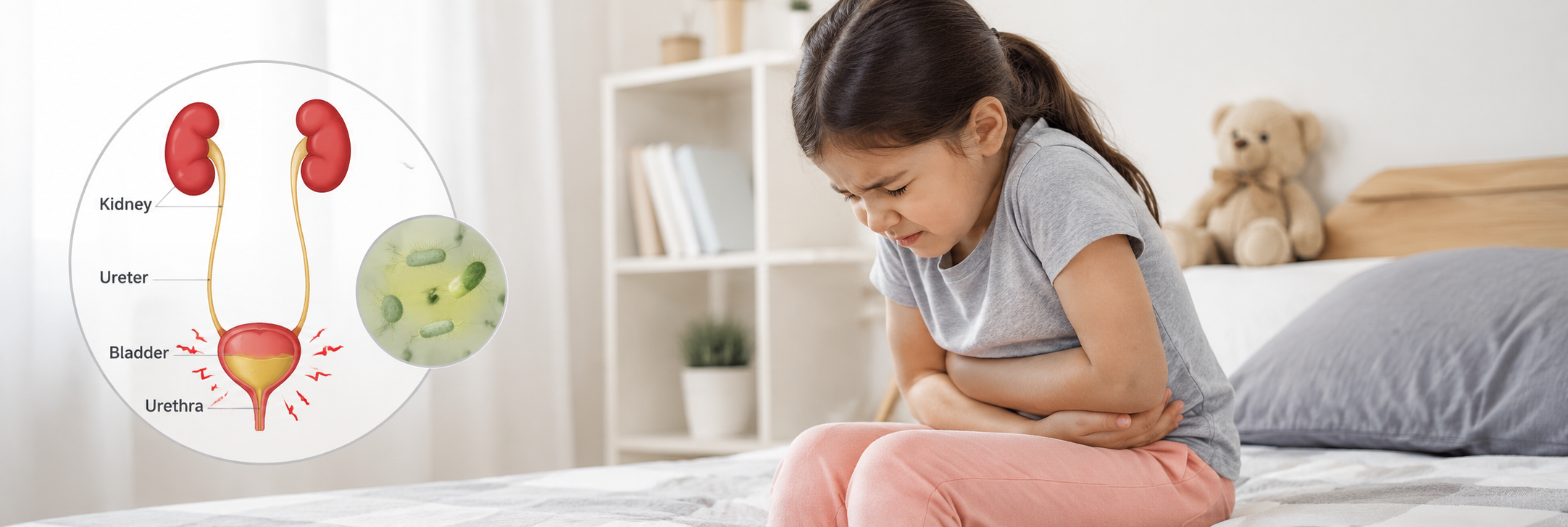
UTIs in Children: Symptoms, Causes, Treatment, and Prevention Guide
Urinary Tract Infections (UTIs) can be uncomfortable and distressing for children, especially when symptoms are difficult for them to explain. UTIs in children are relatively common and may affect the bladder, urethra, or kidneys. Early diagnosis and treatment are important

Vitamin D Deficiency in Kids: Signs, Risks, and Solutions
Vitamin D deficiency in kids is becoming increasingly common due to reduced outdoor activity, limited sun exposure, and dietary gaps in growing children. This essential nutrient plays a key role in bone strength, muscle development, and immunity. When levels are low, children

Otosclerosis in Kids: Causes, Symptoms and Treatment Explained
Otosclerosis is a condition that affects hearing due to abnormal bone growth in the middle ear. Although it is more commonly seen in adults, in rare cases it can also affect children, leading to gradual hearing difficulties. Early recognition of otosclerosis symptoms is important
Dehydration in Children: Symptoms, Stages, and Clinical Care
Dehydration in children can be worrying for parents, especially when symptoms appear suddenly during illness. It happens when a child loses more fluids than they take in, commonly due to fever, vomiting, or diarrhoea. Early signs may include thirst, dry mouth, reduced urine, and