


Categories
Is It a Summer Cold or Allergies? A Parent's Guide to Kids' Warm-Weather Congestion
Jul 06, 2026
Can Children Catch a Cold in Summer?
Children can catch a cold in summer. While many people associate colds with winter, several viruses continue to circulate throughout the year. Children often spend more time in groups during summer holidays, at camps, in indoor play areas, and during recreational activities, which can make it easier for infections to spread. A summer cold is usually a mild viral infection that affects the nose and throat. Children may develop a runny or blocked nose, sneezing, a mild cough, sore throat, low-grade fever, or tiredness. Most recover within seven to ten days with rest and supportive care.Why Do Children Get Summer Colds or Allergies?
Summer brings higher levels of pollen, grass, mould spores, and other environmental allergens. When children come into contact with these triggers, their immune systems may react, causing allergy symptoms. Unlike a cold, allergies are not caused by a virus and cannot spread from one child to another.Summer Cold vs. Seasonal Allergies: How to Tell the Difference
Summer cold viruses still circulate throughout the year. Children attend camps, play centres, swimming classes, and social gatherings. Close contact increases viral transmission. Air-conditioned indoor environments may facilitate spread. Although both conditions can cause congestion and sneezing, a few signs can help parents tell them apart.| Symptom | Summer Cold | Allergies |
| Duration | Usually 7–10 days | Can continue for weeks |
| Fever | May occur | Does not occur |
| Nasal discharge | Maybe thicker | Usually clear and watery |
| Itching | Uncommon | Common |
| Onset | Gradual | Often after exposure to a trigger |
Common Symptoms of a Summer Cold in Kids
A summer cold can look very similar to the colds children get during winter. Symptoms usually develop gradually over a day or two and often improve within a week to ten days. While every child may experience symptoms differently, some of the most common signs include a runny or blocked nose, sneezing, a mild sore throat, cough, low-grade fever, and tiredness. Younger children may also be a little more irritable than usual or show less interest in food and play. Most summer colds can be managed comfortably at home with rest, fluids, and appropriate treatment.Signs That Your Child's Congestion May Be Caused by Allergies
If your child's congestion keeps returning or seems to appear during specific times of the year, allergies may be the cause. Unlike a cold, allergy symptoms often begin soon after exposure to a trigger such as pollen, grass, dust, or mould. Common signs include frequent sneezing, a clear runny nose, itchy or watery eyes, and an itchy nose or throat. You may also notice symptoms becoming worse after outdoor activities. If these symptoms occur regularly or affect your child's daily routine, consulting a paediatric allergy specialist at Rainbow Children's Hospitals can help identify possible triggers and recommend suitable treatment.Preventing Summer Colds and Allergy Flare-Ups in Children
Although it is not always possible to avoid every infection or allergy trigger, a few everyday habits can make a difference:- Encourage regular handwashing
- Keep indoor spaces clean and well ventilated
- Change clothes after outdoor play
- Maintain good hydration
- Shower after spending time outdoors during high-pollen periods
- Follow your healthcare team's allergy-management advice
When to Visit a Paediatrician for Warm-Weather Congestion
Most children recover comfortably at home. However, consult a paediatrician if symptoms last longer than 10 days, recur frequently, affect sleep, or interfere with daily activities. Families seeking specialised care often turn to the best paediatric hospital in India, where multidisciplinary teams support children's respiratory and allergy-related health needs. A pediatric allergy specialist at Rainbow Children's Hospitals may also be recommended for recurring allergy symptoms.Conclusion
Warm-weather congestion can sometimes make it difficult to tell whether your child has a summer cold or seasonal allergies. Understanding the differences can help you respond with confidence and choose the most appropriate care. At Rainbow Children's Hospitals, experienced paediatricians and specialists provide comprehensive support for children with respiratory and allergy-related concerns. Whether your child needs guidance on treating a summer cold or an evaluation by a pediatric allergy specialist, timely care can help keep them active and comfortable throughout the season.FAQs
How long does a summer cold usually last in children?
Most children recover from a summer cold within seven to ten days. Symptoms such as congestion, sneezing, and a runny nose usually improve gradually with rest, fluids, and simple supportive care at home.What is the difference between a summer cold and allergies?
A viral summer cold may cause mild fever or tiredness. Allergies are triggered by substances such as pollen and often cause itchy eyes, sneezing, and longer-lasting symptoms.What are the best summer cold treatment options for kids?
Effective summer cold treatment focuses on keeping your child comfortable. Plenty of fluids, adequate rest, saline nasal drops, and a healthy diet can help support recovery while symptoms gradually settle.Can children get colds during hot weather?
Children can catch them during summer activities, at camps, while travelling, or through close contact with others. Although colds are often associated with winter, certain viruses circulate throughout the year.When should I take my child to a paediatrician for congestion?
You should consider speaking with a paediatrician if congestion lasts longer than 10 days, recurs frequently, affects sleep, or makes everyday activities less comfortable for your child.Can allergies cause symptoms similar to a summer cold?
Allergies can cause symptoms similar to a summer cold. Both conditions can cause sneezing, congestion, and a runny nose. However, allergies are more likely to cause itchy eyes and nose and usually continue while the trigger remains present.How can I prevent summer colds in children?
You can prevent summer colds in children by encouraging them to wash their hands regularly, go to bed on time, eat balanced meals, and stay hydrated. Keeping indoor spaces clean may also help reduce exposure to common irritants and germs.Medical Disclaimer:
The information provided in this article is for general educational purposes only and should not be used as a substitute for professional medical advice, diagnosis, or treatment. Always consult a qualified healthcare professional for personalised guidance regarding your child's health.Related BlogView More

Hip Pain in Children: Causes, Symptoms & Treatment
Hip Pain in Children: Causes, Symptoms & When to See a Specialist When most people think of hip problems, they picture an elderly relative or acquaintance recovering from a hip replacement. Few realize that most hip problems in children start de
Fever in a Newborn: Infection Risks in the First Month
A parent of a two-week-old baby notices that the baby feels warmer than usual and is feeding less than normal. A temperature check shows 38°C (100.4°F). At this age, it is reasonable to wonder whether the baby is simply too warm or whethe
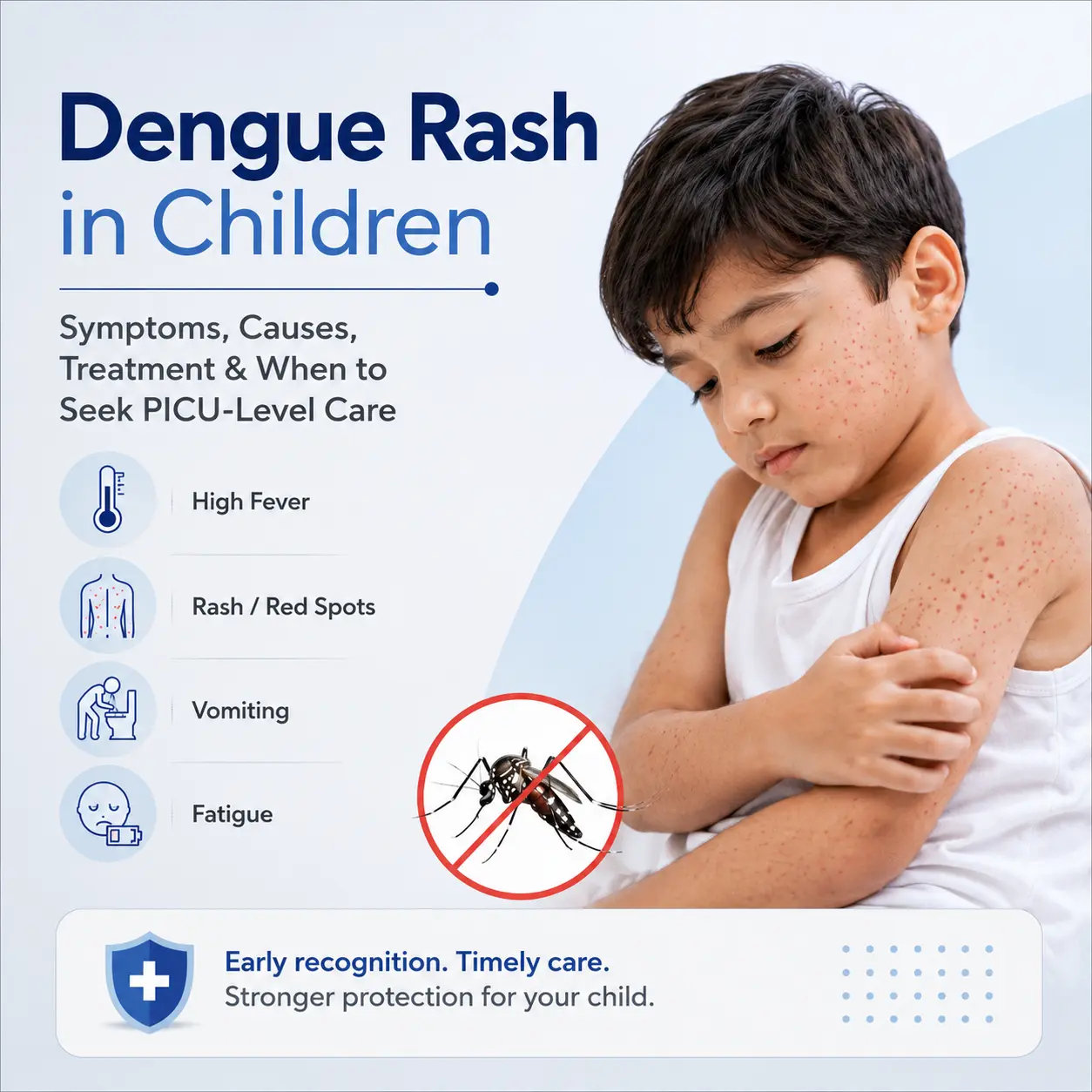
When is a Dengue Rash Serious in Children? Critical Warning Signs Every Parent Should Know
If your child develops a high fever followed by red spots or a skin rash, it's natural to be concerned about dengue. During the monsoon and post-monsoon season in India, dengue is one of the most common mosquito-borne viral infections affecting children. Thi

Newborn Sneezing: Is it a Cold or Just Normal Reflex? | Rainbow Hospitals
Key Takeaways Frequent sneezing is usually a normal reflex that helps a newborn clear milk droplets, mucus and dust from a narrow nose. Sneezing with comfortable breathing, normal feeds, clear mucus and no fever is generally reassuring. Saline drops, a short wait and gentle