



Categories
Genetic Risk of Cancer in Kids: How Family History Affects Cancer Risk
Jul 09, 2026
Understanding Genetic Cancer Risk in Children
Our genes carry instructions that guide growth and development. Sometimes, changes in these genes can affect how cells behave. While many genetic changes occur by chance, some can be inherited from a parent.Inherited cancer predisposition syndromes are uncommon, but they can increase a child's likelihood of developing certain cancers. Identifying these conditions early can help healthcare teams recommend appropriate monitoring and support.
At Rainbow Children's Hospitals, paediatric oncologists, genetic counsellors, medical geneticists and other child health specialists work together to assess inherited conditions and provide family-centred care when needed.
How Family History Influences Cancer Risk in Kids
Family history can provide important clues about inherited cancer risk. Specialists may recommend further evaluation when they notice patterns such as:- Close relatives with the same or related cancers
- Cancer diagnosed at a younger age than expected
- Rare cancers appearing within the family
- A family member who has had more than one type of cancer
- A known inherited cancer syndrome in the family
Having a family history of cancer does not mean a child will develop cancer. Instead, it helps specialists determine whether additional assessment or monitoring may be beneficial.
Warning Signs That May Suggest an Increased Genetic Cancer Risk
In addition to family history, healthcare professionals may look for features that could indicate an inherited condition:- Multiple relatives affected by similar cancers
- Rare childhood tumours in the family
- Known genetic conditions linked to cancer risk
- Physical characteristics associated with specific genetic syndromes
- A family pattern of cancers occurring across multiple generations
How Specialists Assess Cancer Risk in Children
The first step is usually a detailed discussion about the family's medical history. Specialists often create a family tree covering several generations to identify patterns that may suggest an inherited condition.In some cases, genetic testing for cancer may be recommended. This typically involves a blood or saliva sample that is analysed for specific genetic changes linked to cancer risk. The results can help healthcare teams decide whether ongoing monitoring, screening or additional family testing may be useful.
At Rainbow Children's Hospitals, genetic services and oncology teams work closely together to provide personalised guidance, helping families feel informed and supported throughout the process.
When to Seek Medical Advice
Parents may wish to speak with a specialist if there is a strong family history of cancer or if they have concerns about inherited conditions. It is also important to discuss any persistent health changes with a healthcare professional. Some cancer symptoms in kids that may require further evaluation include:- Persistent tiredness
- Unexplained lumps or swelling
- Frequent bruising
- Recurring fevers
- Ongoing pain or discomfort
- Changes in appetite or growth
Supporting Families with Personalised Care
Conversations about cancer risk can feel overwhelming, especially when children are involved. Having access to experienced specialists and reliable information can make a significant difference.At Rainbow Children's Hospitals, multidisciplinary teams including paediatric oncologists, genetic counsellors, radiologists, pathologists, psychologists and nutrition specialists work together to provide comprehensive support for children and their families.
Conclusion
Most childhood cancers occur without an inherited cause. However, family history can sometimes provide valuable insights into a child’s health risks. When appropriate, genetic testing for cancer can help families better understand those risks and plan future care with confidence. With guidance from specialists at a trusted paediatric oncology hospital, families can access the information, support and personalised care they need every step of the way.FAQs
Does having a family history of cancer mean my child will develop cancer?
A family history of cancer may increase risk in some situations, but it does not mean a child will develop cancer. Most childhood cancers are not inherited, and many children with a family history remain healthy throughout their lives.Which childhood cancers are most commonly linked to inherited genetic mutations?
Inherited genetic mutations are associated with some cases of retinoblastoma, neuroblastoma, certain leukaemias and cancers that occur as part of hereditary cancer predisposition syndromes such as Li-Fraumeni syndrome.When should a child undergo genetic testing for cancer risk?
Genetic testing for cancer may be recommended when there is a strong family history of cancer, a known inherited syndrome, or patterns that suggest an increased genetic risk.What is the role of genetic counselling in assessing cancer risk?
Genetic counsellors review family history, explain possible inherited risks, discuss testing options and help families interpret results. They also provide education and emotional support to help families make informed decisions about their healthcare.Can genetic cancer risk be reduced or managed?
While inherited genetic changes cannot be altered, risk can often be managed through regular monitoring, screening and personalised healthcare plans. Early identification helps specialists recommend appropriate follow-up and ongoing support.Should siblings of a child with hereditary cancer syndrome also be tested?
In some situations, siblings may benefit from testing, particularly when a specific genetic mutation has been identified in the family. A genetic counsellor can advise whether testing is appropriate and when it should be considered.When should parents consult a paediatric oncologist regarding a family history of cancer?
Parents should consider consulting a paediatric oncologist if there are multiple cancer diagnoses in close relatives, cancers diagnosed at younger ages, or a known hereditary cancer syndrome within the family.Medical Disclaimer:
The information provided in this article is for general educational purposes only and should not be used as a substitute for professional medical advice, diagnosis, or treatment. Always consult a qualified healthcare professional for personalised guidance regarding your health.Related BlogView More

Hip Pain in Children: Causes, Symptoms & Treatment
Hip Pain in Children: Causes, Symptoms & When to See a Specialist When most people think of hip problems, they picture an elderly relative or acquaintance recovering from a hip replacement. Few realize that most hip problems in children start de
Fever in a Newborn: Infection Risks in the First Month
A parent of a two-week-old baby notices that the baby feels warmer than usual and is feeding less than normal. A temperature check shows 38°C (100.4°F). At this age, it is reasonable to wonder whether the baby is simply too warm or whethe
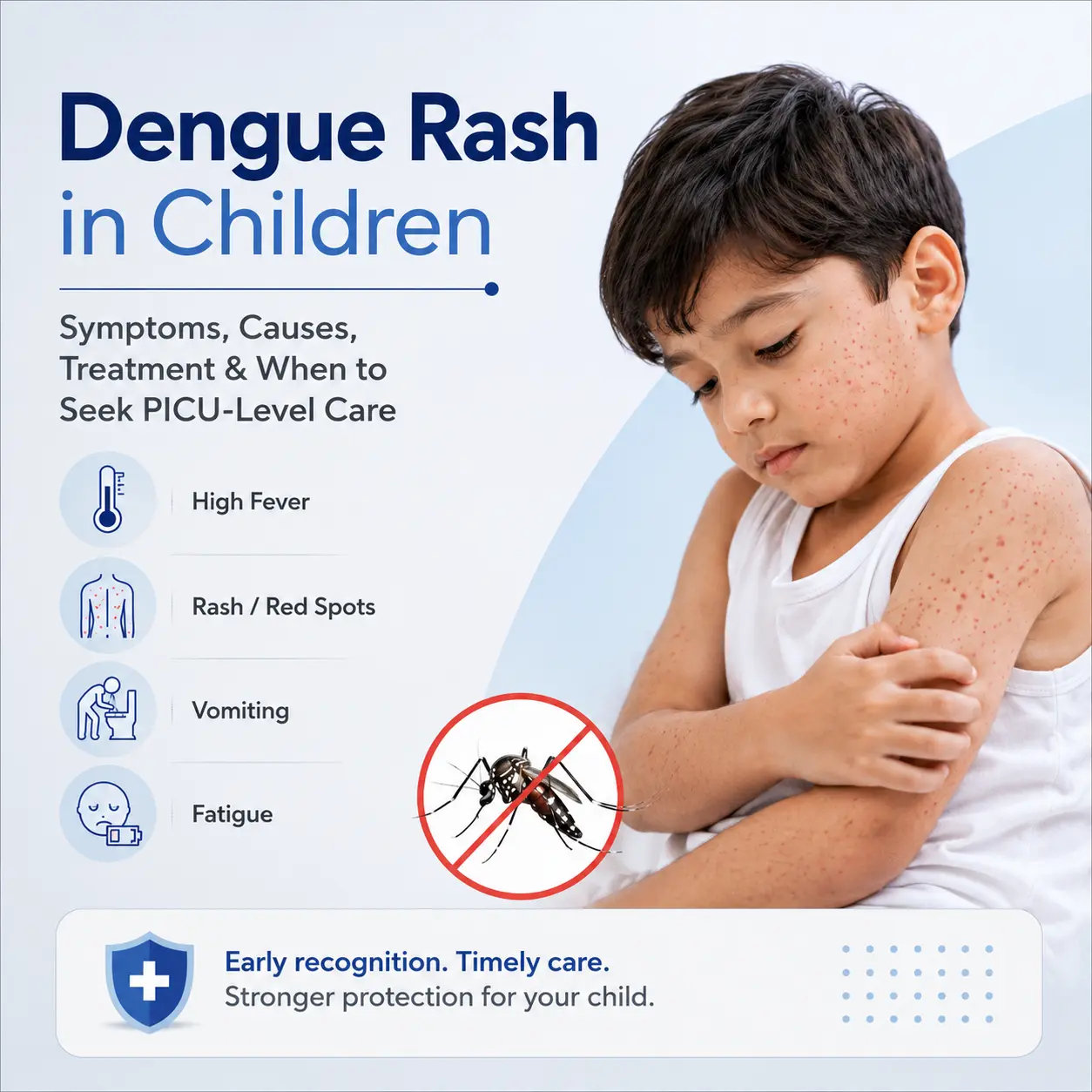
When is a Dengue Rash Serious in Children? Critical Warning Signs Every Parent Should Know
If your child develops a high fever followed by red spots or a skin rash, it's natural to be concerned about dengue. During the monsoon and post-monsoon season in India, dengue is one of the most common mosquito-borne viral infections affecting children. Thi
Newborn Sneezing: Is it a Cold or Just Normal Reflex? | Rainbow Hospitals
Key Takeaways Frequent sneezing is usually a normal reflex that helps a newborn clear milk droplets, mucus and dust from a narrow nose. Sneezing with comfortable breathing, normal feeds, clear mucus and no fever is generally reassuring. Saline drops, a short wait and gentle